Contract For Insurance
Description
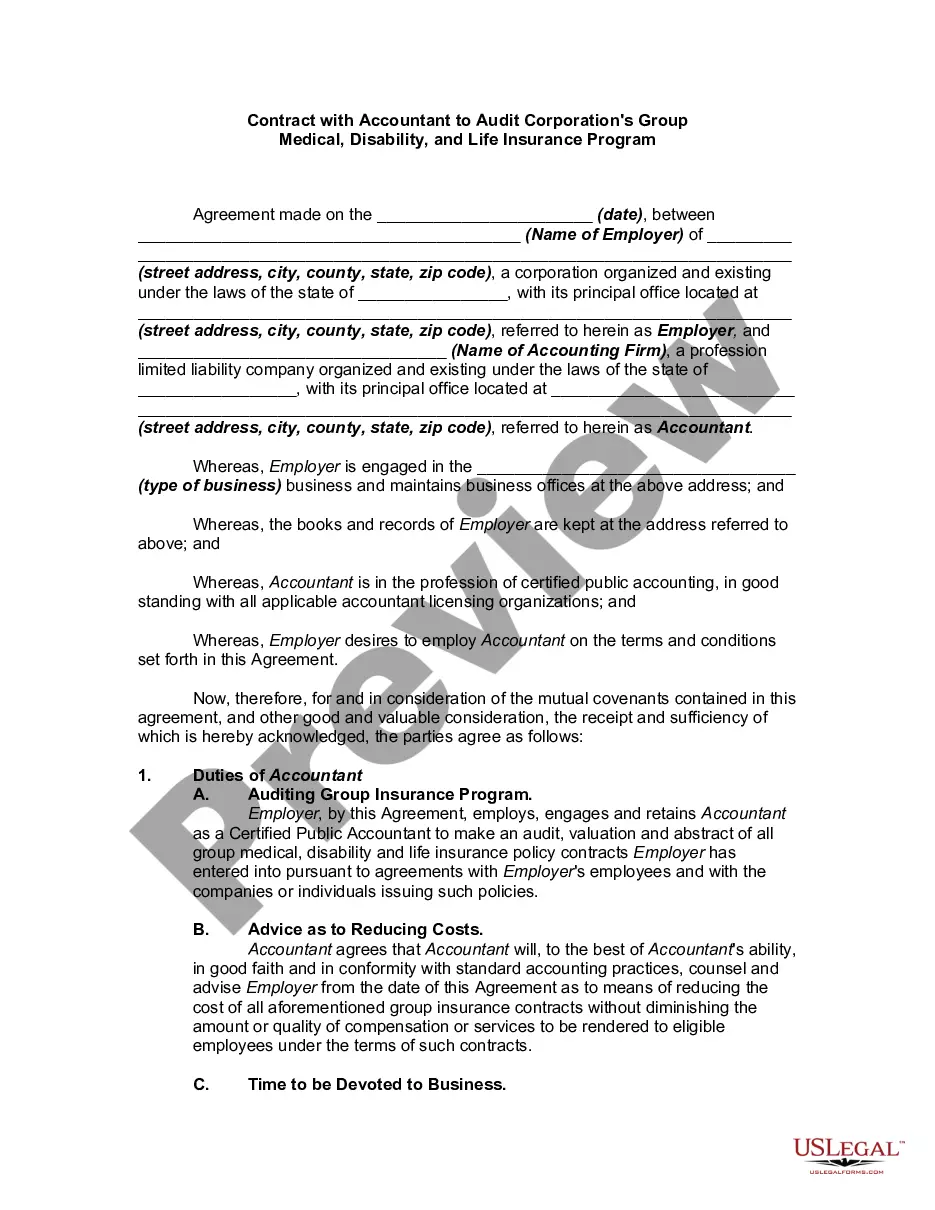
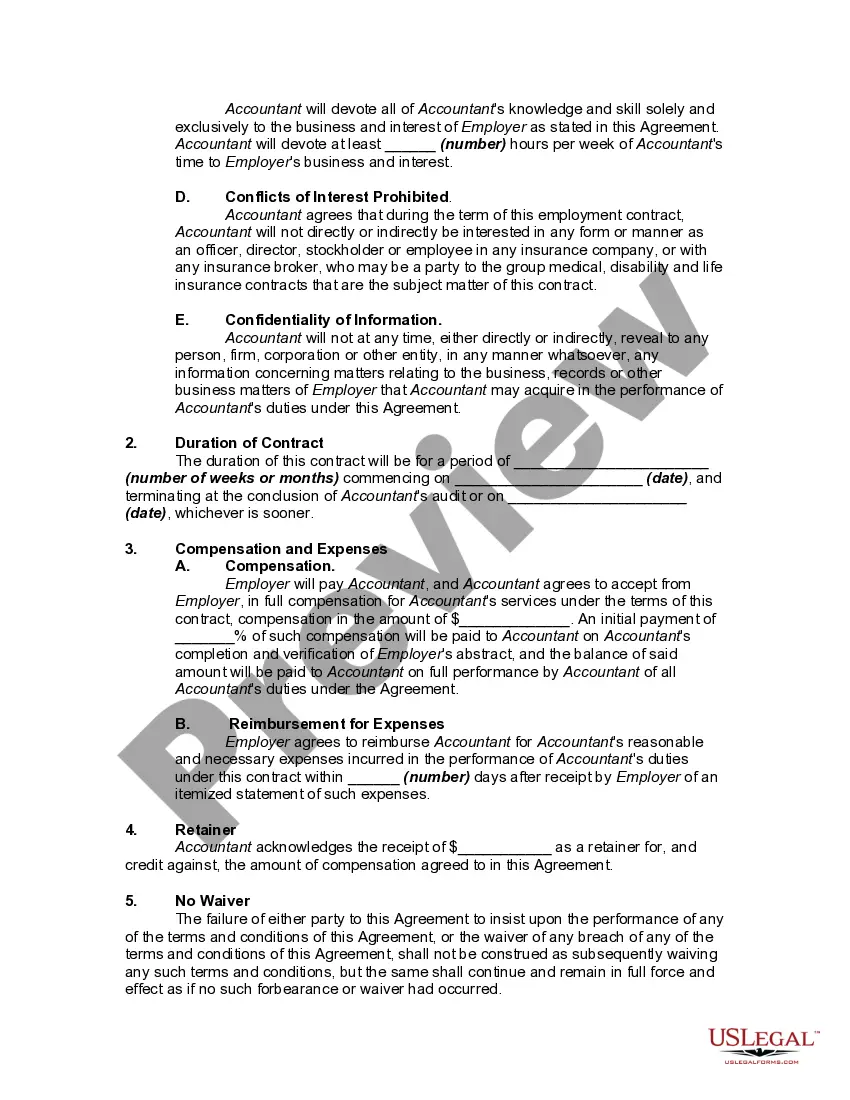
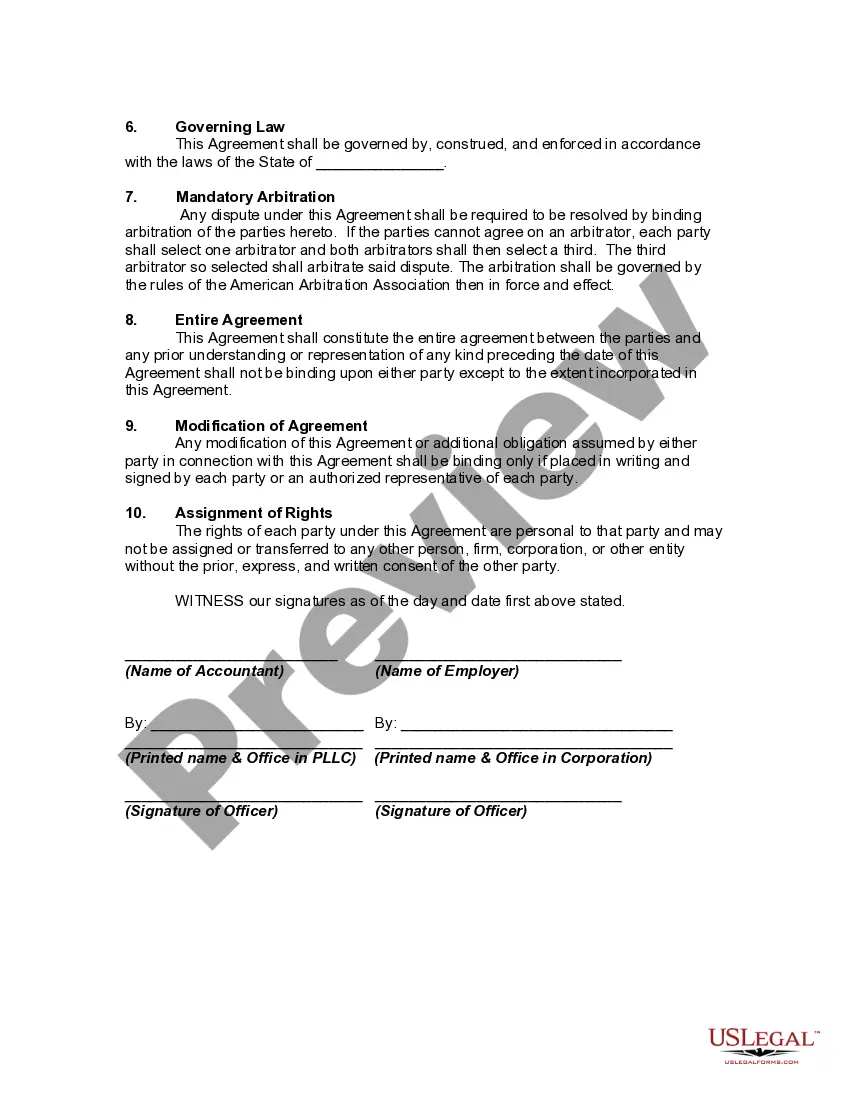
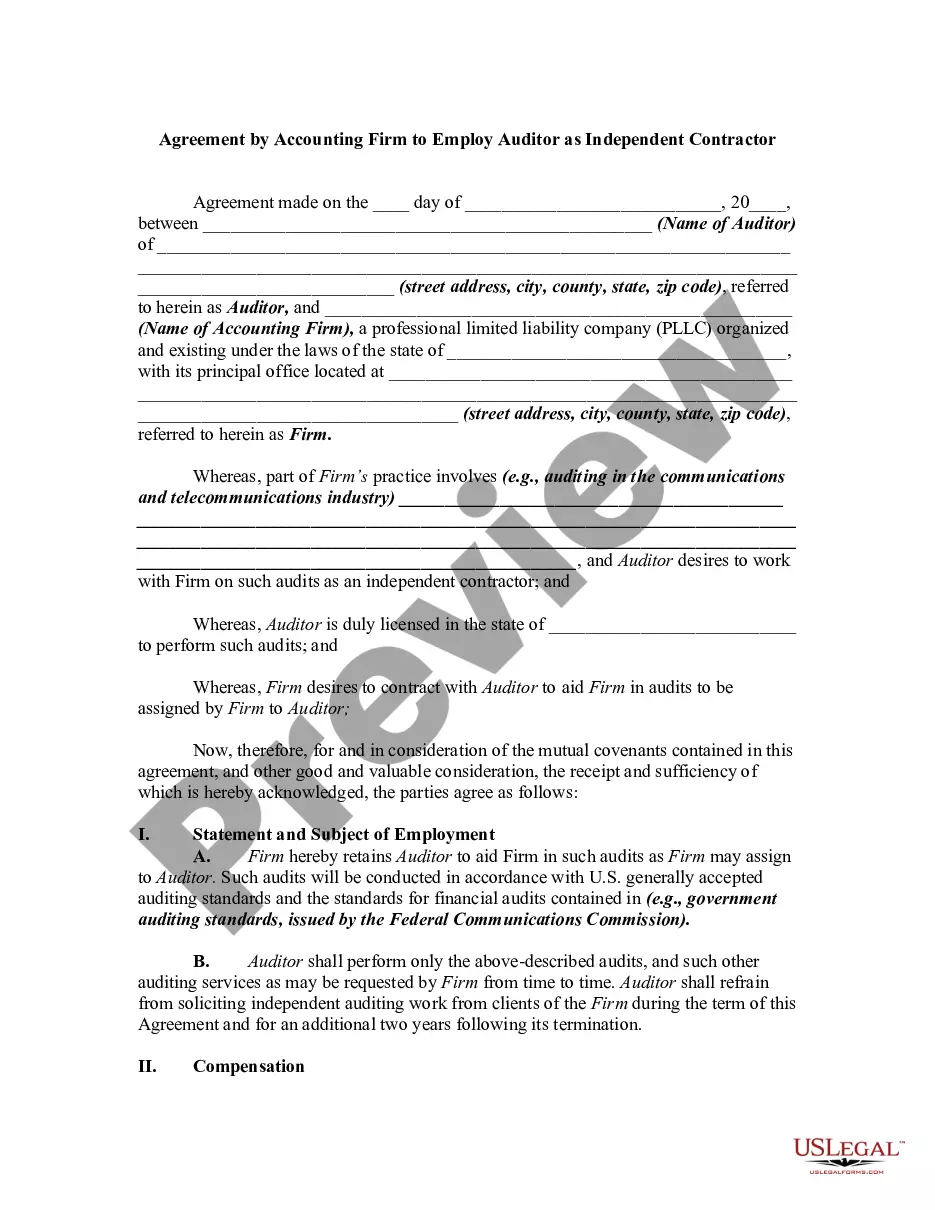
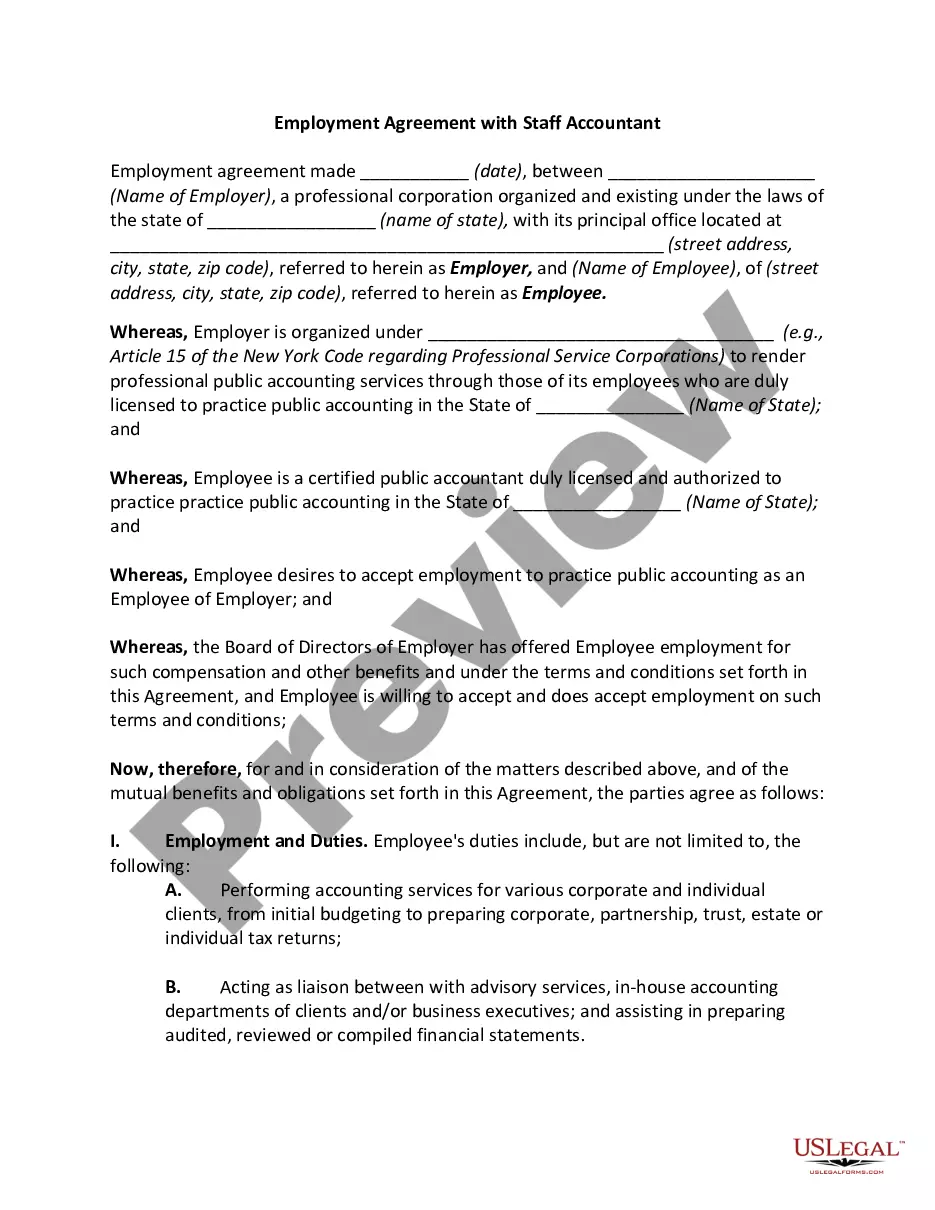
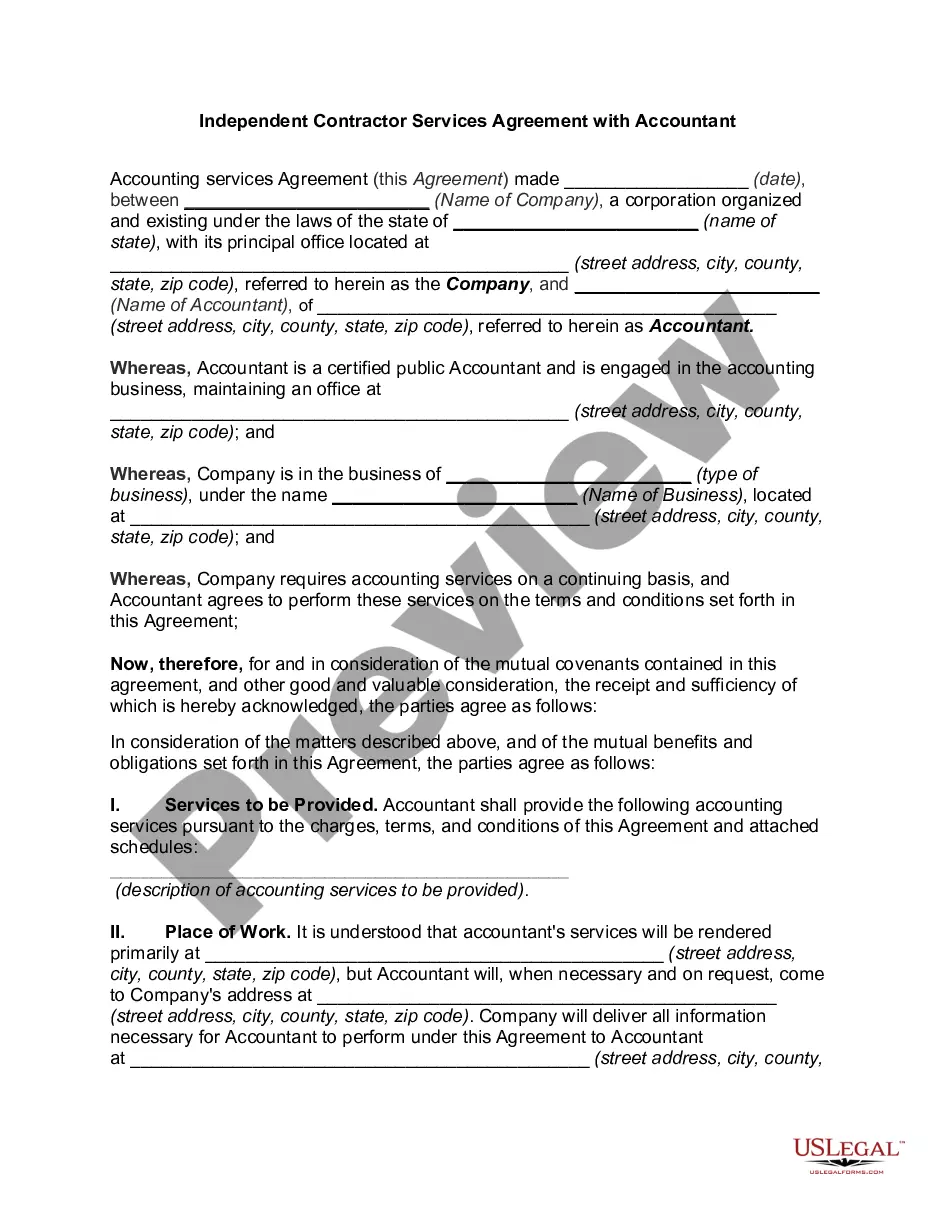
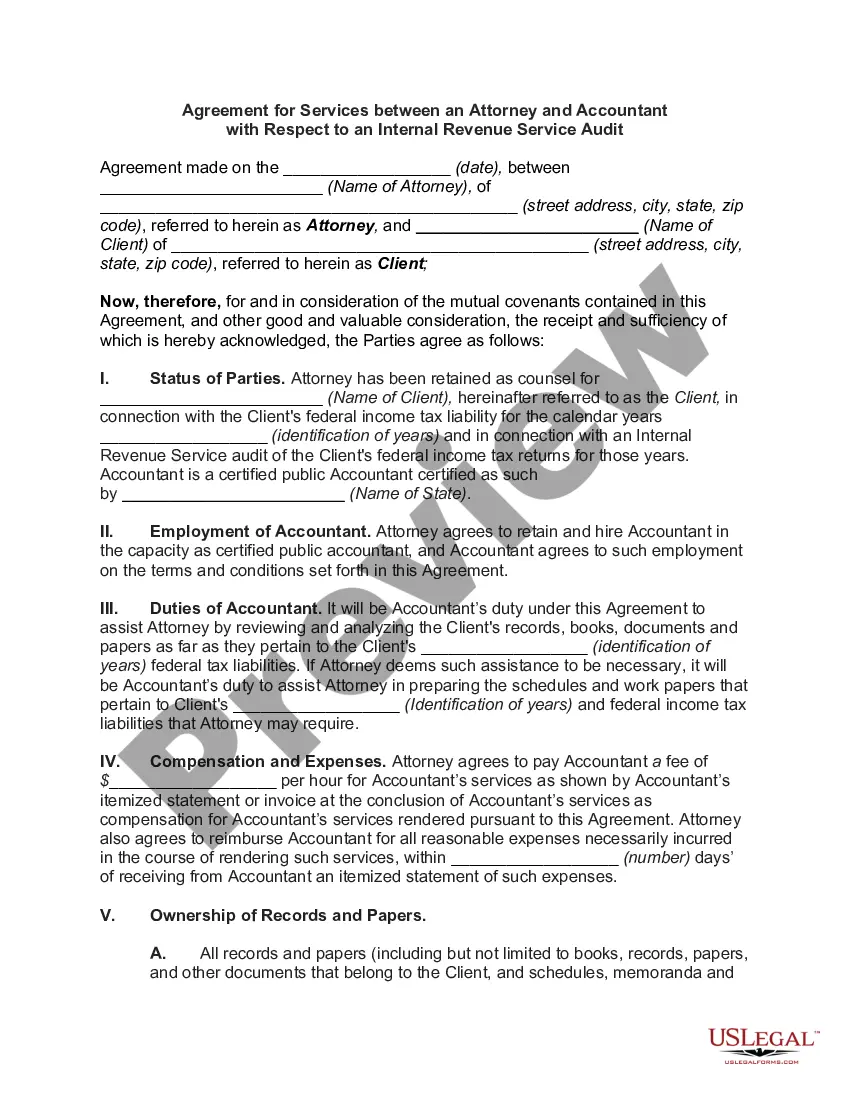
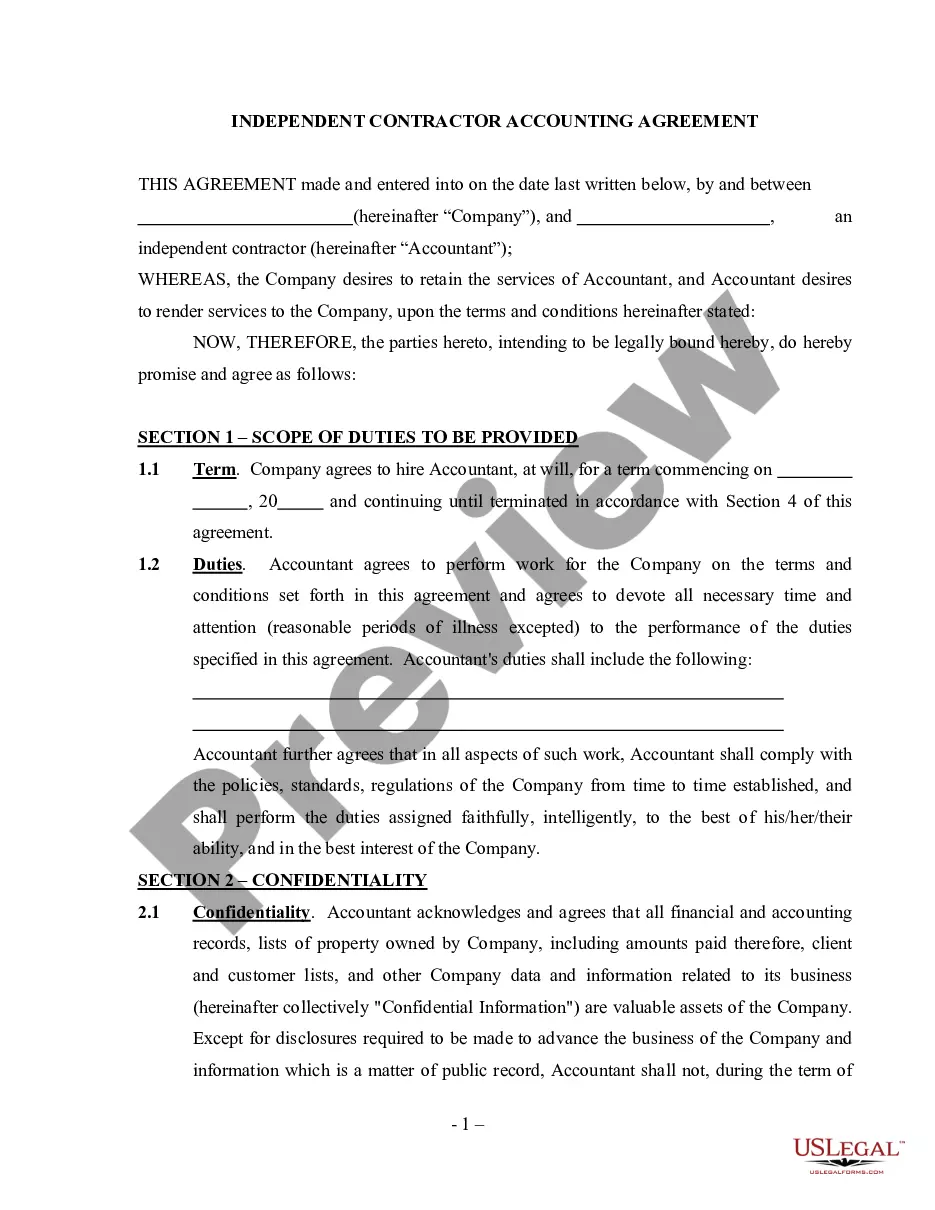
Get your form ready online
Our built-in tools help you complete, sign, share, and store your documents in one place.
Make edits, fill in missing information, and update formatting in US Legal Forms—just like you would in MS Word.
Download a copy, print it, send it by email, or mail it via USPS—whatever works best for your next step.
Sign and collect signatures with our SignNow integration. Send to multiple recipients, set reminders, and more. Go Premium to unlock E-Sign.
If this form requires notarization, complete it online through a secure video call—no need to meet a notary in person or wait for an appointment.
We protect your documents and personal data by following strict security and privacy standards.

Make edits, fill in missing information, and update formatting in US Legal Forms—just like you would in MS Word.

Download a copy, print it, send it by email, or mail it via USPS—whatever works best for your next step.

Sign and collect signatures with our SignNow integration. Send to multiple recipients, set reminders, and more. Go Premium to unlock E-Sign.

If this form requires notarization, complete it online through a secure video call—no need to meet a notary in person or wait for an appointment.

We protect your documents and personal data by following strict security and privacy standards.
Looking for another form?



How to fill out Contract With Accountant To Audit Corporation's Group Medical, Disability, And Life Insurance Program?
Regardless of whether it's for corporate reasons or personal affairs, every individual must confront legal matters at some stage in their lifetime.
Completing legal documentation requires meticulous attention, starting with selecting the appropriate form template.
With an extensive US Legal Forms library at your disposal, you no longer need to waste time searching for the suitable sample online. Leverage the library's straightforward navigation to find the correct form for any circumstance.
- Acquire the template you seek via the search bar or catalog browsing.
- Review the form’s details to confirm it aligns with your situation, jurisdiction, and county.
- Select the form’s preview to inspect it.
- If it is the incorrect document, return to the search tool to locate the Contract For Insurance sample you require.
- Download the document if it meets your specifications.
- If you possess a US Legal Forms account, click Log in to retrieve previously saved documents in My documents.
- If you lack an account, you can obtain the form by selecting Buy now.
- Choose the appropriate payment option.
- Complete the profile registration form.
- Select your payment method: either a credit card or PayPal account.
- Choose the file format you desire and download the Contract For Insurance.
- Once downloaded, you can fill out the form using editing software or print it out and complete it by hand.
Form popularity
FAQ
What is the structure of an insurance contract? The general structure of an insurance contract is as follows: Declarations. Definitions. ... Terms of Insurance. ... Named Perils Coverage. ... All-Risk Coverage. Exclusions. ... Excluded Perils or Causes of Loss.
The five parts of an insurance policy are: declarations, insuring agreements, definitions, conditions, and exclusions.
There are four necessary elements to comprise a legally binding contract: (1) Offer and acceptance, (2) consideration, (3) legal purpose, and (4) competent parties. The effective date of a policy is the date the insurer accepts an offer by the applicant "as written."
Policy - The written contract between an individual or group policyholder and an insurance company. The policy outlines the duties, obligations, and responsibilities of the policyholder and the insurance company.
These elements are a definable risk, a fortuitous event, an insurable interest, risk shifting, and risk distribution.