Injunction Vs Court Order
Description
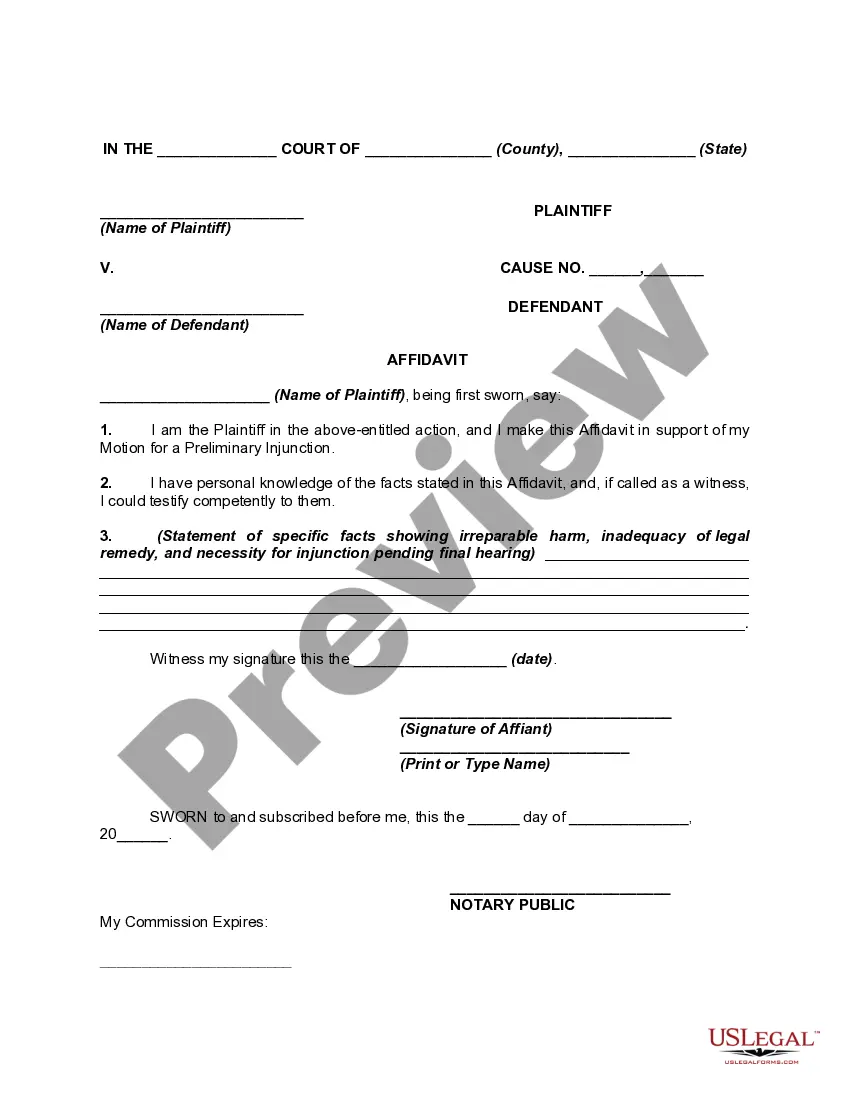

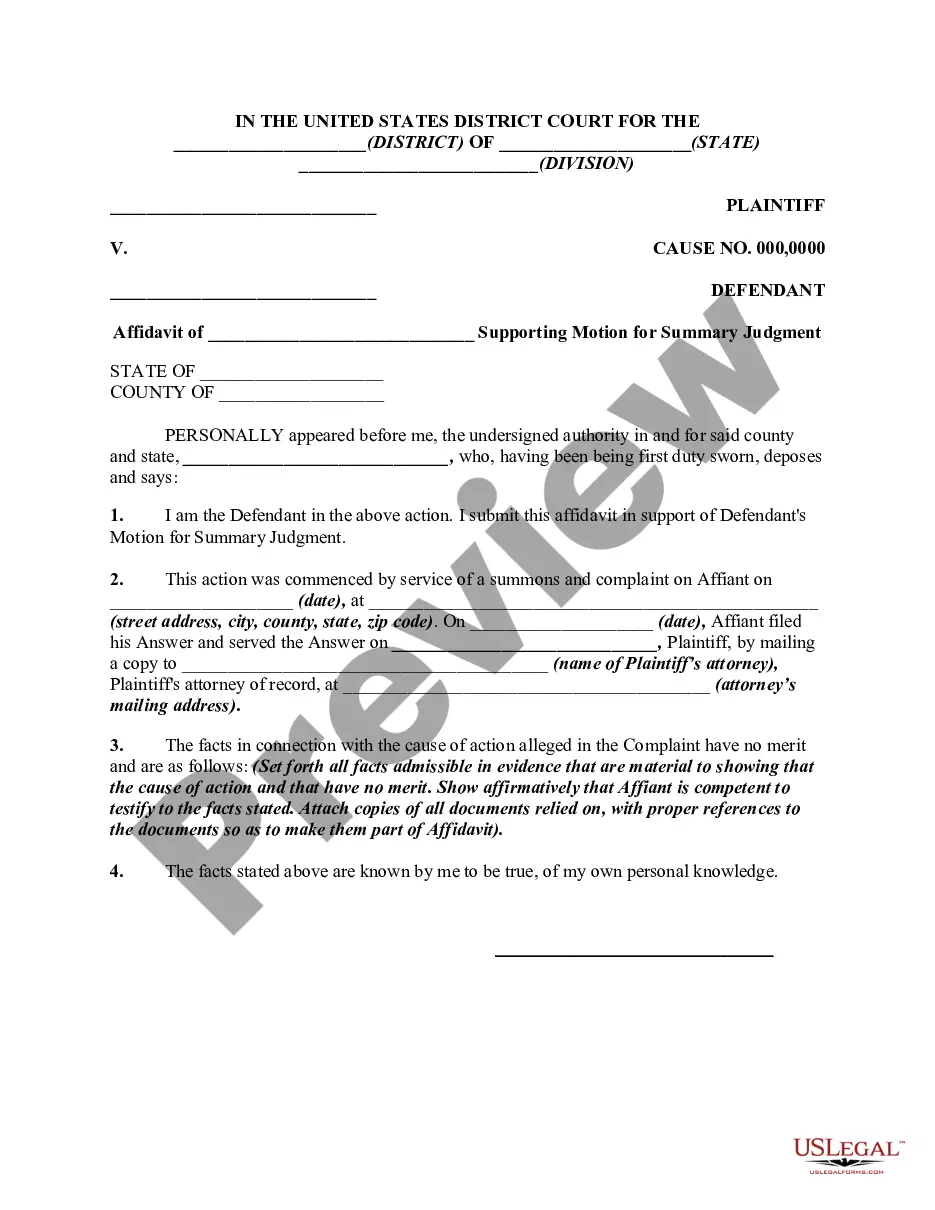
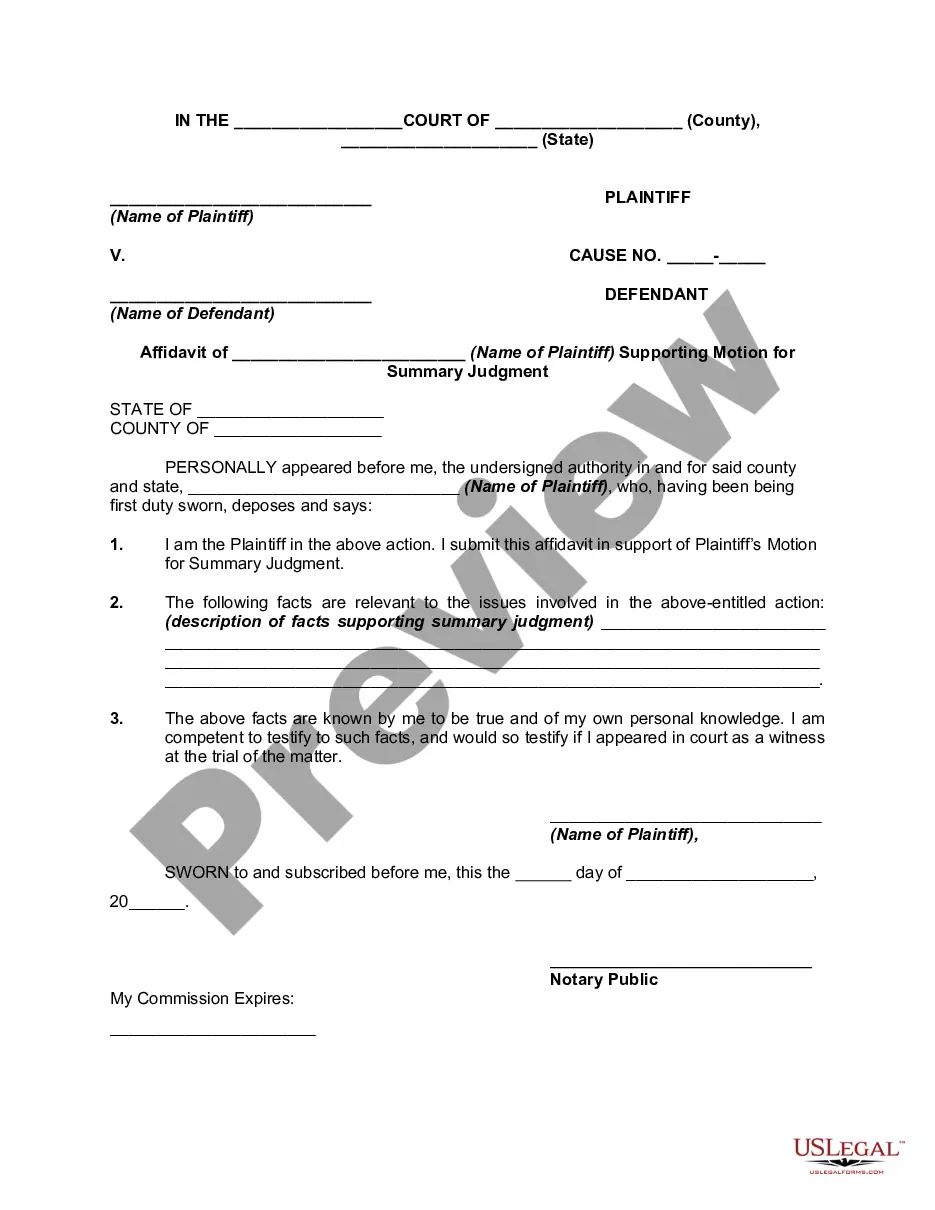
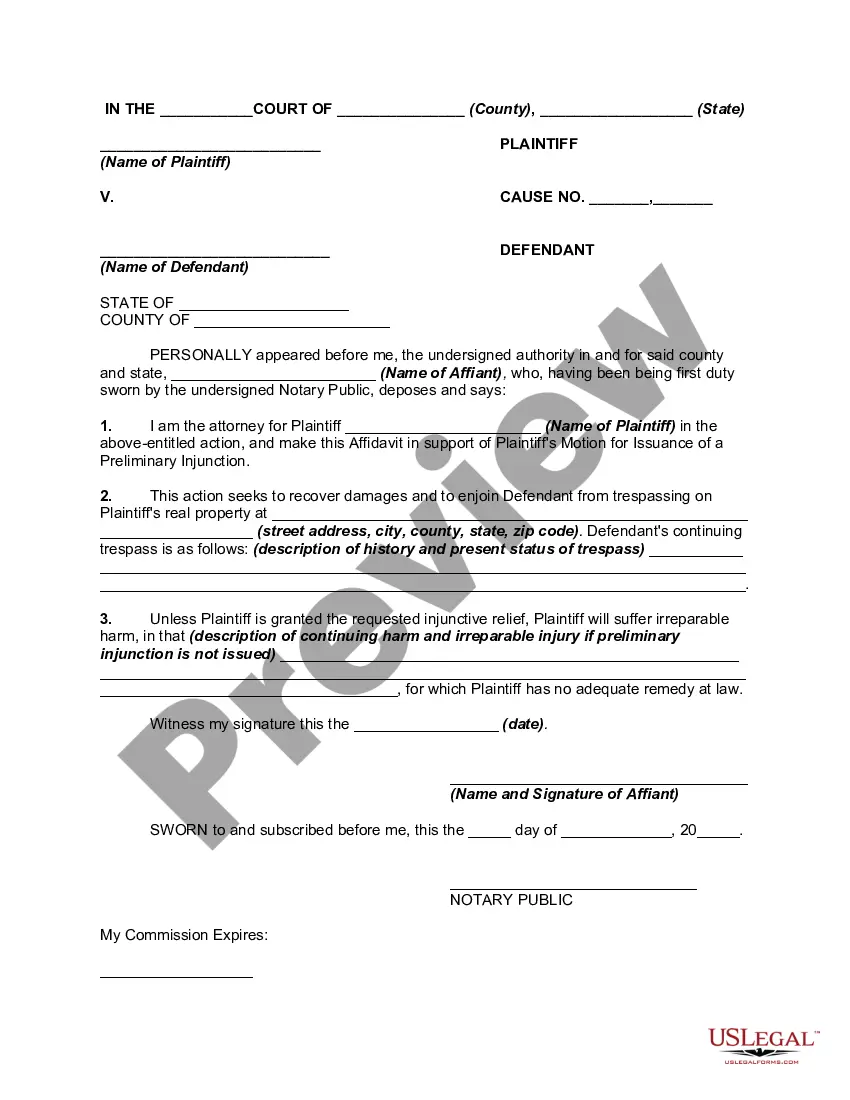
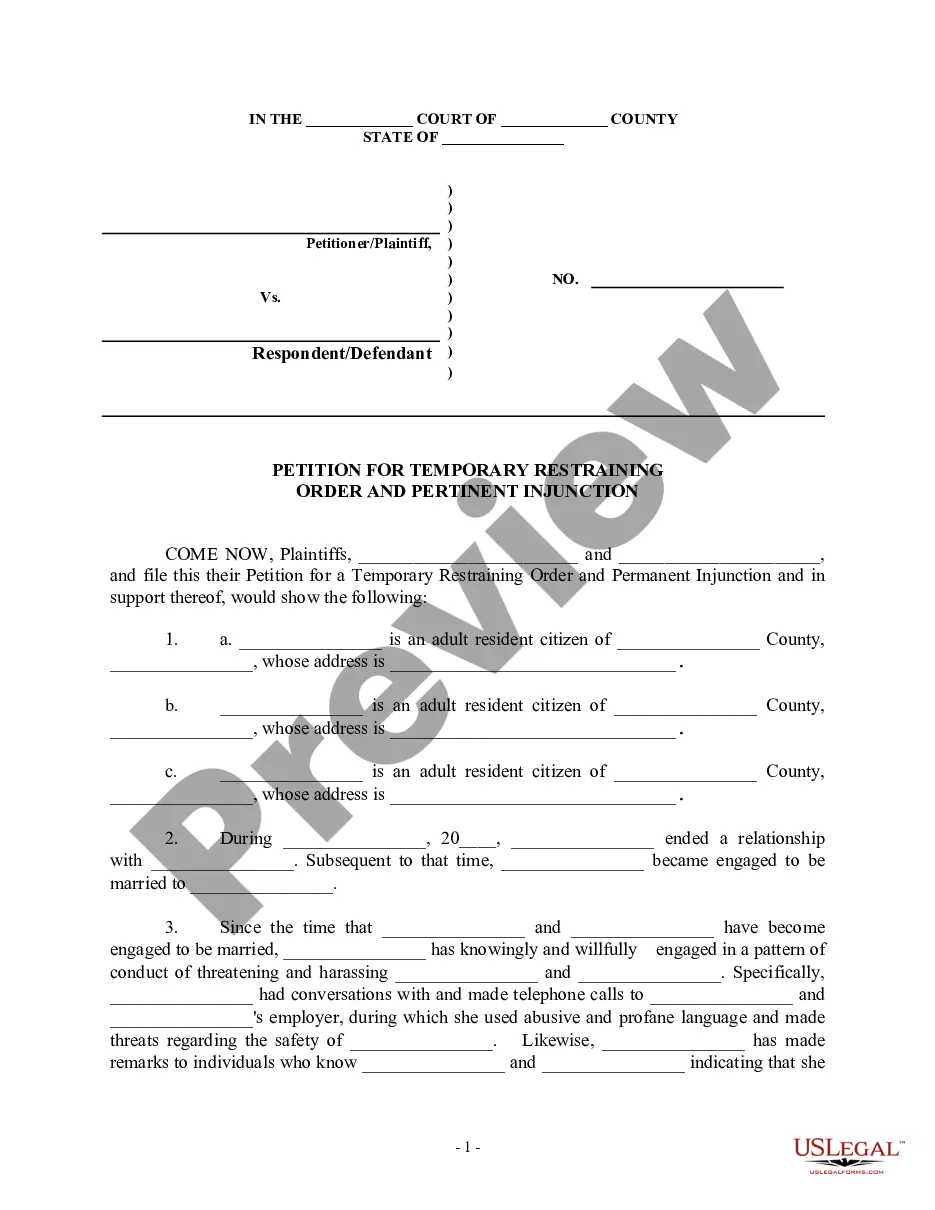
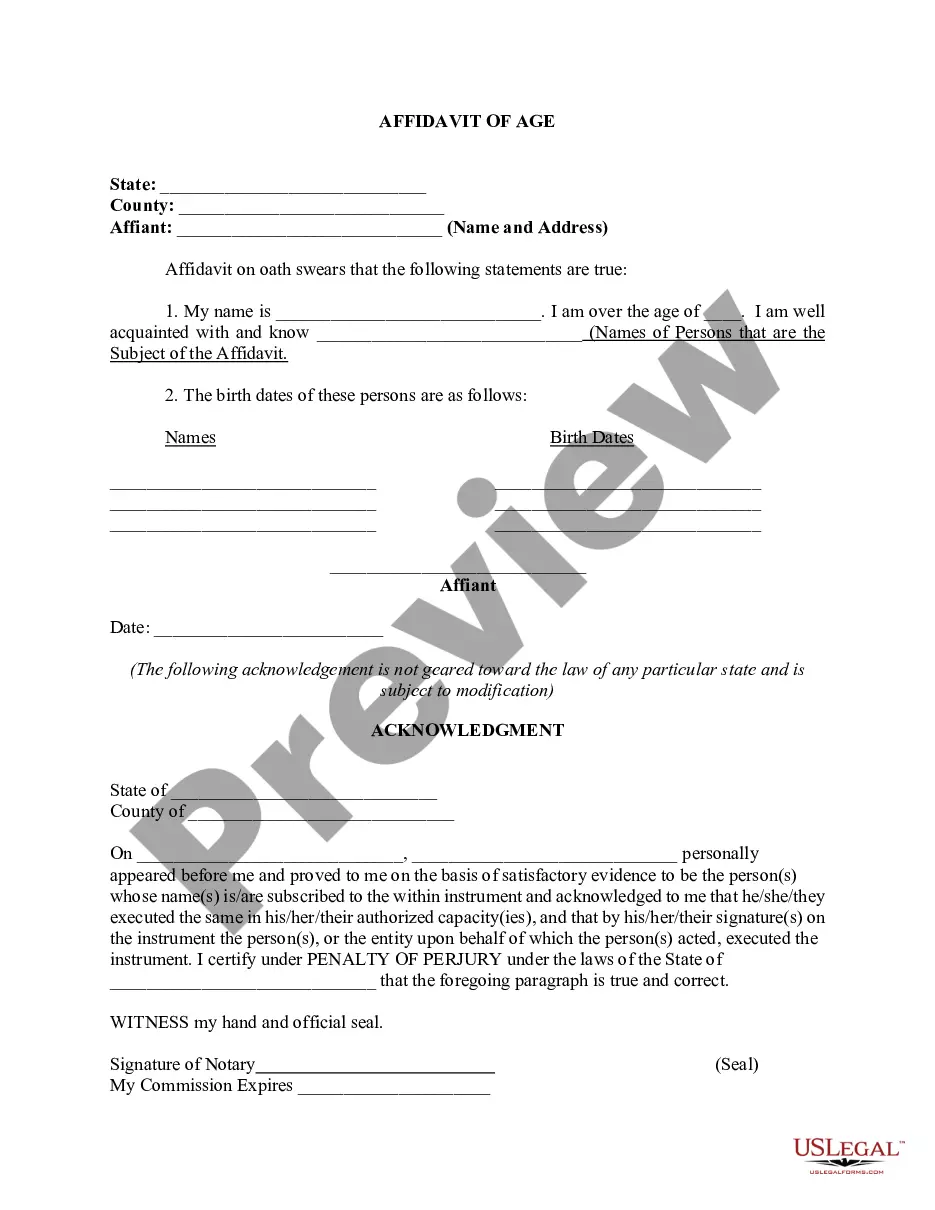









How to fill out Affidavit In Support Of Motion For Preliminary Injunction?
Identifying a reliable location to obtain the latest and suitable legal templates is part of the challenge of navigating bureaucracy.
Acquiring the appropriate legal documents necessitates precision and meticulousness, which is why it is essential to obtain samples of Injunction Vs Court Order exclusively from trustworthy sources, like US Legal Forms. An incorrect template can squander your time and delay your circumstances. With US Legal Forms, you have minimal concerns.
Once you have the form on your device, you can edit it using the editor or print it out and complete it manually. Remove the stress associated with your legal documentation. Explore the extensive US Legal Forms catalog, where you can find legal templates, assess their applicability to your situation, and download them instantly.
- Utilize the catalog navigation or search bar to find your template.
- Examine the form’s description to determine if it meets the criteria of your state and county.
- Check the form preview, if available, to confirm the template is indeed what you require.
- Return to the search to locate the appropriate template if the Injunction Vs Court Order does not align with your specifications.
- Once you are certain about the form’s relevance, download it.
- If you are a registered user, click Log in to verify and access your chosen forms in My documents.
- If you haven't created an account, click Buy now to acquire the template.
- Select the pricing plan that meets your needs.
- Proceed with registration to finalize your transaction.
- Complete your purchase by selecting a payment method (credit card or PayPal).
- Choose the file format for downloading Injunction Vs Court Order.
Form popularity
FAQ
Some of the most common injunctions include temporary restraining orders, preliminary injunctions, and permanent injunctions. Temporary restraining orders offer swift relief and are often used in urgent situations. Understanding these common types helps individuals navigate the legal landscape effectively.
Court injunctions refer to legal orders that restrict certain actions or behaviors. Historically, these injunctions play an essential role in preventing harm while legal disputes unfold. As society evolved, the use of injunctions expanded, becoming a key tool for addressing various legal issues effectively.
An example of a court injunction is a restraining order, which may prevent an individual from contacting another person. This type of injunction addresses urgent situations of harassment or abuse, providing immediate protection. Such legal measures highlight the importance of injunctions in resolving serious interpersonal conflicts.
A solid example of an injunction is when a court orders a company to stop producing a harmful product. This injunction prevents any further distribution until the court resolves the underlying issue. Such decisions showcase how effective injunctions are in protecting the public and ensuring justice.
A court order can encompass a variety of judicial directives, while an injunction specifically prohibits or mandates an action. In simple terms, all injunctions are court orders, but not all court orders are injunctions. Understanding this distinction is crucial in legal cases, where an injunction may provide urgent relief before final resolution.
There are three main types of injunctions: temporary, preliminary, and permanent. A temporary injunction offers immediate relief until a court can hear the case. A preliminary injunction may prevent further harm while the case is ongoing. Lastly, a permanent injunction issues a long-term remedy, effectively stopping a party from taking certain actions.
The purpose of an injunction is to provide a legal solution to urgent situations where harm may occur without intervention. It serves as a protective measure, ensuring that legal rights are upheld until a final decision is made. By comparing Injunction vs court order, you can better appreciate how these legal tools serve different needs in the judicial process.
An injunction can be quite powerful, as it legally binds the parties involved to comply with the court's order. Violating an injunction can lead to serious consequences, including fines or imprisonment. Therefore, understanding Injunction vs court order empowers individuals to navigate their legal situations effectively.
The primary purpose of an injunction is to prevent harm by compelling or prohibiting specific actions. It aims to maintain the status quo and protect a person's rights or property. Familiarizing yourself with Injunction vs court order can help you grasp when and why such legal remedies are essential.
When someone files an injunction, the court reviews the request to determine its validity. The court may issue a temporary injunction, which provides immediate relief until a full hearing occurs. Importantly, understanding the differences in Injunction vs court order can clarify the legal expectations and implications involved.