Injunction Preliminary Order Withdrawal
Description

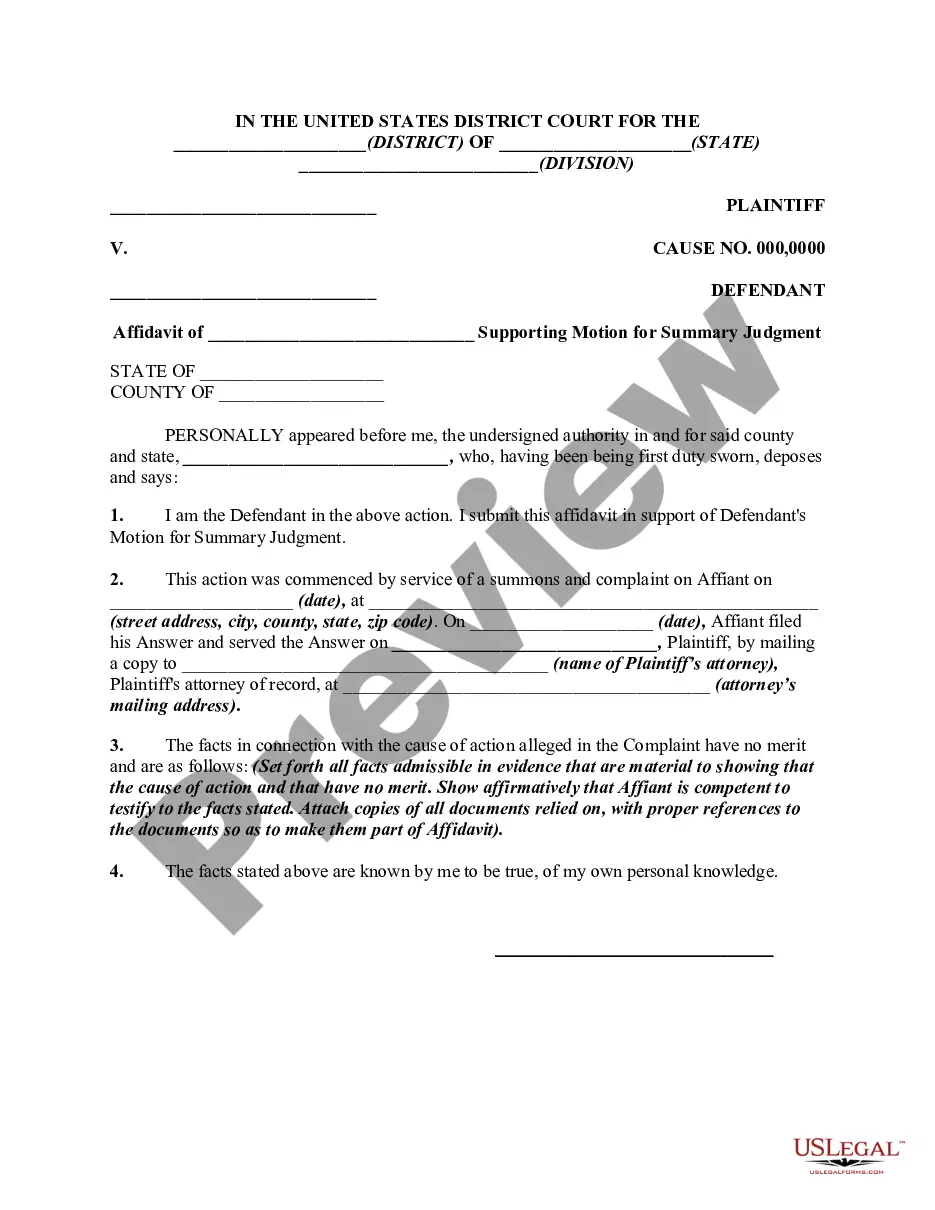
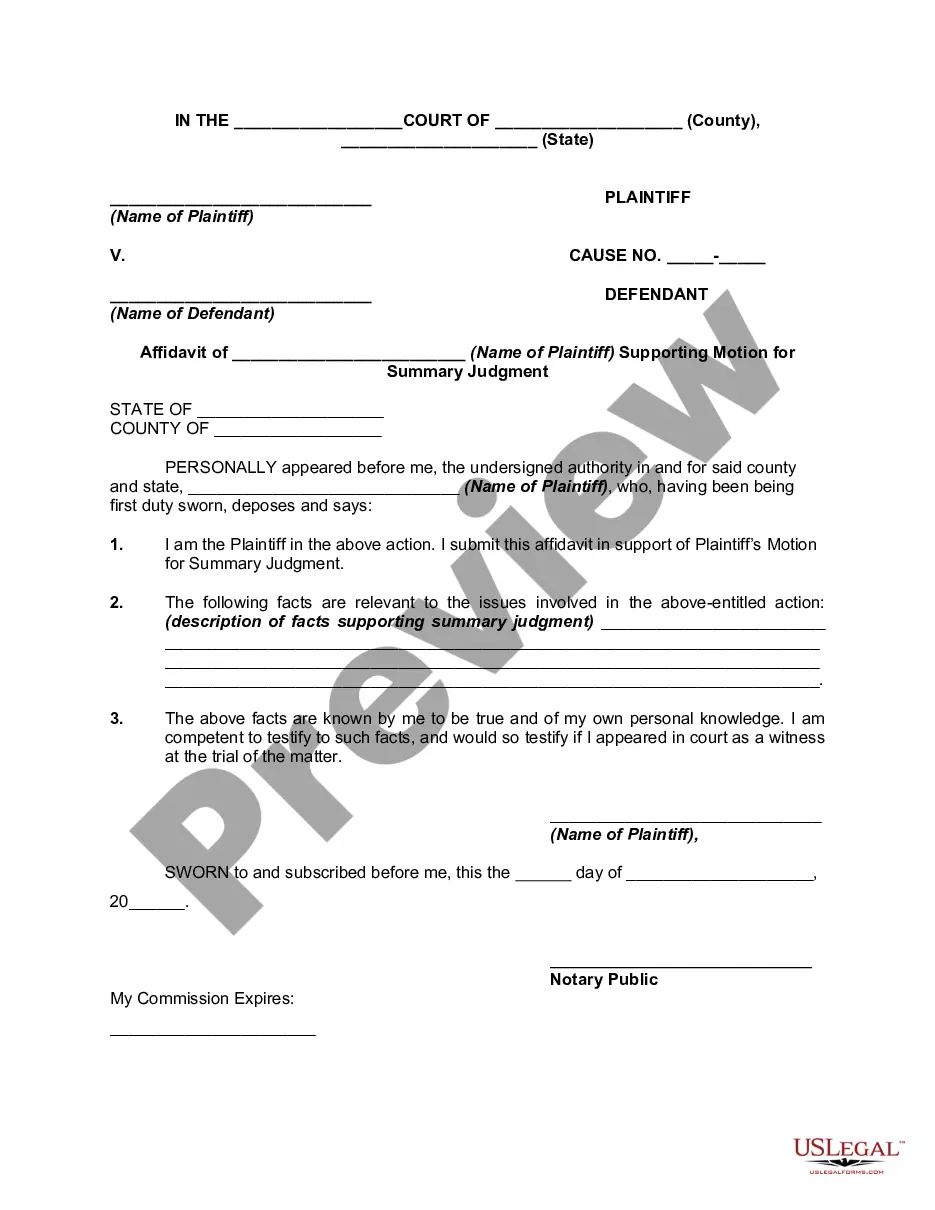
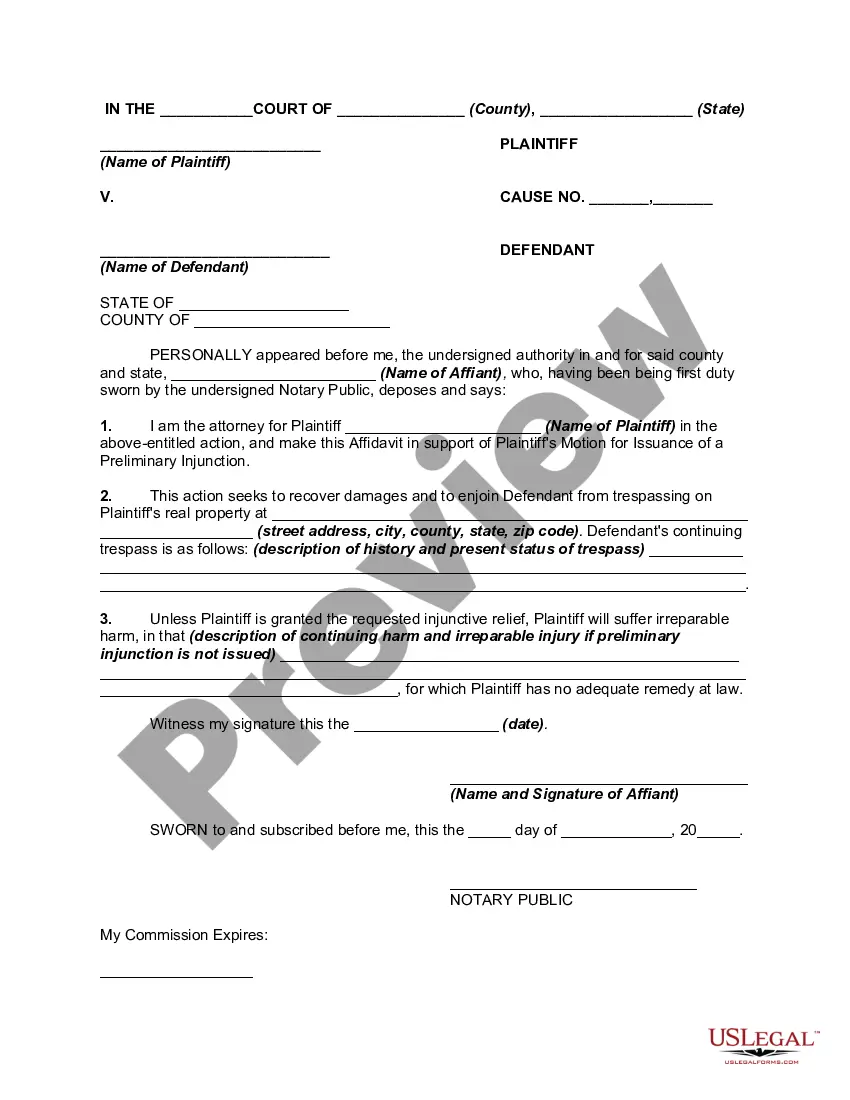
Get your form ready online
Our built-in tools help you complete, sign, share, and store your documents in one place.
Make edits, fill in missing information, and update formatting in US Legal Forms—just like you would in MS Word.
Download a copy, print it, send it by email, or mail it via USPS—whatever works best for your next step.
Sign and collect signatures with our SignNow integration. Send to multiple recipients, set reminders, and more. Go Premium to unlock E-Sign.
If this form requires notarization, complete it online through a secure video call—no need to meet a notary in person or wait for an appointment.
We protect your documents and personal data by following strict security and privacy standards.

Make edits, fill in missing information, and update formatting in US Legal Forms—just like you would in MS Word.

Download a copy, print it, send it by email, or mail it via USPS—whatever works best for your next step.

Sign and collect signatures with our SignNow integration. Send to multiple recipients, set reminders, and more. Go Premium to unlock E-Sign.

If this form requires notarization, complete it online through a secure video call—no need to meet a notary in person or wait for an appointment.

We protect your documents and personal data by following strict security and privacy standards.
Looking for another form?
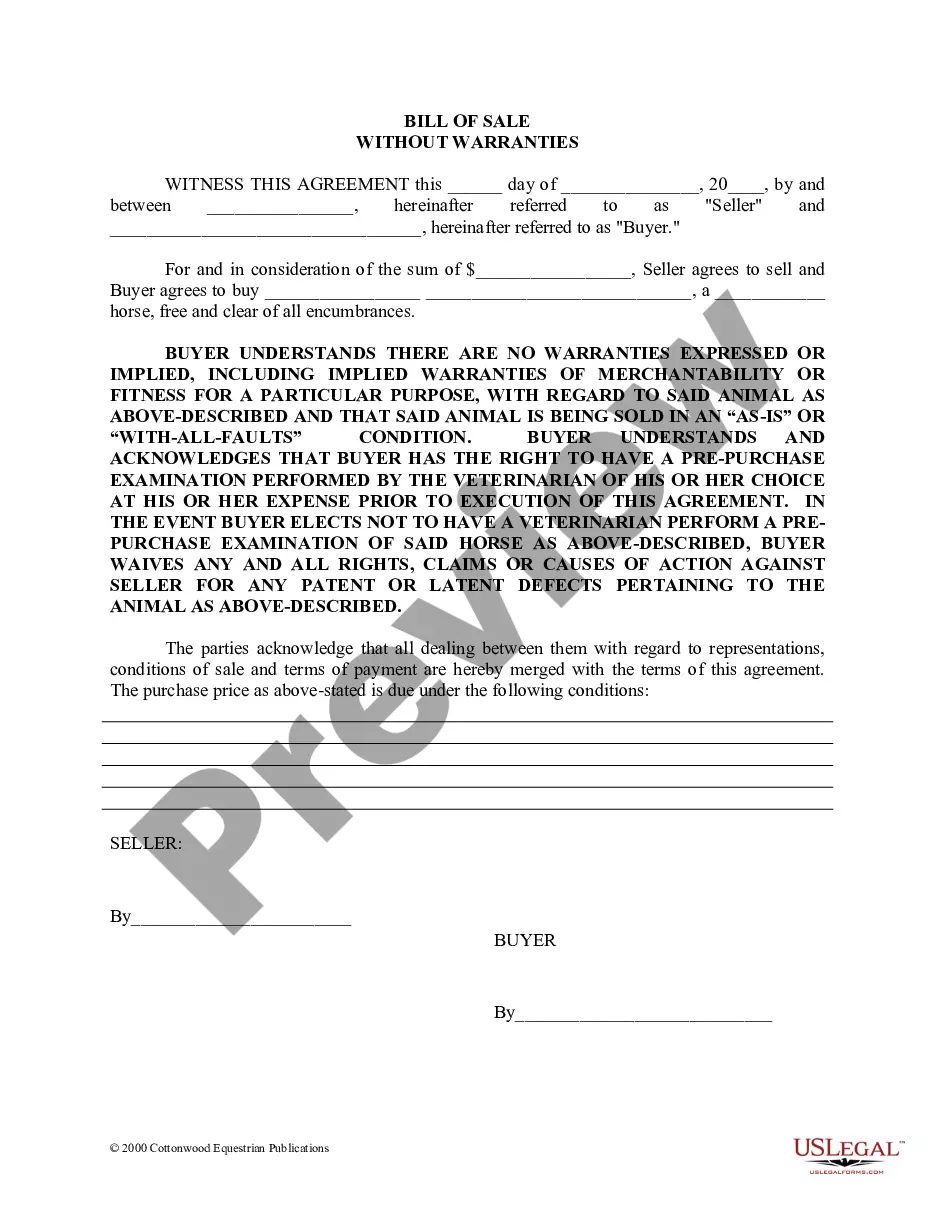
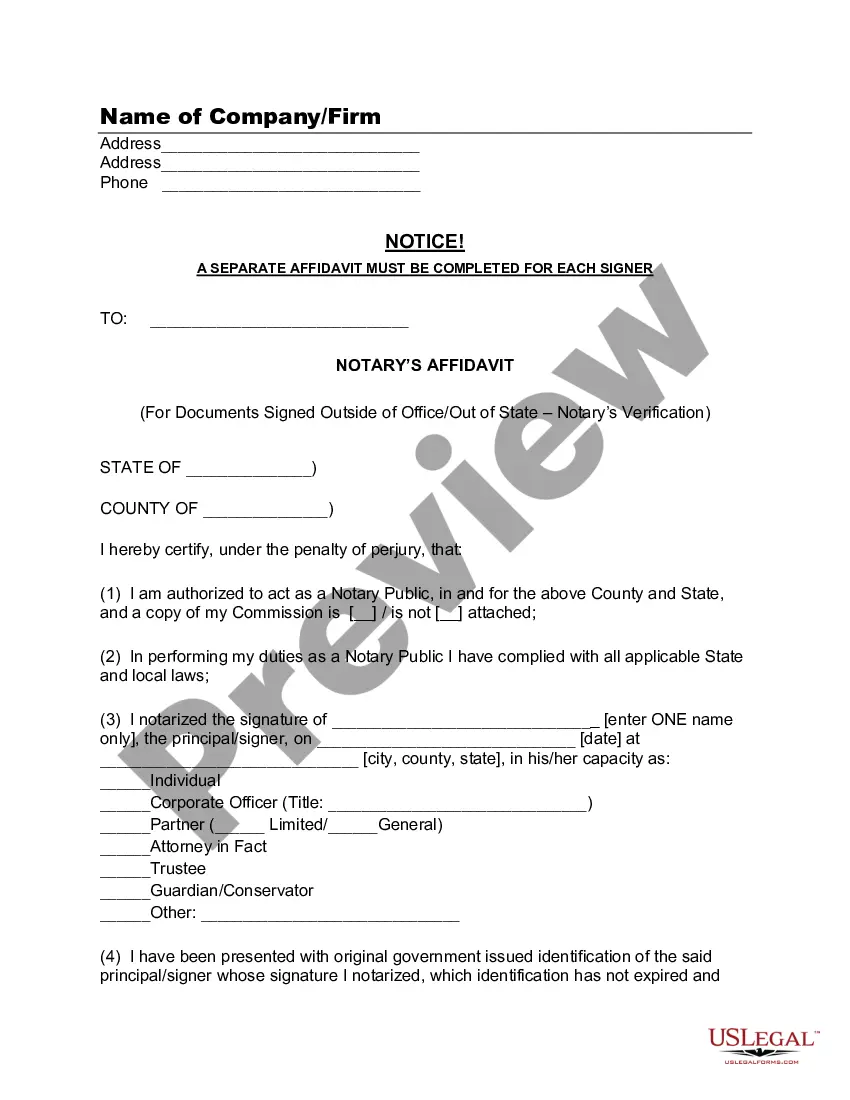
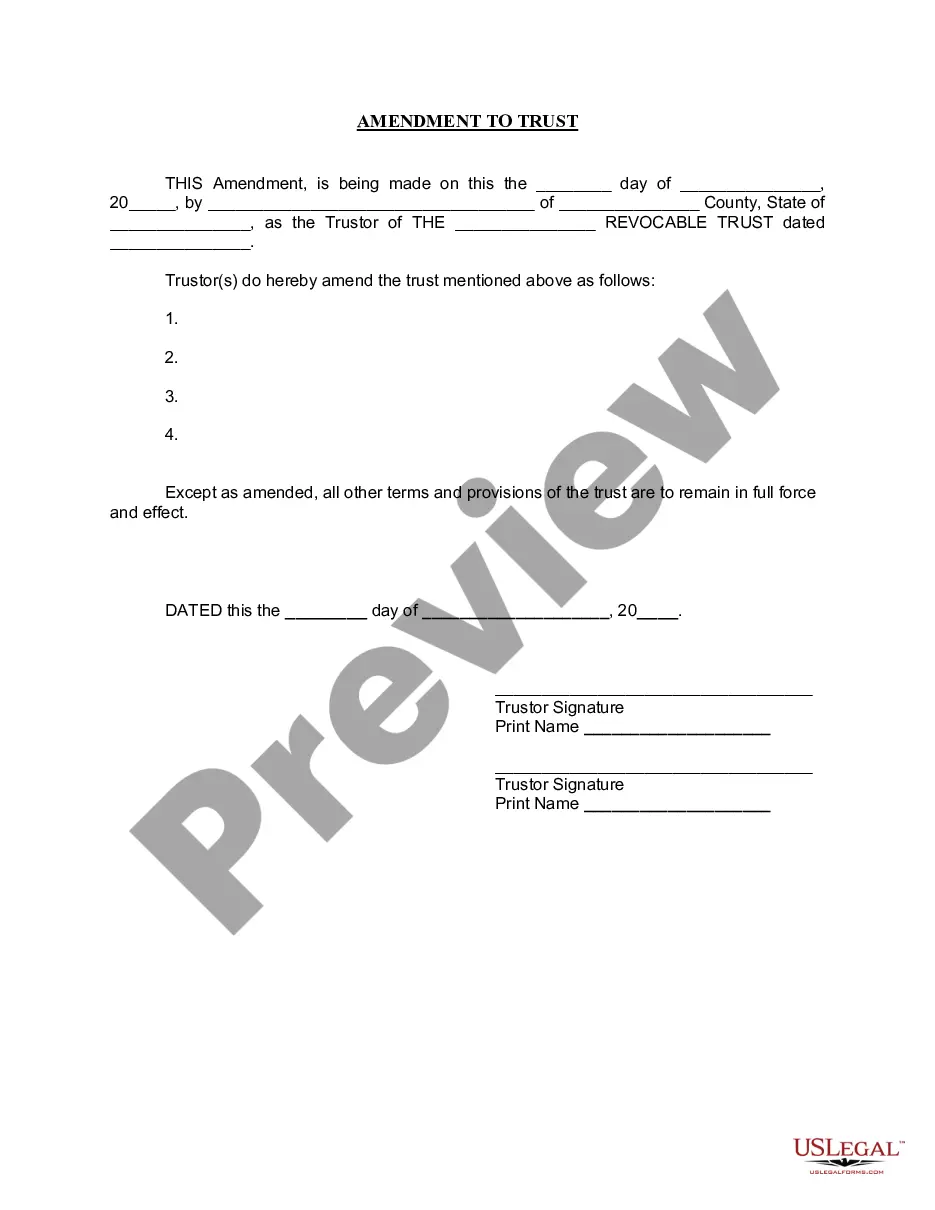
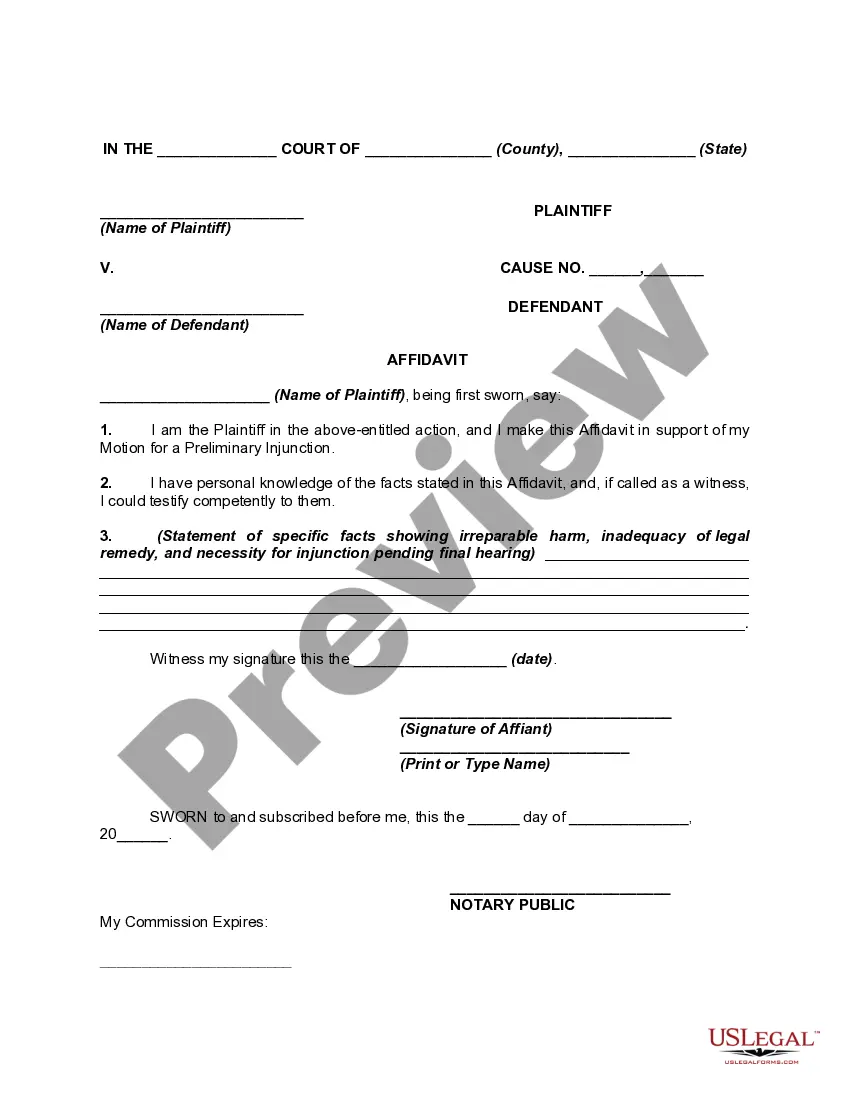
How to fill out Affidavit In Support Of Motion For Preliminary Injunction?
Finding a reliable source for the latest and most pertinent legal templates is a significant part of navigating bureaucracy. Identifying the correct legal documents demands precision and carefulness, which is why it is crucial to obtain samples of Injunction Preliminary Order Withdrawal exclusively from trusted providers, such as US Legal Forms. An incorrect template can squander your time and delay your situation. With US Legal Forms, you have minimal concerns. You can access and verify all the information regarding the document’s applicability and significance for your circumstances and within your state or locality.
Follow these outlined steps to complete your Injunction Preliminary Order Withdrawal.
Once you have the form on your device, you can modify it using the editor or print it out and complete it by hand. Eliminate the stress associated with your legal documentation. Browse the vast US Legal Forms collection where you can discover legal samples, assess their relevance to your situation, and download them immediately.
- Utilize the catalog navigation or search bar to locate your template.
- Examine the form’s details to ensure it meets the criteria of your state and county.
- View the form preview, if available, to confirm that it is indeed the form you need.
- Return to the search and look for the suitable document if the Injunction Preliminary Order Withdrawal does not meet your needs.
- Once you are confident about the form’s applicability, download it.
- As an authorized user, click Log in to verify and access your selected forms in My documents.
- If you do not possess an account yet, click Buy now to acquire the template.
- Choose the pricing plan that fits your needs.
- Proceed to the registration to complete your purchase.
- Finalize your purchase by selecting a payment option (credit card or PayPal).
- Choose the document format for downloading Injunction Preliminary Order Withdrawal.
Form popularity
FAQ
Yes, a preliminary injunction can be reversed. This typically happens if new evidence emerges or if the court finds that the initial decision was not justified. The process for reversing an injunction involves filing a motion and presenting your case to the court. With the right guidance from US Legal Forms, you can navigate this process effectively and ensure your interests are protected.
Obtaining a preliminary injunction can be challenging. You must demonstrate that you have a strong likelihood of succeeding in your case and show that you will suffer irreparable harm without the injunction. The process often involves thorough documentation and legal arguments. With resources from US Legal Forms, you can better prepare your application and increase your chances of success.
Yes, you can withdraw an injunction. An injunction preliminary order withdrawal typically requires filing a motion with the court. You must provide valid reasons for the withdrawal, and the court will review your request. Utilizing a platform like US Legal Forms can streamline this process and help you complete the necessary paperwork.
Preliminary injunctions act as temporary orders that preserve the status quo while a case is pending. They prevent one party from taking specific actions that could cause irreparable harm to another party. The process involves filing a motion with the court, followed by a hearing where both sides present their arguments. For those navigating this complex area, US Legal Forms offers easy-to-use templates and guidance to assist with injunction preliminary order withdrawal.
To obtain a preliminary injunction, a party must demonstrate four key factors: likelihood of success on the merits, potential for irreparable harm, balance of equities, and public interest. These factors help the court evaluate whether to grant the injunction preliminary order withdrawal. Understanding these elements is crucial for anyone seeking legal protection. Utilizing resources like US Legal Forms can simplify the process and ensure you meet all necessary requirements.
The party seeking a preliminary injunctive relief must demonstrate: (1) irreparable injury in the absence of such an order; (2) that the threatened injury to the moving party outweighs the harm to the opposing party resulting from the order; (3) that the injunction is not adverse to public interest; and (4) that the ...
To get a preliminary injunction, a party must show that they will suffer irreparable harm unless the injunction is issued. Preliminary injunctions may only be issued after a hearing.
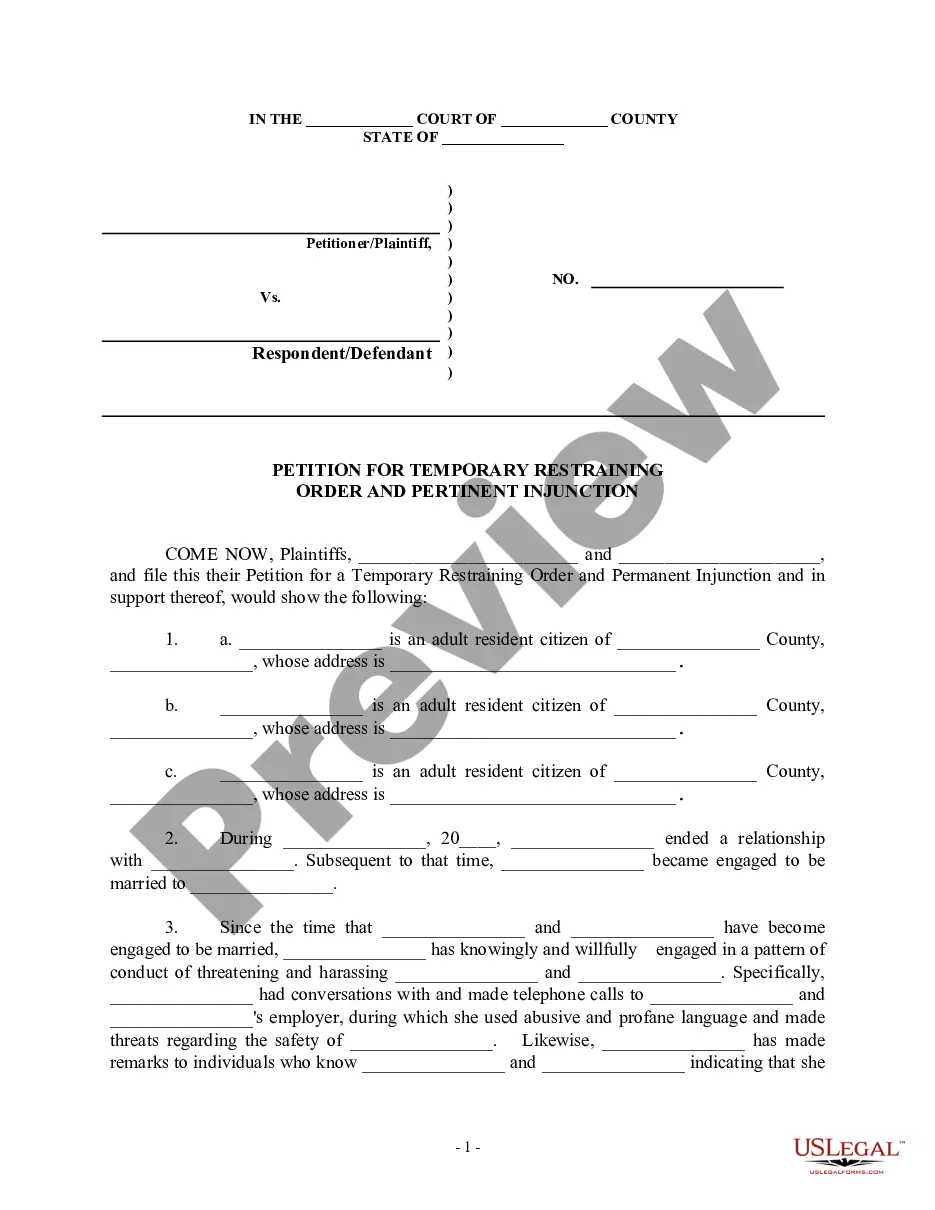
Plaintiffs make this motion for a preliminary injunction on the grounds that (1) Plaintiffs have demonstrated a likelihood of succeeding on the merits of their claim that Defendant has [describe unlawful conduct]; (2) Plaintiffs are likely to suffer irreparable harm in the absence of the relief requested; (3) the harm ...
It is well established that, to determine whether an injunction is ?just and proper,? courts apply the ?familiar set of four equitable factors: the movant's likelihood of success on the merits; the possibility of irreparable injury to the moving party; the extent to which the balance of hardships favors each party; and ...
Section 527 - Preliminary injunctions and temporary restraining orders (a) A preliminary injunction may be granted at any time before judgment upon a verified complaint, or upon affidavits if the complaint in the one case, or the affidavits in the other, show satisfactorily that sufficient grounds exist therefor.