Injunction Law Means Without A Breast
Description
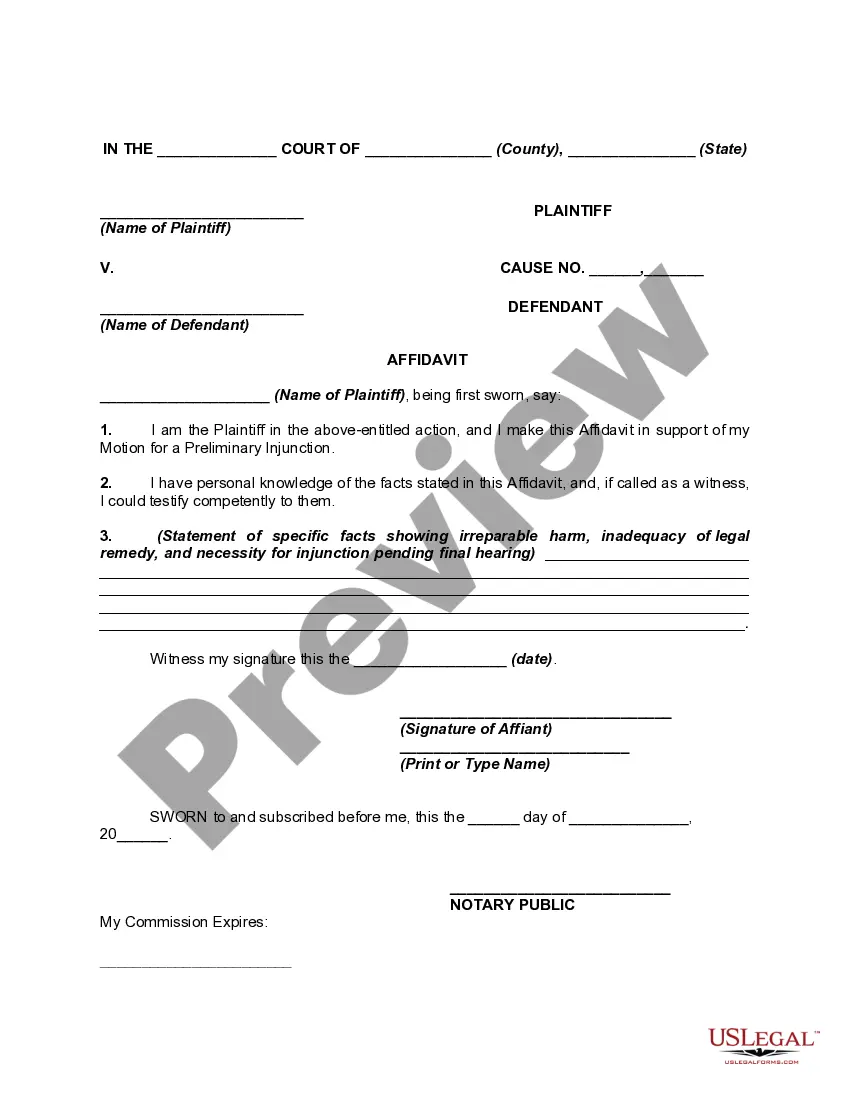

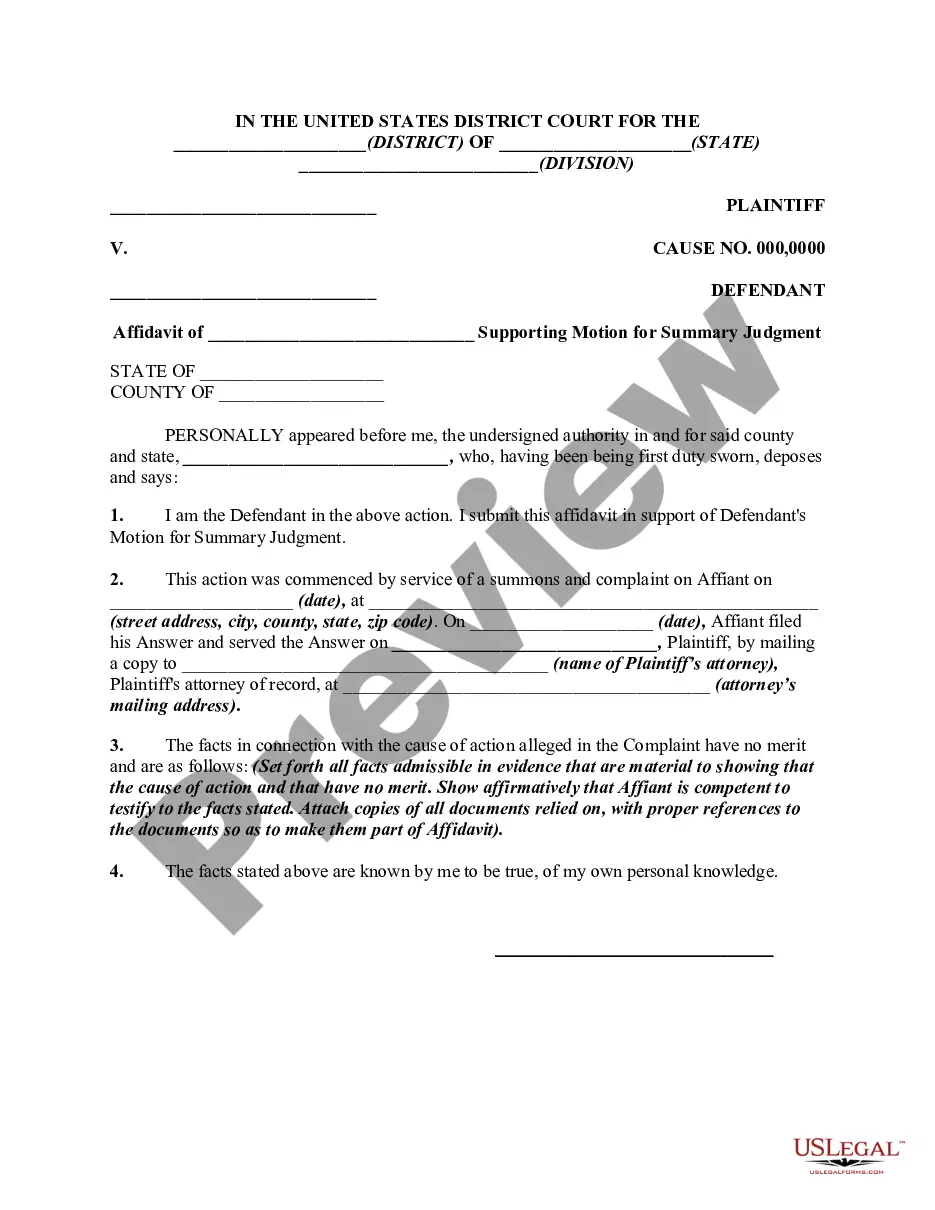
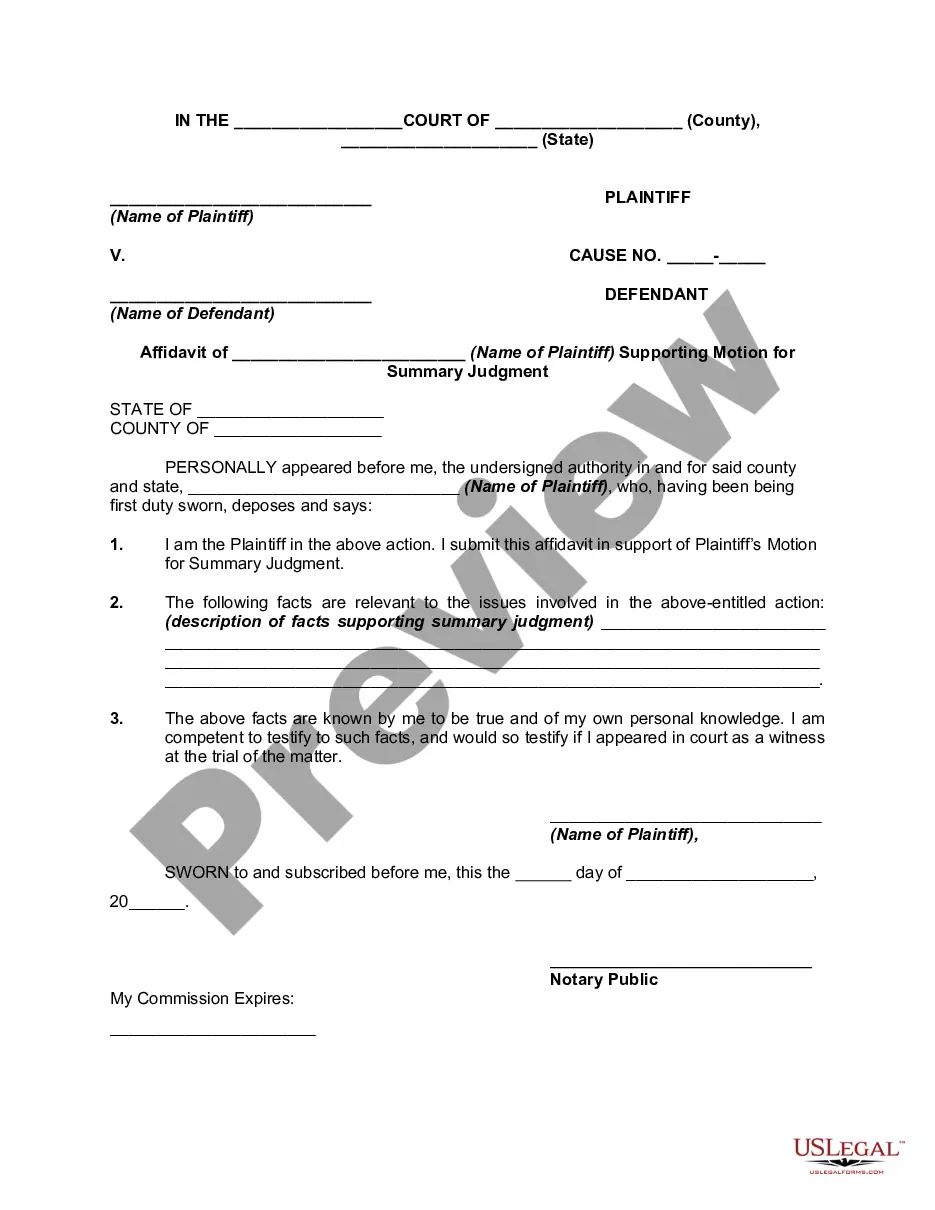
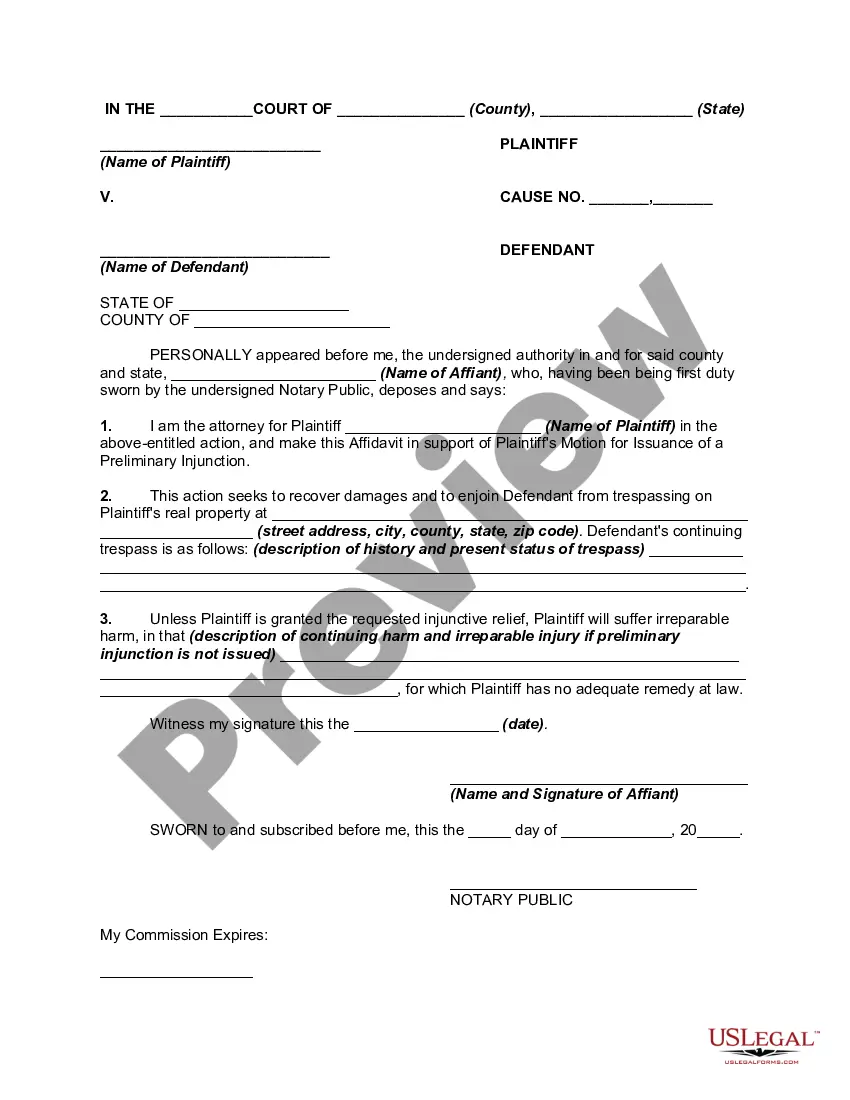
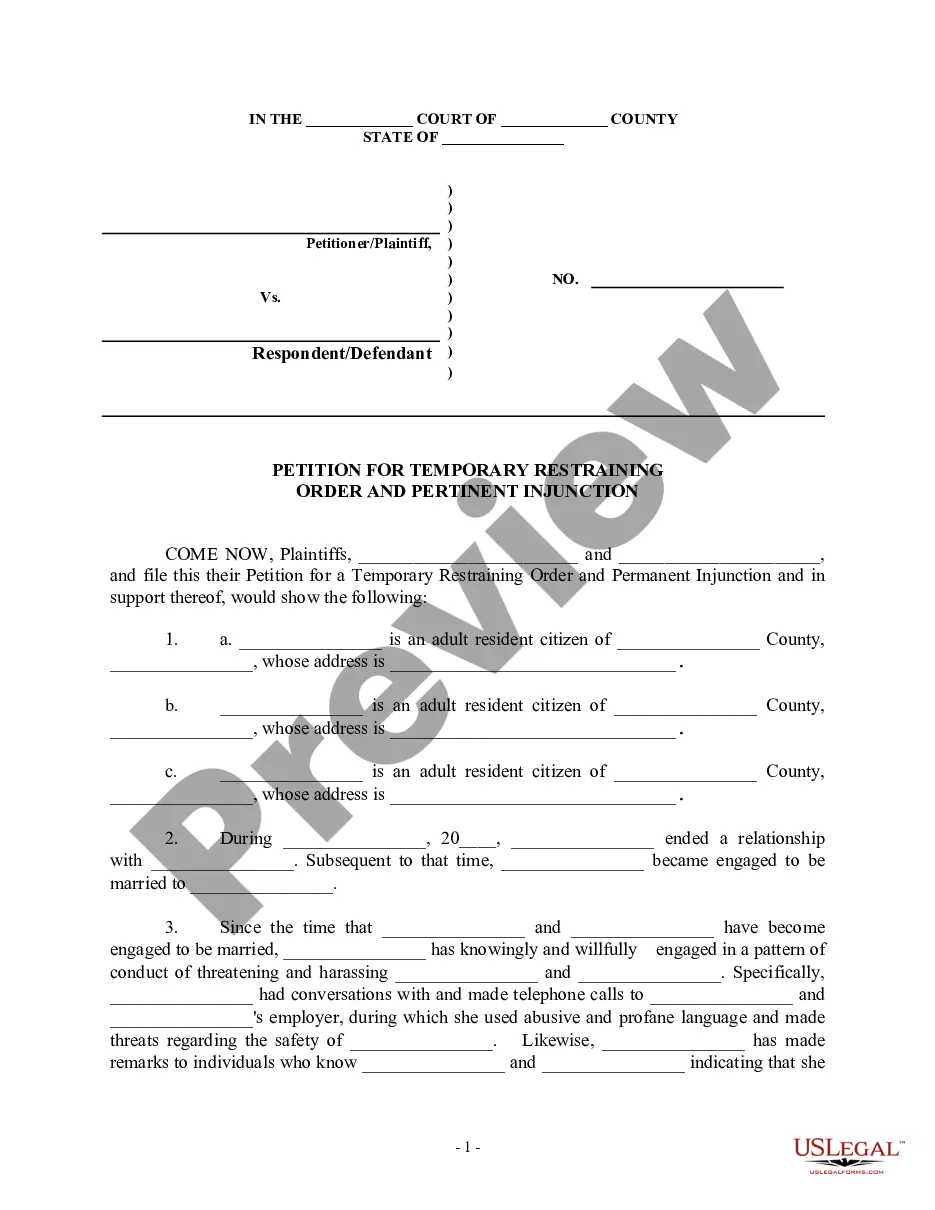




How to fill out Affidavit In Support Of Motion For Preliminary Injunction?
Locating a trusted source for obtaining the most up-to-date and pertinent legal templates is a significant part of navigating red tape.
Identifying the correct legal documents necessitates precision and meticulousness, which underscores the necessity of acquiring samples of Injunction Law Means Without A Breast solely from reputable providers, such as US Legal Forms. An erroneous template can squander your time and delay your current situation.
Once you have the form on your device, you can edit it using the editor or print it out and complete it by hand. Alleviate the stress associated with your legal documentation. Explore the comprehensive US Legal Forms library where you can uncover legal templates, verify their applicability to your situation, and download them immediately.
- Utilize the library navigation or search bar to find your template.
- Examine the form’s description to verify if it meets the standards of your state and county.
- Preview the form, if possible, to ensure it is the template you are interested in.
- Return to the search to locate the appropriate document if the Injunction Law Means Without A Breast does not meet your requirements.
- If you are confident about the form’s relevance, proceed to download it.
- If you are a registered customer, click Log in to verify and access your selected templates in My documents.
- If you do not have an account yet, click Buy now to obtain the template.
- Select the pricing plan that aligns with your preferences.
- Proceed to the registration process to complete your purchase.
- Conclude your purchase by choosing a payment method (credit card or PayPal).
- Select the document format for downloading Injunction Law Means Without A Breast.
Form popularity
FAQ
The requirements for an injunction include a clear showing of a legitimate legal claim, evidence of imminent harm, and a request for specific relief. You must also establish that monetary compensation is insufficient to address the harm. This is where knowing how injunction law means without a breast becomes crucial. Using platforms like uslegalforms can simplify the process by providing necessary legal documents and guidance.
To obtain an injunction, you must demonstrate that you will suffer irreparable harm without it. You also need to show that your legal rights are being violated or threatened. Additionally, you must prove that the harm outweighs any potential harm to the other party. Ultimately, understanding how injunction law means without a breast can aid in presenting a strong case.
The three primary types of injunctions include temporary injunctions, permanent injunctions, and preliminary injunctions. Each type serves a distinct purpose in legal proceedings. Temporary injunctions offer short-term relief, while permanent injunctions provide long-lasting solutions, and preliminary injunctions are often issued before a final decision is reached.
The three essentials of obtaining an injunction include proving irreparable harm, demonstrating the inadequacy of legal remedies, and showing that the issuance of the injunction serves the public interest. Each of these factors plays a vital role in the court's decision-making process. Properly addressing these essentials can significantly increase your chance of success.
In simple terms, an injunction is a court order that requires a person to do something or refrain from doing something. Injunction law means without a breast emphasizes that this legal tool is essential for preventing harm or addressing urgent situations. It serves as a preventive measure in legal disputes, ensuring that rights are protected.
The most common injunction is the temporary restraining order (TRO). This type of injunction offers immediate relief by prohibiting a party from taking specific actions until a hearing can take place. TROs are often used in situations involving domestic disputes, business conflicts, or urgent matters requiring swift legal intervention.
Rule 3 of injunction law means without a breast typically refers to the procedural guidelines for filing an injunction. It outlines the necessary steps a party must take to request an injunction from the court. Understanding these steps is essential to ensure your request is properly presented and considered.
When seeking an injunction, solid evidence is crucial. You should gather documentation that clearly illustrates the potential harm you face if the injunction is not granted. This might include contracts, communications, or expert testimony that supports your claim and highlights the necessity of legal intervention.
To secure an injunction, you must establish three critical elements. First, you need to demonstrate that you will suffer irreparable harm without the injunction. Second, you must show that the legal remedy is inadequate. Lastly, you have to prove that the balance of hardships tips in your favor, meaning the harm to you outweighs any potential harm to the other party.
Injunction law means without a breast, and there are several types of injunctions to consider. The most common types include temporary injunctions, permanent injunctions, and preliminary injunctions. Each type serves a specific purpose in legal proceedings, helping to prevent harm or maintain the status quo while a case is pending.