Injunction Application In Court
Description
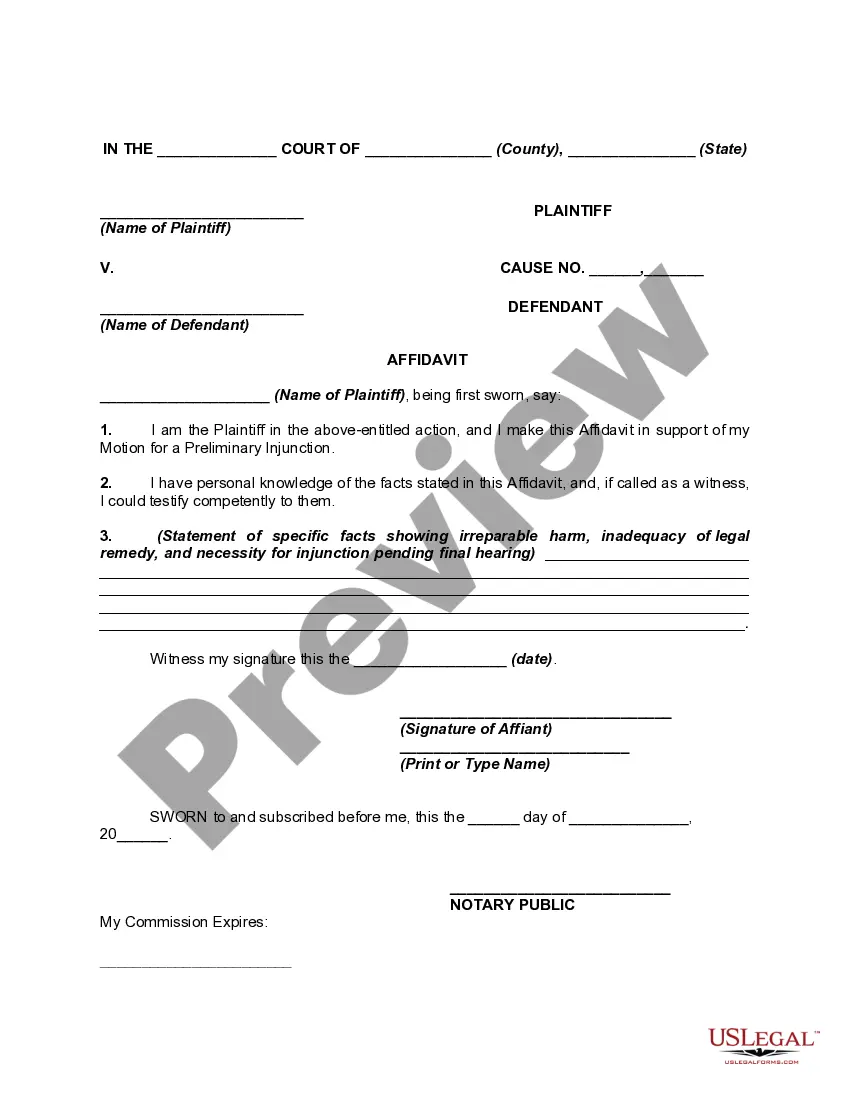

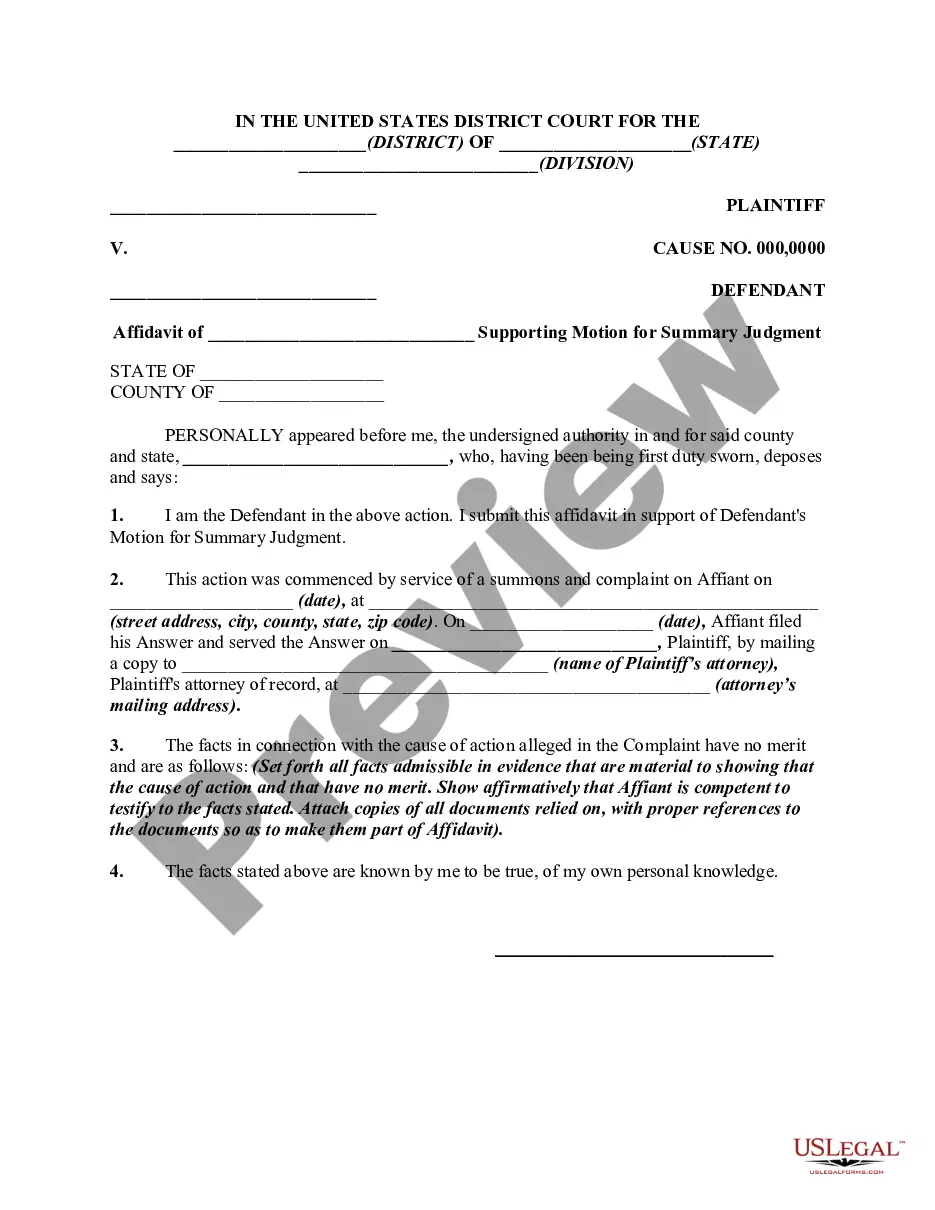
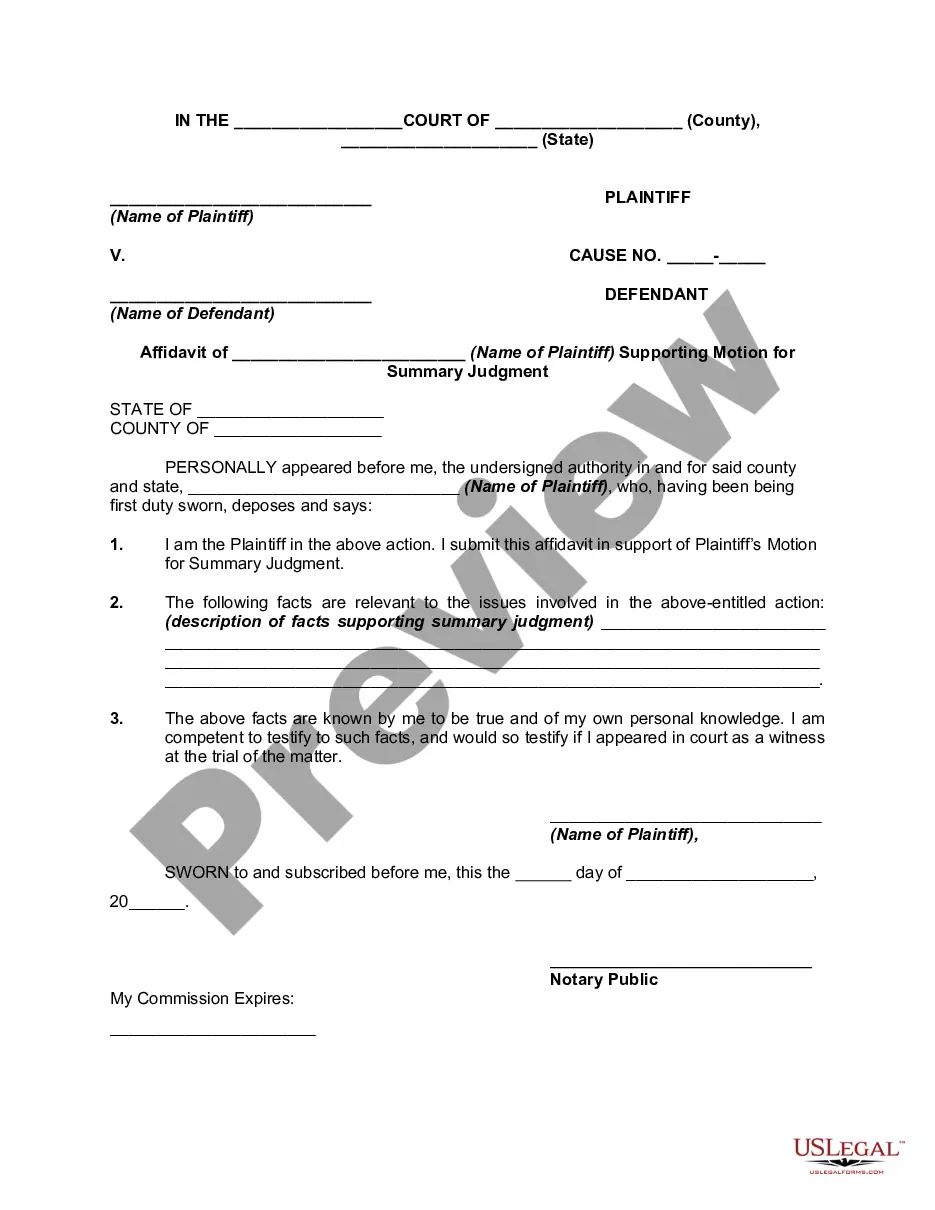
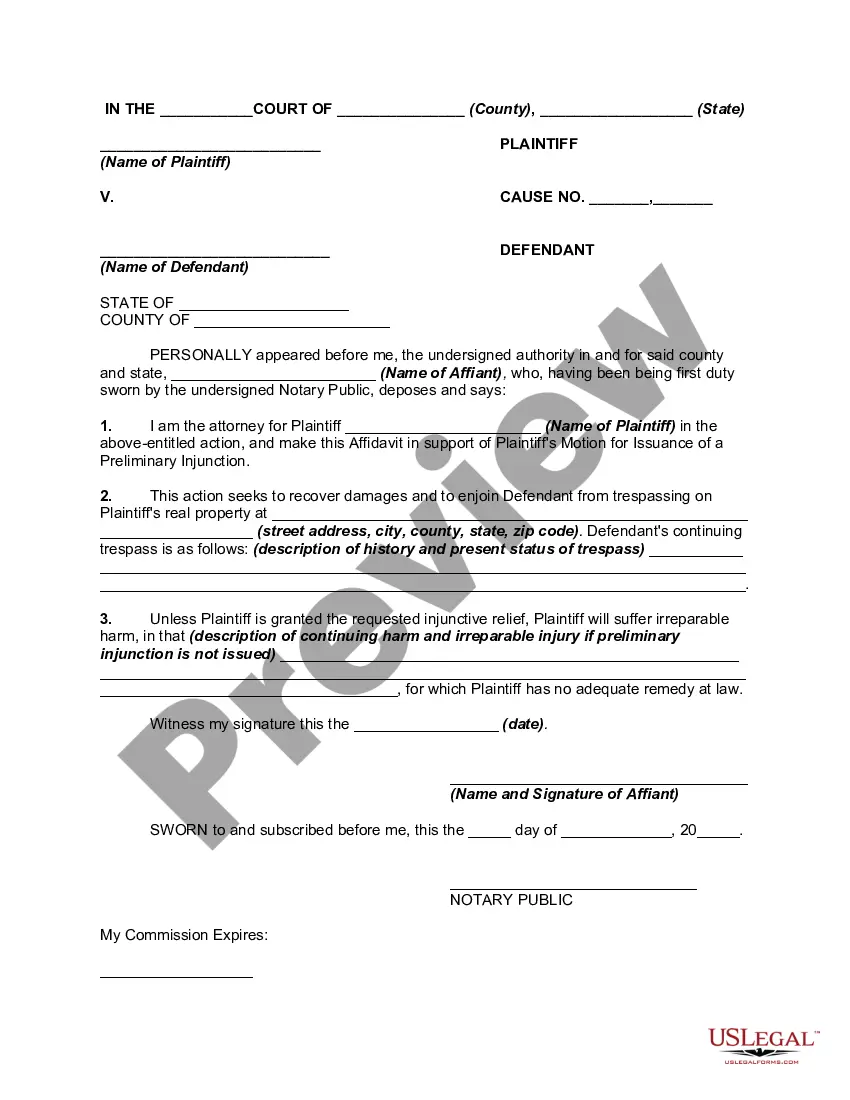
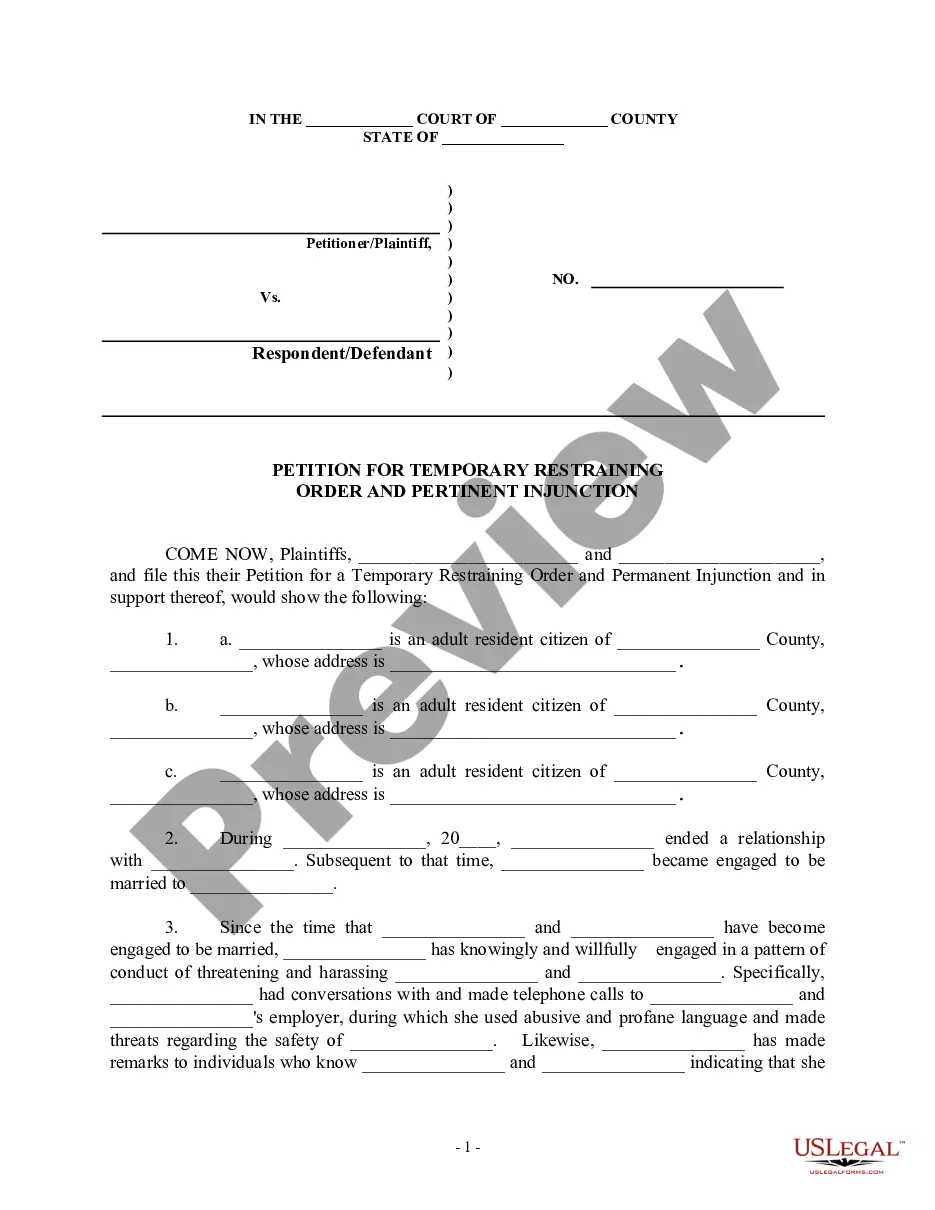

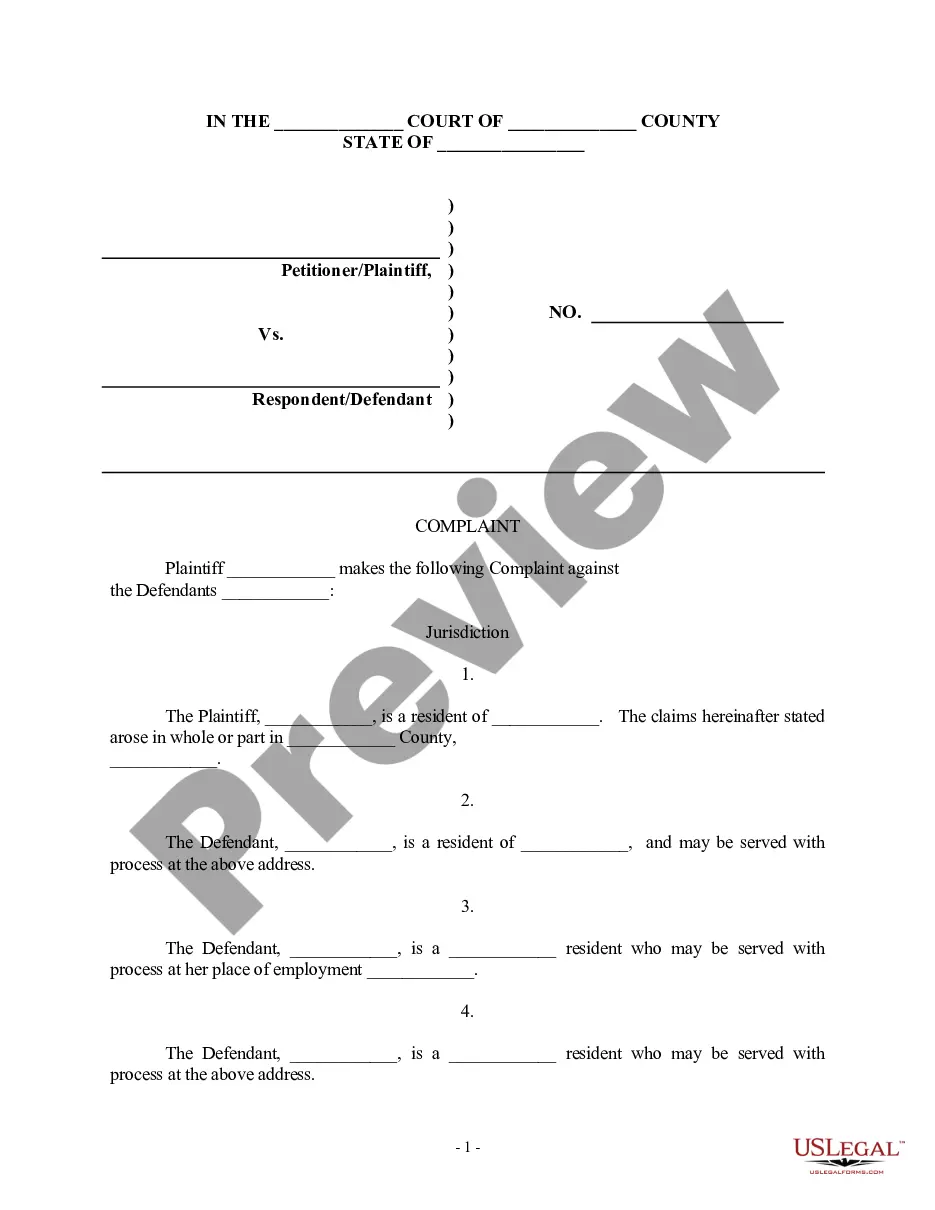


How to fill out Affidavit In Support Of Motion For Preliminary Injunction?
Locating a reliable source to obtain the most up-to-date and suitable legal templates is a significant portion of the challenge associated with navigating bureaucracy.
Securing the correct legal documents requires precision and meticulousness, which is why it is crucial to source samples of Injunction Application In Court exclusively from trustworthy providers, such as US Legal Forms. An incorrect template will squander your time and delay the situation you are facing.
Once you have the form on your device, you can modify it using the editor or print it out and fill it in manually. Eliminate the hassle associated with your legal documentation. Explore the extensive US Legal Forms catalog to discover legal templates, assess their applicability to your situation, and download them instantly.
- Utilize the catalog navigation or search bar to locate your sample.
- Examine the form’s description to confirm if it meets the criteria of your state and locality.
- Check the form preview, if available, to verify that the form is indeed the one you seek.
- Continue your search and find the appropriate template if the Injunction Application In Court does not fulfill your requirements.
- If you are confident about the form’s applicability, proceed to download it.
- As a registered user, click Log in to verify and access your chosen templates in My documents.
- If you do not yet possess an account, click Buy now to acquire the form.
- Choose the pricing plan that aligns with your needs.
- Proceed with the registration to finalize your purchase.
- Complete your purchase by selecting a payment option (credit card or PayPal).
- Choose the file format for downloading the Injunction Application In Court.
Form popularity
FAQ
An injunction application refers to the formal request made to a court seeking an injunction. This application outlines the reasons for the request and the specific actions the applicant wants to prevent or compel. Understanding the meaning and process of an injunction application in court is crucial for anyone looking to protect their rights effectively.
To successfully file an injunction application in court, you typically need to demonstrate a legitimate legal basis for your request. This often includes showing that there is a likelihood of success on the merits, the potential for irreparable harm, and that the public interest favors granting the injunction. Adequate preparation and understanding of these grounds are essential for a successful outcome.
The purpose of a court injunction is to provide immediate protection against actions that could cause irreparable harm. By filing an injunction application in court, individuals can secure temporary relief while awaiting a comprehensive judicial decision. This ensures that critical rights are preserved during the legal process.
A court injunction is a legal order that requires a party to do, or refrain from doing, specific actions. When an injunction application in court is successful, it creates enforceable rules that must be followed until the court hears the full case. This legal remedy serves as a powerful tool to prevent potential harm and safeguard interests.
Common reasons for filing an injunction application in court include disputes over property, cases of harassment, or situations involving intellectual property theft. Individuals often seek injunctions to stop actions that threaten their rights or safety. These legal tools can provide immediate relief and protection while the underlying issues are addressed.
When someone files an injunction application in court, the court evaluates the merits of the claim. The process involves reviewing the evidence presented and may include a hearing where both parties can argue their case. If the court finds sufficient grounds, it can issue an order that limits or prohibits certain actions by the other party.
The primary point of an injunction is to prevent harm or protect rights before a full court hearing takes place. An injunction application in court seeks immediate relief from actions that could cause irreversible damage. By granting an injunction, the court aims to provide a quick solution to urgent legal issues, allowing for a fair resolution later.
When an injunction application in court is filed, the court reviews the request to determine its validity. If the court agrees to hear the case, it may issue a temporary order that prevents the other party from taking specific actions. This process aims to maintain the status quo while the case is being resolved, ensuring that no harm occurs before a final decision is made.