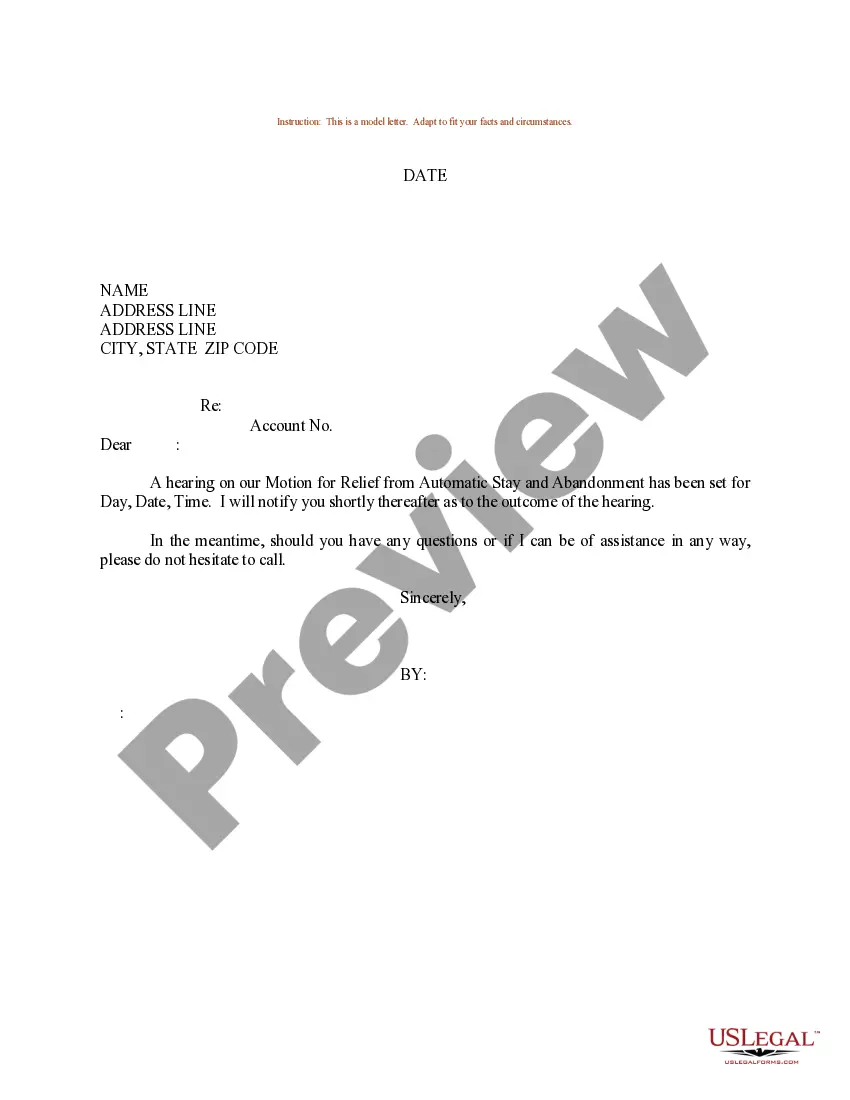
Bankruptcy Stay In Place
Description
Get your form ready online
Our built-in tools help you complete, sign, share, and store your documents in one place.
Make edits, fill in missing information, and update formatting in US Legal Forms—just like you would in MS Word.
Download a copy, print it, send it by email, or mail it via USPS—whatever works best for your next step.
Sign and collect signatures with our SignNow integration. Send to multiple recipients, set reminders, and more. Go Premium to unlock E-Sign.
If this form requires notarization, complete it online through a secure video call—no need to meet a notary in person or wait for an appointment.
We protect your documents and personal data by following strict security and privacy standards.

Make edits, fill in missing information, and update formatting in US Legal Forms—just like you would in MS Word.

Download a copy, print it, send it by email, or mail it via USPS—whatever works best for your next step.

Sign and collect signatures with our SignNow integration. Send to multiple recipients, set reminders, and more. Go Premium to unlock E-Sign.

If this form requires notarization, complete it online through a secure video call—no need to meet a notary in person or wait for an appointment.

We protect your documents and personal data by following strict security and privacy standards.
Looking for another form?






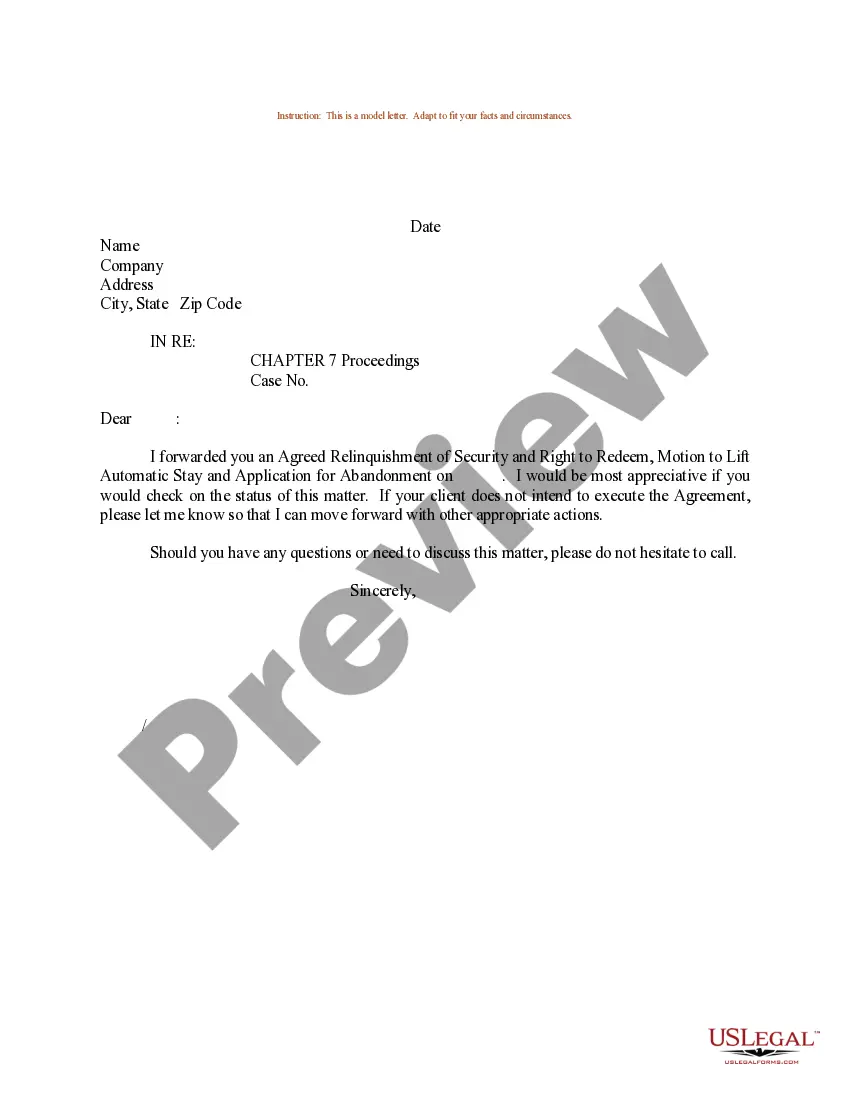
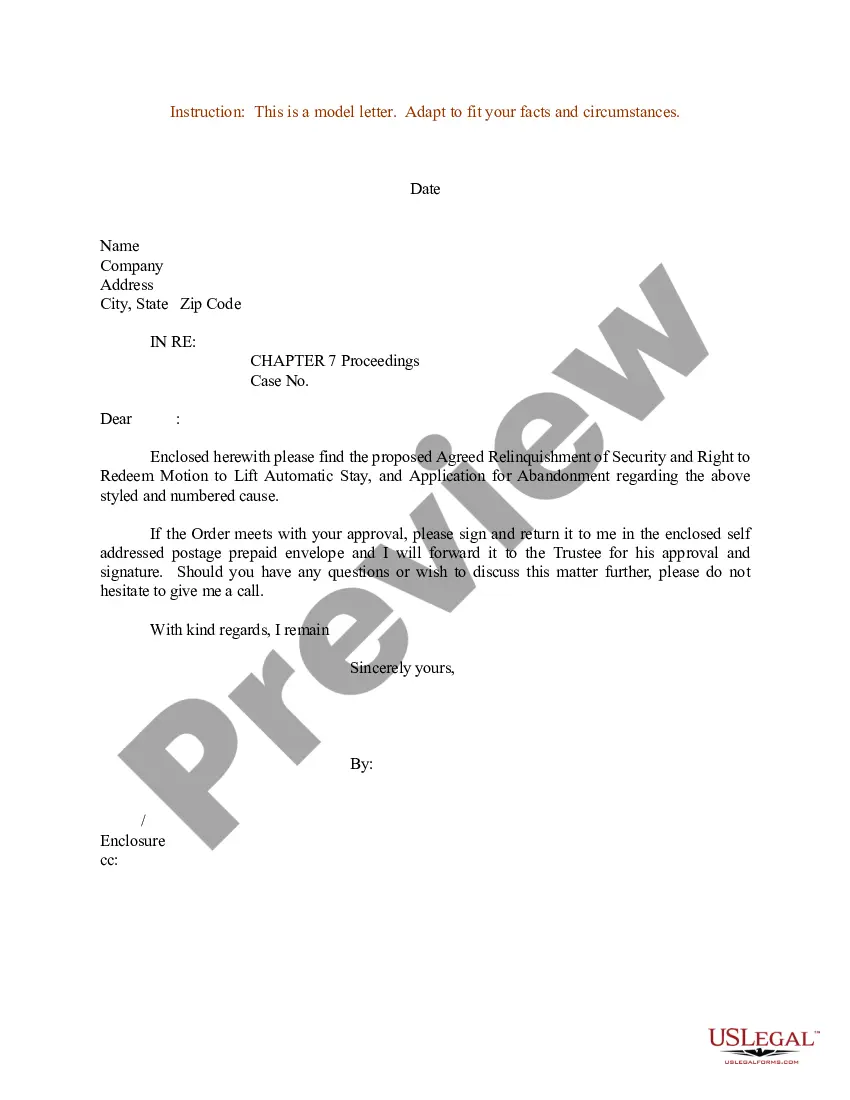
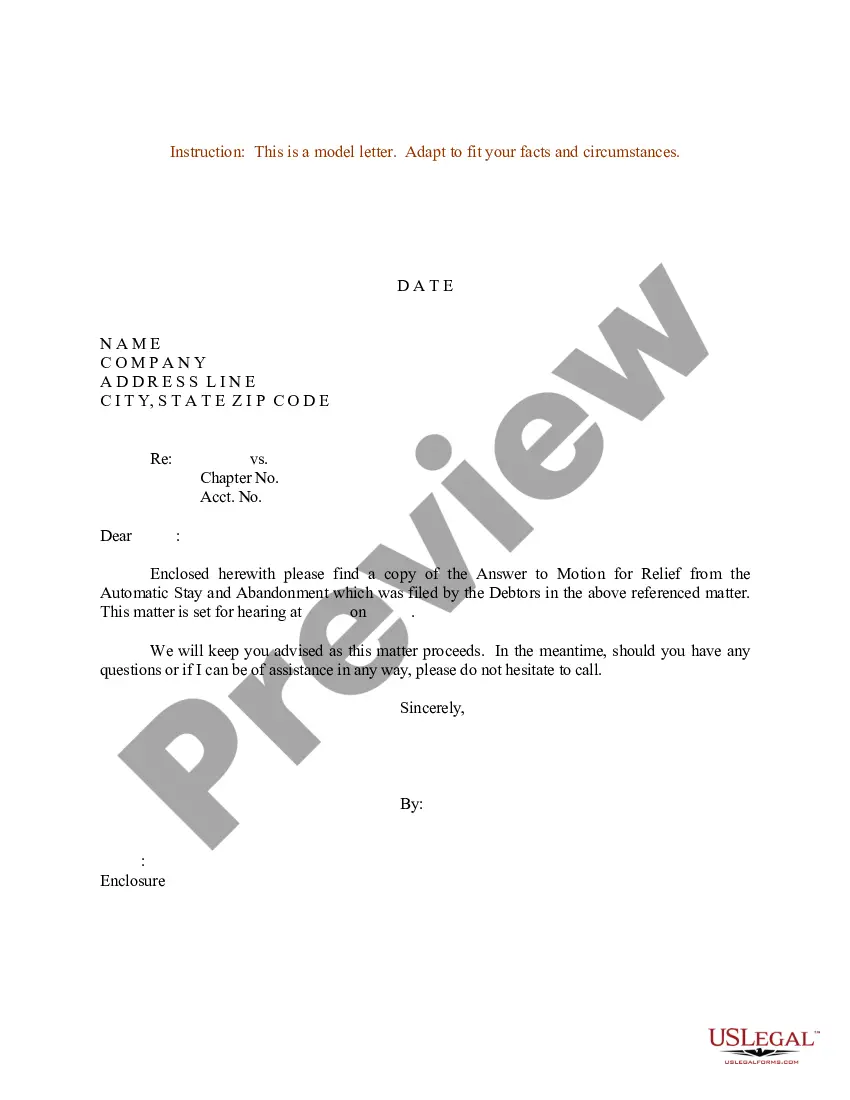
How to fill out Sample Letter For Hearing On Motion For Relief From Automatic Stay?
Accessing legal documents that comply with federal and local laws is essential, and the web provides numerous choices available.
However, why spend time searching for the properly written Bankruptcy Stay In Place template online when the US Legal Forms digital library already contains these documents consolidated in one location.
US Legal Forms is the largest online legal resource with more than 85,000 editable templates created by lawyers for any business or personal situation. They are easy to navigate, as all files are organized by state and intended use. Our experts stay updated with legal changes, ensuring you can always trust that your paperwork is current and meets compliance standards when acquiring a Bankruptcy Stay In Place from our site.
Click Buy Now once you have found the right form and choose a subscription plan. Register for an account or Log In and complete the payment using PayPal or a credit card. Select the format for your Bankruptcy Stay In Place and download it. All documents you access through US Legal Forms are reusable. To re-download and fill out previously acquired forms, visit the My documents section in your account. Take advantage of the most comprehensive and user-friendly legal document service!
- Acquiring a Bankruptcy Stay In Place is fast and straightforward for both existing and new users.
- If you already possess an account with an active subscription, sign in and download the document sample you need in your desired format.
- If you are a newcomer to our platform, follow the instructions below.
- Review the template using the Preview feature or through the outline to ensure it fits your needs.
- Search for a different template using the search option at the top of the page if necessary.
Form popularity
FAQ
A stay of execution in bankruptcy refers to a court order that halts any actions by creditors to collect debts during the bankruptcy process. When a bankruptcy stay is in place, it protects your assets and allows you some breathing room to reorganize your financial situation. This legal protection is vital, especially during recovery. For assistance understanding your rights and options, USLegalForms offers comprehensive information and templates.
The 2 year rule for bankruptcy typically applies to the timing between filing for bankruptcy and refiling for Chapter 7 bankruptcy. If you file a Chapter 7, you may only qualify for another discharge after a two-year wait. If the bankruptcy stay is in place during this time, it can hinder your ability to take on new debts responsibly. For detailed guidance, consider exploring the resources available at USLegalForms.
The 910 day rule in bankruptcy relates to how long you must wait to file again after a previous bankruptcy, specifically for debts secured by personal property. If the bankruptcy stay is in place, your timeline for seeking new credit or managing previous debts may change. Knowledge of this rule ensures you stay compliant and plan your financial future effectively. Use tools from USLegalForms to navigate these regulations easily.
The 180 day rule for bankruptcy typically refers to the waiting period between bankruptcy filings. If you file for bankruptcy, you generally cannot file again within 180 days if your prior case was dismissed. If the bankruptcy stay is in place for this period, it can significantly affect your financial recovery. Understanding this rule is crucial, and you can find helpful resources on platforms like USLegalForms.
The length of time a bankruptcy stay remains in place can vary based on your circumstances. Generally, a bankruptcy stay is effective once you file for bankruptcy and continues until your case is resolved. This means that creditors cannot pursue you during the stay, providing temporary relief from financial pressures. To understand how a bankruptcy stay applies to your situation, consider using uslegalforms, which can offer helpful resources and guidance.
Several factors can prevent you from filing for bankruptcy effectively. For instance, if you have previously filed for bankruptcy and received a discharge, you may face restrictions on re-filing within a certain timeframe. Additionally, failing the means test, which evaluates your income against your expenses, may affect your ability to secure a bankruptcy stay in place. It's crucial to consult with experts or utilize platforms like US Legal Forms to navigate these complexities and ensure your eligibility.
It is possible to stop a bankruptcy after filing, typically through a request to the court. However, the bankruptcy stay in place may not lift designated obligations, so it’s essential to weigh the consequences carefully. Working with a knowledgeable attorney can guide you through this decision, ensuring you understand both the benefits and risks before taking action.
One notable exception to the automatic stay is for pending eviction proceedings when the landlord has already obtained a judgment before the bankruptcy filing. This means that if the landlord has legal grounds to evict you prior to your bankruptcy, the stay may not prevent the eviction process. Understanding these exceptions helps you prepare adequately for the implications of filing for bankruptcy.
In addition to criminal cases and child support enforcement, actions involving eviction processes in certain situations may not be subject to the automatic stay. Additionally, bankruptcy court proceedings themselves, including challenging a bankruptcy discharge, can also proceed despite the automatic stay. This knowledge is vital for navigating your financial landscape effectively.
Certain activities are not covered by the automatic stay, including criminal proceedings, child support collection, and some tax-related actions. These exceptions mean that some enforcement actions can still take place even when a bankruptcy stay in place. Understanding these exceptions can help you make informed decisions during your bankruptcy process.