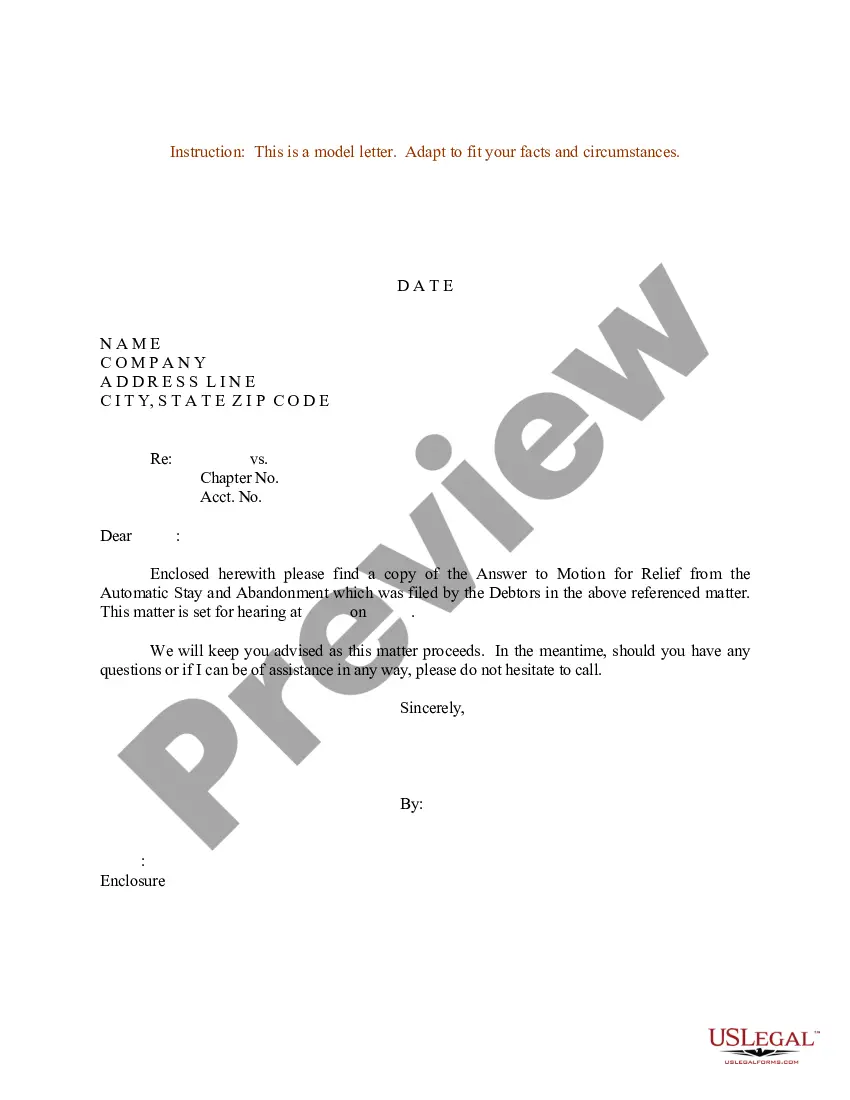
An Example Of Motion With
Description
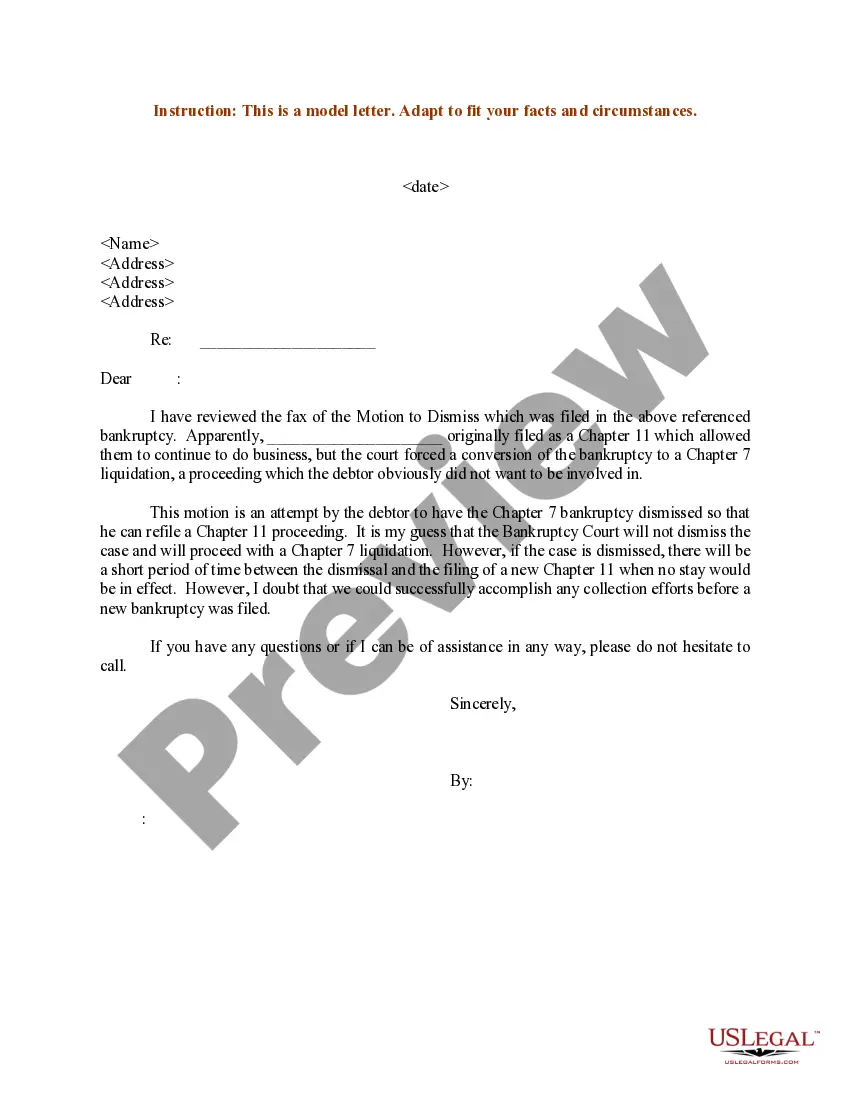
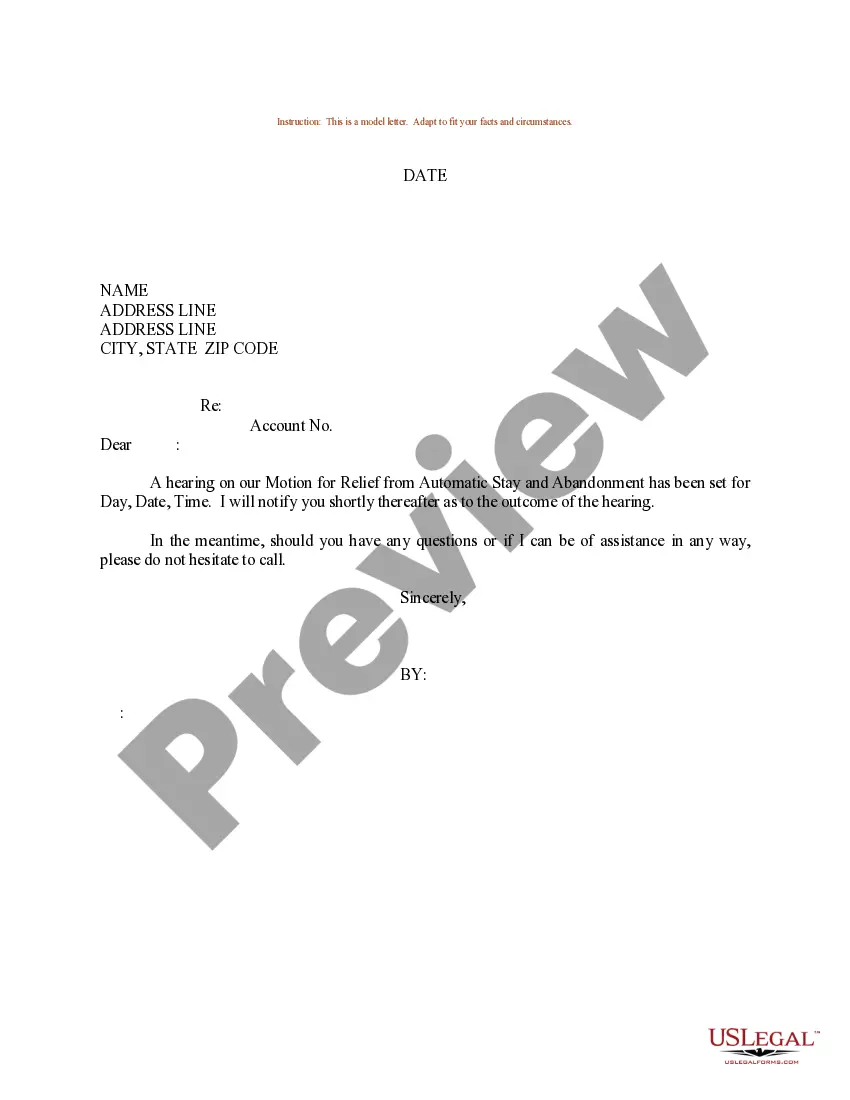
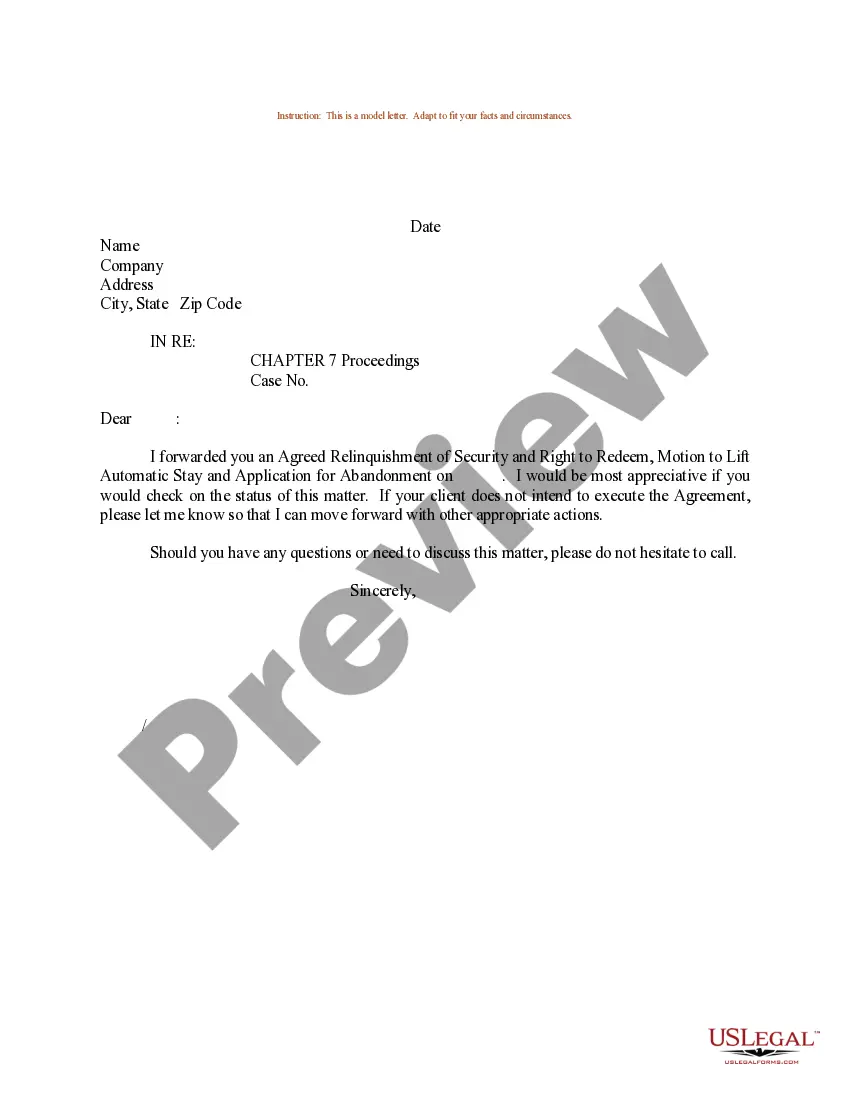
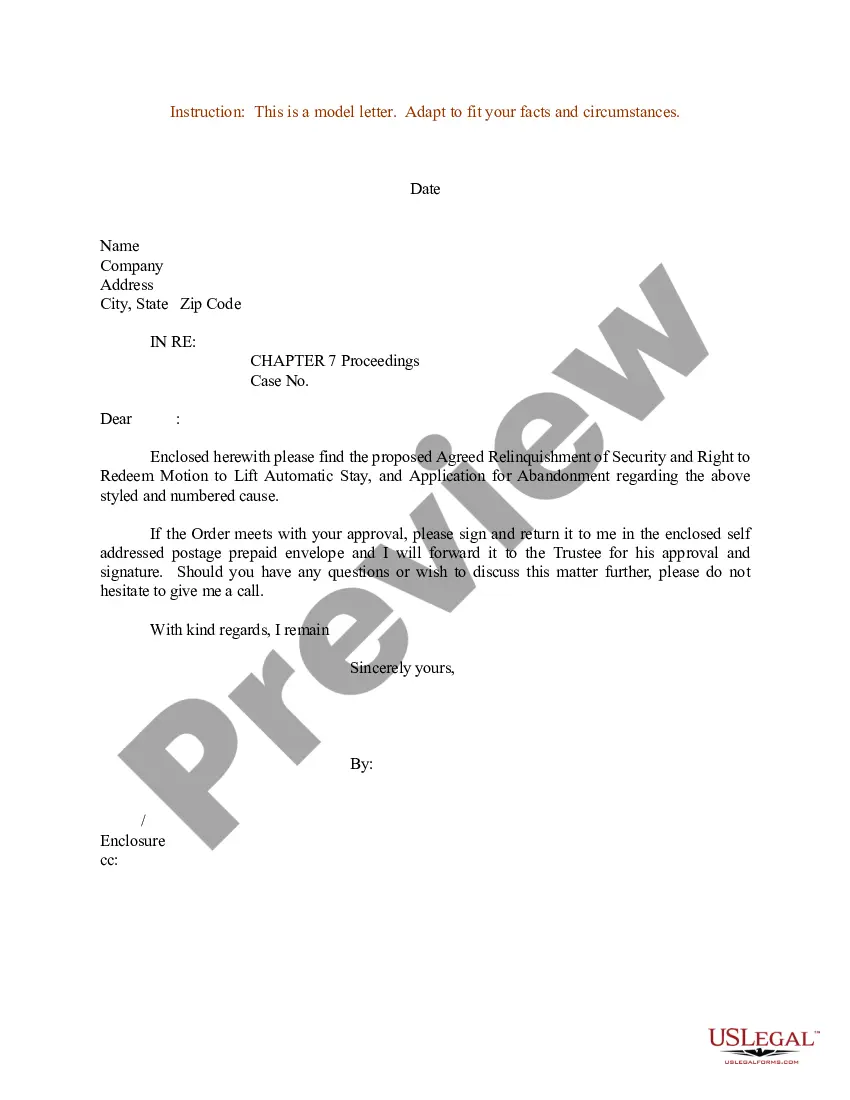
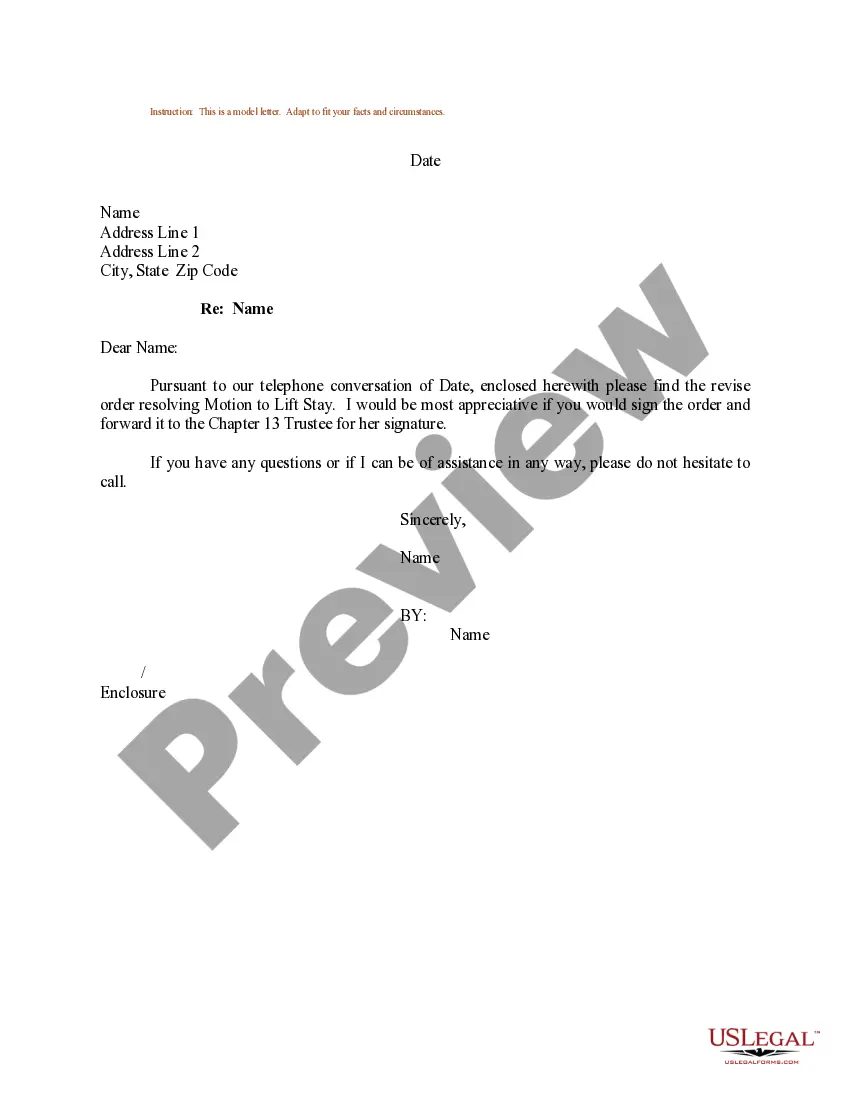
Get your form ready online
Our built-in tools help you complete, sign, share, and store your documents in one place.
Make edits, fill in missing information, and update formatting in US Legal Forms—just like you would in MS Word.
Download a copy, print it, send it by email, or mail it via USPS—whatever works best for your next step.
Sign and collect signatures with our SignNow integration. Send to multiple recipients, set reminders, and more. Go Premium to unlock E-Sign.
If this form requires notarization, complete it online through a secure video call—no need to meet a notary in person or wait for an appointment.
We protect your documents and personal data by following strict security and privacy standards.

Make edits, fill in missing information, and update formatting in US Legal Forms—just like you would in MS Word.

Download a copy, print it, send it by email, or mail it via USPS—whatever works best for your next step.

Sign and collect signatures with our SignNow integration. Send to multiple recipients, set reminders, and more. Go Premium to unlock E-Sign.

If this form requires notarization, complete it online through a secure video call—no need to meet a notary in person or wait for an appointment.

We protect your documents and personal data by following strict security and privacy standards.
Looking for another form?
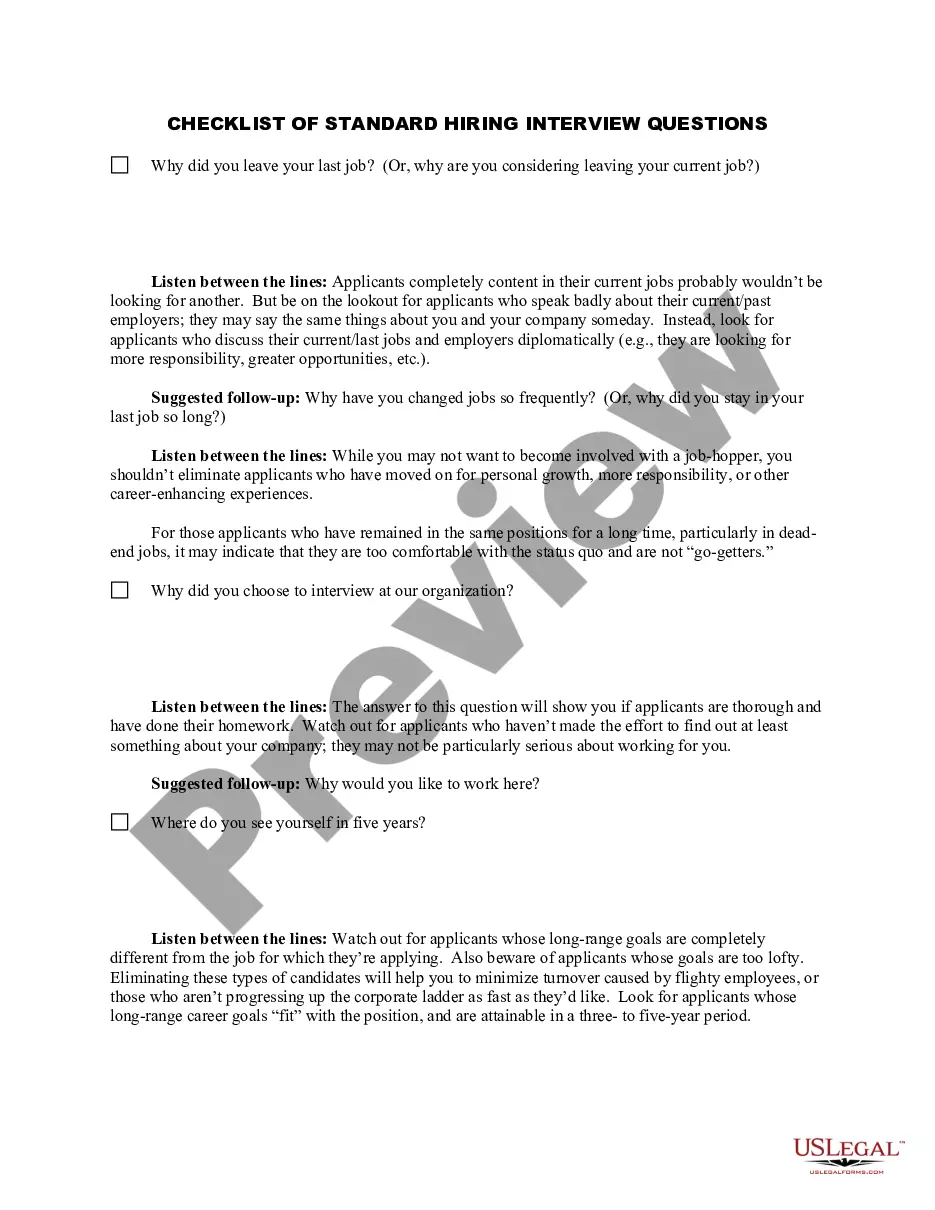
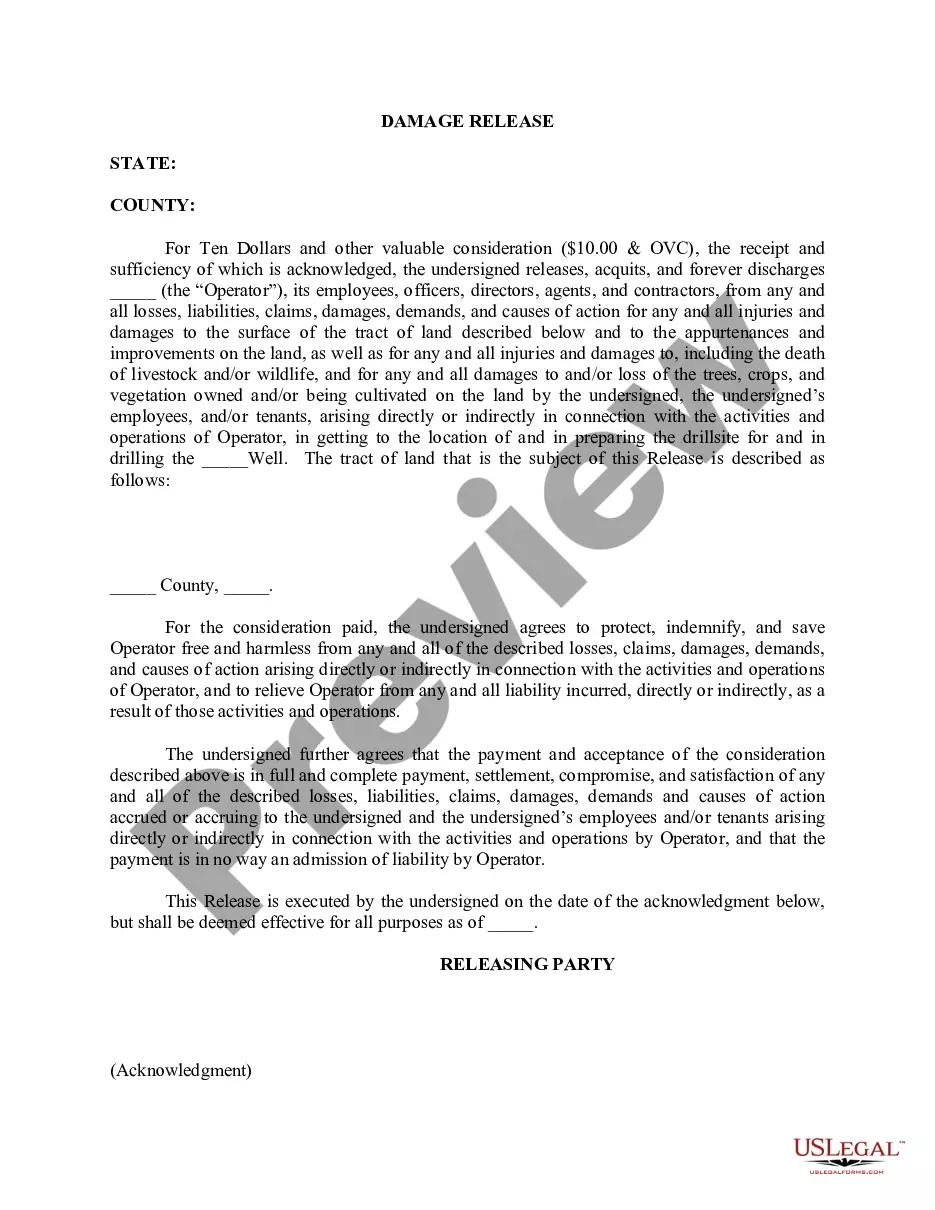






How to fill out Sample Letter Regarding Answer To Motion For Relief From The Automatic Stay And Abandonment?
It’s clear that you cannot instantly become a legal authority, nor can you swiftly learn how to prepare An Example Of Motion With without having a specific background.
Creating legal documents is a lengthy endeavor that requires specialized training and abilities.
So why not entrust the creation of the An Example Of Motion With to the experts.
Preview it (if this option is available) and review the accompanying details to determine if An Example Of Motion With is what you are looking for.
If you need another template, start your search again.
- With US Legal Forms, one of the most extensive collections of legal documents, you can discover anything from court forms to templates for in-office correspondence.
- We understand how vital compliance and following federal and local regulations are.
- That’s why, on our platform, all forms are tailored to specific locations and current.
- Here’s how to get started on our site and acquire the document you need in just minutes.
- Locate the form you require using the search feature at the top of the page.
Form popularity
FAQ
Examples of motions include motions to dismiss, motions for summary judgment, and motions to compel discovery. Each type serves a specific purpose in the legal process, helping to resolve issues before trial. By understanding these examples, you can better navigate your case and utilize services like US Legal Forms to find templates that fit your needs. This ensures you have a relevant example of motion with the right structure and content.
Begin your letter by addressing the court and including the case number, your name, and contact information. Clearly state that you are filing a motion and summarize its purpose in the opening paragraph. Use the body to provide the necessary details and legal basis while remaining direct and concise. Conclude with a request for the court's action, ensuring your letter serves as an example of motion with professionalism.
To write a motion sample, start by clearly stating the purpose of the motion. Include the title, the parties involved, and the court name at the top. Next, provide a concise statement of facts, followed by the legal basis for your request. Finally, include a conclusion that summarizes what you are asking the court to do, as this serves as an example of motion with clarity and intent.
Real-life examples of motion include a car driving down the road, a child swinging on a swing, a ball being thrown, a plane taking off, and a train moving along tracks. An example of motion with a ball being thrown demonstrates concepts like speed and trajectory. Observing these motions helps us understand the principles of movement in our daily lives.
The seven types of motion encompass linear, rotational, periodic, oscillatory, translational, circular, and projectile motion. Each type has distinct characteristics and applications. For instance, linear motion refers to movement in a straight line, while projectile motion involves objects being thrown into the air.
The seven types of motion include linear, rotational, periodic, oscillatory, projectile, translational, and circular motion. An example of motion with circular motion can be seen in a spinning wheel, while oscillatory motion is exemplified by a swinging pendulum. Understanding these types helps in grasping the dynamics of movement.
In educational contexts, motion class 7 typically refers to basic concepts of motion studied at that level. An example of motion with a moving car illustrates concepts like speed and direction. Students learn to analyze how objects move and the forces acting on them during this class.
There are various types of motions in legal proceedings. An example of motion with a summary judgment seeks a court ruling without a trial, while a motion for discovery allows parties to obtain evidence from each other. Other examples include motions to compel, motions to suppress evidence, and motions for a new trial.
A motion is a formal request made to a court. For instance, an example of motion with a request to dismiss a case could be presented when a party believes there is insufficient evidence for the case to proceed. This motion outlines the reasons for dismissal and allows the court to consider the request.
An example of motion with legal documents includes various types of motions filed in court. These can be motions to dismiss, which request the court to dismiss a case due to lack of evidence. Another example is a motion for summary judgment, where one party asks the court to rule in their favor without a trial. Additionally, you might encounter a motion to compel, which seeks to force the other party to comply with discovery requests. A motion for a continuance allows a party to request more time to prepare. Lastly, a motion for a protective order helps protect a party from undue burden during the discovery process. Utilizing US Legal Forms can help you find templates and guidance for creating these motions effectively.