Non-exclusive List
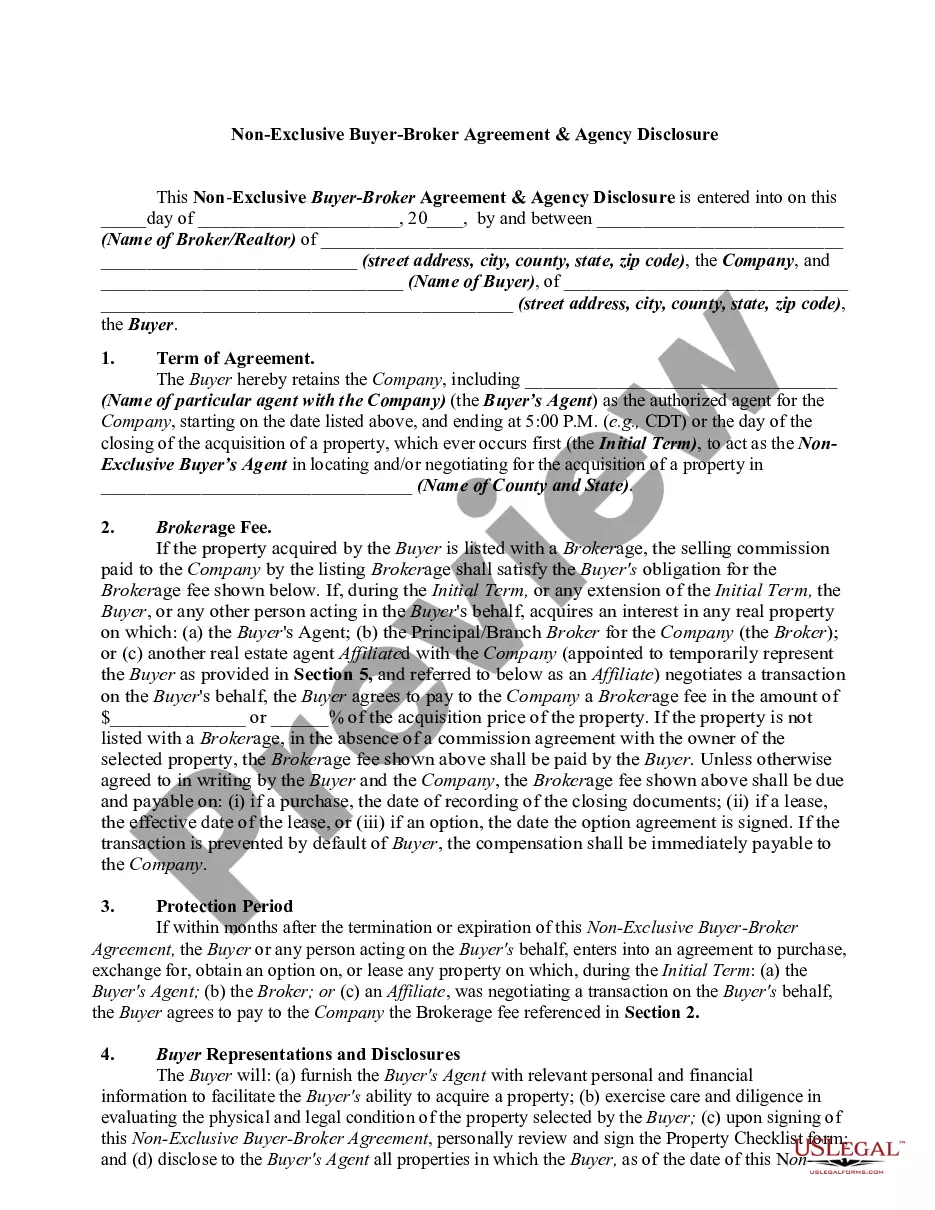
Description
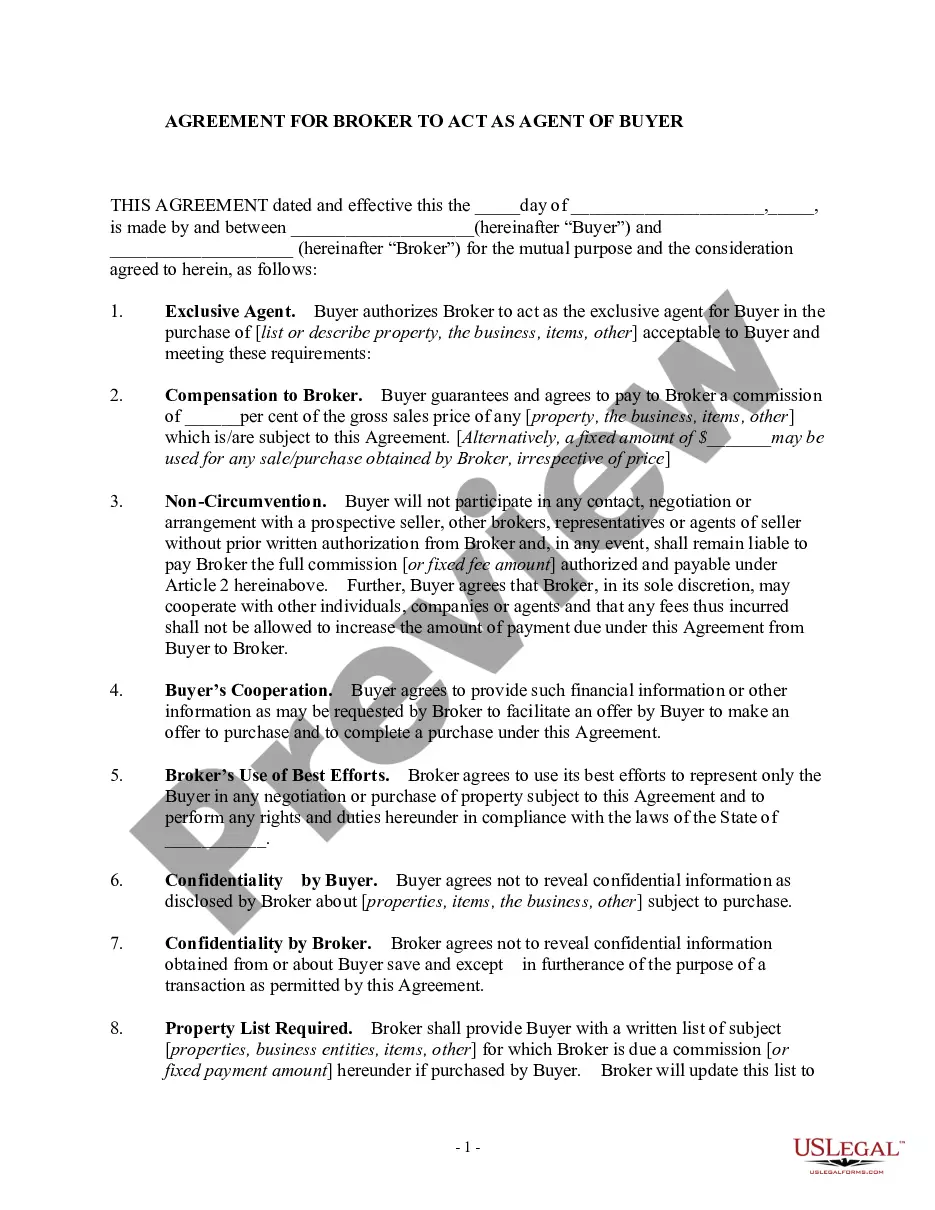
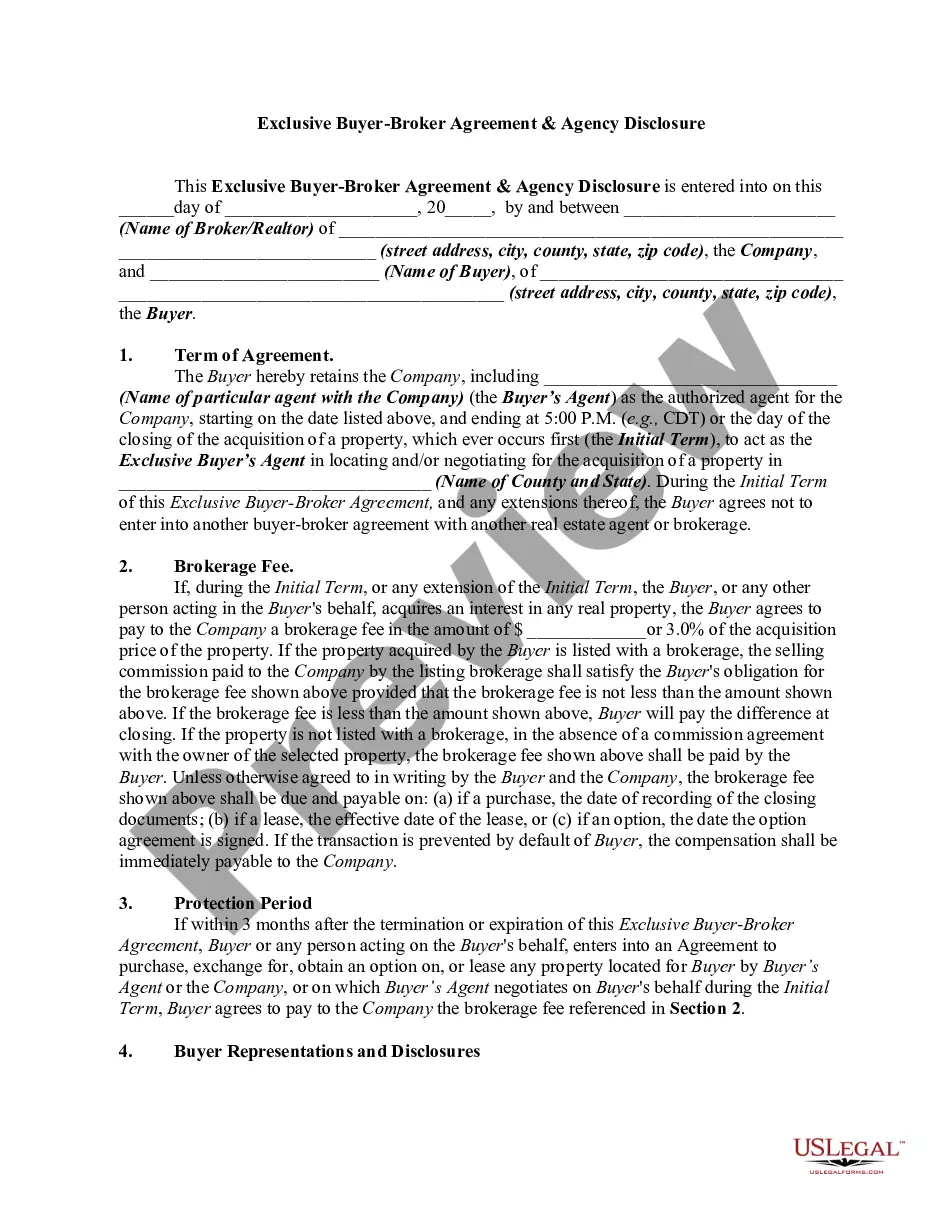
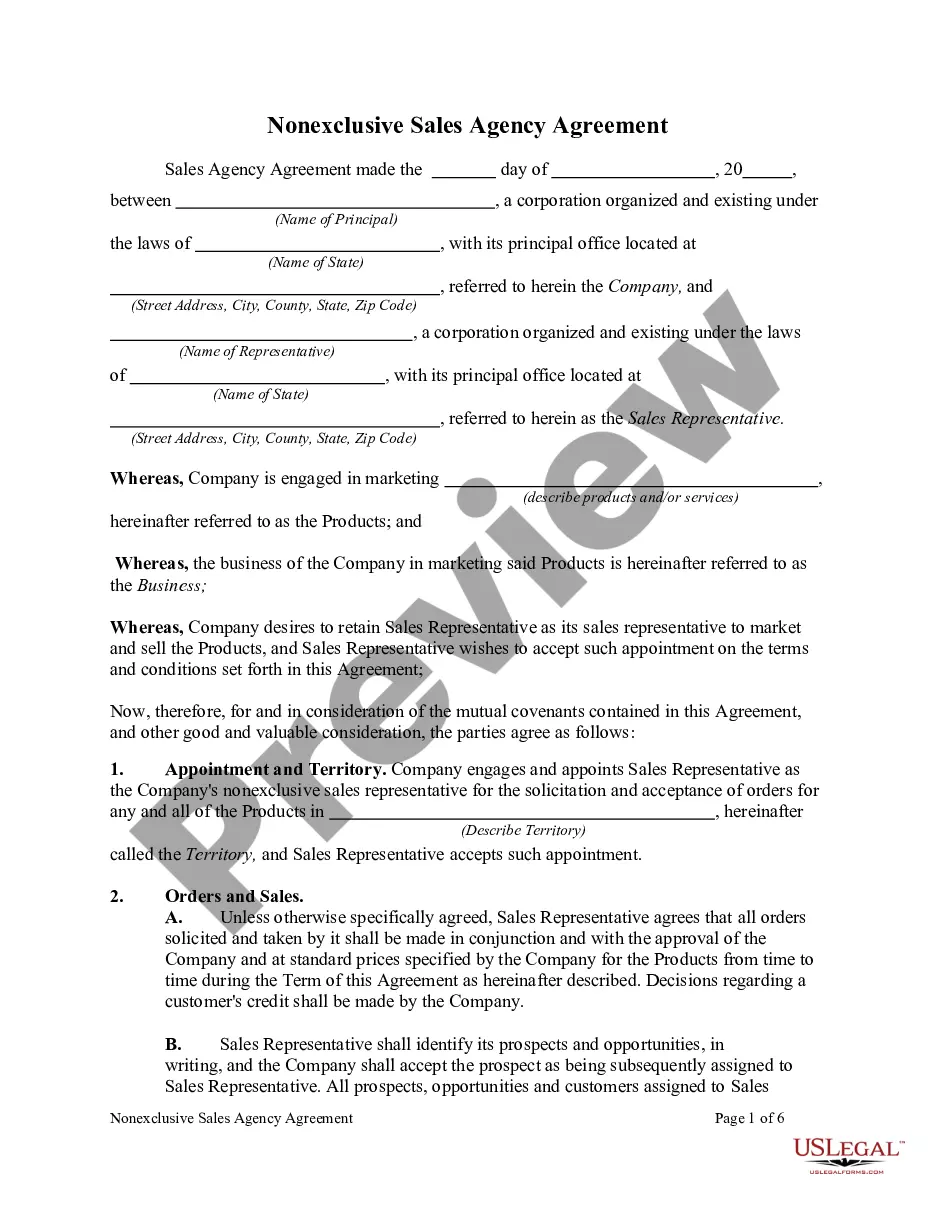
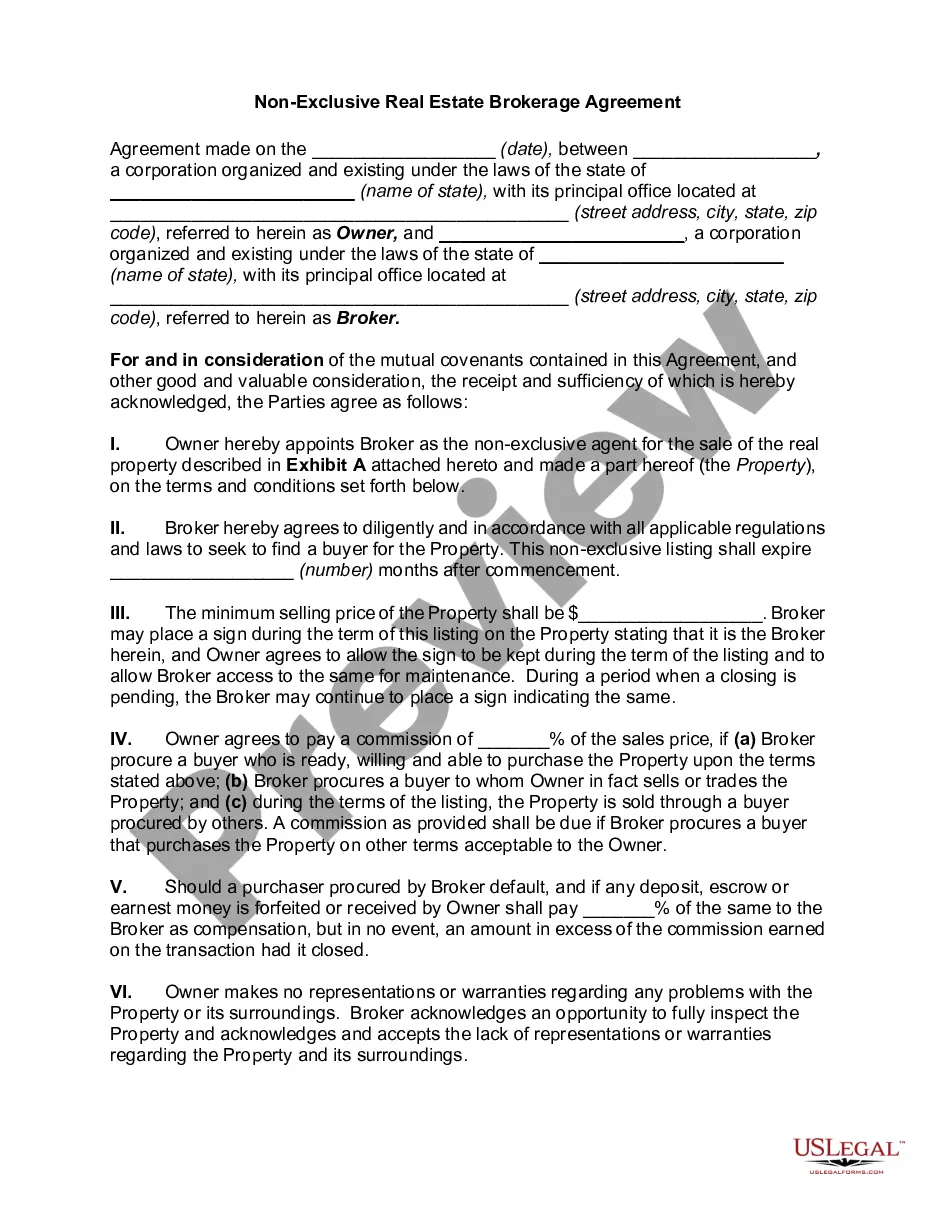
Get your form ready online
Our built-in tools help you complete, sign, share, and store your documents in one place.
Make edits, fill in missing information, and update formatting in US Legal Forms—just like you would in MS Word.
Download a copy, print it, send it by email, or mail it via USPS—whatever works best for your next step.
Sign and collect signatures with our SignNow integration. Send to multiple recipients, set reminders, and more. Go Premium to unlock E-Sign.
If this form requires notarization, complete it online through a secure video call—no need to meet a notary in person or wait for an appointment.
We protect your documents and personal data by following strict security and privacy standards.

Make edits, fill in missing information, and update formatting in US Legal Forms—just like you would in MS Word.

Download a copy, print it, send it by email, or mail it via USPS—whatever works best for your next step.

Sign and collect signatures with our SignNow integration. Send to multiple recipients, set reminders, and more. Go Premium to unlock E-Sign.

If this form requires notarization, complete it online through a secure video call—no need to meet a notary in person or wait for an appointment.

We protect your documents and personal data by following strict security and privacy standards.
Looking for another form?
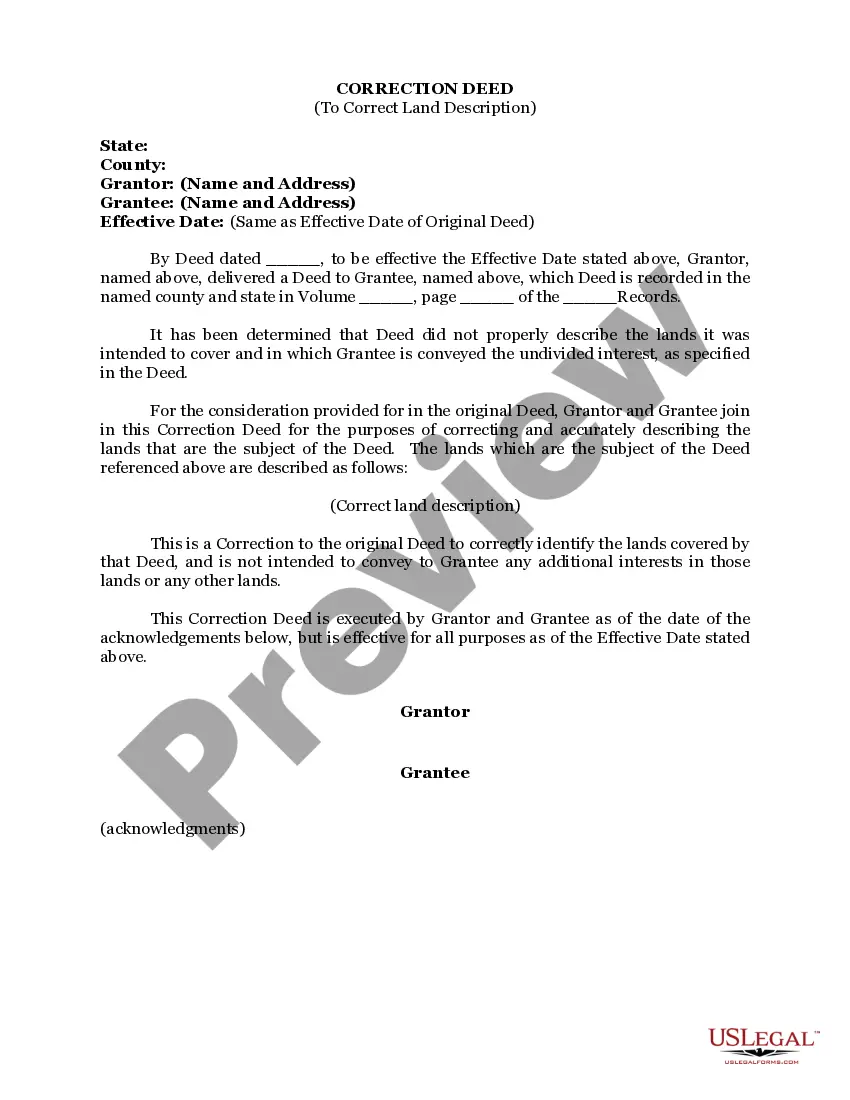
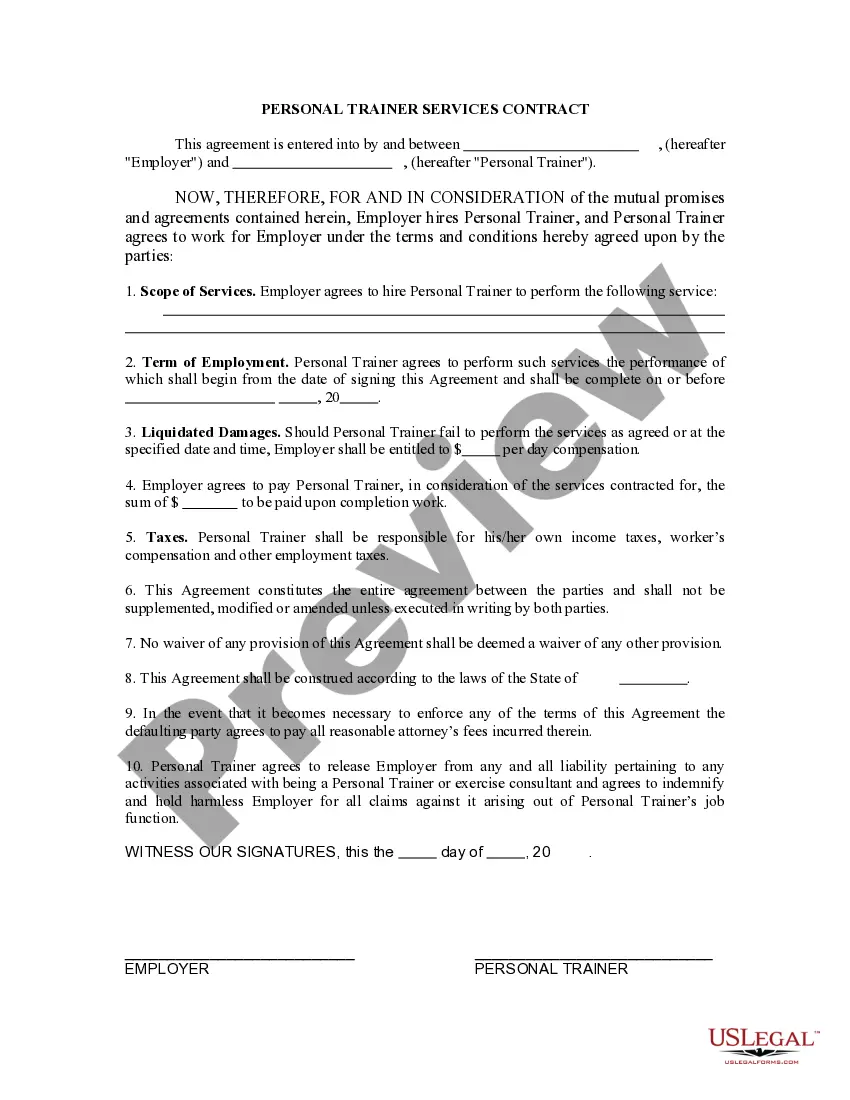


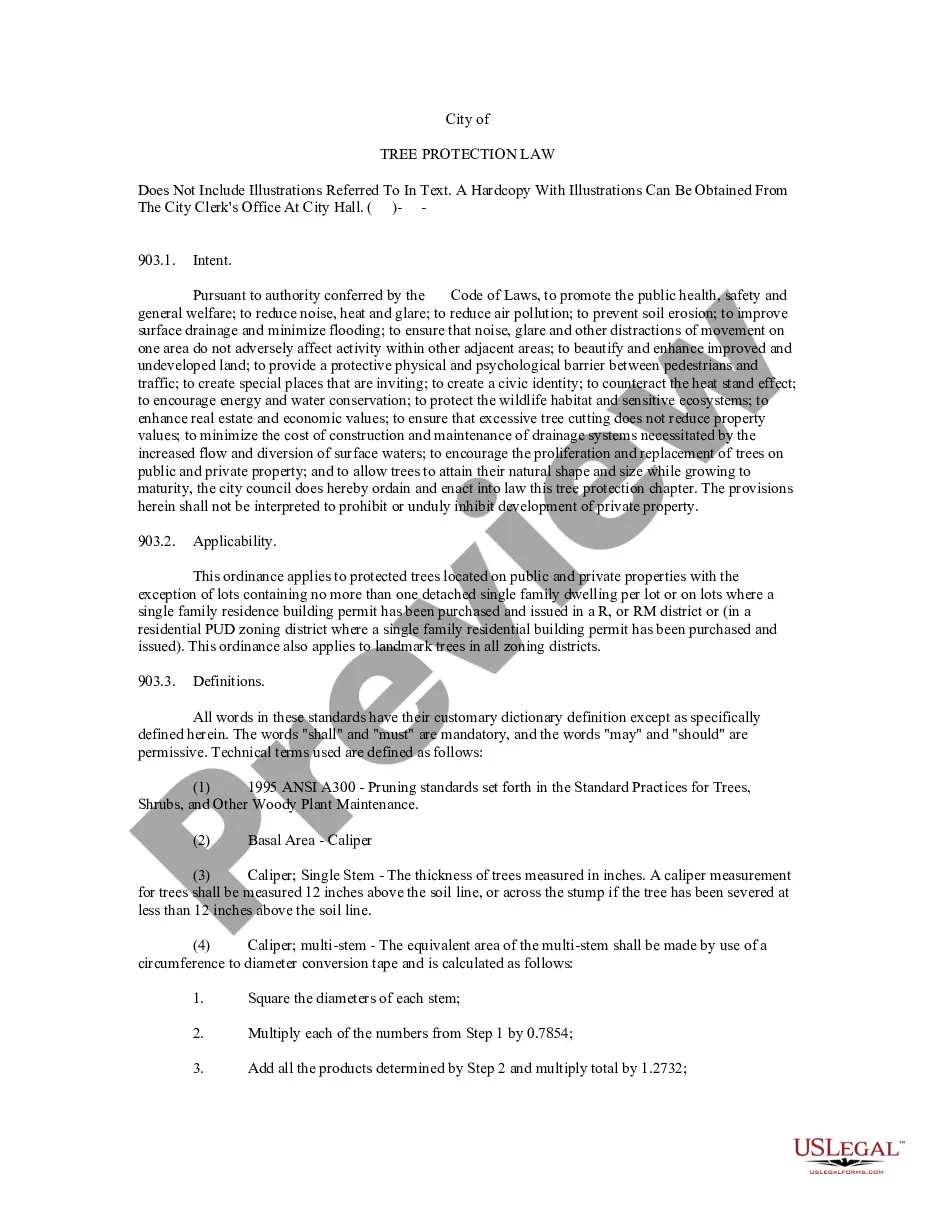
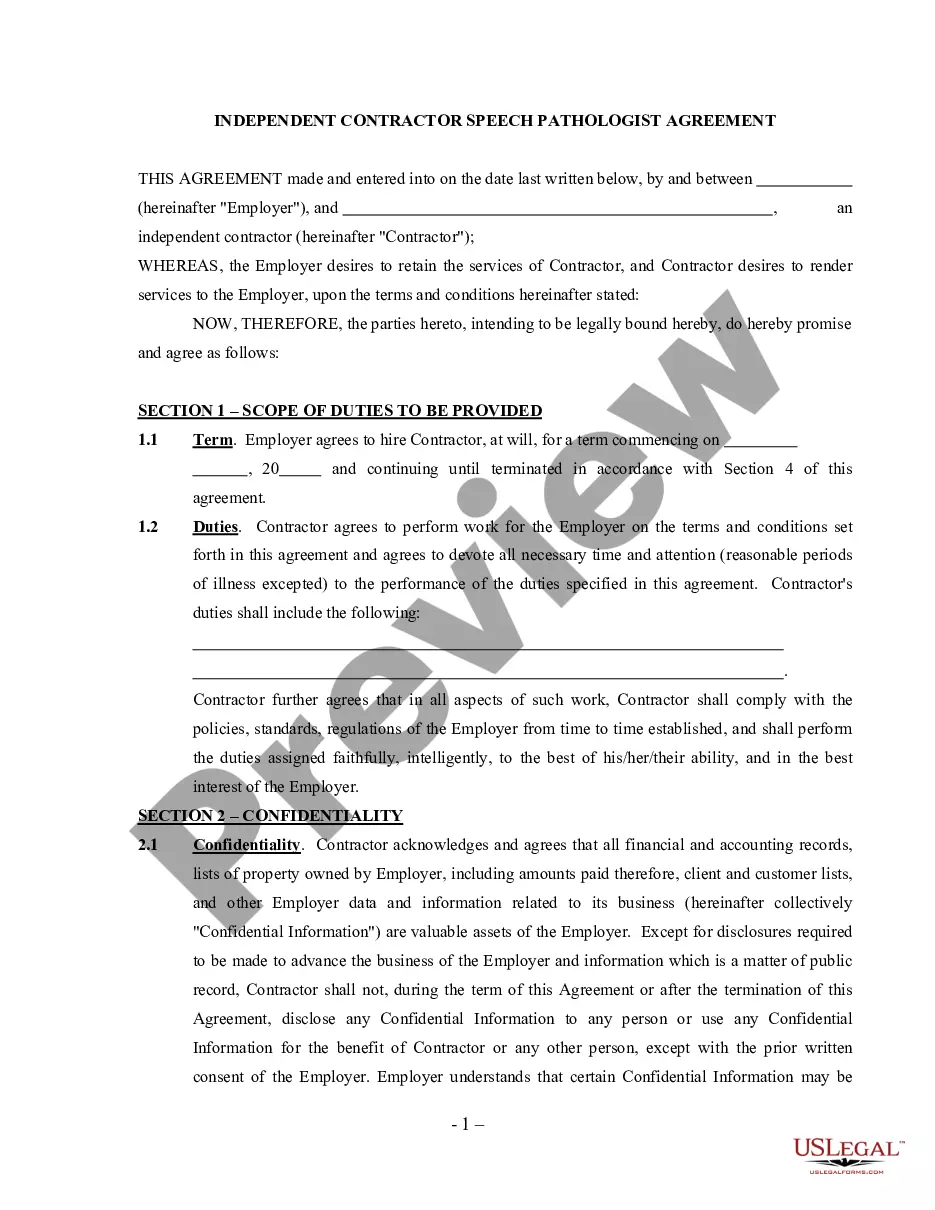
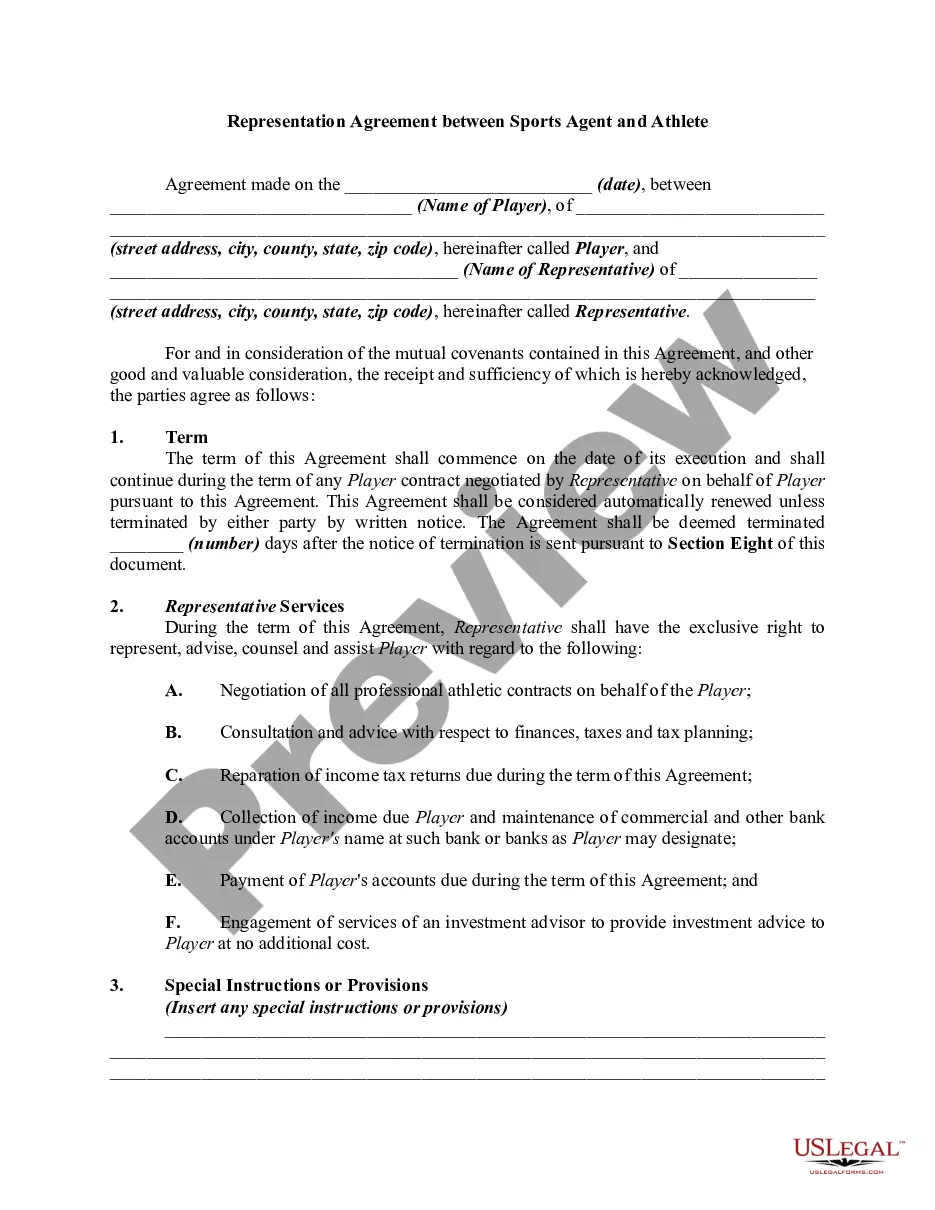
How to fill out Non-Exclusive Buyer-Broker Agreement And Agency Disclosure?
Acquiring legal document samples that adhere to federal and state regulations is crucial, and the internet provides numerous alternatives to select from.
However, what is the benefit of squandering time searching for the proper Non-exclusive List template online if the US Legal Forms digital repository already consolidates such formats in one location.
US Legal Forms stands as the largest online legal repository with over 85,000 fillable templates crafted by attorneys for various business and personal situations.
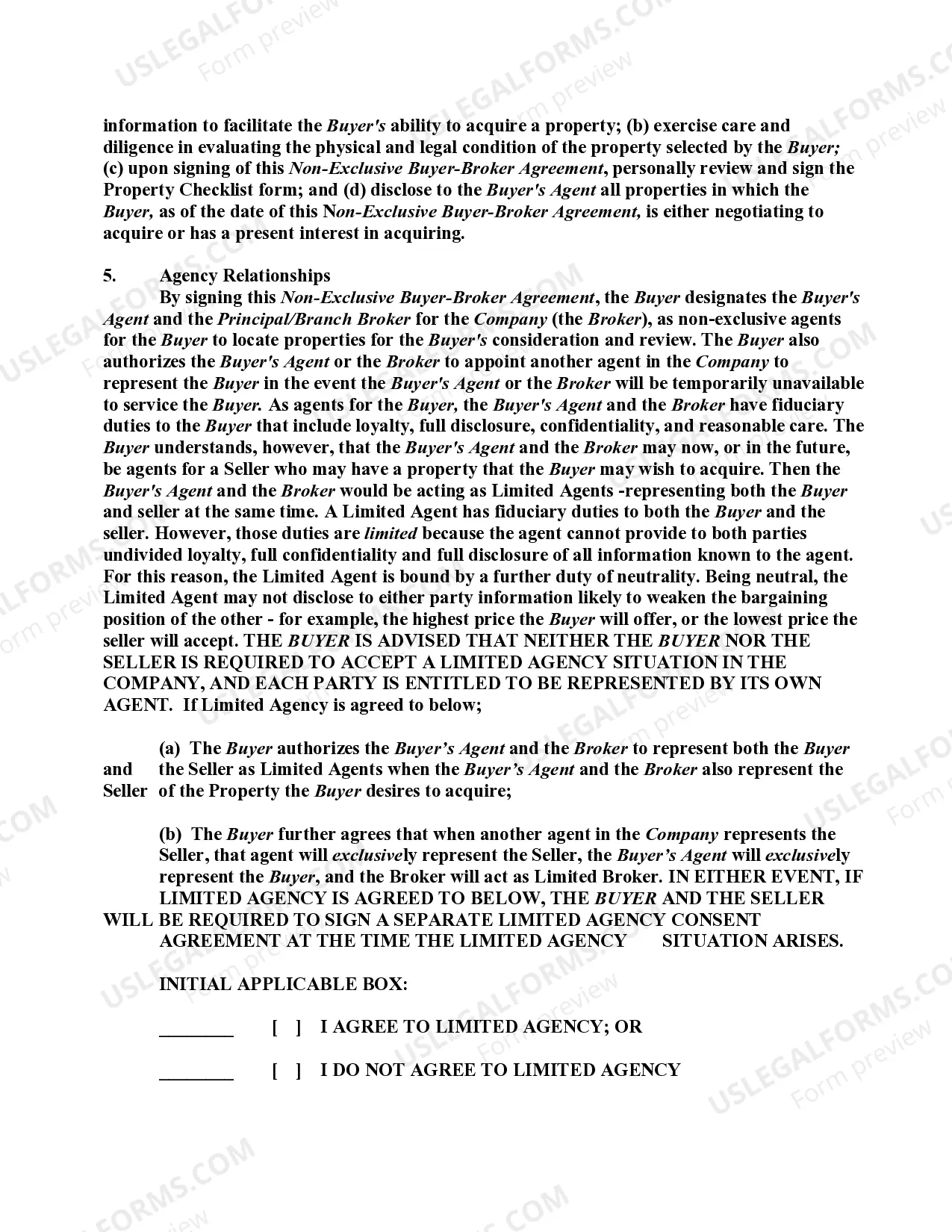
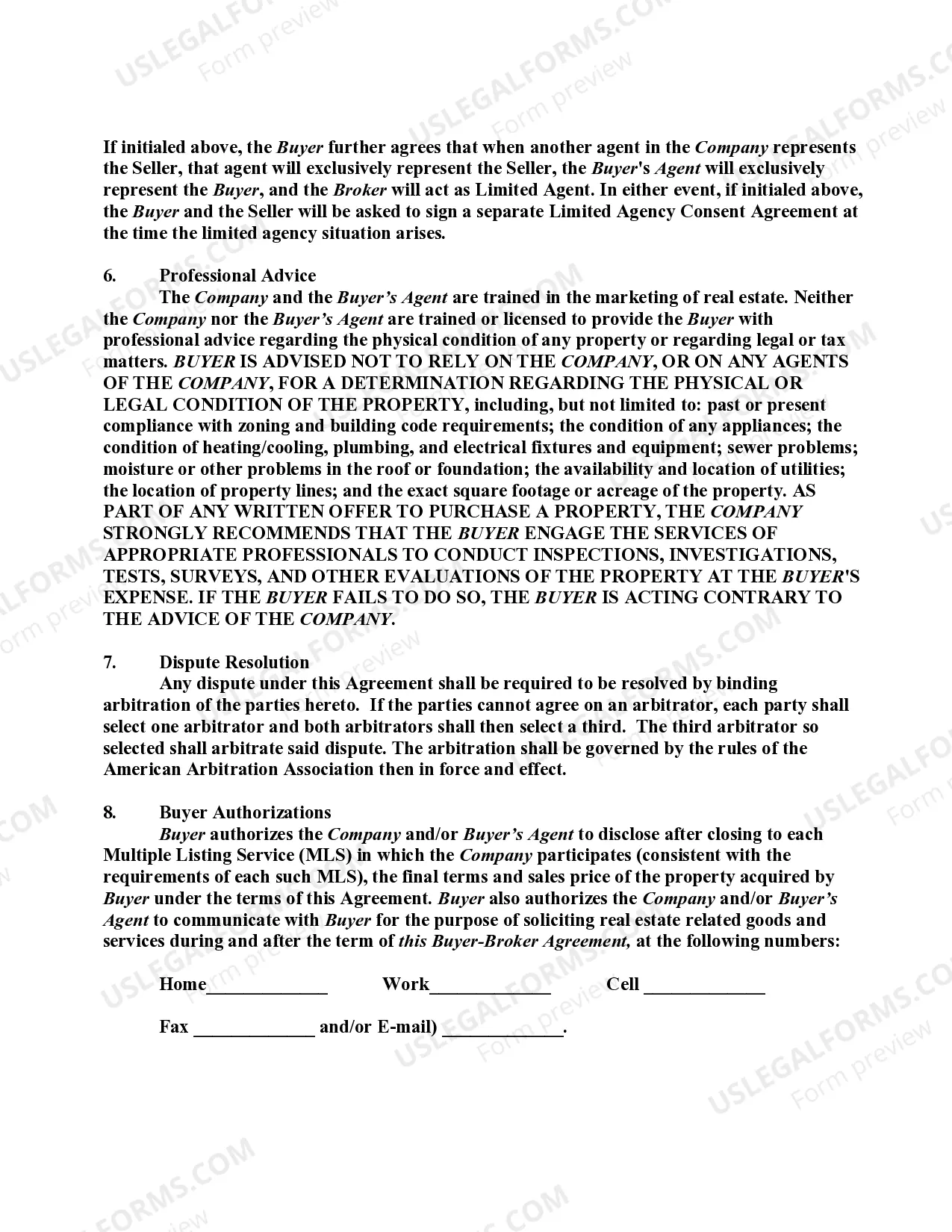
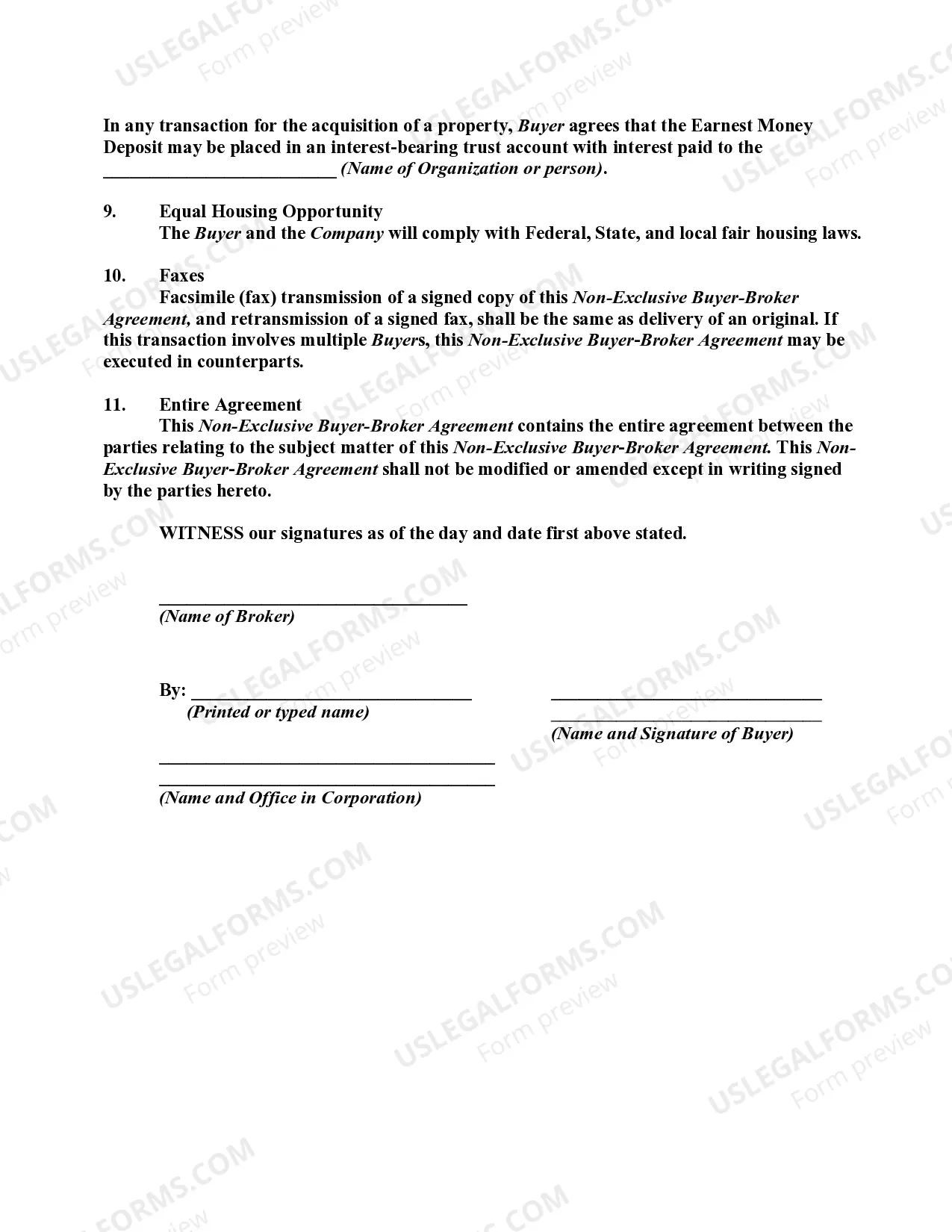
Examine the template using the Preview feature or via the text outline to verify it fulfills your needs.
- They are straightforward to navigate with all documents organized by state and intended use.
- Our experts stay informed of legislative updates, ensuring your documentation is current and compliant when retrieving a Non-exclusive List from our site.
- Acquiring a Non-exclusive List is quick and uncomplicated for both existing and new users.
- If you already possess an account with an active subscription, Log In and download the template you need in the correct format.
- If you are unfamiliar with our platform, follow the instructions outlined below.
Form popularity
FAQ
An exclusive listing means that only one party has the right to sell or manage a property, while a non-exclusive listing allows multiple parties to sell or market the same property. In a non-exclusive listing, agents and sellers enjoy the freedom to collaborate with various stakeholders to enhance visibility. This strategic choice can lead to more options for potential buyers and greater exposure for sellers. Choosing between exclusive and non-exclusive listings depends on your specific goals.
In a contract, non-exclusive means that the agreement does not restrict a party from entering into similar agreements with others. This characteristic offers flexibility and the opportunity for multiple collaborations. It is especially useful in business arrangements where competition can lead to better outcomes. Ensuring you understand non-exclusive terms can help you leverage various opportunities effectively.
Non Exclusivity Clause Examples Examples of non-exclusivity clause use include: Example 1: Allow employees to sell directly to customers and competitors. Example 2: Giving partners a chance to cross-collaborate with clients. Example 3: Soda companies permitting sales at separate locations.
exclusive sales representation agreement is a legal contract between a person who sells the service or product and a company in exchange for compensation. The sales representation agreement will list the terms and conditions and recitals for the company's independent sales representative.
Nothing contained in this Agreement alone shall constitute a commitment by Company to purchase Services. Such a commitment shall arise only from an SOW signed by the parties. This Agreement is nonexclusive, and Company may contract with other entities to perform services related to or within the terms of any SOW.
Exclusive and Non-Exclusive Licenses A copyright exclusive license is one in which ownership in one or more rights is transferred by the copyright owner. A copyright nonexclusive license occurs when the owner retains ownership of the copyright and/or may license the same right to others.
Not limited to only one person or group of people, or to only one thing: The technology is licensed on a non-exclusive basis for use in a wide range of contexts. The rights granted to the publisher for use of the image are non-exclusive. Fewer examples. The list was non-exclusive and alternative items could be added.