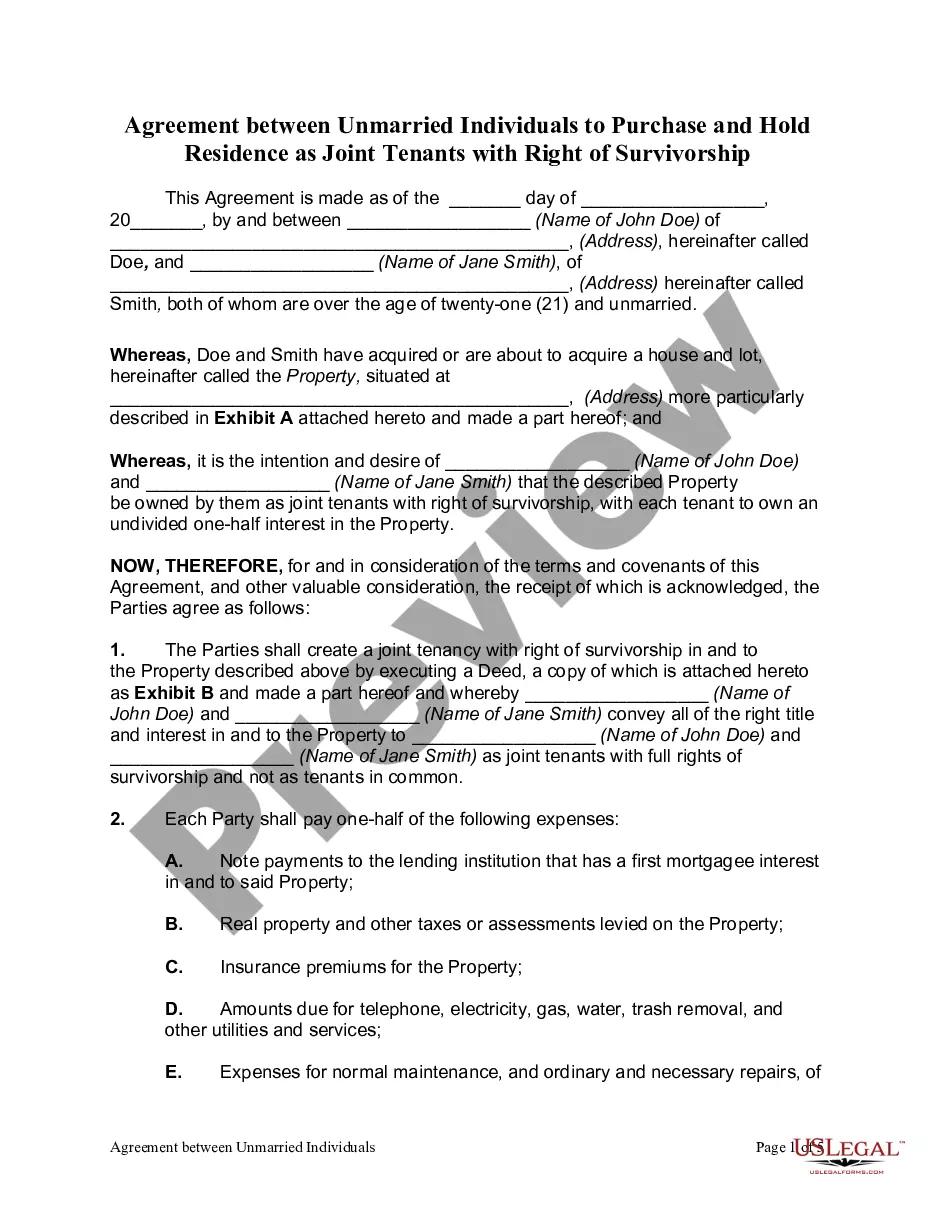
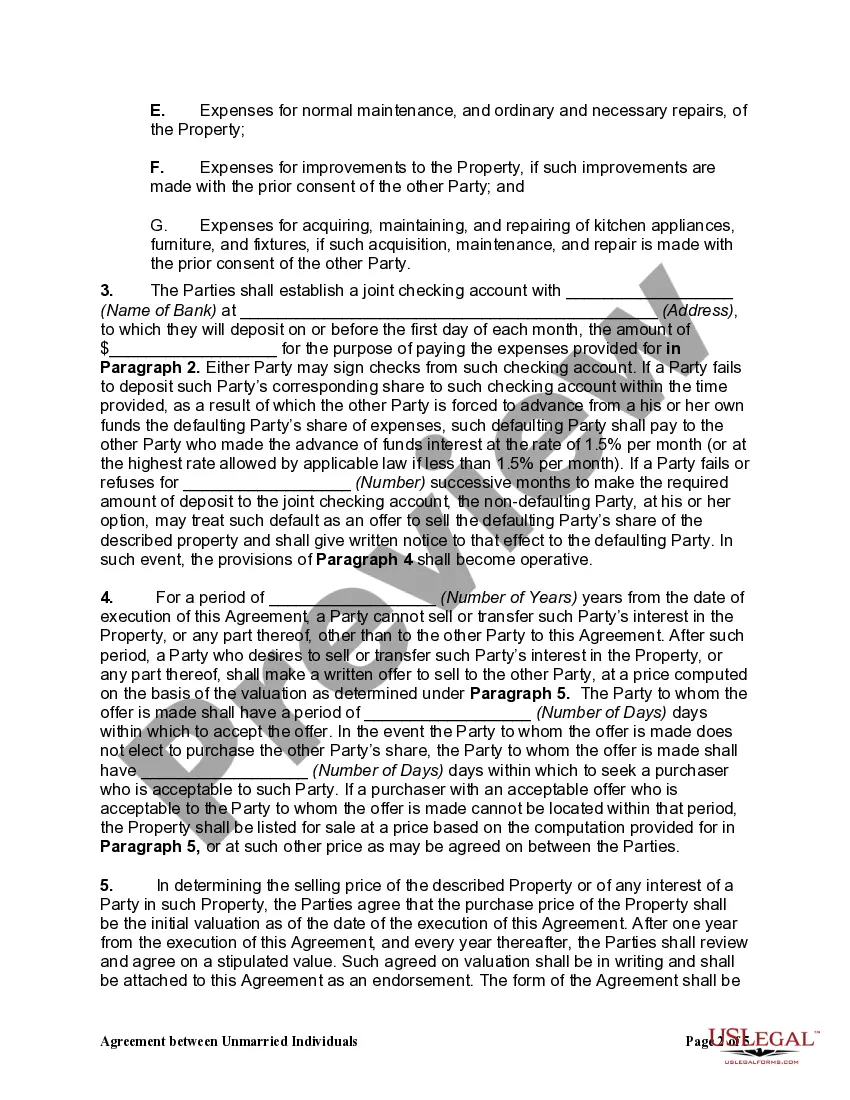
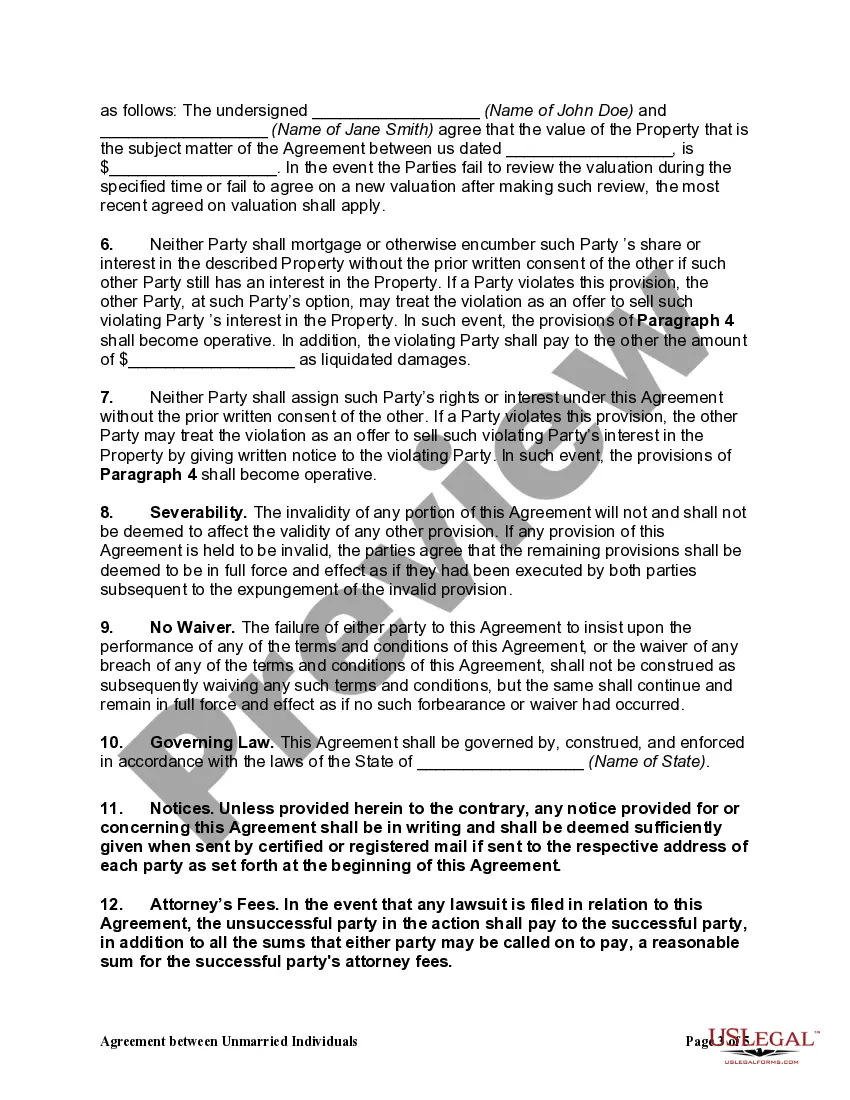
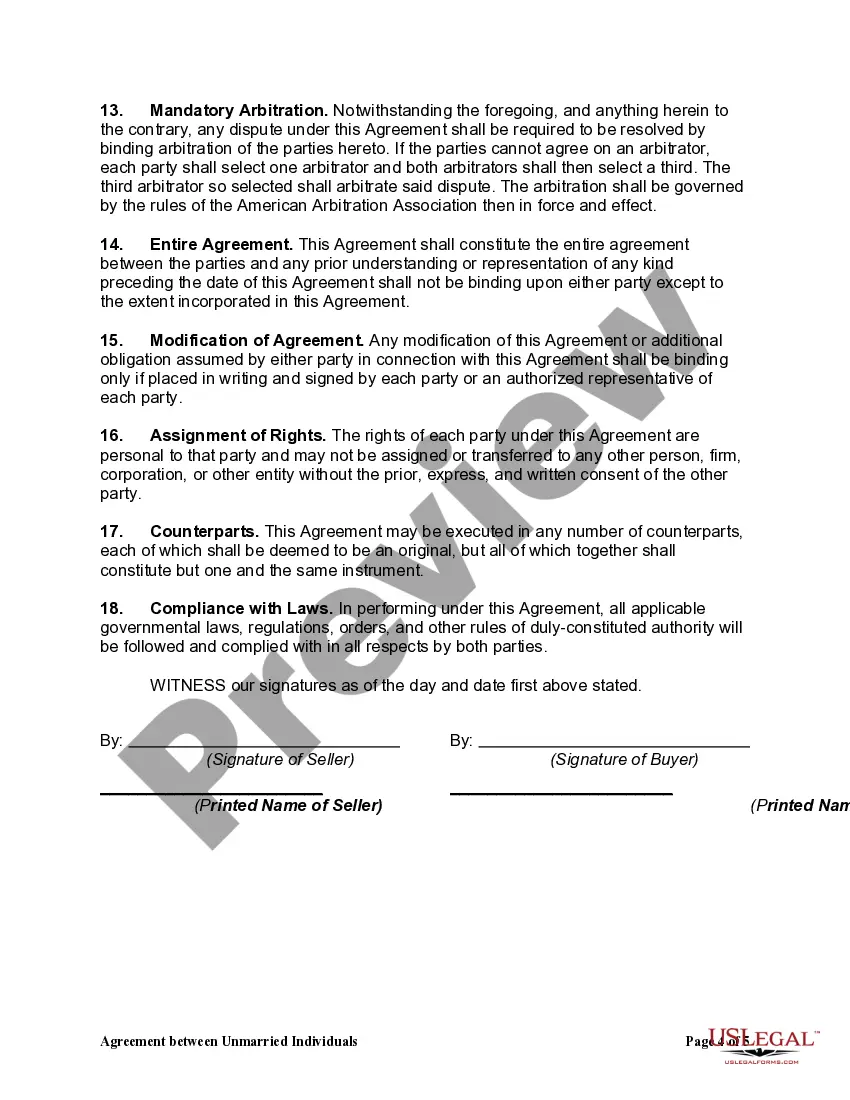
Joint Tenants Right To Survivorship
Description
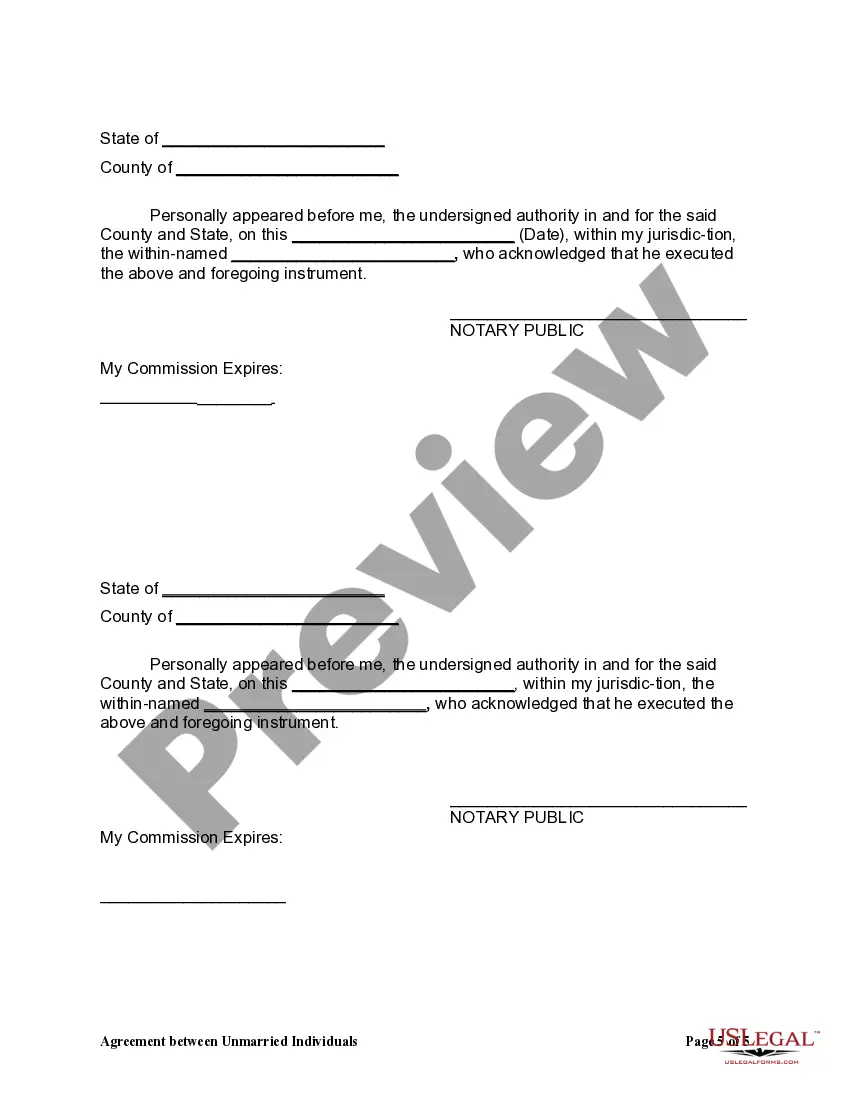

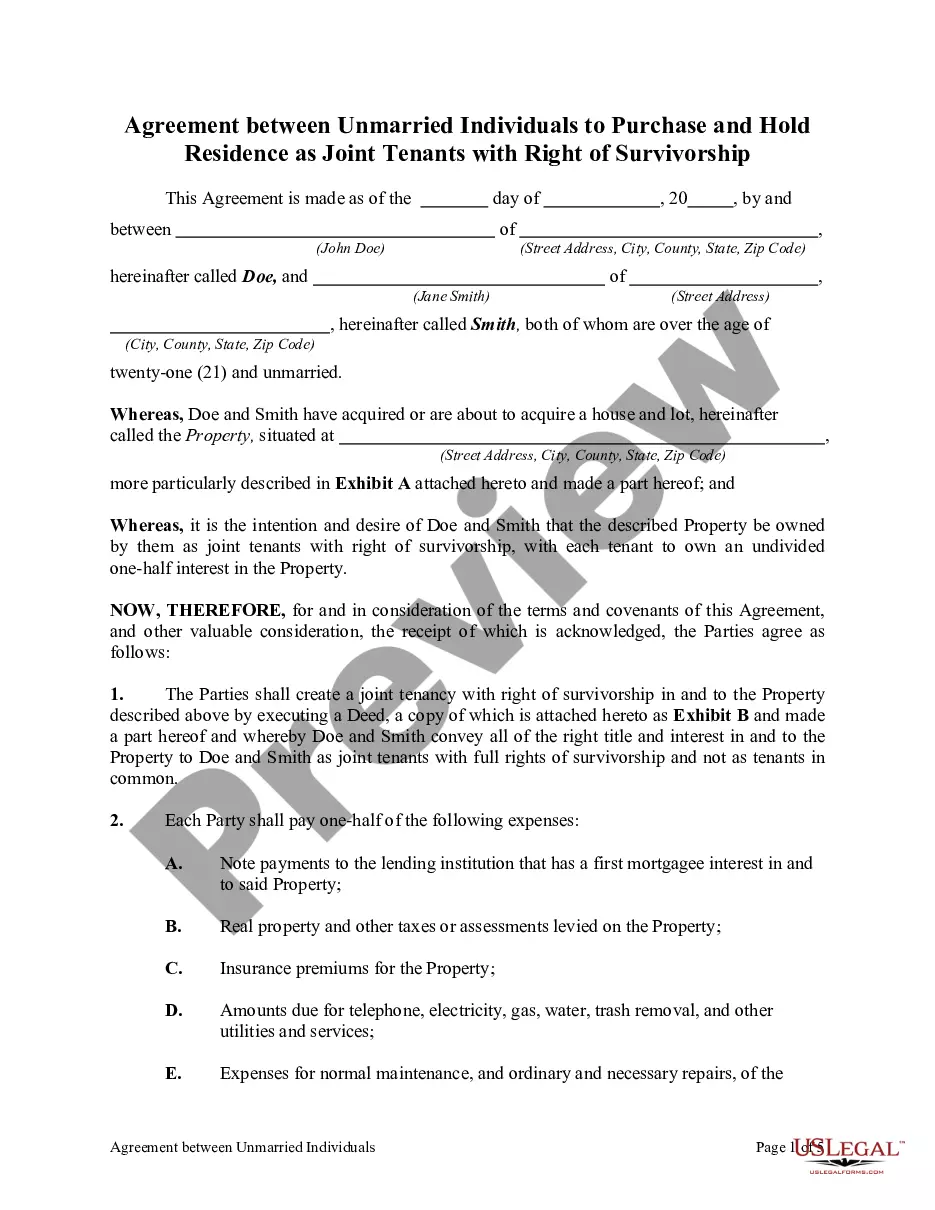
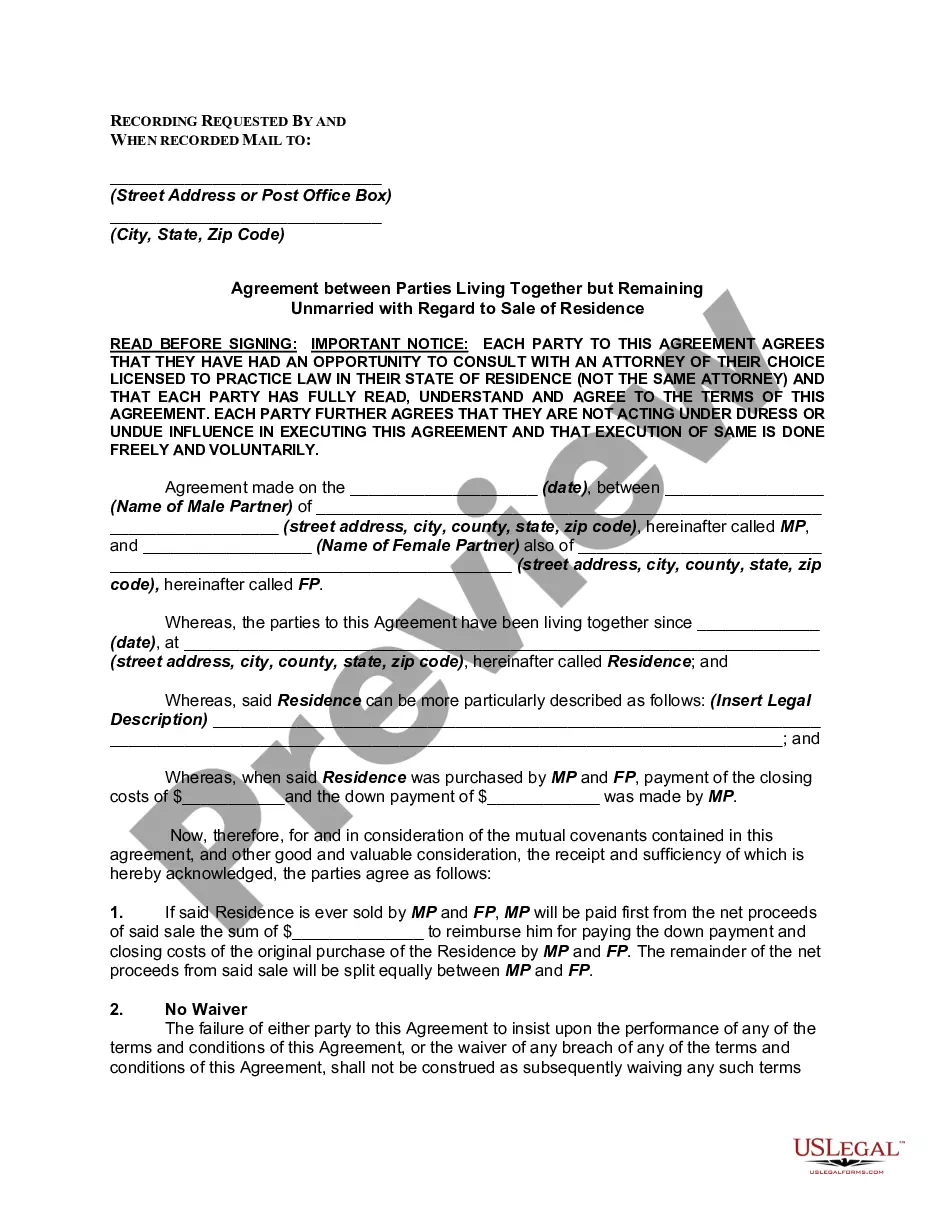
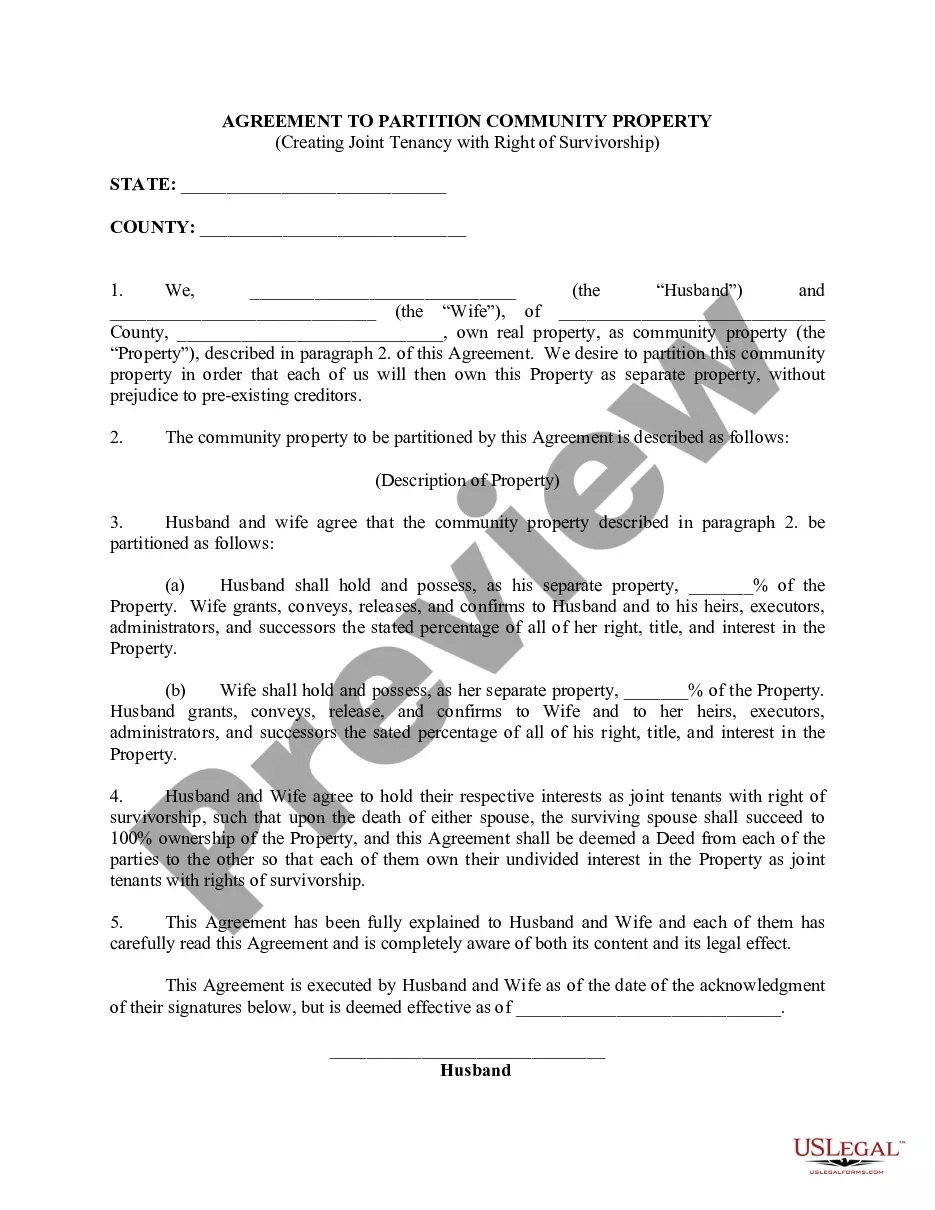
Get your form ready online
Our built-in tools help you complete, sign, share, and store your documents in one place.
Make edits, fill in missing information, and update formatting in US Legal Forms—just like you would in MS Word.
Download a copy, print it, send it by email, or mail it via USPS—whatever works best for your next step.
Sign and collect signatures with our SignNow integration. Send to multiple recipients, set reminders, and more. Go Premium to unlock E-Sign.
If this form requires notarization, complete it online through a secure video call—no need to meet a notary in person or wait for an appointment.
We protect your documents and personal data by following strict security and privacy standards.

Make edits, fill in missing information, and update formatting in US Legal Forms—just like you would in MS Word.

Download a copy, print it, send it by email, or mail it via USPS—whatever works best for your next step.

Sign and collect signatures with our SignNow integration. Send to multiple recipients, set reminders, and more. Go Premium to unlock E-Sign.

If this form requires notarization, complete it online through a secure video call—no need to meet a notary in person or wait for an appointment.

We protect your documents and personal data by following strict security and privacy standards.
Looking for another form?
Form popularity
FAQ
Joint tenancy and joint with survivorship are often used interchangeably; however, they hold a crucial distinction. Joint tenancy allows two or more people to own property together with equal rights. Each joint tenant has a right to the property and can transfer their share independently. In contrast, the term joint tenants right to survivorship specifically highlights that upon the death of one tenant, their share automatically transfers to the surviving tenant, bypassing probate.
A key disadvantage of joint ownership is the lack of unilateral control over the property. Decisions related to the property must be made collectively, which can lead to conflicts among owners. Additionally, joint tenants may expose the property to risks should one owner encounter personal financial difficulties. Thus, it's crucial to weigh the benefits and drawbacks of joint tenants right to survivorship when considering your property ownership options.
The term 'jointly with right of survivorship' refers to a form of property ownership where two or more individuals hold equal shares. When one owner dies, their interest in the property automatically passes to the surviving owners without the need for probate. This arrangement helps ensure that the property remains within the controlled family or group, simplifying estate management while enhancing security for co-owners.
Joint tenancy with right of survivorship is an effective ownership method to avoid probate. In this arrangement, when one owner passes away, their share automatically transfers to the surviving joint tenant, bypassing the lengthy probate process. This approach enables a smoother and quicker transition of ownership, allowing you to maintain control and ease in managing shared assets.
Yes, jointly owned property can be subject to seizure if one of the owners faces legal problems or has outstanding debts. If a creditor gets a judgment against one tenant, they may seek to claim the joint property to satisfy that debt. To protect your interests, it's essential to understand the implications of joint tenancy with right of survivorship and consider legal strategies to safeguard your assets.
Common ownership can sometimes lead to disputes among owners due to differing opinions on property management or financial responsibilities. Each owner typically shares equally in the costs and benefits, which can create tension if one party feels they contribute more than the others. Furthermore, common ownership does not provide the same guarantees of property transfer upon death as joint tenancy with right of survivorship does, leaving assets potentially subject to probate.
One significant disadvantage of joint tenancy with right of survivorship is that it may not allow for individualized control over the property. If one joint tenant decides to sell their share, it can affect the others involved. Additionally, if one tenant faces legal issues or debt, creditors may have access to the shared property, potentially jeopardizing your investment. Understanding these risks is key to making informed decisions regarding your property ownership.
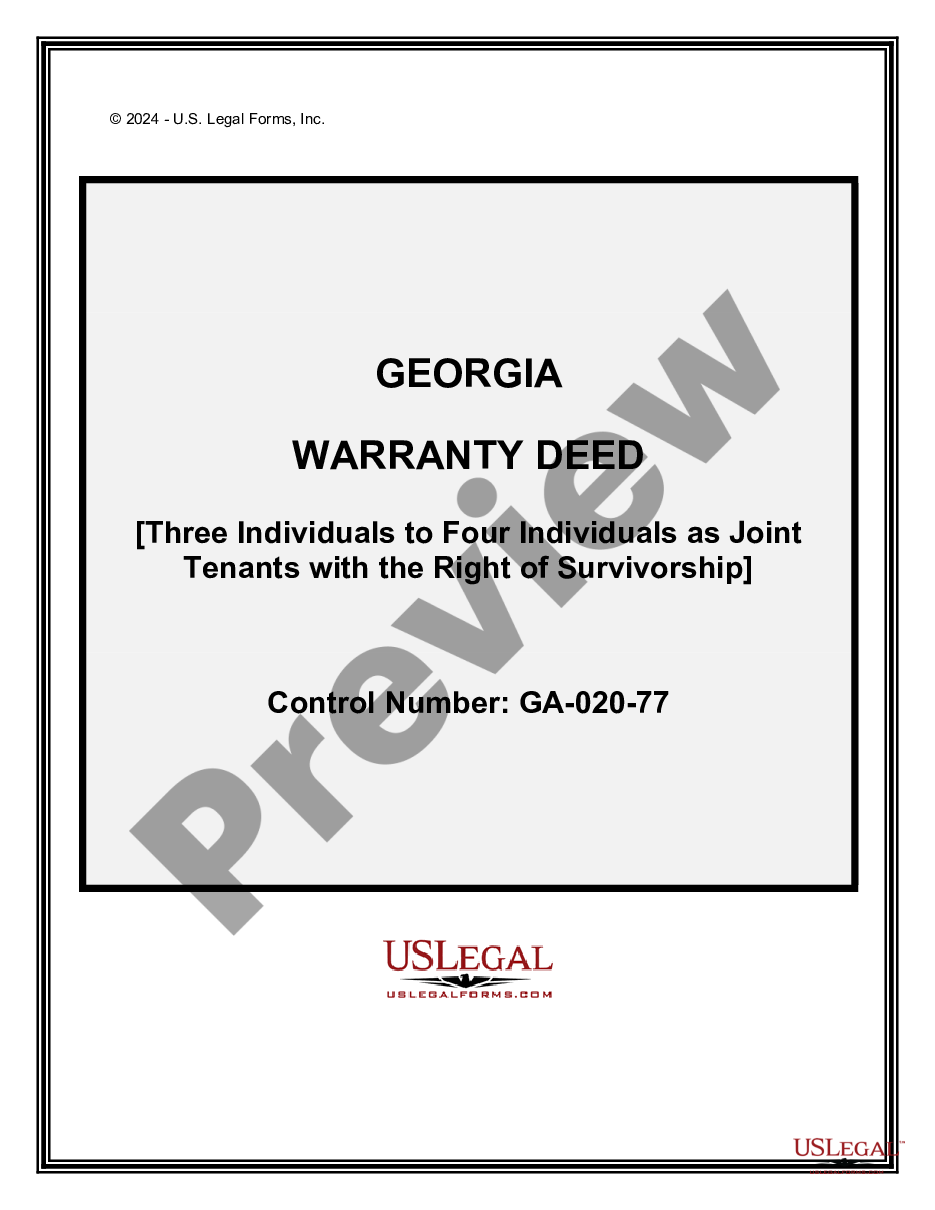
While you do not strictly need a lawyer to add someone to a deed, having legal guidance is beneficial. An attorney can help you understand the implications of creating a joint tenancy with right of survivorship and assist with filing the necessary paperwork. Platforms like USLegalForms can also simplify this process, providing templates and resources for your needs.
You can obtain a survivorship deed by drafting a new deed that specifies joint tenants with right of survivorship. It’s often advisable to consult an attorney or use an online legal service like USLegalForms to ensure that your document meets all legal requirements. By doing this, you can secure your property and clarify ownership for the future.
To file a joint tenancy with right of survivorship, you need to create and execute a deed that clearly states your intention. This document should include the names of all joint tenants and a statement that explicitly establishes the right of survivorship. Once completed, you must record the deed with your local county clerk's office to make it official.
