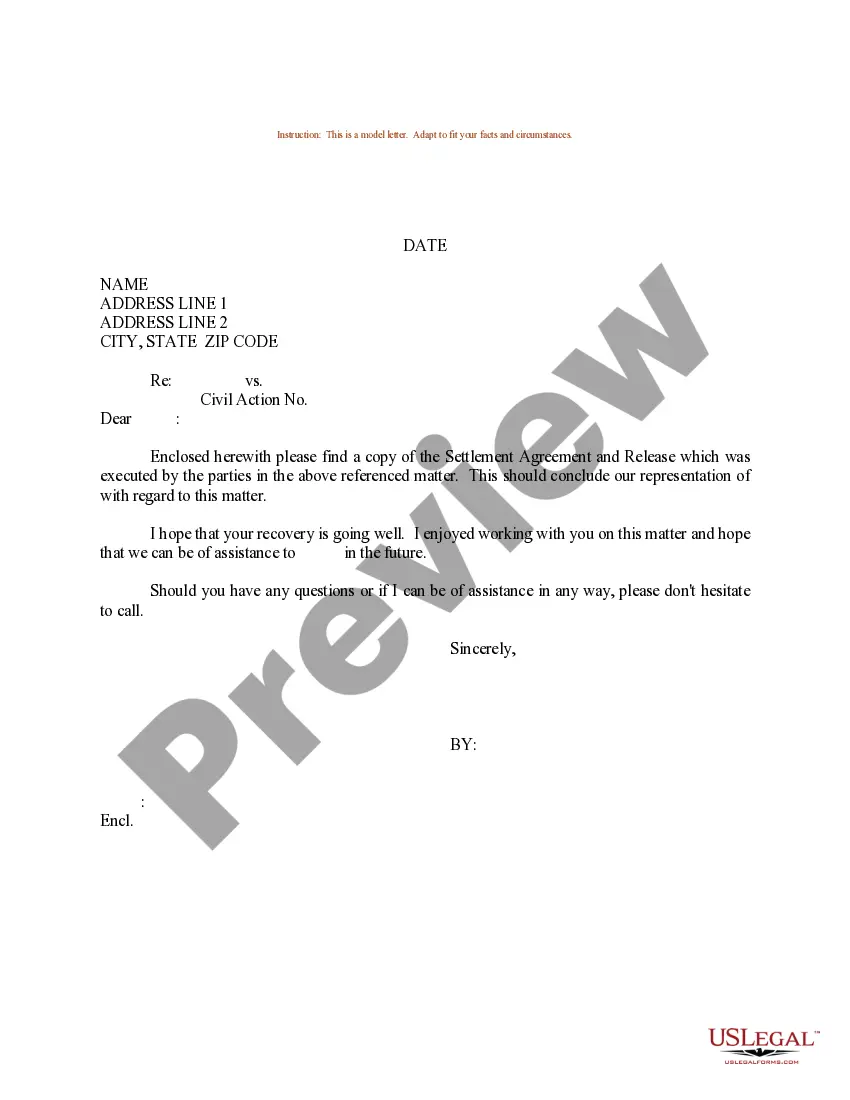
Settlement Agreement With Confession Of Judgment
Description
Get your form ready online
Our built-in tools help you complete, sign, share, and store your documents in one place.
Make edits, fill in missing information, and update formatting in US Legal Forms—just like you would in MS Word.
Download a copy, print it, send it by email, or mail it via USPS—whatever works best for your next step.
Sign and collect signatures with our SignNow integration. Send to multiple recipients, set reminders, and more. Go Premium to unlock E-Sign.
If this form requires notarization, complete it online through a secure video call—no need to meet a notary in person or wait for an appointment.
We protect your documents and personal data by following strict security and privacy standards.

Make edits, fill in missing information, and update formatting in US Legal Forms—just like you would in MS Word.

Download a copy, print it, send it by email, or mail it via USPS—whatever works best for your next step.

Sign and collect signatures with our SignNow integration. Send to multiple recipients, set reminders, and more. Go Premium to unlock E-Sign.

If this form requires notarization, complete it online through a secure video call—no need to meet a notary in person or wait for an appointment.

We protect your documents and personal data by following strict security and privacy standards.
Looking for another form?

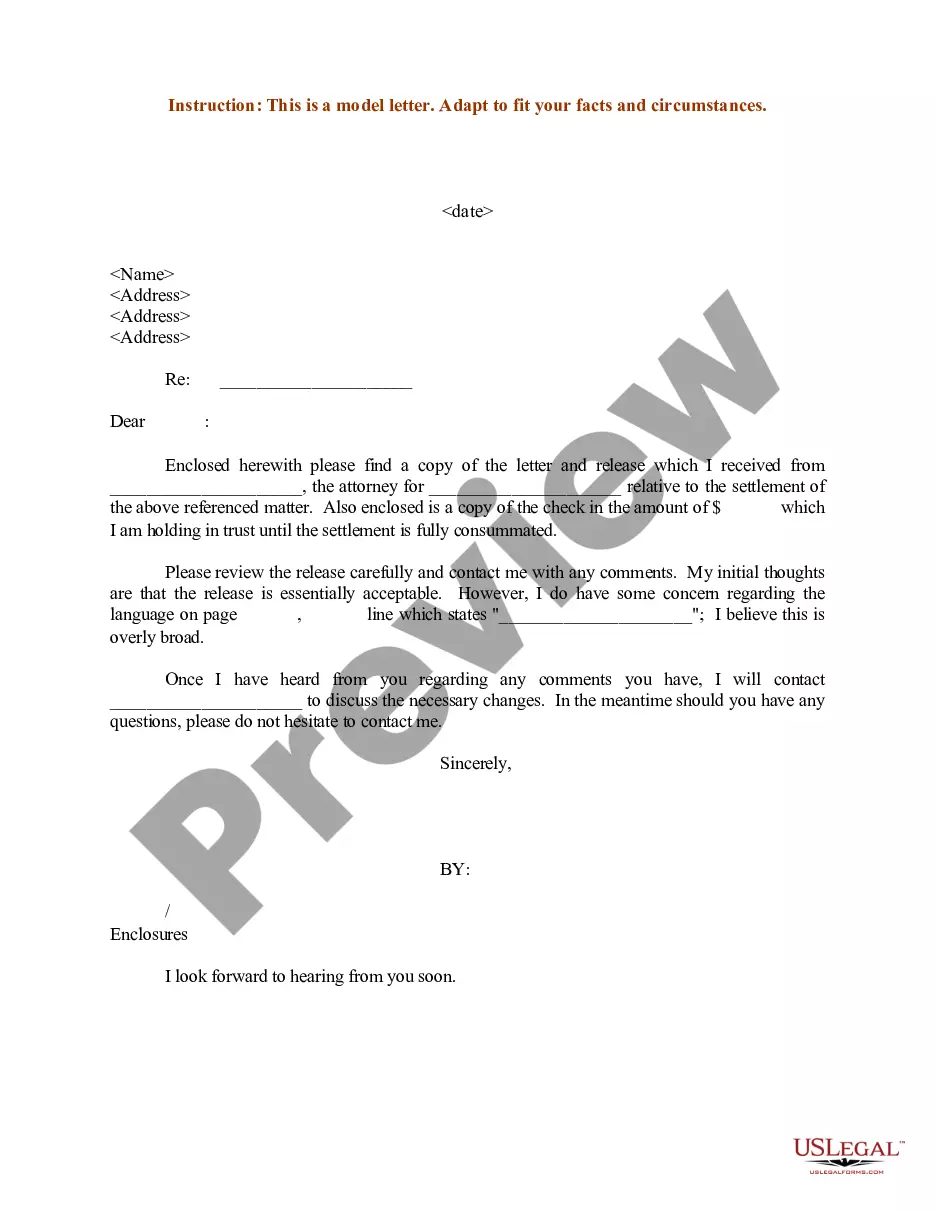
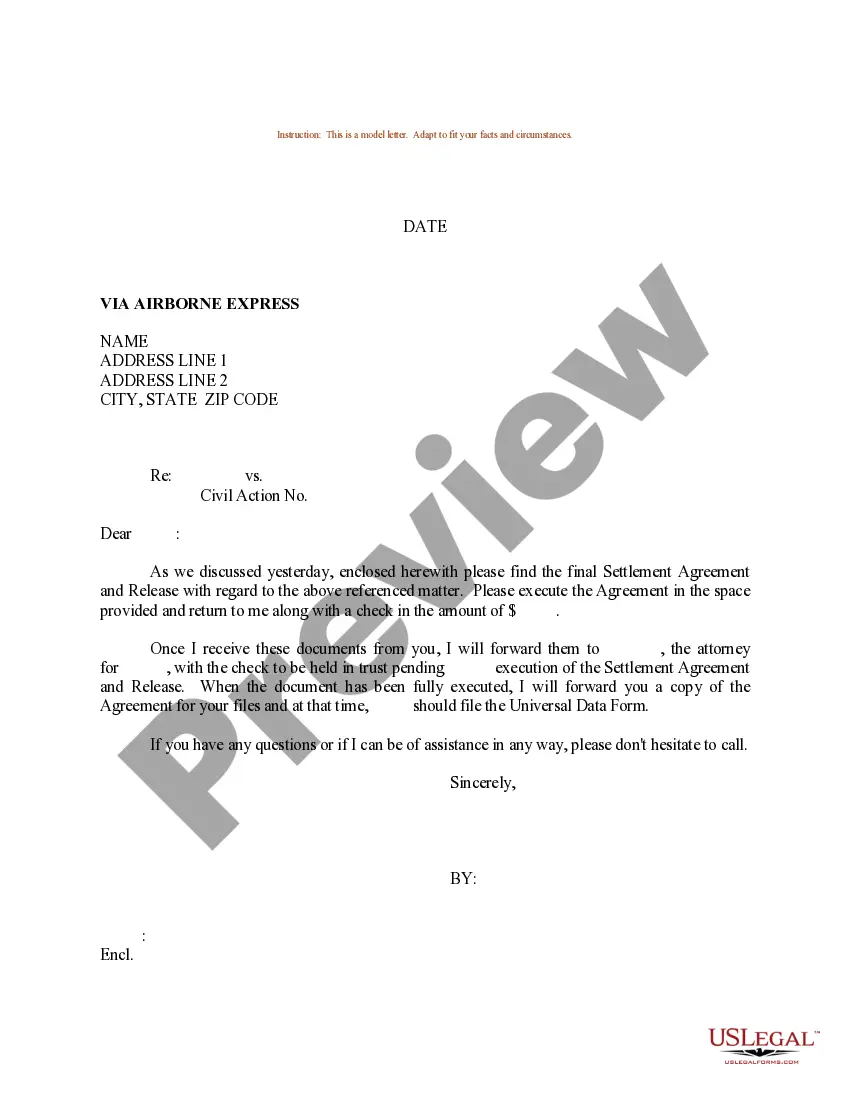
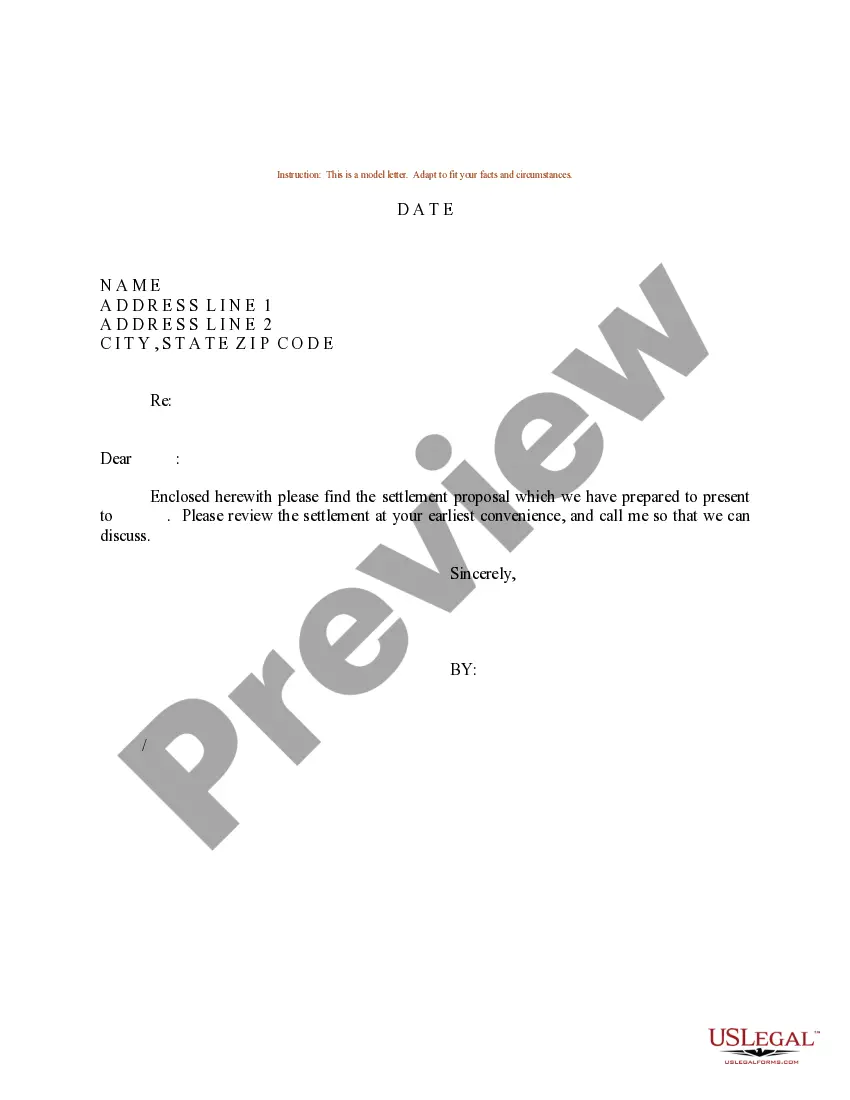
How to fill out Sample Letter For Settlement Agreement And Release?
- If you are a returning user, log in to your account and check the validity of your subscription. Download the needed template by clicking the 'Download' button.
- For first-time users, begin by exploring the Preview mode to understand the form description. Ensure it aligns with your local jurisdiction's requirements.
- If necessary, utilize the Search tab to find an alternative template that meets your needs. Make sure all elements are consistent before proceeding.
- Proceed to purchase the document by clicking on 'Buy Now' and selecting your preferred subscription plan. You'll need to create an account to access the library.
- Complete the payment process using your credit card or PayPal account. Once authorized, you can download your form.
- Save the template on your device for further completion. You can also find it in the My Forms menu of your profile at any time.
With US Legal Forms, you gain access to an expansive collection of over 85,000 legal documents, ensuring that you will find exactly what you need without the hassle. The service also provides expert assistance to guarantee your documents are legally sound.
In conclusion, utilizing US Legal Forms for your settlement agreement with confession of judgment means you're choosing convenience and reliability. Start your journey today and empower yourself with legally precise documents.
Form popularity
FAQ
A confession of judgment allows a creditor to obtain a judgment against a debtor without going through the traditional court process if the debtor fails to fulfill the agreed terms. When included in a settlement agreement with confession of judgment, it provides creditors with a straightforward path for enforcing their rights. The debtor essentially waives their right to dispute the judgment, making the process quicker and reducing court costs. For those considering such an agreement, USLegalForms offers reliable templates to help you navigate the legal intricacies.
After the confession, the creditor can proceed to enforce the judgment through various legal methods, such as wage garnishments or property liens. The debtor may lose the opportunity to challenge the debt, which makes understanding your options important. Seeking help from a platform like USLegalForms can assist in navigating a settlement agreement with confession of judgment effectively.
A confession of judgment is a legal statement in which a debtor admits liability for a debt and agrees to a judgment without contesting it. This shortens the legal process for creditors seeking repayment. A well-drafted settlement agreement with confession of judgment can provide clarity and speed in resolving financial disputes.
Once a judge signs the judgment, the creditor gains the right to enforce the judgment as outlined in the settlement agreement. This enforcement can include levying bank accounts or garnishing wages. Understanding what happens after the judge signs the judgment is crucial to prepare for potential financial impacts.
A confession of judgment clause typically states that the debtor agrees to let the creditor secure a judgment without further legal proceedings. For example, the clause may specify, 'In the event of default, the creditor may file for judgment without additional notice.' This type of clause is vital in a settlement agreement with confession of judgment, as it clarifies each party's obligations.
A confession of judgment allows a creditor to obtain a judgment against a debtor without a full court trial. This process streamlines debt collection by enabling quicker enforcement actions. When you enter into a settlement agreement with confession of judgment, you acknowledge the debt and facilitate a smoother resolution.
A judgment settlement agreement is a legal document that outlines the terms under which a judgment creditor agrees to settle a claim. Typically, this agreement includes repayment plans or reductions in the amount owed. Understanding the terms of a settlement agreement with confession of judgment can help both parties avoid lengthy litigation.
After a confession of judgment, the creditor can enforce the judgment without a trial. The debtor may face immediate legal actions, including wage garnishments or property liens. It's important to recognize that a settlement agreement with confession of judgment simplifies the process for creditors but can carry serious implications for debtors.
To fight a confession of judgment, you may want to contest its validity based on procedural errors or lack of understanding at the time of signing. Additionally, negotiating a settlement agreement with confession of judgment might lead to more favorable terms for you. Utilizing resources from USLegalForms can offer you the necessary guidance and templates to efficiently navigate this situation.
To challenge a judgment, you can file a motion to vacate it based on various grounds, such as improper service or error in judgment. Another effective strategy is negotiating a settlement agreement with confession of judgment, which may allow you to work out favorable terms. Engaging with a legal platform like USLegalForms can simplify this process and guide you through the necessary steps.