Consumer Credit Act Fit For Purpose
Description
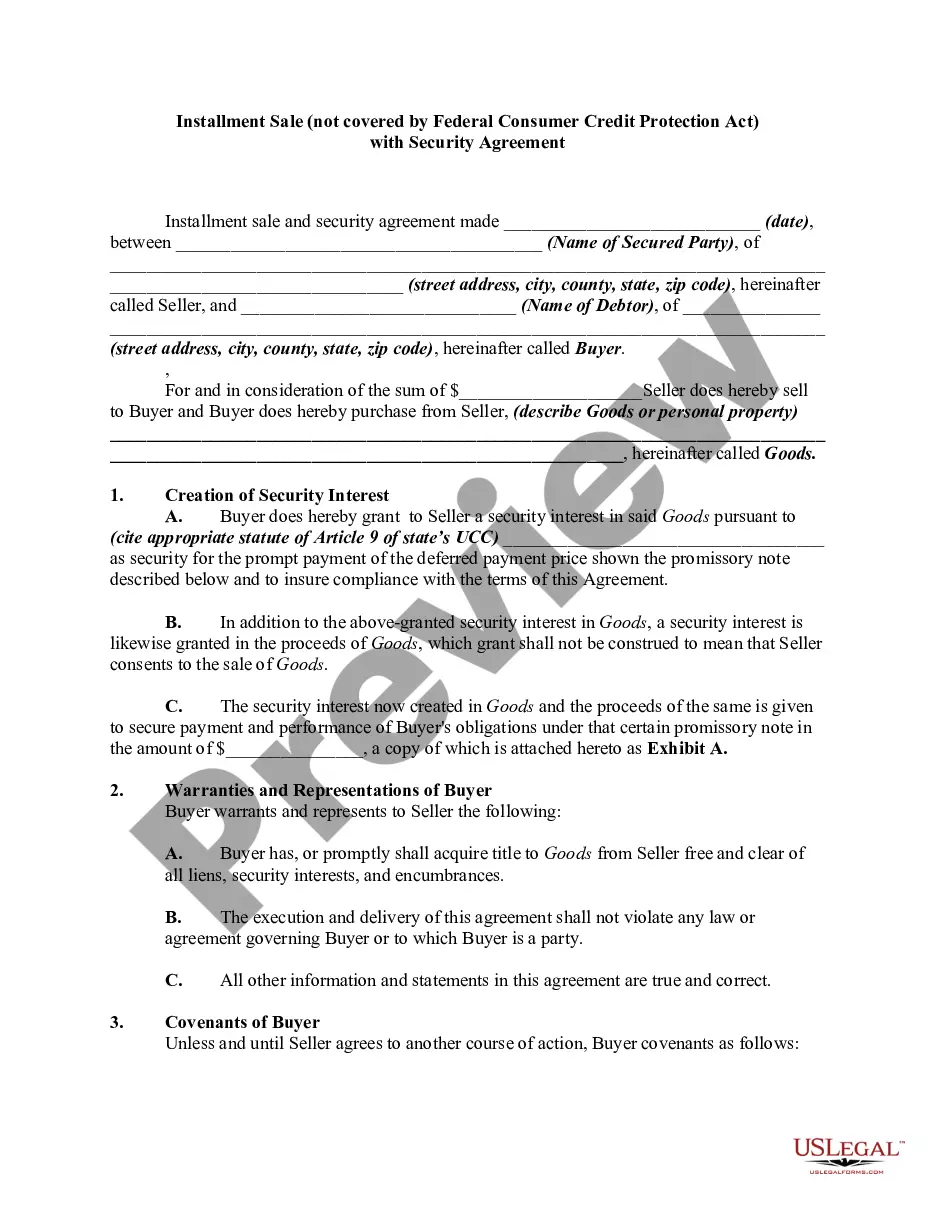
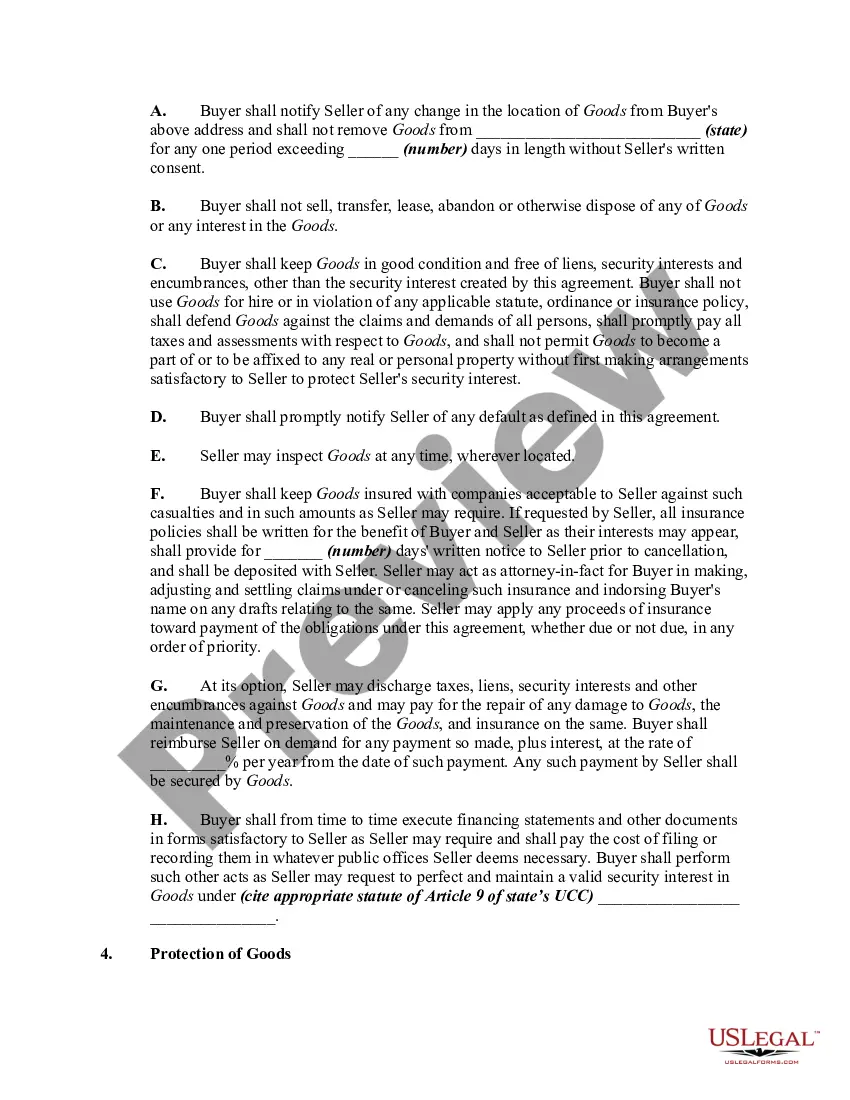
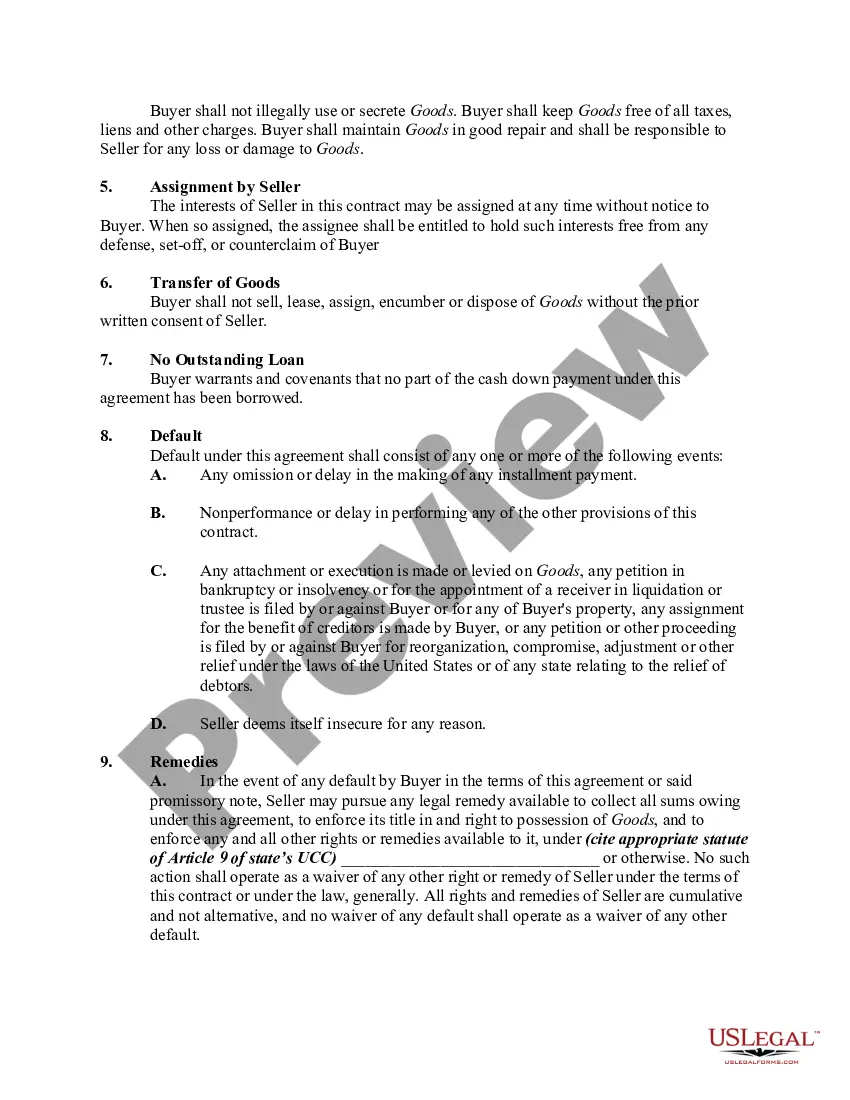
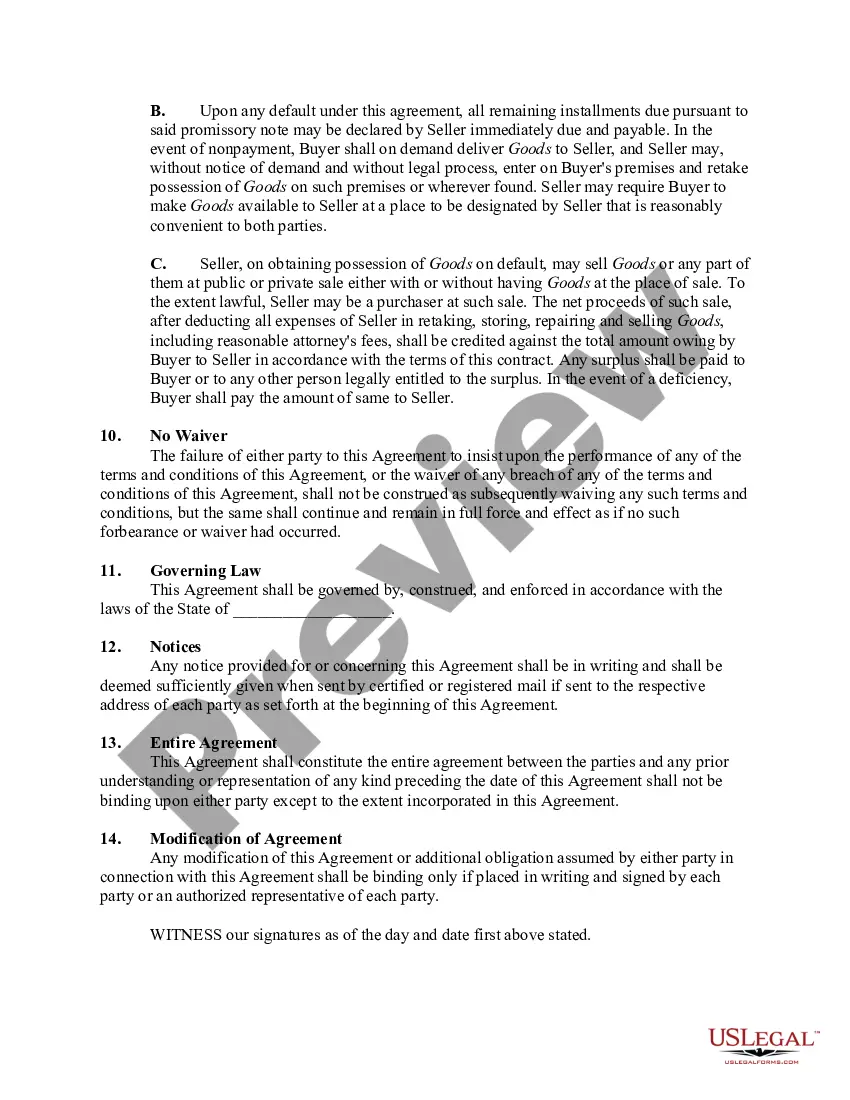
Get your form ready online
Our built-in tools help you complete, sign, share, and store your documents in one place.
Make edits, fill in missing information, and update formatting in US Legal Forms—just like you would in MS Word.
Download a copy, print it, send it by email, or mail it via USPS—whatever works best for your next step.
Sign and collect signatures with our SignNow integration. Send to multiple recipients, set reminders, and more. Go Premium to unlock E-Sign.
If this form requires notarization, complete it online through a secure video call—no need to meet a notary in person or wait for an appointment.
We protect your documents and personal data by following strict security and privacy standards.

Make edits, fill in missing information, and update formatting in US Legal Forms—just like you would in MS Word.

Download a copy, print it, send it by email, or mail it via USPS—whatever works best for your next step.

Sign and collect signatures with our SignNow integration. Send to multiple recipients, set reminders, and more. Go Premium to unlock E-Sign.

If this form requires notarization, complete it online through a secure video call—no need to meet a notary in person or wait for an appointment.

We protect your documents and personal data by following strict security and privacy standards.
Looking for another form?



How to fill out Installment Sale Not Covered By Federal Consumer Credit Protection Act With Security Agreement?
Legal documentation handling can be vexing, even for the most adept experts.
When you are looking for a Consumer Credit Act Suitable for Use and lack the time to devote to finding the correct and updated version, the processes may be taxing.
Gain access to a valuable repository of articles, guides, and materials relevant to your situation and requirements.
Save effort and time searching for the documents you require, and use US Legal Forms’ advanced search and Preview feature to find Consumer Credit Act Suitable for Use and download it.
Enjoy the US Legal Forms web catalog, backed by 25 years of experience and reliability. Transform your daily document management into a seamless and user-friendly process today.
- If you possess a subscription, Log In to your US Legal Forms account, search for the form, and download it.
- Check your My documents section to review the documents you have already downloaded and manage your folders as needed.
- If this is your initial experience with US Legal Forms, establish a free account and gain unlimited access to all platform benefits.
- After downloading the required form, confirm it is the correct document by previewing it and reviewing its details.
- Ensure that the template is accepted in your state or county.
- Select Buy Now when you are ready.
- Choose a subscription plan.
- Pick the file format you need, and Download, fill it out, sign, print, and send your document.
- Access state- or county-specific legal and business documents.
- US Legal Forms addresses any needs you may have, from individual to corporate paperwork, in one place.
- Utilize advanced tools to complete and manage your Consumer Credit Act Suitable for Use.
Form popularity
FAQ
The purpose of the Consumer Credit Act is to regulate the credit industry, providing protections for consumers against unfair lending practices. It ensures that lenders offer clear information about credit terms and conditions, empowering consumers to make informed choices. By understanding this act, you can better navigate the consumer landscape, particularly regarding the Consumer credit act fit for purpose.
The consumer credit protection act covers a range of protections for consumers in the credit market. This includes ensuring clear information about credit agreements, safeguarding against unfair practices, and providing rights related to refunds and cancellations. Understanding these protections enhances your knowledge of how the Consumer credit act fit for purpose applies to your financial choices.
The fit for purpose criteria revolve around several key aspects, including the product's intended use, quality, and performance. A product must not only meet the general standards but also cater to the specific expectations of the consumer. Thus, knowing these criteria can help you navigate your rights under the Consumer credit act fit for purpose.
Fit for purpose under the consumer guarantee Act implies that goods should be suitable for the purpose intended by the consumer. This means that if you inform the seller about your specific needs, the product must fulfill those requirements. Understanding this concept is vital, as it aligns with the principles of the Consumer credit act fit for purpose.
The term 'fit for purpose' refers to whether a product or service meets the specific needs and expectations of its intended use. In the context of the Consumer Credit Act, it means ensuring that financial products and services comply with legal standards while serving the best interests of consumers. When a product is fit for purpose, it effectively addresses the requirements of users, providing them with the necessary protections and benefits. Understanding this concept helps consumers navigate their rights under the Consumer Credit Act, ensuring they make informed choices.
CFPB complaints have shown a significant success rate, with many consumers receiving resolutions to their issues. The CFPB takes these complaints seriously, often facilitating communication between consumers and companies. Your participation ensures that the Consumer Credit Act remains fit for purpose and continues to protect consumer interests.
Under the Consumer Credit Act, you can request information about your credit agreements, dispute incorrect information, and seek compensation for breaches of the Act. These requests are vital for empowering consumers and ensuring that financial institutions comply with regulations. If you need assistance, platforms like uslegalforms can provide resources to help you navigate these requests effectively.
Filing a complaint to the CFPB is often worth the effort, as it can lead to resolutions for your issues. It allows you to hold financial institutions accountable and promotes transparency. By participating in this process, you contribute to the ongoing effectiveness of the Consumer Credit Act and help ensure it serves consumers well.
The best way to file a consumer complaint is to do it online through the CFPB’s website, where you can easily submit your information. Make sure to provide clear details about your issue and include any relevant documentation. By using this method, you help ensure that the Consumer Credit Act fits for purpose and addresses your specific concerns.
Filing a complaint with the CFPB can lead to meaningful outcomes. It allows consumers to voice their concerns about financial institutions, prompting investigations into unfair practices. This process not only raises awareness but can also result in corrective actions from companies, ensuring that the Consumer Credit Act fits its intended purpose.