Allowing Use Land For Collateral
Description
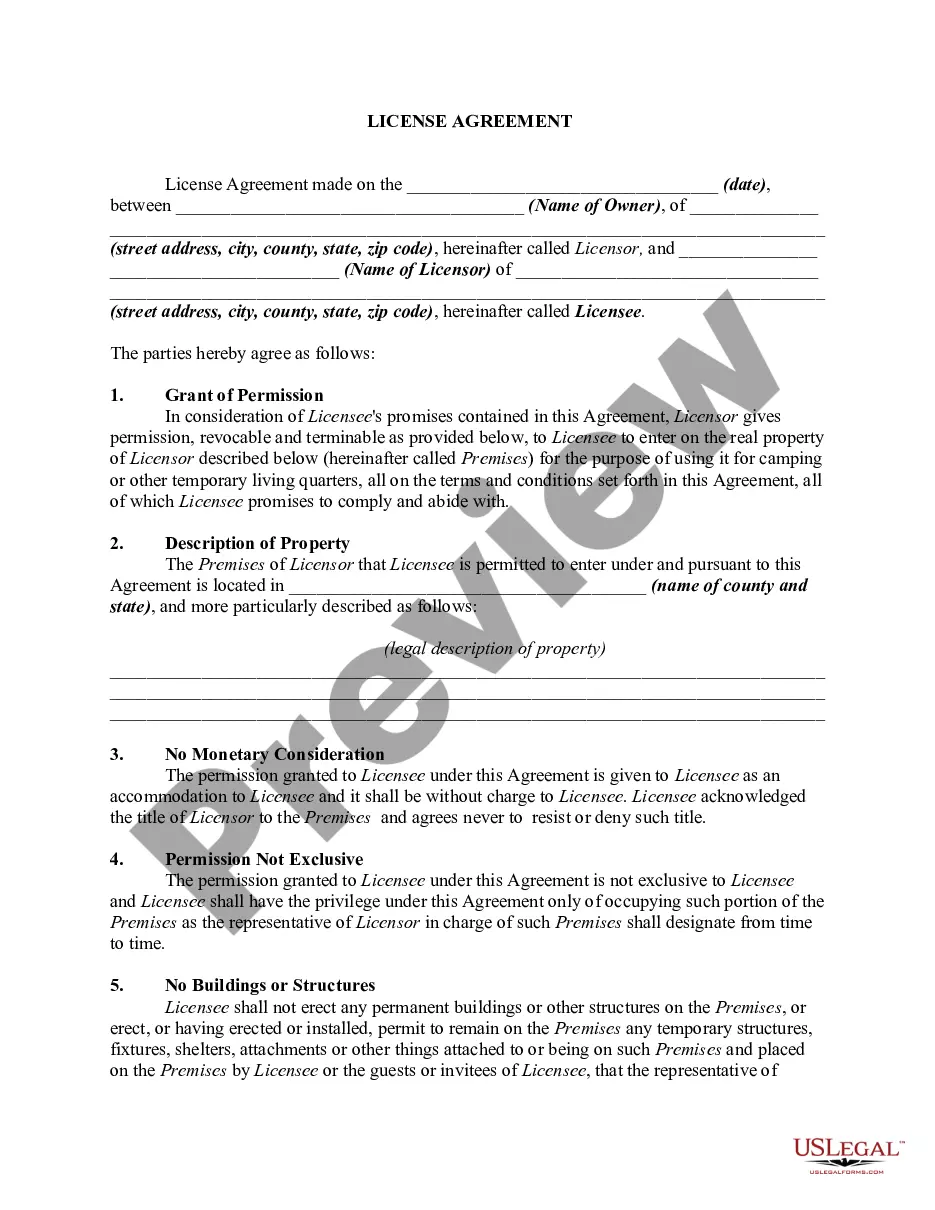
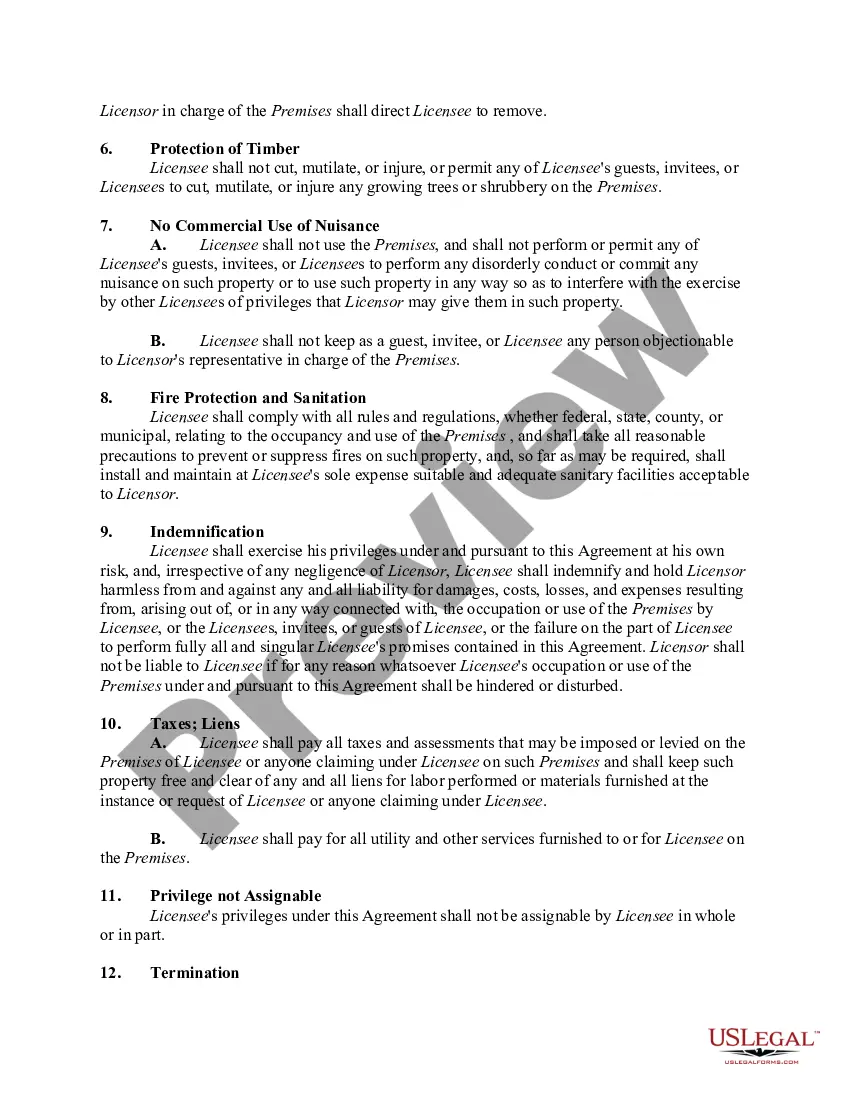
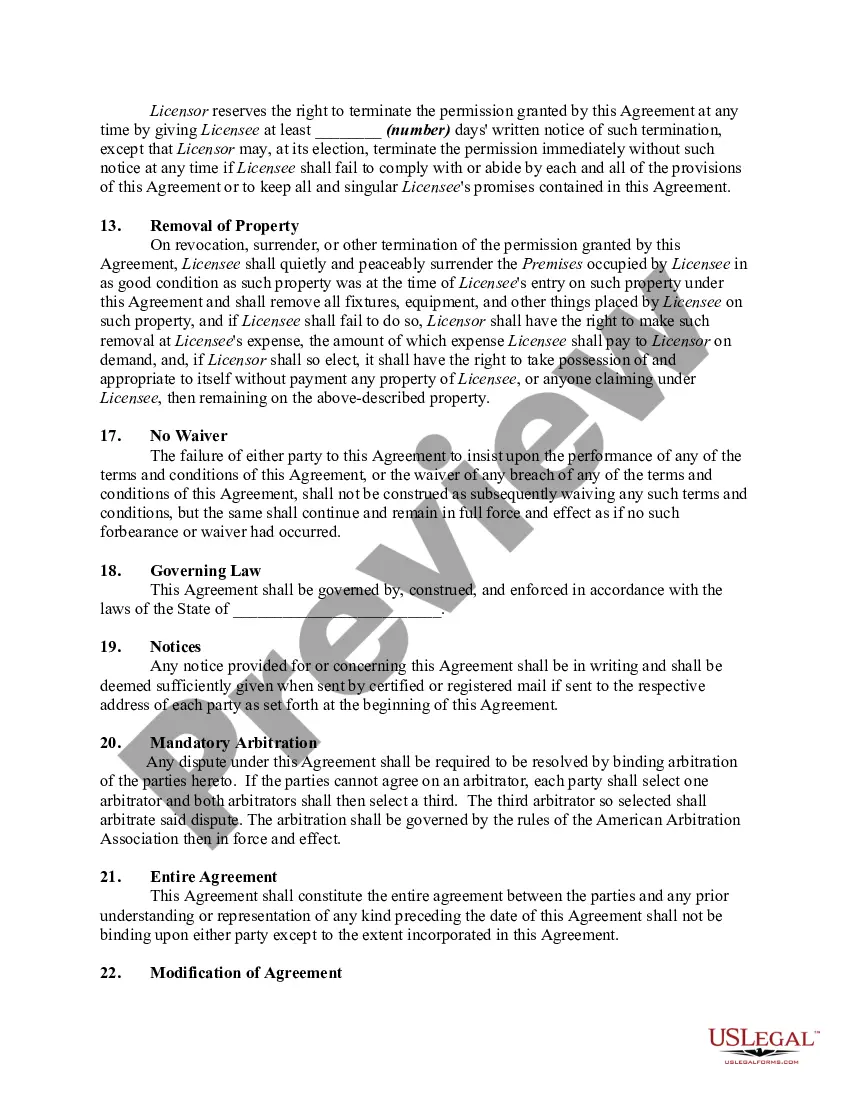
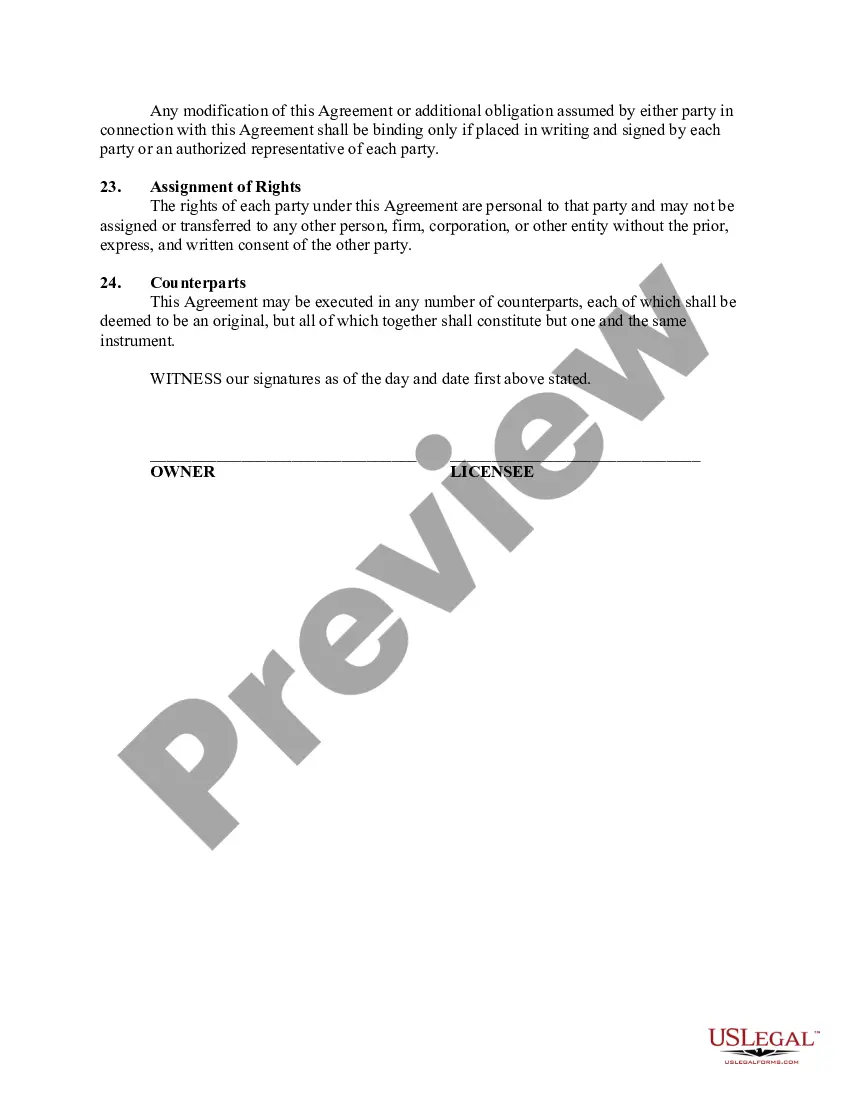
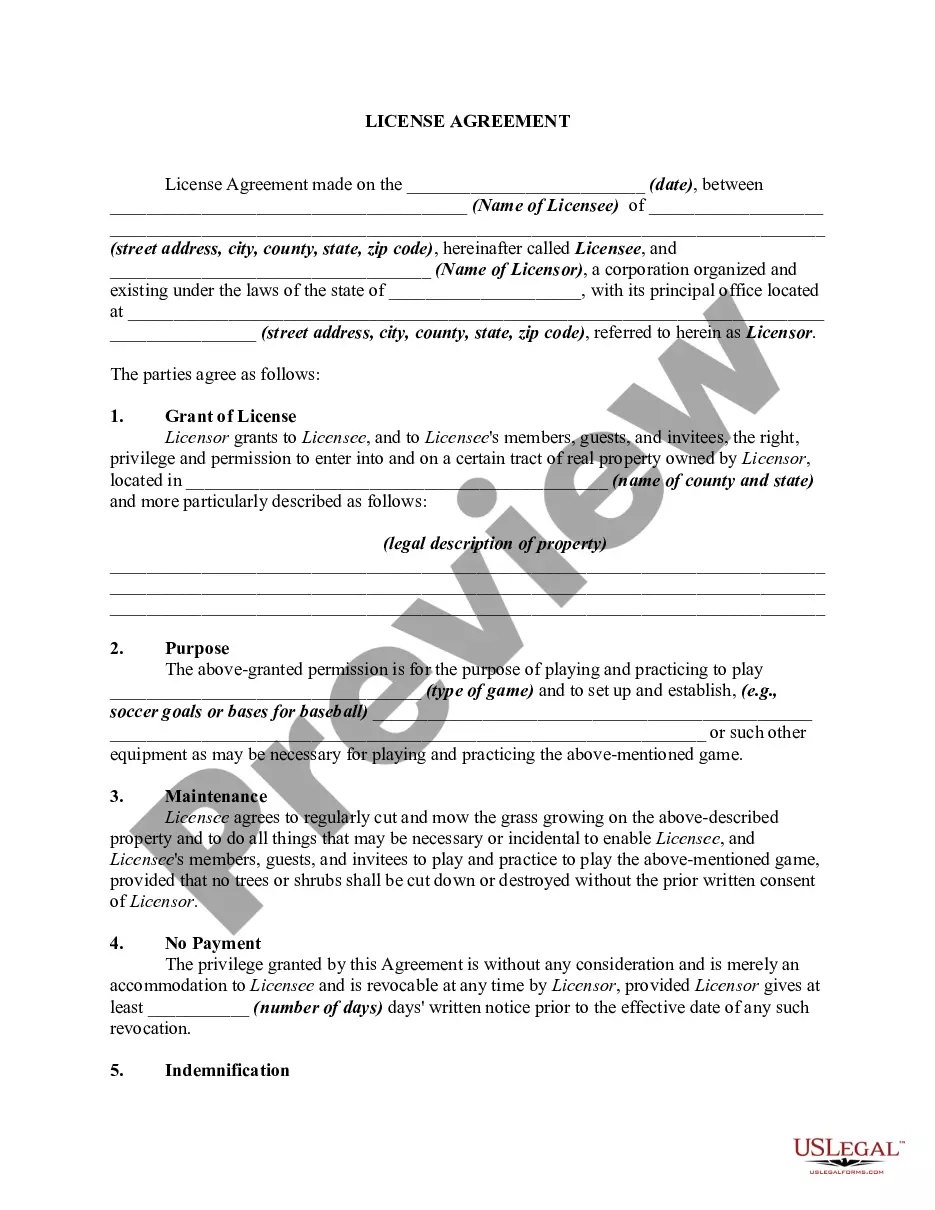
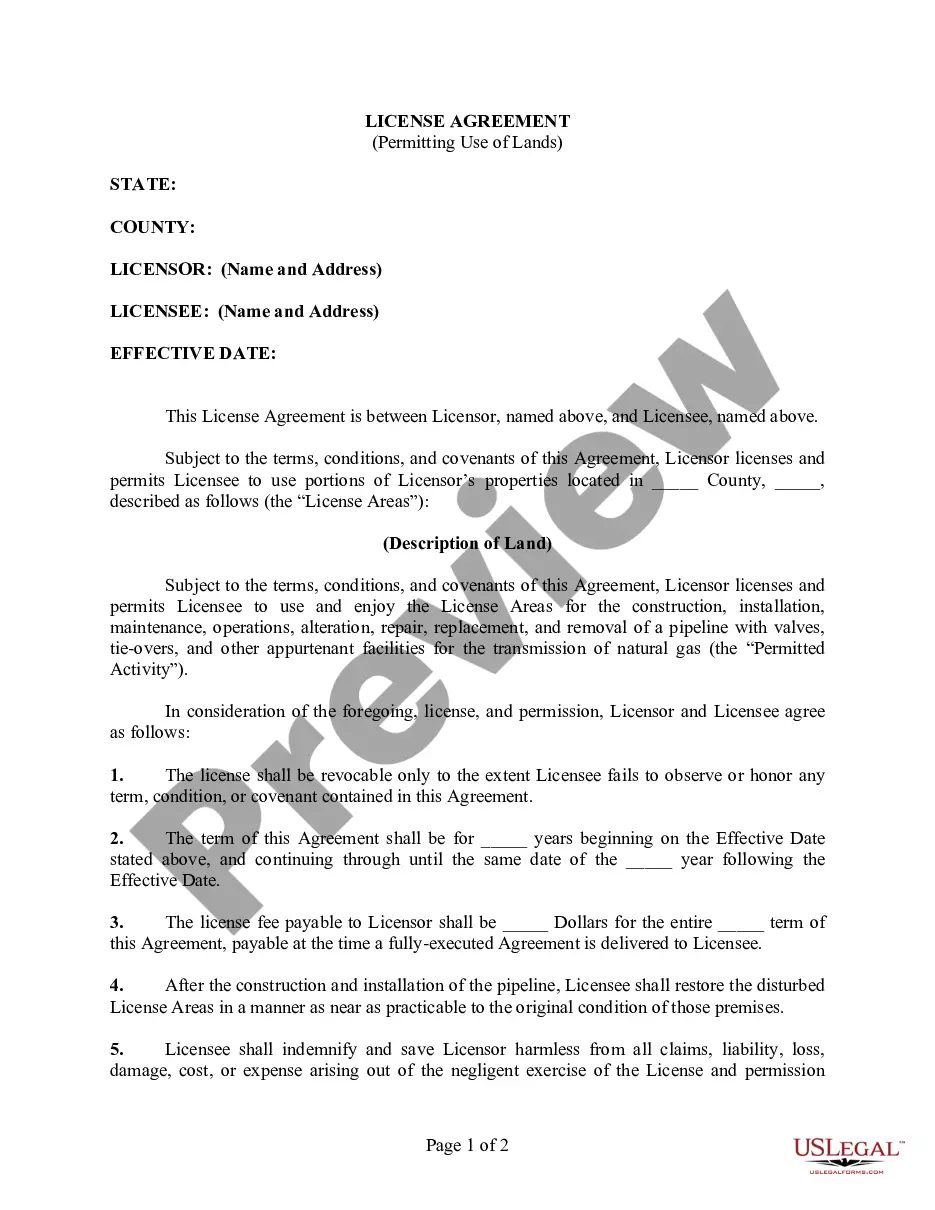
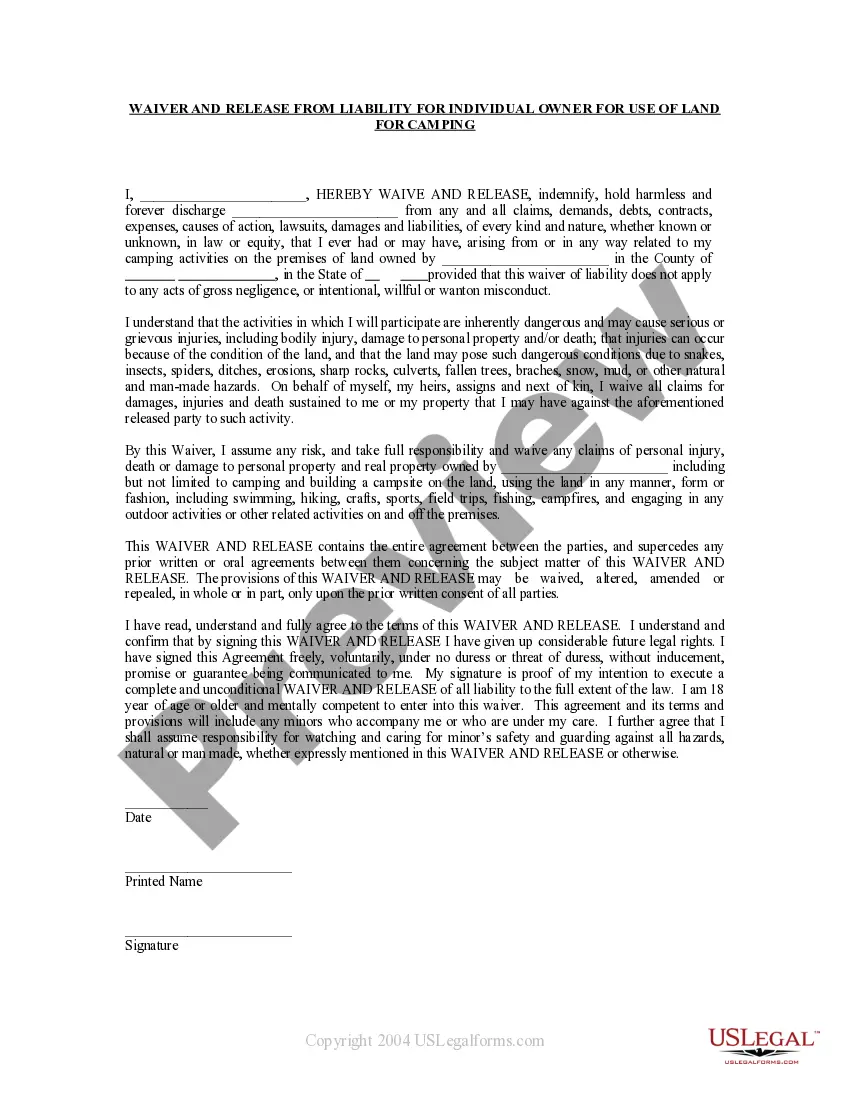
Get your form ready online
Our built-in tools help you complete, sign, share, and store your documents in one place.
Make edits, fill in missing information, and update formatting in US Legal Forms—just like you would in MS Word.
Download a copy, print it, send it by email, or mail it via USPS—whatever works best for your next step.
Sign and collect signatures with our SignNow integration. Send to multiple recipients, set reminders, and more. Go Premium to unlock E-Sign.
If this form requires notarization, complete it online through a secure video call—no need to meet a notary in person or wait for an appointment.
We protect your documents and personal data by following strict security and privacy standards.

Make edits, fill in missing information, and update formatting in US Legal Forms—just like you would in MS Word.

Download a copy, print it, send it by email, or mail it via USPS—whatever works best for your next step.

Sign and collect signatures with our SignNow integration. Send to multiple recipients, set reminders, and more. Go Premium to unlock E-Sign.

If this form requires notarization, complete it online through a secure video call—no need to meet a notary in person or wait for an appointment.

We protect your documents and personal data by following strict security and privacy standards.
Looking for another form?
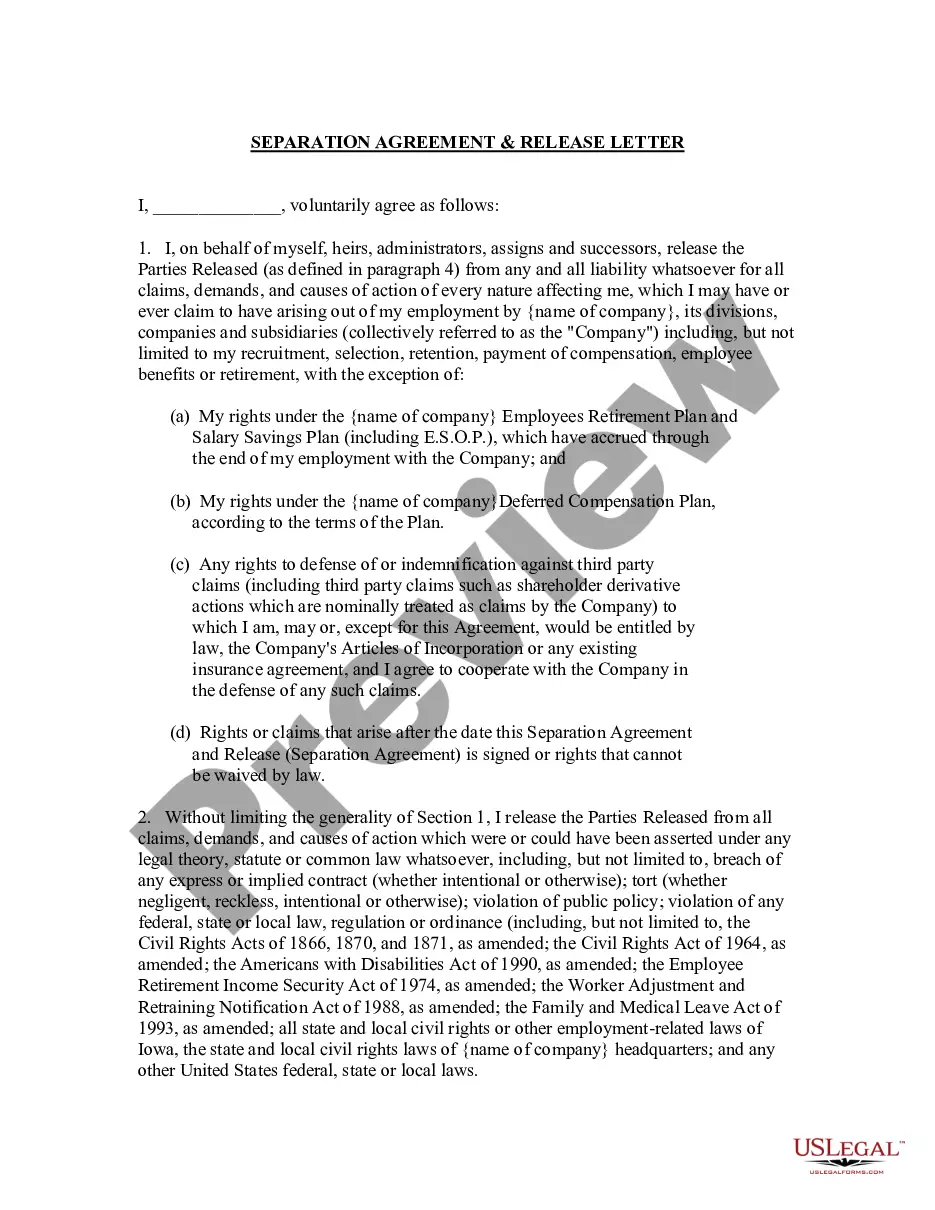
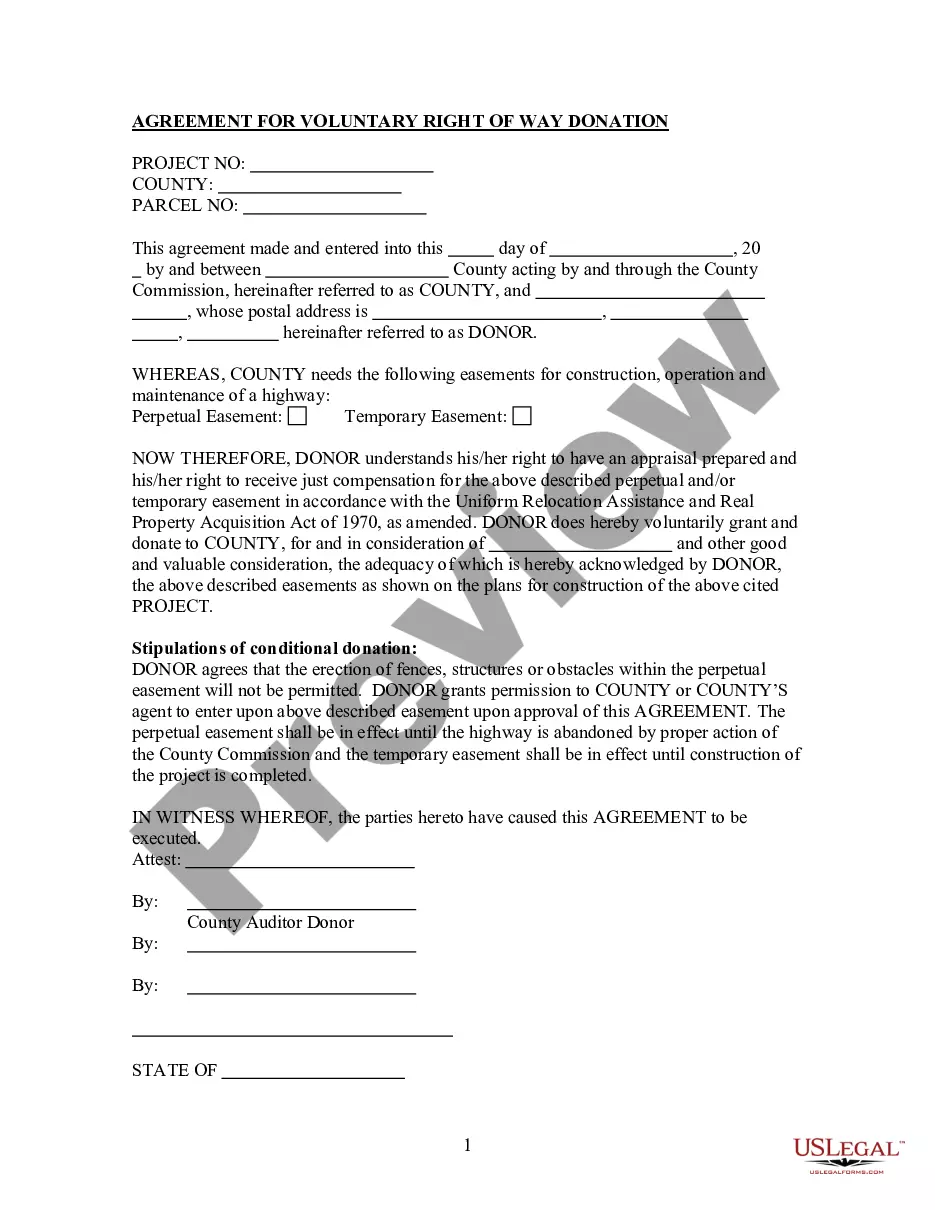
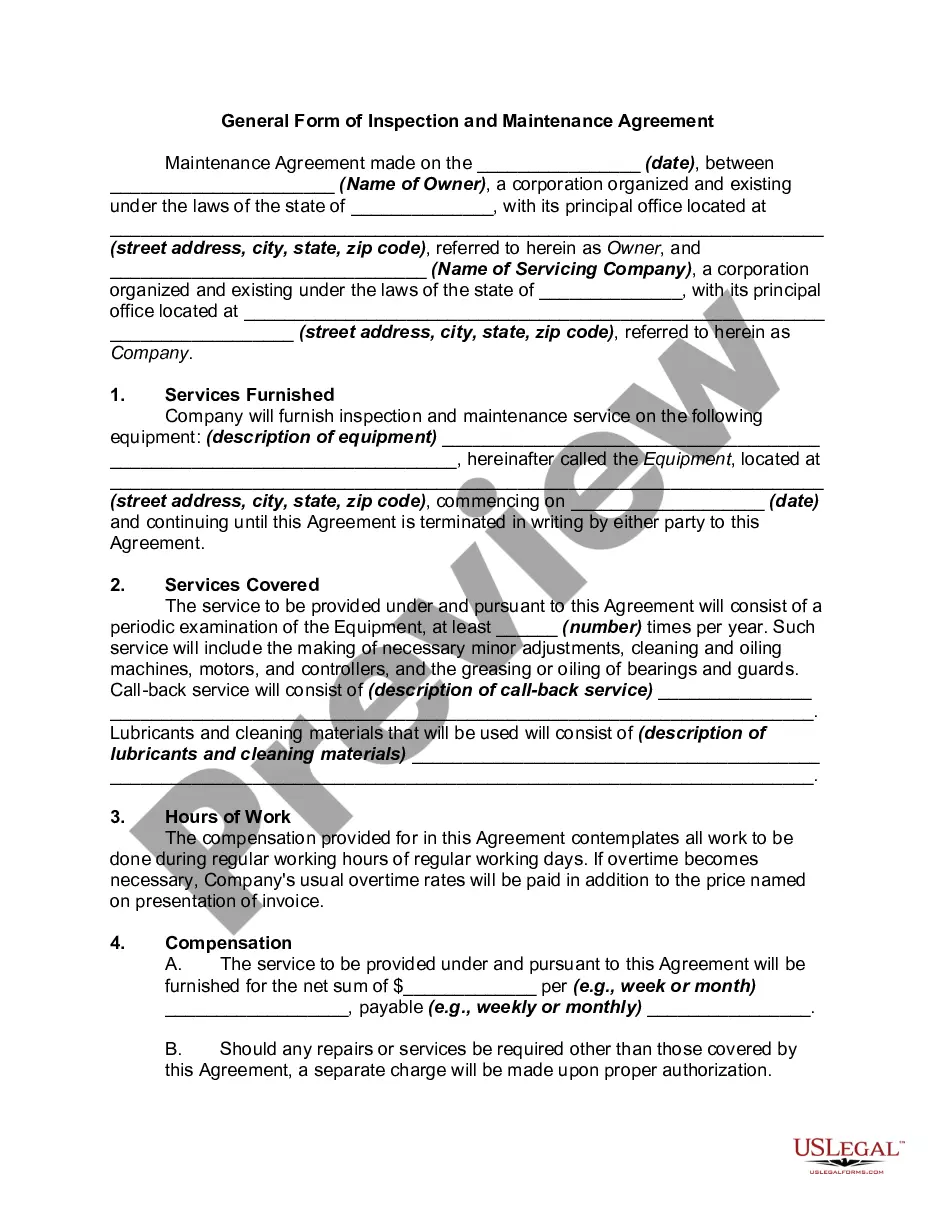
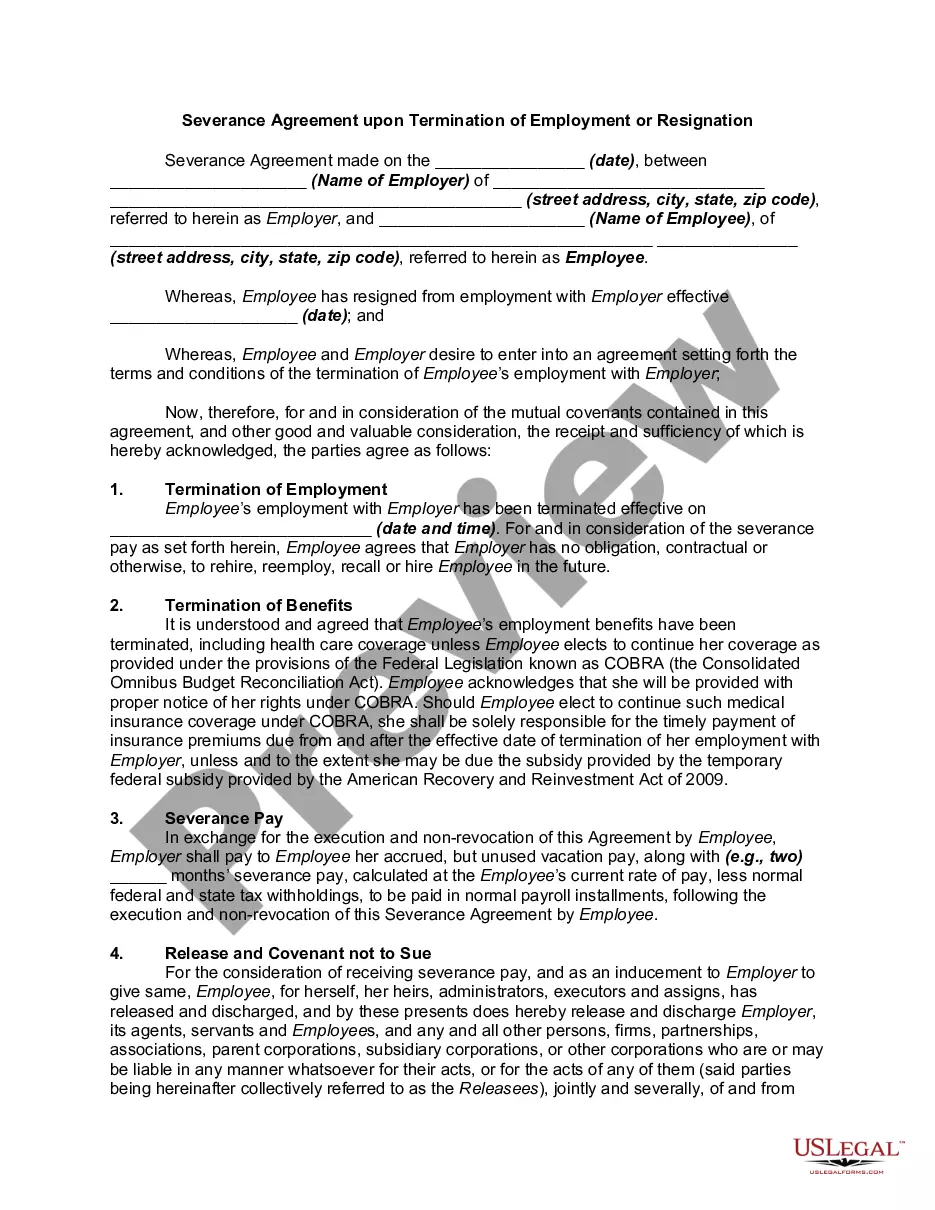
How to fill out License Agreement Allowing Use Of Land For Camping Or Other Temporary Living Quarters?
Handling legal documentation can be perplexing, even for those with ample experience.
When seeking a Permitting Use of Land as Collateral and you lack the time to search for the correct and current version, the process can be daunting.
Access a database of articles, guides, and manuals relevant to your situation and requirements.
Save time and effort searching for the documents you require, and use US Legal Forms’ sophisticated search and Preview feature to locate Permitting Use of Land as Collateral and obtain it.
Ensure the template is accepted in your state or county. Once ready, click Buy Now. Choose a subscription plan, select the file format you need, and Download it. Fill it out, sign it, print it, and send your documents. Take advantage of the US Legal Forms online library, backed by 25 years of experience and reliability. Streamline your daily document management into a simple and user-friendly task today.
- Log in to your US Legal Forms account if you have a subscription, navigate to the form, and acquire it.
- Visit the My documents section to see the documents you have previously downloaded and manage your files as desired.
- If you are a new user of US Legal Forms, create an account to gain unlimited access to the entire library's advantages.
- Follow these steps after acquiring the form you need.
- Verify it is the correct form by previewing it and reviewing its details.
- Access state- or county-specific legal and business documents.
- US Legal Forms caters to all your needs, from personal to corporate paperwork, all centralized in one location.
- Utilize state-of-the-art tools to fill out and manage your Permitting Use of Land as Collateral.
Form popularity
FAQ
Getting 100% financing on land can be challenging, but it is possible in certain circumstances. Lenders often consider the value of the land and any plans you have for its use. Allowing use land for collateral may strengthen your application, as it provides security for the lender. Exploring options with platforms like USLegalForms can help you navigate the financing process more effectively.
Yes, you can sell land that you are using as collateral, but there are important factors to consider. When selling this type of property, you must resolve any existing loans or liens against the land. This process often involves paying off the debt to the lender before completing the sale. Understanding the implications of allowing use land for collateral can help you navigate this complex situation effectively.
The amount you can borrow against your land depends on several factors, including the appraised value of the property and the lender's policies. Typically, lenders will allow you to borrow a percentage of the land's value, often ranging from 50% to 80%. By allowing use of your land for collateral, you can access significant funds that may assist in your financial goals. Understanding your land's equity is key to maximizing your borrowing potential.
To fill out a collateral assignment form, start with your basic information, such as your name and address. Next, include details about the land you own, which you are allowing to use as collateral. Be sure to specify the obligations secured by the assignment, and provide any additional information required by your lender. By ensuring accuracy and clarity in this form, you can utilize your land effectively for securing loans.
Using land as collateral can be a strategic move for many individuals and businesses. When you allow the use of land for collateral, you leverage your property to secure loans or funding, which can support your financial goals. However, it is crucial to weigh the risks involved, as failure to repay could lead to losing your property. Always consider consulting with a financial advisor to ensure this decision aligns with your overall financial strategy.
Collateral refers to an asset that a borrower offers as a guarantee for a loan or debt. For a mortgage (or a deed of trust, exclusively used in some states), the collateral is almost always the property you're buying with the loan. Obtaining the financing puts a lien on the property.
To use the land as collateral, the land must have an equity value that is equal to or exceeds that of the loan amount. You must own it outright unless it is specifically a land loan. Once a lender approves the land as collateral, a lien will be put on the land.
Real collateral is a type of collateral that includes real estate property such as a house, building, or land. In real collateral, the borrower pledges the property as security to the lender to secure a loan or credit.
Due to the lower risk, loans that use land as collateral are often easier to obtain than unsecured loans, even for those with lower credit scores. Another benefit to using land as collateral is that the loan amounts can be much higher than other unsecured loans, which are often capped at lower amounts.
A collateral loan is a secured loan that requires the borrower to provide an asset as security for repayment. With these loans, a lender can take possession of your property?the loan collateral?if you fail to repay the loan. Common examples of collateral loans include mortgages, auto loans and secured personal loans.