Office Leasing
Description
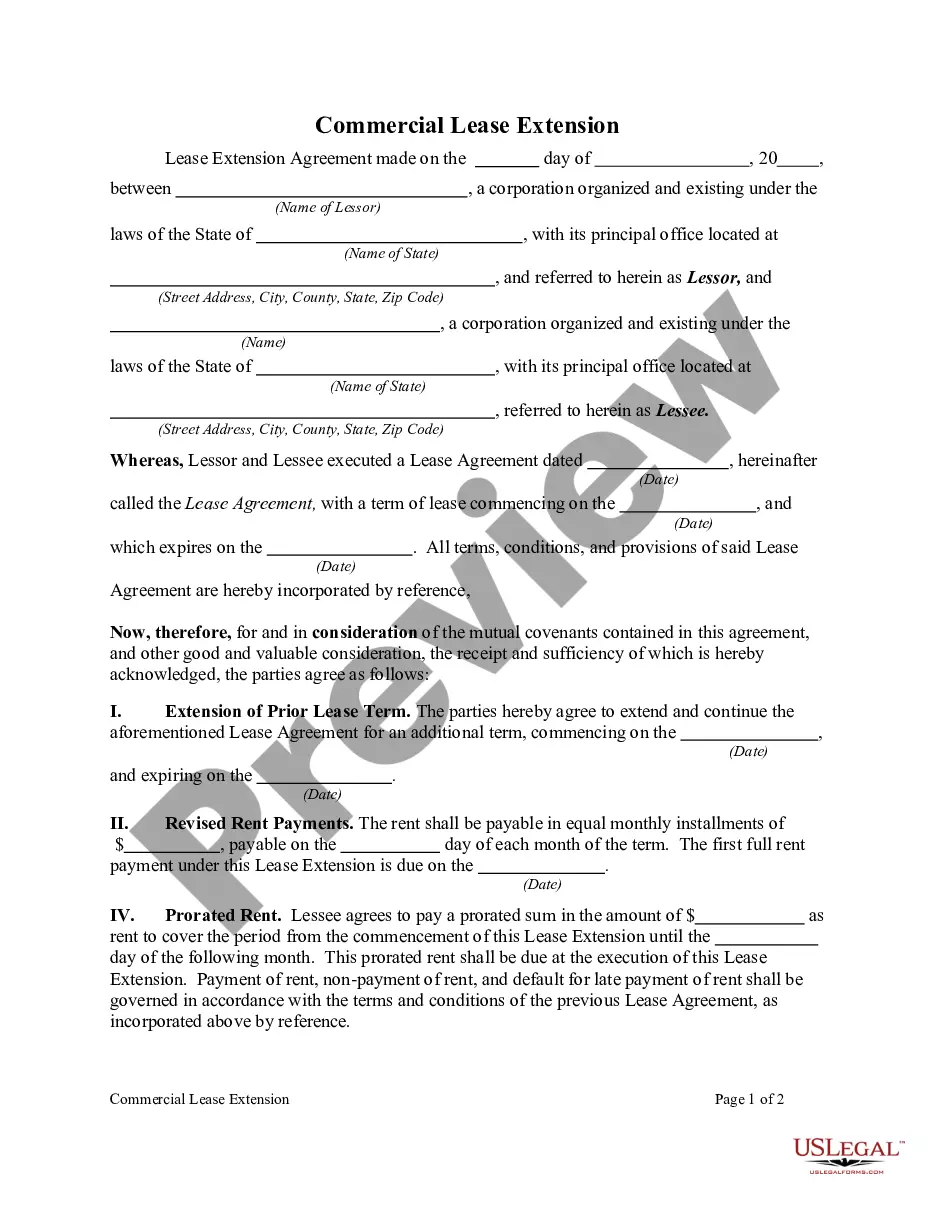
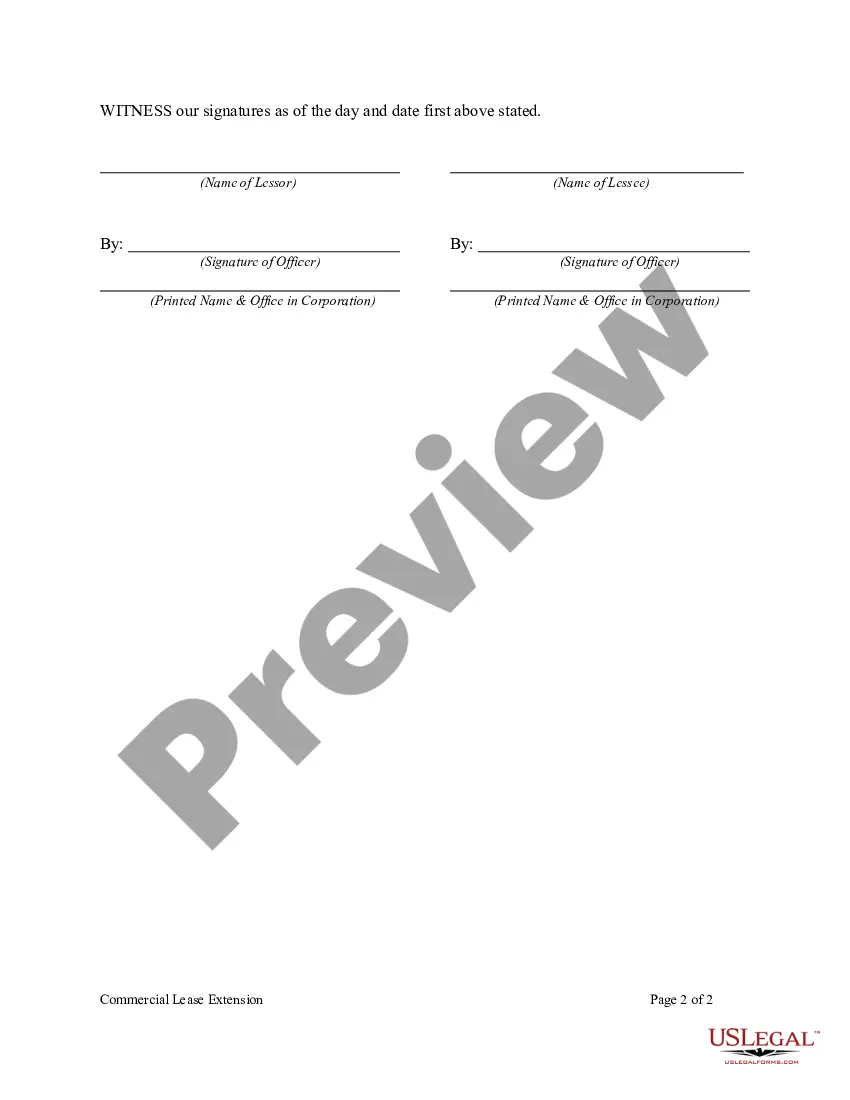
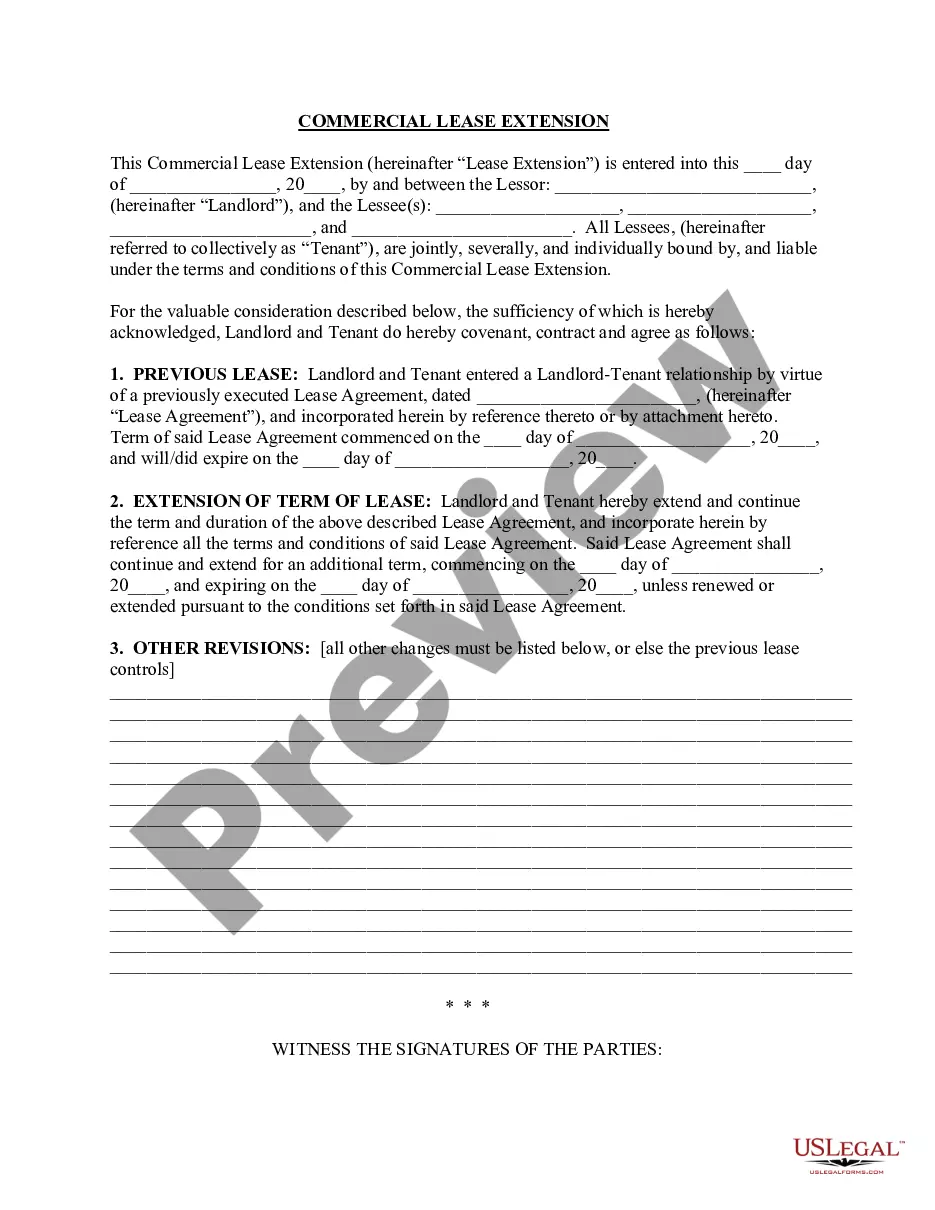
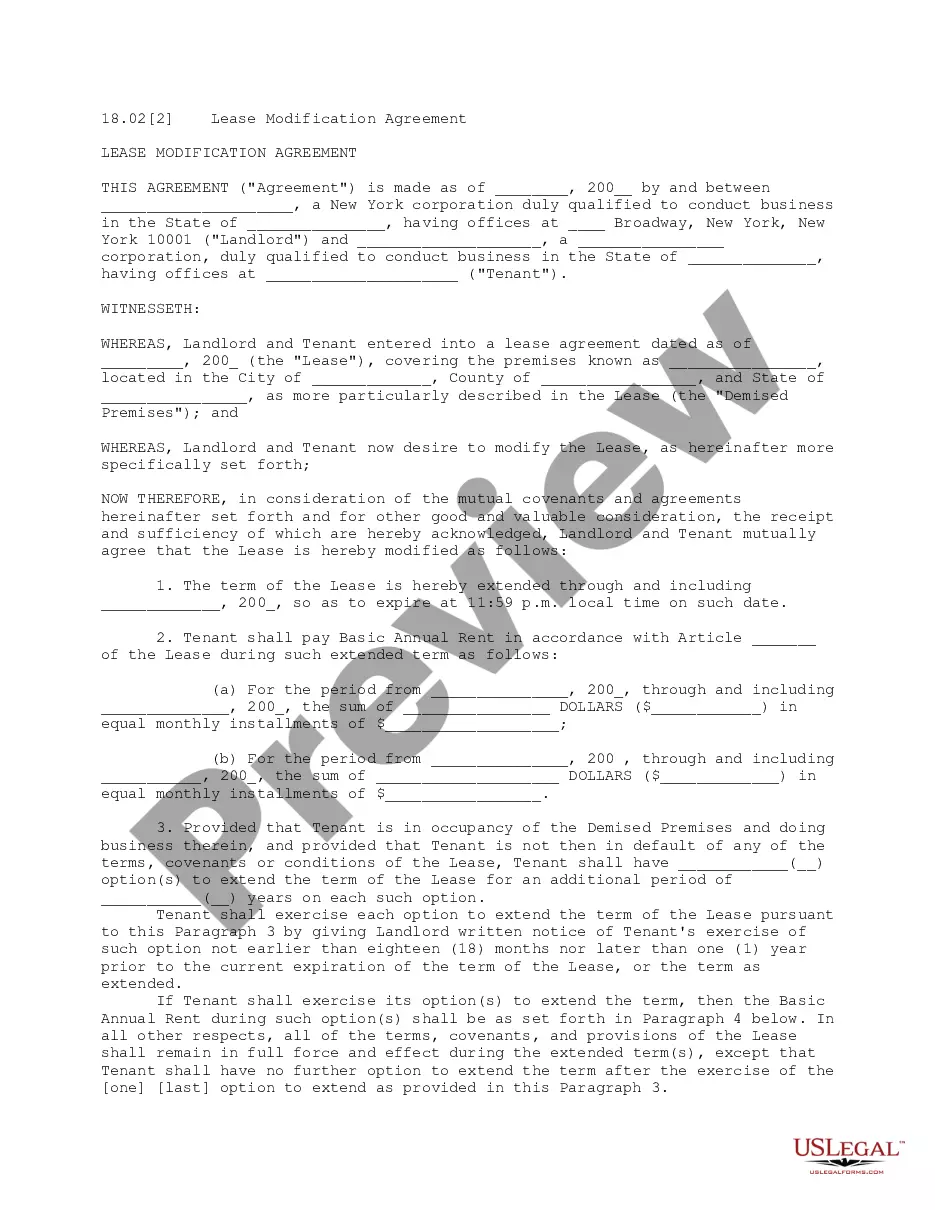
Get your form ready online
Our built-in tools help you complete, sign, share, and store your documents in one place.
Make edits, fill in missing information, and update formatting in US Legal Forms—just like you would in MS Word.
Download a copy, print it, send it by email, or mail it via USPS—whatever works best for your next step.
Sign and collect signatures with our SignNow integration. Send to multiple recipients, set reminders, and more. Go Premium to unlock E-Sign.
If this form requires notarization, complete it online through a secure video call—no need to meet a notary in person or wait for an appointment.
We protect your documents and personal data by following strict security and privacy standards.

Make edits, fill in missing information, and update formatting in US Legal Forms—just like you would in MS Word.

Download a copy, print it, send it by email, or mail it via USPS—whatever works best for your next step.

Sign and collect signatures with our SignNow integration. Send to multiple recipients, set reminders, and more. Go Premium to unlock E-Sign.

If this form requires notarization, complete it online through a secure video call—no need to meet a notary in person or wait for an appointment.

We protect your documents and personal data by following strict security and privacy standards.
Looking for another form?

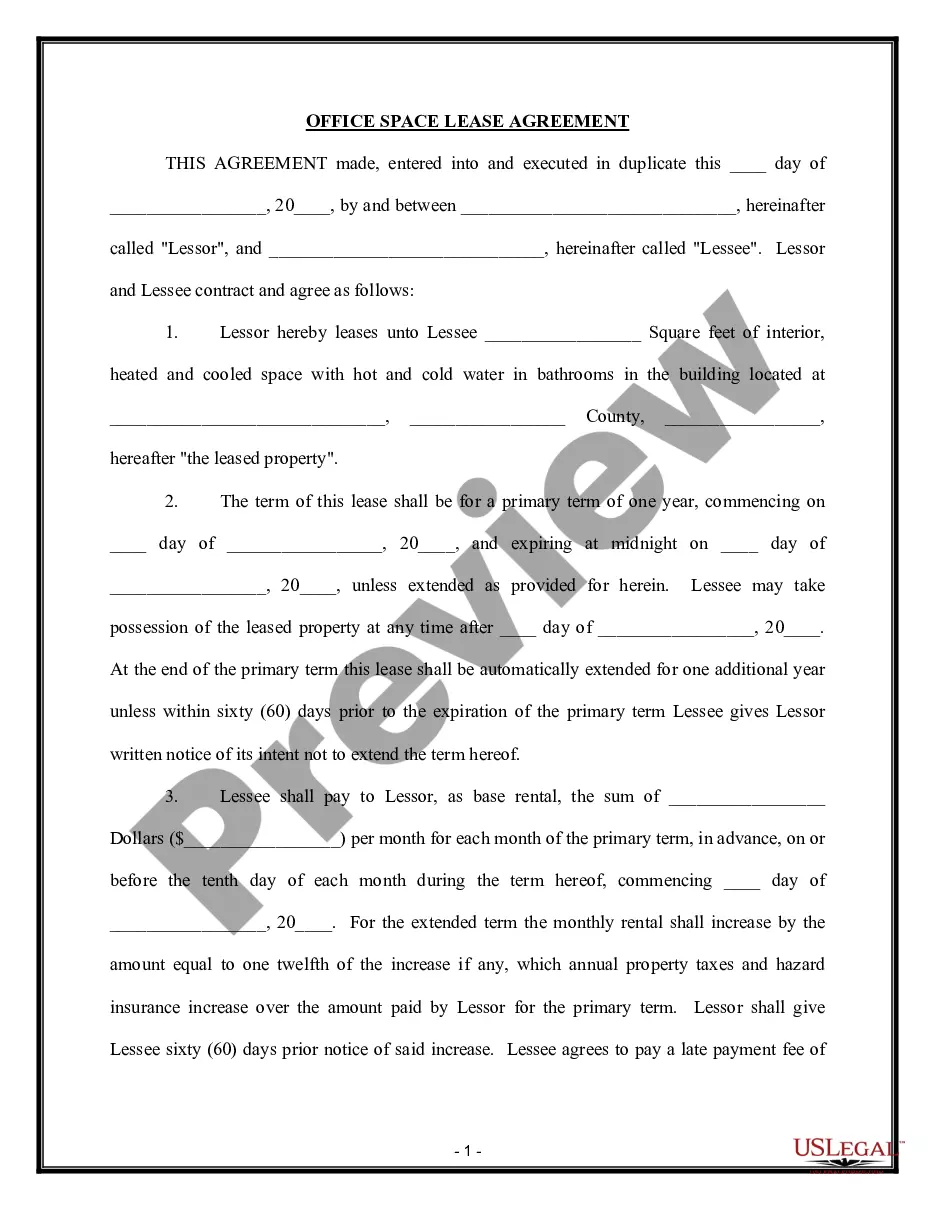





How to fill out Commercial Lease Extension?
- If you're returning, log into your account and ensure your subscription is active before downloading your required form.
- For first-time users, check the Preview mode and form description to ensure you've selected the document that meets your needs and complies with your local laws.
- If you need to search for additional templates, use the Search tab to find a suitable alternative.
- Once you've found the right document, click the Buy Now button and select a subscription plan that suits you. You will need to create an account to access all resources.
- Complete your purchase by entering your payment details using a credit card or PayPal.
- Finally, download the template to your device, and you can access it anytime in the My Forms section of your profile.
US Legal Forms offers a robust collection of over 85,000 editable legal forms that are easy to complete.
Don't hesitate to leverage this extensive resource for your office leasing needs. Start today and ensure your legal documents are precise and compliant.
Form popularity
FAQ
To secure an office lease, start by identifying your needs, such as location and space requirements. Next, research available properties and consult a leasing agent if needed. Review the lease terms carefully, and be prepared to negotiate aspects that matter to you. Platforms like US Legal Forms can provide essential resources and templates to simplify this process.
Leasing out office space involves marketing your property, screening potential tenants, and negotiating lease terms. You will need to know the market rate to determine a competitive rent. Having a well-drafted lease agreement is crucial to protecting your interests. Tools from US Legal Forms can help create a comprehensive lease to facilitate successful office leasing.
Leasing an office involves negotiating terms with a landlord for a specified duration. After reaching an agreement, both parties sign a lease that outlines responsibilities and costs. It’s important to fully understand your obligations and rights within the lease document before moving forward. Services like those offered by US Legal Forms can simplify this process for you.
The most common lease for office space is the full-service lease. This type of lease typically includes all operating costs such as utilities, janitorial services, and maintenance within the monthly rent. It simplifies budgeting for tenants as they do not need to manage multiple bills. Understanding the various lease types can guide you in your office leasing efforts.
Leasing office space can be profitable for both tenants and landlords when managed properly. For tenants, leasing provides flexibility without the substantial investment of purchasing property. For landlords, steady rental income can contribute positively to long-term financial growth. Ultimately, effective office leasing strategies can lead to successful outcomes for all parties involved.
Office leases are typically calculated based on the square footage of the space and the prevailing market rate. Landlords often multiply the rate per square foot by the total area to find the base rent. Additionally, other costs like maintenance and utilities may factor into the overall lease agreement. Understanding these calculations can help you make informed decisions during the office leasing process.
Office lease refers to a formal contract that grants a tenant the right to occupy a designated office space for a defined period in exchange for rent. This agreement offers the benefits of a dedicated workspace without the long-term commitment of purchasing property. It's a flexible solution that supports businesses of all sizes as they adapt to changing needs.
Typically, living in an office space under an office lease is not permitted. Most office leases restrict residential use and only allow for business activities. This limitation helps maintain compliance with local zoning laws and ensures that the space is used appropriately. If you're looking for residential options, consider separate residential leases.
An office lease is a legal agreement between a landlord and a tenant, allowing the tenant to occupy office space for a specified period, usually in exchange for rent. This document outlines the terms and conditions of the tenancy, including rent amounts, duration, and responsibilities of both parties. By entering an office lease, you secure the use of a workspace that can support your business operations.
While both renting and leasing office space allow businesses to occupy a property, some key differences exist. Renting usually refers to short-term agreements, while leasing typically involves longer commitments, often lasting one year or more. Additionally, leasing may offer more security and stability for businesses committed to a location for a longer period. Understanding these differences can help you make an informed decision about office leasing.