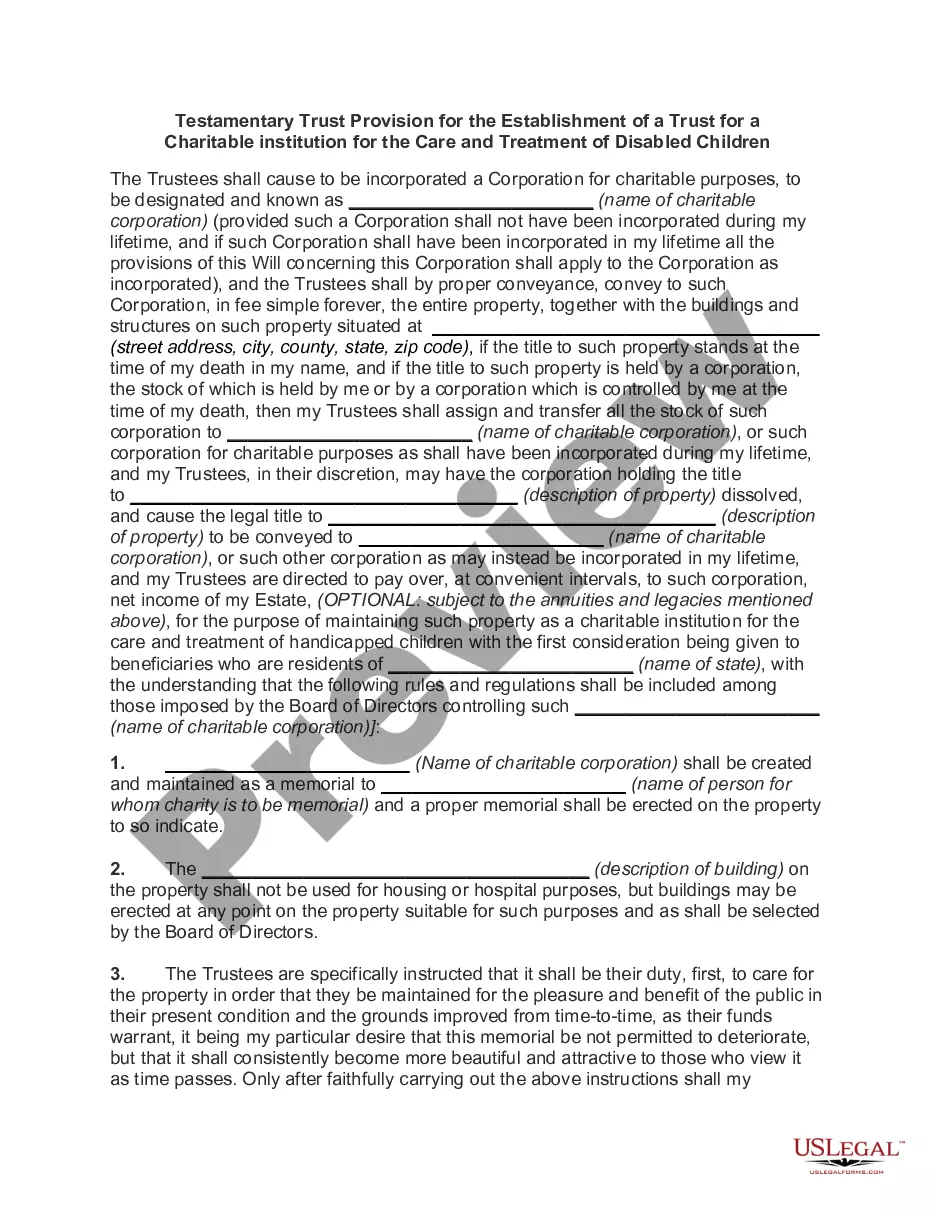
What Is A Testamentary Will
Description
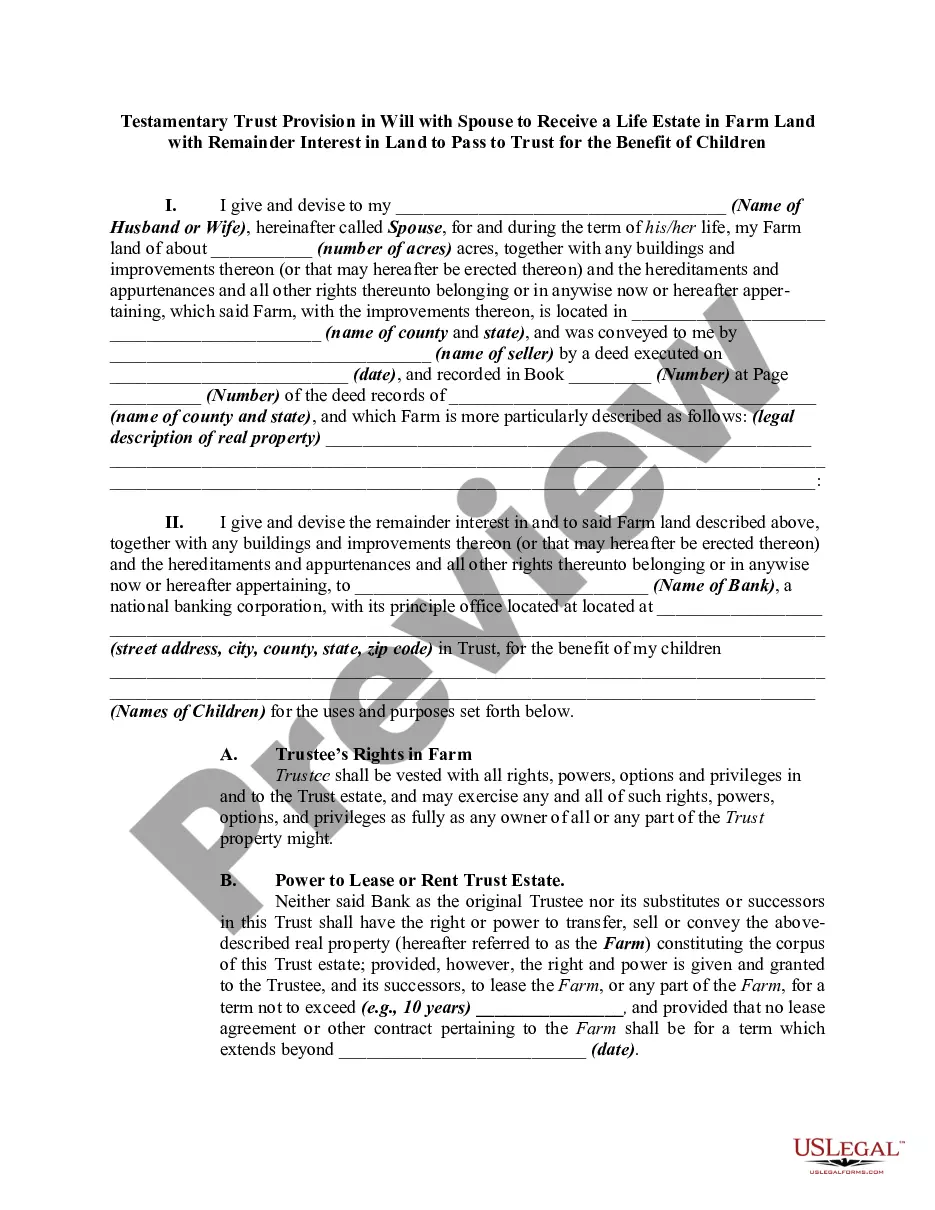
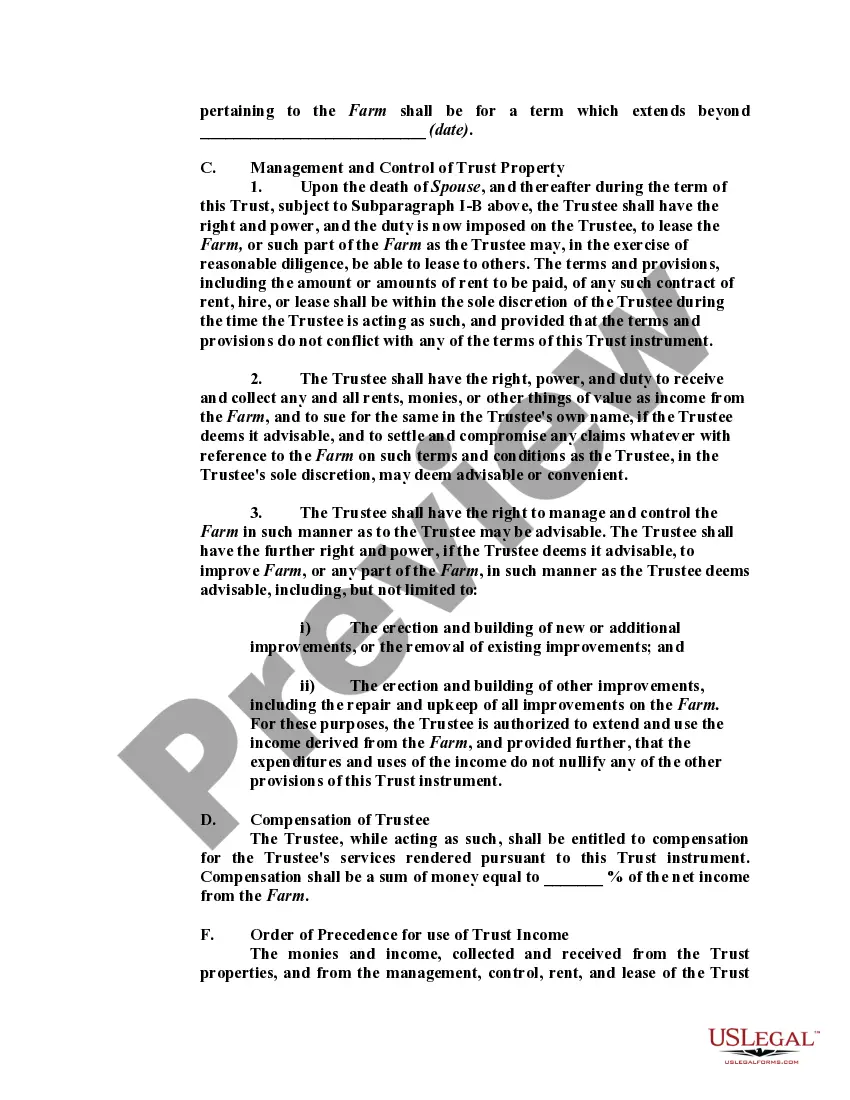
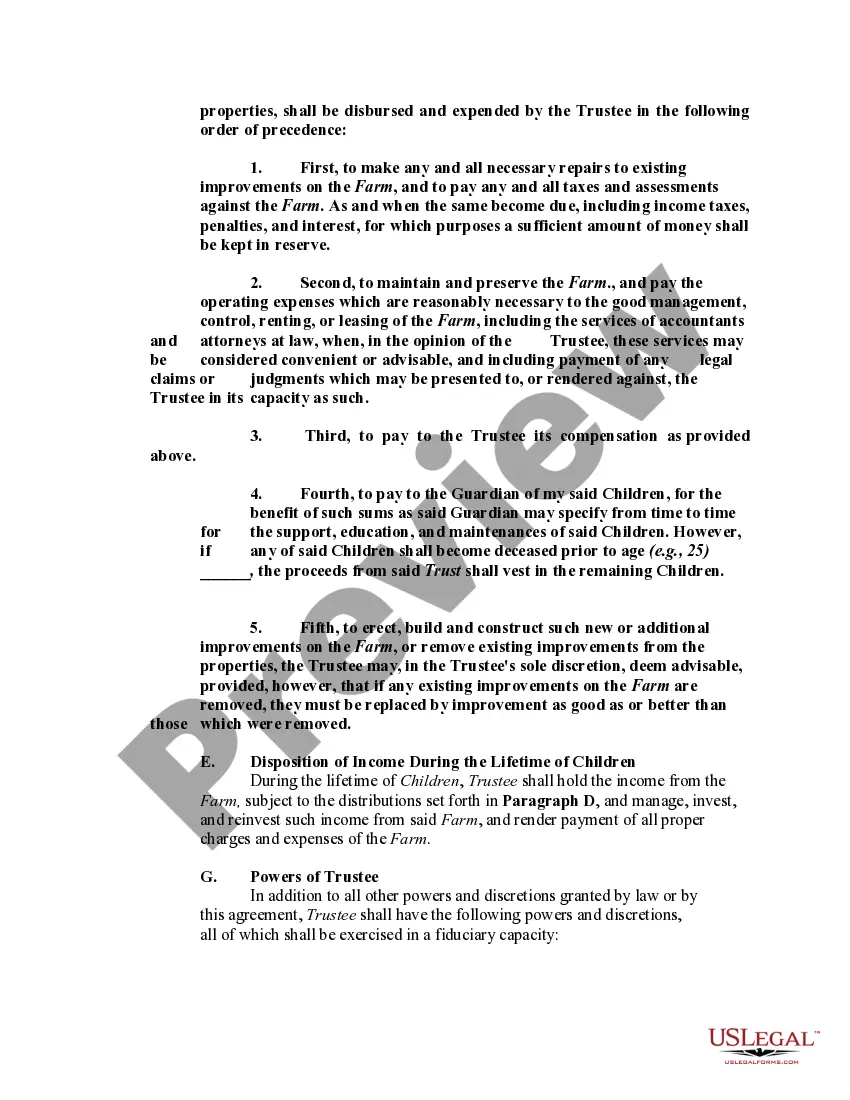
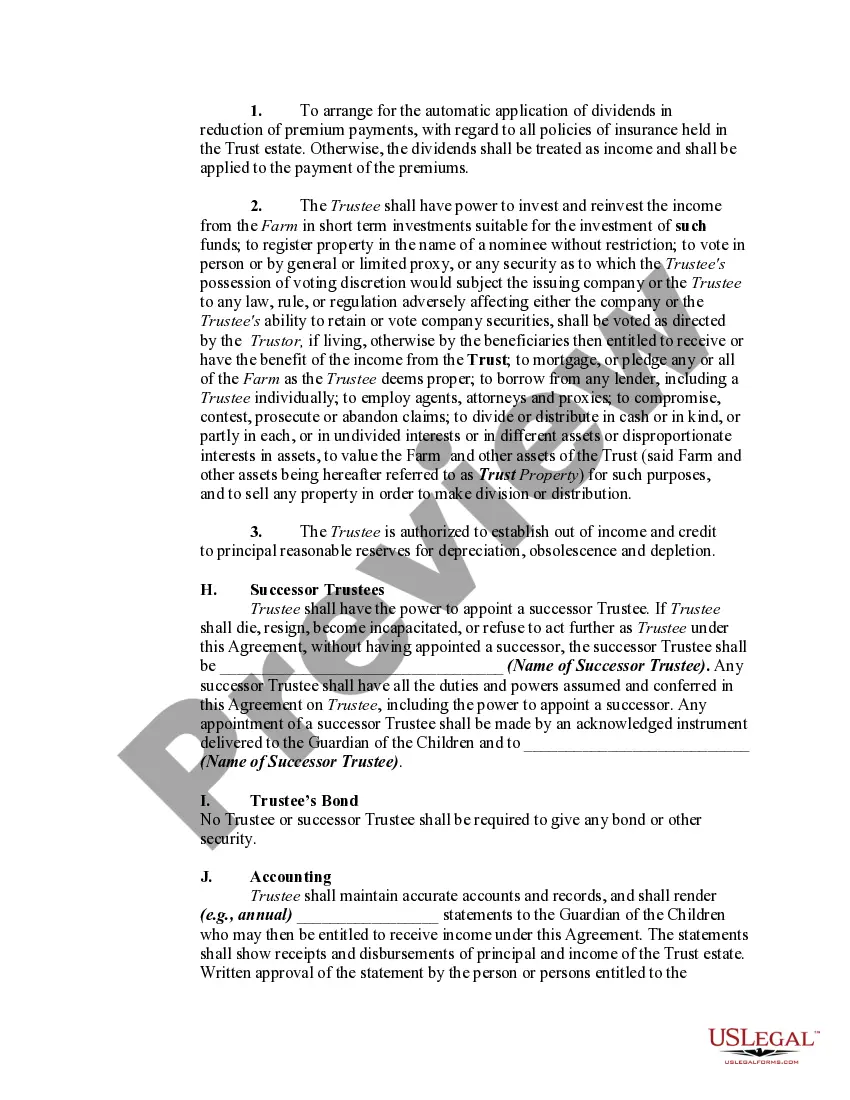
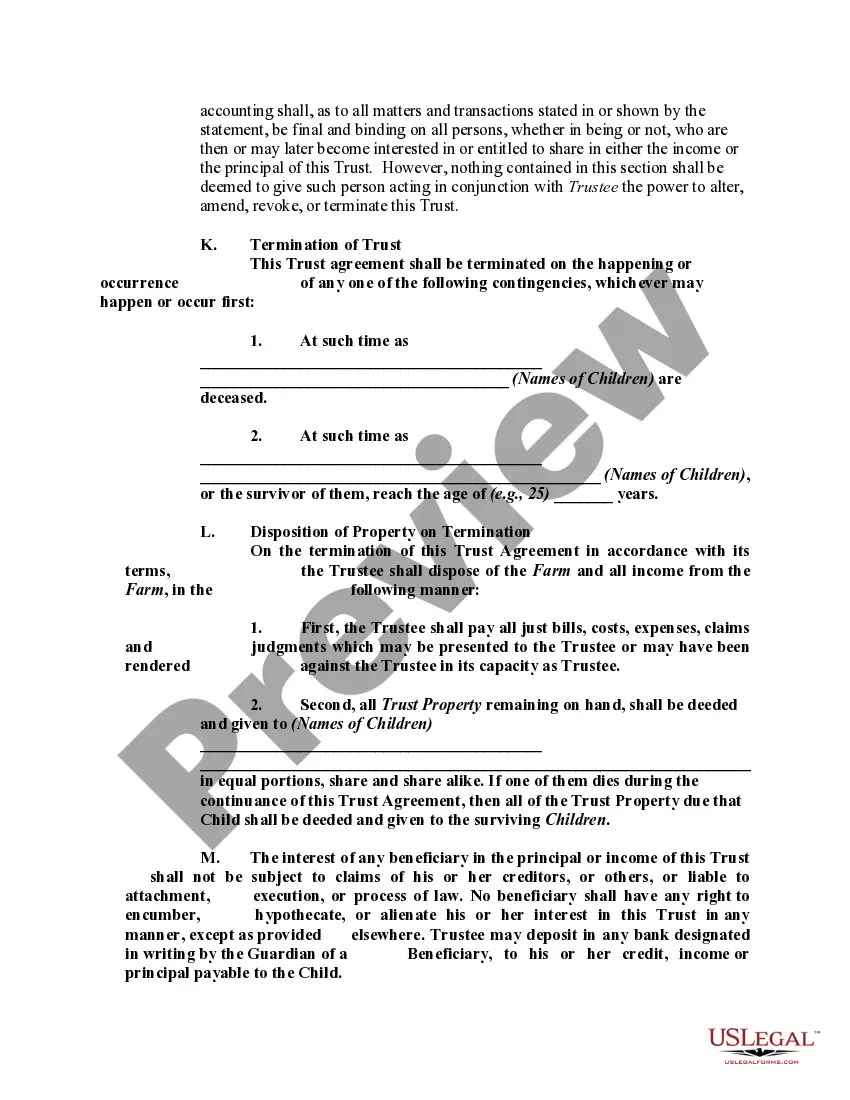
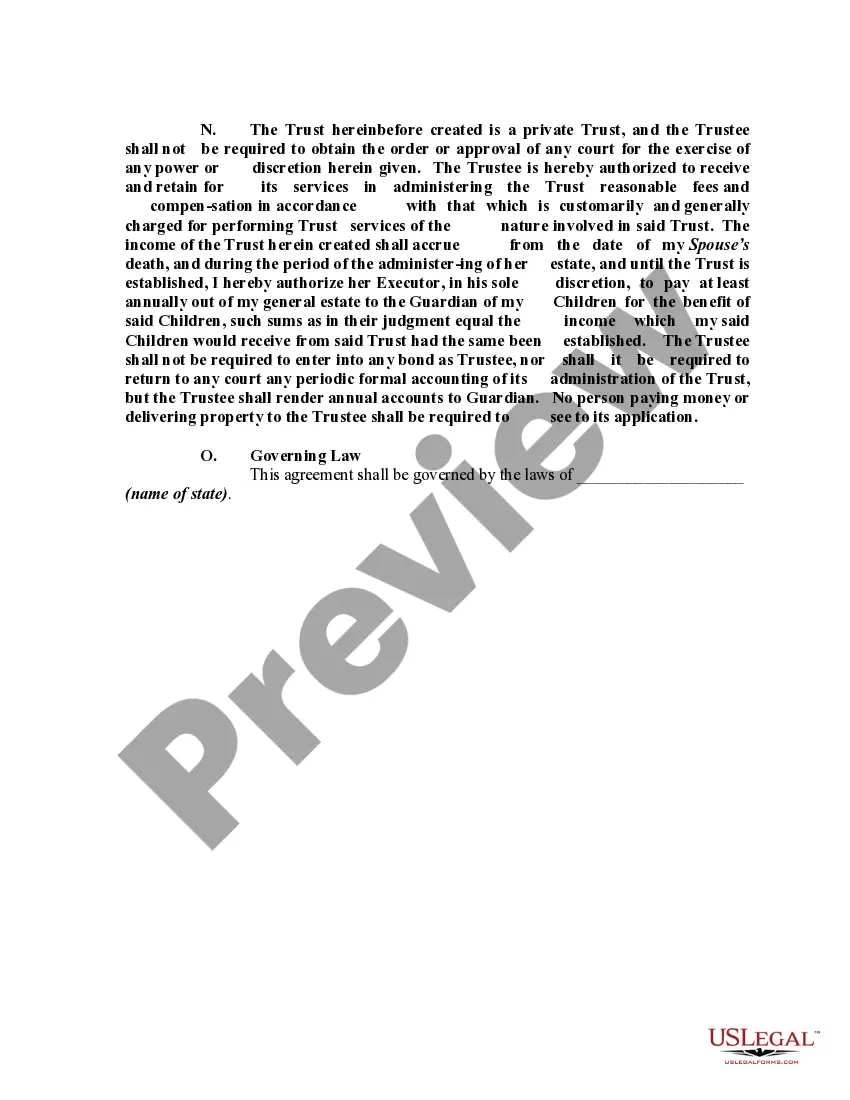
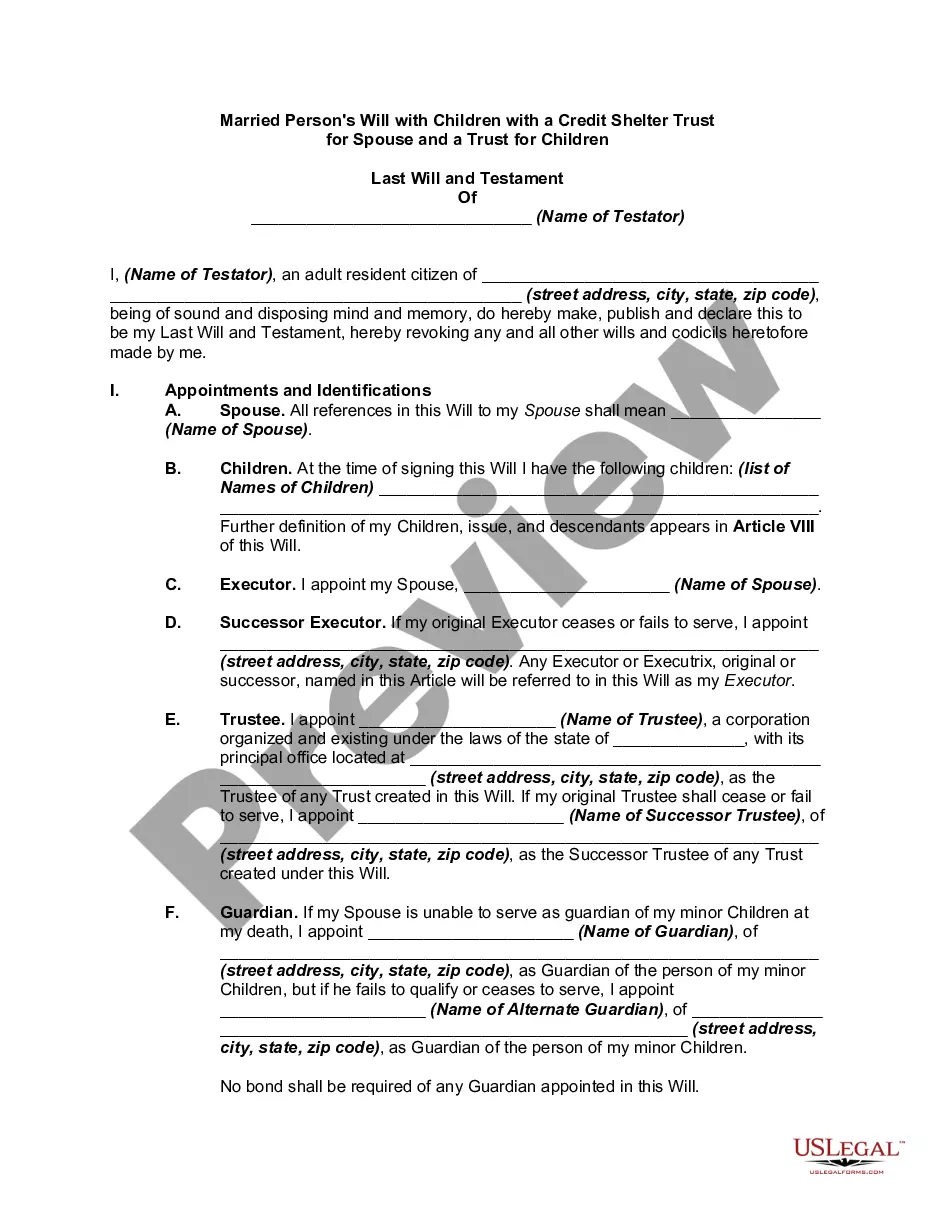
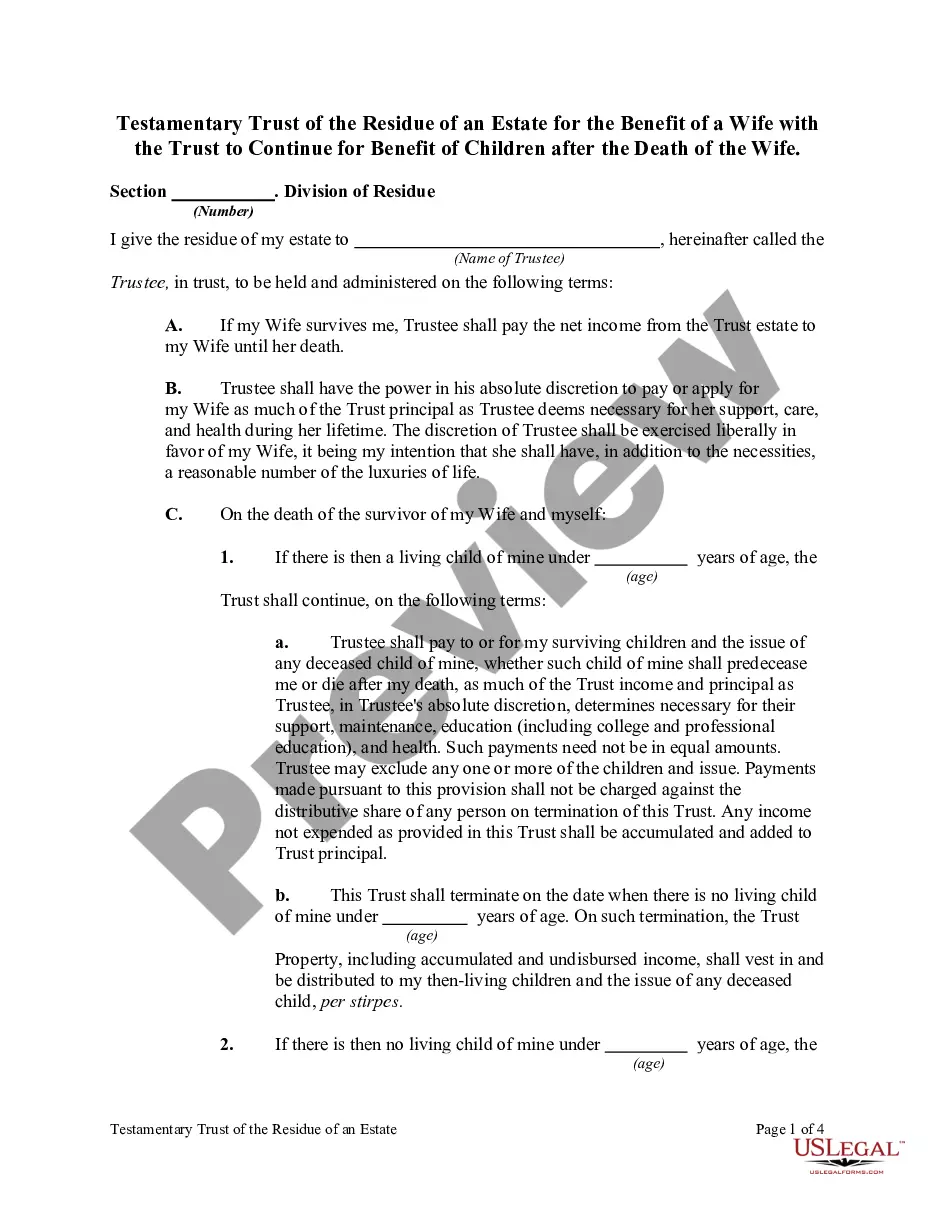

Get your form ready online
Our built-in tools help you complete, sign, share, and store your documents in one place.
Make edits, fill in missing information, and update formatting in US Legal Forms—just like you would in MS Word.
Download a copy, print it, send it by email, or mail it via USPS—whatever works best for your next step.
Sign and collect signatures with our SignNow integration. Send to multiple recipients, set reminders, and more. Go Premium to unlock E-Sign.
If this form requires notarization, complete it online through a secure video call—no need to meet a notary in person or wait for an appointment.
We protect your documents and personal data by following strict security and privacy standards.

Make edits, fill in missing information, and update formatting in US Legal Forms—just like you would in MS Word.

Download a copy, print it, send it by email, or mail it via USPS—whatever works best for your next step.

Sign and collect signatures with our SignNow integration. Send to multiple recipients, set reminders, and more. Go Premium to unlock E-Sign.

If this form requires notarization, complete it online through a secure video call—no need to meet a notary in person or wait for an appointment.

We protect your documents and personal data by following strict security and privacy standards.
Looking for another form?








How to fill out Testamentary Trust Provision In Will With Spouse To Receive A Life Estate In Farm Land With Remainder Interest In Land To Pass To Trust For The Benefit Of Children?
- Log in to your US Legal Forms account if you're an existing user. Ensure your subscription is active, or renew it if necessary.
- For new users, start by previewing the form collection. Search for 'testamentary will' and pick the template that fits your needs while adhering to local law requirements.
- If adjustments are needed, utilize the search function to find the appropriate template, ensuring it meets your specifications.
- Purchase the document by clicking the 'Buy Now' button. Choose a suitable subscription plan and create an account for full access.
- Complete your purchase using a credit card or PayPal account for secure payment.
- Download the completed template to your device and access it anytime through the 'My Forms' menu on your profile.
With US Legal Forms, individuals and attorneys can efficiently navigate the complex landscape of legal documentation.
Unlock your potential today—start your journey towards a legally sound testamentary will by using US Legal Forms!
Form popularity
FAQ
Letters of testamentary are documents issued by a probate court that authorize your executor to act on your behalf after you pass away. This may include managing your bank accounts, settling debts, and distributing assets as specified in your will. For example, if you appoint someone as your executor, they will need this letter to access your affairs legally. These letters are vital for safeguarding your wishes during the estate settlement process.
A living will outlines your healthcare preferences should you become unable to make decisions, while a testamentary will specifies how to distribute your assets after death. Essentially, a living will addresses medical decisions, and a testamentary will addresses financial matters. Both serve important roles in your overall estate planning strategy, and understanding their differences can help you prepare comprehensively.
One of the biggest mistakes people make with wills is not updating them regularly. Life changes such as marriage, divorce, or the birth of a child can significantly impact your estate distribution wishes. Failing to reflect these changes in your will may lead to unintended outcomes. Regularly reviewing and updating your will ensures that it accurately represents your current situation and intentions.
The primary purpose of a testamentary will is to articulate your wishes for asset distribution after your death. It provides legal authority for your executor to carry out these instructions, ensuring that your assets are handled according to your desires. Additionally, a testamentary will can help prevent disputes among heirs, fostering understanding and reducing confusion during an emotionally challenging period. Ultimately, it serves as an essential tool in your estate planning.
While a testamentary trust can provide benefits, it also comes with drawbacks. One significant disadvantage is that it must go through probate, which can be a lengthy and costly process. Additionally, there may be restrictions on how the assets are used, which may not align with the beneficiaries' immediate needs. It's essential to weigh these potential disadvantages when considering estate planning options.
A testamentary will is a legal document that outlines a person's wishes for the distribution of their assets after death. It becomes effective only upon the person's passing and must go through the probate process. Essentially, a testamentary will provides clarity and direction to help ensure that your assets are distributed according to your wishes. This allows loved ones to understand your intentions during a difficult time.
A will is a legal document that specifies how a person's assets will be distributed after their passing. In contrast, a testamentary trust is created through a will and takes effect upon the death of the testator. Essentially, a testamentary trust allows for the controlled distribution of assets, whereas a will provides direct instructions for asset distribution. Understanding these distinctions clarifies the role each document plays in estate planning.
Testamentary documentation refers to the legal papers, primarily a will, that specify how a person's assets should be distributed after their death. This documentation serves as the essential framework for executing one's final wishes. Utilizing platforms like US Legal Forms makes it easier to create clear and effective testamentary documents that accurately reflect your wishes.
The four elements of testamentary capacity are understanding the nature of one's assets, comprehending the effects of making a will, having the ability to recall the individuals who will benefit from the will, and being able to express a desire on how the estate should be distributed. Having these elements in mind ensures that the creator of a testamentary will is making informed decisions. This knowledge is fundamental to valid estate planning.
If something is described as testamentary, it generally relates to a person's will and their wishes regarding the distribution of their estate after death. This includes testamentary documents such as wills, which provide clear instructions for distributing assets. Knowing what is a testamentary will can help you plan effectively for your future.