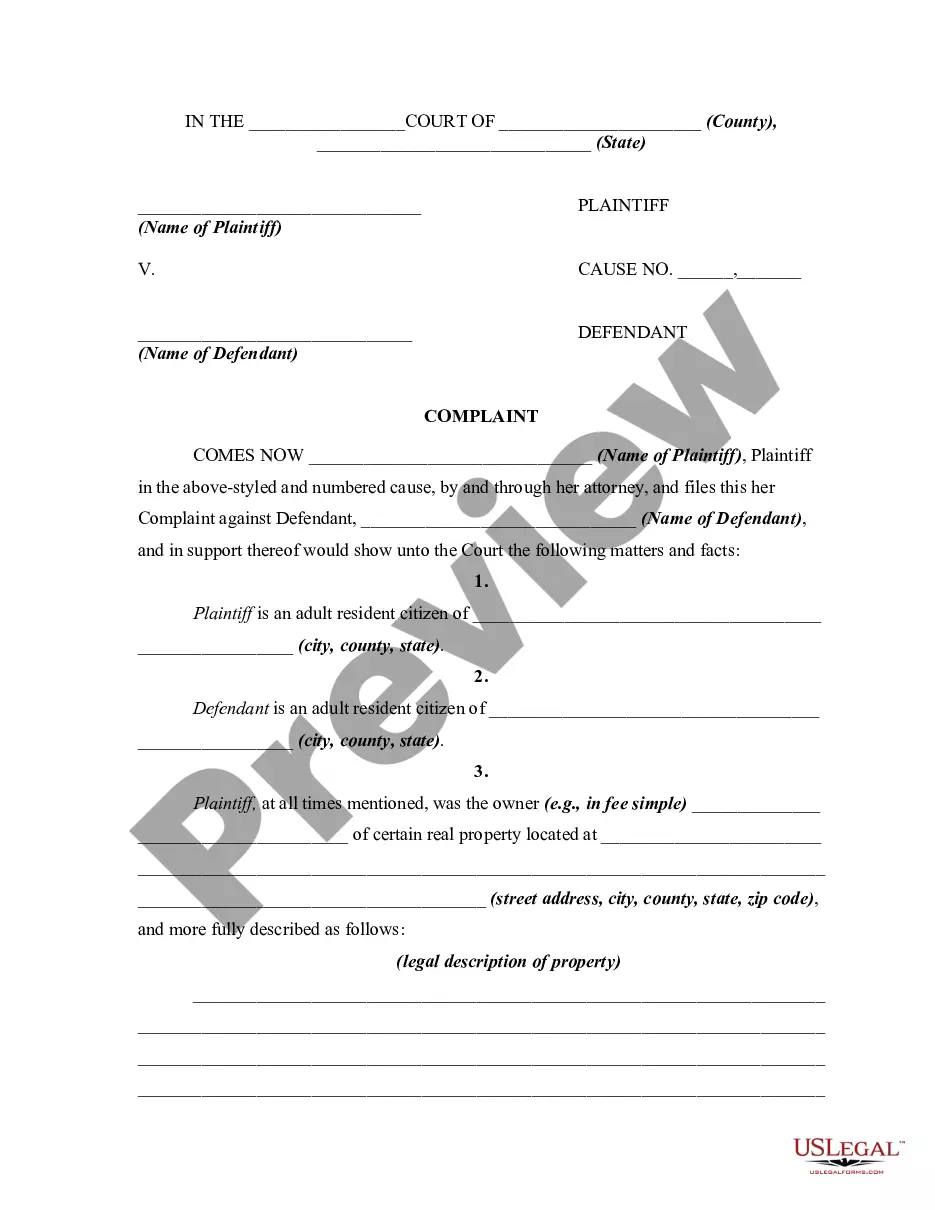
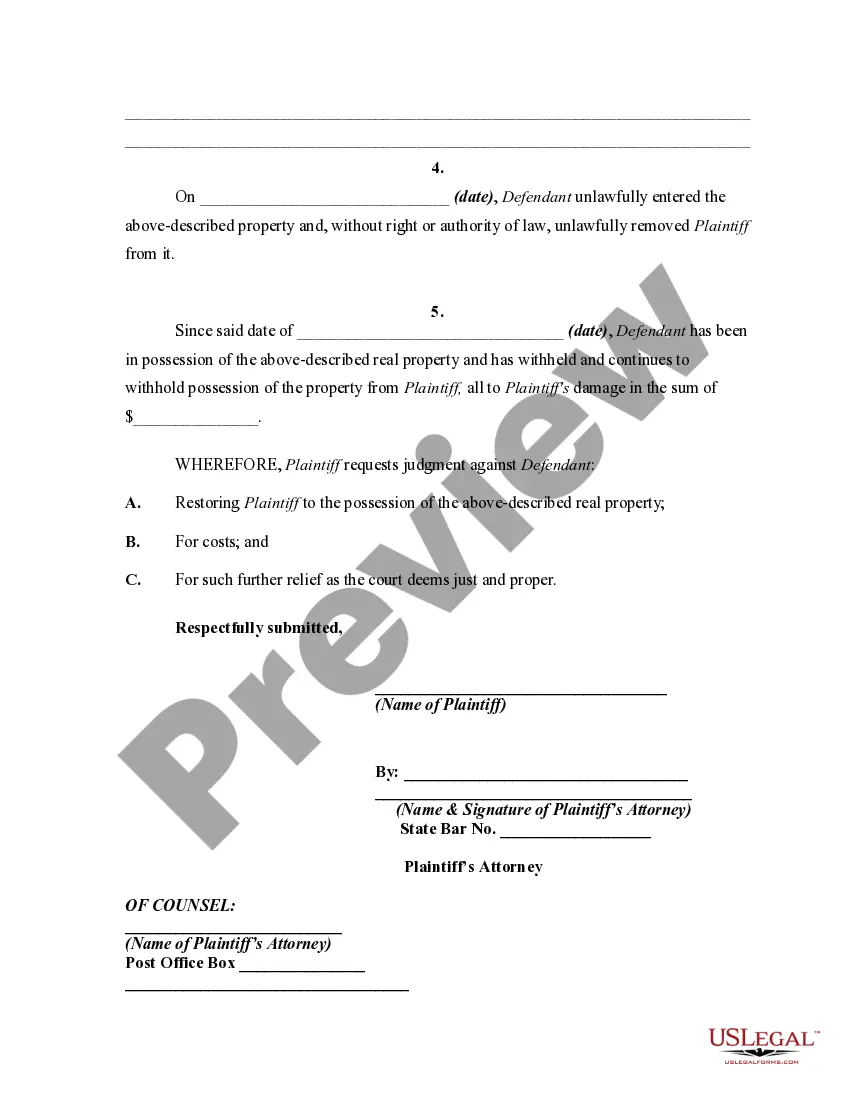
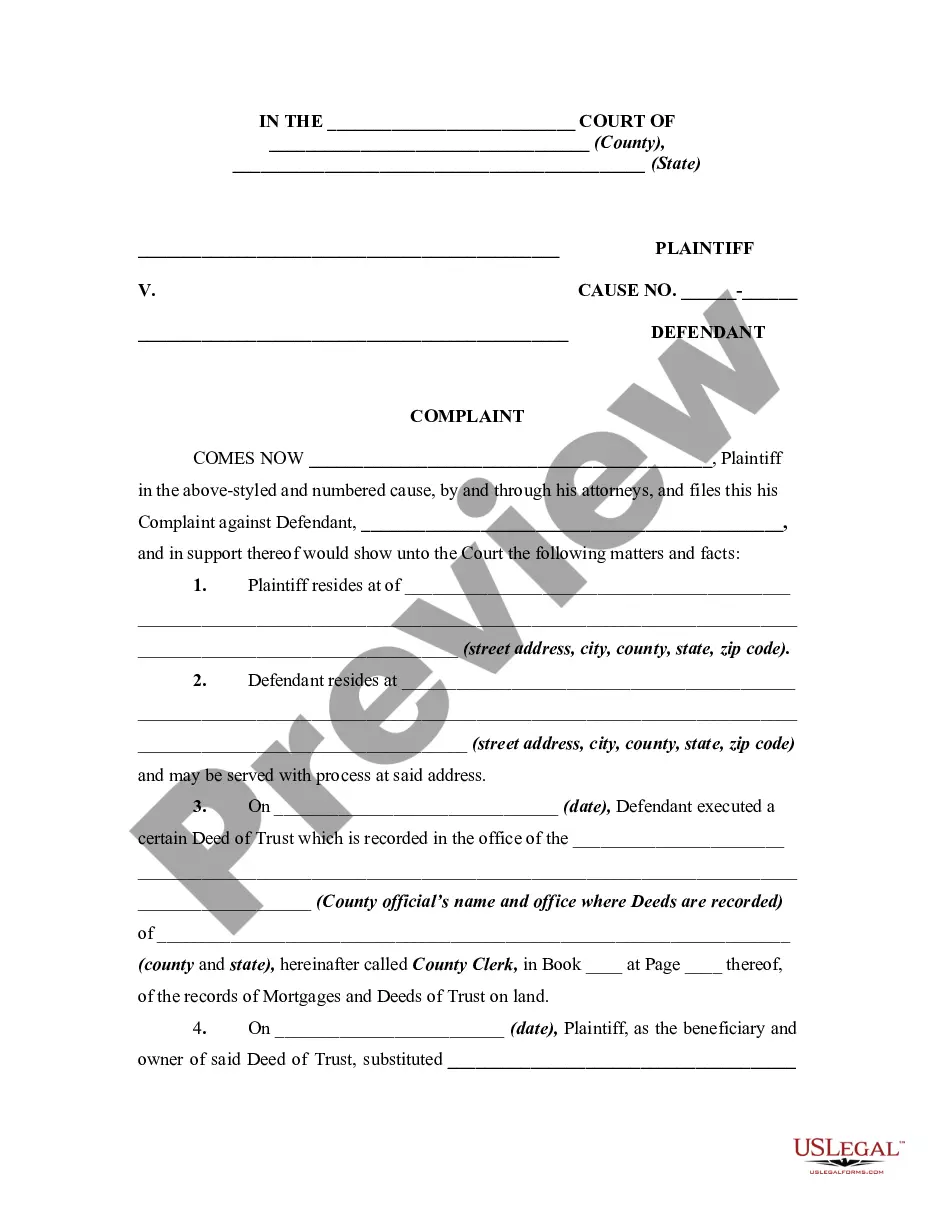
Petition Civil Procedure Format
Description
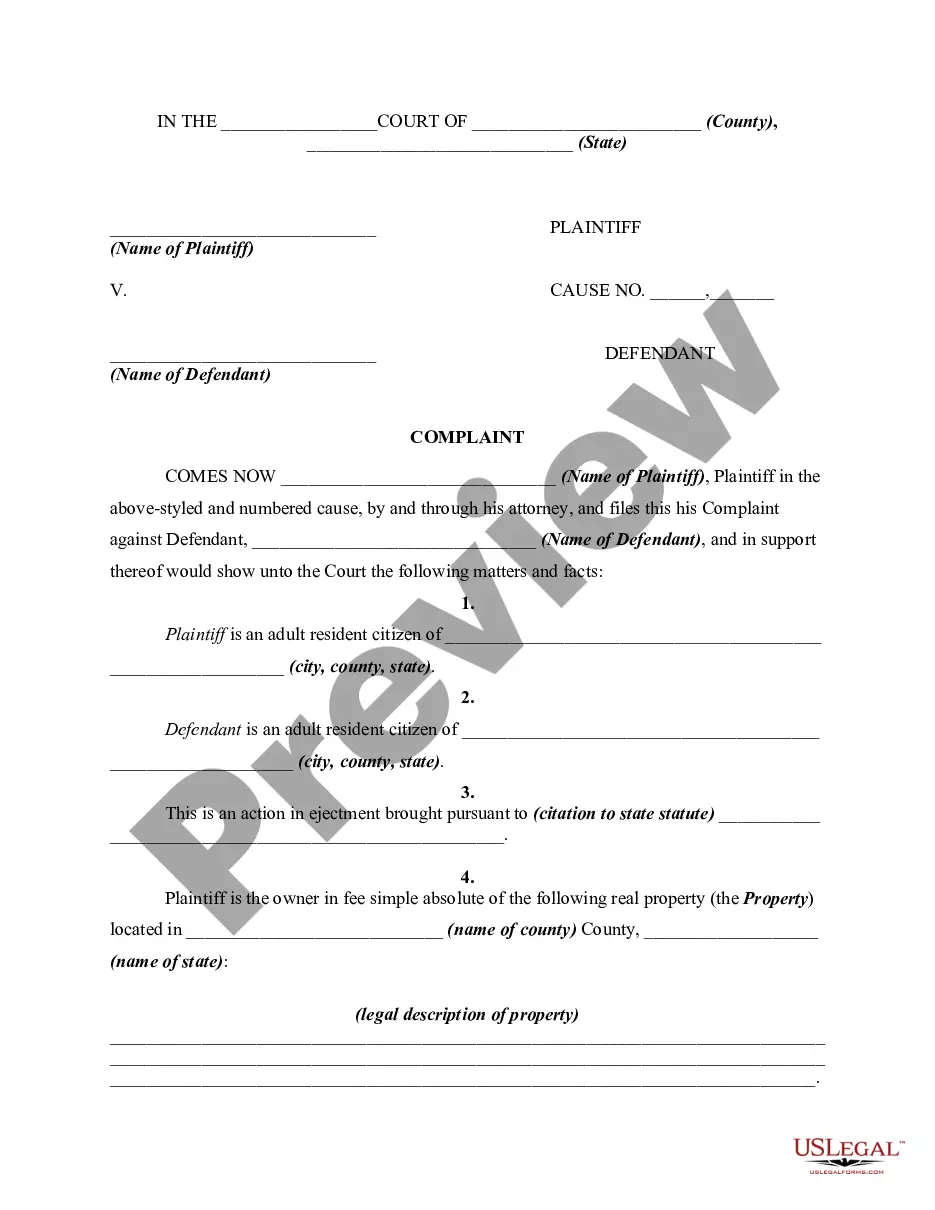
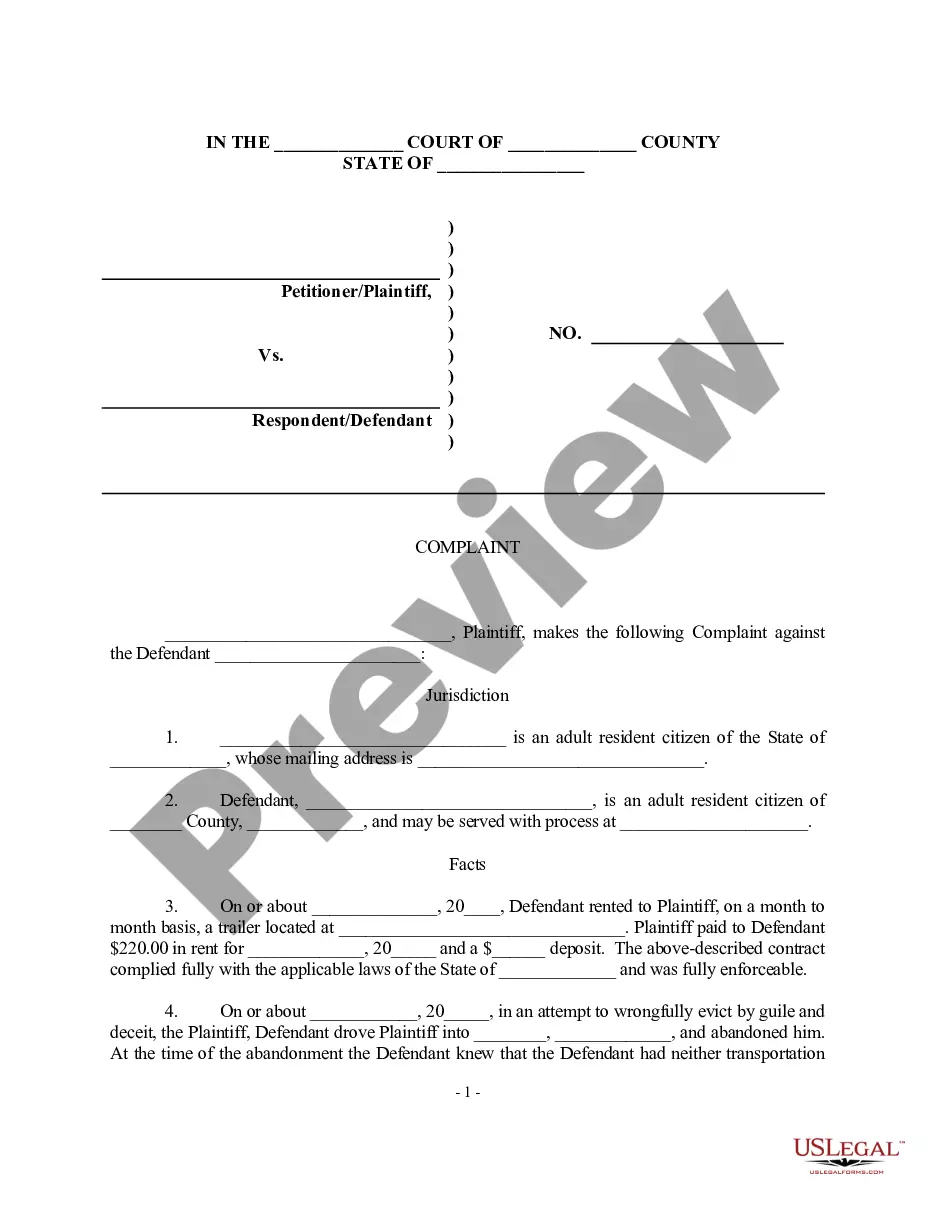
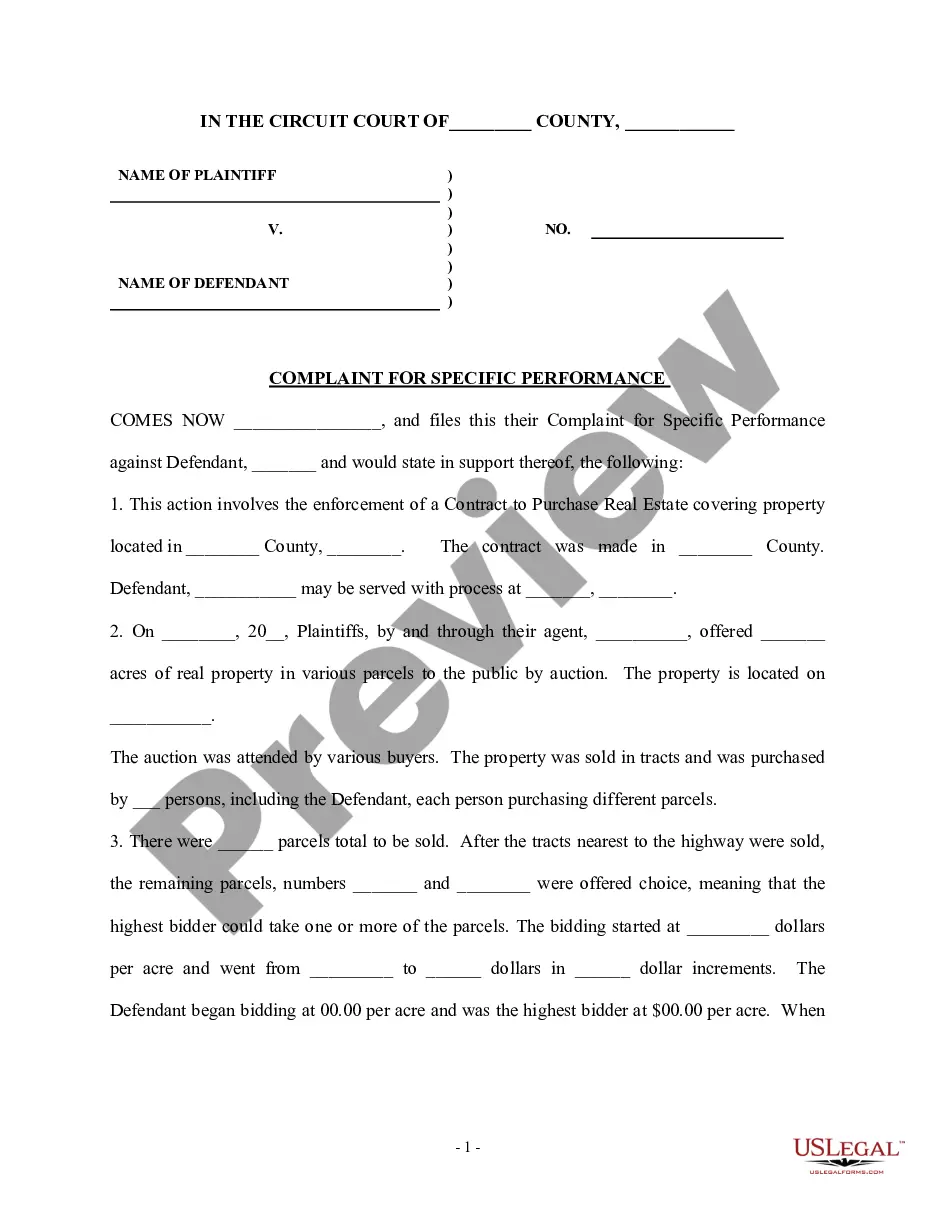
Get your form ready online
Our built-in tools help you complete, sign, share, and store your documents in one place.
Make edits, fill in missing information, and update formatting in US Legal Forms—just like you would in MS Word.
Download a copy, print it, send it by email, or mail it via USPS—whatever works best for your next step.
Sign and collect signatures with our SignNow integration. Send to multiple recipients, set reminders, and more. Go Premium to unlock E-Sign.
If this form requires notarization, complete it online through a secure video call—no need to meet a notary in person or wait for an appointment.
We protect your documents and personal data by following strict security and privacy standards.

Make edits, fill in missing information, and update formatting in US Legal Forms—just like you would in MS Word.

Download a copy, print it, send it by email, or mail it via USPS—whatever works best for your next step.

Sign and collect signatures with our SignNow integration. Send to multiple recipients, set reminders, and more. Go Premium to unlock E-Sign.

If this form requires notarization, complete it online through a secure video call—no need to meet a notary in person or wait for an appointment.

We protect your documents and personal data by following strict security and privacy standards.
Looking for another form?

How to fill out General Form Of Complaint, Petition, Or Declaration For Ejectment?
Regardless of whether it's for commercial objectives or private matters, everyone encounters legal issues at some point in their life.
Filling out legal paperwork requires meticulous care, starting with choosing the correct form template.
With a comprehensive catalog from US Legal Forms available, you won’t waste time searching for the appropriate template online. Utilize the library’s user-friendly navigation to find the correct form for any circumstance.
- For example, if you select an incorrect version of the Petition Civil Procedure Format, it will be rejected upon submission.
- Thus, it is crucial to find a trustworthy source of legal documents such as US Legal Forms.
- If you need to acquire a template for the Petition Civil Procedure Format, follow these straightforward steps.
- Use the search bar or browse the catalog to find the template you require.
- Examine the form’s details to confirm it aligns with your case, state, and county.
- Click on the form’s preview to take a look at it.
- If it is not the correct document, return to the search feature to locate the Petition Civil Procedure Format sample you need.
- Download the file if it fulfills your needs.
- If you already possess a US Legal Forms account, click Log in to access previously saved templates in My documents.
- If you do not have an account yet, you can obtain the form by clicking Buy now.
- Choose the appropriate pricing option.
- Fill out the account registration form.
- Select your payment method: use a credit card or PayPal account.
- Choose the desired file format and download the Petition Civil Procedure Format.
- Once it has been downloaded, you can complete the form using editing software or print it out and finish it by hand.
Form popularity
FAQ
When you file a lawsuit, you will usually file a petition or a complaint. You also will almost always need a summons. And, in most civil cases, you will need a Civil Case Cover Sheet (Form CM-010).
However, the most common response to a civil lawsuit is called an ?Answer? (some other name depending on the state). An Answer is a written document in which a defendant admits or denies the allegations in the plaintiff's complaint and sets forth the reasons why the defendant should not be liable.
In order to properly write a cause of action, several things must be included. The names of the Plaintiff and Defendant. The legal means by which the Plaintiff is bringing the lawsuit. Be sure to only include the facts, not opinions. ... Offer expert opinions and lay out the evidence. ... Request of relief.
Tells the court and the other side that you are starting a lawsuit based on breach of contract or a similar theory, and the general allegations you are making against the other side. Must have a one or more causes of action attached. Get form PLD-C-001.
Write and file an answer. The ?answer? is your written response to the claims made against you. You must file an answer with the court that issued the summons or citation. If you fail to answer, you could lose the case without ever having the opportunity to tell your side of the story.