Grounds For Ejectment Of Agricultural Tenants Philippines
Description
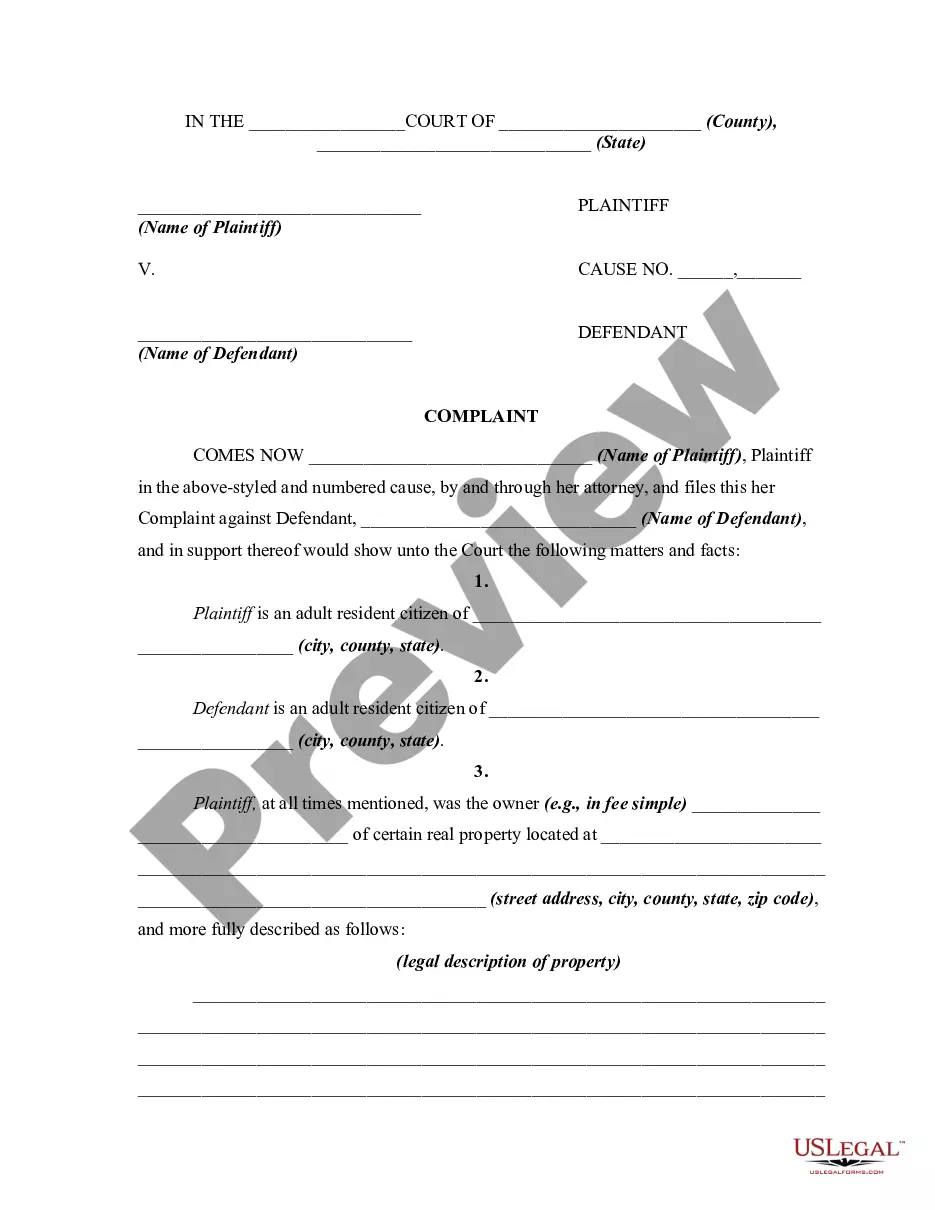
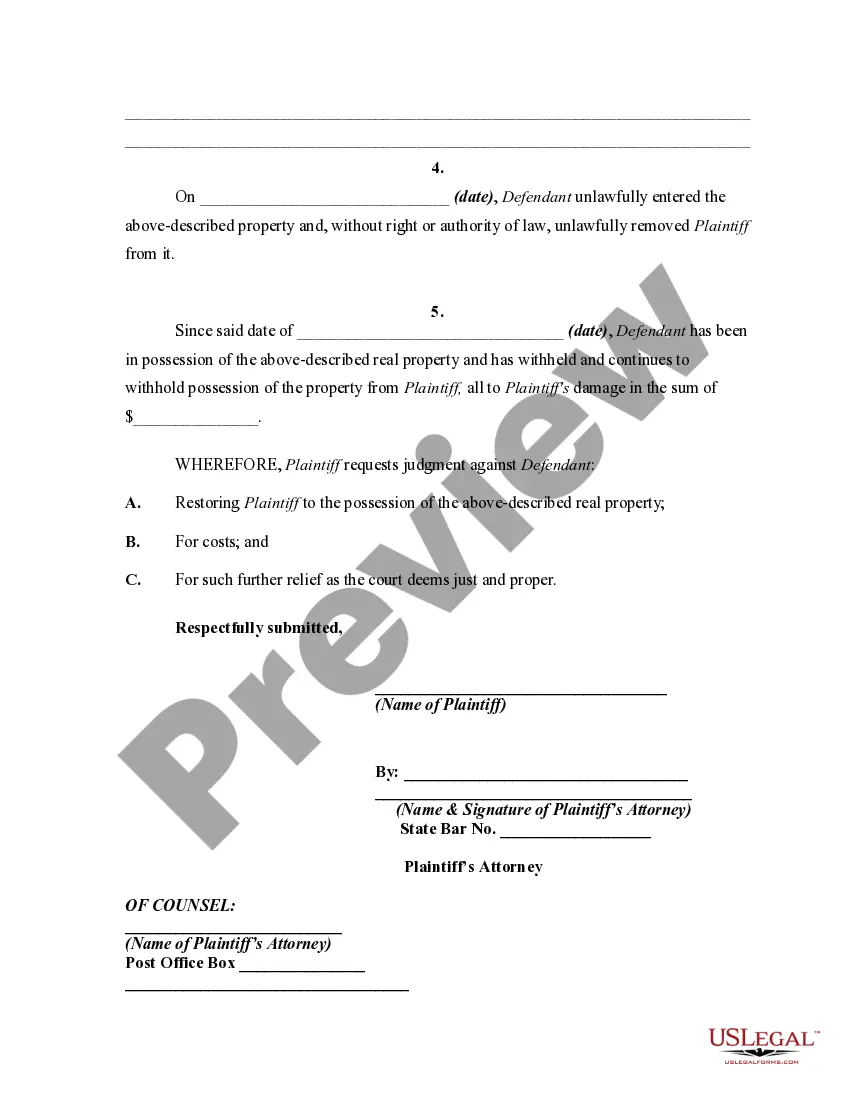

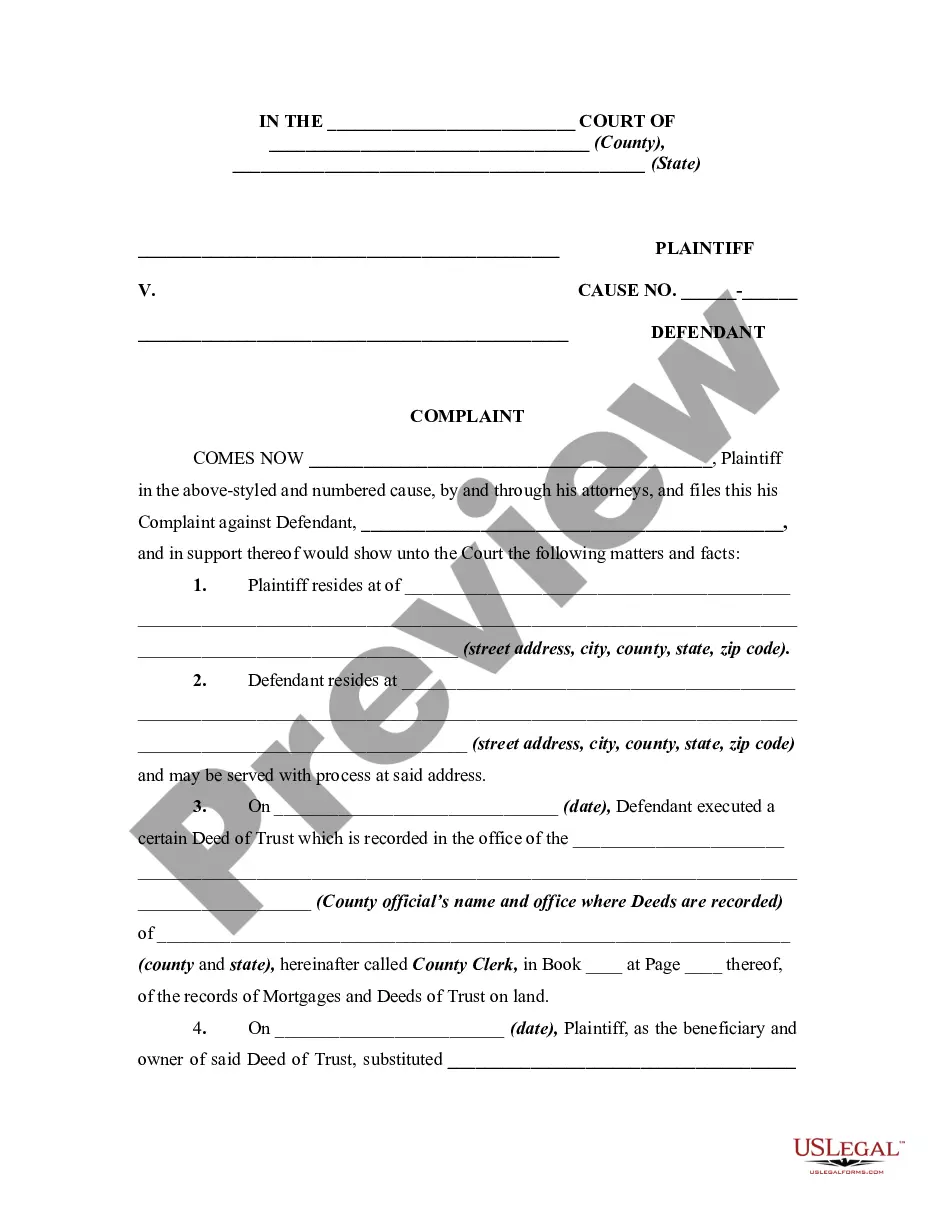
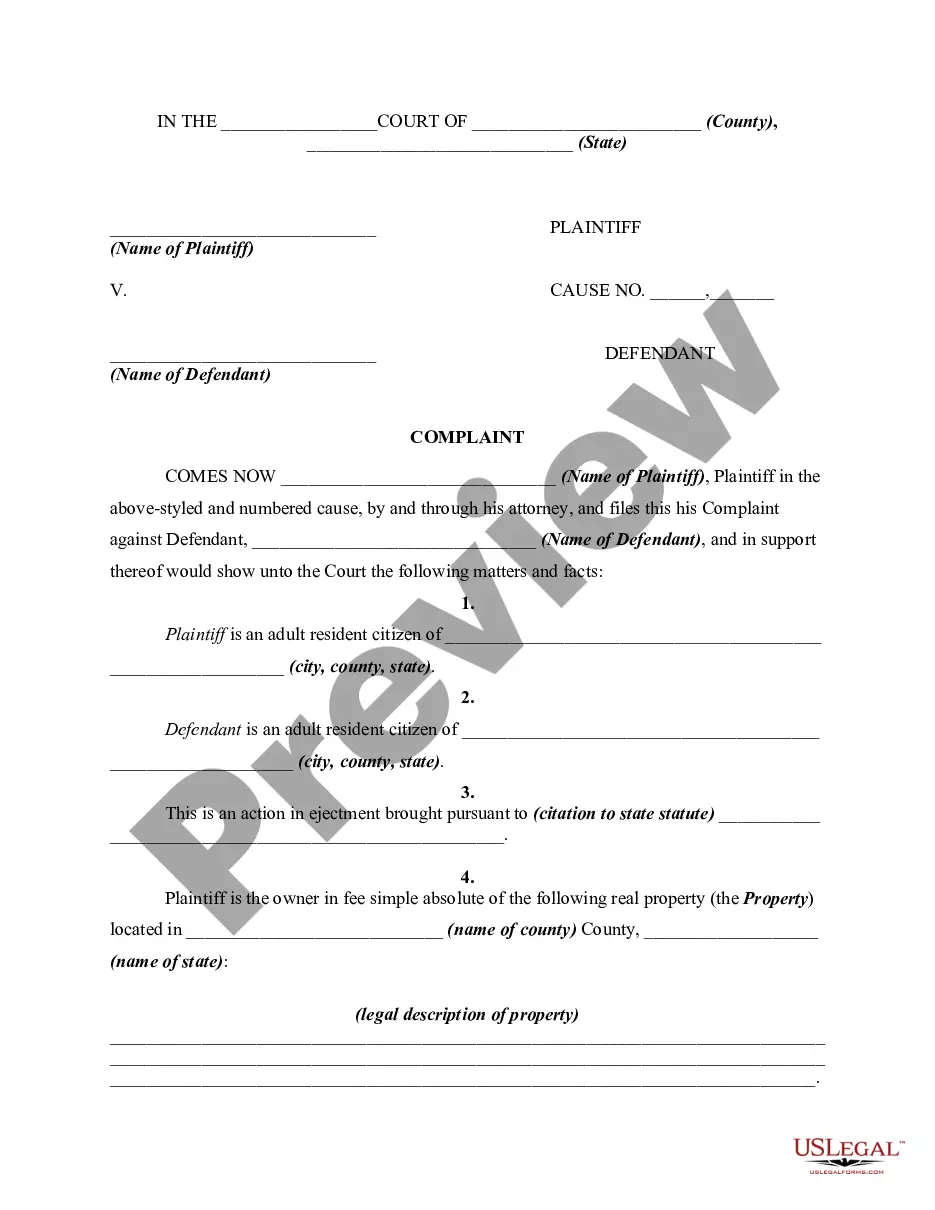
Get your form ready online
Our built-in tools help you complete, sign, share, and store your documents in one place.
Make edits, fill in missing information, and update formatting in US Legal Forms—just like you would in MS Word.
Download a copy, print it, send it by email, or mail it via USPS—whatever works best for your next step.
Sign and collect signatures with our SignNow integration. Send to multiple recipients, set reminders, and more. Go Premium to unlock E-Sign.
If this form requires notarization, complete it online through a secure video call—no need to meet a notary in person or wait for an appointment.
We protect your documents and personal data by following strict security and privacy standards.

Make edits, fill in missing information, and update formatting in US Legal Forms—just like you would in MS Word.

Download a copy, print it, send it by email, or mail it via USPS—whatever works best for your next step.

Sign and collect signatures with our SignNow integration. Send to multiple recipients, set reminders, and more. Go Premium to unlock E-Sign.

If this form requires notarization, complete it online through a secure video call—no need to meet a notary in person or wait for an appointment.

We protect your documents and personal data by following strict security and privacy standards.
Looking for another form?


How to fill out General Form Of Complaint, Petition, Or Declaration For Ejectment?
- Access the US Legal Forms homepage. If you are a returning user, simply log in to your account and check your subscription status.
- Explore the form preview and descriptions. Make sure to select forms that fulfill your jurisdiction requirements and fit your needs.
- Utilize the search feature. If you don’t find the right form immediately, navigate to the search tab to locate additional templates.
- Purchase the needed document. Click 'Buy Now' and choose your desired subscription plan. Remember to create an account for access to the library.
- Complete your transaction. Enter your payment information using a credit card or PayPal to finalize your subscription.
- Download the form. Save the document on your device for easy completion. You can access it anytime via the My Forms section in your profile.
US Legal Forms is designed to empower both individuals and attorneys to swiftly execute legal documents. With an extensive library of over 85,000 fillable and editable forms, you can find exactly what you need.
Don’t let the complexity of legal documents overwhelm you. Visit US Legal Forms today and start simplifying your legal processes!
Form popularity
FAQ
To eject an agricultural tenant in the Philippines, begin by identifying the specific grounds for ejectment applicable to your situation. It is necessary to issue a formal notice to the tenant, citing the reason for eviction. If they refuse to vacate, the case must be taken to court, where you will present your evidence. Consulting platforms like USLegalForms can guide you through the steps related to the grounds for ejectment of agricultural tenants in the Philippines.
If a tenant refuses to move out, your first step should be to discuss the situation directly with them. If this approach fails, prepare to file a case in court for ejectment. You will need to demonstrate valid grounds, such as non-compliance with tenancy agreements. Utilizing resources like USLegalForms can help you understand and prepare the necessary documentation for grounds for ejectment of agricultural tenants in the Philippines.
In the Philippines, various grounds exist for the ejectment of tenants, including non-payment of rent, violation of lease agreements, and engaging in illegal activities on the property. Understanding these grounds is crucial when addressing tenancy issues. Specifically for agricultural tenants, your knowledge of the grounds for ejectment of agricultural tenants in the Philippines will help streamline the eviction process.
To evict someone from your land in the Philippines, you must follow legal procedures. Start by providing a written notice to the tenant, specifying the reason for eviction. If the tenant does not comply, you may need to file an ejectment suit in court. It's essential to understand the grounds for ejectment of agricultural tenants in the Philippines, as these grounds dictate the process.
To eject an agricultural tenant in the Philippines, landowners must identify and document the reasons for ejectment, such as violation of lease terms or non-payment of rent. This process often involves legal steps including issuing a notice of ejectment, followed by filing a suit in court. Legal assistance can guide landowners through this complex process efficiently.
Tenants have several rights such as the right to security of tenure, the right to a fair return for their labor, and the right to receive compensation for improvements made to the land. These rights protect tenants against arbitrary eviction and ensure they can cultivate the land responsibly. Understanding these rights can help tenants navigate their relationship with landowners.
To evict agricultural tenants in the Philippines, landlords must first establish valid grounds such as non-payment of rent. Then, they need to file an ejectment lawsuit in the appropriate court. It is advisable to follow the legal procedures to ensure the eviction is fair and legally binding.
In the Philippines, an individual can own up to five hectares of agricultural land. However, corporations may own up to 100 hectares. Restrictions exist to promote equitable distribution and prevent monopolization of agricultural resources, so it’s wise to understand these limits.
Constructing a house on agricultural land without proper authorization can lead to penalties including fines or the forced demolition of the structure. This action is viewed as conversion of agricultural land to residential use, which is illegal in many cases. Therefore, it's prudent for tenants to seek guidance on land use restrictions to avoid penalties.
Generally, a tenant cannot claim ownership of agricultural land in the Philippines. The law distinguishes between tenancy and ownership, prioritizing the rights of the landowner. However, it's important to know that certain conditions might allow a tenant to gain ownership, like through adverse possession, though such cases are rare.