Sooner Afford Injunction With The Government
Description
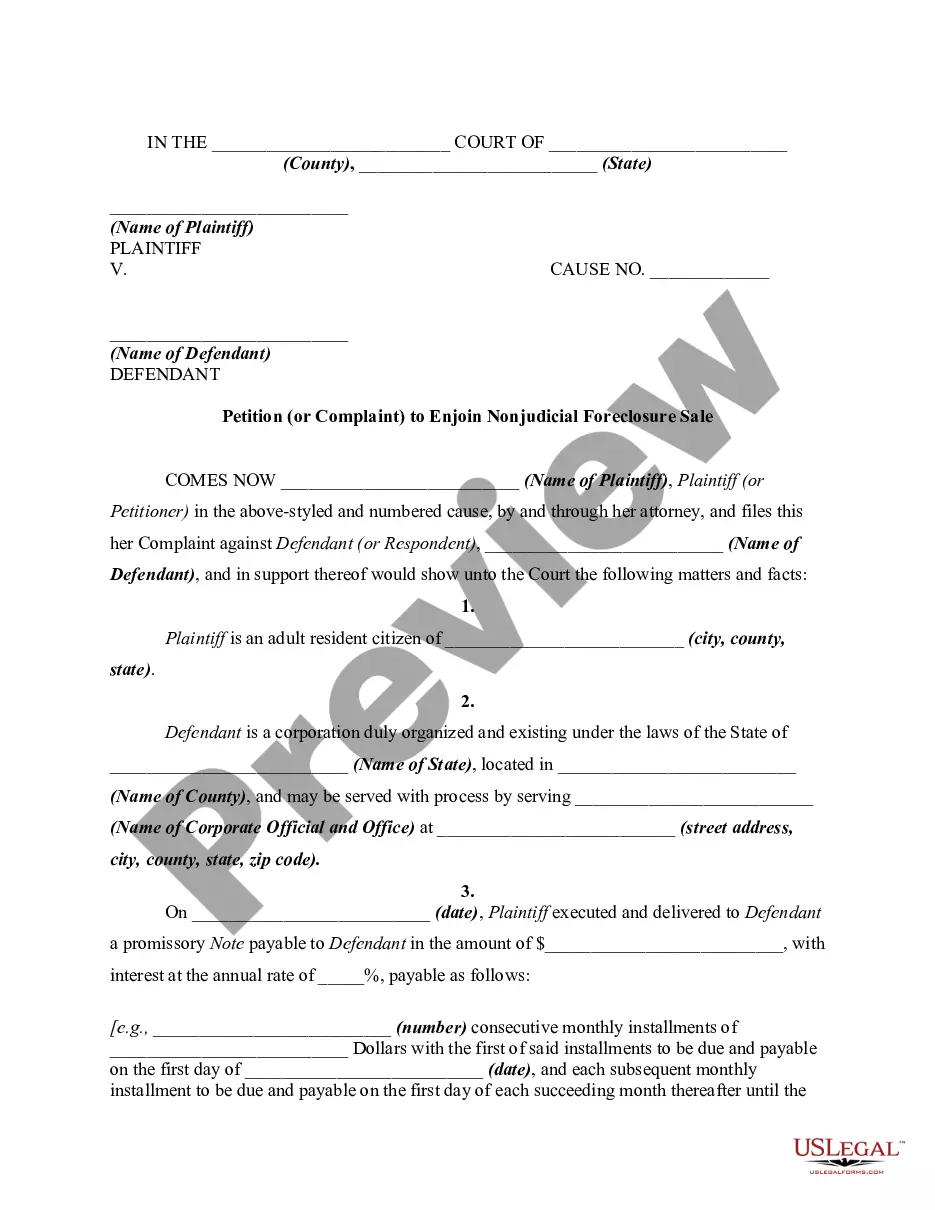
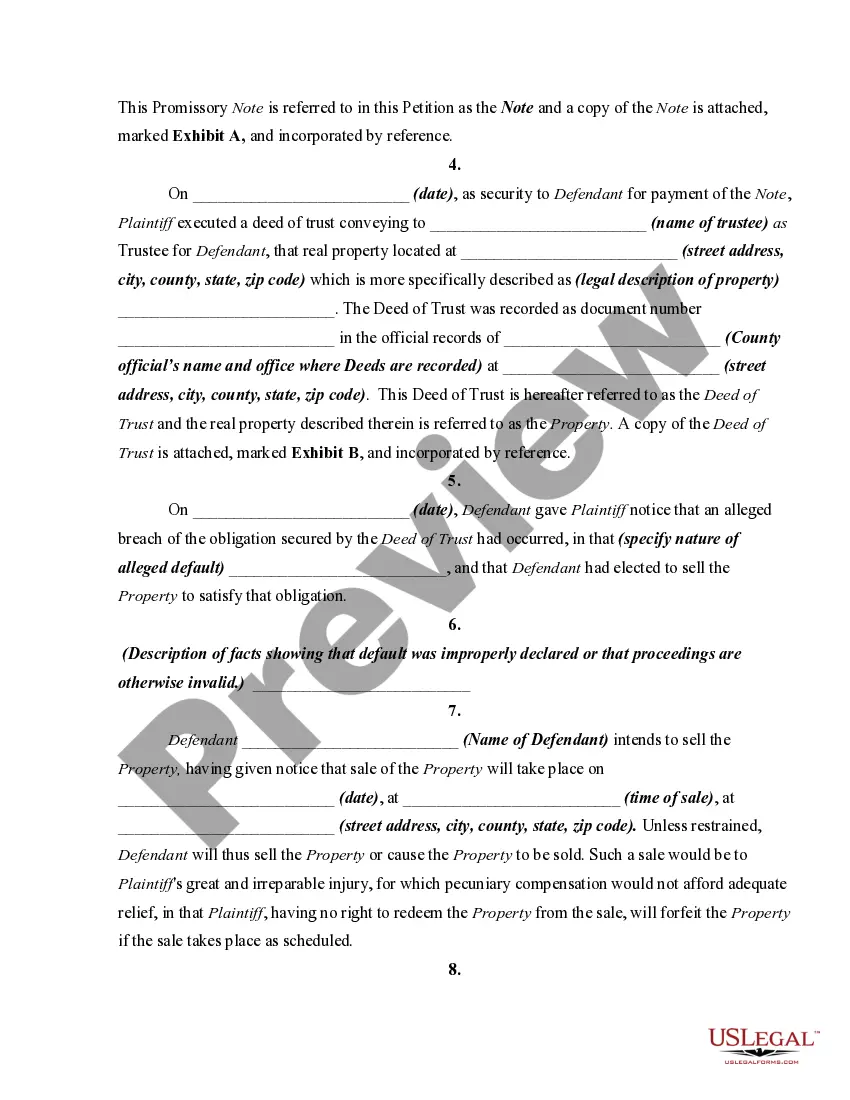
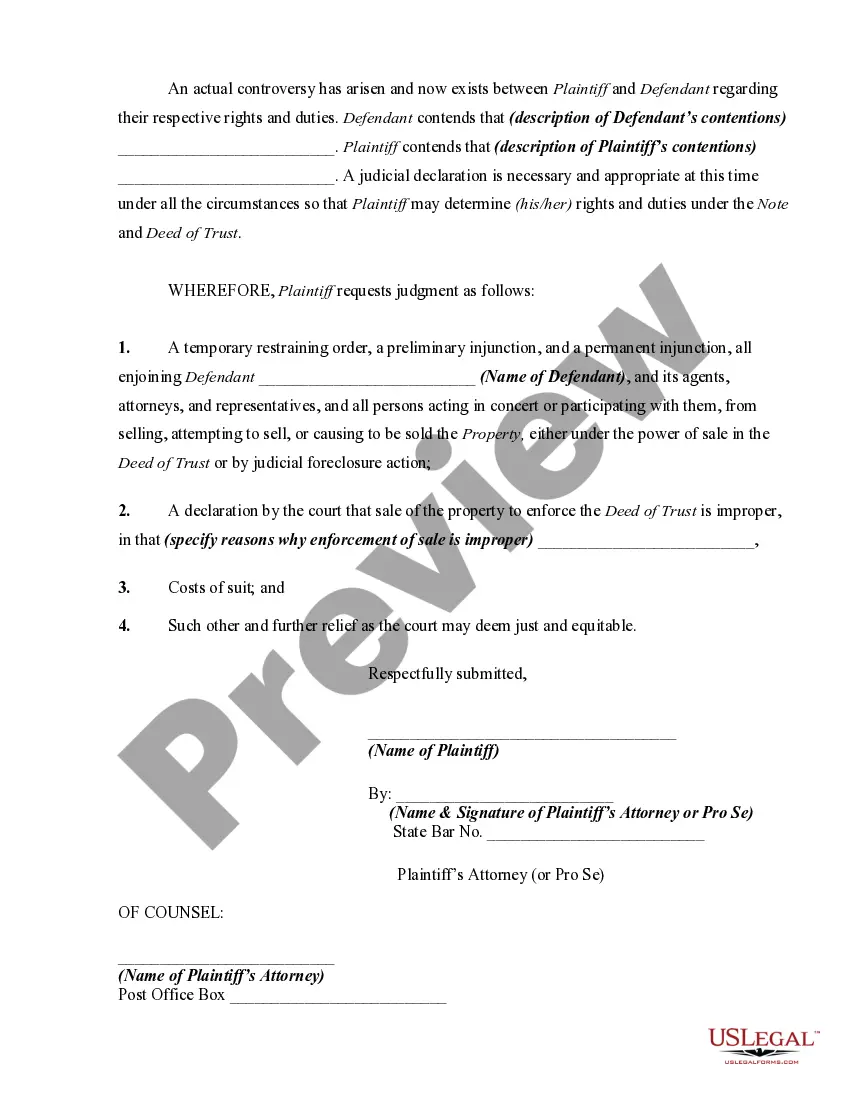
Get your form ready online
Our built-in tools help you complete, sign, share, and store your documents in one place.
Make edits, fill in missing information, and update formatting in US Legal Forms—just like you would in MS Word.
Download a copy, print it, send it by email, or mail it via USPS—whatever works best for your next step.
Sign and collect signatures with our SignNow integration. Send to multiple recipients, set reminders, and more. Go Premium to unlock E-Sign.
If this form requires notarization, complete it online through a secure video call—no need to meet a notary in person or wait for an appointment.
We protect your documents and personal data by following strict security and privacy standards.

Make edits, fill in missing information, and update formatting in US Legal Forms—just like you would in MS Word.

Download a copy, print it, send it by email, or mail it via USPS—whatever works best for your next step.

Sign and collect signatures with our SignNow integration. Send to multiple recipients, set reminders, and more. Go Premium to unlock E-Sign.

If this form requires notarization, complete it online through a secure video call—no need to meet a notary in person or wait for an appointment.

We protect your documents and personal data by following strict security and privacy standards.
Looking for another form?

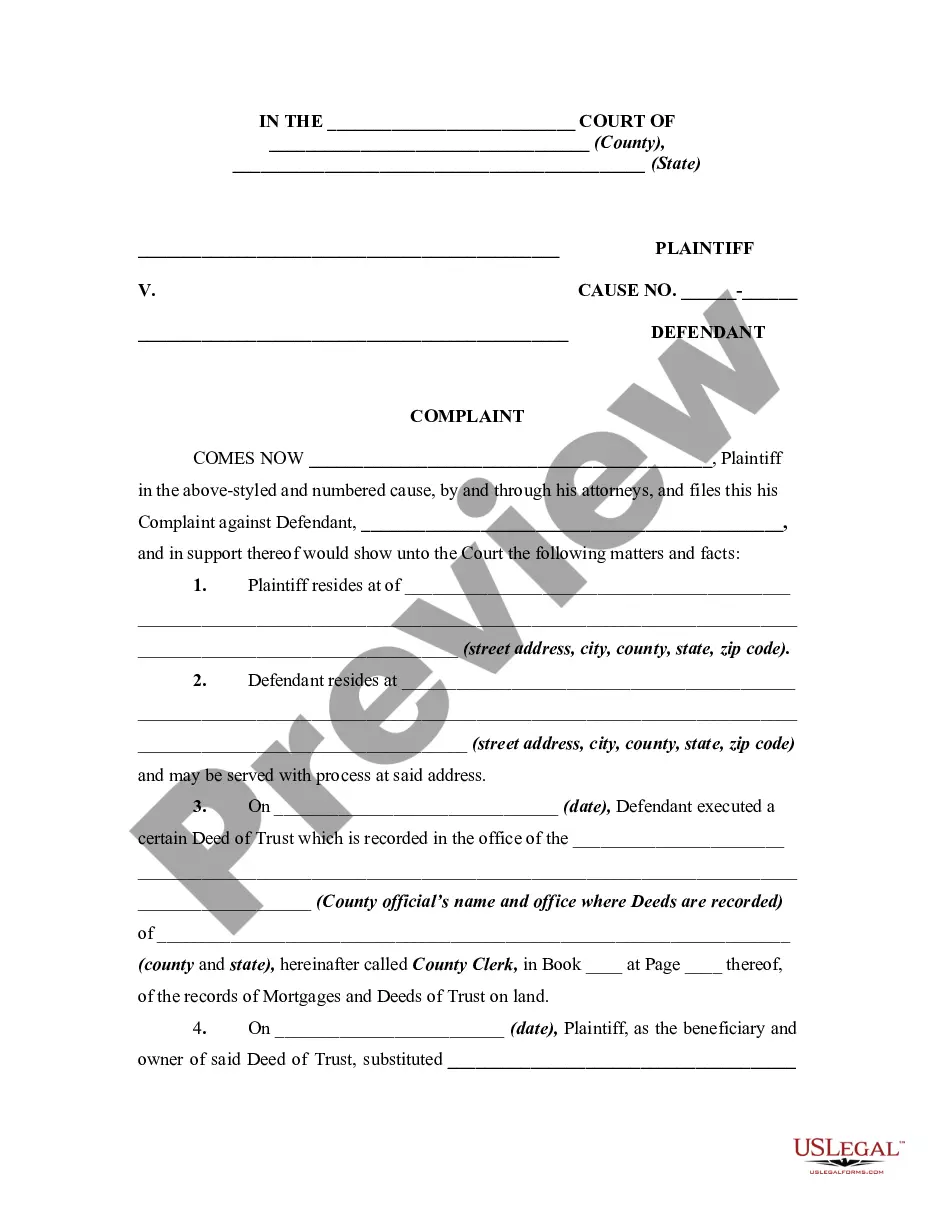
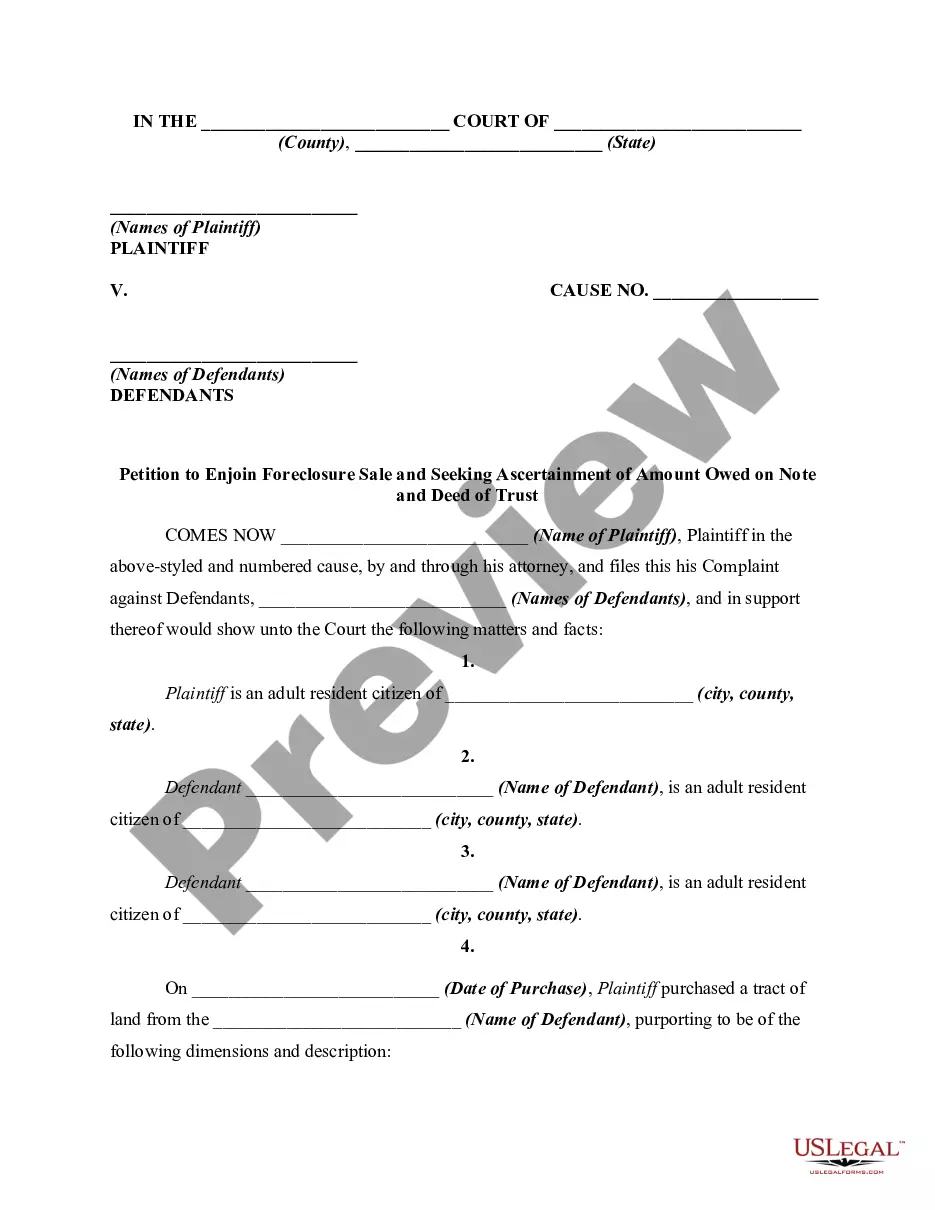
How to fill out Petition Or Complaint To Enjoin Nonjudicial Foreclosure Sale And For Declaratory Relief?
- If you're a returning user, log in to your account and verify your subscription status to ensure it's active. Download your required form by clicking the Download button.
- For first-time users, start by reviewing the Preview mode and form description to select the right document that matches your needs and complies with your local laws.
- If you need to explore more options, utilize the Search tab to find other relevant forms. Once you locate the correct document, proceed to the next step.
- Purchase the document by clicking the Buy Now button. Choose the subscription plan that works best for you and set up an account for access to the full library.
- Complete your purchase by entering your payment details via credit card or PayPal to secure your subscription.
- Download your selected form and save it on your device. You can access it anytime from the My Forms section of your profile.
In conclusion, US Legal Forms offers a comprehensive and user-friendly platform that allows you to access an extensive collection of legal documents with ease. By following these steps, you can ensure that your legal needs are met promptly and efficiently.
Don’t wait—take action today and ensure your legal documents are handled correctly with US Legal Forms!
Form popularity
FAQ
The guidelines for an injunction involve several critical considerations. You must ensure that your request is legally grounded and supported by evidence. The request should be appropriately formatted and filed in the right court. Additionally, you should prepare to present your case effectively to the judge. Resources like USLegalForms can be invaluable as you navigate these guidelines to sooner afford injunction with the government.
Writing a statement for an injunction involves drafting a clear and precise document that outlines your request. Begin with a statement of jurisdiction and follow with the facts of your case. Clearly express the relief you are seeking, and support your argument with relevant legal principles. For a successful application, you may want to consider utilizing resources like USLegalForms, which offers templates and guidance that can help you sooner afford injunction with the government.
To establish grounds for a preliminary injunction, you must demonstrate four key components. First, show that you have a strong likelihood of success on the merits of your case. Second, prove that you will suffer irreparable harm without the injunction. Third, establish that the balance of hardships favors you. Finally, demonstrate that issuing the injunction would serve the public interest. Understanding these components can help you sooner afford injunction with the government.
An example of an injunction in government could be a court order preventing a government agency from implementing a policy that violates constitutional rights. Such injunctions can halt actions that impact public welfare and individual rights. To sooner afford an injunction with the government, you might explore platforms like uslegalforms, which offer guidance and resources for your legal needs.
A federal injunction can last for a specified period or until the court lifts it, which may be after a trial or a final decision is made. The duration often depends on the type of case and the specifics of the court's order. If you're considering how to sooner afford an injunction with the government, it's important to know that federal injunctions can have lasting effects on an ongoing case.
While both restraining orders and injunctions seek to prevent harmful actions, a restraining order is often temporary and allows for more immediate relief in urgent situations. On the other hand, injunctions can be either temporary or permanent and involve more formal court procedures. If you need to sooner afford an injunction with the government, understanding this difference is vital for your legal strategy.
To obtain an injunction, you typically must demonstrate that you will suffer irreparable harm without it, show that you have a likelihood of success on the merits of your case, and that the injunction is in the public interest. These requirements help ensure that a court will only grant a necessary injunction. If you're looking to sooner afford an injunction with the government, meeting these criteria is essential.
The three types of injunctions include prohibitory injunctions, which prevent someone from acting; mandatory injunctions, which require a party to take specific actions; and temporary injunctions, which last a short time until a hearing can be held. These types of injunctions can help individuals seeking to sooner afford an injunction with the government. Understanding these types ensures you choose the right one for your situation.
An emergency injunction is a legal remedy that provides immediate relief before a full hearing can take place, typically in situations where delay might cause irreparable harm. This type of injunction is often temporary and serves as a stopgap solution while awaiting a final decision. If you believe your situation may require you to sooner afford injunction with the government urgently, understanding the criteria for requesting an emergency injunction will be vital.
While you can file an injunction without a lawyer, doing so is generally not advisable due to the complexity of legal procedures and documentation. Without legal expertise, you may miss critical steps or misinterpret the laws, impacting your ability to sooner afford injunction with the government. If you choose to pursue this route, ensure you carefully research and prepare all necessary materials.