Pod Beneficiaries Bank Account With Multiple
Description

Get your form ready online
Our built-in tools help you complete, sign, share, and store your documents in one place.
Make edits, fill in missing information, and update formatting in US Legal Forms—just like you would in MS Word.
Download a copy, print it, send it by email, or mail it via USPS—whatever works best for your next step.
Sign and collect signatures with our SignNow integration. Send to multiple recipients, set reminders, and more. Go Premium to unlock E-Sign.
If this form requires notarization, complete it online through a secure video call—no need to meet a notary in person or wait for an appointment.
We protect your documents and personal data by following strict security and privacy standards.

Make edits, fill in missing information, and update formatting in US Legal Forms—just like you would in MS Word.

Download a copy, print it, send it by email, or mail it via USPS—whatever works best for your next step.

Sign and collect signatures with our SignNow integration. Send to multiple recipients, set reminders, and more. Go Premium to unlock E-Sign.

If this form requires notarization, complete it online through a secure video call—no need to meet a notary in person or wait for an appointment.

We protect your documents and personal data by following strict security and privacy standards.
Looking for another form?
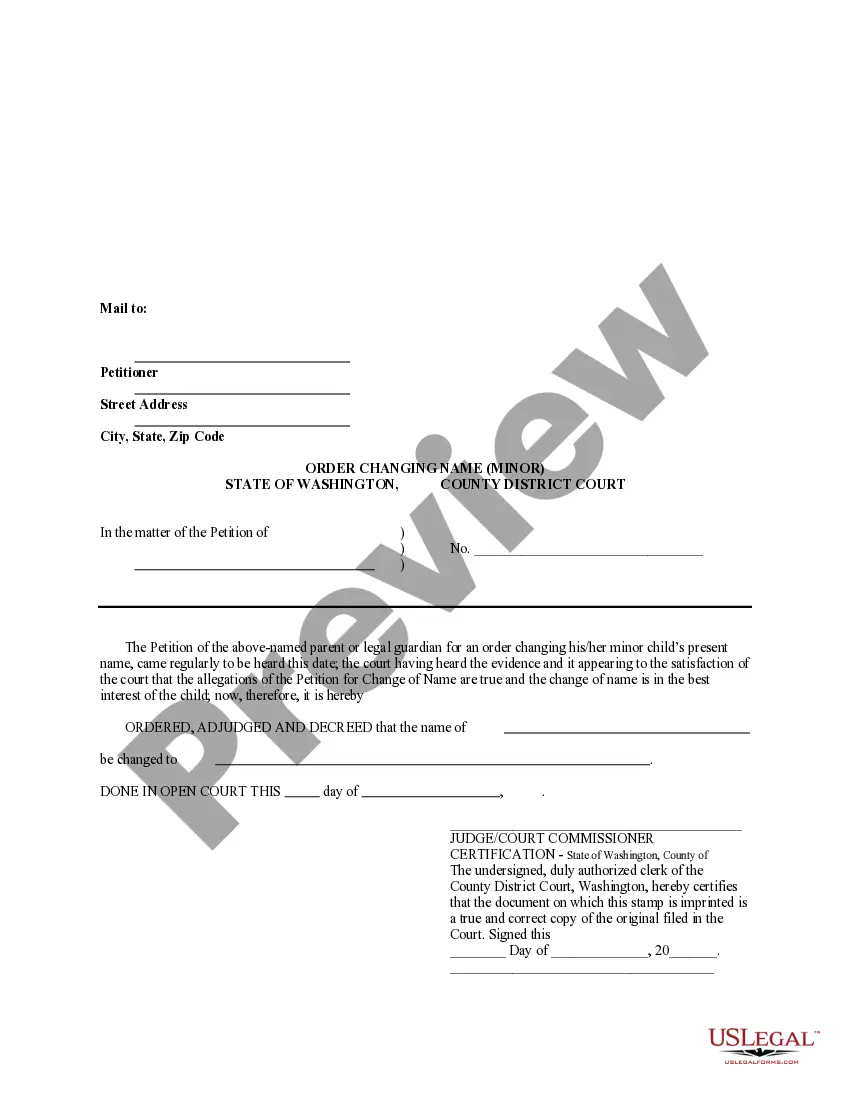



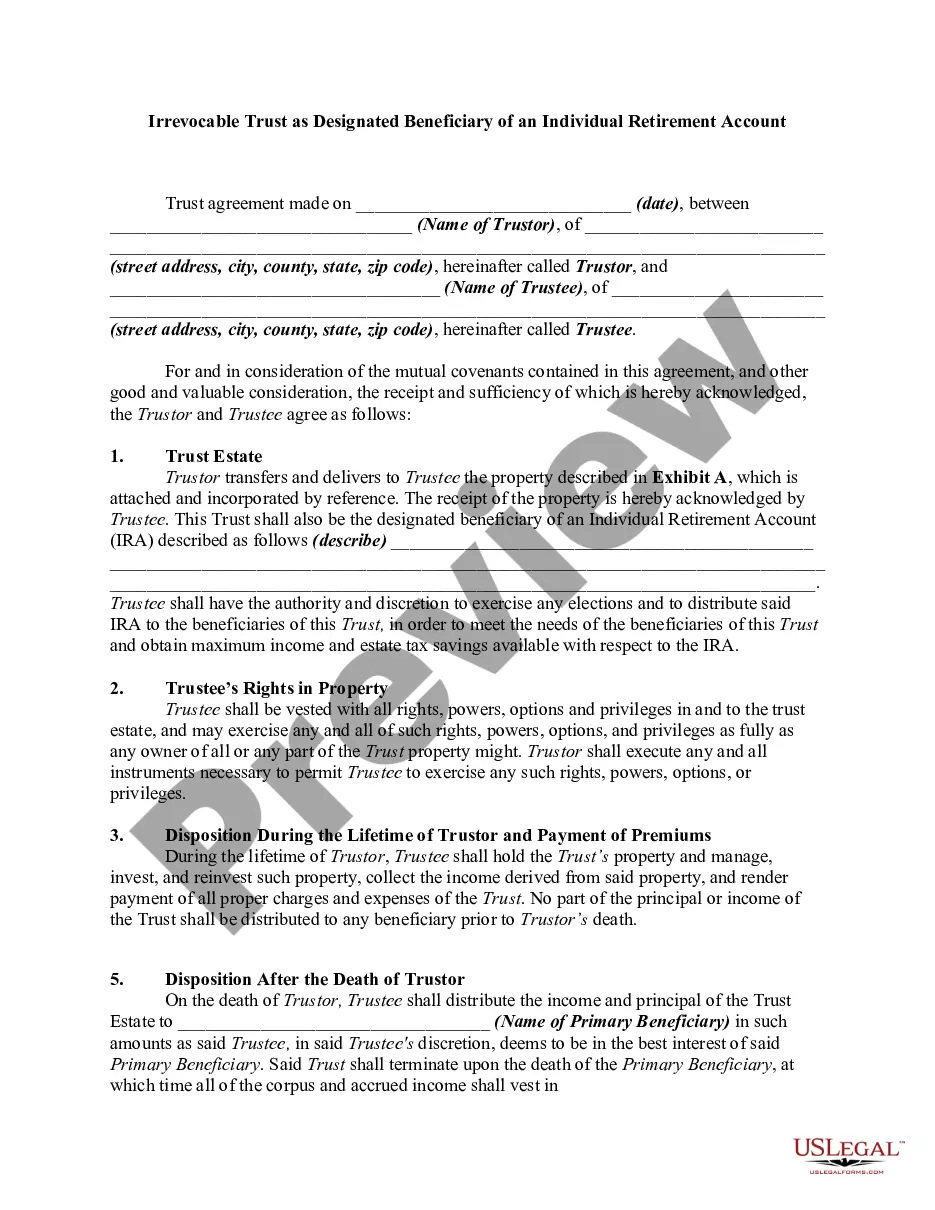
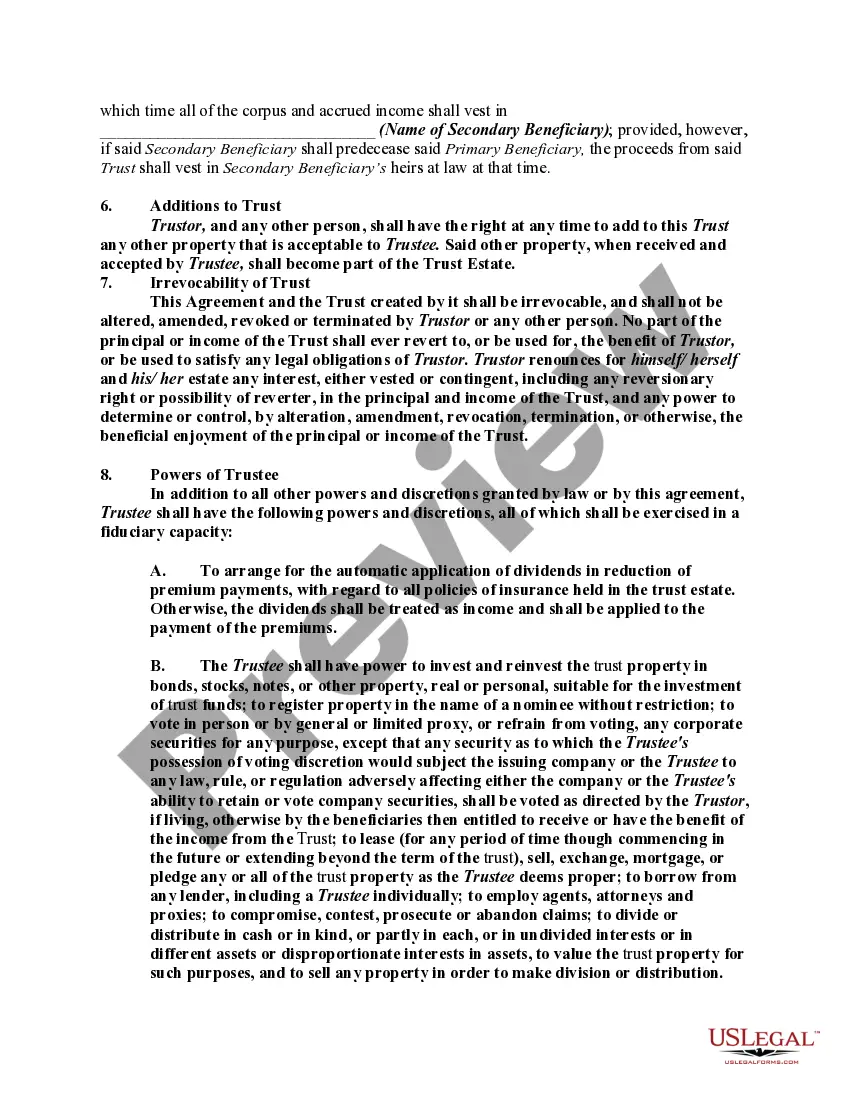
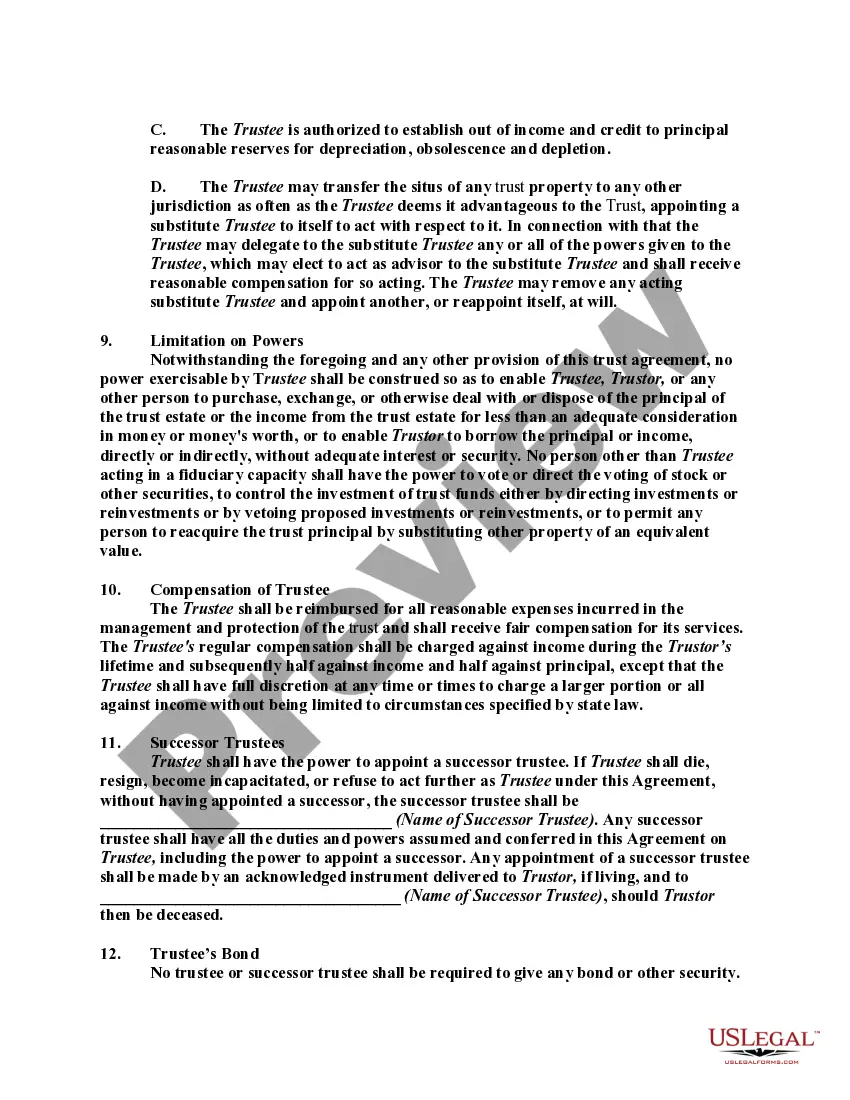
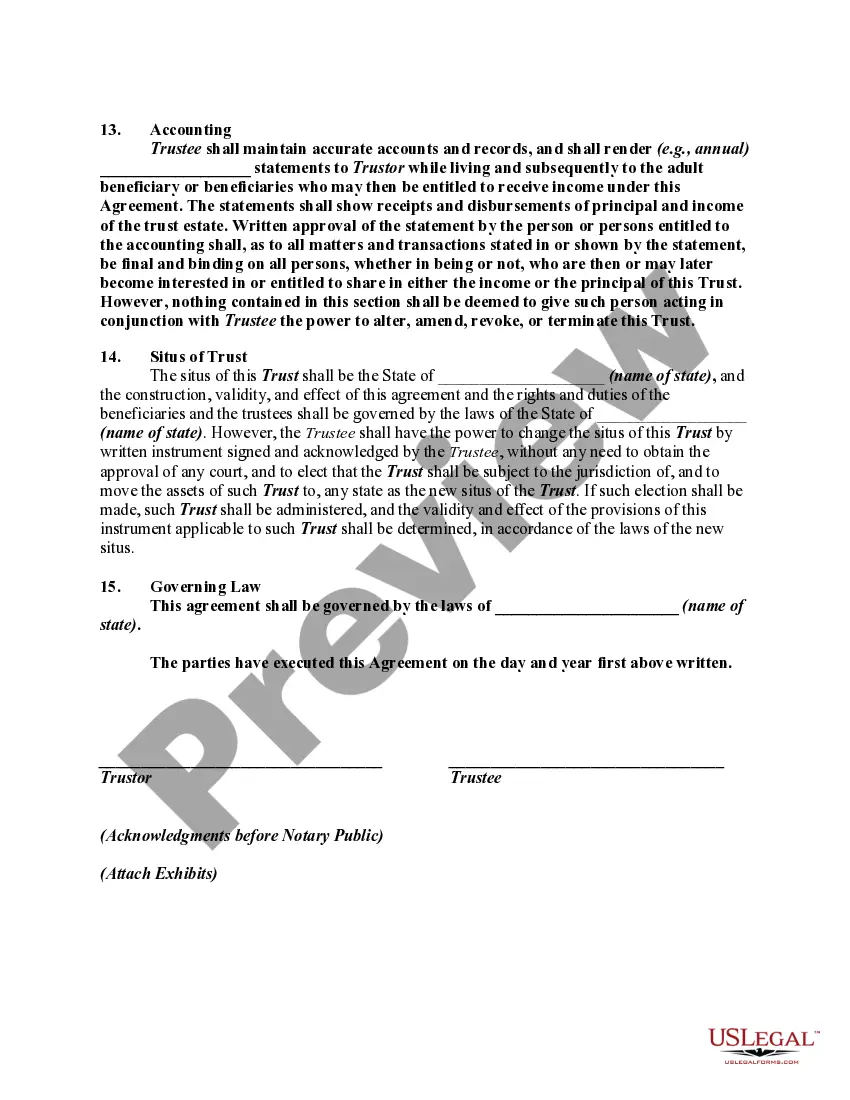
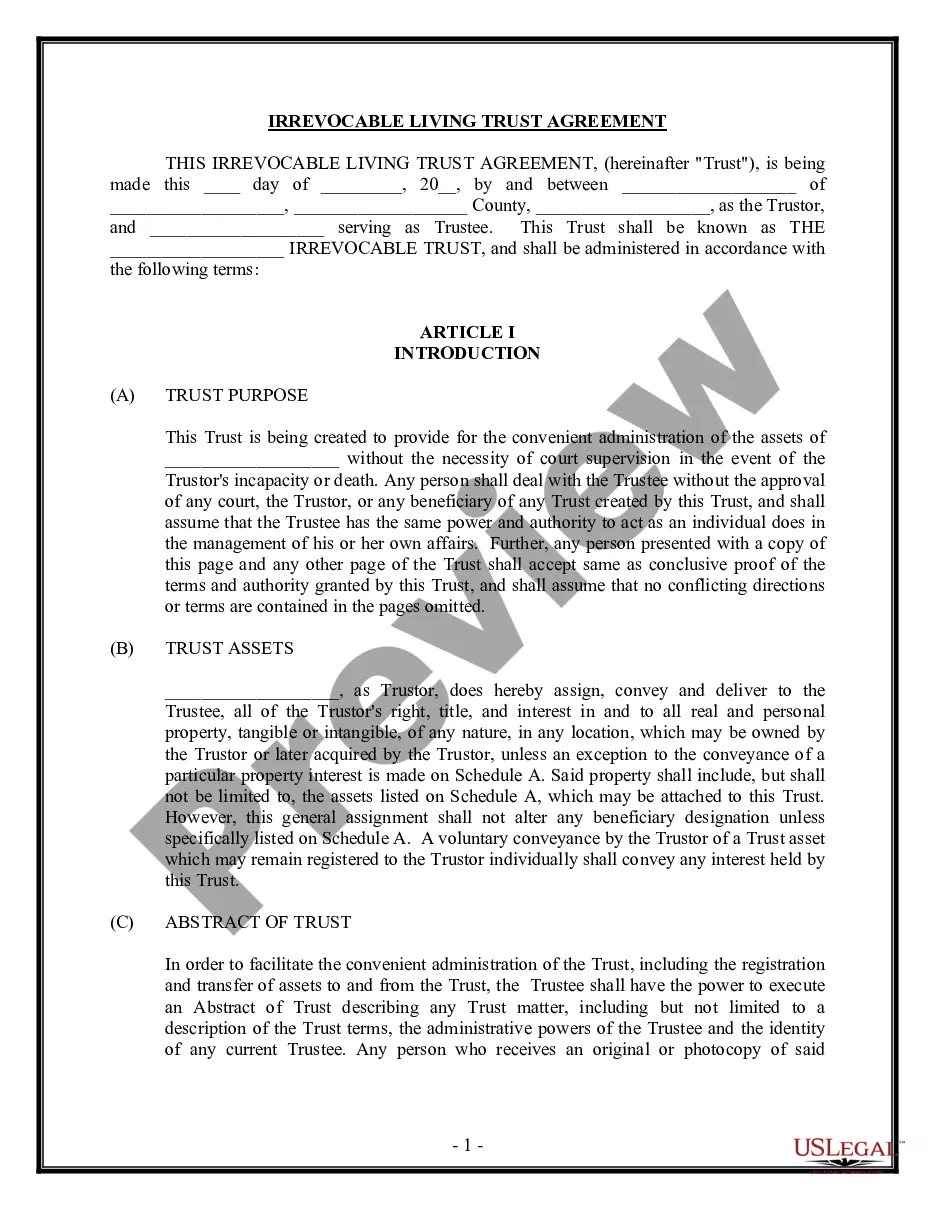
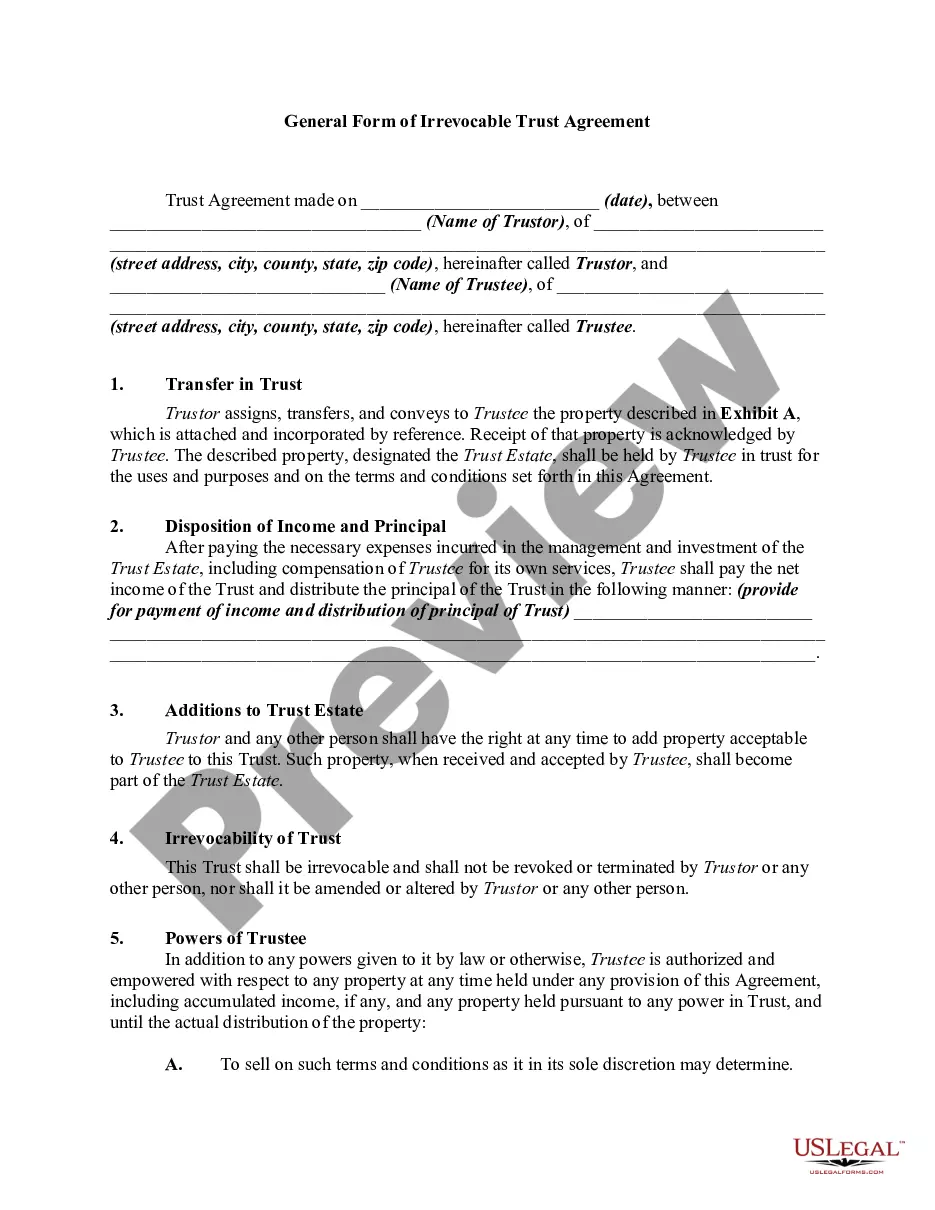
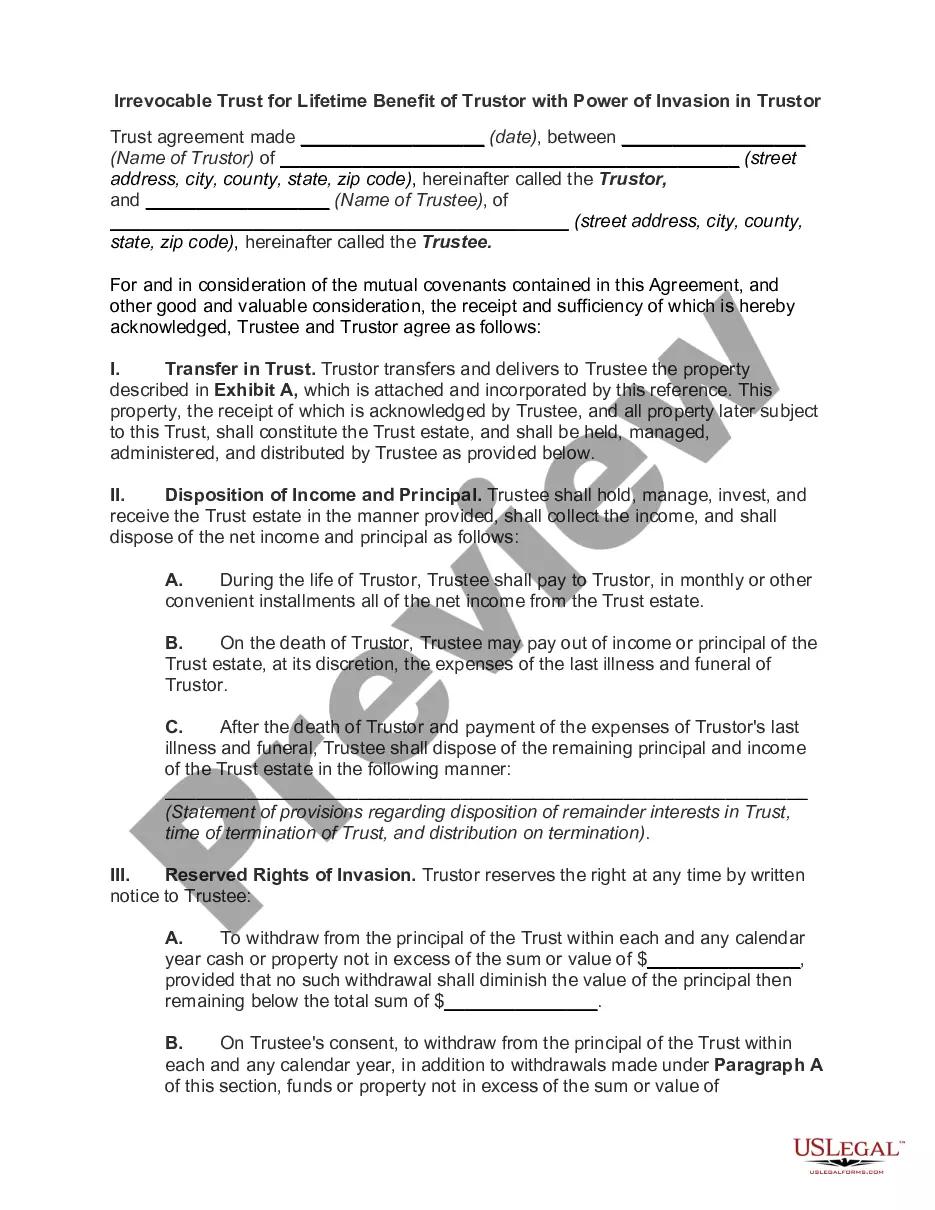
How to fill out Irrevocable Trust As Designated Beneficiary Of An Individual Retirement Account?
Accessing legal templates that comply with federal and local regulations is essential, and the internet provides numerous choices to select from.
However, what is the purpose of spending time searching for the appropriate Pod Beneficiaries Bank Account With Multiple example online when the US Legal Forms digital library already compiles such templates in one location.
US Legal Forms is the largest online legal directory featuring over 85,000 fillable templates created by legal professionals for various business and personal situations.
Review the template using the Preview option or through the text description to ensure it aligns with your needs.
- They are easy to navigate with all documents categorized by state and intended use.
- Our experts keep up with legal updates, ensuring your documents are current and compliant when obtaining a Pod Beneficiaries Bank Account With Multiple from our site.
- Acquiring a Pod Beneficiaries Bank Account With Multiple is quick and uncomplicated for both existing and new users.
- If you already possess an account with an active subscription, Log In and save the document template you need in the preferred format.
- If you're new to our site, follow the steps below.
Form popularity
FAQ
With the form filed, the bank has a legal document clearly stating who you named as beneficiary (who should inherit the money in your account). P.O.D.s typically override a Will or any other financial Estate Planning document (such as a Trust).
Yes, there is no limit to the number of POD beneficiaries allowed on an account. Each POD beneficiary will receive an equal share of the assets in an account at the time of the passing of the last owner on the account. For example, if there are 4 POD beneficiaries, each will receive 25% of the funds.
The account holder needs only to notify the bank of who the beneficiary should be. The bank, on its end, will give the owner of the account a beneficiary designation form called a Totten trust to fill out. The completed form gives the bank authorization to convert the account to a POD.
Most joint bank accounts include automatic rights of survivorship, which means that after one account signer dies, the remaining signer (or signers) retain ownership of the money in the account. The surviving primary account owner can continue using the account, and the money in it, without any interruptions.
Both of them are great tools for avoiding probate. A beneficiary is typically used for a life insurance policy, IRA, 401k or an annuity. POD, payable on death, is used to avoid probate on a bank account, checking, savings, money market or CD.