Irrevocable Trust Template With Crummey Provisions
Description
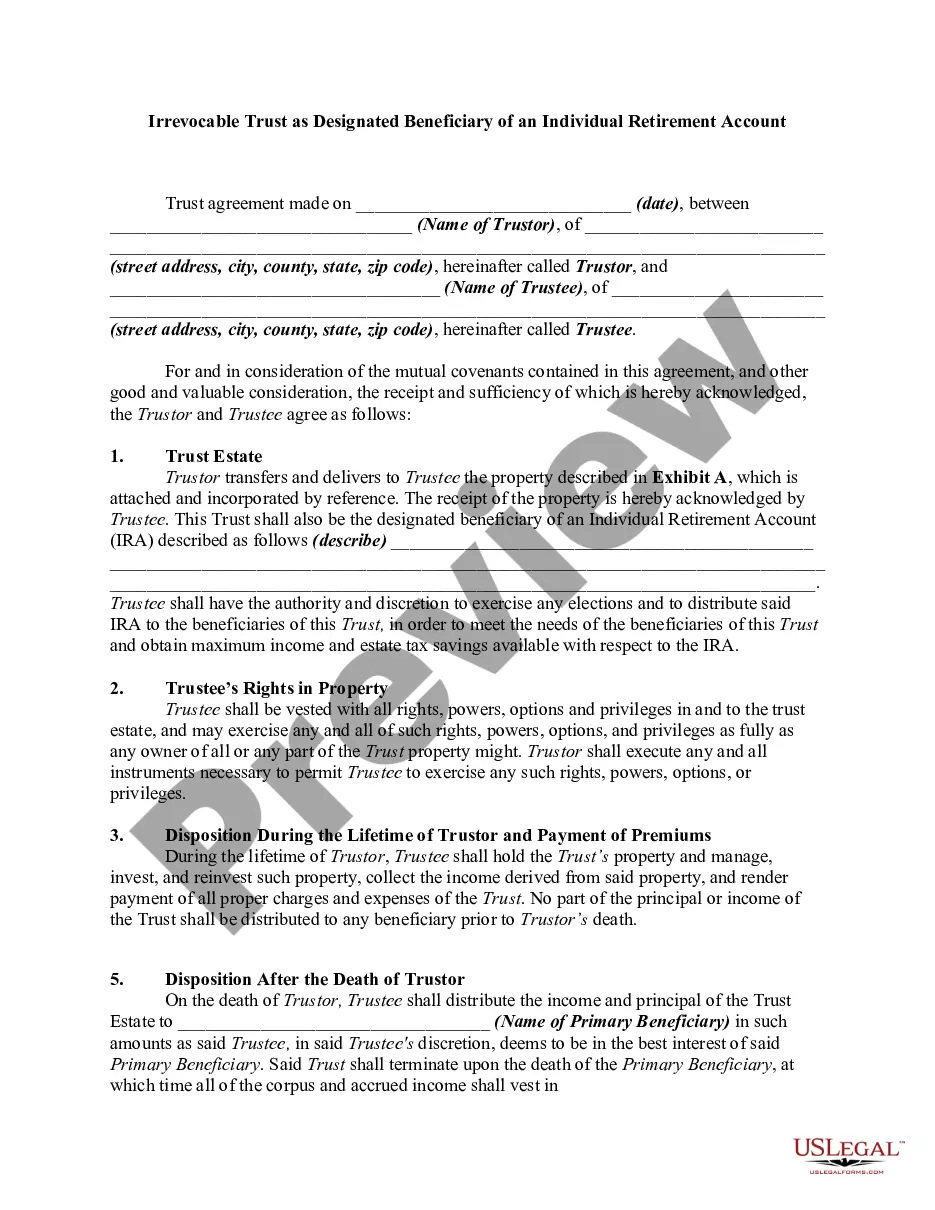
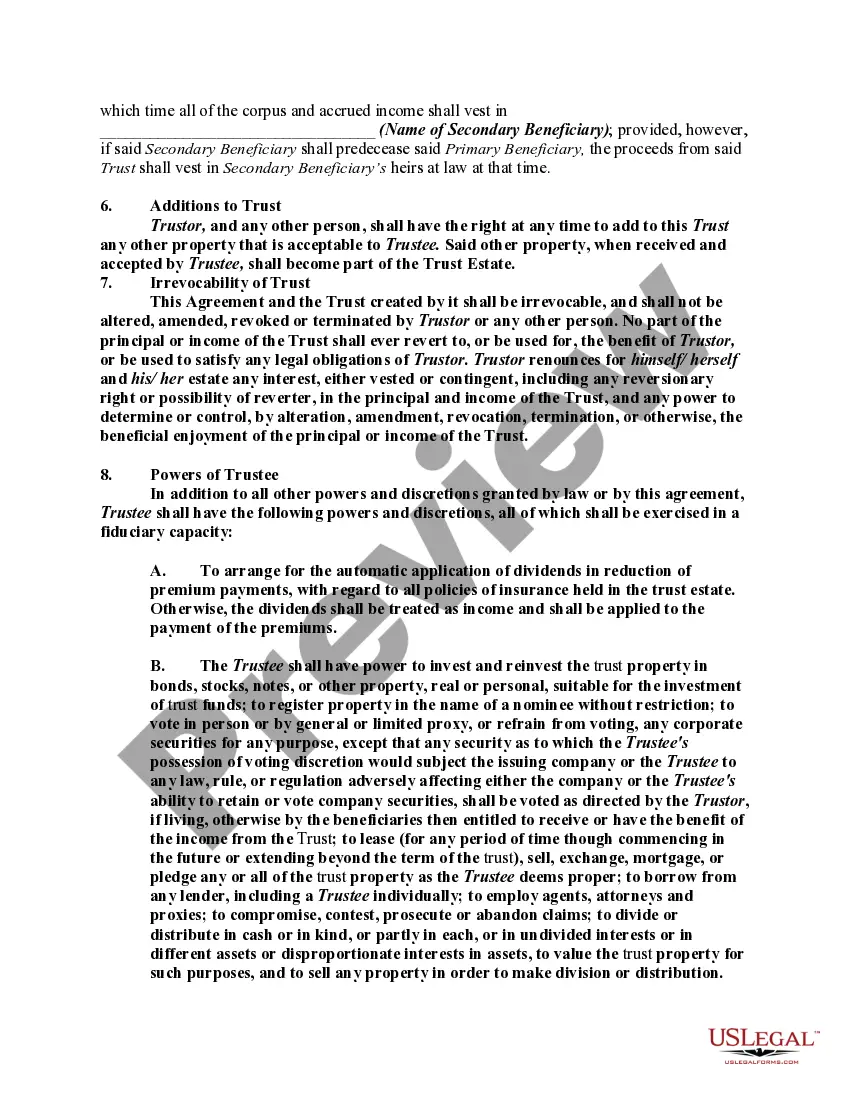
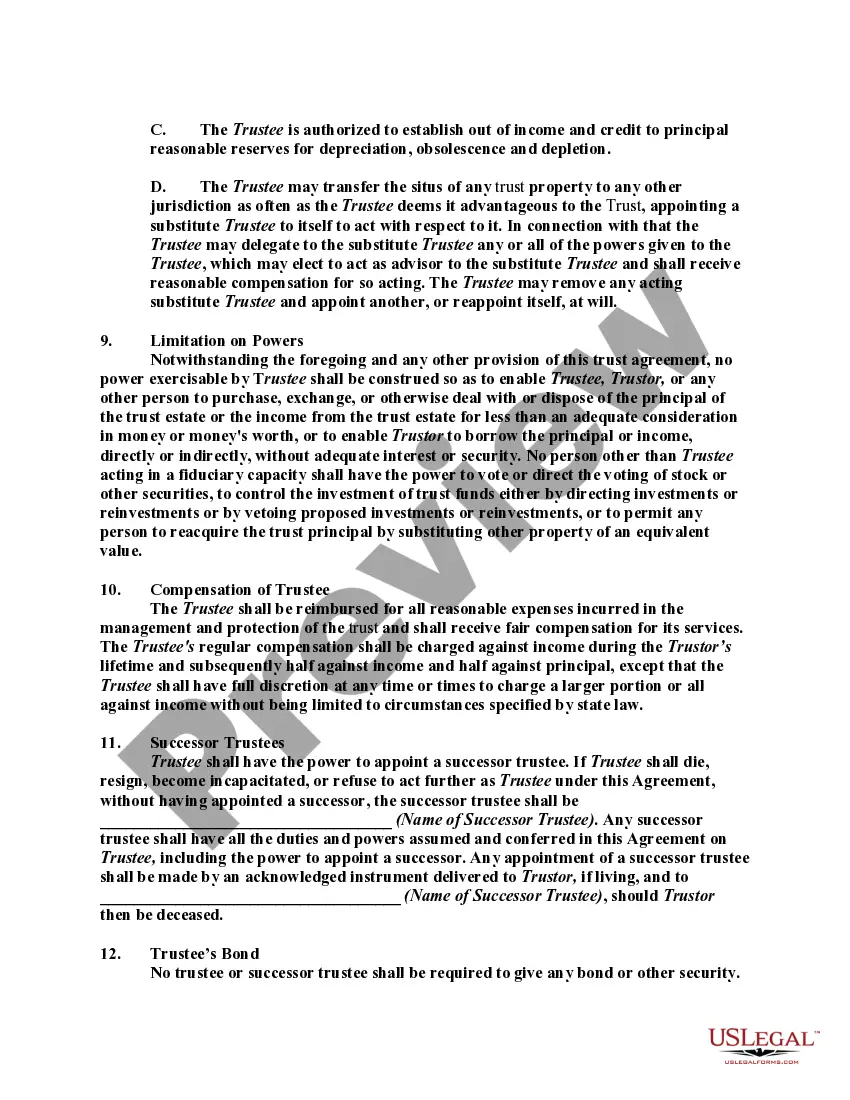
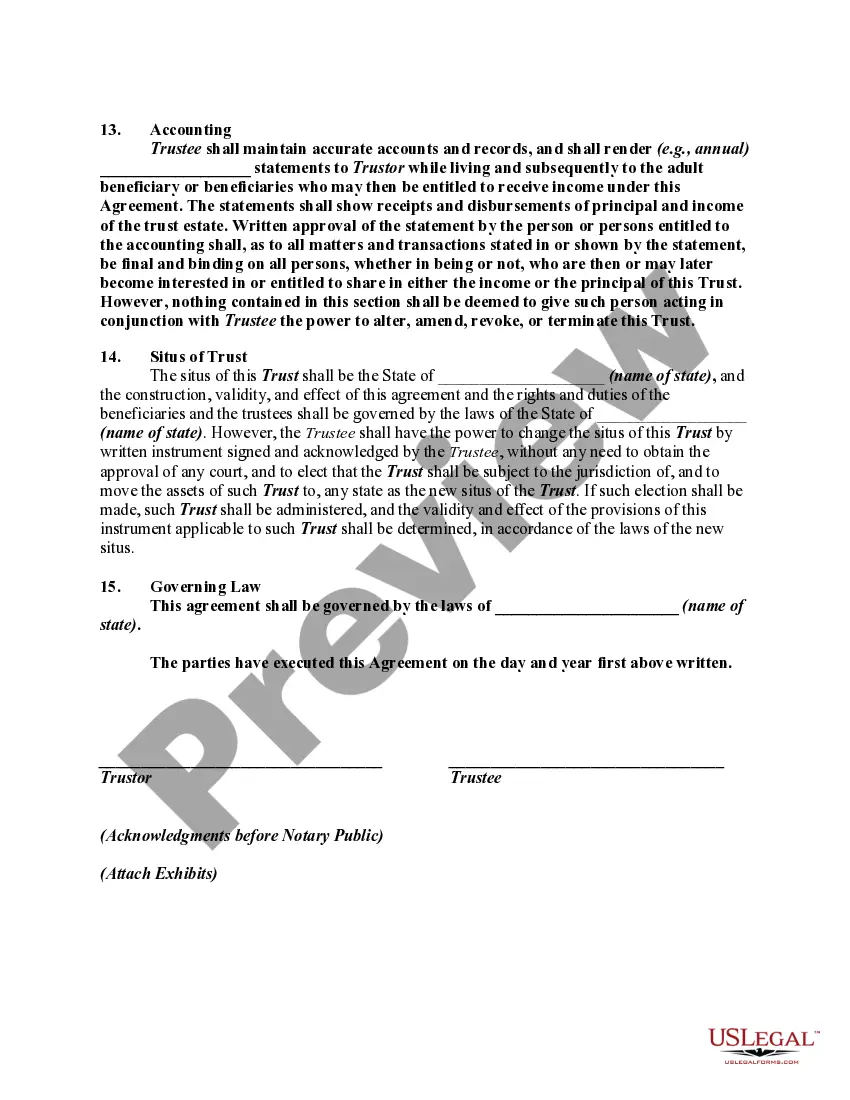

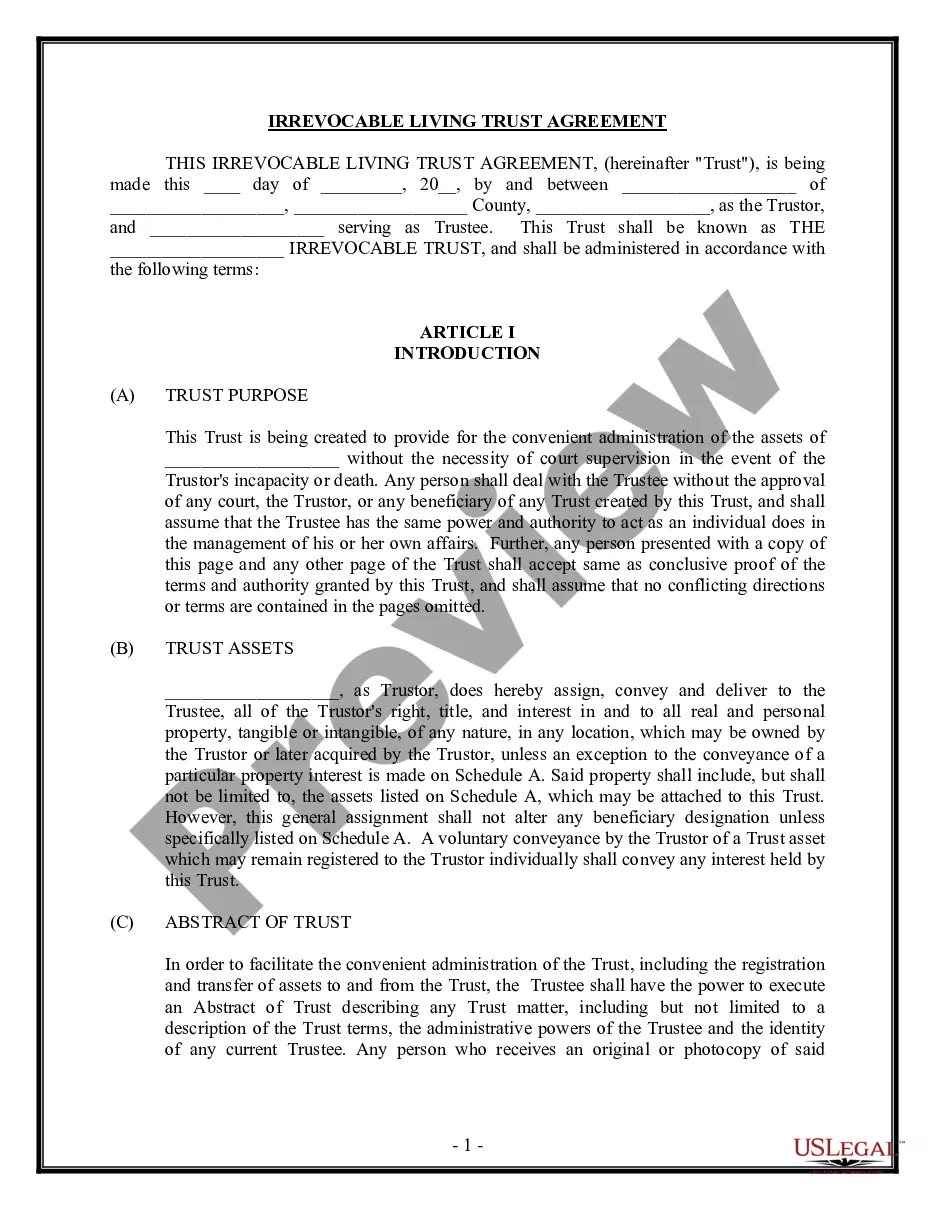
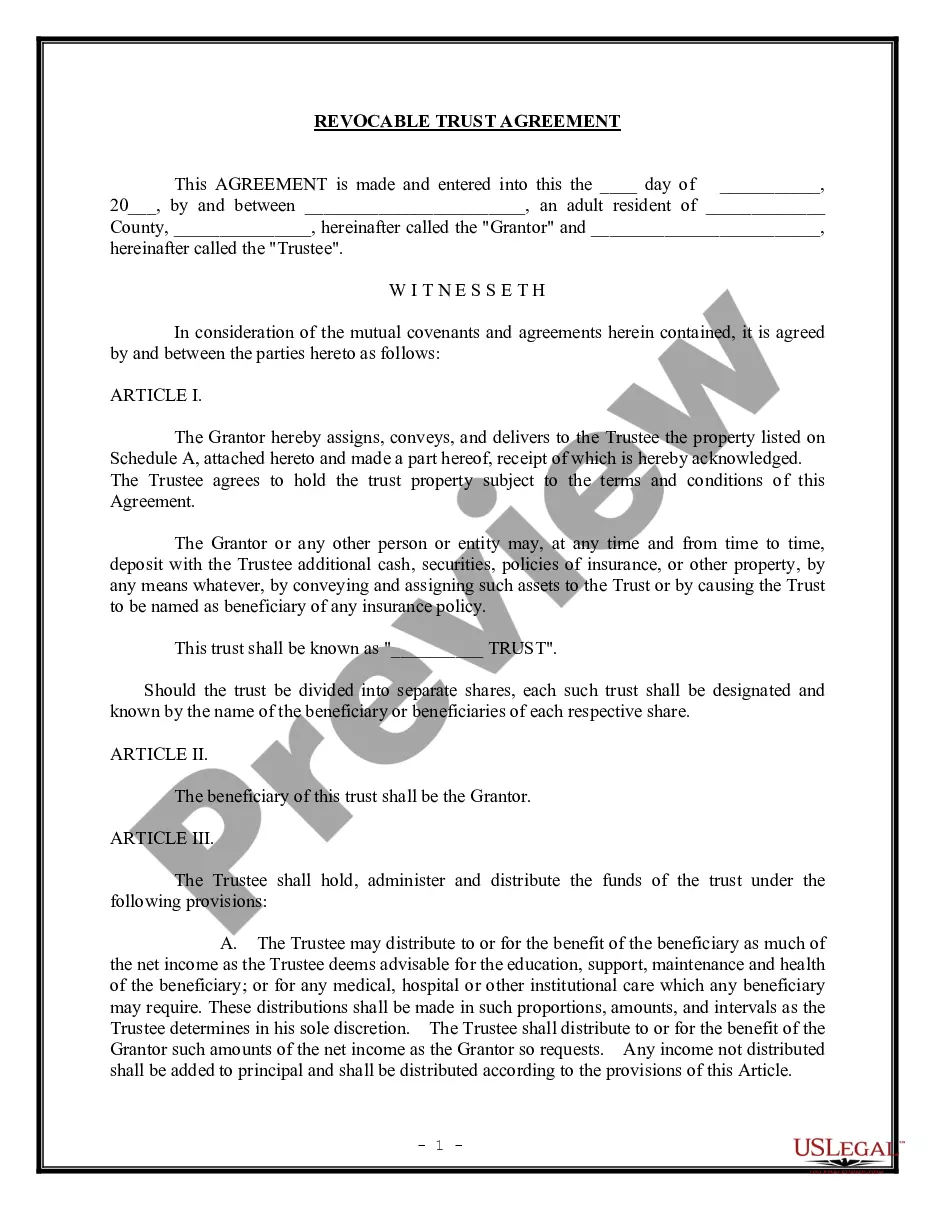
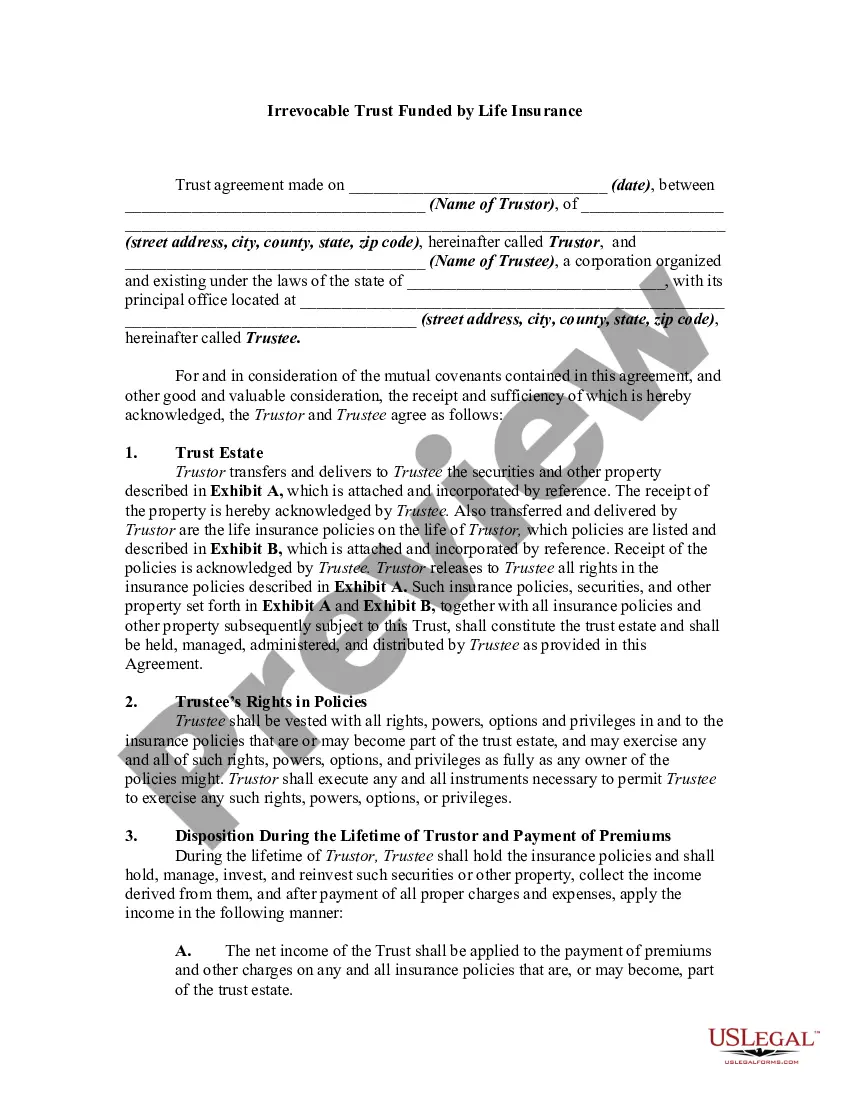
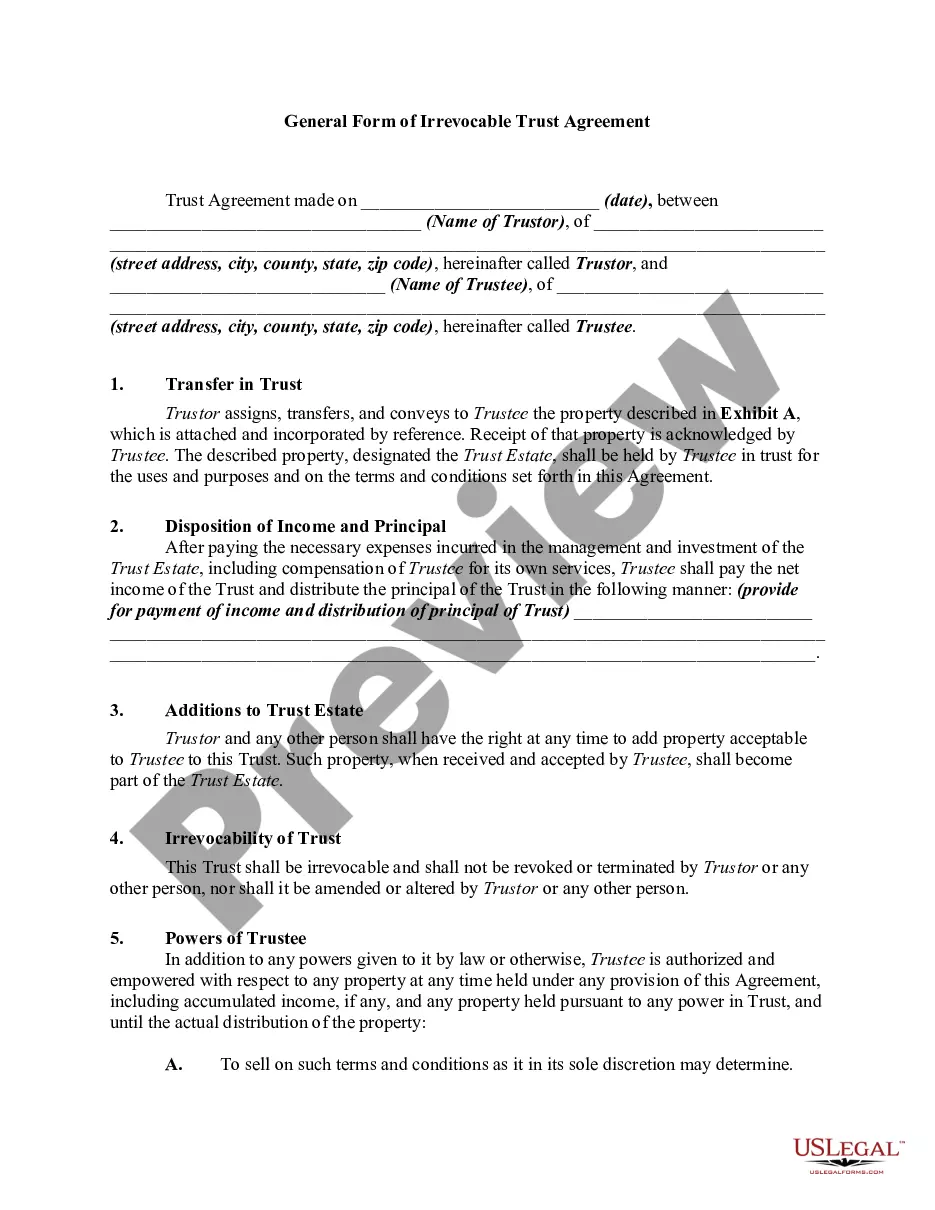
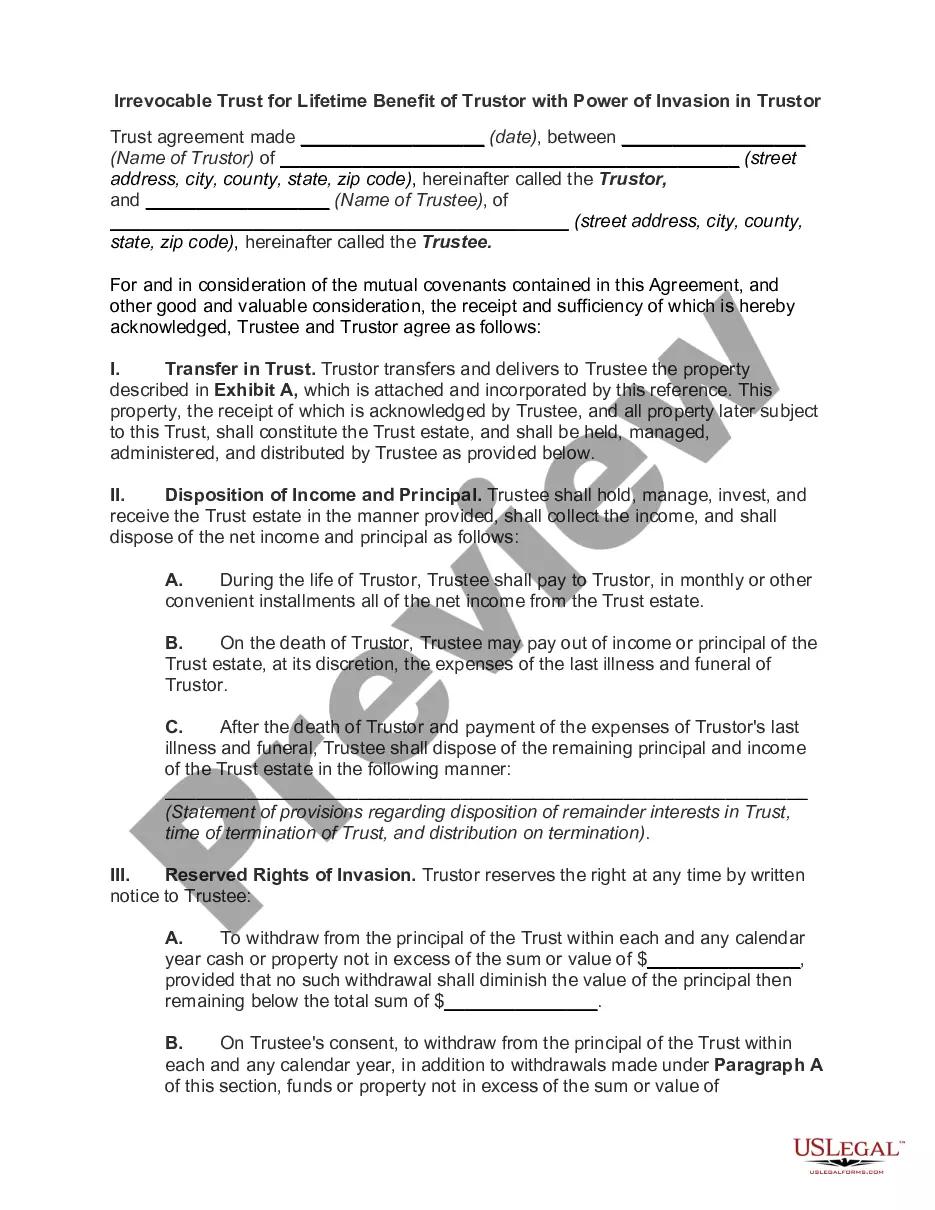
Get your form ready online
Our built-in tools help you complete, sign, share, and store your documents in one place.
Make edits, fill in missing information, and update formatting in US Legal Forms—just like you would in MS Word.
Download a copy, print it, send it by email, or mail it via USPS—whatever works best for your next step.
Sign and collect signatures with our SignNow integration. Send to multiple recipients, set reminders, and more. Go Premium to unlock E-Sign.
If this form requires notarization, complete it online through a secure video call—no need to meet a notary in person or wait for an appointment.
We protect your documents and personal data by following strict security and privacy standards.

Make edits, fill in missing information, and update formatting in US Legal Forms—just like you would in MS Word.

Download a copy, print it, send it by email, or mail it via USPS—whatever works best for your next step.

Sign and collect signatures with our SignNow integration. Send to multiple recipients, set reminders, and more. Go Premium to unlock E-Sign.

If this form requires notarization, complete it online through a secure video call—no need to meet a notary in person or wait for an appointment.

We protect your documents and personal data by following strict security and privacy standards.
Looking for another form?


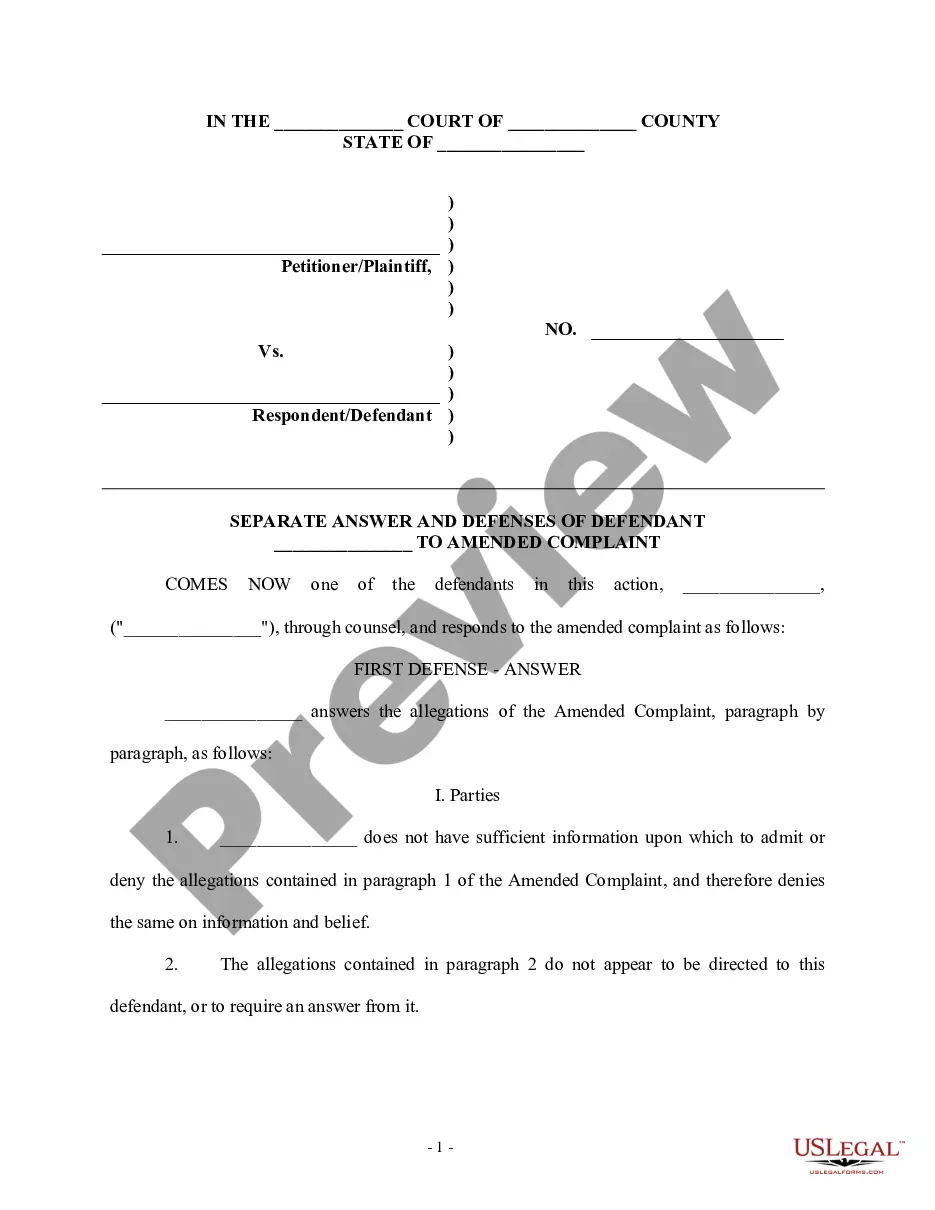

How to fill out Irrevocable Trust As Designated Beneficiary Of An Individual Retirement Account?
- Sign in to your US Legal Forms account if you're a returning user, or create a new account if this is your first visit.
- Navigate to the template library and locate the Irrevocable trust with Crummey provisions by reviewing the description and formatting.
- If the template doesn’t match your needs, use the search bar to find a suitable alternative that aligns with your jurisdiction.
- Select the 'Buy Now' option, choose your subscription plan, and register your account to gain full access to form resources.
- Enter your payment details through credit card or PayPal to finalize your purchase.
- Download the completed form and save it on your device. You can always access it later in the 'My Forms' section of your profile.
Following these straightforward steps will ensure you quickly acquire the necessary documents tailored to your requirements.
US Legal Forms enables you to navigate the legal paperwork landscape effortlessly. Start your journey today and take advantage of our comprehensive legal resources!
Form popularity
FAQ
Crummey letters can indeed be emailed, which can save you time and ensure swift communication with beneficiaries. Using an irrevocable trust template with crummey provisions includes instructions on how to effectively distribute these letters. Just be sure to maintain a record of such communications, and consider using uslegalforms for templates that guide you through best practices.
Yes, you can write your own irrevocable trust if you follow a structured format using an irrevocable trust template with crummey provisions. While writing your own trust offers flexibility, it's essential to ensure that all legal elements are properly addressed. Engaging with uslegalforms can help you access professional templates and resources to simplify the writing process, minimizing the risk of errors.
You can create an irrevocable trust yourself using an irrevocable trust template with crummey provisions. However, consider that the complexities involved can be significant. It is crucial to understand the legal requirements and implications of such trusts. Using a reliable platform like uslegalforms can provide you with the necessary guidance and templates to ensure compliance.
You generally cannot place assets that you wish to maintain control over or access to in an irrevocable trust. For instance, personal residences or business assets that you actively manage should be avoided. By selecting the right assets for your irrevocable trust template with Crummey provisions, you can enhance your estate planning while ensuring your goals are met.
Typically, you should consider placing assets that you want to protect from creditors, taxation, or probate into an irrevocable trust. Examples include life insurance policies, investment accounts, and real estate. These assets benefit significantly from the protection an irrevocable trust template with Crummey provisions offers while ensuring you meet your estate planning goals.
One common mistake parents make is failing to clearly communicate their intentions to their children regarding the trust fund. Without open discussions, beneficiaries may lack understanding of how to utilize the irrevocable trust template with Crummey provisions effectively. Moreover, parents may overlook naming appropriate trustees or fail to review the trust periodically, which can lead to complications down the road.
Crummey provisions allow beneficiaries to withdraw contributions made to their irrevocable trust for a limited time. This feature helps satisfy the annual gift tax exclusion, providing tax advantages while also allowing beneficiaries beneficial access to trust assets. Essentially, incorporating Crummey provisions in your irrevocable trust template can help optimize tax benefits while ensuring that your beneficiaries remain engaged.
Yes, a Crummey trust typically must file a tax return if it meets certain income thresholds. When setting up your irrevocable trust template with Crummey provisions, it's crucial to consider any income the trust generates. The income may be subject to taxation, and the trust must file Form 1041, the U.S. Income Tax Return for Estates and Trusts. To simplify this process, you can use US Legal Forms to find a reliable tax filing solution tailored to your specific needs.
The 5 or 5 rule for Crummey Trusts allows beneficiaries to withdraw contributions made to the trust, up to the greater of $5,000 or 5% of the trust's value. This rule is beneficial because it ensures that trust contributions qualify for the annual exclusion from gift tax, making it a strategic element of an irrevocable trust template with crummey provisions. Understanding this rule can help you maximize tax benefits while maintaining flexibility for beneficiaries.
A family trust may present disadvantages such as potential conflicts among family members. If not properly managed, disagreements about asset management and distribution can arise, leading to tension or disputes. Furthermore, like all trusts, the family trust involves legal fees and ongoing administrative tasks.