Implied Contracts In Law
Description
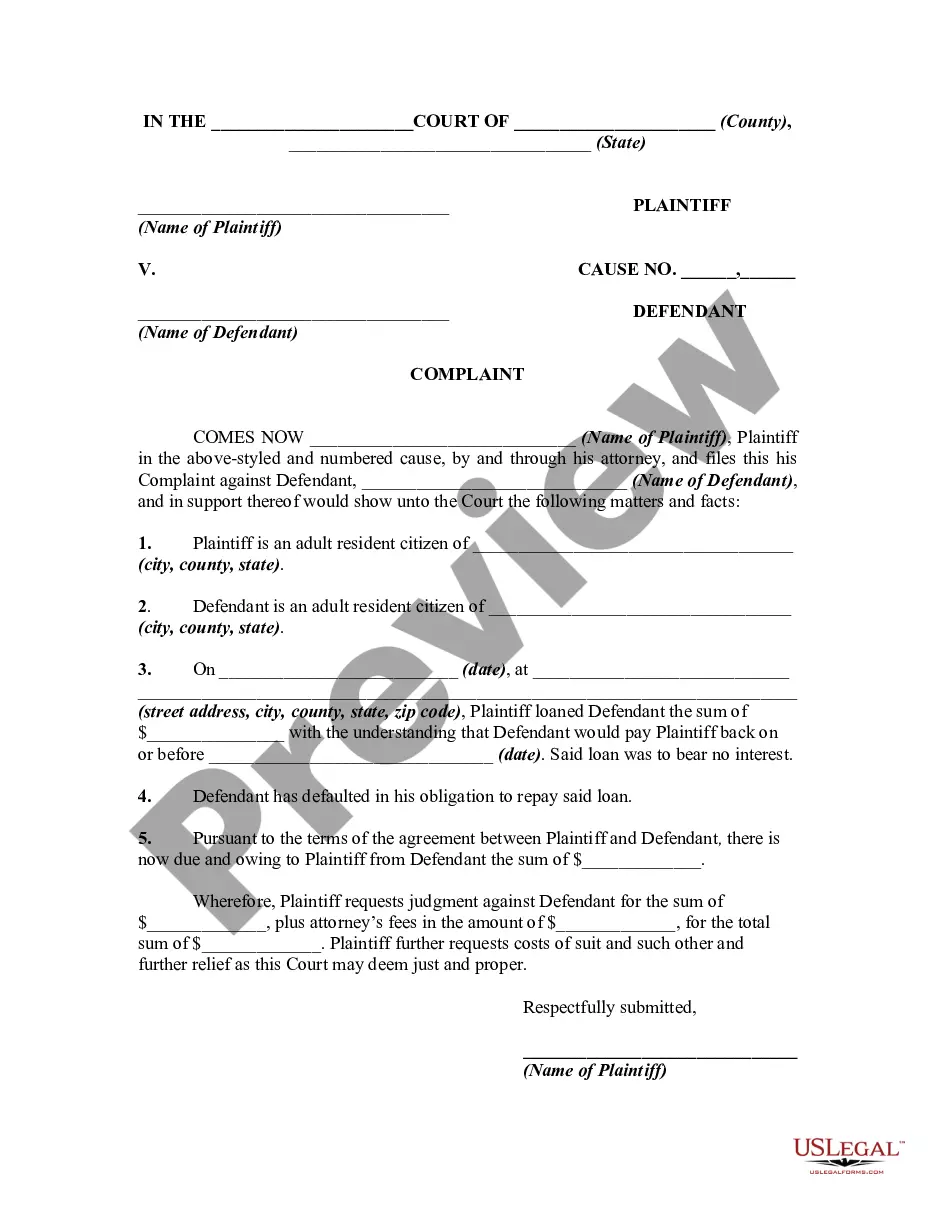
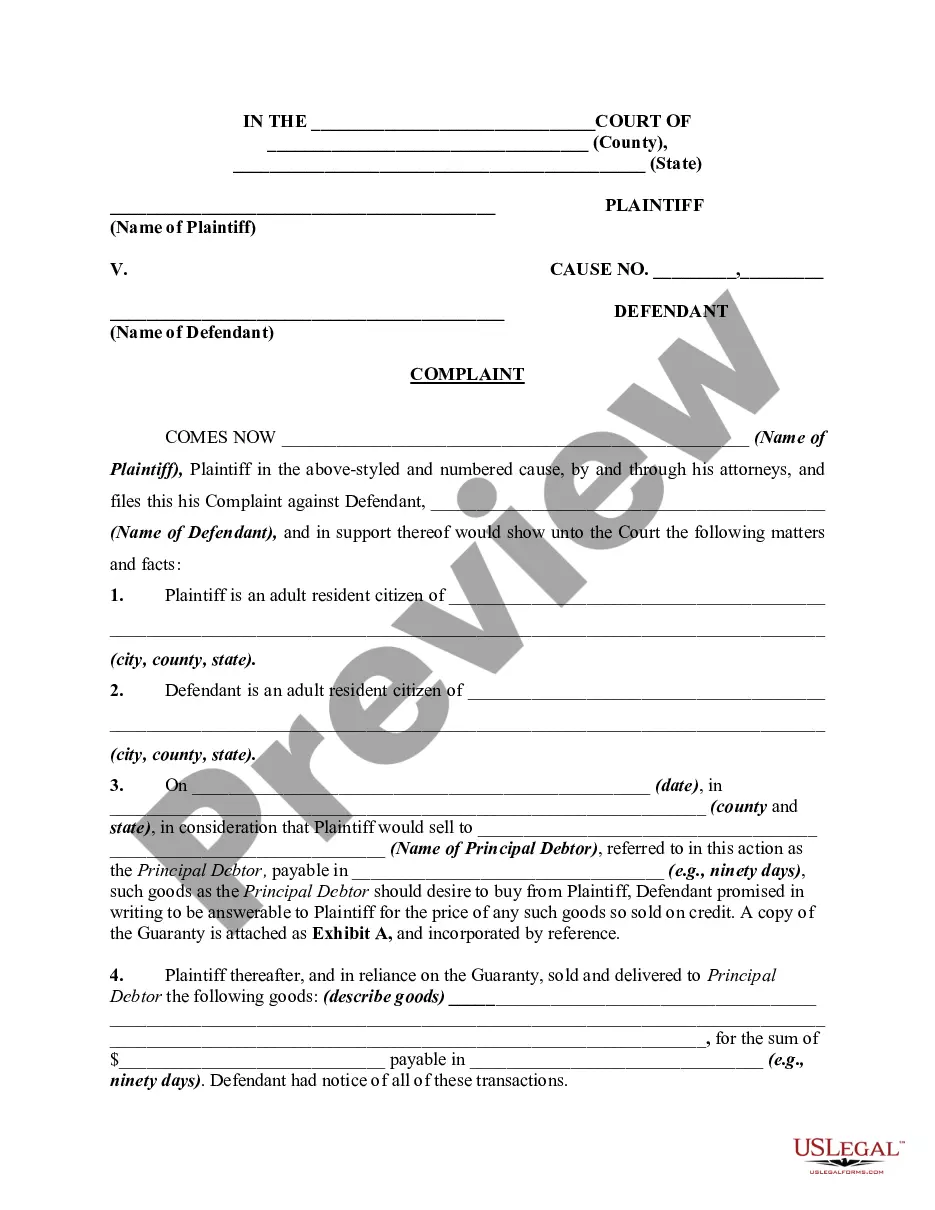
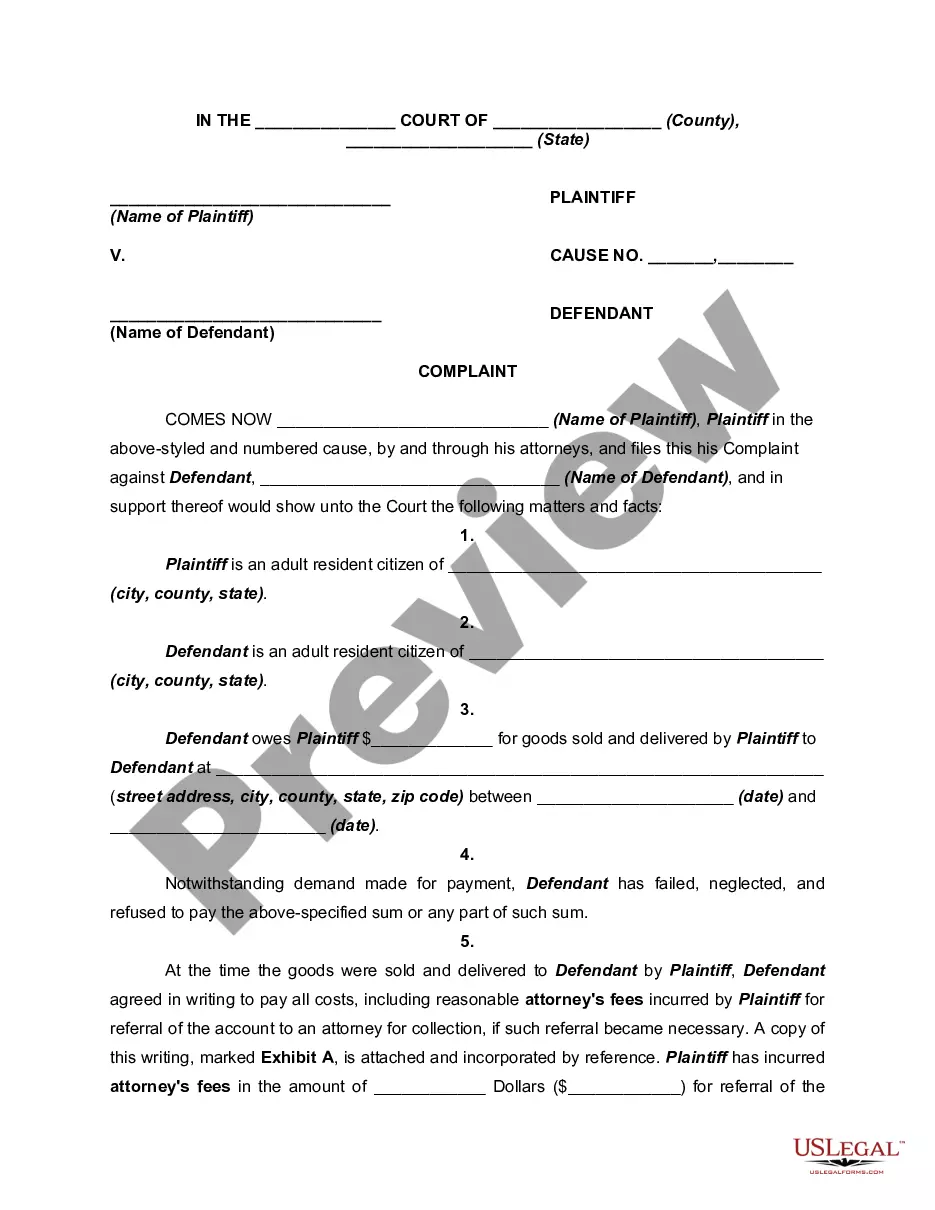
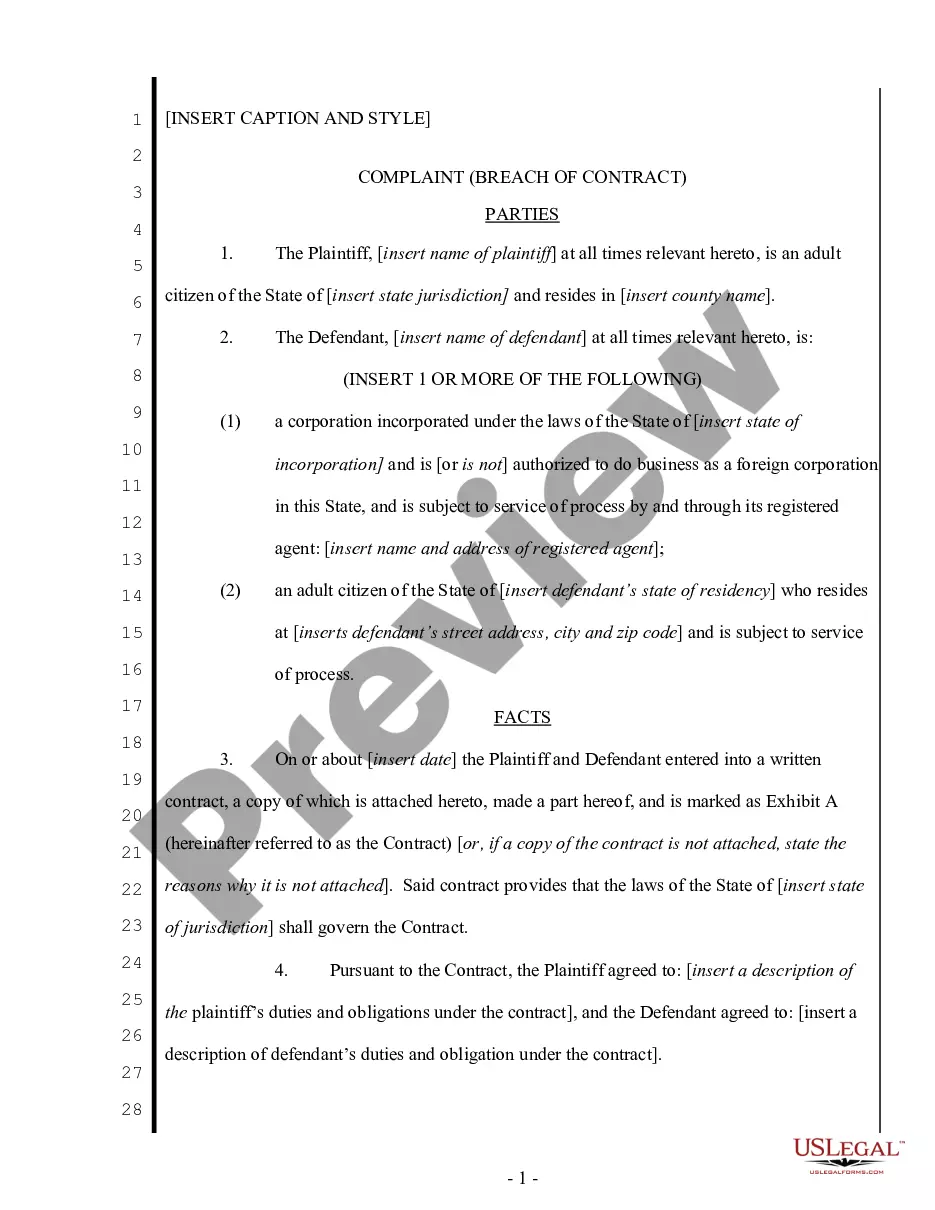
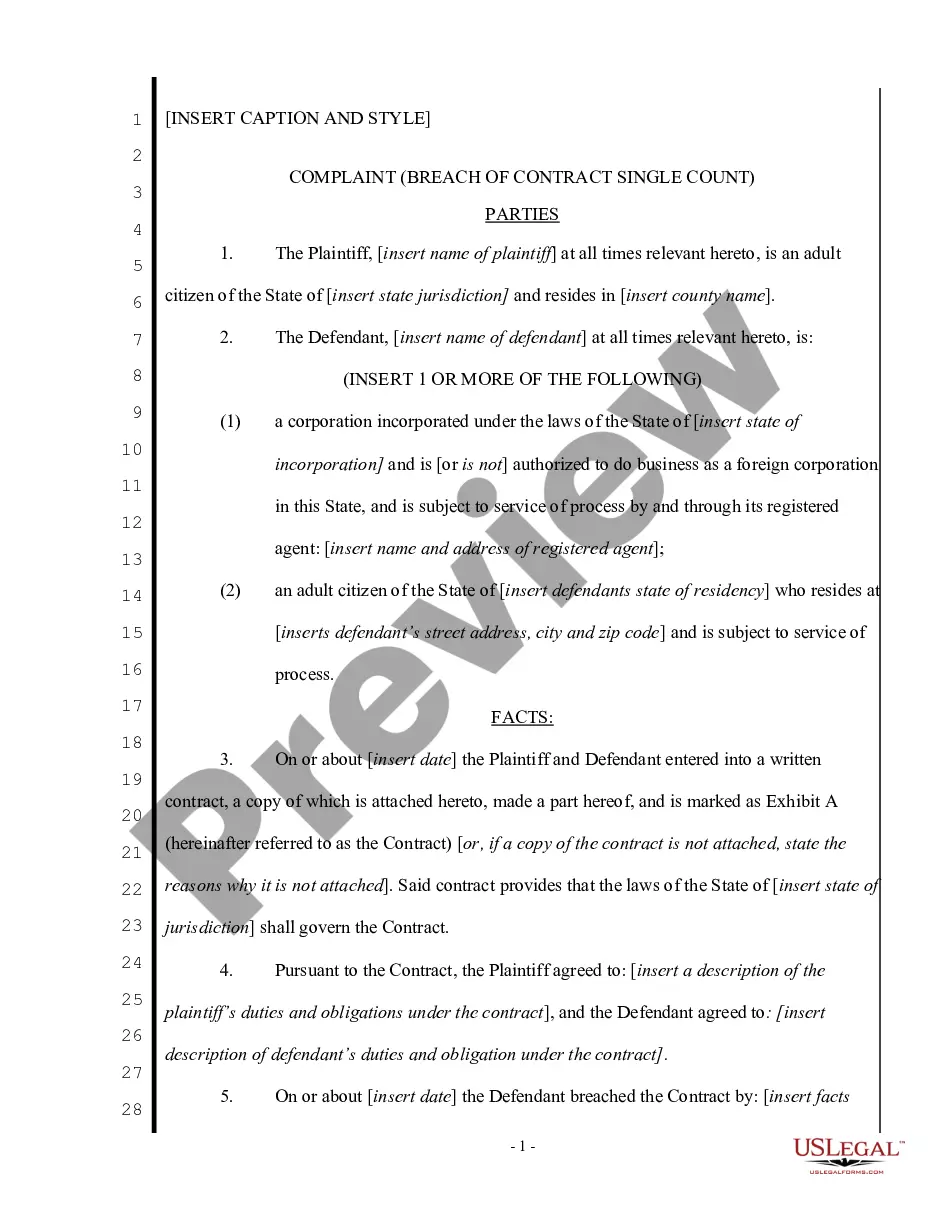

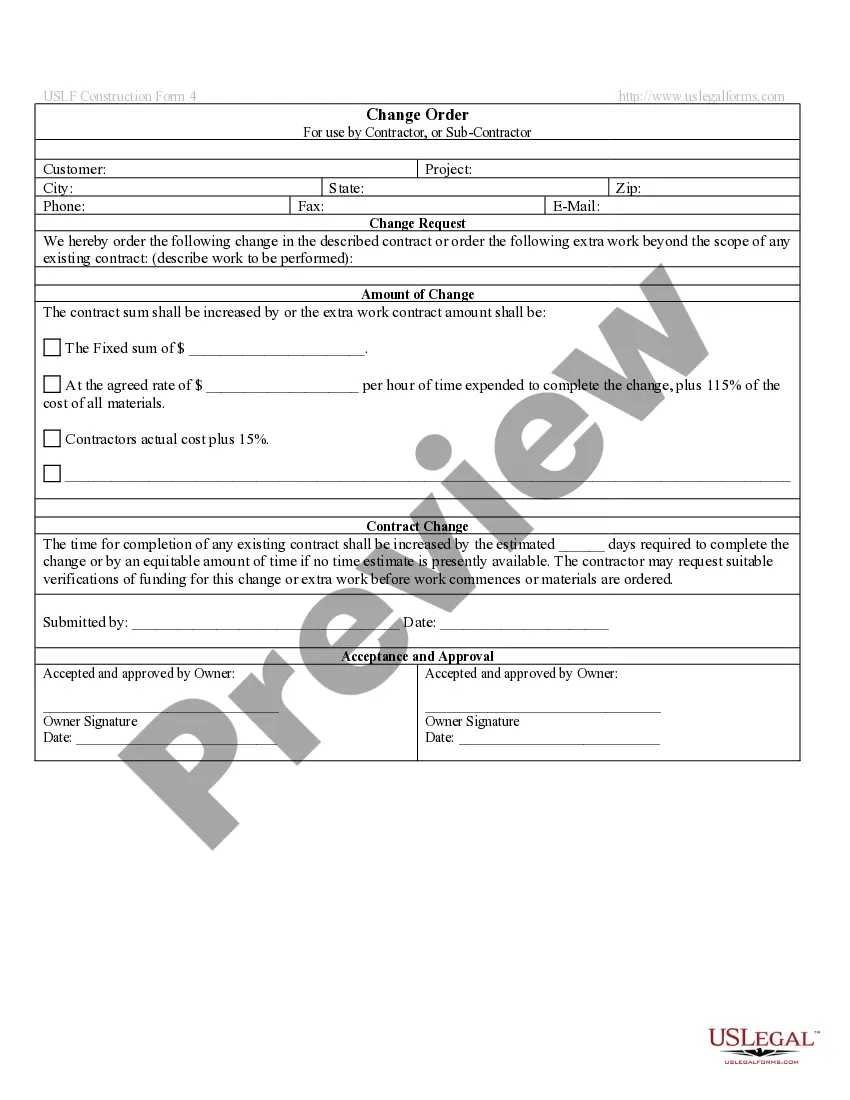

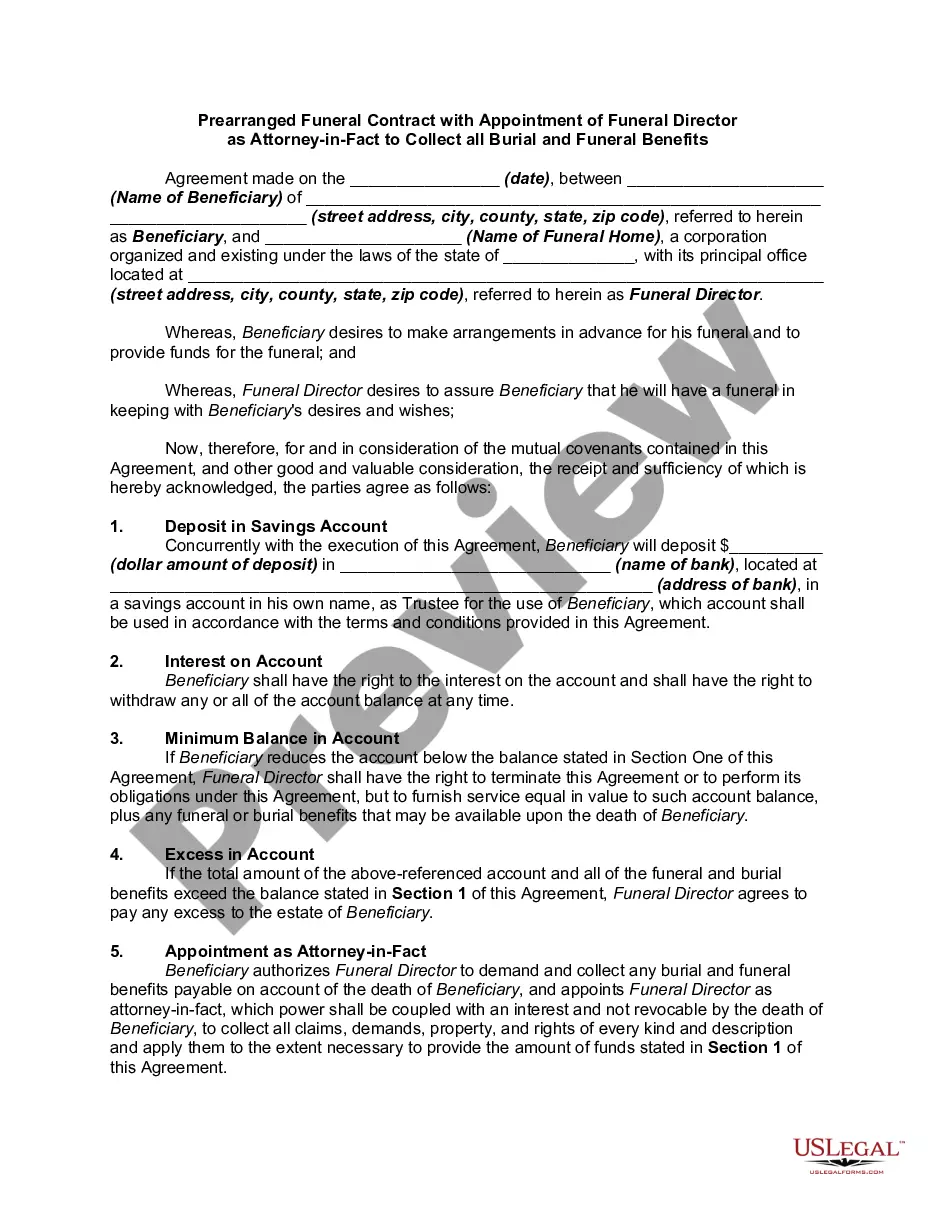
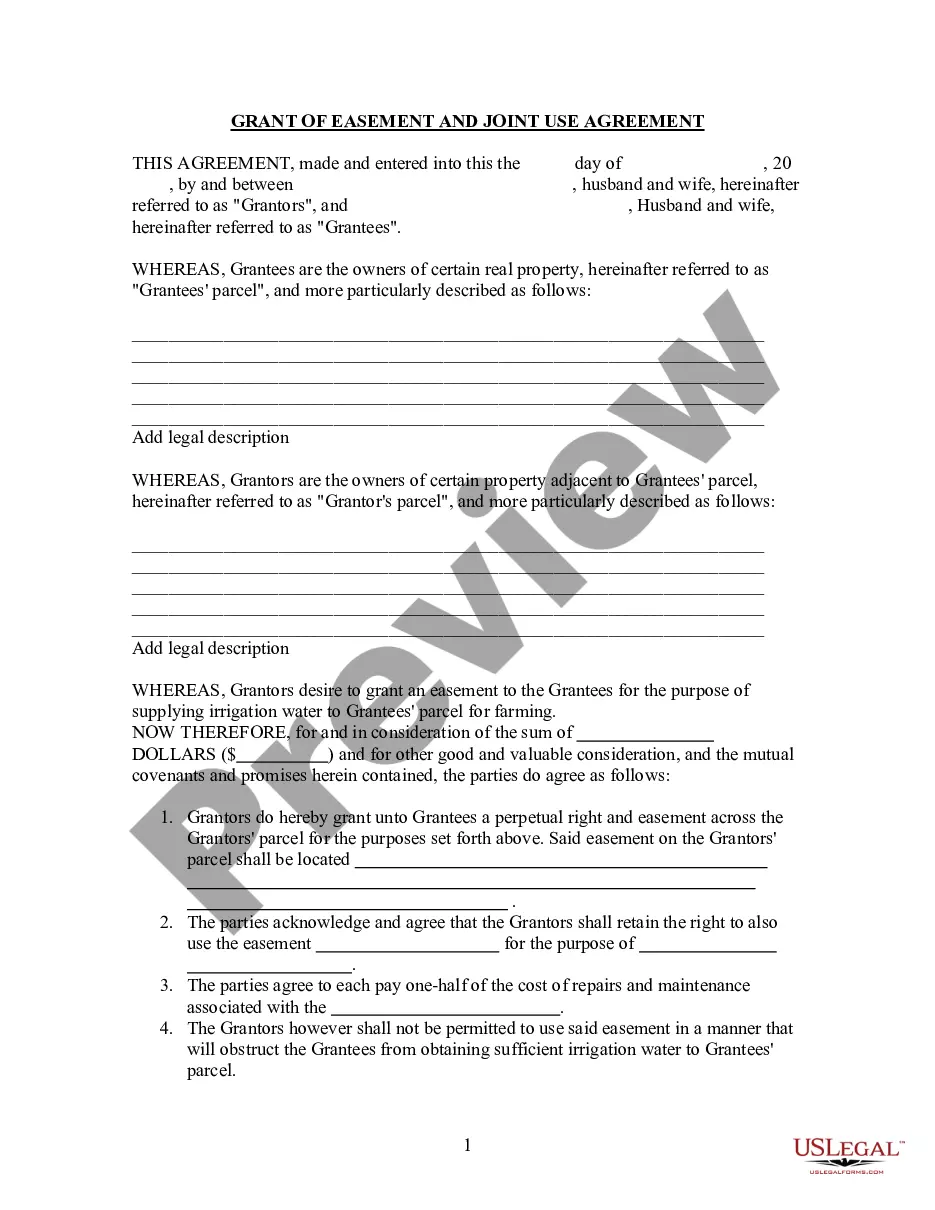
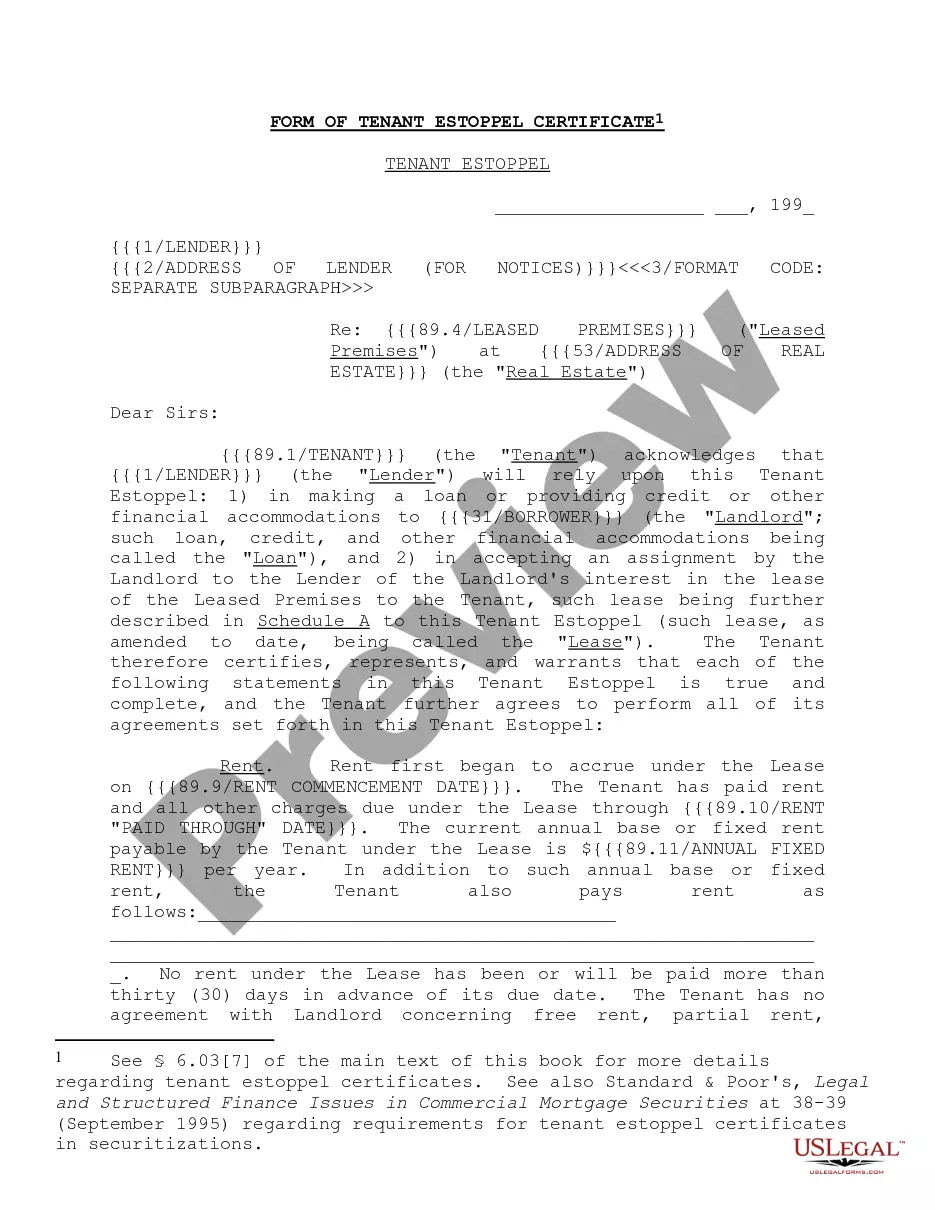
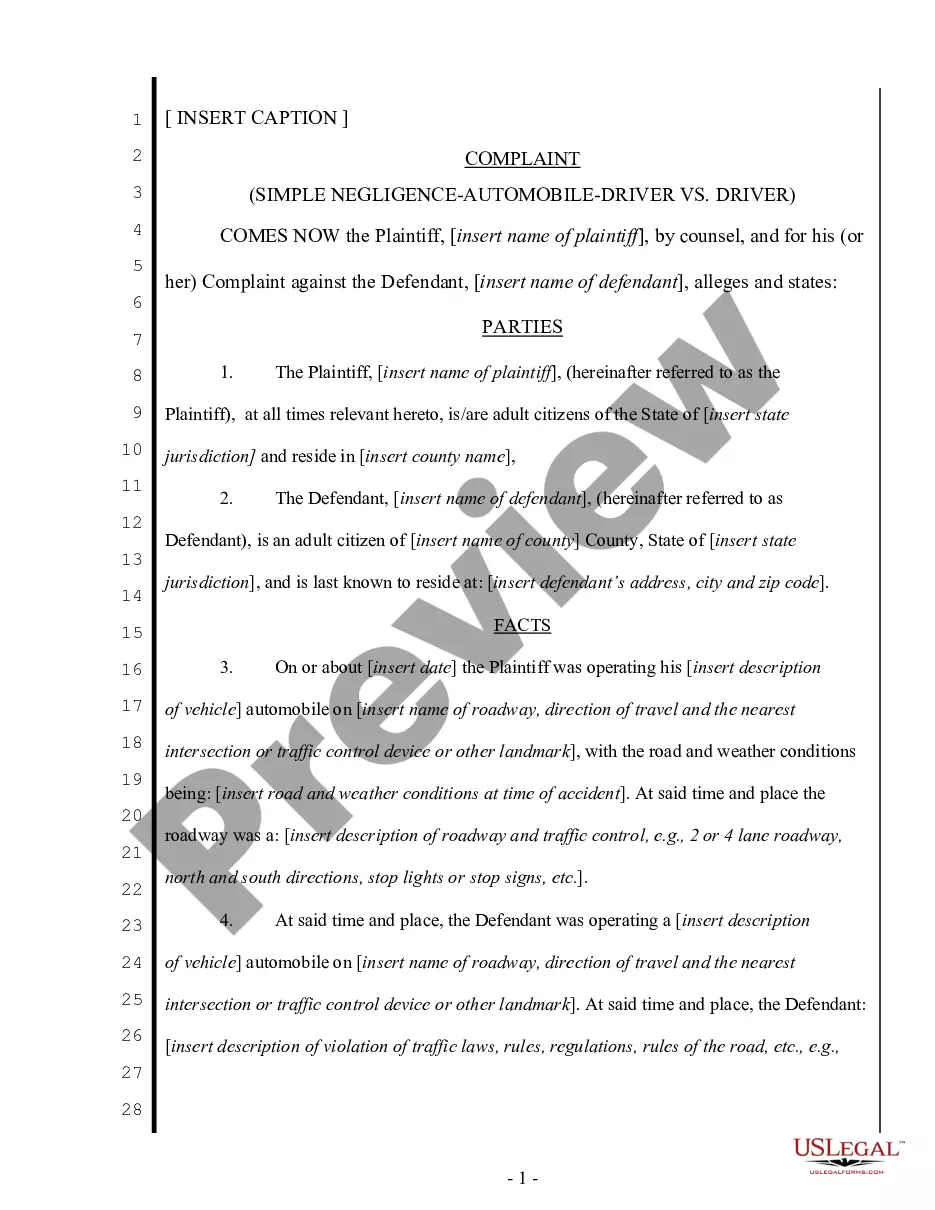

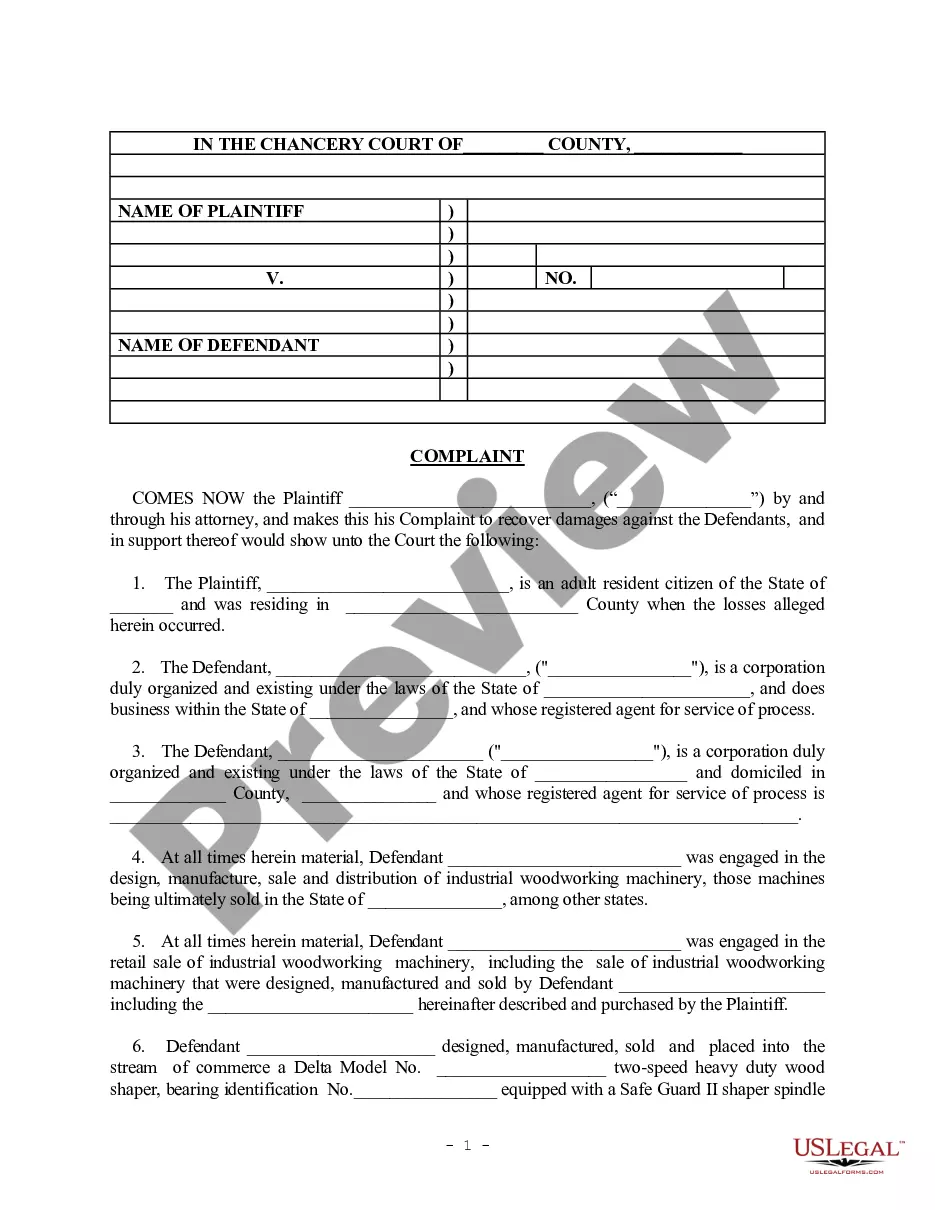
How to fill out Complaint For Refusal To Pay Debt - Breach Of Oral Or Implied Contracts?
Creating legal documents from the ground up can frequently be somewhat daunting.
Some situations may require extensive research and substantial financial investment.
If you’re seeking a simpler and more cost-effective method of generating Implied Contracts In Law or any other documentation without navigating through obstacles, US Legal Forms is consistently at your service.
Our online repository of over 85,000 current legal forms encompasses nearly every facet of your financial, legal, and personal concerns.
Review the document preview and descriptions to confirm that you have located the form you need. Verify if the form you select aligns with the regulations and laws of your state and county. Choose the most appropriate subscription plan to purchase the Implied Contracts In Law. Download the file, then complete, certify, and print it out. US Legal Forms boasts a flawless reputation and over 25 years of expertise. Join us today and make form execution a simple and efficient process!
- With just a few clicks, you can swiftly obtain state- and county-specific forms meticulously prepared for you by our legal professionals.
- Utilize our site whenever you require a dependable and trustworthy service through which you can effortlessly find and acquire the Implied Contracts In Law.
- If you’re familiar with our website and have previously created an account with us, simply Log In to your account, choose the template and download it or re-download it at any moment in the My documents section.
- Not registered yet? No worries. Setting it up and exploring the library takes just minutes.
- But before diving directly into downloading Implied Contracts In Law, adhere to these suggestions.
Form popularity
FAQ
A common example of implied contracts in law occurs in service scenarios, such as when a mechanic repairs a car without a formal agreement. In this case, both parties understand that the mechanic will receive payment for the service performed, even if no explicit contract exists. This situation illustrates how implied contracts can arise from the nature of the relationship and the expectations of both parties involved.
In cases involving implied contracts in law, evidence often relies on the actions and behaviors of the parties rather than formal documentation. Courts look for indicators such as prior dealings, the context of the relationship, and the expectations that both parties had. Additionally, witnesses who can attest to the interactions may also provide valuable evidence to support the existence of an implied contract.
To establish implied contracts in law, three key requirements must be met. First, there must be mutual agreement between the parties, often inferred from their actions rather than explicit statements. Second, both parties must have the intention to create a legal obligation, which is typically demonstrated through their conduct. Finally, consideration, or something of value exchanged between the parties, is essential to validate the existence of an implied contract.
An implied-in-fact contract is formed when parties' promises are inferred from their intentional conduct and one party knows or at least has reason to know the other party will interpret the conduct as assent or an agreement.
To establish the existence of an implied in fact contract, it is necessary to show: An unambiguous offer, Unambiguous acceptance, Mutual intent to be bound, and. Consideration.
An implied contract is a legally-binding obligation that derives from actions, conduct, or circumstances of one or more parties in an agreement. It has the same legal force as an express contract, which is a contract that is voluntarily entered into and agreed on verbally or in writing by two or more parties.
An implied contract is a legally-binding obligation that derives from actions, conduct, or circumstances of one or more parties in an agreement. It has the same legal force as an express contract, which is a contract that is voluntarily entered into and agreed on verbally or in writing by two or more parties.