Abuse Process For Users
Description




Get your form ready online
Our built-in tools help you complete, sign, share, and store your documents in one place.
Make edits, fill in missing information, and update formatting in US Legal Forms—just like you would in MS Word.
Download a copy, print it, send it by email, or mail it via USPS—whatever works best for your next step.
Sign and collect signatures with our SignNow integration. Send to multiple recipients, set reminders, and more. Go Premium to unlock E-Sign.
If this form requires notarization, complete it online through a secure video call—no need to meet a notary in person or wait for an appointment.
We protect your documents and personal data by following strict security and privacy standards.

Make edits, fill in missing information, and update formatting in US Legal Forms—just like you would in MS Word.

Download a copy, print it, send it by email, or mail it via USPS—whatever works best for your next step.

Sign and collect signatures with our SignNow integration. Send to multiple recipients, set reminders, and more. Go Premium to unlock E-Sign.

If this form requires notarization, complete it online through a secure video call—no need to meet a notary in person or wait for an appointment.

We protect your documents and personal data by following strict security and privacy standards.
Looking for another form?

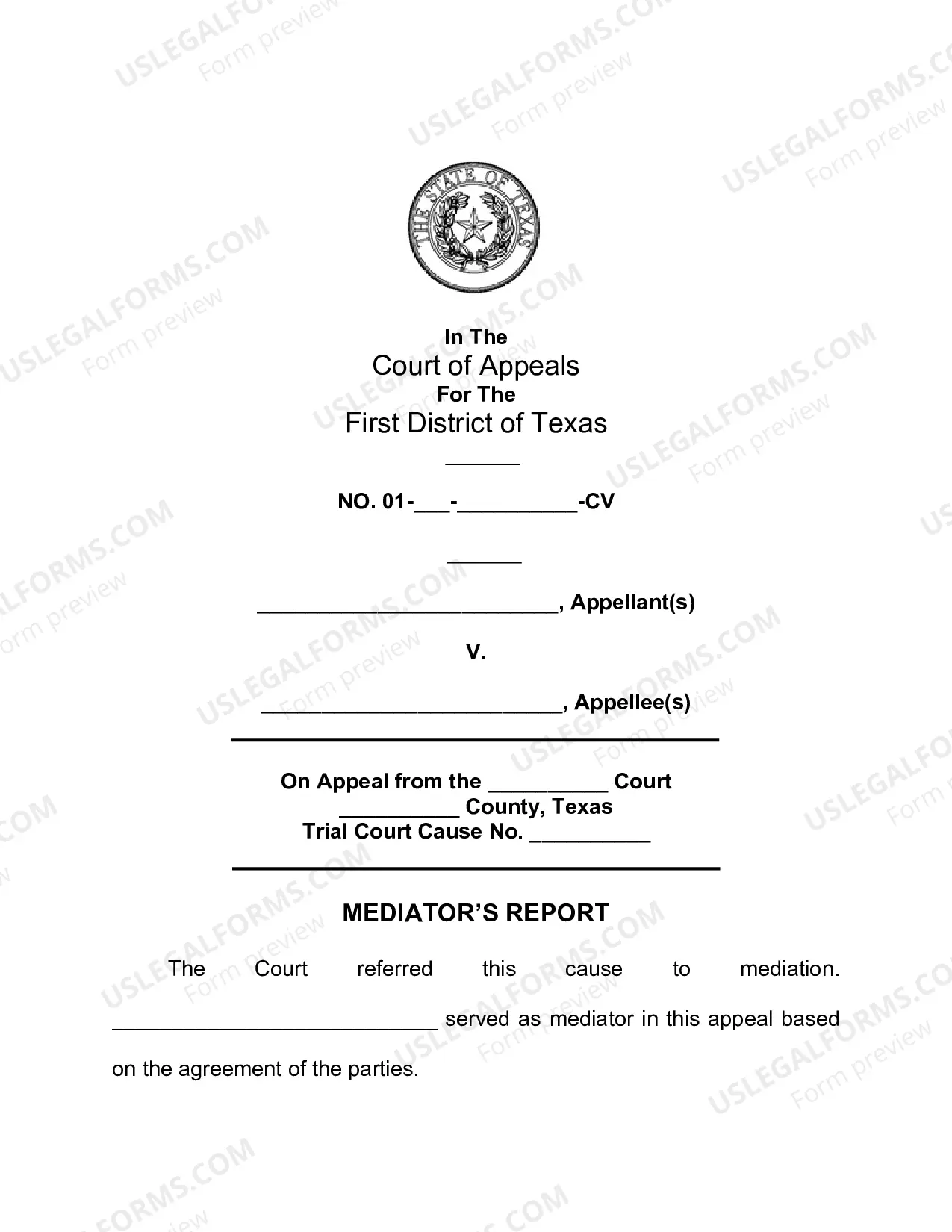
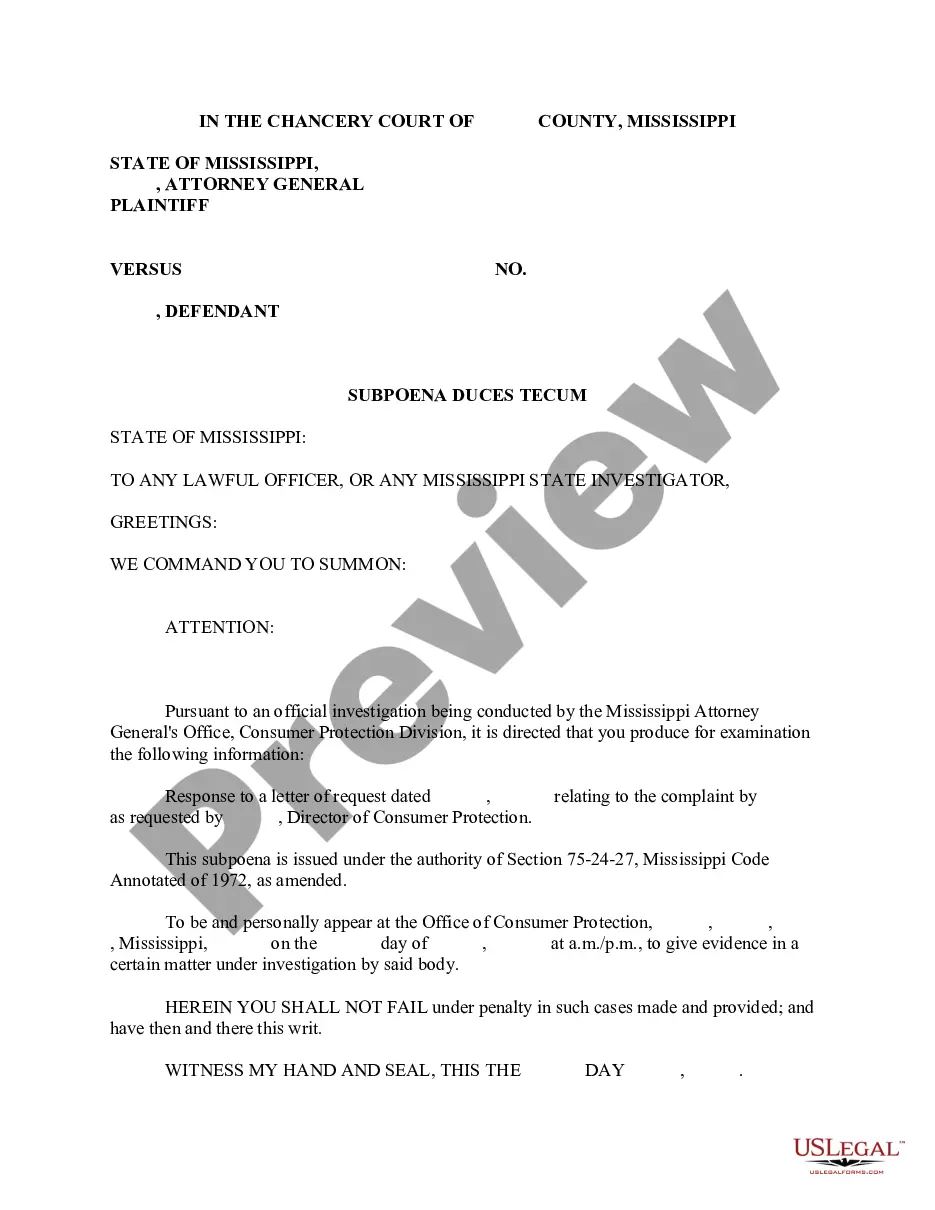
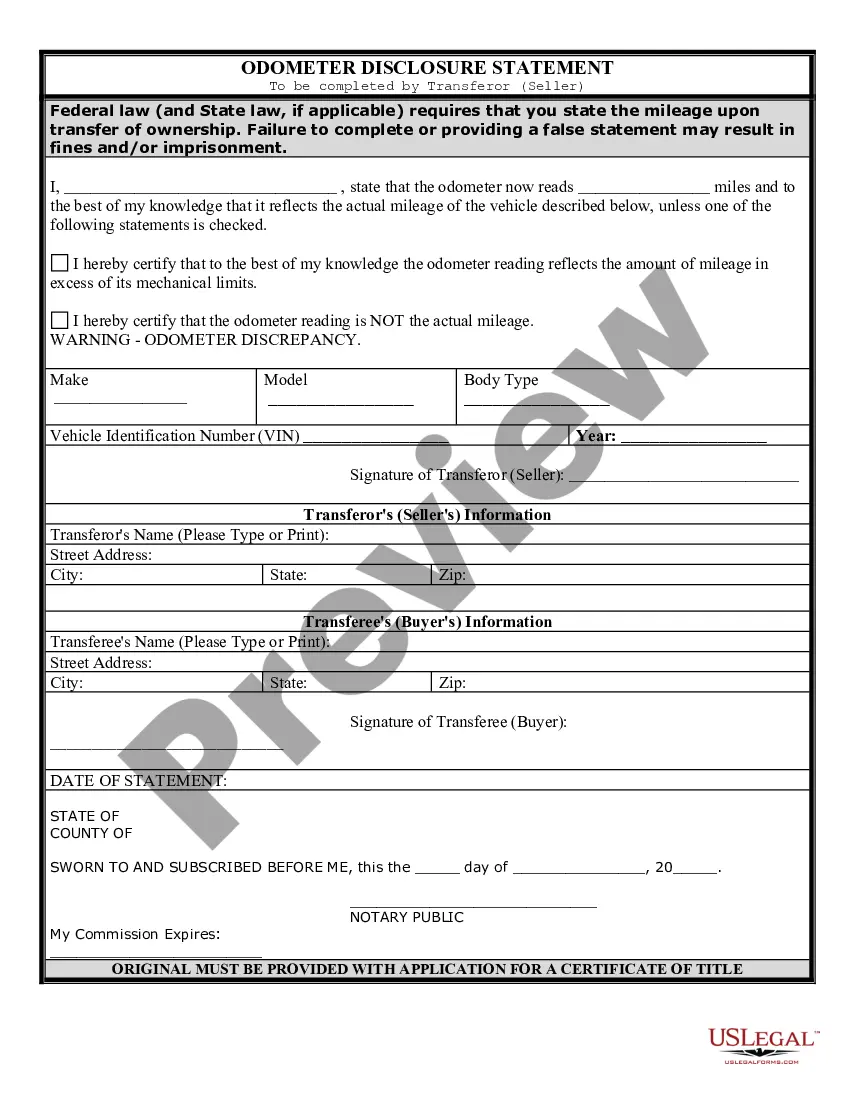
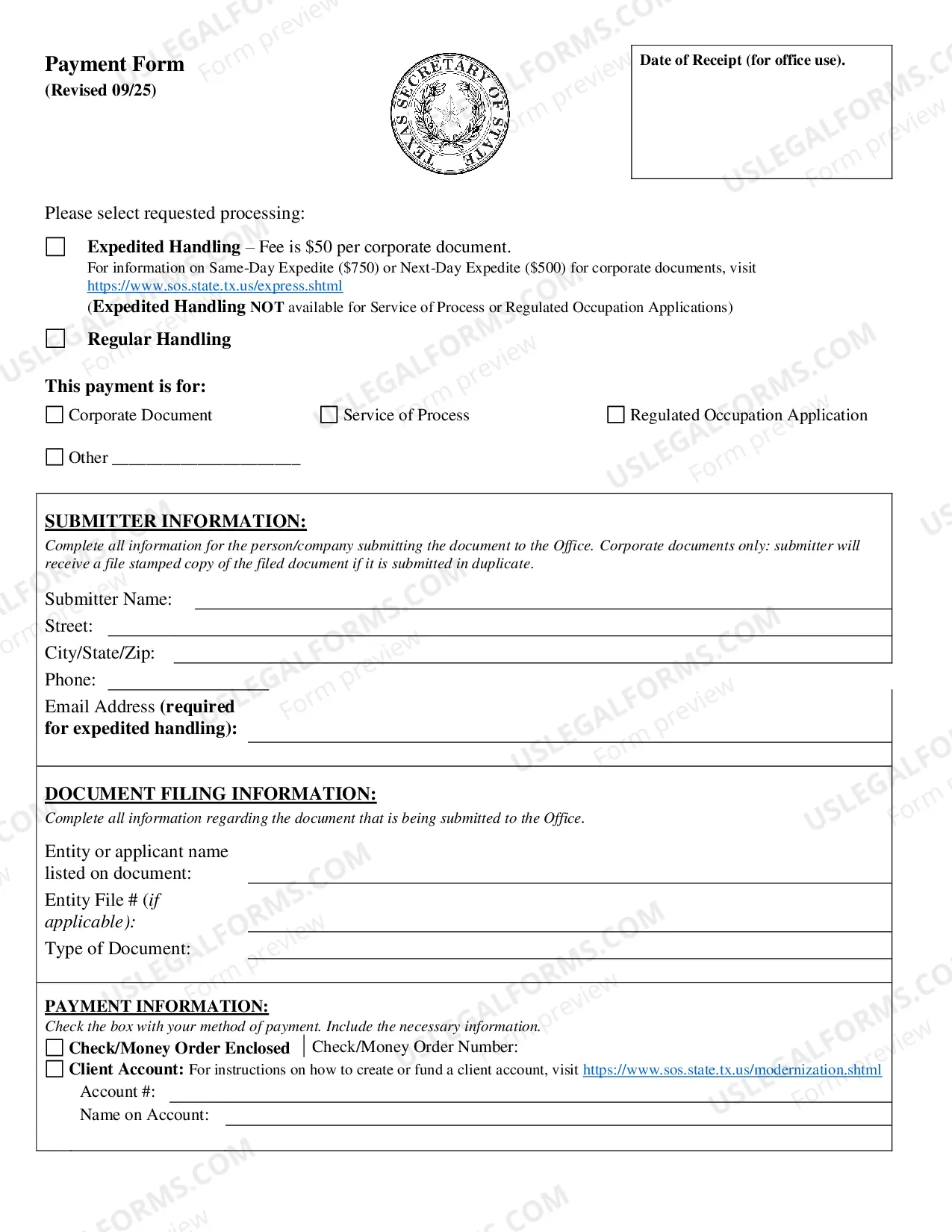
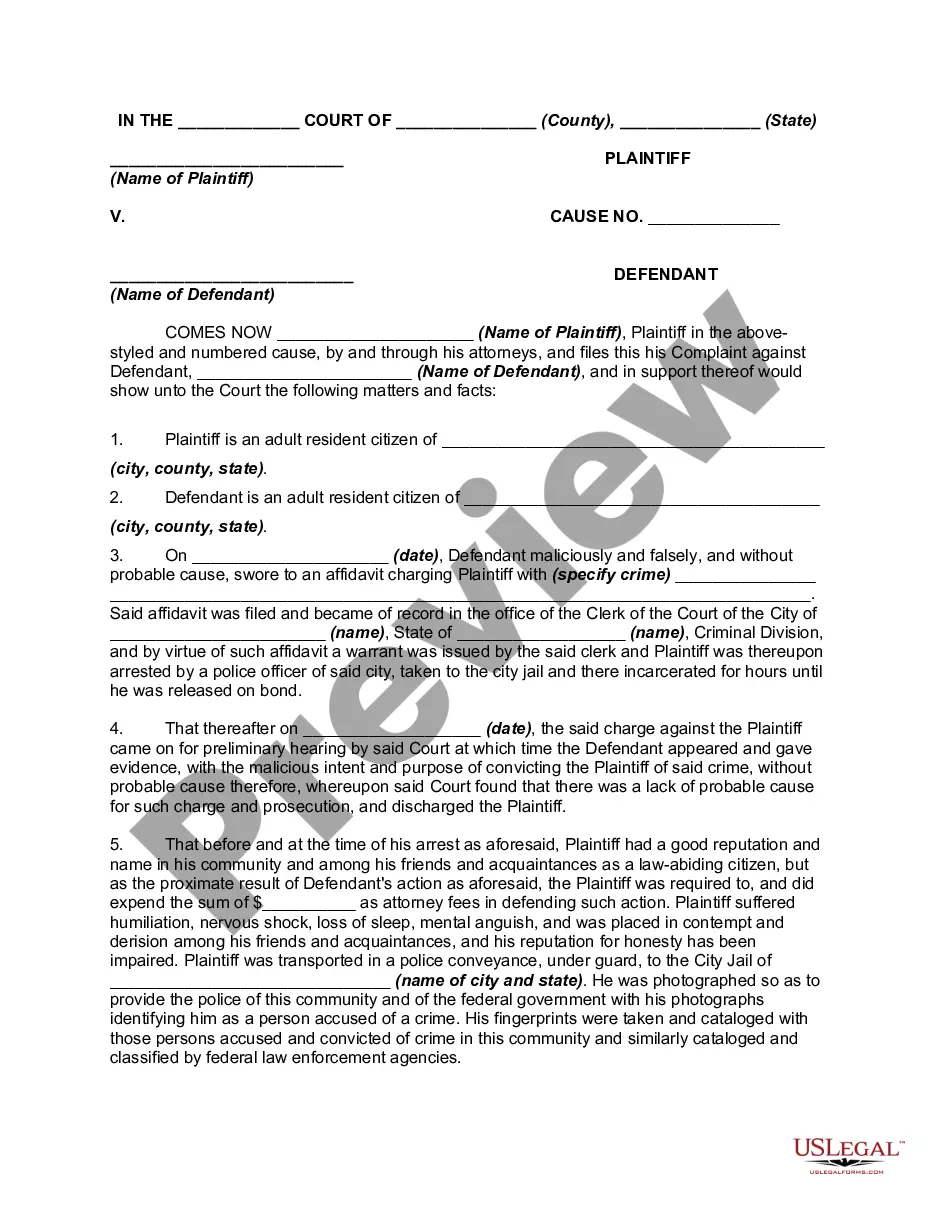
How to fill out Complaint For Malicious Prosecution, False Imprisonment, Abuse Of Process?
- If you have an existing account, log in to access your dashboard and select the form template you wish to download. Ensure your subscription is up-to-date to avoid interruptions.
- For first-time users, start by reviewing the available form options in Preview mode. Confirm that the documentation aligns with both your specific requirements and local jurisdiction needs.
- Should any inconsistencies arise, utilize the Search tab at the top of the page to locate an alternate template that better suits your needs.
- Once satisfied, click on the Buy Now button to select your preferred subscription plan. Registration is a prerequisite to access the comprehensive library.
- Proceed to make your payment using a credit card or PayPal to finalize the acquisition.
- Finally, download your form and save it to your device. You can always access the form later from the My Forms section in your profile.
US Legal Forms stands out with its extensive collection, boasting over 85,000 fillable and editable legal documents. Users benefit from expert assistance, ensuring legally sound and effective forms.
Take charge of your legal documentation today by leveraging US Legal Forms' resources. Start streamlining your legal process now!
Form popularity
FAQ
Abuse is correctly defined as the act of using power to mistreat, harm, or demean another person. It often involves a pattern of behavior that inflicts physical or psychological damage. For users, understanding this definition is vital when identifying or addressing instances where they or someone they know might be experiencing an abuse process.
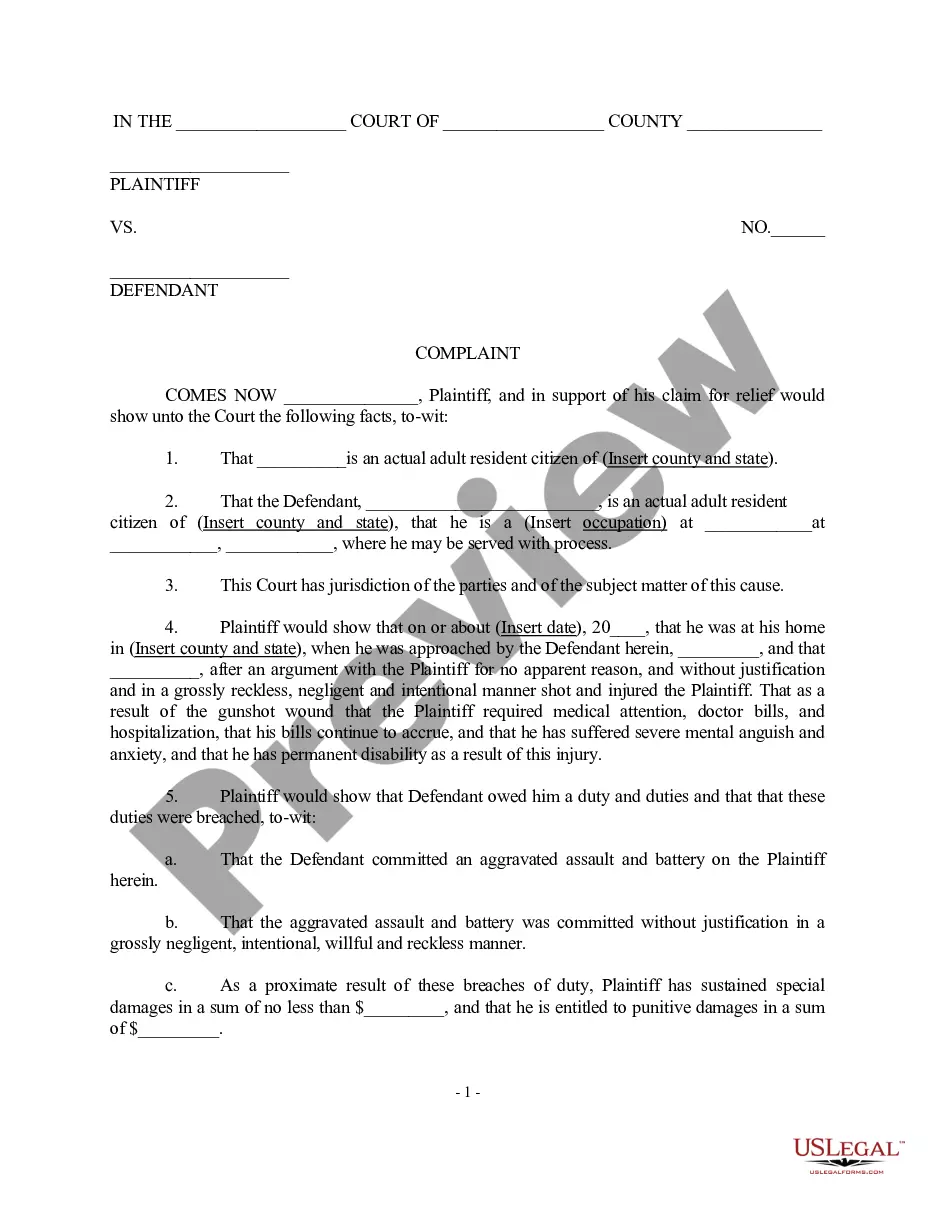
Examples of abuse of process include filing frivolous lawsuits, using protective orders to exert control, or sending repeated demands for payment on disputed debts. Each of these actions demonstrates how individuals can misuse legal systems to harm others. Users should be aware of these tactics to protect their rights and seek guidance through platforms like UsLegalForms.
In Virginia, the elements of abuse of process include the intentional use of the legal system for an improper purpose, a willful act that violates the rights of another, and the existence of a legal procedure that was misused. Users must demonstrate that the intent behind the action was not to resolve a legitimate legal issue. Familiarizing yourself with these elements can empower users to take action if they believe they are victims of an abuse process.
The US Code abuse of process refers to the improper use of legal procedures to harass or coerce someone, rather than to achieve justice. This might involve manipulating court processes to intimidate or hurt an individual. For users navigating the legal system, recognizing these tactics can be crucial in determining whether they are victims of an abuse process.
Legally, abuse refers to the misuse of power or an action that inflicts harm on another person. This can manifest in various forms such as domestic violence, emotional manipulation, or financial exploitation. Understanding the legal definition helps users recognize situations where they might seek intervention or legal advice regarding the abuse process.
Abusing someone involves causing harm or distress through actions or words. This can include physical, emotional, or psychological actions intended to control or intimidate another person. The abuse process for users often involves a victim experiencing a violation of their rights or personal boundaries, making it essential to understand the dynamics of such behavior.
The 3 R's to break the cycle of violence are recognize, react, and restore. Recognize the signs of violent behavior and its impact. React by seeking help immediately, and restore your sense of safety and well-being through support services. Utilizing tools like USLegalForms can assist you in this vital part of the abuse process for users.
The four cycles of emotional abuse often include idealization, devaluation, discarding, and hoovering. Recognizing these phases can empower you to understand the emotional manipulation involved. By acknowledging these cycles, you can better navigate the abuse process for users, fostering resilience and empowerment.
Breaking the cycle of emotional abuse starts with self-recognition and understanding your worth. It’s important to seek help, whether through counseling or community resources. Additionally, learn to set clear boundaries, which are essential in the abuse process for users, as they help protect you from further harm.
If you experience abuse, your safety is the priority. First, seek a safe environment; then document instances of abuse, as this can be helpful later. Finally, contact local authorities or support services, such as those found on USLegalForms, to help navigate the abuse process for users effectively.