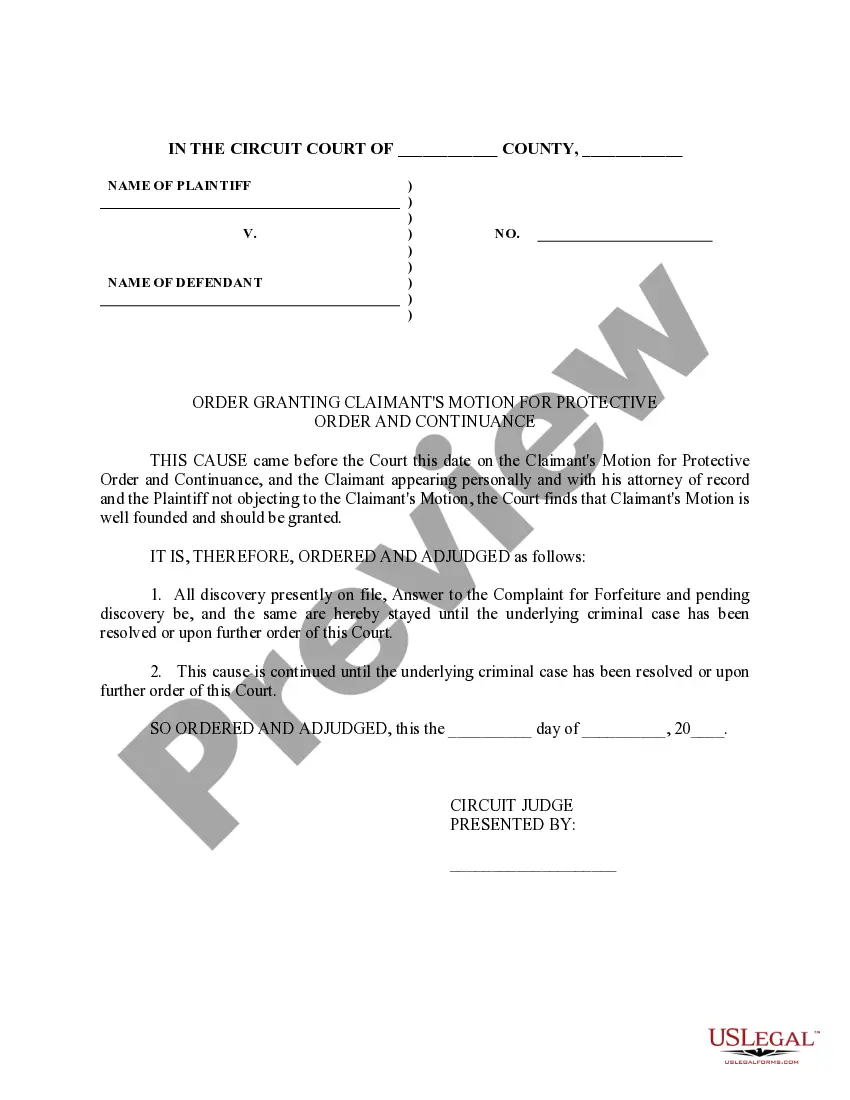
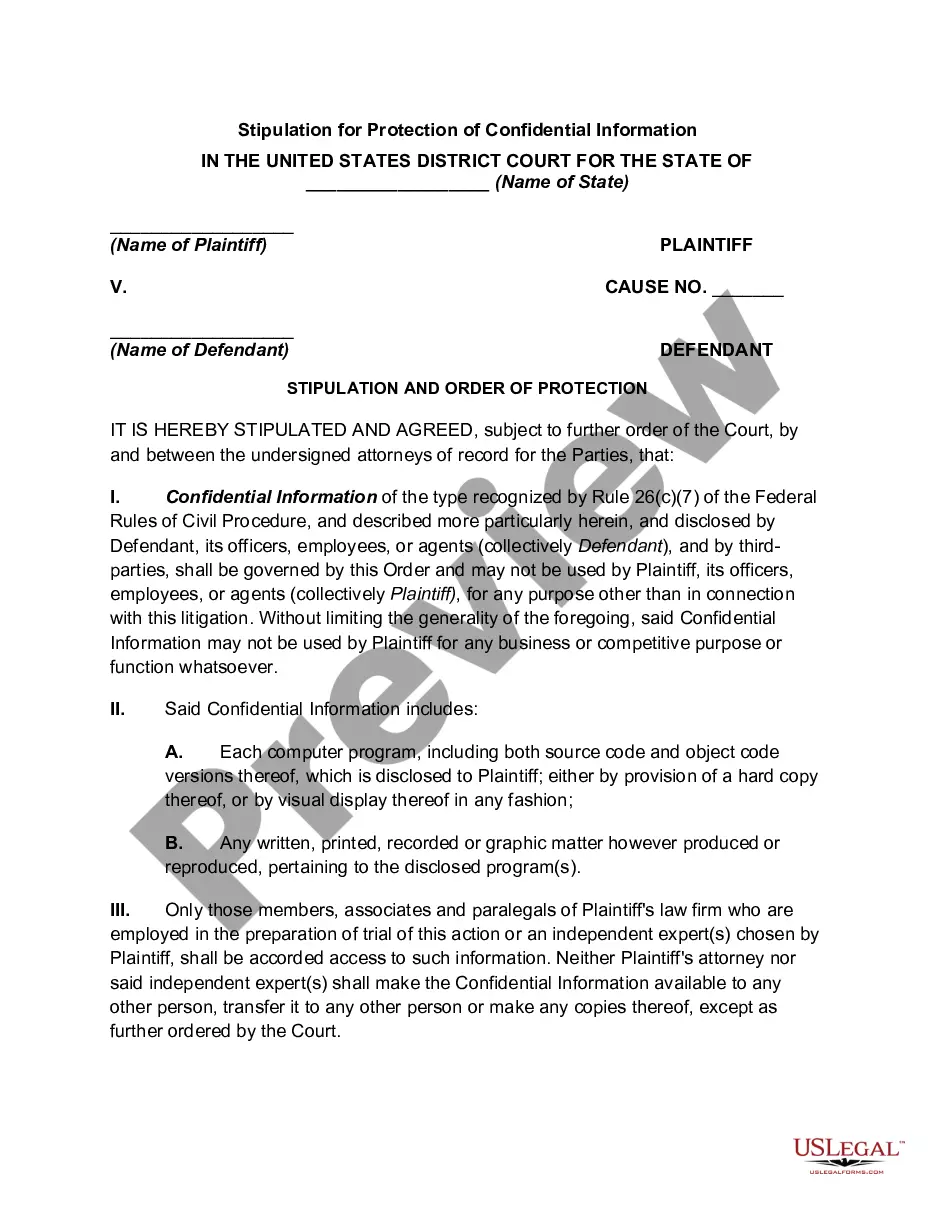
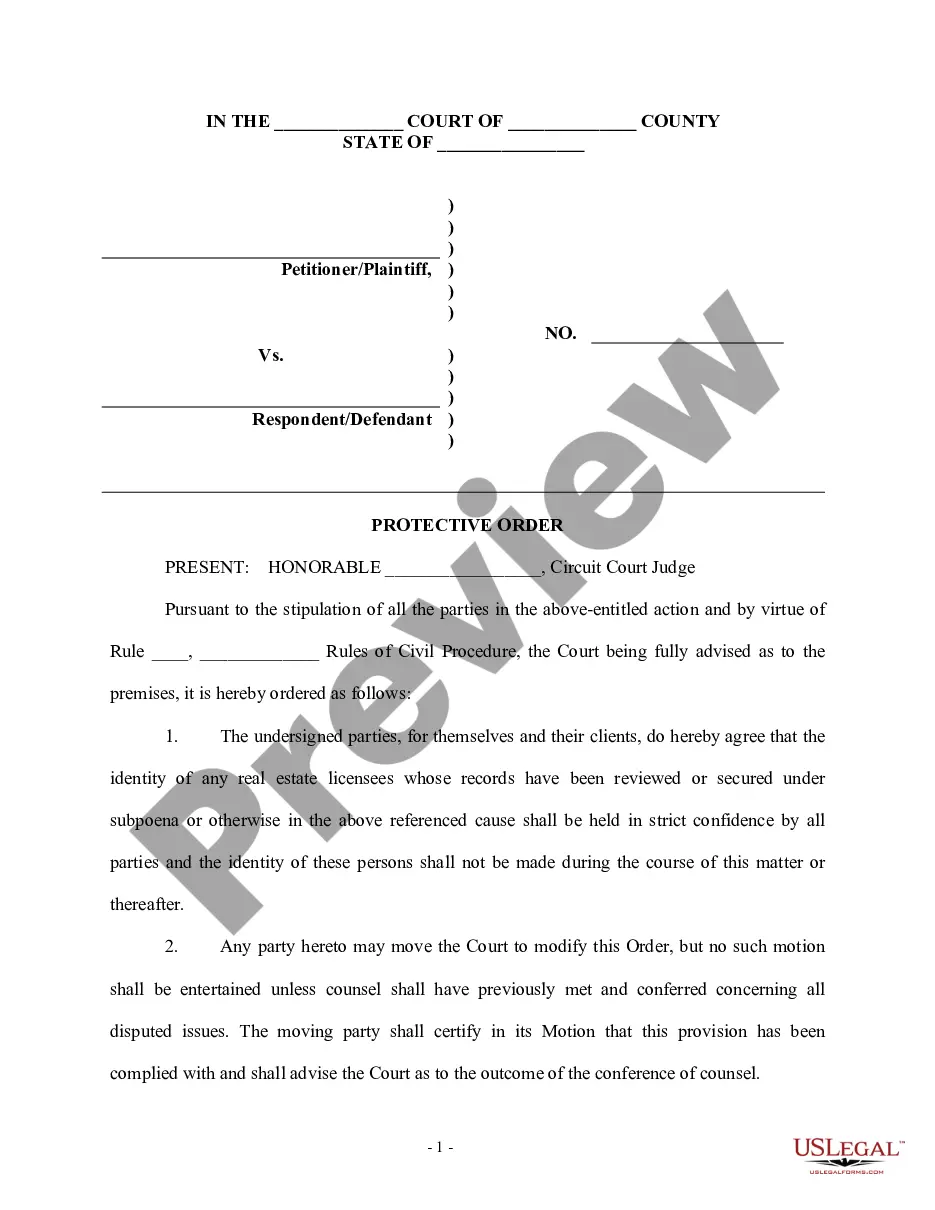
Protective Order Forms Indiana
Description
Get your form ready online
Our built-in tools help you complete, sign, share, and store your documents in one place.
Make edits, fill in missing information, and update formatting in US Legal Forms—just like you would in MS Word.
Download a copy, print it, send it by email, or mail it via USPS—whatever works best for your next step.
Sign and collect signatures with our SignNow integration. Send to multiple recipients, set reminders, and more. Go Premium to unlock E-Sign.
If this form requires notarization, complete it online through a secure video call—no need to meet a notary in person or wait for an appointment.
We protect your documents and personal data by following strict security and privacy standards.

Make edits, fill in missing information, and update formatting in US Legal Forms—just like you would in MS Word.

Download a copy, print it, send it by email, or mail it via USPS—whatever works best for your next step.

Sign and collect signatures with our SignNow integration. Send to multiple recipients, set reminders, and more. Go Premium to unlock E-Sign.

If this form requires notarization, complete it online through a secure video call—no need to meet a notary in person or wait for an appointment.

We protect your documents and personal data by following strict security and privacy standards.
Looking for another form?

How to fill out Order Granting Protective Order?
Managing legal documents and processes can be a lengthy addition to your day.
Protective Order Forms Indiana and similar documents frequently necessitate that you locate them and understand how to fill them out correctly.
Thus, whether you are handling financial, legal, or personal issues, utilizing a thorough and user-friendly online collection of forms readily available will be beneficial.
US Legal Forms is the premier online source for legal templates, providing over 85,000 state-specific forms and a variety of resources that assist you in completing your documents with ease.
Simply Log In to your account, locate Protective Order Forms Indiana and obtain it immediately from the My documents section. You can also access previously saved forms.
- Explore the collection of pertinent documents accessible with a single click.
- US Legal Forms presents you with state- and county-specific forms available for download at any time.
- Protect your document management tasks by utilizing a high-quality service that allows you to prepare any form in minutes without additional or hidden fees.
Form popularity
FAQ
In Indiana, the burden of proof for obtaining a protective order lies with the petitioner, who must demonstrate that there is a credible threat of harm. This involves providing evidence of past incidents or a pattern of behavior that justifies the need for protection. When using protective order forms Indiana, it is crucial to include detailed information that supports your claims. By utilizing the resources on the US Legal Forms platform, you can find the necessary forms and guidance to help present your case effectively.
In Indiana, a no contact order is typically issued to prevent an individual from contacting another person, often in cases of domestic violence or harassment. To qualify, there must be evidence of threats, intimidation, or violence. You will need to submit specific protective order forms Indiana requires to demonstrate your case. Utilizing USLegalForms can simplify obtaining these forms and help you understand the necessary legal steps.
The first step in filing a restraining order in Indiana is to gather relevant information about your situation. You will need to complete the appropriate protective order forms Indiana provides, detailing your reasons for seeking protection. After filling out the forms, you will file them with the local court. USLegalForms can help you navigate this process efficiently, ensuring you have the right documents.
In Indiana, the three main types of protection include protective orders, restraining orders, and no contact orders. A protective order helps individuals avoid harassment or domestic violence. Restraining orders often address disputes involving property or personal conduct. To access the necessary protective order forms Indiana offers, you can visit USLegalForms for streamlined solutions.
To obtain a restraining order in Indiana, you must present proof of threats, harassment, or violence. This evidence can include text messages, emails, or any documentation of incidents that demonstrate your need for protection. Using protective order forms Indiana can streamline this process, helping you to clearly articulate your case to the court.
A no contact order specifically prohibits an individual from contacting you, while a restraining order serves a broader purpose, often including other forms of protection. Both are essential for ensuring your safety, but they have different scopes. When you need protective order forms Indiana, consider which option best fits your situation, as this will guide your legal approach.
RESTRAINING ORDER. In Indiana, there is no such thing as a "restraining order." They are called Protective Orders in Indiana. If you have been harmed, have experienced abuse from a family member, household member, or romantic partner, or if you are the target of stalking, then you file for an Indiana Protective Order.
Indiana's Protective Order Law To receive a protective order under the Indiana Protection Order Act (the ?Act?), Ind. Code § 34-26-5, a person seeking relief (the ?Petitioner?) must allege that the perpetrator (the ?Respondent?) committed: Domestic or family violence; A sex offense; or.
Whether the court denied an application for a protective order against you or the protective order has expired, Indiana court records, like those listed on Mycase Indiana, continue to show you were once named as a person against whom someone applied for a protective order.
No court filing fees are required for Protection Orders that involve domestic/family violence, harassment, sexual assault, or stalking. It is not necessary to provide a Respondent address in order to file.