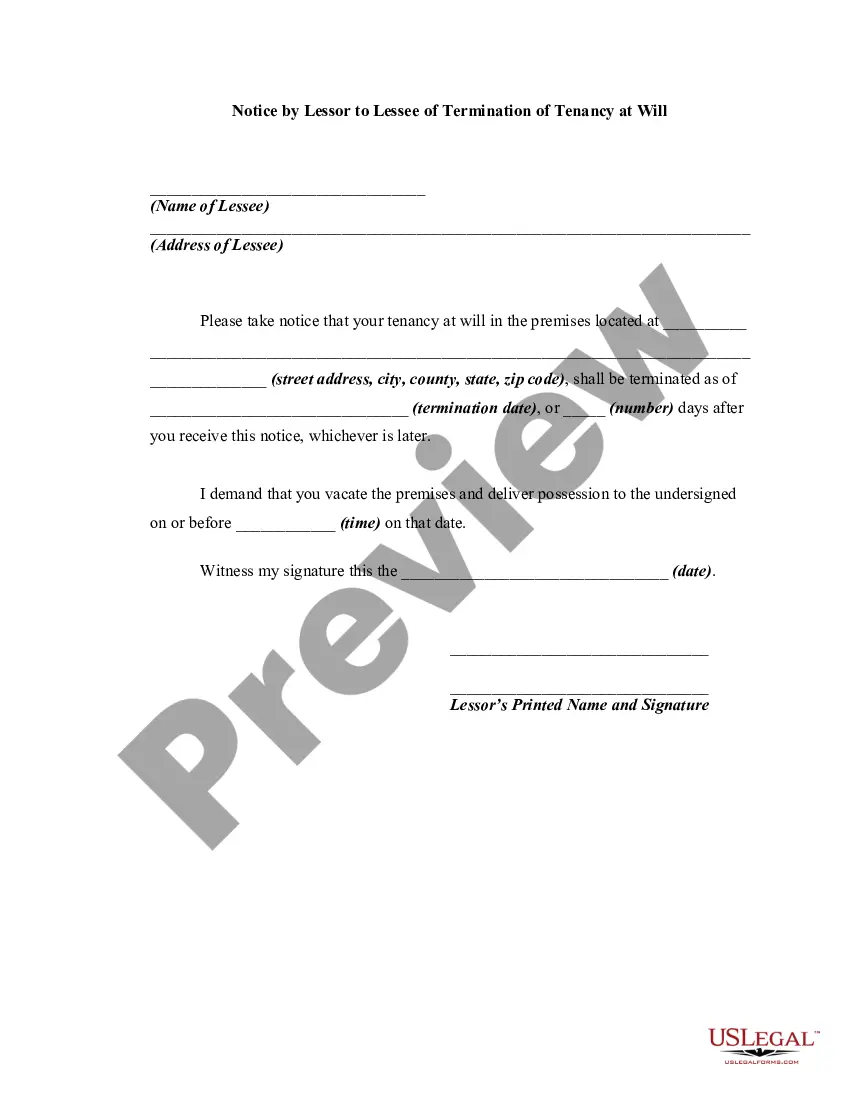
Lessee And Lessor Difference
Description

Get your form ready online
Our built-in tools help you complete, sign, share, and store your documents in one place.
Make edits, fill in missing information, and update formatting in US Legal Forms—just like you would in MS Word.
Download a copy, print it, send it by email, or mail it via USPS—whatever works best for your next step.
Sign and collect signatures with our SignNow integration. Send to multiple recipients, set reminders, and more. Go Premium to unlock E-Sign.
If this form requires notarization, complete it online through a secure video call—no need to meet a notary in person or wait for an appointment.
We protect your documents and personal data by following strict security and privacy standards.

Make edits, fill in missing information, and update formatting in US Legal Forms—just like you would in MS Word.

Download a copy, print it, send it by email, or mail it via USPS—whatever works best for your next step.

Sign and collect signatures with our SignNow integration. Send to multiple recipients, set reminders, and more. Go Premium to unlock E-Sign.

If this form requires notarization, complete it online through a secure video call—no need to meet a notary in person or wait for an appointment.

We protect your documents and personal data by following strict security and privacy standards.
Looking for another form?

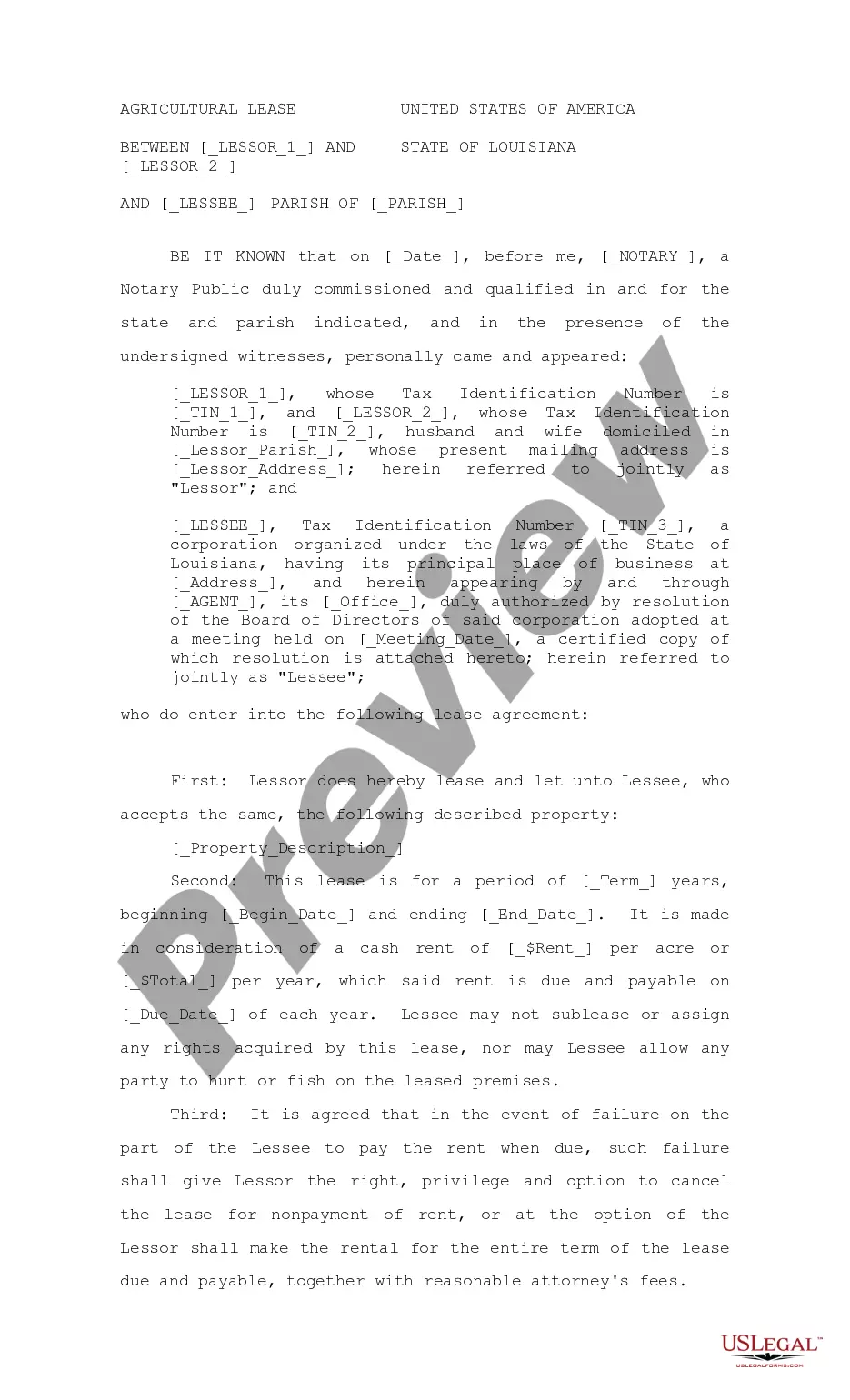
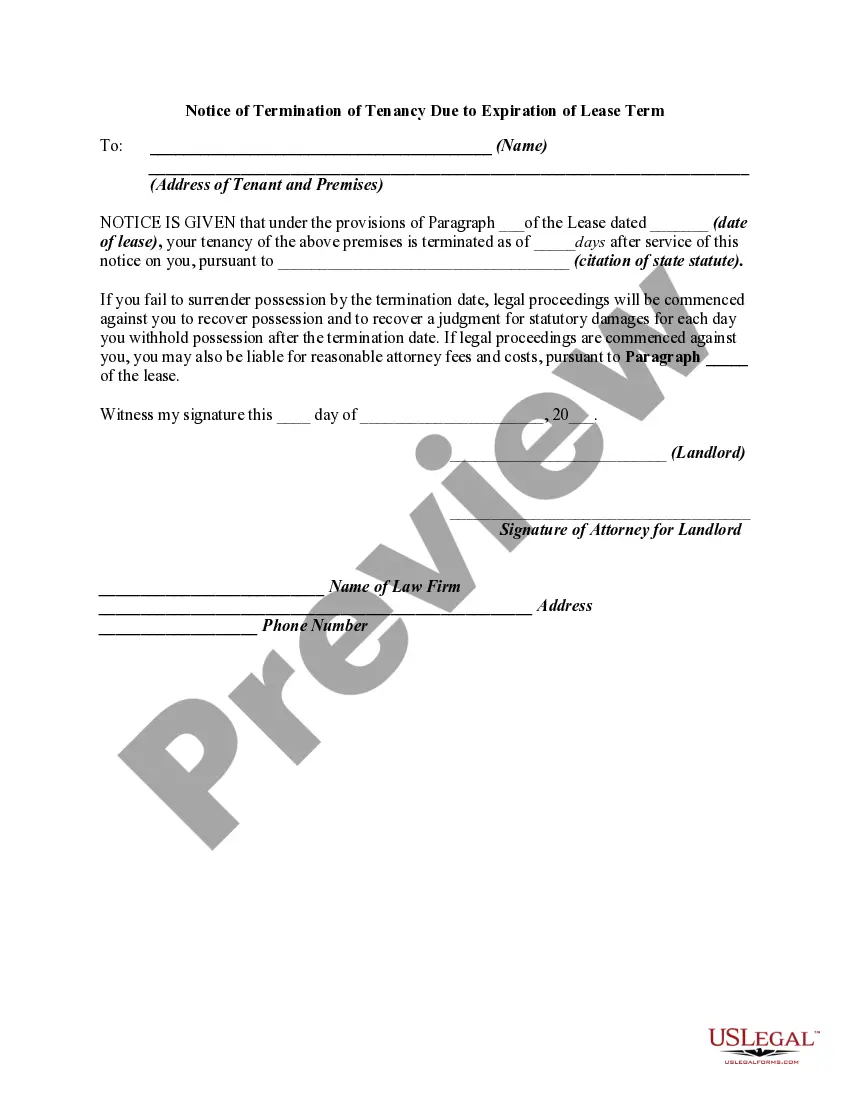
How to fill out Notice By Lessor To Lessee Of Termination Of Tenancy At Will - Past Due Rent?
Creating legal documents from the ground up can sometimes be daunting. Some situations might entail extensive research and significant financial costs.
If you're looking for a more efficient and cost-effective method for generating Lessee And Lessor Difference or any other forms without unnecessary complications, US Legal Forms is readily available to assist you.
Our online repository of over 85,000 current legal forms covers almost every aspect of your financial, legal, and personal matters. With a few simple clicks, you can quickly obtain state- and county-compliant documents meticulously prepared by our legal experts.
Utilize our platform whenever you require dependable and trustworthy services through which you can effortlessly locate and download the Lessee And Lessor Difference. If you're familiar with our site and have created an account before, just Log In to your account, find the template, and download it instantly or retrieve it anytime from the My documents section.
US Legal Forms has a solid reputation and over 25 years of expertise. Join us today and simplify the form-filling process!
- Review the form preview and descriptions to make sure you have found the correct form you need.
- Verify that the form you select adheres to the regulations of your state and county.
- Choose the most appropriate subscription plan to acquire the Lessee And Lessor Difference.
- Download the document. Then complete, sign, and print it out.
Form popularity
FAQ
A tenant is typically the individual or organization that leases or rents a property from a landlord. This person holds the right to occupy the property under the terms of a lease agreement. As a lessee, they have specific responsibilities outlined in the lease. Recognizing who the tenant is can clarify the overall understanding of the lessee and lessor difference.
Is a Lessee a Tenant or Landlord? When the asset under lease is a piece of real estate, then the lessee is a tenant and the lessor is the landlord. The lessee is the temporary occupant of the property, and the lessor owns the property in which the lessee is occupying.
The lessor reports the lease as a leased asset on the balance sheet and individual lease payments as income on the income and cash flow statements. The lessee reports the lease as both an asset and a liability on the balance sheet due to their stake as a potential owner of the asset and their required payment.
For example, if a car dealership leases a vehicle to someone, the car is the asset. The person renting the car is the lessee and the dealership is the lessor. The lessee pays the dealership, or lessor, for the right to use the vehicle for an agreed-upon amount of time.
Study Trick: Who's giving and who's receiving? The -EE Rule - YouTube YouTube Start of suggested clip End of suggested clip The list goes on and at first glance. It's a complicated looking list. But here's a secret it's notMoreThe list goes on and at first glance. It's a complicated looking list. But here's a secret it's not that complicated. The gist of it is the or is the giver and the ee is the receiver.
The lessee records rental payments as expenses in the book of accounts. In contrast, the lessor records the property as an asset and depreciates it over its useful life.