Writ Of Possession In Malaysia
Description



Get your form ready online
Our built-in tools help you complete, sign, share, and store your documents in one place.
Make edits, fill in missing information, and update formatting in US Legal Forms—just like you would in MS Word.
Download a copy, print it, send it by email, or mail it via USPS—whatever works best for your next step.
Sign and collect signatures with our SignNow integration. Send to multiple recipients, set reminders, and more. Go Premium to unlock E-Sign.
If this form requires notarization, complete it online through a secure video call—no need to meet a notary in person or wait for an appointment.
We protect your documents and personal data by following strict security and privacy standards.

Make edits, fill in missing information, and update formatting in US Legal Forms—just like you would in MS Word.

Download a copy, print it, send it by email, or mail it via USPS—whatever works best for your next step.

Sign and collect signatures with our SignNow integration. Send to multiple recipients, set reminders, and more. Go Premium to unlock E-Sign.

If this form requires notarization, complete it online through a secure video call—no need to meet a notary in person or wait for an appointment.

We protect your documents and personal data by following strict security and privacy standards.
Looking for another form?

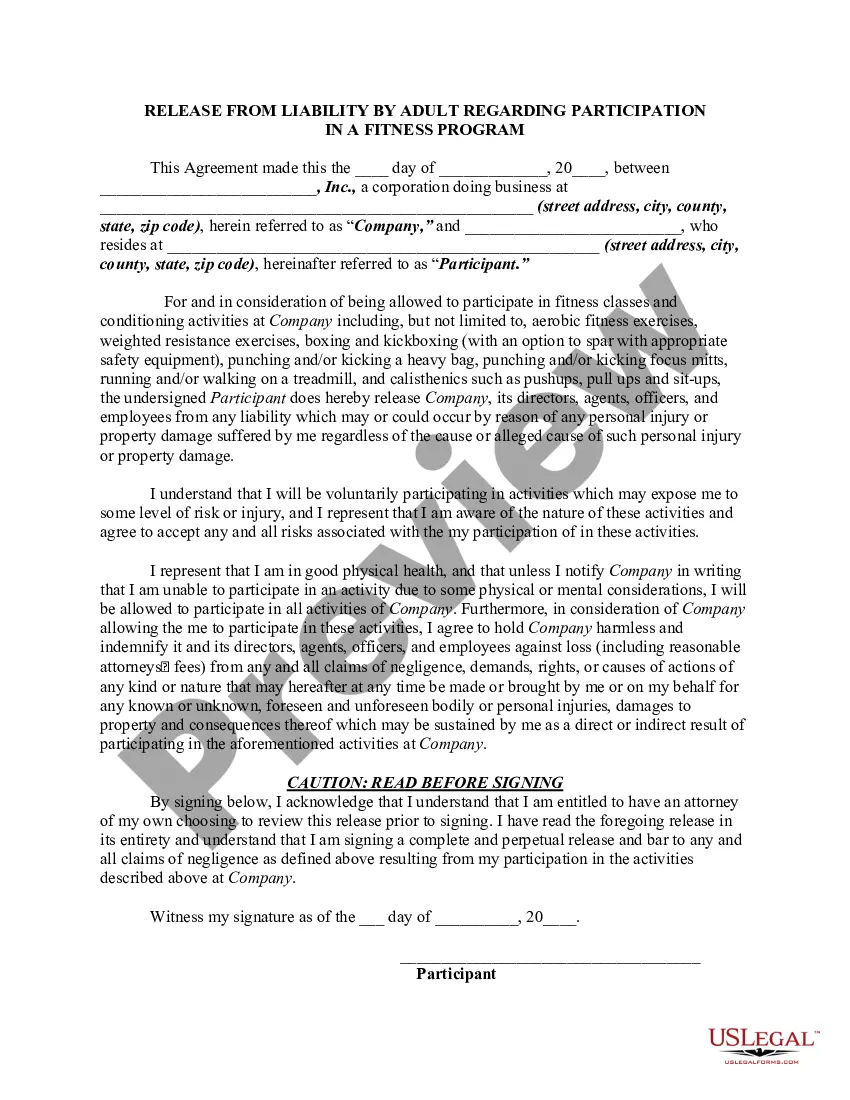
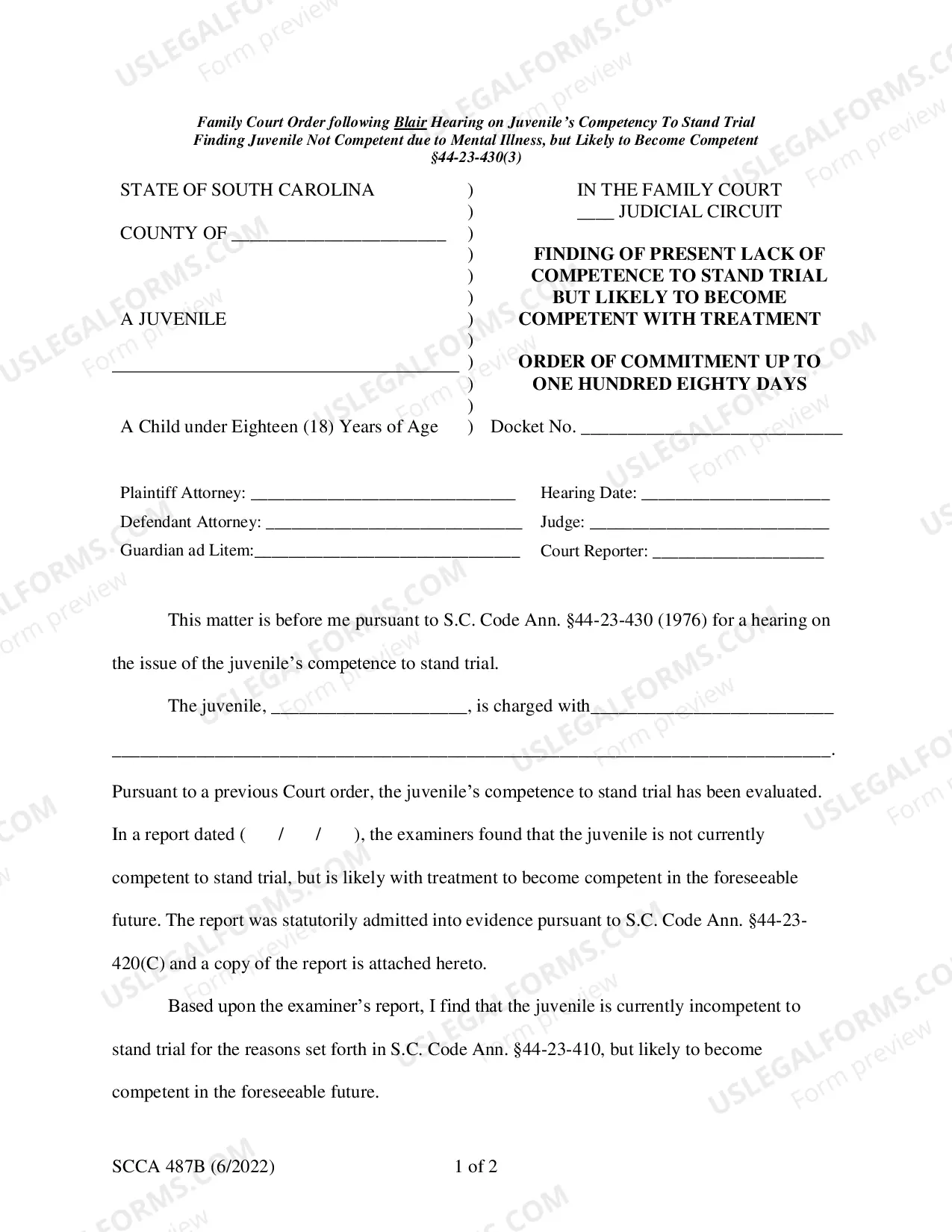
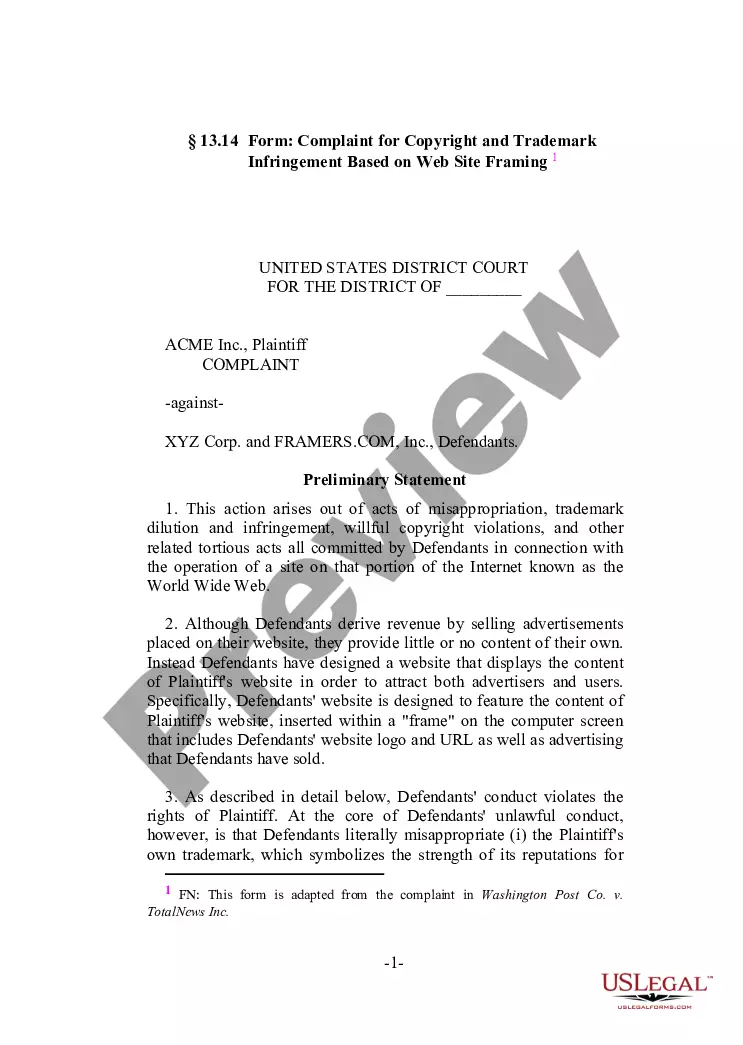
How to fill out Writ Of Replevin Or Repossession?
Identifying a reliable source for obtaining the latest and suitable legal forms is a significant part of navigating through bureaucracy. Selecting the correct legal documents requires accuracy and careful observation, which is why it's crucial to acquire Writ Of Possession In Malaysia samples exclusively from trustworthy sources, such as US Legal Forms. An incorrect form can consume your time and delay your current issue. With US Legal Forms, you have minimal concerns. You can access and review all the specifics regarding the document’s applicability and appropriateness for your situation and within your jurisdiction.
Follow these steps to complete your Writ Of Possession In Malaysia.
Eliminate the hassle associated with your legal documents. Browse through the extensive US Legal Forms collection where you can locate legal templates, evaluate their suitability for your situation, and download them instantly.
- Utilize the library navigation or search feature to find your document.
- Examine the description of the form to ascertain whether it meets the criteria of your state and locality.
- Check the form preview, if available, to confirm that the form is indeed the one you require.
- If the Writ Of Possession In Malaysia does not fit your criteria, continue searching for the appropriate document.
- If you are confident in the form’s applicability, proceed to download it.
- As an authorized user, click Log in to verify your identity and access your selected forms in My documents.
- If you do not possess an account yet, click Buy now to acquire the form.
- Select the pricing package that aligns with your needs.
- Move to the registration process to finalize your purchase.
- Complete your transaction by choosing a payment option (credit card or PayPal).
- Decide on the file format for downloading the Writ Of Possession In Malaysia.
- Once you have the form on your device, you can modify it using the editor or print it out to complete it manually.
Form popularity
FAQ
The most effective way to remove squatters from your property is to follow legal procedures. Begin with a written notice requesting their departure. If they refuse, you may need to apply for a writ of possession in Malaysia, which grants legal authority to evict them. Legal support can help ensure that you comply with all requirements and protect your rights as a property owner.
Dealing with squatters in Malaysia involves understanding the legal rights of property owners. Initially, property owners should communicate directly with the squatters, asking them to leave voluntarily. If the situation does not resolve, you may need to seek a writ of possession in Malaysia to remove them legally. Engaging a legal professional can provide you with guidance throughout this process.
In Malaysia, the notice period for a tenant to vacate the property typically depends on the rental agreement. Generally, landlords must provide at least 30 days' notice before asking tenants to move out. However, specific terms in the rental contract may specify a different timeframe. A writ of possession in Malaysia may follow if the tenant does not comply with the notice.
In Malaysia, a landlord cannot force a tenant to leave without following legal procedures. The proper way to remove a tenant involves obtaining a writ of possession in Malaysia from the court. This legal document allows the landlord to regain possession of the property after a lawful eviction process. Always consult with legal professionals to ensure you follow the correct steps.
To serve a writ of summons in Malaysia, you must first obtain the document from the court. Once you have the writ, you need to deliver it to the individual named in the document, following the local rules of evidence and procedure. You can accomplish this via personal service or through registered mail, depending on the circumstances. Additionally, a writ of possession in Malaysia has specific requirements and timelines that you should adhere to for effective service, ensuring that the process is smooth and valid.
Yes, a writ of possession in Malaysia can potentially be stopped under certain circumstances. For example, if the occupant files an appeal against the eviction or presents valid reasons for their occupation, the court may reconsider the writ. It's important to act quickly and seek legal advice if you wish to contest a writ of possession. The US Legal Forms platform can assist you with the necessary documentation and guidance during this challenging time.
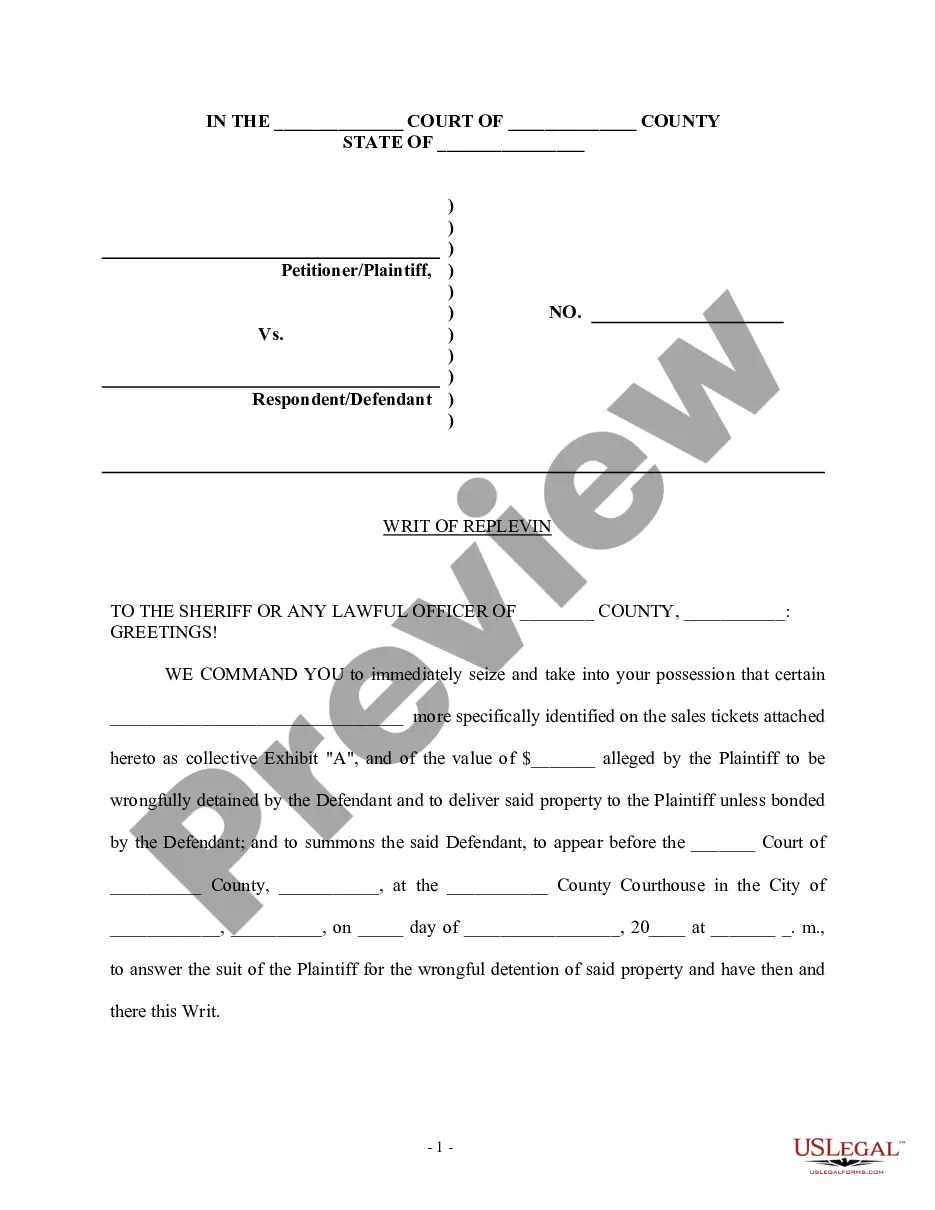
A writ of possession in Malaysia is a legal order that enables a property owner to reclaim possession of their property from someone who is unlawfully occupying it. This document is typically issued by a court after a successful eviction process. It plays a crucial role in ensuring that property rights are enforced, providing a clear path for owners to recover their asset. If you need help navigating this process, the US Legal Forms platform can offer comprehensive resources.
The writ of possession in Malaysia is a legal document issued by the court, granting property owners the right to reclaim their property from unlawful occupants. This writ serves as a powerful tool in resolving disputes and restoring rightful ownership. Understanding its application and process is vital for anyone dealing with property issues.
To remove squatters in Malaysia, obtaining a writ of possession is often necessary. This legal route allows property owners to evict individuals unlawfully occupying their land. Engaging local authorities and legal assistance enhances your efforts and ensures the process is handled correctly.
Yes, adverse possession is legal in the United States, but the requirements vary by state. Generally, a claimant must occupy the property openly and without permission from the rightful owner for a specific time period, which can range from five to twenty years. Understanding the nuances of property laws, including how the writ of possession in Malaysia differs, can provide valuable insights.