Writ Of Habeas Corpus Def Simple
Description


Get your form ready online
Our built-in tools help you complete, sign, share, and store your documents in one place.
Make edits, fill in missing information, and update formatting in US Legal Forms—just like you would in MS Word.
Download a copy, print it, send it by email, or mail it via USPS—whatever works best for your next step.
Sign and collect signatures with our SignNow integration. Send to multiple recipients, set reminders, and more. Go Premium to unlock E-Sign.
If this form requires notarization, complete it online through a secure video call—no need to meet a notary in person or wait for an appointment.
We protect your documents and personal data by following strict security and privacy standards.

Make edits, fill in missing information, and update formatting in US Legal Forms—just like you would in MS Word.

Download a copy, print it, send it by email, or mail it via USPS—whatever works best for your next step.

Sign and collect signatures with our SignNow integration. Send to multiple recipients, set reminders, and more. Go Premium to unlock E-Sign.

If this form requires notarization, complete it online through a secure video call—no need to meet a notary in person or wait for an appointment.

We protect your documents and personal data by following strict security and privacy standards.
Looking for another form?






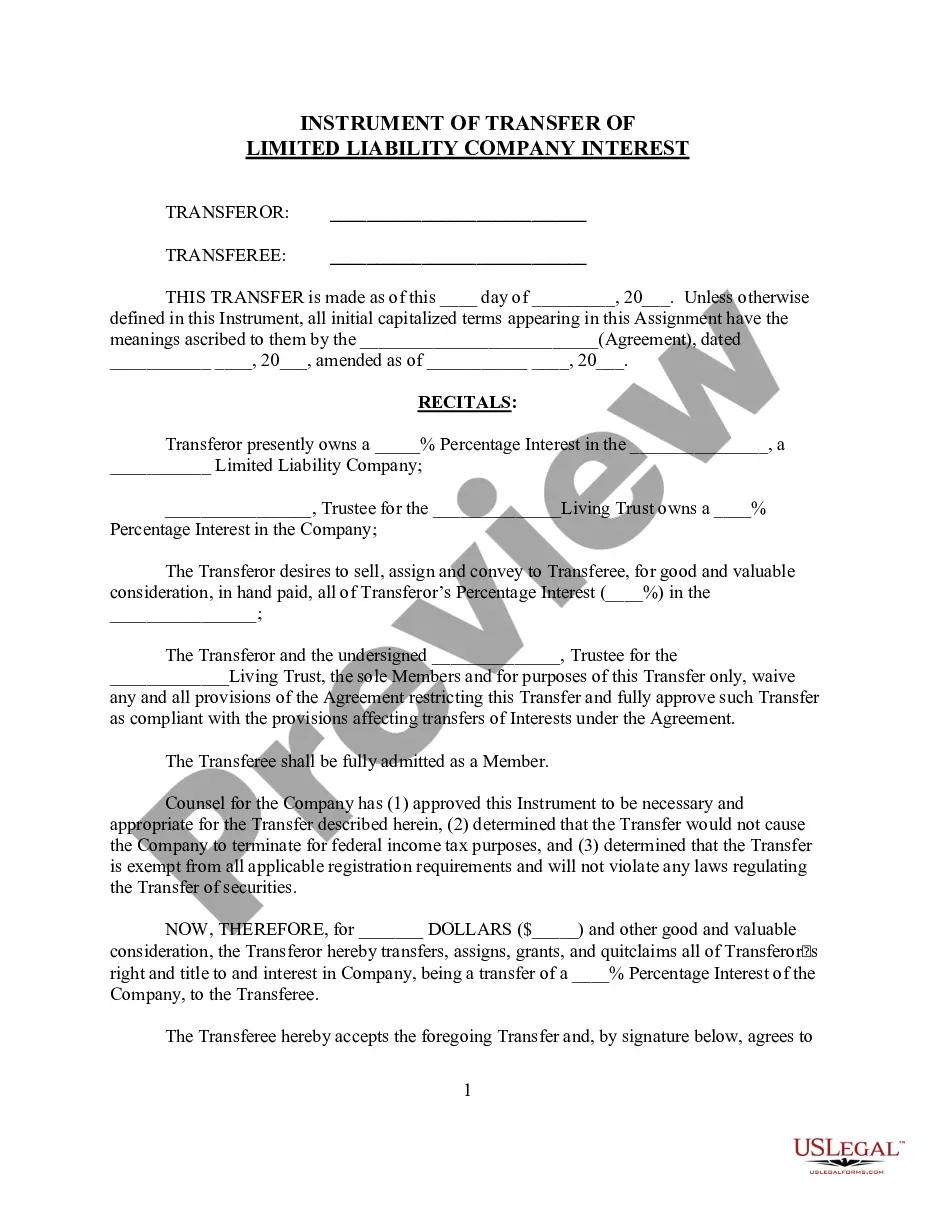


How to fill out Writ Of Replevin Or Repossession?
- Log into your US Legal Forms account if you're a returning user and download the required template by clicking the Download button. Ensure your subscription is active; renew if necessary.
- Explore the Preview mode and form description to confirm you have selected the correct template that aligns with your local jurisdiction.
- Should you find discrepancies, utilize the Search tab to find an alternative form that meets your criteria before proceeding.
- Select the template you wish to purchase by clicking the Buy Now button, then choose your preferred subscription plan, and register for an account to access the full library.
- Complete your transaction by entering your payment details via credit card or PayPal.
- Finally, download the document to your device for completion, and access it anytime through the My Forms section of your profile.
In conclusion, using US Legal Forms simplifies the process of obtaining legal documents, ensuring you have access to a vast library with expert assistance for precise documentation.
Start your journey with US Legal Forms today and ensure your legal needs are met efficiently!
Form popularity
FAQ
The writ of habeas refers to a court order that demands a person holding another individual in custody to present them before the court. Essentially, it is a protective measure designed to prevent unlawful imprisonment. The principle behind it is that everyone has the right to know why they are being detained. Hence, understanding this fundamental legal concept is crucial for safeguarding your freedoms.
Anyone who believes they are being unlawfully detained can write a writ of habeas corpus. This includes individuals, their relatives, or legal representatives. Once you identify the unlawful detention, you should gather all pertinent information to support your case. Using platforms like US Legal Forms can simplify this process by providing templates and guidance.
The writ of habeas data is a legal mechanism that allows individuals to access their personal information held by authorities. In simple terms, it empowers you to challenge and correct data that can affect your rights or freedoms. This form of legal relief aligns with your right to privacy and self-determination. Thus, understanding these rights is vital in today’s data-driven society.
The writ of habeas corpus is a legal tool that protects an individual from unlawful detention. Simply put, it allows a person to request that a court examine whether they are being held lawfully. If you feel that you are detained without just cause, you can file this writ. This concept, depicted in simple terms, ensures that your rights are upheld.
The privilege of habeas data allows individuals to seek information related to their personal data held by the state or other entities. This right can be very important for those who feel their privacy has been violated or who want to ensure accurate information is used against them. By understanding the Writ of habeas corpus def simple, individuals can navigate legal systems more effectively. Platforms like US Legal Forms can assist you in accessing the necessary legal documents and information to effectively address your concerns regarding habeas data.
A famous example of habeas corpus in history is the case of Habeas Corpus Suspension Act of 1861 during the American Civil War. This act allowed President Abraham Lincoln to suspend the writ of habeas corpus in certain situations. It highlighted the tension between civil liberties and national security. This historical moment underscores the importance of the writ of habeas corpus def simple in protecting individual rights.
The writ of habeas data is a legal tool that individuals can use to protect their privacy. It allows persons to seek information about how their personal data is being handled by the government. This writ essentially empowers people to question the legality of data collection and usage. In simple terms, it offers a means to ensure that your personal information is managed properly.
Habeas corpus refers to the right of individuals to seek relief from unlawful detention. On platforms like Quizlet, you can find simplified explanations and flashcards covering the concept. These resources are helpful for students looking to grasp the fundamental aspects of a writ of habeas corpus def simple. Understanding this right is crucial for anyone studying law or civics.
A writ of habeas corpus is a legal order that protects individuals from unlawful detention. It demands that a person in custody be brought before a court. This ensures that the court can evaluate whether the detention is legal. In simple terms, it is a way for individuals to challenge their imprisonment.
Winning a writ of habeas corpus requires a solid understanding of your legal position and presenting compelling evidence to support your claim. Focus on demonstrating that your detention is unlawful based on specific legal grounds, such as lack of jurisdiction or due process violations. Engaging with a resource like US Legal Forms can provide you with necessary templates and information to structure your case effectively. Preparation and clarity are vital for success in this legal process.