Writ Of Garnishment Form Oregon
Description




Get your form ready online
Our built-in tools help you complete, sign, share, and store your documents in one place.
Make edits, fill in missing information, and update formatting in US Legal Forms—just like you would in MS Word.
Download a copy, print it, send it by email, or mail it via USPS—whatever works best for your next step.
Sign and collect signatures with our SignNow integration. Send to multiple recipients, set reminders, and more. Go Premium to unlock E-Sign.
If this form requires notarization, complete it online through a secure video call—no need to meet a notary in person or wait for an appointment.
We protect your documents and personal data by following strict security and privacy standards.

Make edits, fill in missing information, and update formatting in US Legal Forms—just like you would in MS Word.

Download a copy, print it, send it by email, or mail it via USPS—whatever works best for your next step.

Sign and collect signatures with our SignNow integration. Send to multiple recipients, set reminders, and more. Go Premium to unlock E-Sign.

If this form requires notarization, complete it online through a secure video call—no need to meet a notary in person or wait for an appointment.

We protect your documents and personal data by following strict security and privacy standards.
Looking for another form?


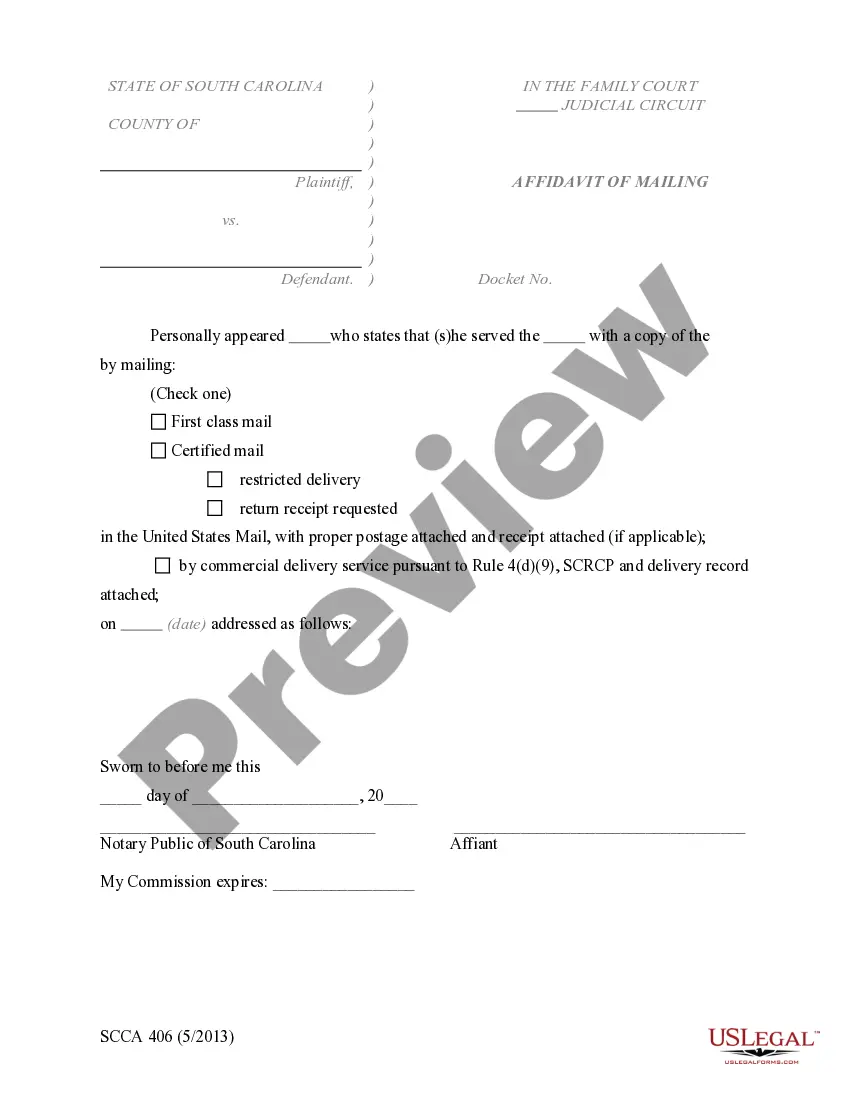


How to fill out Writ Of Replevin Or Repossession?
- Start by visiting the US Legal Forms website and log into your account if you are a returning user. Make sure your subscription is active for a hassle-free experience.
- If this is your first time, browse the extensive library of forms. Use the Preview mode to review descriptions, ensuring that you select the right document that aligns with your needs.
- If necessary, utilize the Search tab to find a different template if the initial selection doesn't meet your needs.
- Choose the suitable document by clicking the Buy Now button. You will need to register to access premium content.
- Complete the purchase by entering your payment information, either with a credit card or PayPal.
- Finally, download your completed form and save it on your device. You can access it anytime in the My Forms section of your profile.
In conclusion, using US Legal Forms simplifies the process of obtaining necessary legal documentation like the writ of garnishment form in Oregon. By following these straightforward steps, you can confidently navigate the legal process and ensure compliance.
Don't hesitate - start your journey by visiting US Legal Forms today and access the resources you need to get started!
Form popularity
FAQ
A writ of garnishment in Oregon remains effective for up to one year, but the exact duration can depend on the specific situation. If the creditor has not acted to enforce the writ during that time, you may not have to worry about ongoing deductions from your wages or accounts. Staying informed about your rights and timelines, especially regarding the writ of garnishment form Oregon, will keep you in control of the situation.
The statute of limitations for garnishments in Oregon is generally similar to the statute for the underlying debt. Typically, this means you have a 10-year period from the date of the judgment to enforce the garnishment. Understanding these timelines is crucial, especially when dealing with documents like the writ of garnishment form Oregon.
Yes, stopping a garnishment in Oregon is possible, but it typically requires filing specific paperwork. You may need to submit a motion to the court or resolve the underlying debt. For assistance with the correct procedures, consider using platforms like USLegalForms, which can guide you through the necessary steps related to your writ of garnishment form Oregon.
Filling out a challenge to the garnishment form involves specifying your objections clearly. You will need to include details such as your personal information, the case number, and the reasons for your challenge. Utilizing a comprehensive resource like USLegalForms can simplify this process by providing templates and guidance tailored to the writ of garnishment form Oregon.
In Oregon, a writ of garnishment generally remains valid for one year from the date it is issued. After that time, creditors may need to renew the writ to continue garnishing your wages or bank accounts. Therefore, it’s important to keep track of the expiration date related to your writ of garnishment form Oregon, ensuring timely actions if necessary.
Yes, you can look up garnishments, including those related to the writ of garnishment form Oregon. This process typically involves accessing court records or online databases to find relevant information. It's important to ensure you have accurate details, such as the names involved and the case number. Utilizing the UsLegalForms platform can simplify this task, providing you with clear access to necessary forms and information about garnishments in Oregon.
In most cases, a creditor cannot garnish your wages after 7 years in Oregon due to the statute of limitations for collecting debts. After this period, the creditor typically loses the legal right to enforce a judgment. It's essential to verify the status of any debts you owe and ensure they are within the allowable time frame for garnishment. For more information and guidance, refer to the resources available on US Legal Forms.
To get out of a garnishment in Oregon, you may need to file a motion with the court to contest the garnishment or negotiate with the creditor directly. If financial hardship is a concern, you can request a hearing to discuss your situation. Showing evidence of your financial struggles can significantly bolster your case. For assistance with relevant forms and processes, the US Legal Forms resource could be invaluable.
In the context of garnishment, a 'writ' is a legal order issued by a court directing a third party to withhold funds from a debtor's wages or accounts. This document provides the necessary authority for the garnishment process to occur. Familiarizing yourself with the meaning and impact of a writ is crucial for navigating garnishment challenges effectively. If you need clarity on these processes, consider exploring garnishment forms specific to Oregon at US Legal Forms.
To protect your bank account from garnishment, consider taking proactive measures such as keeping funds below exempt amounts or opening a separate account for protected income. Additionally, filing for bankruptcy or disputing the validity of the debts may provide relief. Understanding your rights under Oregon law can significantly help in safeguarding your assets. The US Legal Forms platform offers insights and forms that can aid you in this process.