Writ Of Execution Garnishment
Description




Get your form ready online
Our built-in tools help you complete, sign, share, and store your documents in one place.
Make edits, fill in missing information, and update formatting in US Legal Forms—just like you would in MS Word.
Download a copy, print it, send it by email, or mail it via USPS—whatever works best for your next step.
Sign and collect signatures with our SignNow integration. Send to multiple recipients, set reminders, and more. Go Premium to unlock E-Sign.
If this form requires notarization, complete it online through a secure video call—no need to meet a notary in person or wait for an appointment.
We protect your documents and personal data by following strict security and privacy standards.

Make edits, fill in missing information, and update formatting in US Legal Forms—just like you would in MS Word.

Download a copy, print it, send it by email, or mail it via USPS—whatever works best for your next step.

Sign and collect signatures with our SignNow integration. Send to multiple recipients, set reminders, and more. Go Premium to unlock E-Sign.

If this form requires notarization, complete it online through a secure video call—no need to meet a notary in person or wait for an appointment.

We protect your documents and personal data by following strict security and privacy standards.
Looking for another form?
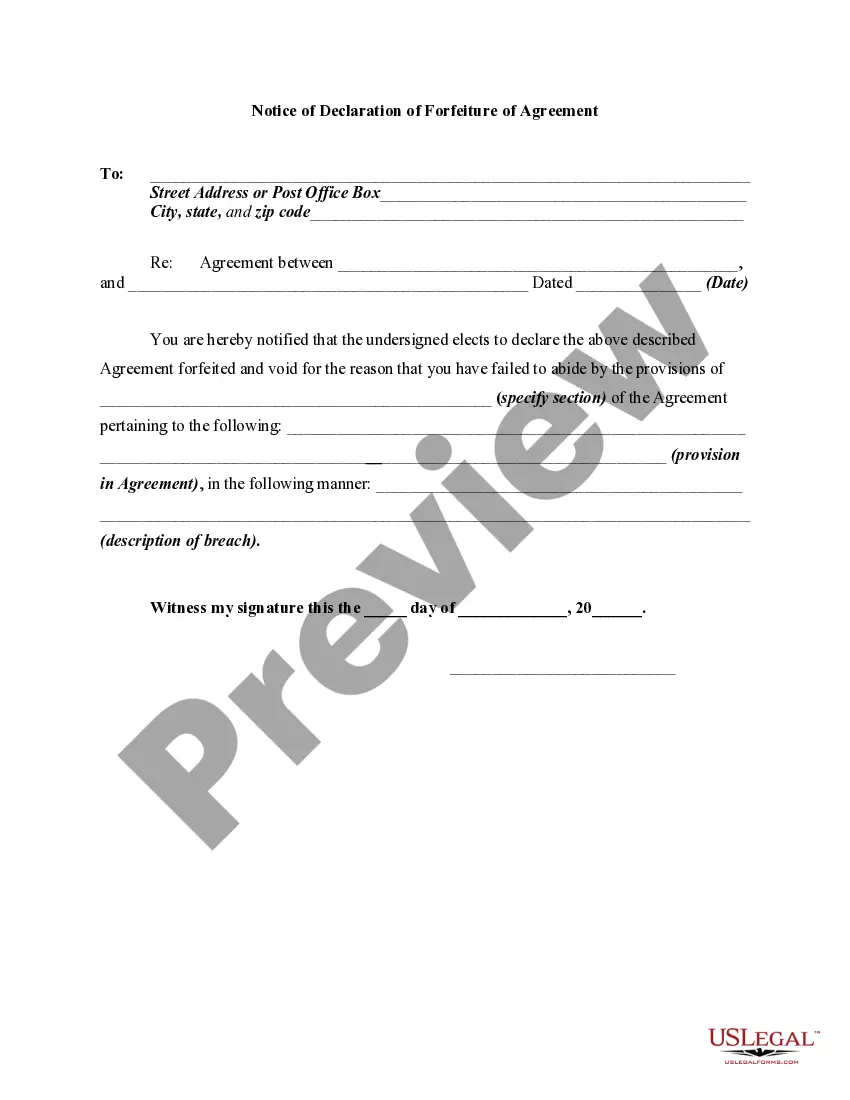


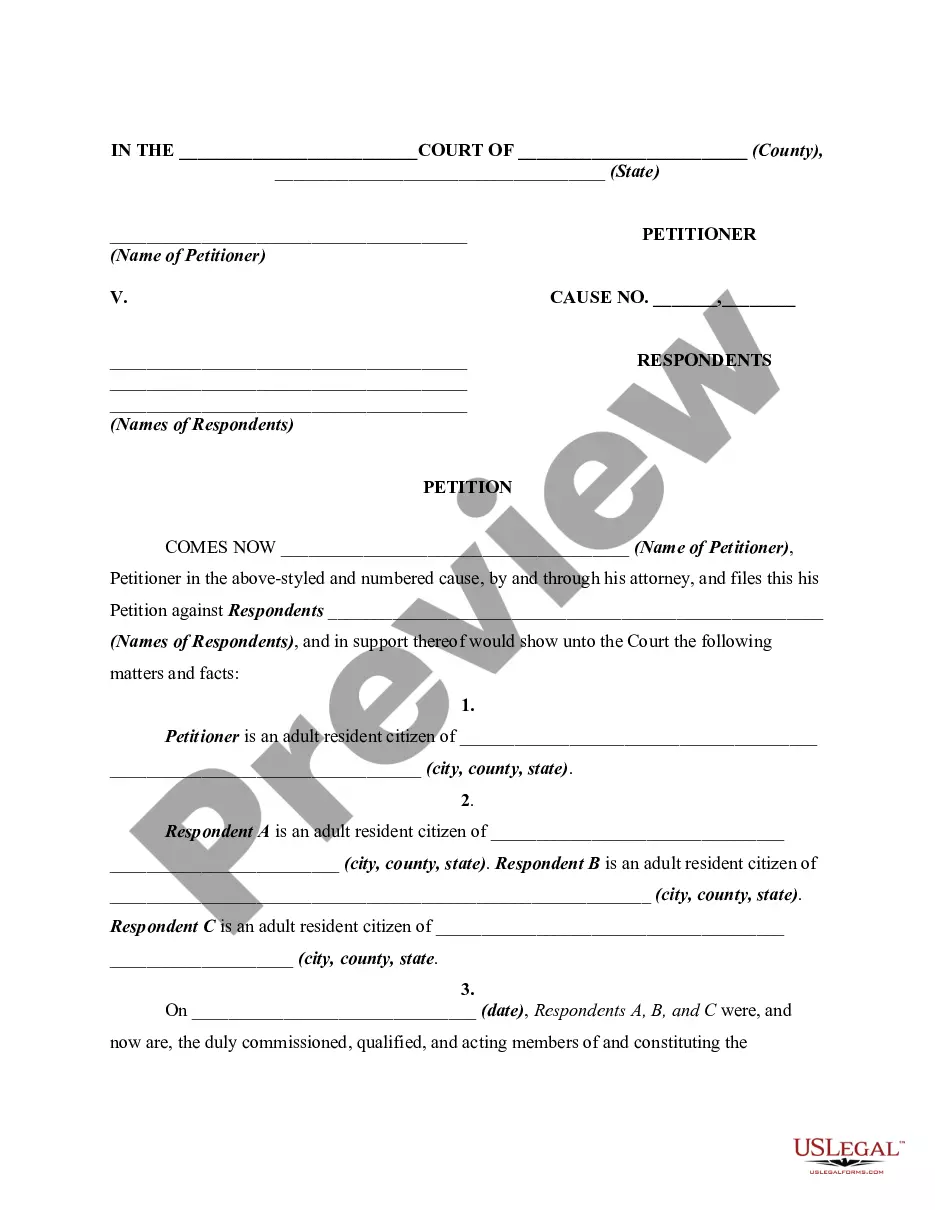

How to fill out Writ Of Replevin Or Repossession?
- Log in to your US Legal Forms account if you are already a member. Ensure your subscription is active; otherwise, renew it.
- Preview the form in question, making sure it meets your specific needs and complies with local jurisdiction requirements.
- If you find any discrepancies or wish to explore other templates, utilize the Search feature to locate the appropriate document.
- Select the desired form by clicking the 'Buy Now' button and choose the right subscription plan tailored for you. Account registration is necessary to unlock the library.
- Complete your purchase by entering your payment information. You can use a credit card or PayPal for a straightforward transaction.
- Download the form directly to your device. You can access it at any time from the 'My Forms' section in your profile.
Using US Legal Forms not only saves you time but also provides access to a wealth of resources. With over 85,000 editable forms and expert assistance available, you can confidently complete your legal documents.
Firm up your legal standing today by exploring US Legal Forms. Visit us now to get started on your writ of execution garnishment!
Form popularity
FAQ
The speed at which a garnishment can be stopped depends on your specific situation. Generally, if you take actions promptly—like filing a motion against the writ of execution garnishment or negotiating with your creditor—you may see results within a few days to weeks. Open communication and being proactive are essential in this process. For efficient guidance, consider utilizing resources available on US Legal Forms to navigate this challenge.
Yes, you can negotiate after a wage garnishment has started. Even if a writ of execution garnishment is in place, many creditors may be willing to discuss repayment alternatives. Engaging in open communication with your creditor can lead to mutually beneficial terms, such as reduced payments or alternative payment schedules. Using platforms like US Legal Forms can provide you valuable tools and resources for crafting your negotiations.
The best way to stop a garnishment typically involves negotiating directly with your creditor or seeking a legal remedy in court. You might file a motion to contest the writ of execution garnishment or request a repayment plan that fits your budget. Additionally, using resources like US Legal Forms can help you find the necessary templates and guidance to effectively communicate with your creditors. These steps can lead to a more manageable financial solution.
To write a letter to stop wage garnishment, begin by addressing the creditor that issued the garnishment. Clearly state your intention to stop the garnishment, referencing the writ of execution garnishment involved. Include any relevant personal details, such as your account number, and provide a clear explanation of your financial situation. Be sure to ask for a prompt response to your request.
The duration a creditor has to collect a debt after obtaining a judgment typically ranges from 5 to 20 years, depending on state laws. During this timeframe, the creditor may pursue various methods, including writs of execution or garnishment, to recover the owed amount. It is essential to consult legal resources, such as those offered by US Legal Forms, for specific timelines and procedures applicable to your situation.
Ignoring a writ of execution can lead to serious consequences, such as the loss of personal property or assets. The creditor may seek to enforce the writ through seizure or additional legal actions, which could result in further financial penalties. Therefore, it is crucial to address a writ of execution promptly, and platforms like US Legal Forms can help you understand your options.
In New Jersey, wage garnishment laws stipulate that a creditor cannot garnish more than 10% of your gross income or the amount by which your weekly earnings exceed 250% of the federal poverty level. Additionally, certain types of income, such as Social Security benefits, are protected from garnishment. For up-to-date guidelines, consider using resources from US Legal Forms tailored to New Jersey.
Under federal law, the maximum amount that can be garnished from your paycheck is generally 25% of your disposable income, or the amount by which your weekly earnings exceed 30 times the federal minimum wage. However, state laws may impose stricter limits. Understanding these regulations is crucial, and US Legal Forms can provide detailed insights tailored to your state.
The duration of a writ of garnishment can vary based on several factors, including state laws and the specific circumstances of your case. Typically, once the writ is issued, it may take a few weeks for the garnishment to take effect. It is essential to stay informed during this period and consult resources like US Legal Forms to understand your rights and obligations.
When you receive a writ of garnishment, it is important to respond promptly. First, review the writ to understand the amount being garnished and the creditor involved. Next, consider contacting an attorney for guidance on your options, which may include negotiating repayment terms or contesting the garnishment. Utilizing services like US Legal Forms can help you navigate the process effectively.