Simple Summons Process
Description
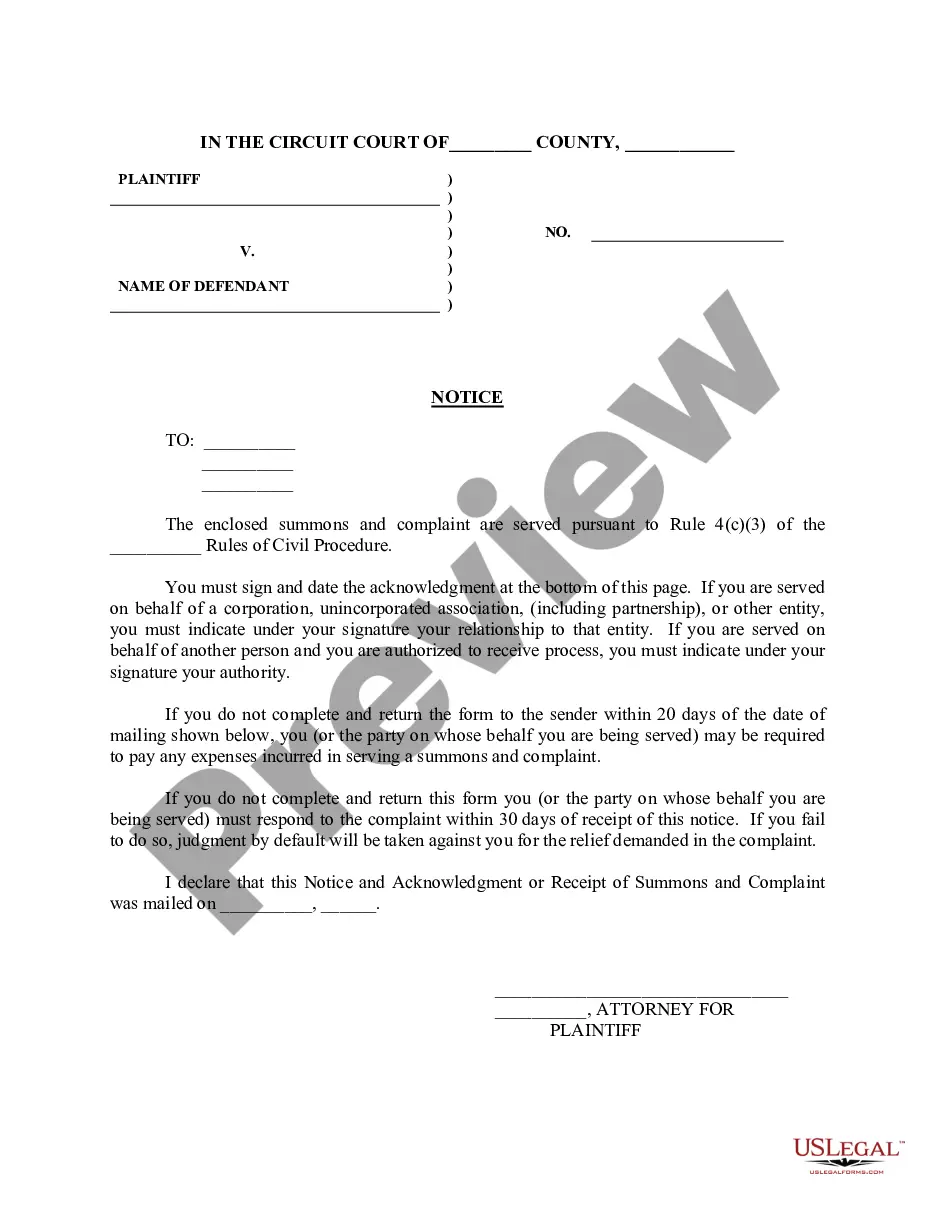
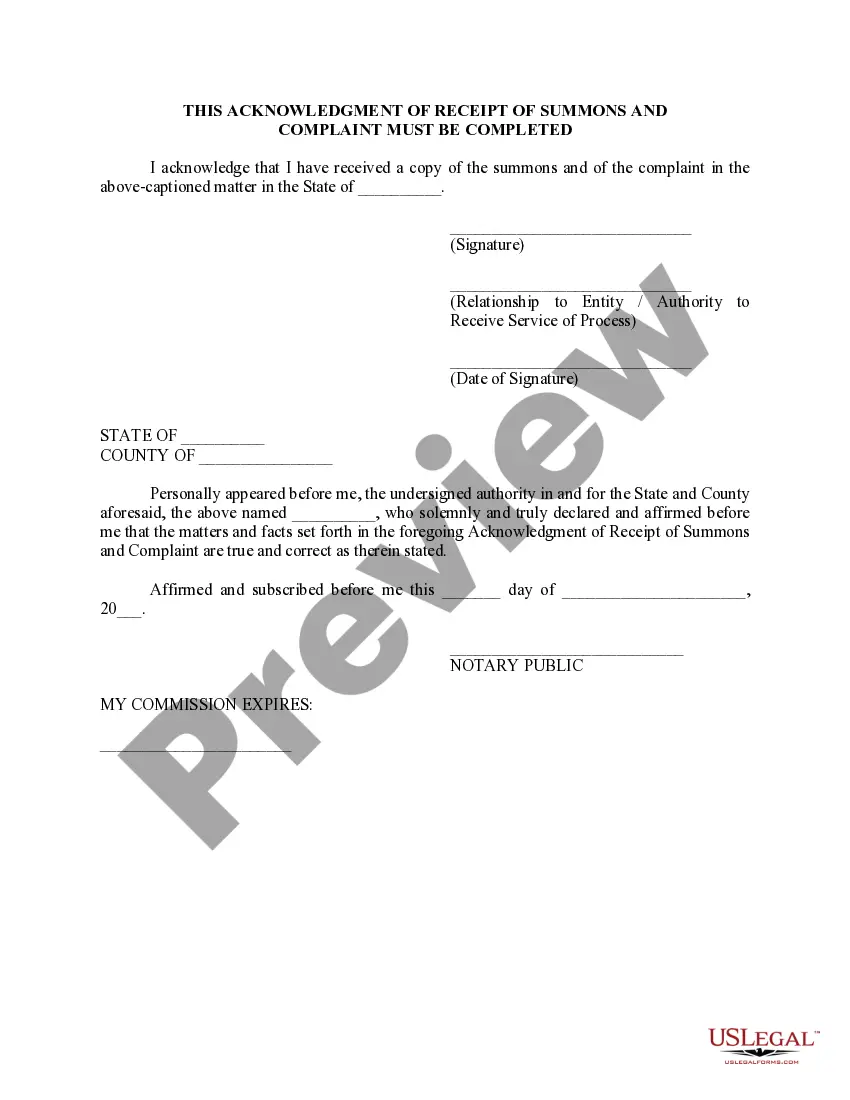
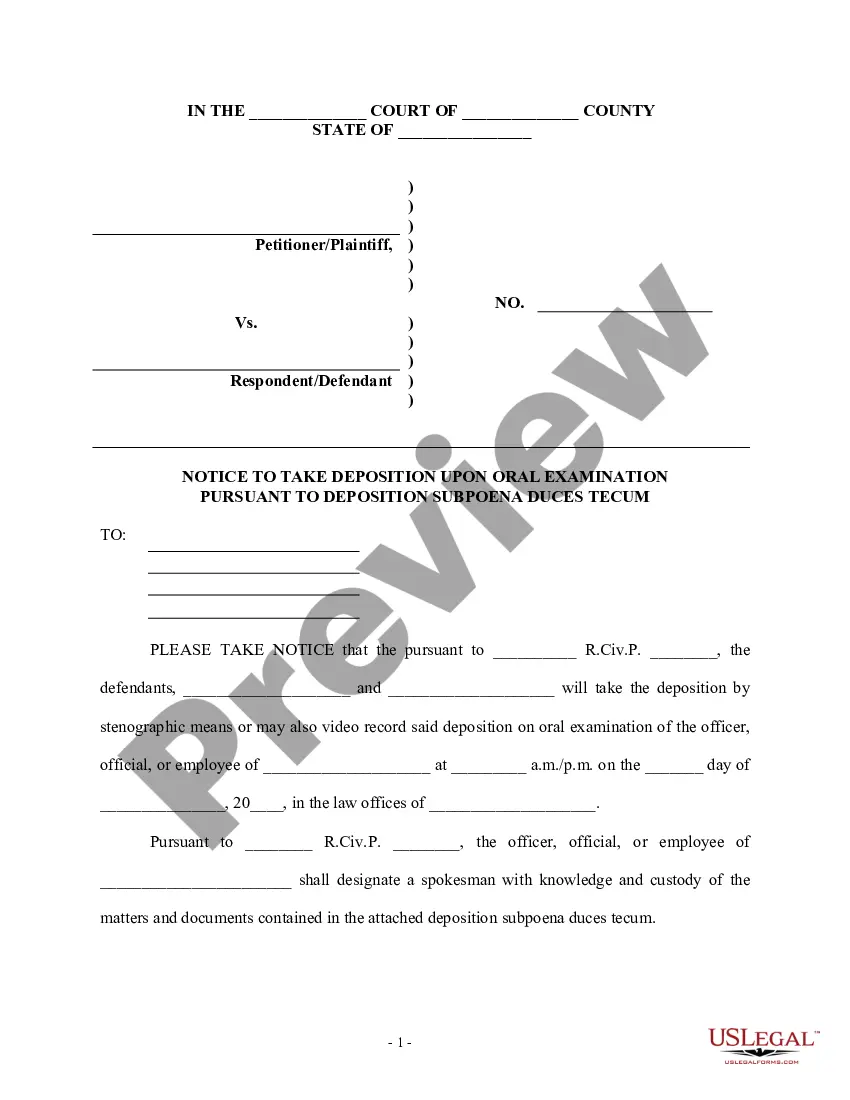
Get your form ready online
Our built-in tools help you complete, sign, share, and store your documents in one place.
Make edits, fill in missing information, and update formatting in US Legal Forms—just like you would in MS Word.
Download a copy, print it, send it by email, or mail it via USPS—whatever works best for your next step.
Sign and collect signatures with our SignNow integration. Send to multiple recipients, set reminders, and more. Go Premium to unlock E-Sign.
If this form requires notarization, complete it online through a secure video call—no need to meet a notary in person or wait for an appointment.
We protect your documents and personal data by following strict security and privacy standards.

Make edits, fill in missing information, and update formatting in US Legal Forms—just like you would in MS Word.

Download a copy, print it, send it by email, or mail it via USPS—whatever works best for your next step.

Sign and collect signatures with our SignNow integration. Send to multiple recipients, set reminders, and more. Go Premium to unlock E-Sign.

If this form requires notarization, complete it online through a secure video call—no need to meet a notary in person or wait for an appointment.

We protect your documents and personal data by following strict security and privacy standards.
Looking for another form?
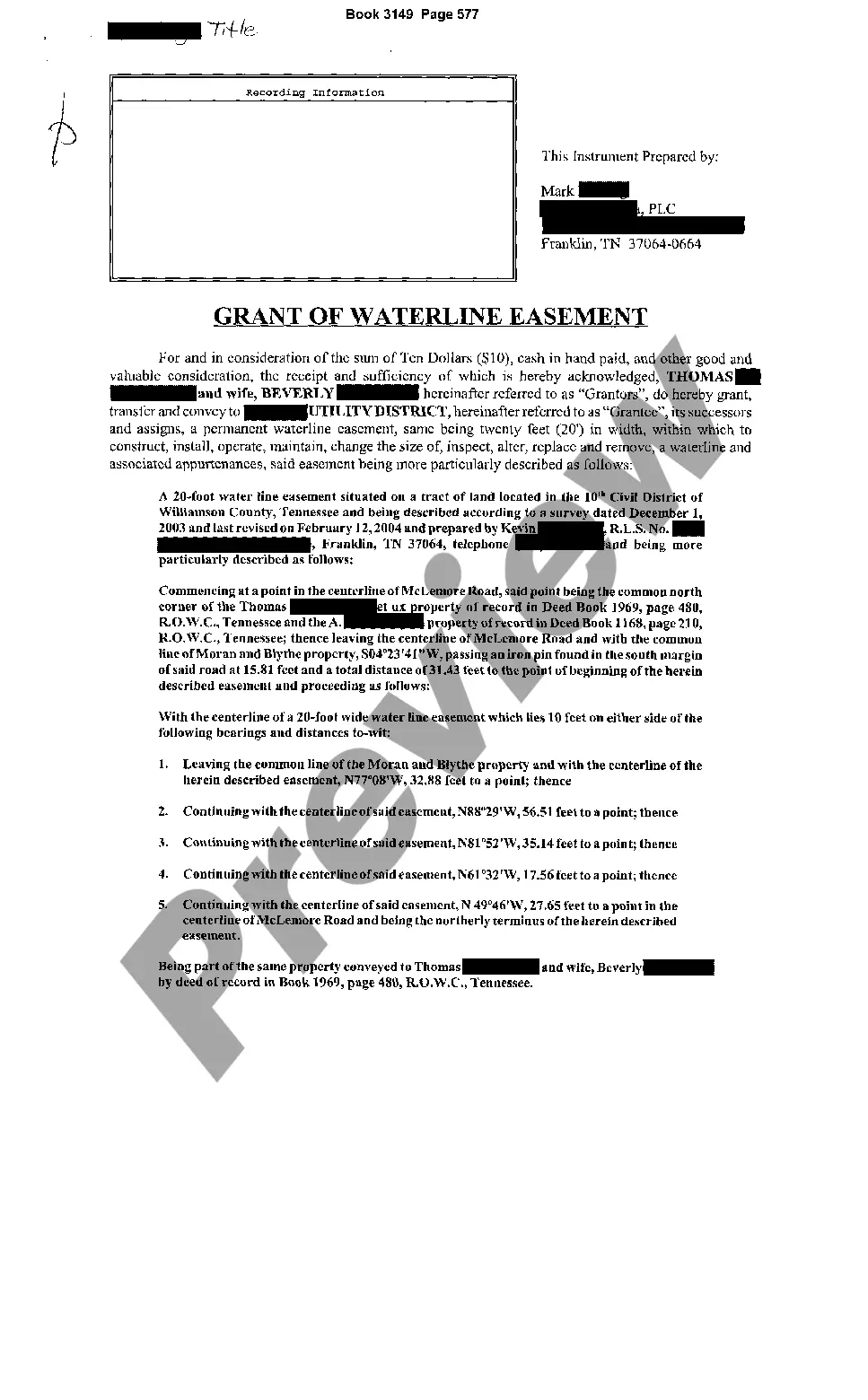
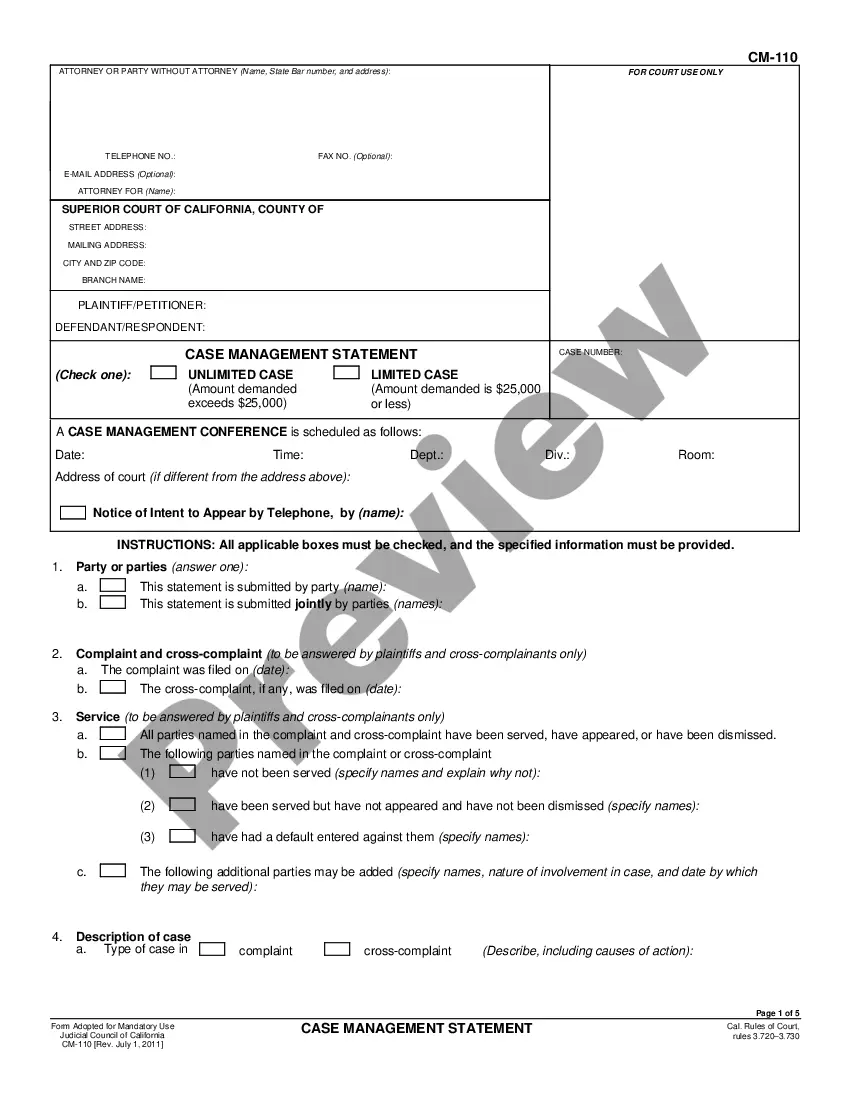

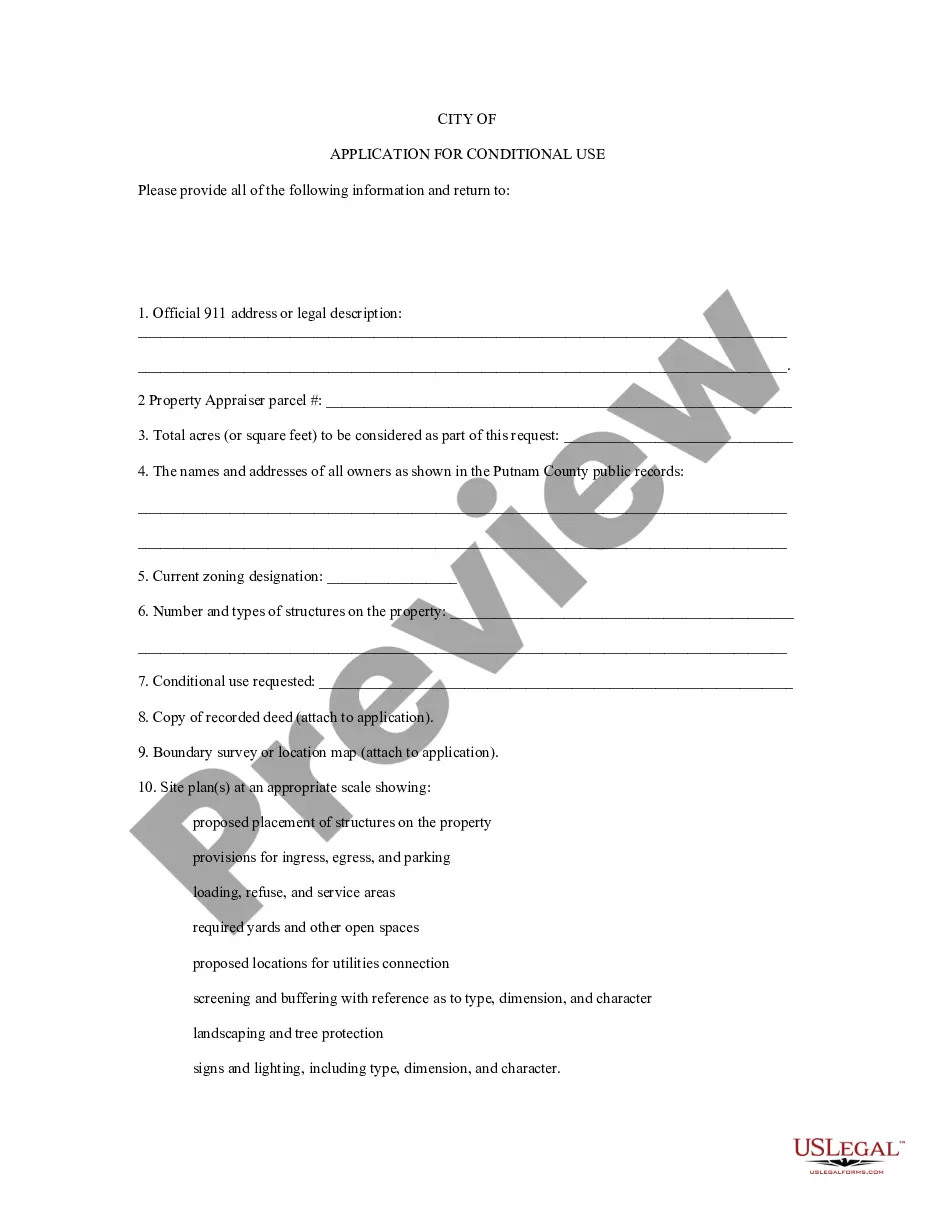
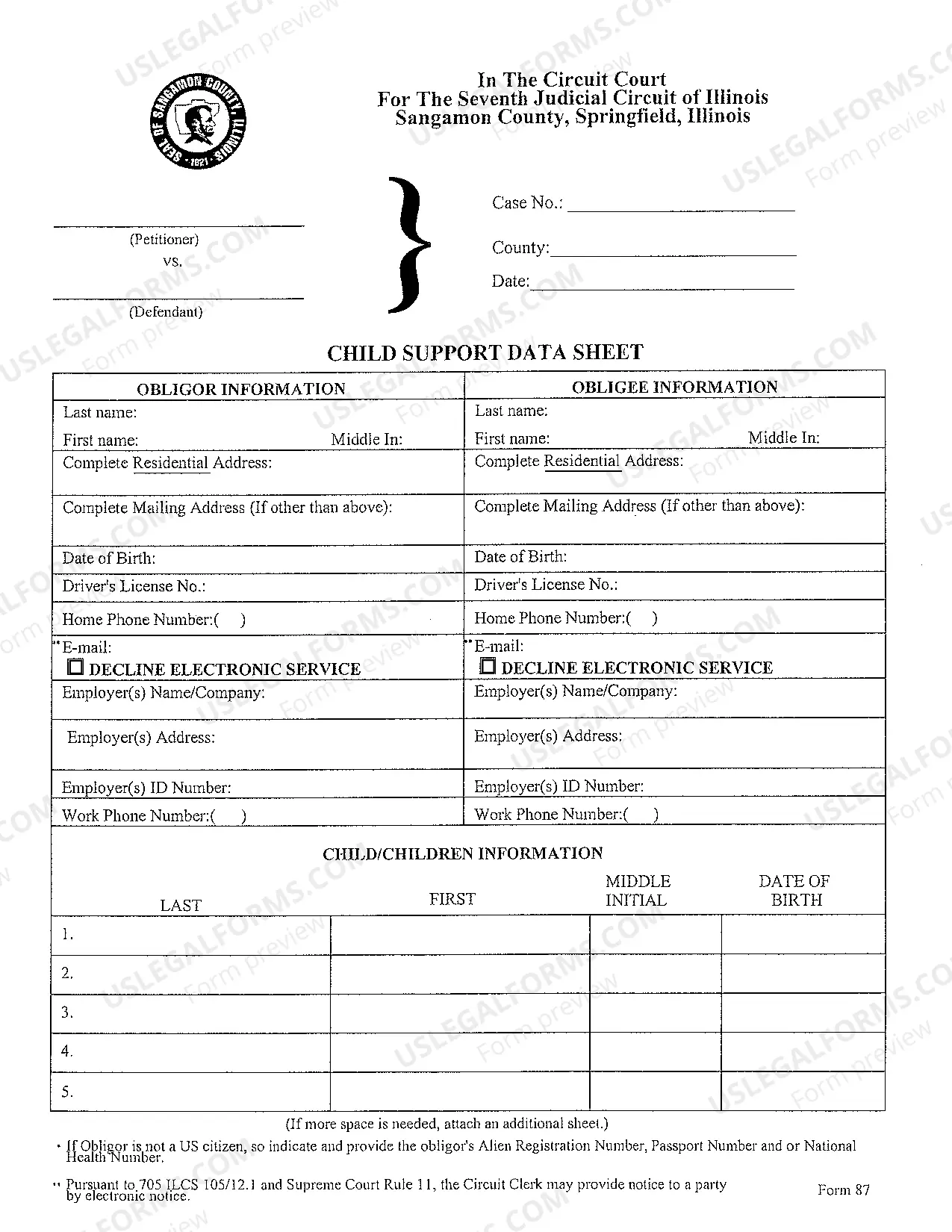
How to fill out Notice - Served With Complaint And Summons?
Regardless of whether it is for corporate objectives or personal matters, everyone inevitably has to handle legal issues at some point during their lifetime. Completing legal documentation requires meticulous consideration, starting with selecting the appropriate form template.
For instance, if you choose an incorrect version of a Simple Summons Process, it will be rejected upon submission. Thus, it is essential to find a trustworthy source of legal documents like US Legal Forms.
With an extensive US Legal Forms catalog available, you won't need to waste time searching for the suitable template on the internet. Utilize the library’s straightforward navigation to find the right template for any occasion.
- Locate the template you require using the search box or catalog navigation.
- Review the form’s description to ensure it aligns with your situation, state, and jurisdiction.
- Click on the form’s preview to examine it.
- If it is the wrong form, return to the search feature to find the Simple Summons Process template you need.
- Acquire the template if it meets your requirements.
- If you already possess a US Legal Forms account, simply click Log in to access previously saved documents in My documents.
- Should you not have an account yet, you can obtain the form by clicking Buy now.
- Select the appropriate pricing option.
- Complete the registration form for your profile.
- Choose your payment method: either a credit card or PayPal account.
- Select the file format you desire and download the Simple Summons Process.
- Once downloaded, you can complete the form using editing software or print it and finish it by hand.
Form popularity
FAQ
Once you receive a claim there are three ways in which you can choose to respond: Admit the claim and settle it before the last date for a response. Admit the claim and ask the court for time to pay. Dispute the claim or part of the claim (such as the amount you should pay the claimant).
In Simple Procedure the sheriff has discretion about how they want to hear evidence and they'll tell you how they want evidence to be presented. For example, they might question the witness directly or set a time limit for questioning. Each side will present their arguments and evidence.
Simple procedure allows you to apply to civil court to claim money you're owed by a person or a business. It can also be used by a person or business to get money from you. It provides an informal and cost effective way to settle claims worth up to £5,000. More about simple procedure.
Appeal Form Before completing this form, you should read Part 16 of the Simple Procedure Rules, which is about appeals. This is an Appeal Form. You can use this to appeal the decision made by the sheriff at the end of a simple procedure case. You may only do this within 28 days from the Decision Form being sent.
You can use simple procedure to: force a person or a business to pay money they owe - for example, to collect payment for a loan that's due. get compensation if someone breached your legal rights - for example, if they've discriminated against you because of your age or sexual orientation.