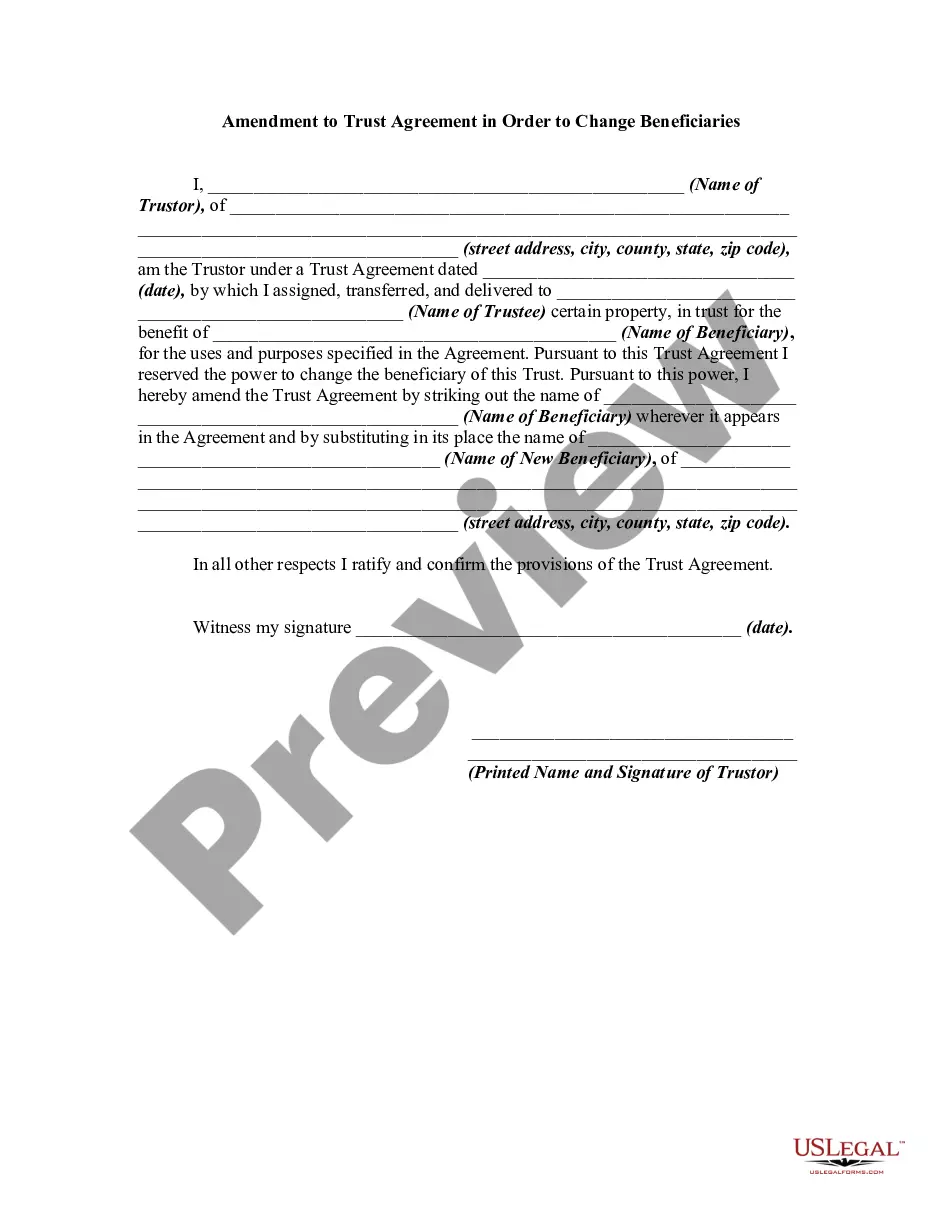
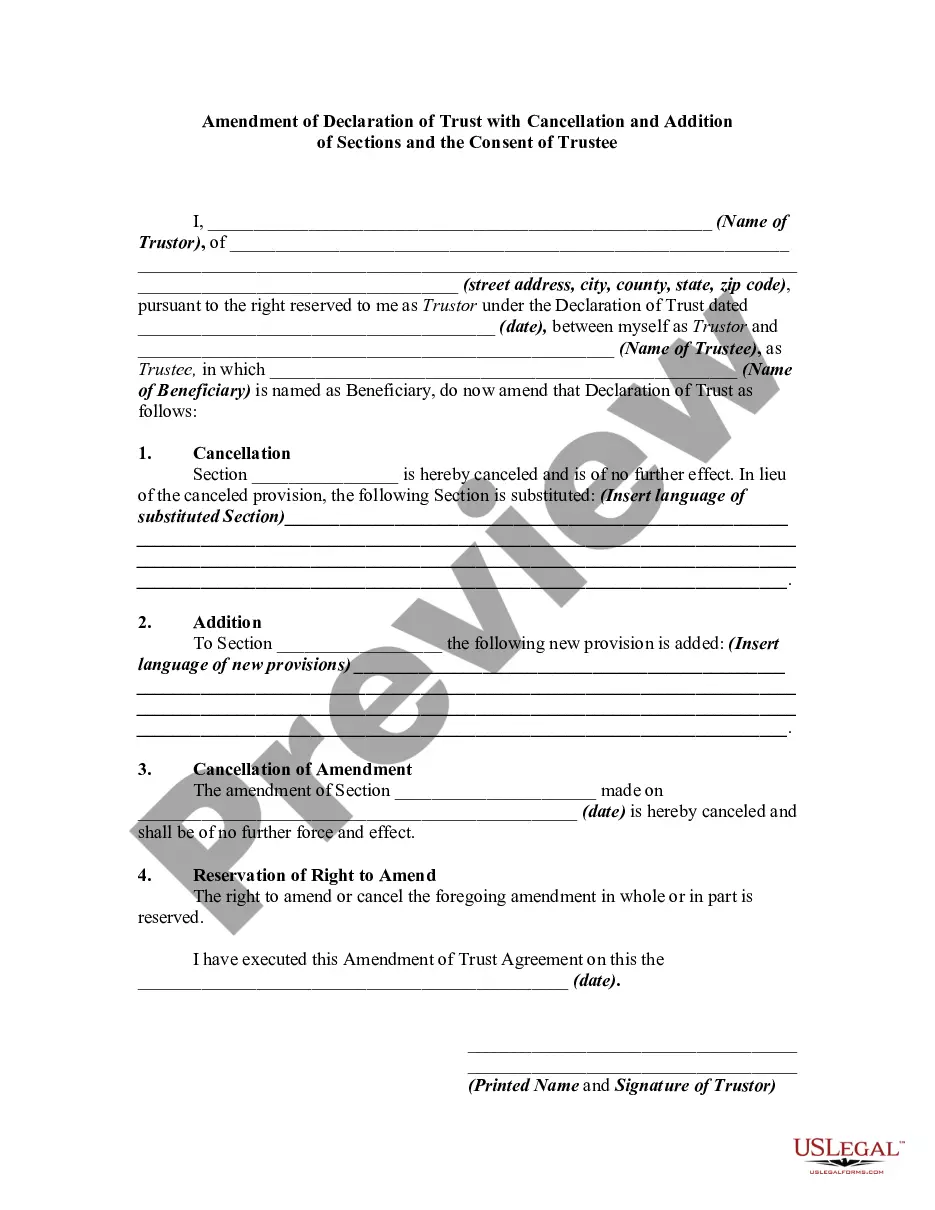
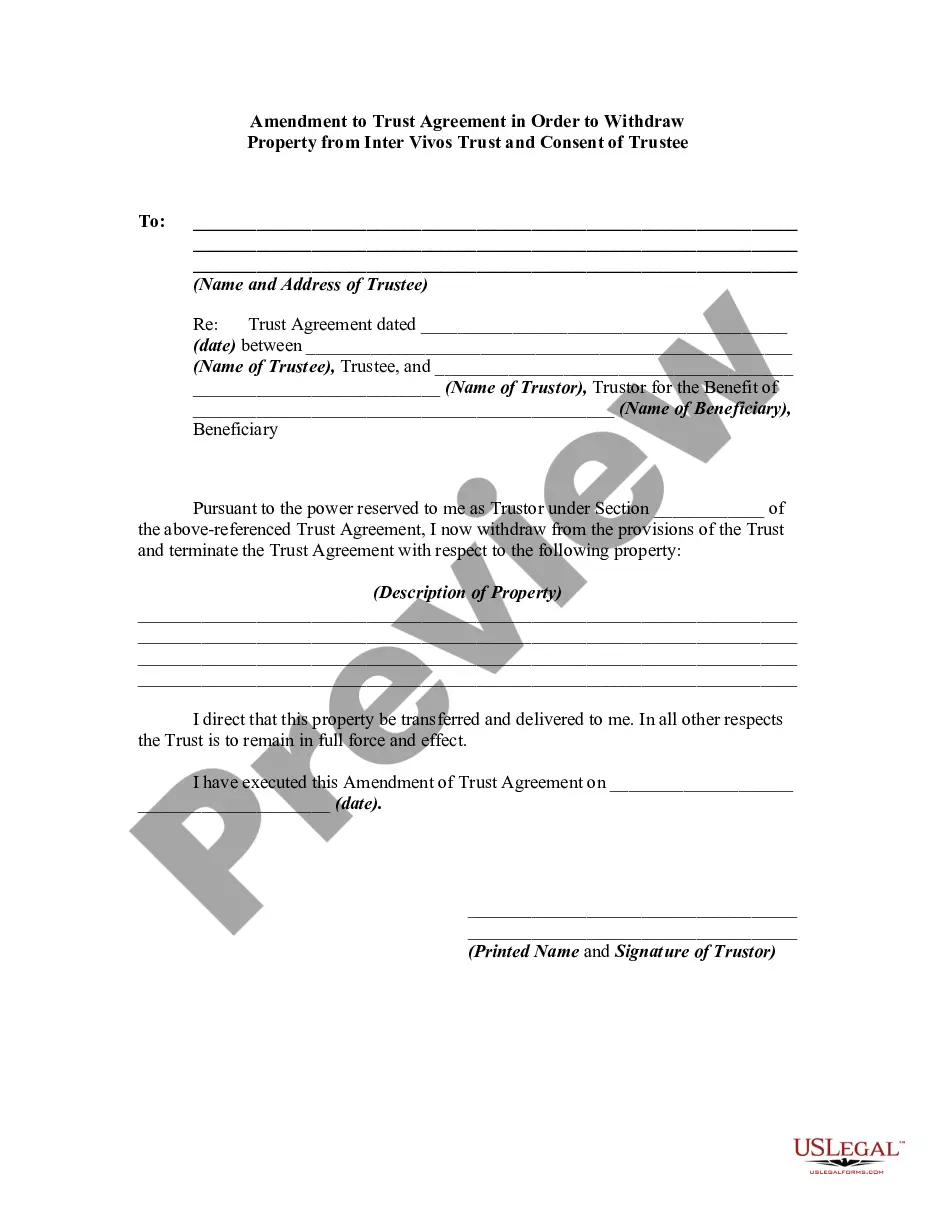
Trust Name Change Form Irs
Description
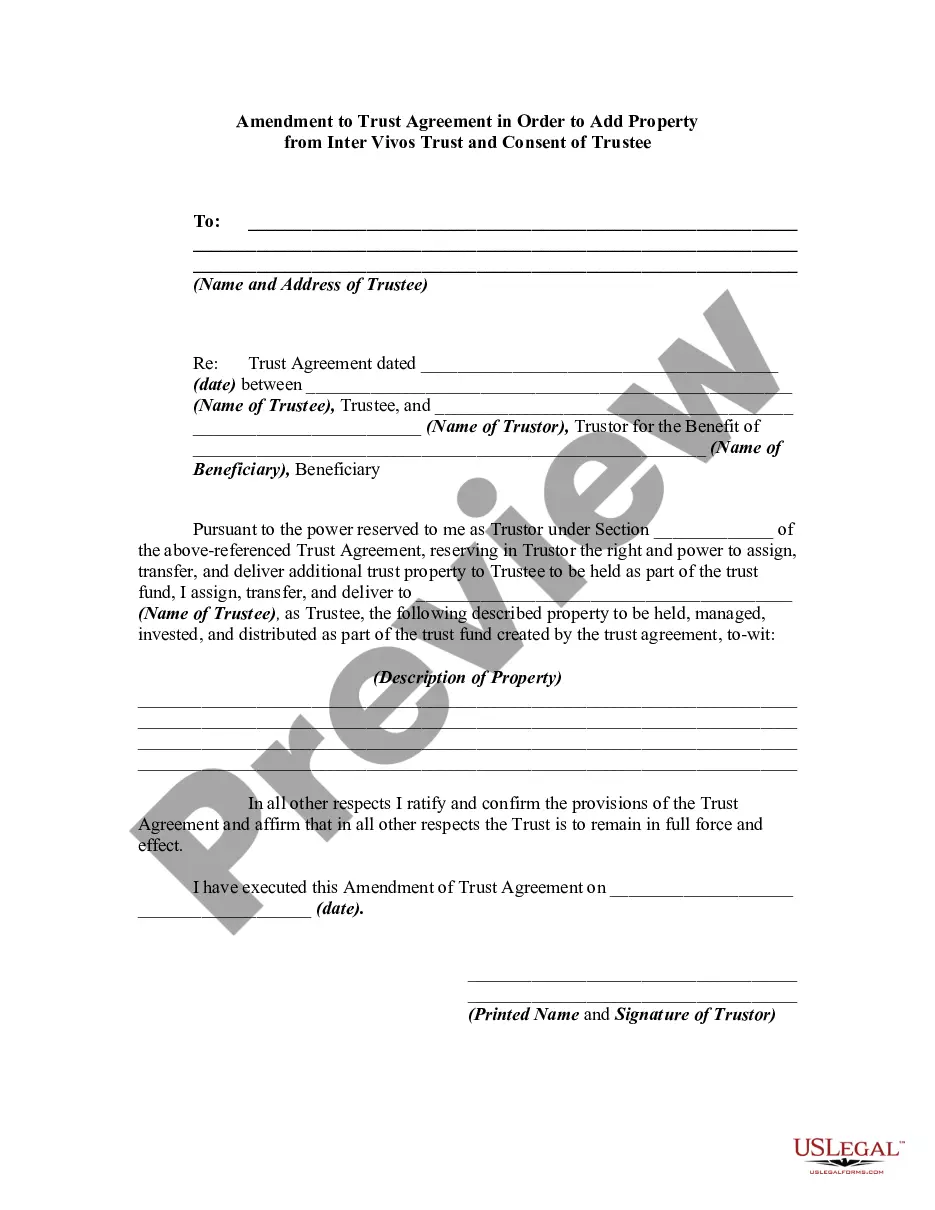
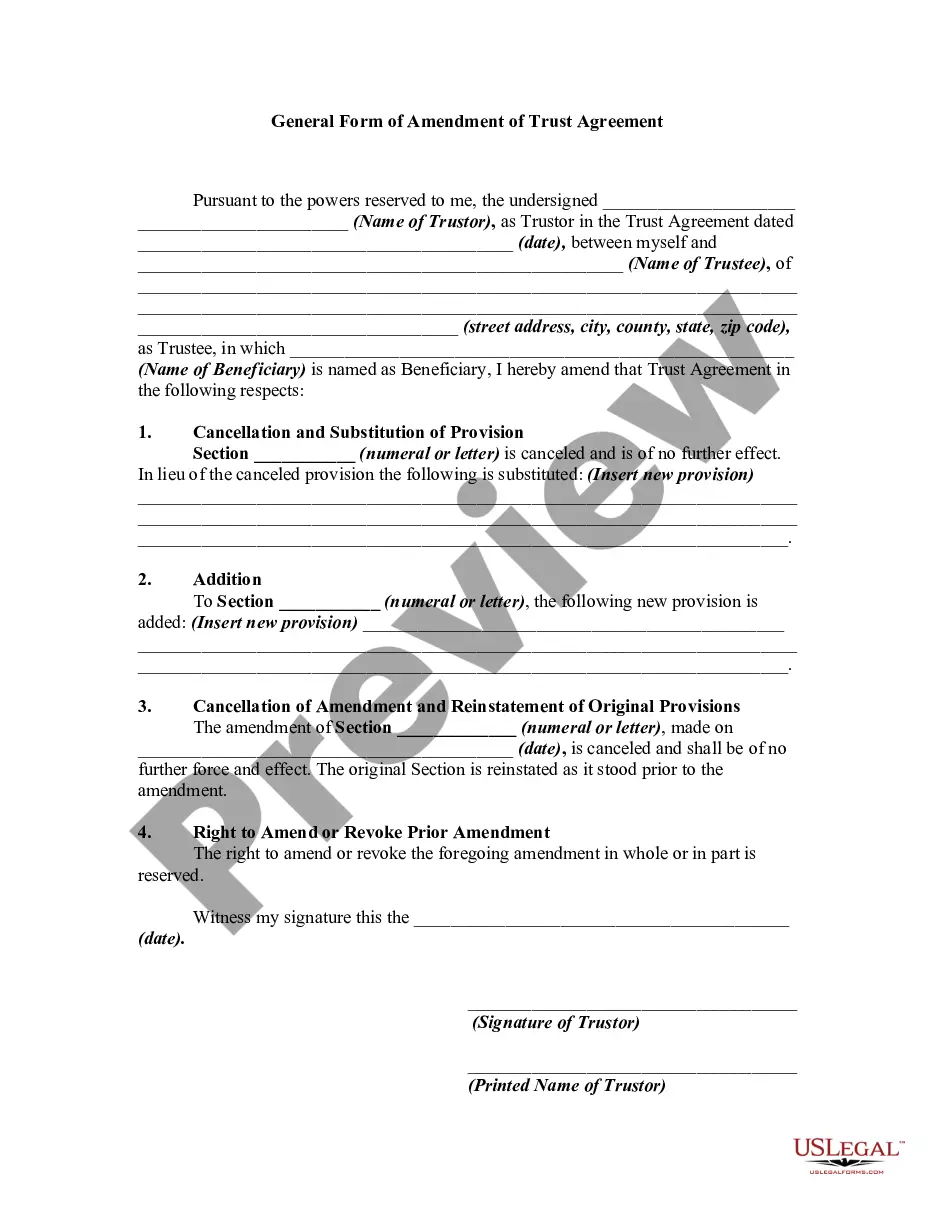
Get your form ready online
Our built-in tools help you complete, sign, share, and store your documents in one place.
Make edits, fill in missing information, and update formatting in US Legal Forms—just like you would in MS Word.
Download a copy, print it, send it by email, or mail it via USPS—whatever works best for your next step.
Sign and collect signatures with our SignNow integration. Send to multiple recipients, set reminders, and more. Go Premium to unlock E-Sign.
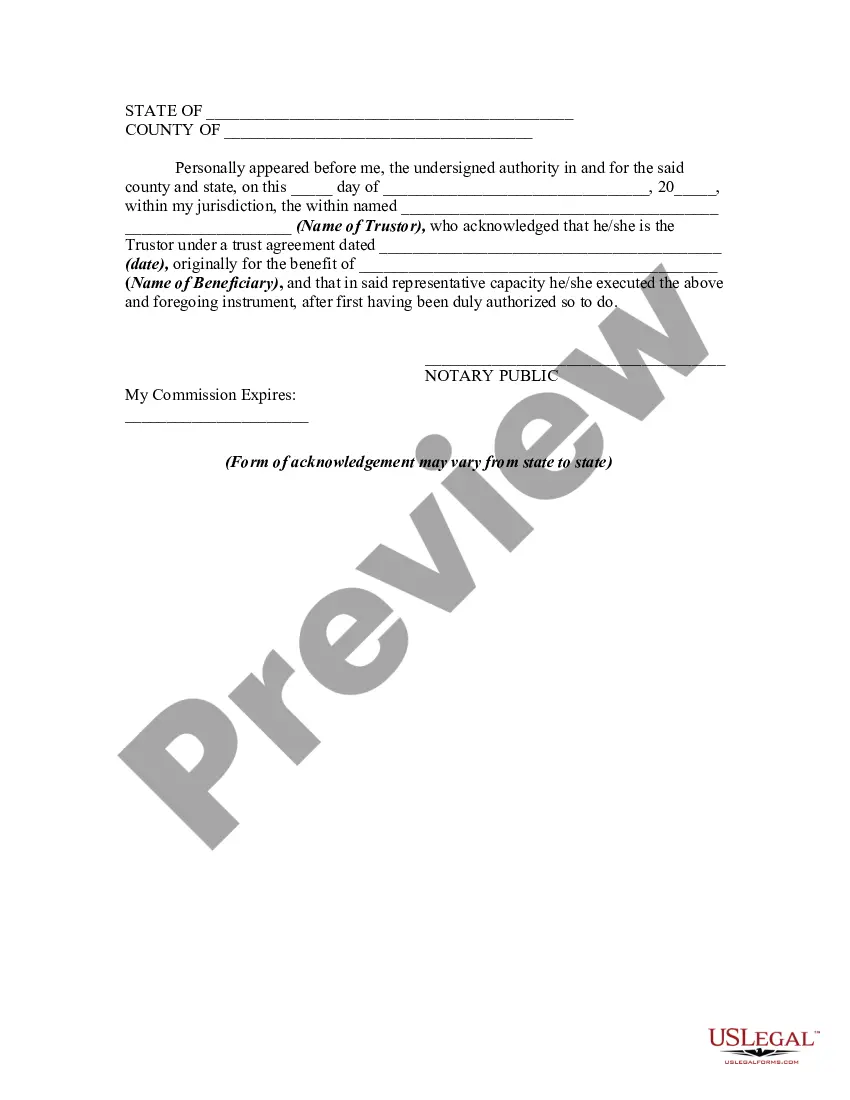
If this form requires notarization, complete it online through a secure video call—no need to meet a notary in person or wait for an appointment.
We protect your documents and personal data by following strict security and privacy standards.

Make edits, fill in missing information, and update formatting in US Legal Forms—just like you would in MS Word.

Download a copy, print it, send it by email, or mail it via USPS—whatever works best for your next step.

Sign and collect signatures with our SignNow integration. Send to multiple recipients, set reminders, and more. Go Premium to unlock E-Sign.

If this form requires notarization, complete it online through a secure video call—no need to meet a notary in person or wait for an appointment.

We protect your documents and personal data by following strict security and privacy standards.
Looking for another form?






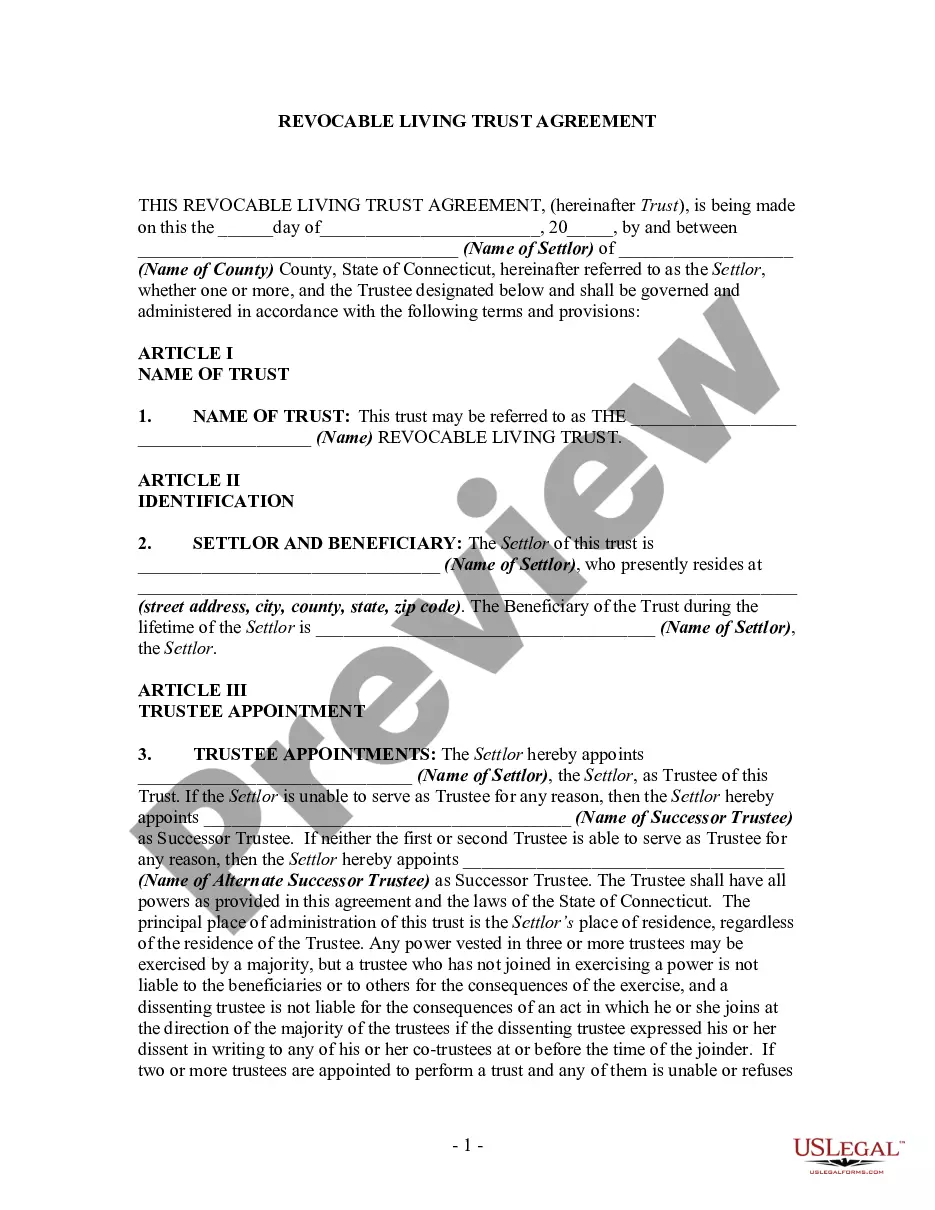


How to fill out Amendment To Trust Agreement In Order To Change Beneficiaries?
Managing legal documents can be perplexing, even for seasoned professionals.
If you are looking for a Trust Name Change Form IRS and lack the time to search for the correct and latest version, the process can be stressful.
Tap into a repository of articles, tutorials, and guides related to your situation and requirements.
Save time and effort searching for the documents you need, and use US Legal Forms’ advanced search and Review feature to locate and download the Trust Name Change Form IRS.
Take advantage of the US Legal Forms online library, supported by 25 years of experience and trustworthiness. Improve your everyday document management with a seamless and user-friendly process today.
- If you have a monthly subscription, Log In to your US Legal Forms account, search for the form, and download it.
- Check your My documents tab to review the documents you have previously downloaded and manage your folders as you see fit.
- If this is your first time using US Legal Forms, create a free account for unlimited access to all the benefits of the library.
- Follow these steps after obtaining the form you need.
- Verify that this is the correct form by previewing it and reviewing its description.
- Ensure that the sample is valid in your state or county.
- Select Buy Now when you are prepared.
- Choose a monthly subscription option.
- Select the desired file format, then Download, complete, sign, print, and submit your documents.
- Access state- or county-specific legal and business documents.
- US Legal Forms caters to all your needs, from personal to corporate paperwork, in one convenient location.
- Utilize advanced tools to complete and manage your Trust Name Change Form IRS.
Form popularity
FAQ
What are the basic steps in filing a lawsuit? File the Summons and Complaint. The person starting the case is called the Petitioner or Plaintiff. ... File the Answer. The person being sued is either called the Defendant or the Respondent. ... Prepare the case. ... The judge holds a hearing. ... The judge makes a decision.
(a) A court of this state has temporary emergency jurisdiction if the child is present in this state and the child has been abandoned or it is necessary in an emergency to protect the child because the child, or a sibling or parent of the child, is subjected to or threatened with mistreatment or abuse.
How to File for Custody in South Dakota Agree on a Parenting Plan. It is highly recommended that the parents try to reach an agreement on the terms of custody before starting the legal process. ... Calculate Child Support. ... Complete and File Required Forms. ... Serve the Forms. ... Receive Court Order.
In South Dakota, the standard parenting guidelines will set out the custody arrangement to be followed by the parents. You can object to the standard guidelines and the judge will order a hearing within thirty days.
A judge's goal in a custody dispute is to make a "balanced and methodical" assessment of a child's best interests. The court will consider several factors to determine what is best for the child mentally, physically, and emotionally. Your family's unique circumstances will determine the outcome of your case.
Status hearing ? A hearing in which the judge assesses the progress of the case or addresses problems the parties are having. Statute ? A statute is a formal written law. Federal statutes are found in the United Stated Code. South Dakota statutes are found in South Dakota Codified Laws.
The State of South Dakota bases all child custody decisions on one main factor: the best interests of the child. The child's health, well-being, and welfare are considered paramount when determining child custody.
The appointment of a guardian or conservator of a protected person does not constitute a general finding of legal incompetence unless the court so orders, and the protected person shall otherwise retain all rights which have not been granted to the guardian or conservator, with the exception of the ability to create an ...