Trust Revocation Document Formal
Description
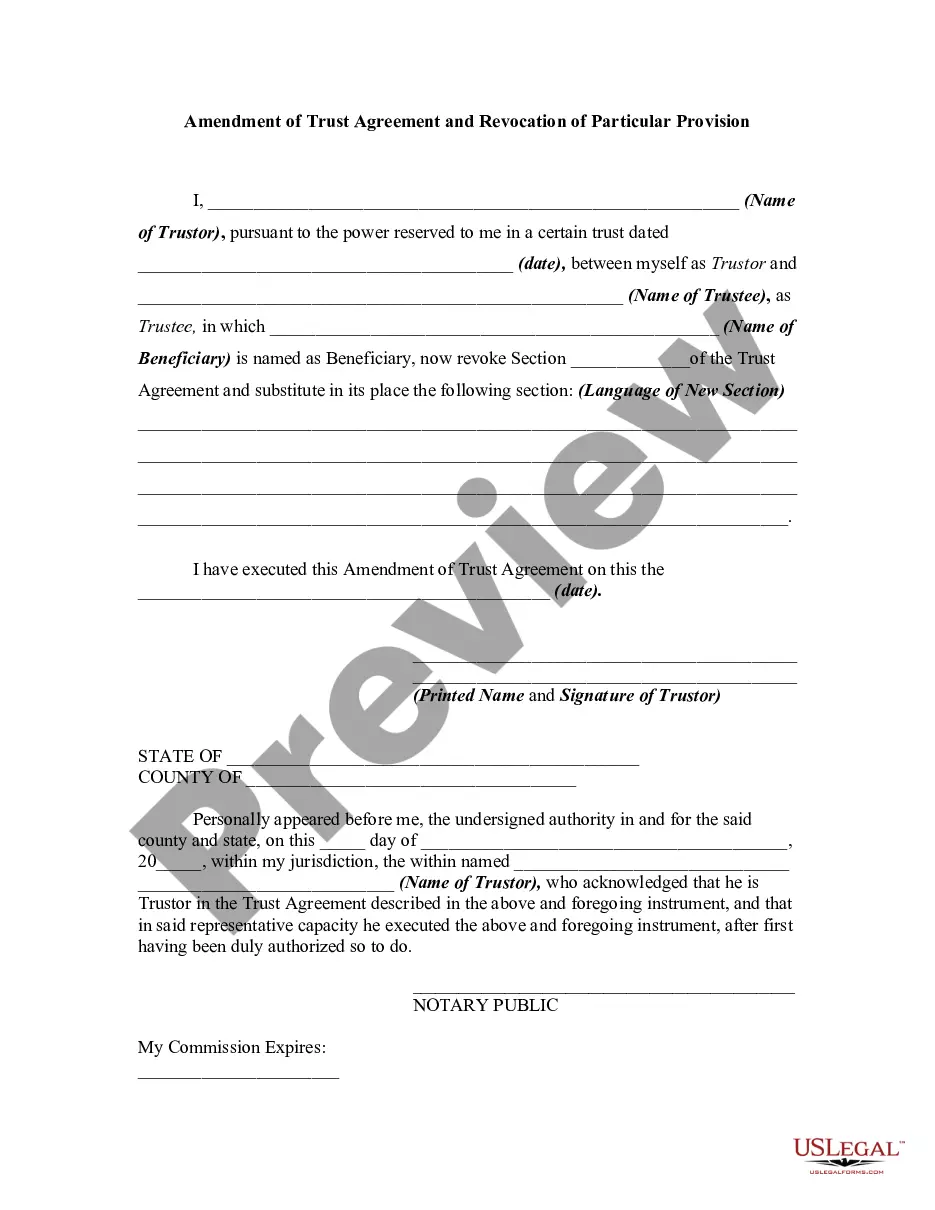
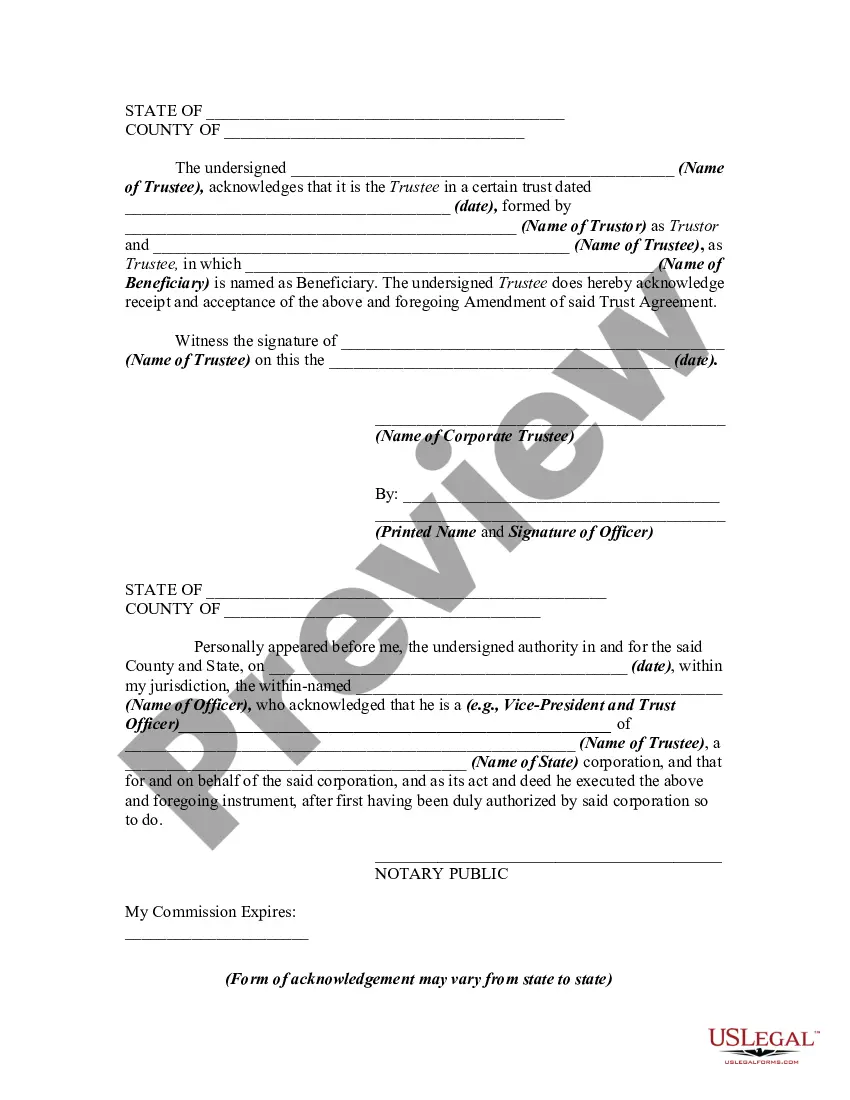
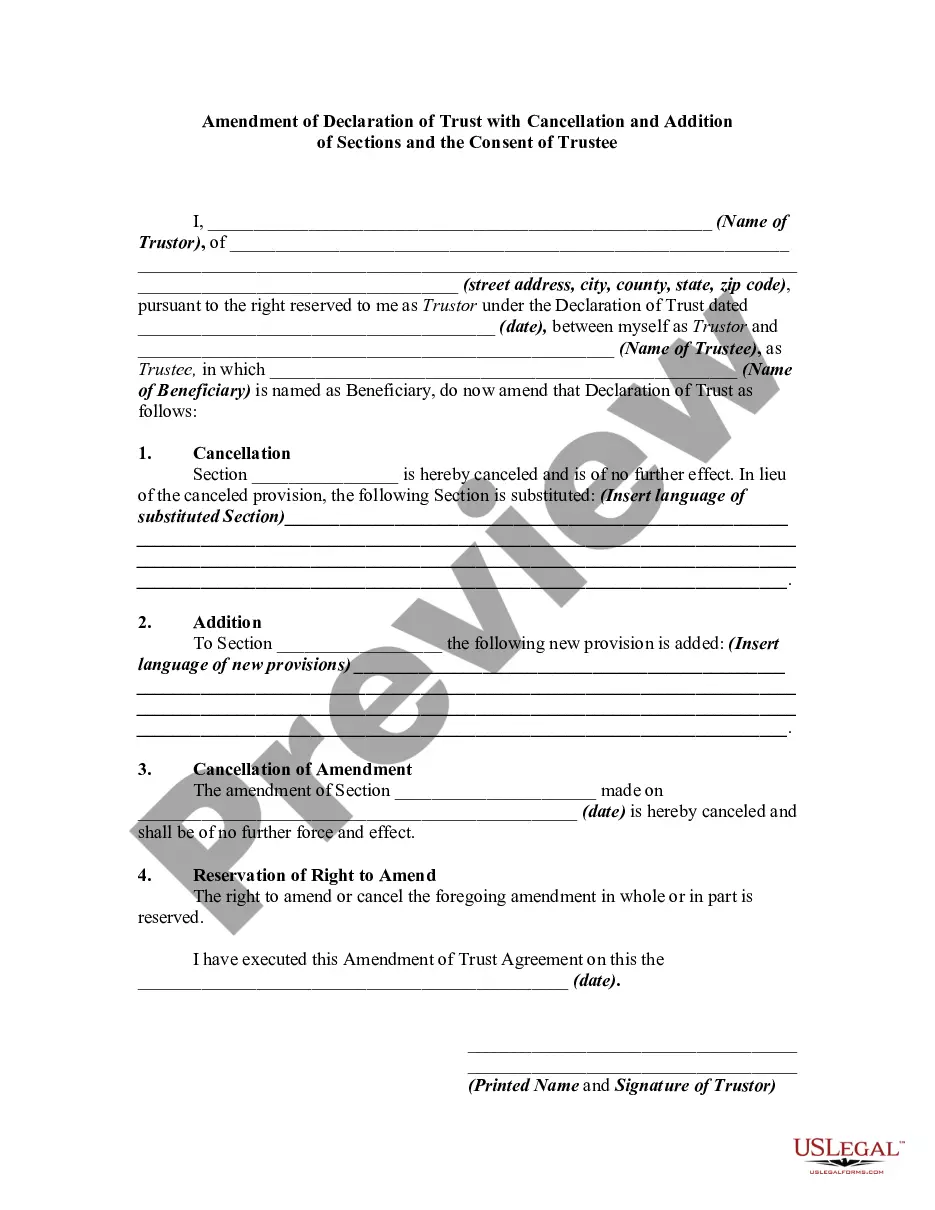
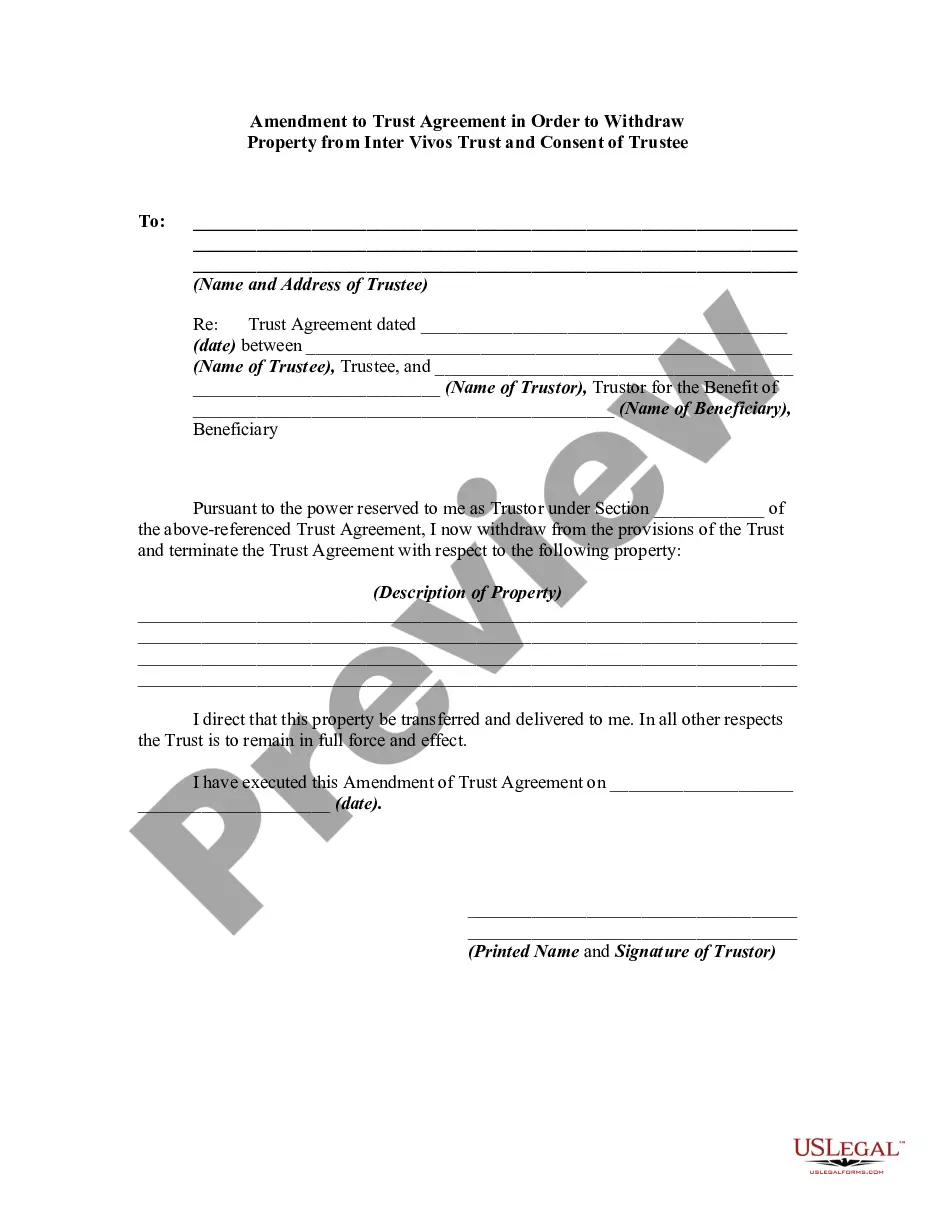
Get your form ready online
Our built-in tools help you complete, sign, share, and store your documents in one place.
Make edits, fill in missing information, and update formatting in US Legal Forms—just like you would in MS Word.
Download a copy, print it, send it by email, or mail it via USPS—whatever works best for your next step.
Sign and collect signatures with our SignNow integration. Send to multiple recipients, set reminders, and more. Go Premium to unlock E-Sign.
If this form requires notarization, complete it online through a secure video call—no need to meet a notary in person or wait for an appointment.
We protect your documents and personal data by following strict security and privacy standards.

Make edits, fill in missing information, and update formatting in US Legal Forms—just like you would in MS Word.

Download a copy, print it, send it by email, or mail it via USPS—whatever works best for your next step.

Sign and collect signatures with our SignNow integration. Send to multiple recipients, set reminders, and more. Go Premium to unlock E-Sign.

If this form requires notarization, complete it online through a secure video call—no need to meet a notary in person or wait for an appointment.

We protect your documents and personal data by following strict security and privacy standards.
Looking for another form?
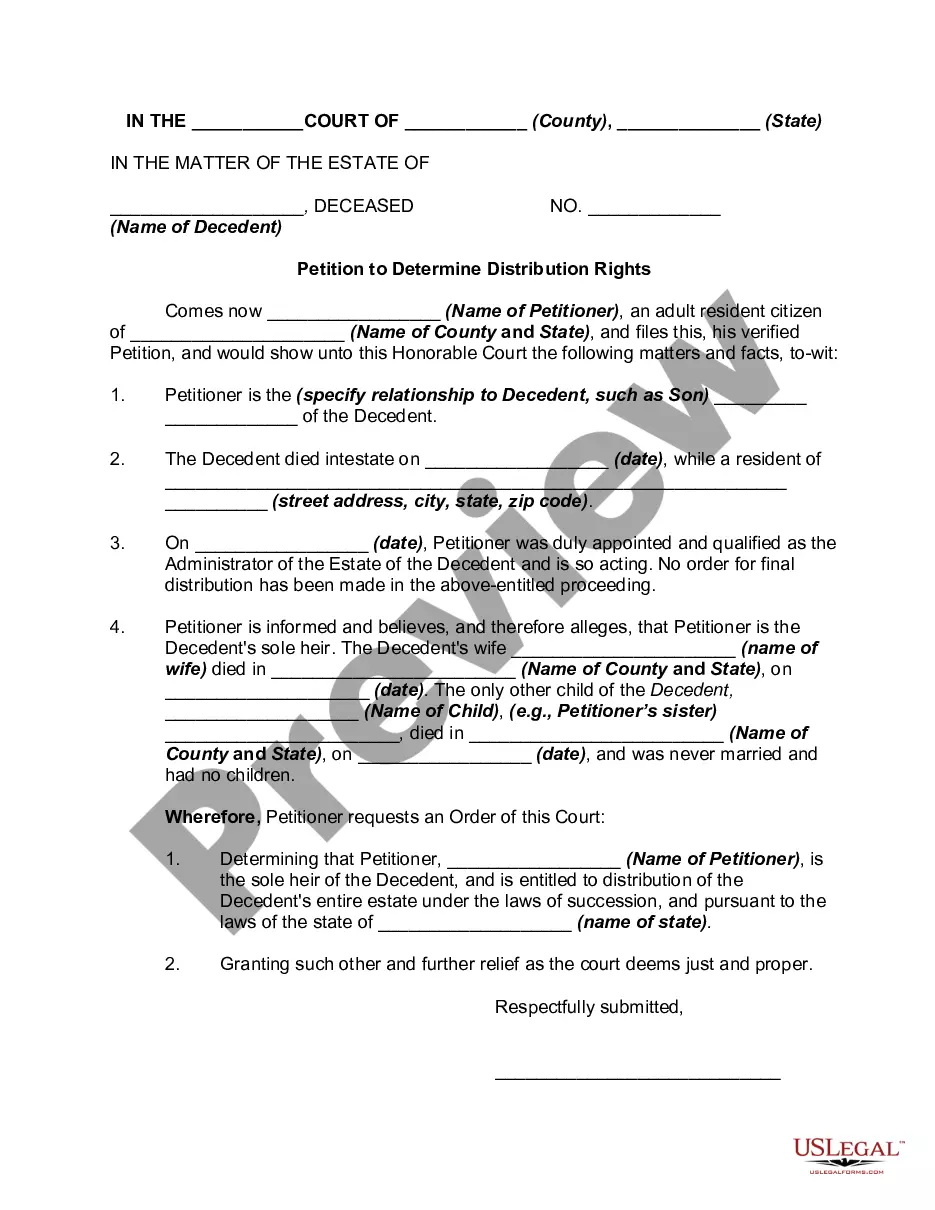



How to fill out Amendment Of Trust Agreement And Revocation Of Particular Provision?
Handling legal documents and processes can be a lengthy addition to your day.
Trust Revocation Document Formal and similar forms typically require you to look for them and comprehend how to fill them out accurately.
Therefore, regardless of whether you are managing financial, legal, or personal issues, possessing a comprehensive and user-friendly online directory of forms readily available will be very beneficial.
US Legal Forms is the premier online site for legal templates, providing over 85,000 state-specific forms and a variety of resources to help you complete your documents with ease.
Is this your first time using US Legal Forms? Register and create a complimentary account in a few minutes to gain access to the form directory and Trust Revocation Document Formal. Then, adhere to the steps outlined below to complete your form.
- Browse through the directory of relevant documents accessible to you with just one click.
- US Legal Forms supplies you with state- and county-specific forms available anytime for download.
- Enhance your document management practices by utilizing a reliable service that enables you to prepare any form in a matter of minutes without additional or concealed charges.
- Simply Log In to your account, locate Trust Revocation Document Formal, and obtain it instantly from the My documents section.
- You can also retrieve forms you have previously saved.
Form popularity
FAQ
An informal trust account typically means an account managed by one person, for the benefit of another. A formal trust account, in contrast, typically relates to a formal trust agreement and may have more than one beneficiary, broader powers and requires a formal trust deed.
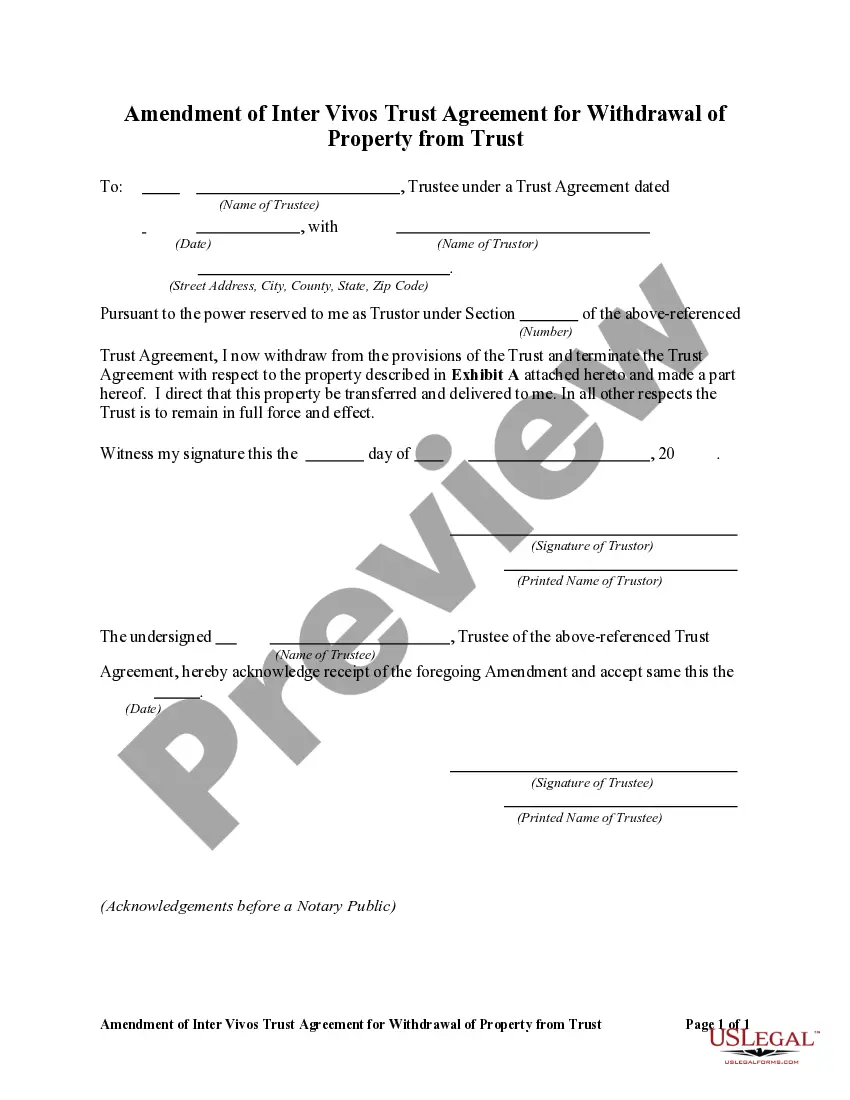
The revocation of trust refers to the act of terminating a revocable trust. This can be done for various reasons, such as changes in personal circumstances, financial situations, or estate planning goals. Proper legal procedures and a revocation declaration document are crucial when revoking a trust.
A formal trust agreement or deed is typically drafted by a lawyer and identifies the settlor, the trust property, the trustees, and the beneficiaries. A formal trust agreement typically sets out: the effective date of the trust. how the trust is to be administered.
Irrevocable trusts cannot be modified, amended, or terminated without permission from the grantor's beneficiaries or by court order. The grantor transfers all ownership of assets into the trust and legally removes all of their ownership rights to the assets and the trust.
A beneficiary can renounce their interest from the trust and, upon the consent of other beneficiaries, be allowed to exit. A trustee cannot remove a beneficiary from an irrevocable trust. A grantor can remove a beneficiary from a revocable trust by going back to the trust deed codes that allow for the same.