Successor Trustee Appointment Form For Medicare Part B
Description

Get your form ready online
Our built-in tools help you complete, sign, share, and store your documents in one place.
Make edits, fill in missing information, and update formatting in US Legal Forms—just like you would in MS Word.
Download a copy, print it, send it by email, or mail it via USPS—whatever works best for your next step.
Sign and collect signatures with our SignNow integration. Send to multiple recipients, set reminders, and more. Go Premium to unlock E-Sign.
If this form requires notarization, complete it online through a secure video call—no need to meet a notary in person or wait for an appointment.
We protect your documents and personal data by following strict security and privacy standards.
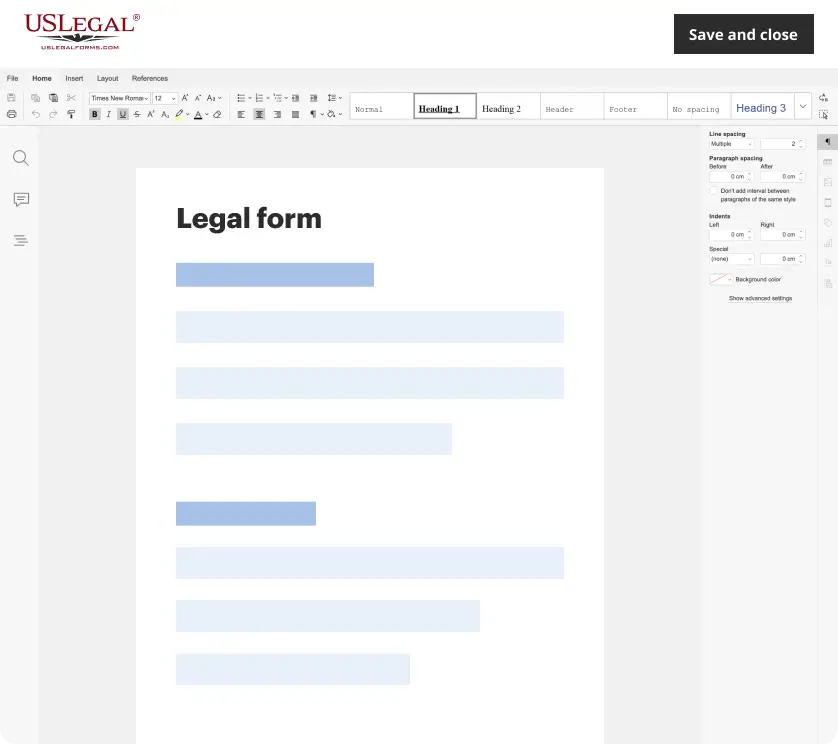
Make edits, fill in missing information, and update formatting in US Legal Forms—just like you would in MS Word.
Download a copy, print it, send it by email, or mail it via USPS—whatever works best for your next step.
Sign and collect signatures with our SignNow integration. Send to multiple recipients, set reminders, and more. Go Premium to unlock E-Sign.

If this form requires notarization, complete it online through a secure video call—no need to meet a notary in person or wait for an appointment.
We protect your documents and personal data by following strict security and privacy standards.
Looking for another form?

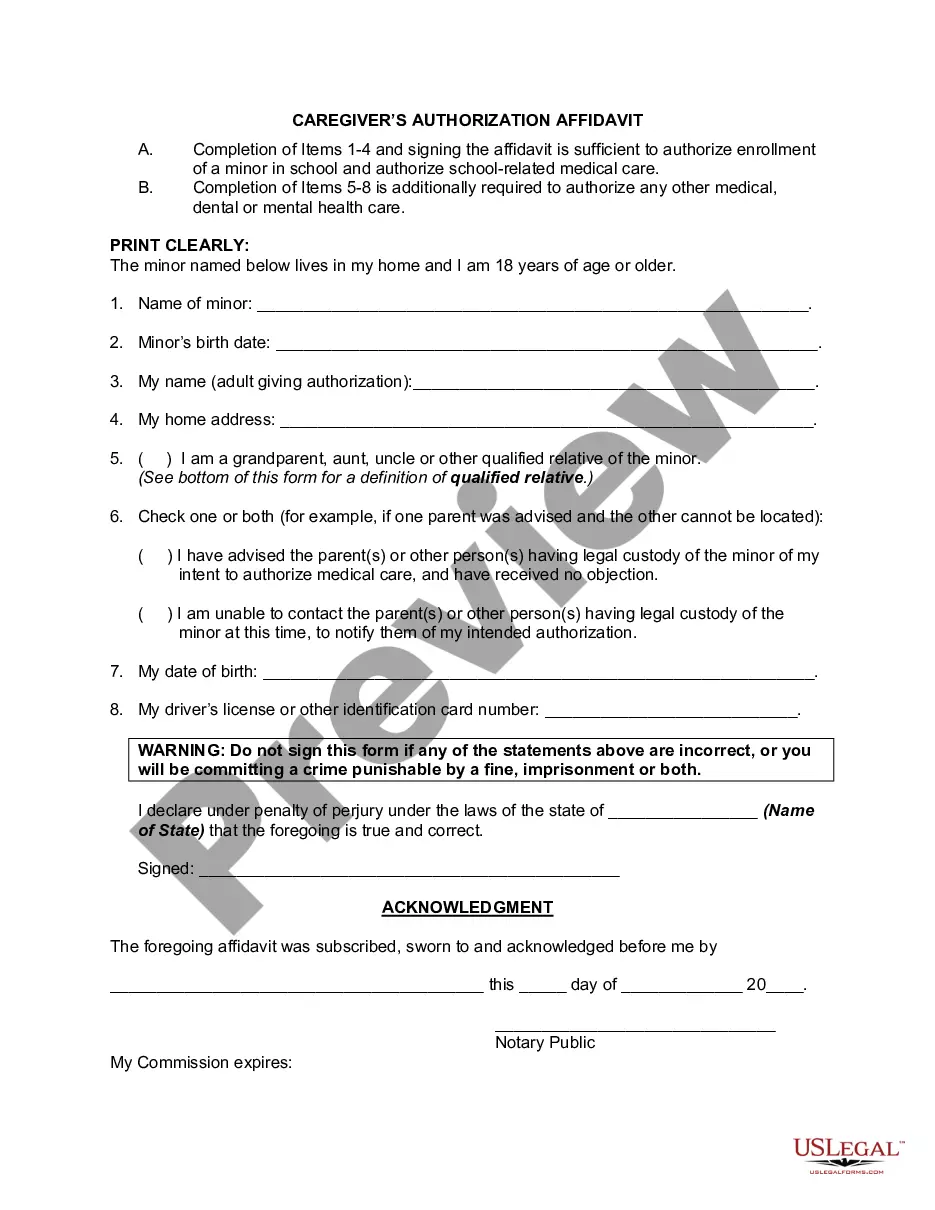
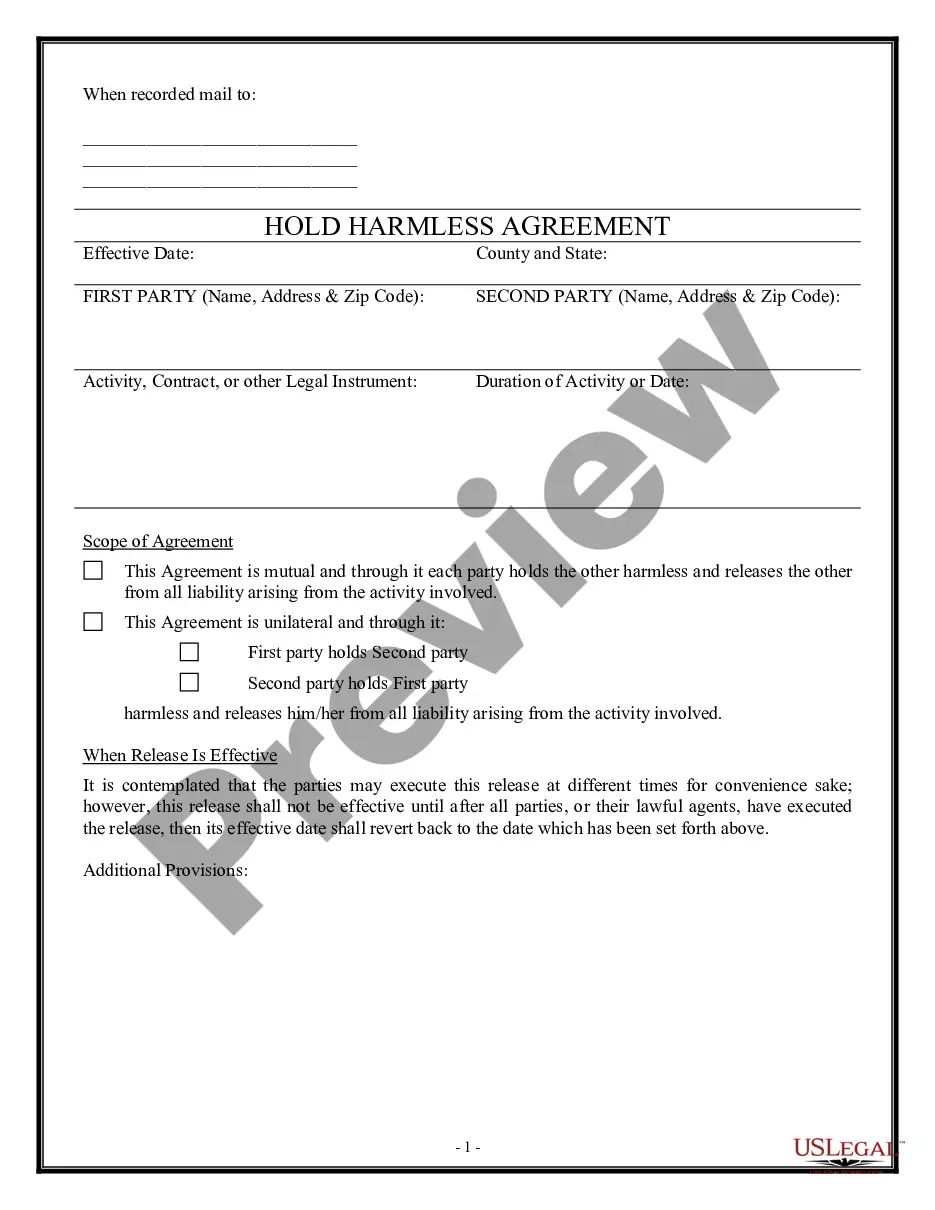



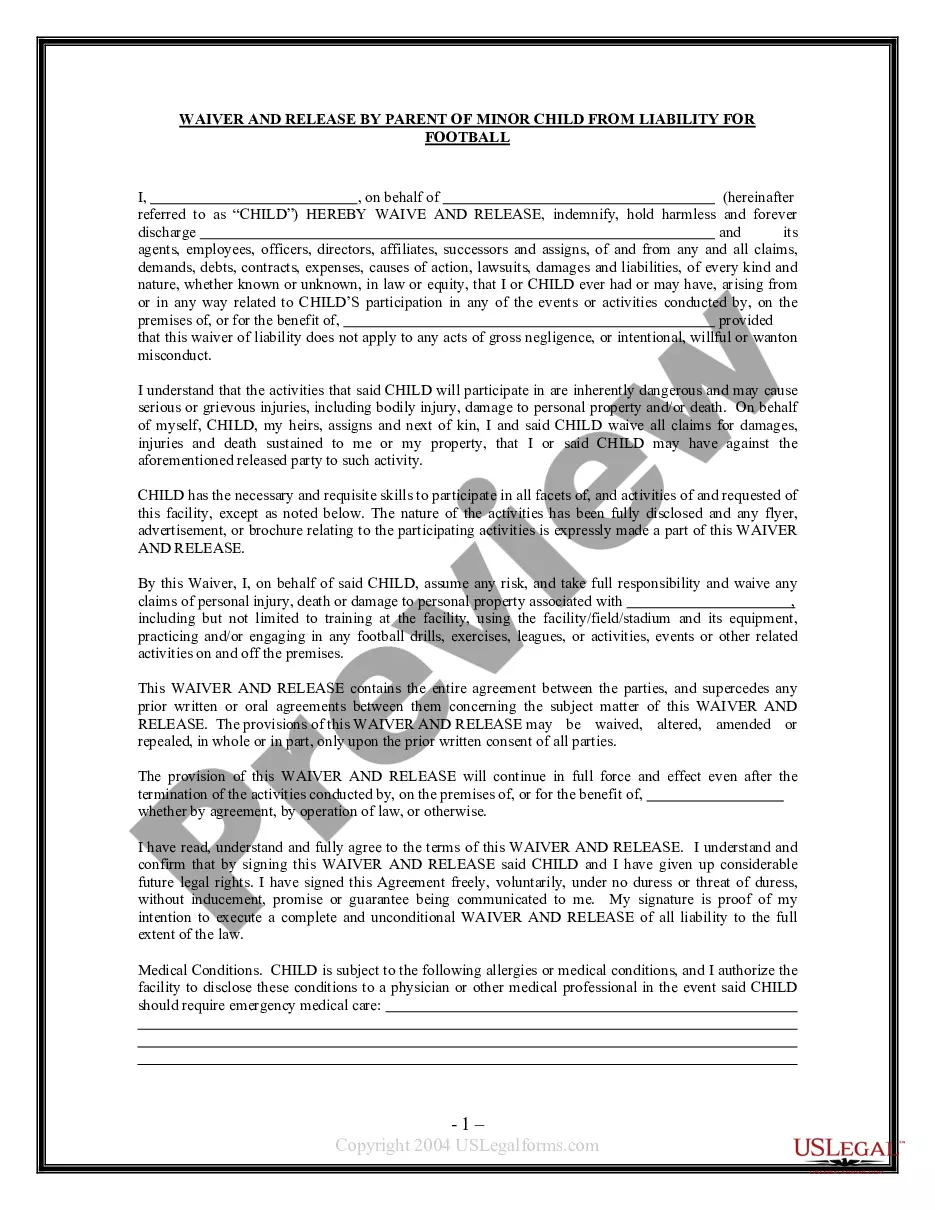

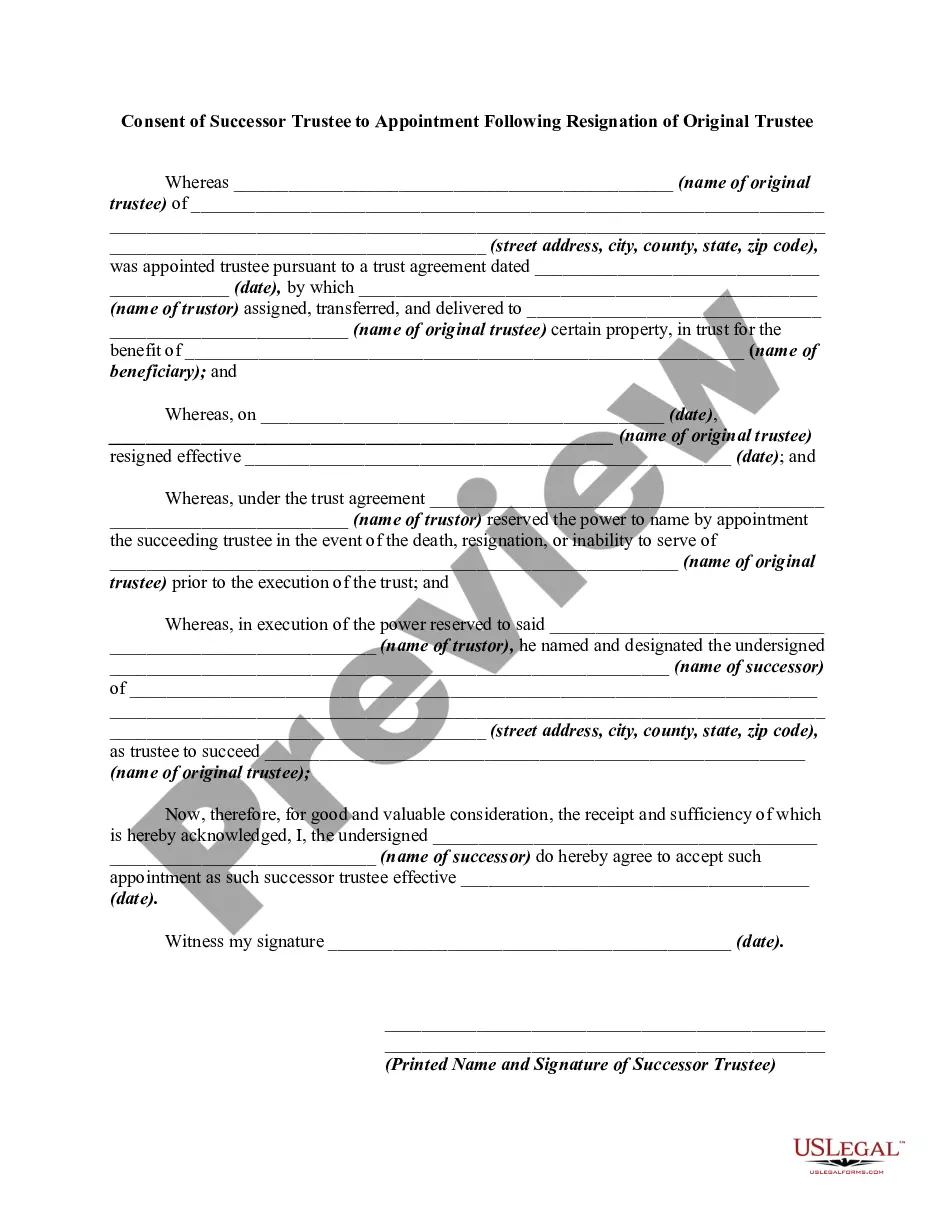
How to fill out Consent Of Successor Trustee To Appointment Following Resignation Of Original Trustee?
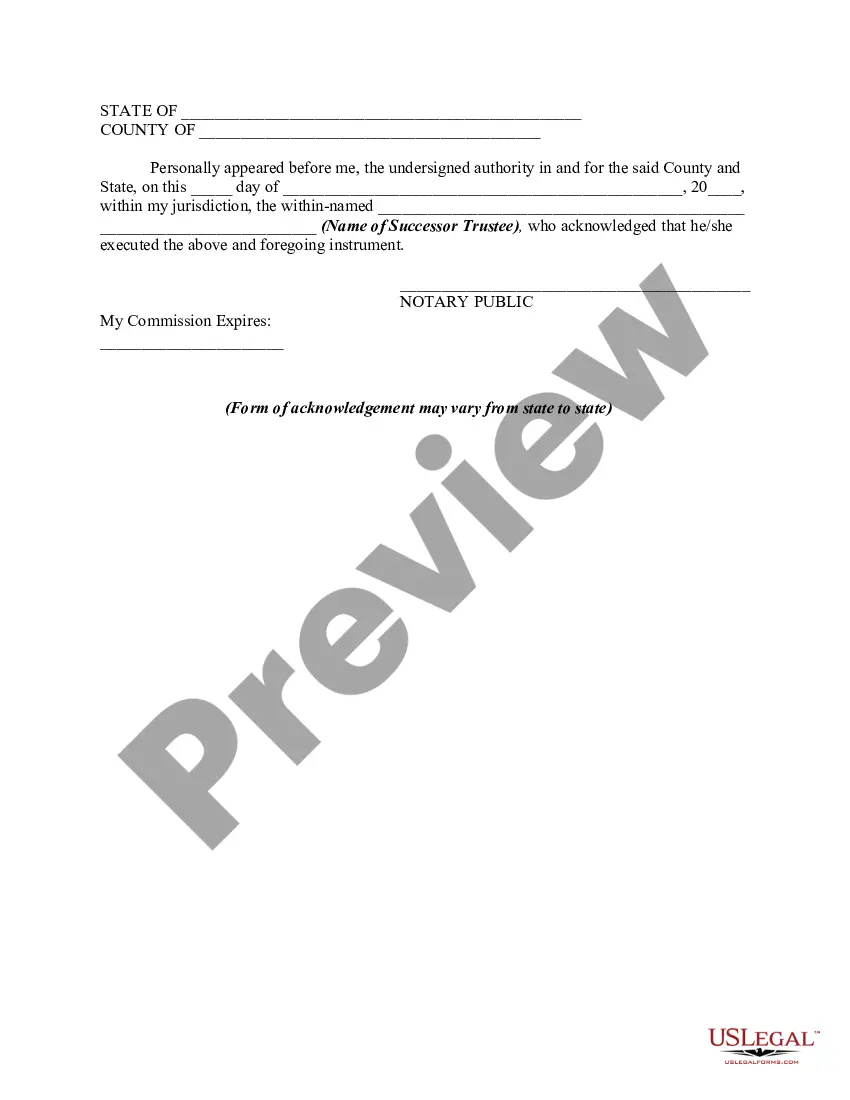
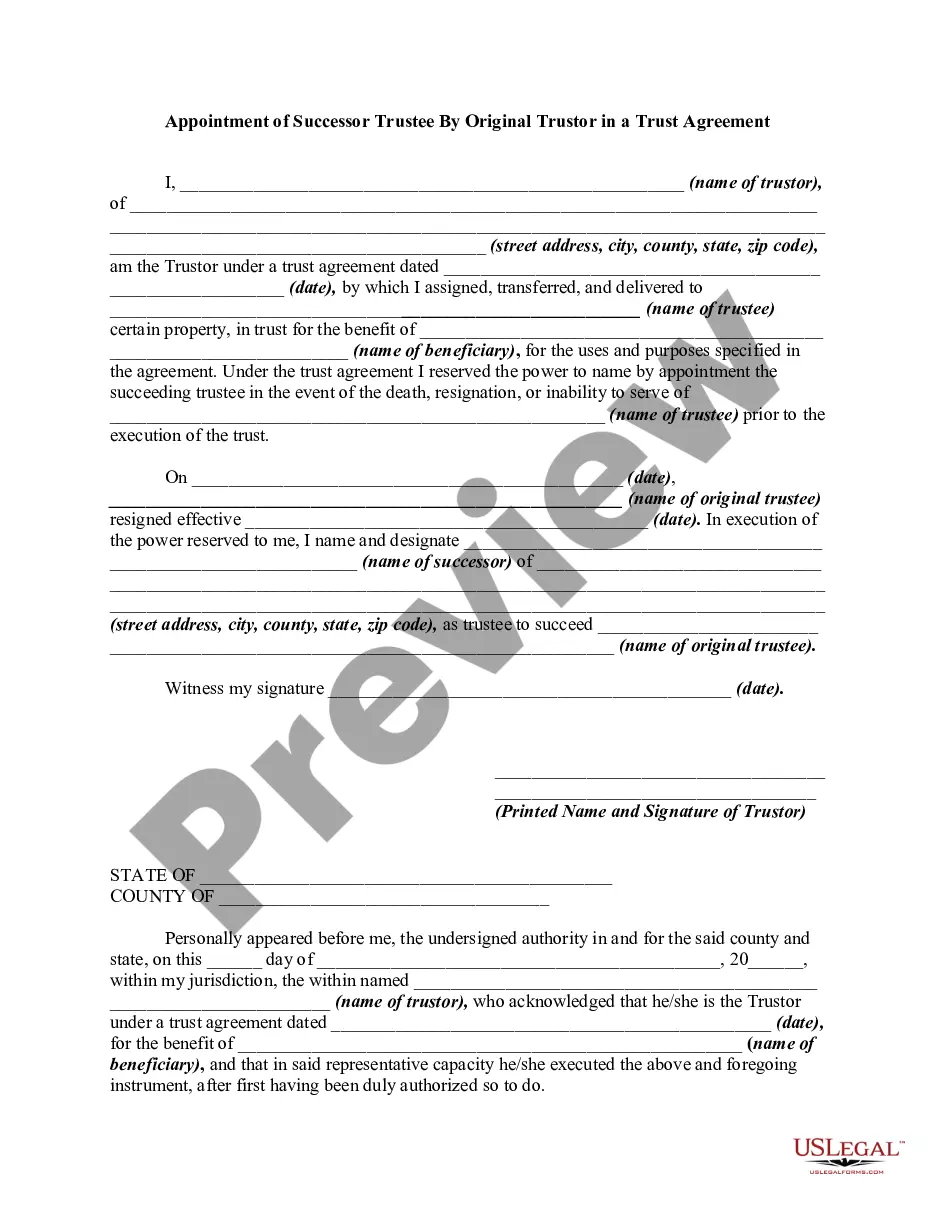
The Successor Trustee Appointment Document for Medicare Part B that you see on this site is a reusable legal template crafted by expert attorneys in accordance with federal and local regulations.
For over 25 years, US Legal Forms has assisted individuals, businesses, and lawyers with more than 85,000 verified, state-specific documents for any business and personal event. It’s the fastest, easiest, and most dependable method to acquire the paperwork you require, as the service ensures bank-level data protection and anti-malware safeguards.
Register with US Legal Forms to have verified legal templates for all of life’s scenarios available at your fingertips.
- Search for the document you need and verify it.
- Browse through the sample you searched and preview it or read the form description to confirm it meets your requirements. If it doesn’t, utilize the search bar to find the right one. Click Buy Now when you have found the template you need.
- Register and Log In.
- Choose the pricing plan that fits your needs and create an account. Use PayPal or a credit card for a swift payment. If you already possess an account, Log In and check your subscription to continue.
- Acquire the editable template.
- Select the format you desire for your Successor Trustee Appointment Document for Medicare Part B (PDF, DOCX, RTF) and download the file to your device.
- Complete and sign the documents.
- Print the template to fill it out by hand. Alternatively, use an online multifunctional PDF editor to swiftly and accurately complete and sign your form with a legally-binding electronic signature.
- Download your documents once more.
- Reuse the same document whenever necessary. Access the My documents tab in your profile to redownload any previously acquired forms.
Form popularity
FAQ
EXAMPLE: Caroline names her two children, Eugene and Vanessa, as successor trustees. She names a close friend, Nicole, as alternate successor trustee. When Caroline dies, Vanessa is ill and can't serve as trustee, so Eugene acts as sole successor trustee. If he becomes unable to serve, Nicole would take over.
In our example, if Fred had a family vacation home that was held in his trust for the benefit of Eliza during her life, he might want to grant her a limited power of appointment specifically to let her determine which child would be in the best position to receive it at Eliza's death.
Successor trustees are typically granted immediate access to the assets held by the trust upon accepting their appointment; what they can do with these assets and their rights to withdraw money from a trust, however, are limited.
In fact, by law, a designated trustee alone may access trust checking account, to cut checks and replenish funds as needed. Even if there are multiple trustees, banks usually require one specific signature to endorse all checks.
Grantors can choose to nominate a close relative, family friend, or even financial institution to take on the role of Successor Trustee. A Grantor will name their Successor Trustee within a document called a Declaration of Trust, which is also where their role will be explained.