Leased Spaces
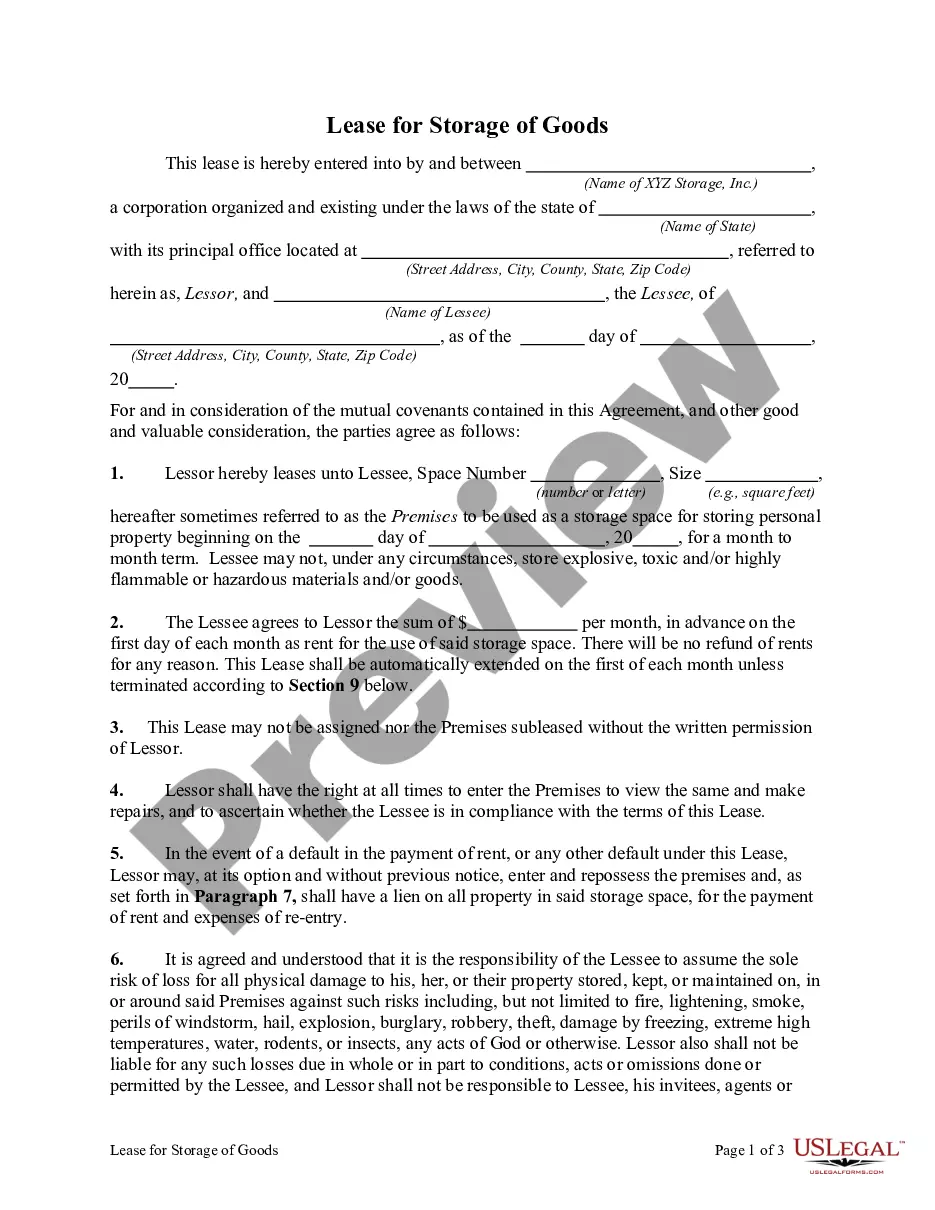
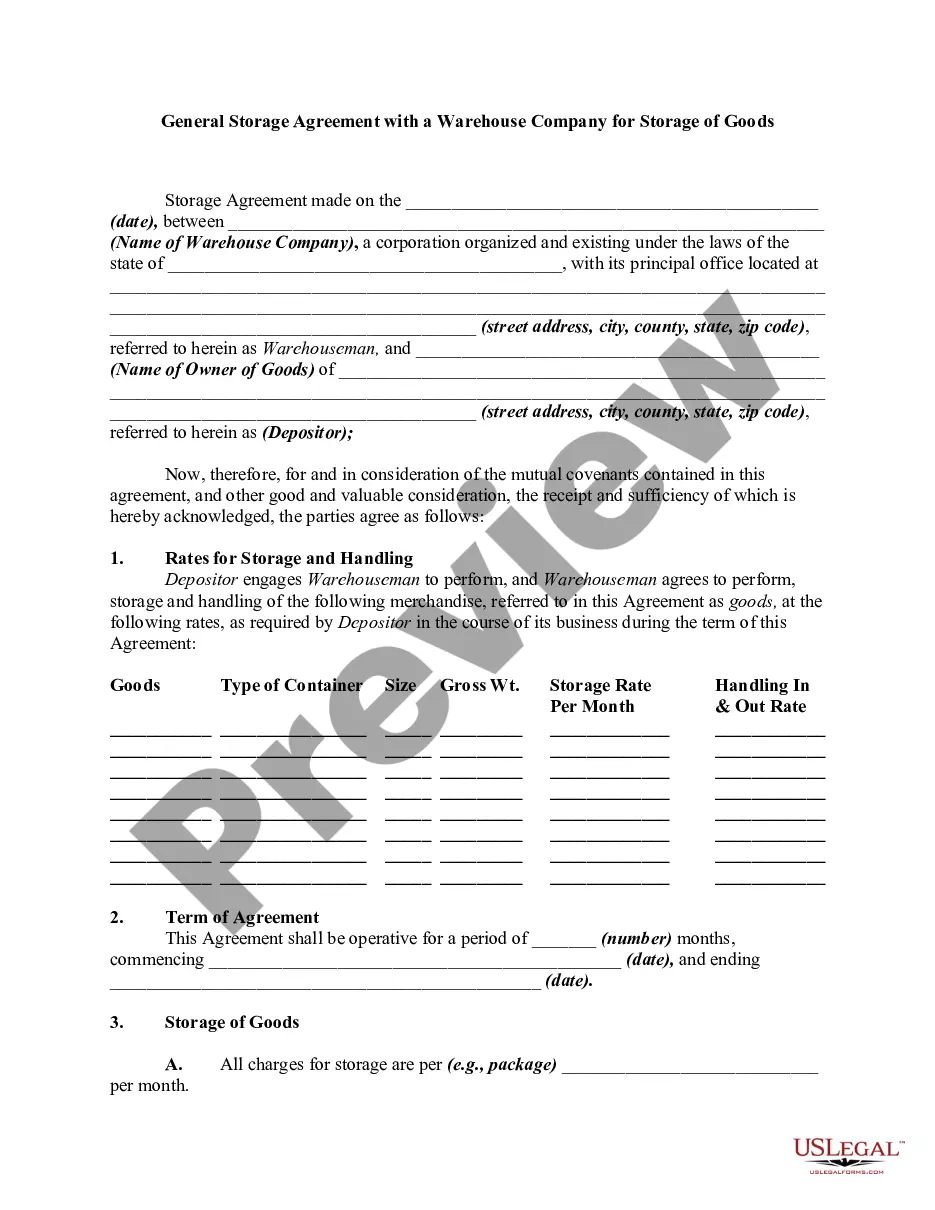
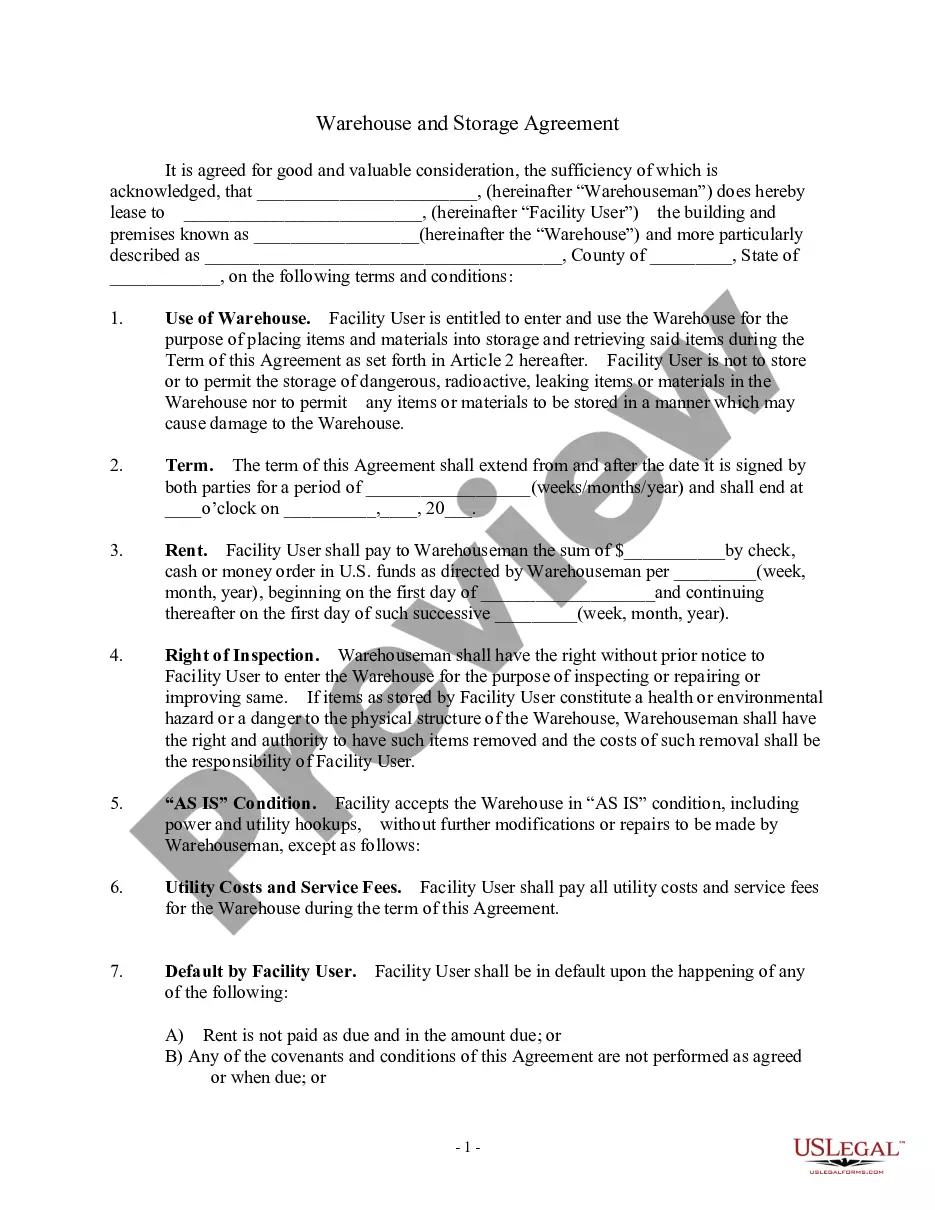
Description
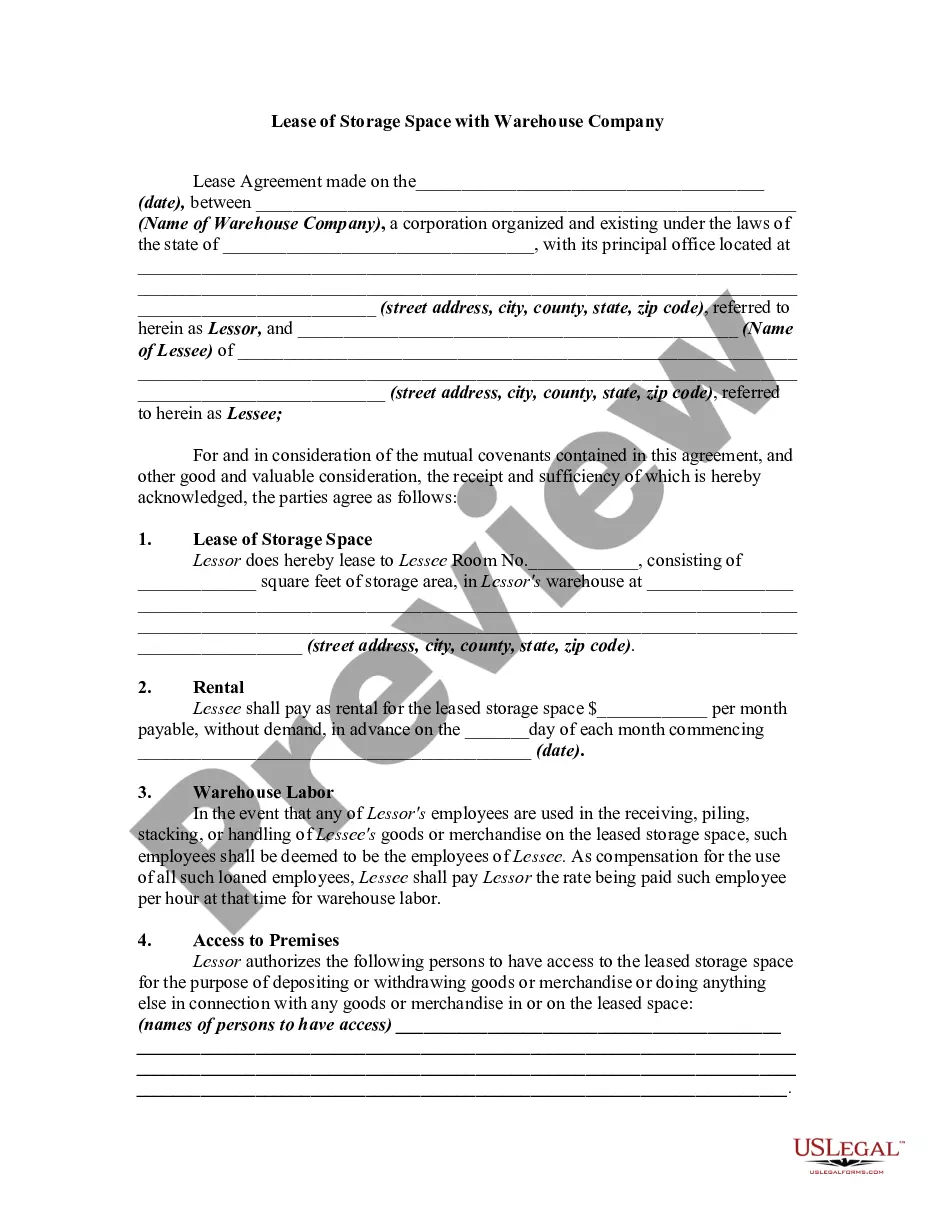
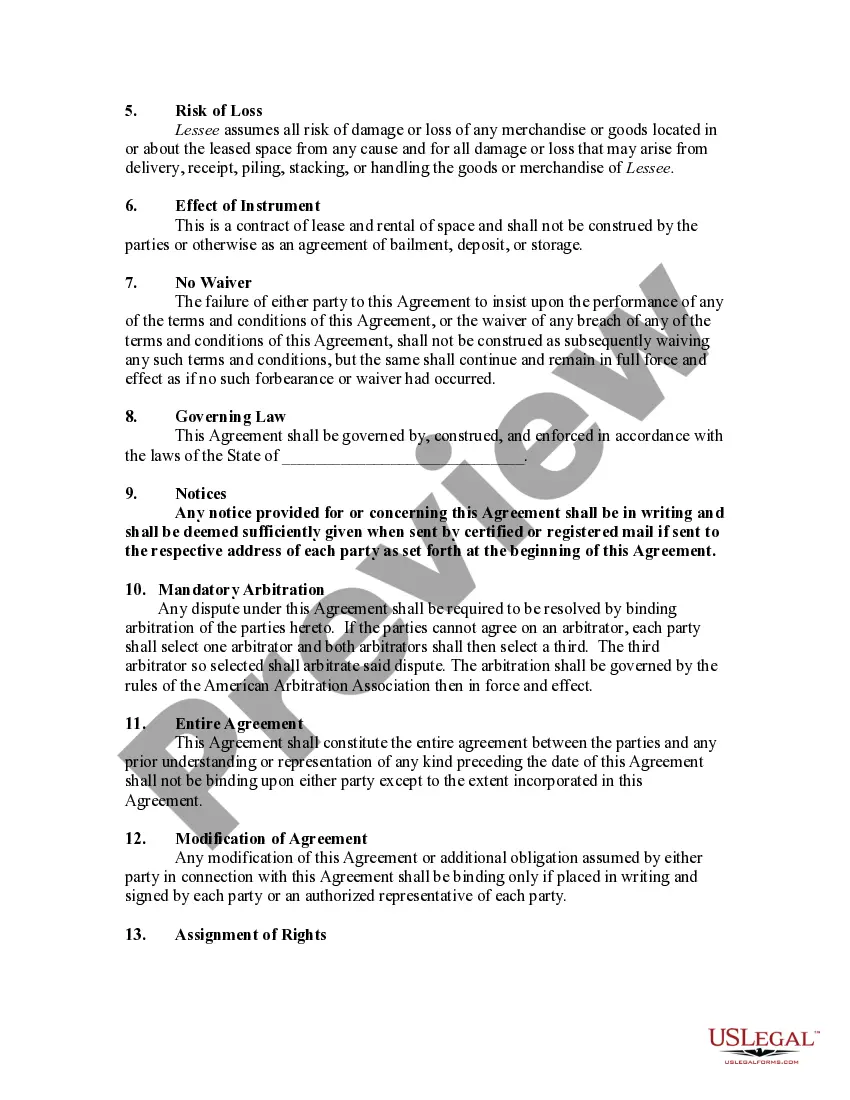
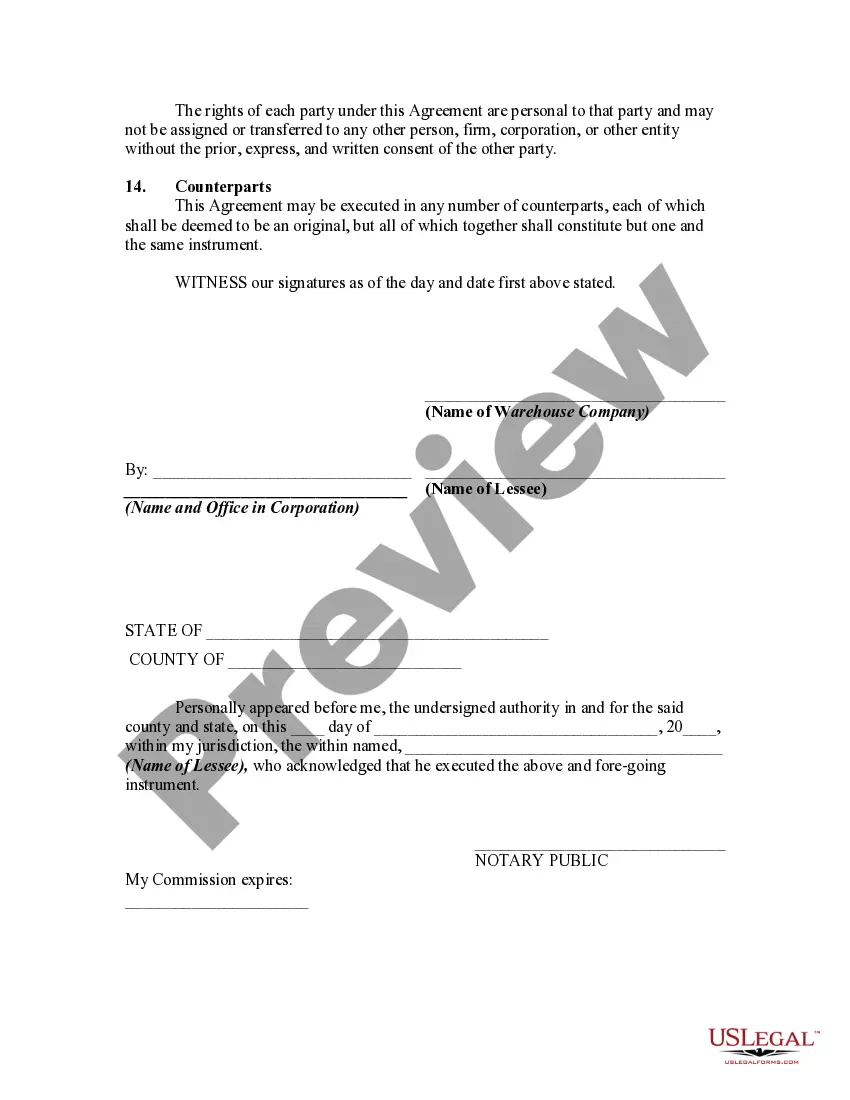
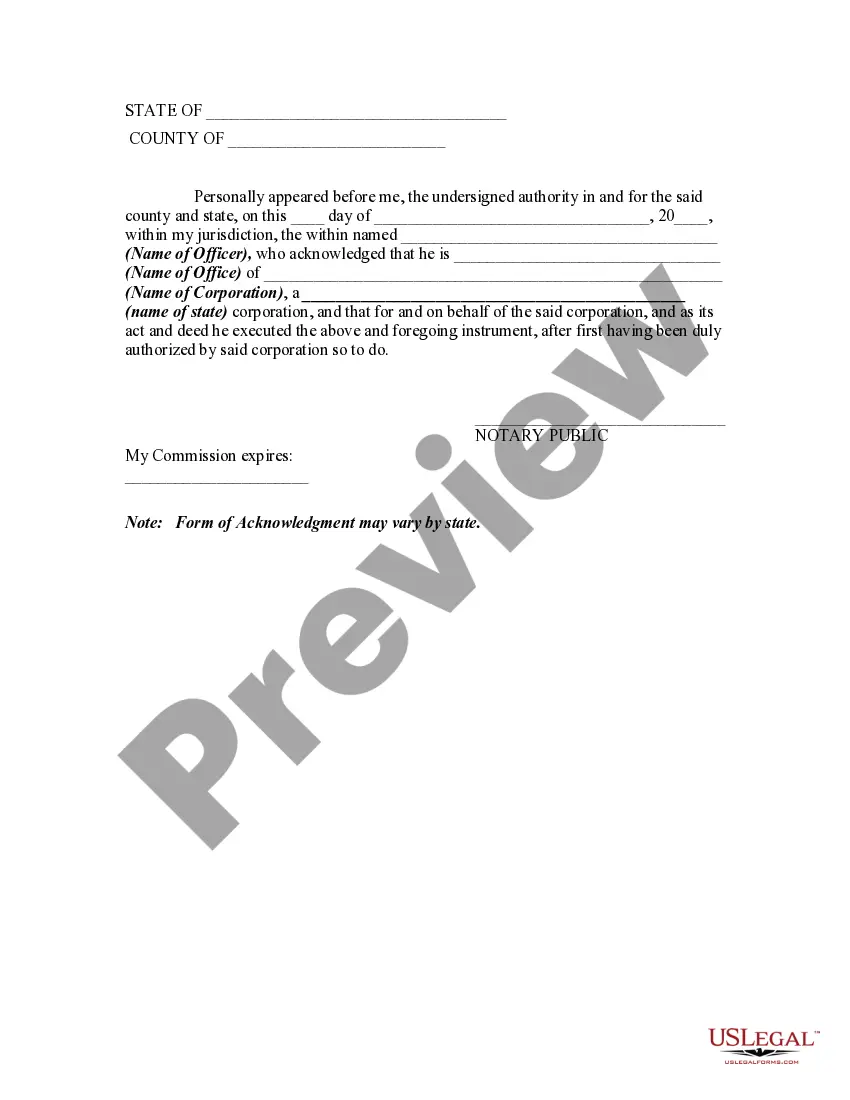
Get your form ready online
Our built-in tools help you complete, sign, share, and store your documents in one place.
Make edits, fill in missing information, and update formatting in US Legal Forms—just like you would in MS Word.
Download a copy, print it, send it by email, or mail it via USPS—whatever works best for your next step.
Sign and collect signatures with our SignNow integration. Send to multiple recipients, set reminders, and more. Go Premium to unlock E-Sign.
If this form requires notarization, complete it online through a secure video call—no need to meet a notary in person or wait for an appointment.
We protect your documents and personal data by following strict security and privacy standards.

Make edits, fill in missing information, and update formatting in US Legal Forms—just like you would in MS Word.

Download a copy, print it, send it by email, or mail it via USPS—whatever works best for your next step.

Sign and collect signatures with our SignNow integration. Send to multiple recipients, set reminders, and more. Go Premium to unlock E-Sign.

If this form requires notarization, complete it online through a secure video call—no need to meet a notary in person or wait for an appointment.

We protect your documents and personal data by following strict security and privacy standards.
Looking for another form?




How to fill out Lease Of Storage Space With Warehouse Company?
- Log in to your US Legal Forms account. Ensure your subscription is active for uninterrupted access to the form templates.
- If you are a new user, start by browsing the extensive library to find the leased spaces form you require. Use the Preview mode to review the document and its description.
- In case you need a different template, utilize the Search feature to find the most suitable form that aligns with your specific criteria.
- Purchase the selected document by clicking the Buy Now button. Choose your desired subscription plan and create an account to access the vast library.
- Complete your transaction by entering your payment information through credit card or PayPal.
- Download the form to your device and save it. Access your documents anytime in the My Forms section of your profile.
By following these straightforward steps, you can effortlessly obtain the legally sound documentation needed for leased spaces. US Legal Forms ensures that both individuals and attorneys can execute these documents quickly and efficiently.
Don't wait any longer! Start exploring the US Legal Forms library today and gain access to all the tools you need for your legal documentation.
Form popularity
FAQ
Leased space means an area of property that a tenant has the right to occupy based on a lease agreement. This can apply to various forms of real estate, including residential and commercial properties. Understanding leased spaces is vital for business owners, as it ensures they secure a suitable environment for their operations.
Leasing a space refers to the process where one party pays another to use property for a defined period. This agreement covers various types of real estate, including office buildings, retail locations, and industrial spaces. By leasing spaces, businesses enjoy the benefits of occupancy without the hassles of ownership.
Most businesses lease spaces to avoid the high costs associated with buying property. Leasing allows businesses to allocate their resources more effectively, investing in operations rather than real estate. Additionally, leasing office spaces often provides access to prime locations without a long-term commitment.
To lease an office space means that a business pays a landlord for the right to use a specified area for work. This arrangement typically includes terms like the amount of rent, the length of the lease, and responsibilities for maintenance. Leasing office spaces provides flexibility, allowing businesses to adapt to their changing needs.
Leasing an office means entering into a legal agreement between a landlord and a tenant for the use of office space. This lease specifies the terms under which the tenant can occupy the space, including duration and rental costs. Essentially, leasing office spaces allows businesses to operate without the significant financial burden of purchasing property.
For a corporate lease, you'll typically need a corporate resolution, proof of incorporation, financial statements, and a credit report. These documents help verify your company's legitimacy and financial stability. Using platforms like USLegalForms can assist you in efficiently gathering and organizing these necessary documents.
To lease an office space, you need to provide financial documentation, such as bank statements and tax returns. Many landlords also request personal guarantees to secure the lease. Understanding these requirements can help you navigate the process of finding suitable leased spaces.
The IRS receives copies of rental income reports from property owners and landlords. When you receive payments for leased spaces, you're expected to report them on your tax returns. Keeping accurate records of your income and expenses will enhance your reporting accuracy.
Yes, in many cases, property lease payments can be tax-deductible for businesses. This can include expenses related to the leased spaces utilized for business operations. Be sure to consult with a tax professional to maximize your benefits and ensure compliance.
Typically, a credit score of 650 or higher is preferred for leasing office space. However, some landlords may accept lower scores, especially if you can provide strong financial documentation. Realizing the importance of credit can help you strategize when looking for leased spaces.