Lease Span
Description
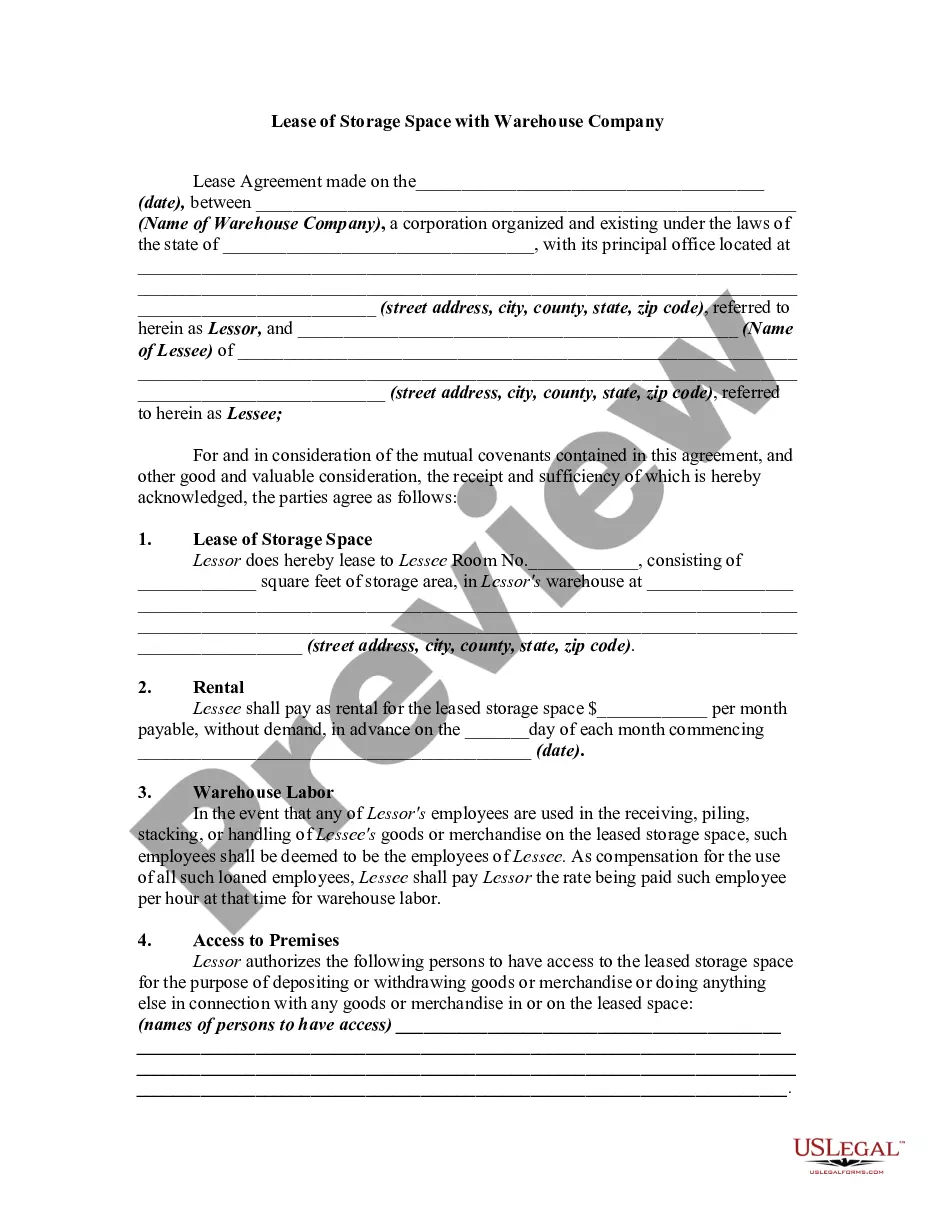
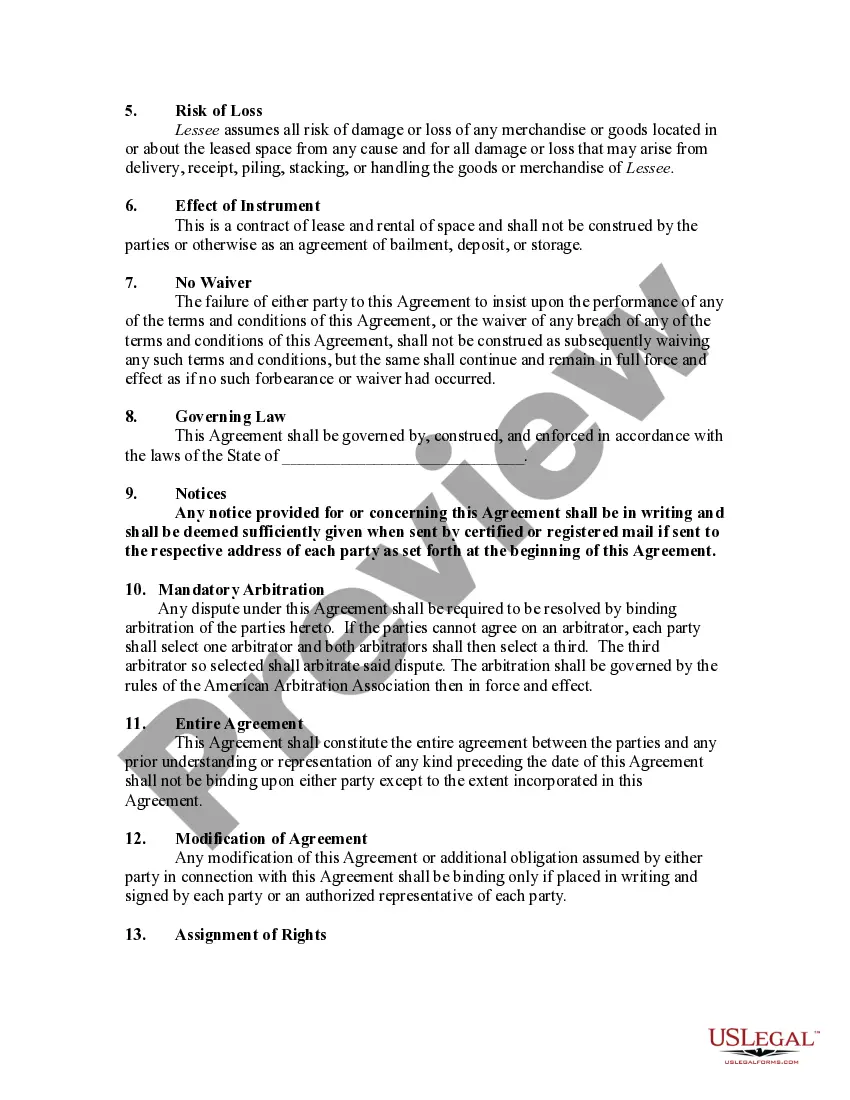
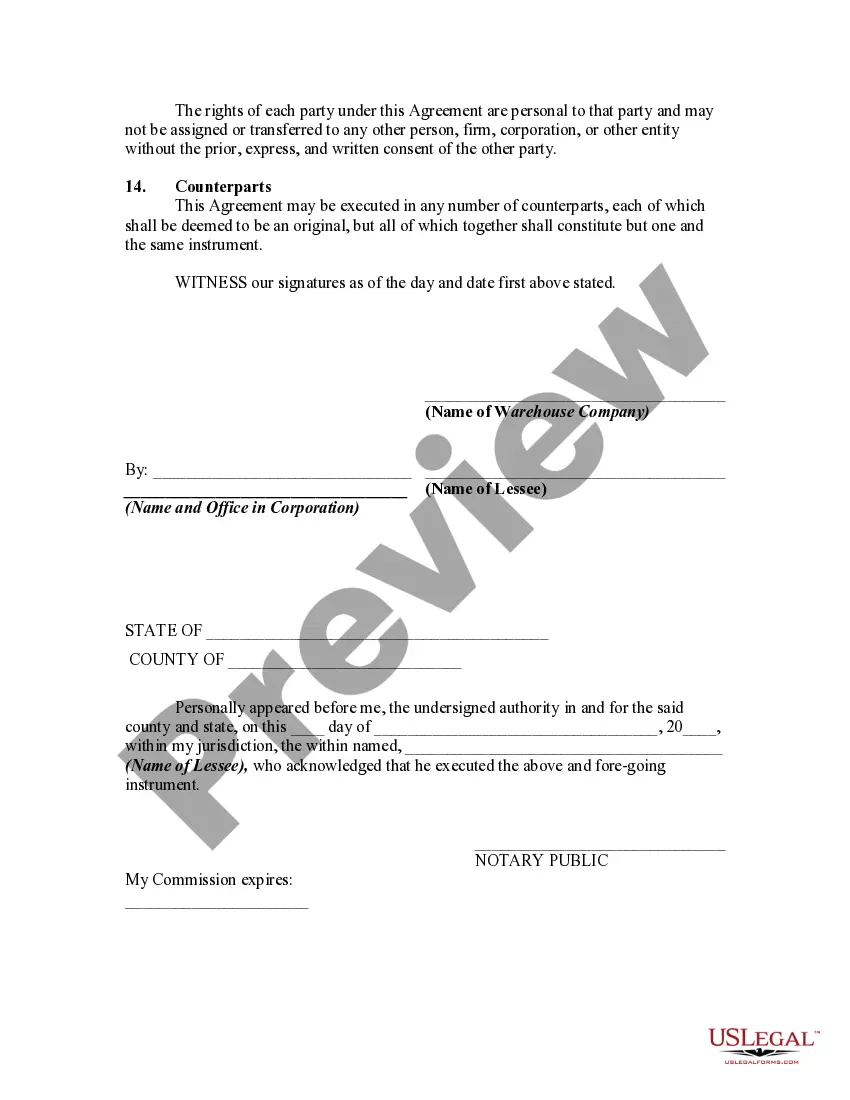
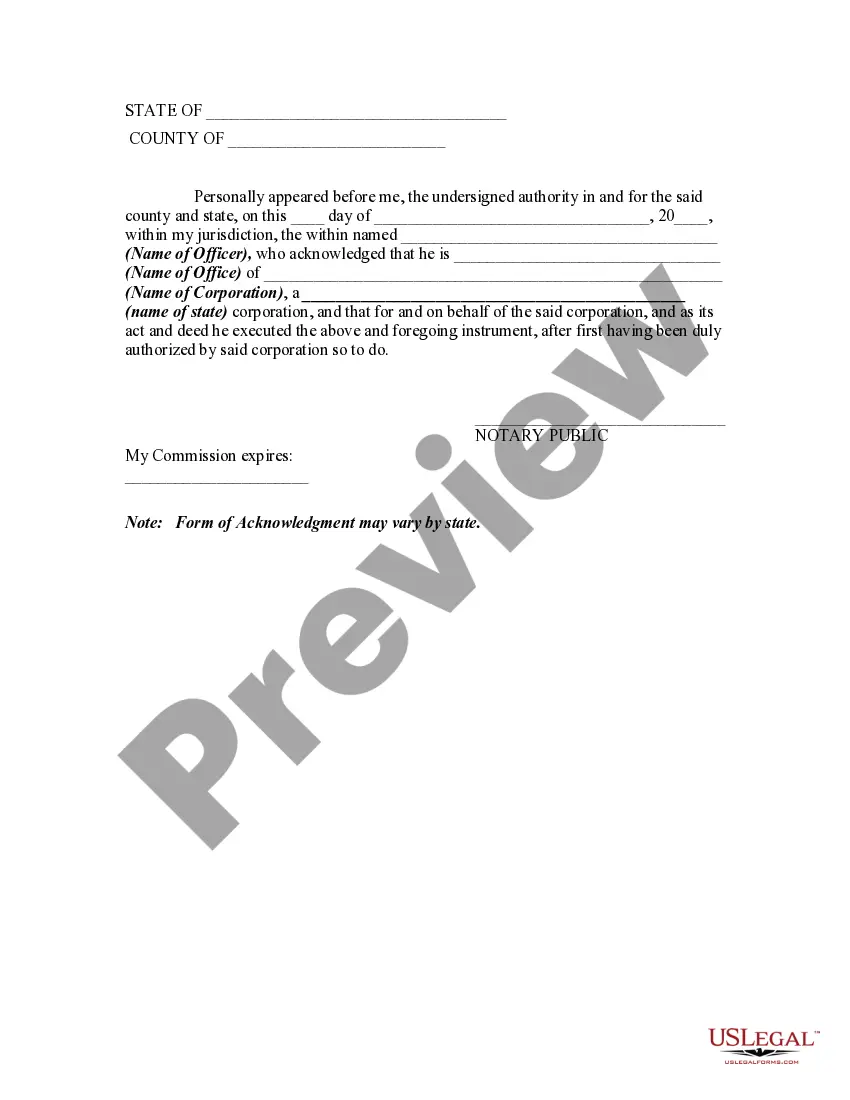
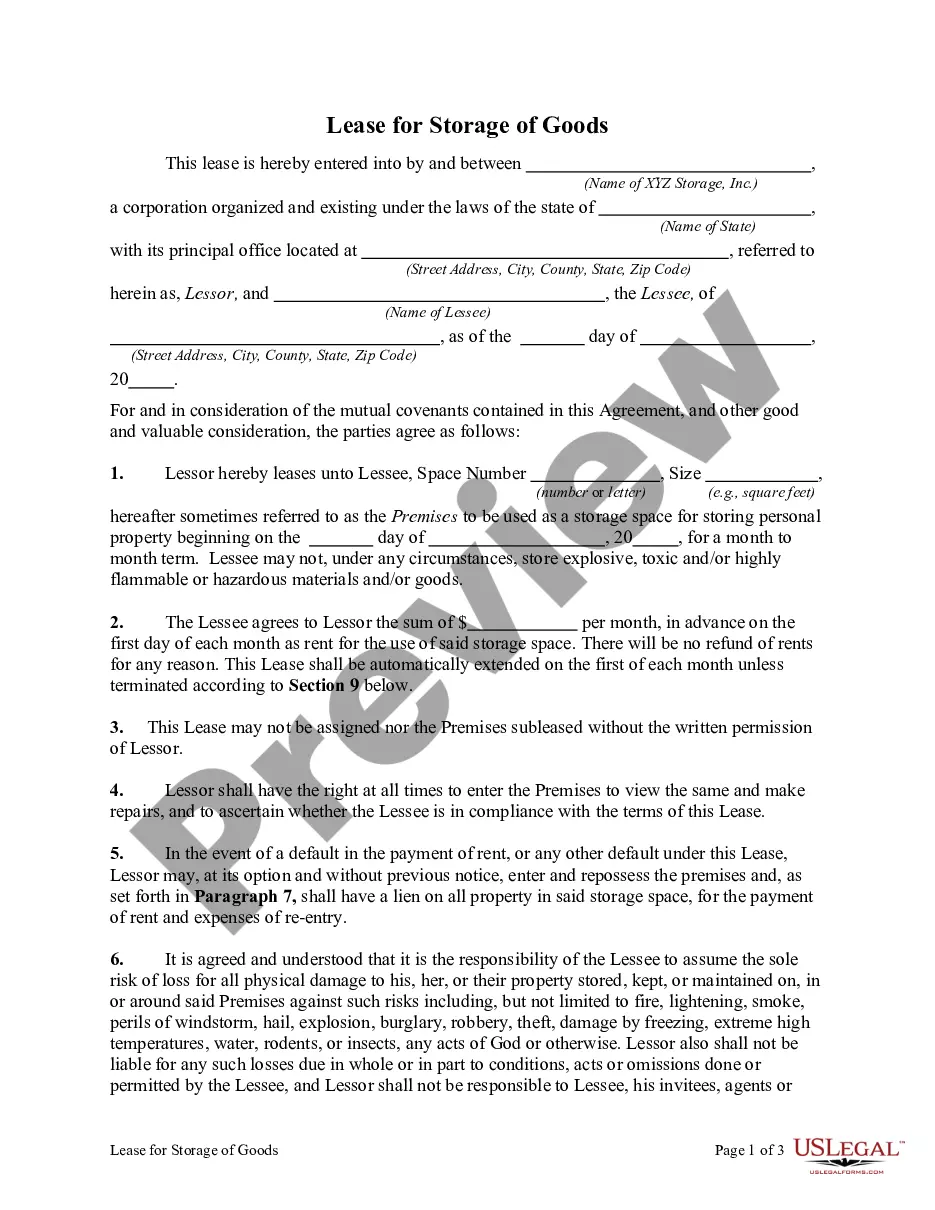
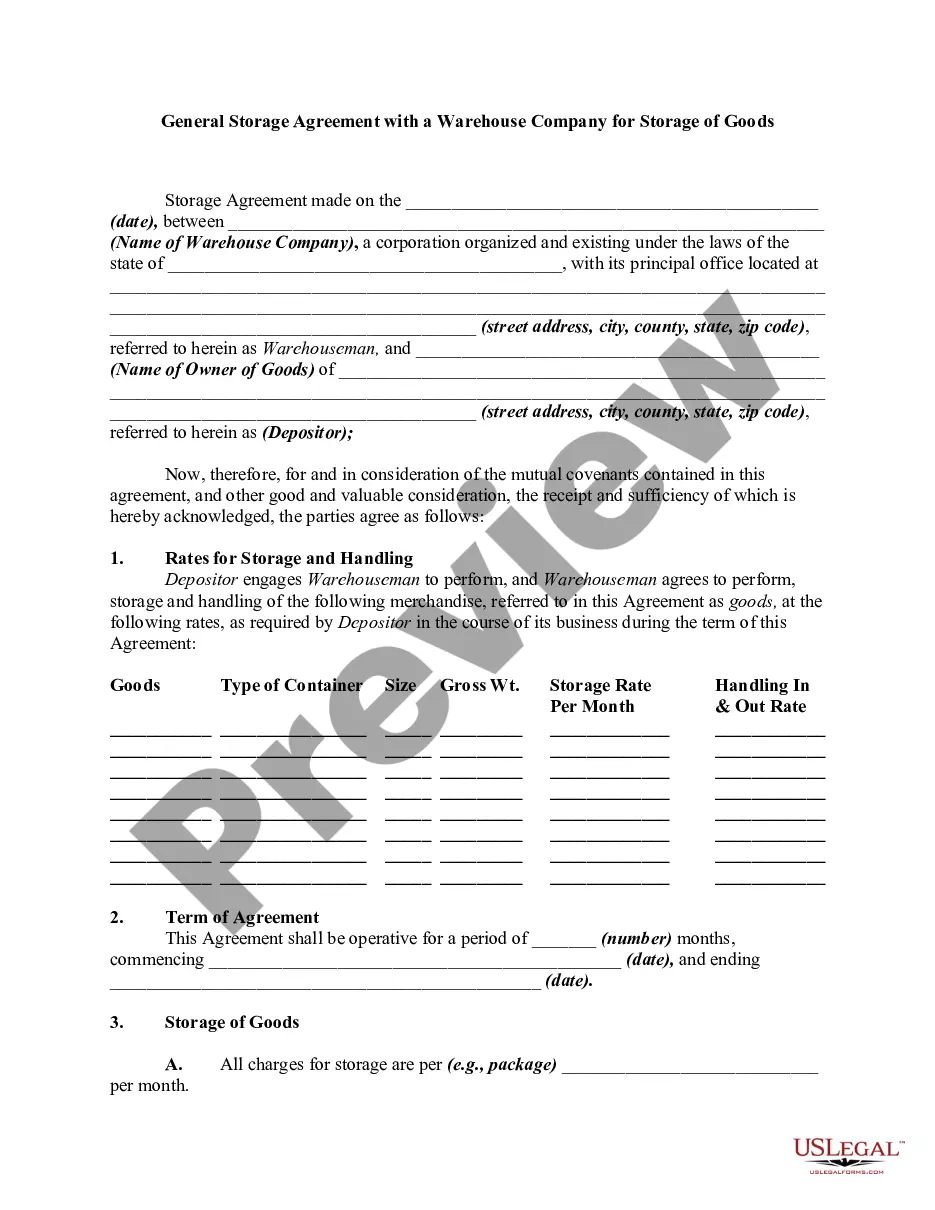
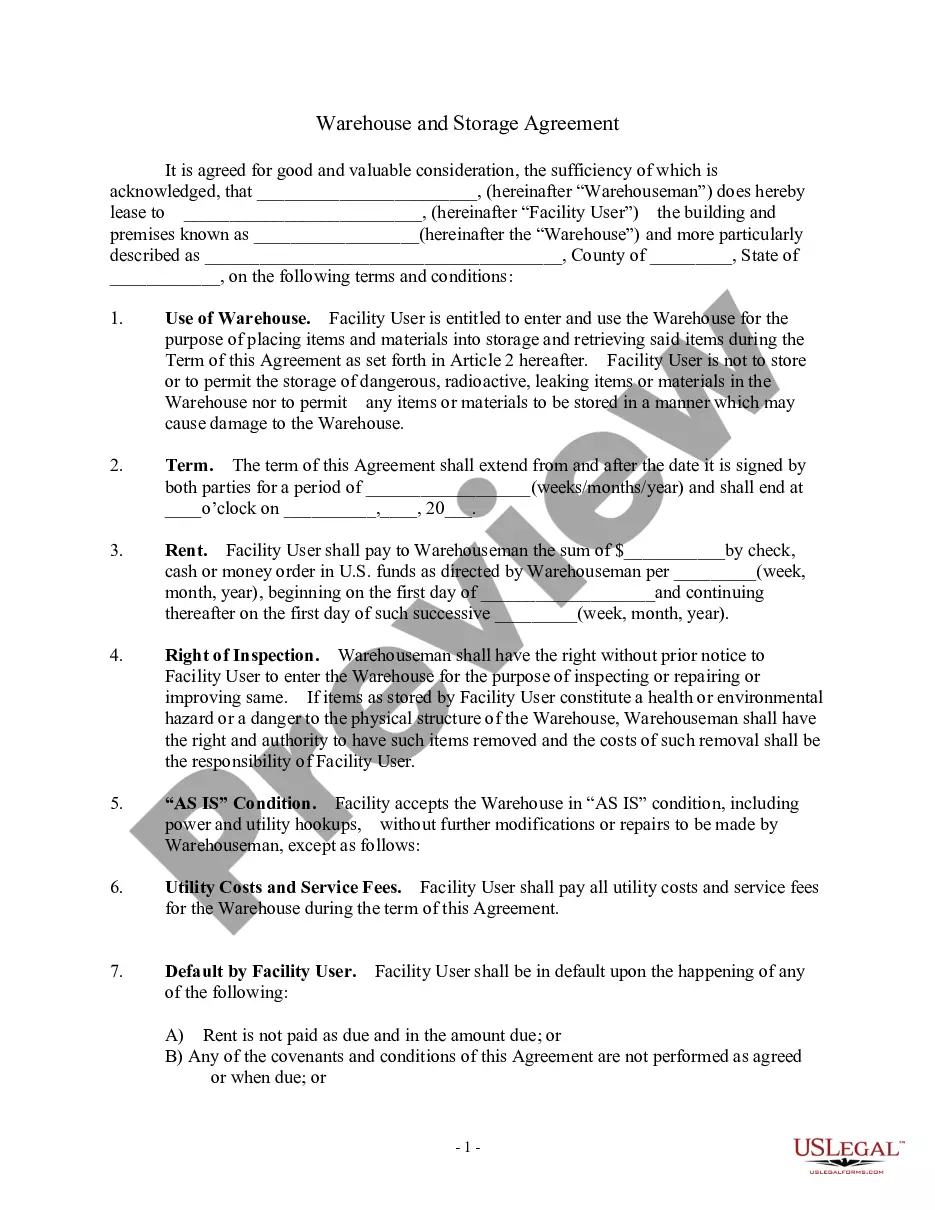
Get your form ready online
Our built-in tools help you complete, sign, share, and store your documents in one place.
Make edits, fill in missing information, and update formatting in US Legal Forms—just like you would in MS Word.
Download a copy, print it, send it by email, or mail it via USPS—whatever works best for your next step.
Sign and collect signatures with our SignNow integration. Send to multiple recipients, set reminders, and more. Go Premium to unlock E-Sign.
If this form requires notarization, complete it online through a secure video call—no need to meet a notary in person or wait for an appointment.
We protect your documents and personal data by following strict security and privacy standards.

Make edits, fill in missing information, and update formatting in US Legal Forms—just like you would in MS Word.

Download a copy, print it, send it by email, or mail it via USPS—whatever works best for your next step.

Sign and collect signatures with our SignNow integration. Send to multiple recipients, set reminders, and more. Go Premium to unlock E-Sign.

If this form requires notarization, complete it online through a secure video call—no need to meet a notary in person or wait for an appointment.

We protect your documents and personal data by following strict security and privacy standards.
Looking for another form?





How to fill out Lease Of Storage Space With Warehouse Company?
- Log in to your US Legal Forms account if you are a returning user and ensure your subscription is active.
- If this is your first time, start by browsing the extensive online library containing over 85,000 legal documents. Use the preview feature to understand form specifications.
- If needed, utilize the search bar to find additional templates that match your requirements or local jurisdiction.
- Select the appropriate document, then click on the 'Buy Now' button to choose your preferred subscription plan.
- Complete your purchase by entering your payment information or using your PayPal account to secure your subscription.
- Finally, download your selected form and save it on your device for immediate access. You can also find it later in the 'My Forms' section of your account.
By following these steps, you will efficiently navigate US Legal Forms to access all necessary lease span documents. This service not only streamlines the process but also provides invaluable expert guidance to ensure your forms are completed accurately.
Get started today and empower yourself with the legal tools you need by visiting US Legal Forms!
Form popularity
FAQ
Filling a lease agreement involves providing essential information like tenant names, rental terms, and property address. Make sure to specify the lease duration, payment details, and responsibilities of each party. You can easily access templates through UsLegalForms, which guide you through the process step-by-step. This tool ensures you do not overlook critical aspects, optimizing your lease span.
The design span of a building refers to the optimal distance between structural supports planned during the architectural design phase. It influences both the construction method and the materials used, ultimately affecting the building's integrity. Understanding design span is useful when discussing the lease span, as it can impact the layout of your leased space.
The longest lease typically refers to a lease agreement that extends for decades, potentially up to 99 years. Such arrangements are common in commercial leases where stability and long-term planning are paramount. When negotiating your lease span, consider how a longer lease can align with your investment and operational strategies.
The total span of a building considers all its floors and structural elements, integrating both horizontal and vertical dimensions. This measurement often guides decisions regarding the building's layout and how space can be utilized efficiently. By evaluating the total span, you can better understand how it affects your lease span and overall comfort.
The longest lease you can typically negotiate may extend up to 99 years, particularly in commercial real estate. Such long lease spans can offer security for the tenant while providing landlords with steady income. However, it's crucial to tailor the lease terms to fit your specific goals and circumstances.
The maximum lease period can vary significantly depending on state laws and property types. Generally, residential leases may extend up to one year or more, while commercial leases can last for several years. It's wise to consult with legal professionals when determining the best lease span for your needs.
A span in a building typically describes the distance across which a structural member must support loads. This distance directly influences the materials used and the construction techniques applied. Understanding the span assists property managers and tenants alike when determining the usability and comfort of leased spaces.
The span of a building refers to the distance between two supports, such as walls or columns. It plays a crucial role in the building's design, impacting both its stability and aesthetic value. When considering a lease span, it's essential to understand how the building's layout affects space utilization and overall functionality.
Yes, a lease violation can go on your rental history and affect future housing opportunities. While it may not show up on your credit report, landlords often check rental history. To protect your lease span, address any violations promptly and strive for a positive rental experience.
Red flags in a lease agreement may include unclear terms, vague lease durations, or exorbitant fees. Additionally, look for clauses that seem overly one-sided or limit your rights as a tenant. Reviewing the lease span carefully can help you identify these potential issues before signing.