Grandparent Visitation Rights With Child
Description
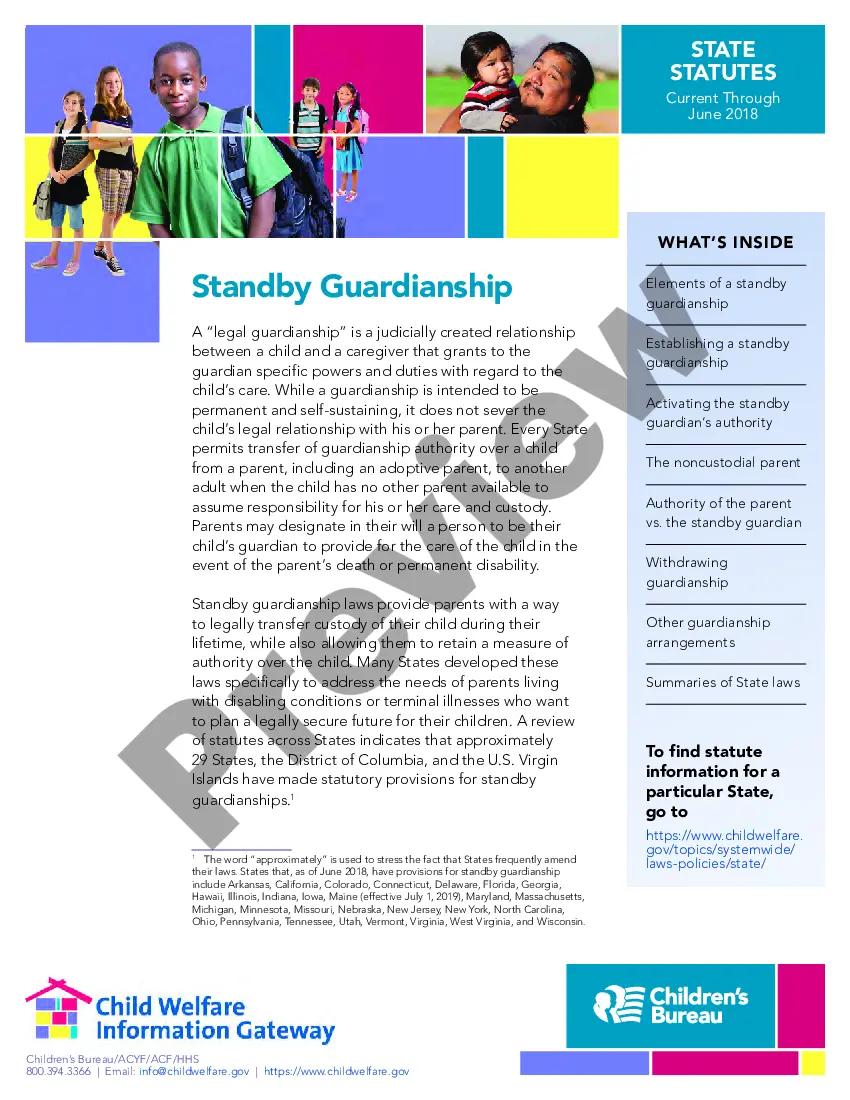
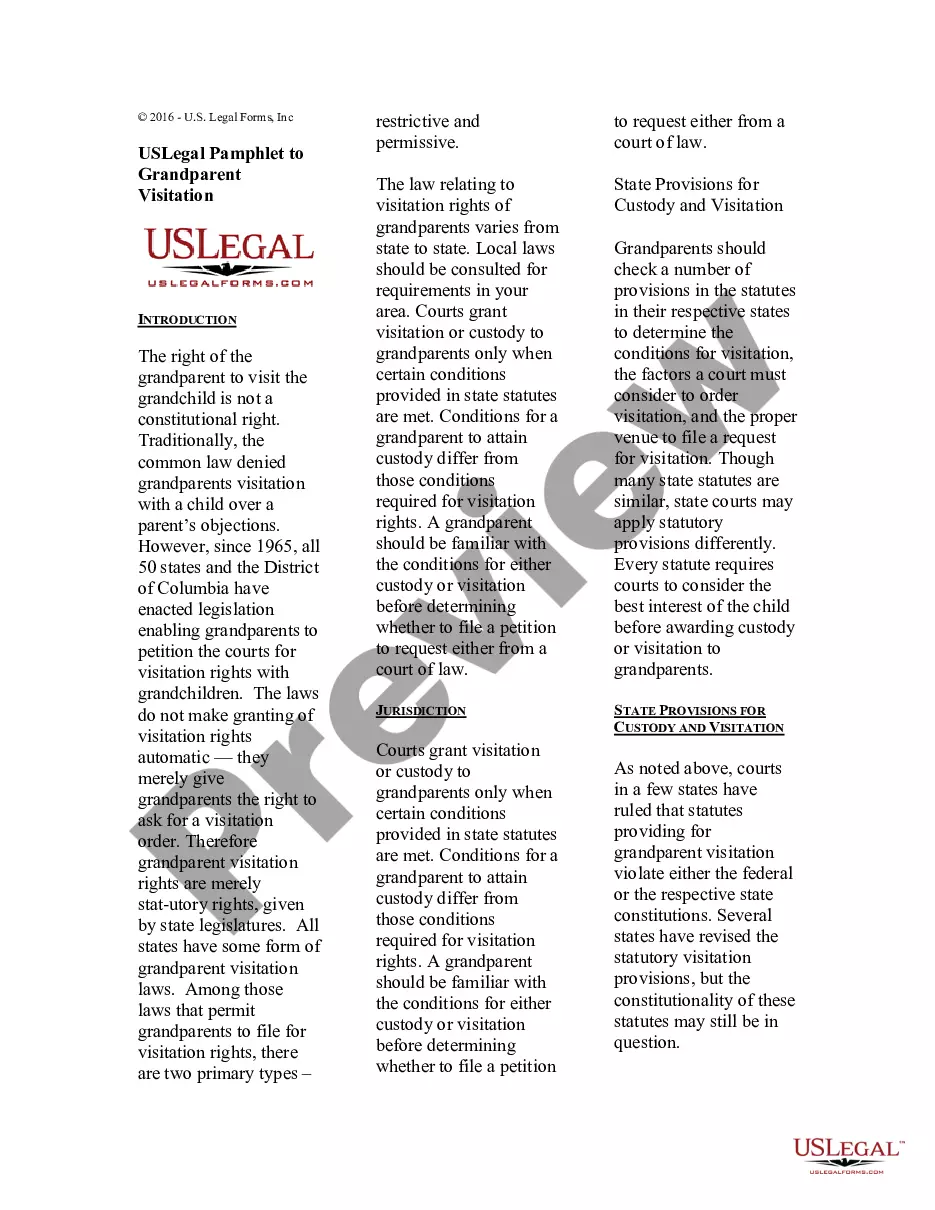
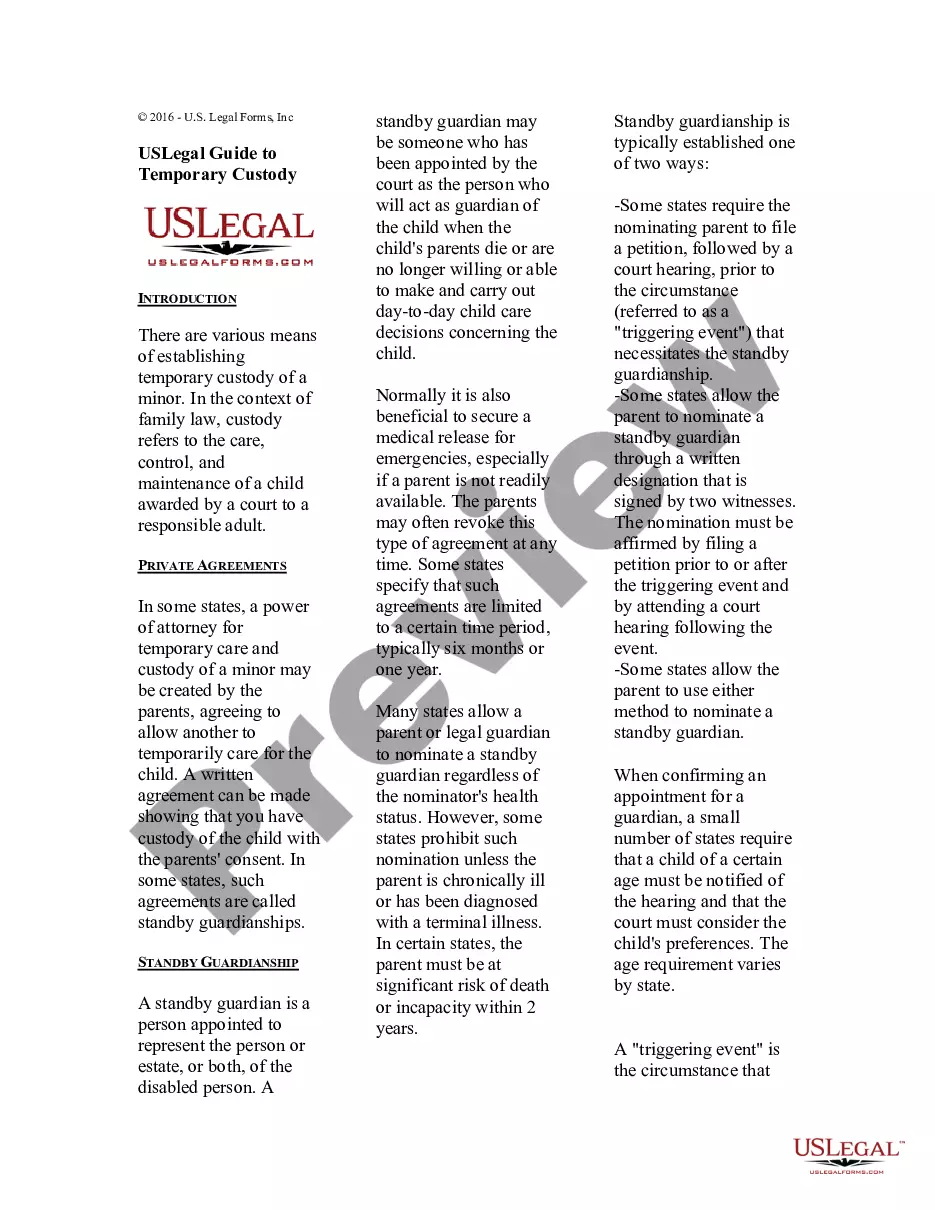
Get your form ready online
Our built-in tools help you complete, sign, share, and store your documents in one place.
Make edits, fill in missing information, and update formatting in US Legal Forms—just like you would in MS Word.
Download a copy, print it, send it by email, or mail it via USPS—whatever works best for your next step.
Sign and collect signatures with our SignNow integration. Send to multiple recipients, set reminders, and more. Go Premium to unlock E-Sign.
If this form requires notarization, complete it online through a secure video call—no need to meet a notary in person or wait for an appointment.
We protect your documents and personal data by following strict security and privacy standards.

Make edits, fill in missing information, and update formatting in US Legal Forms—just like you would in MS Word.

Download a copy, print it, send it by email, or mail it via USPS—whatever works best for your next step.

Sign and collect signatures with our SignNow integration. Send to multiple recipients, set reminders, and more. Go Premium to unlock E-Sign.

If this form requires notarization, complete it online through a secure video call—no need to meet a notary in person or wait for an appointment.

We protect your documents and personal data by following strict security and privacy standards.
Looking for another form?

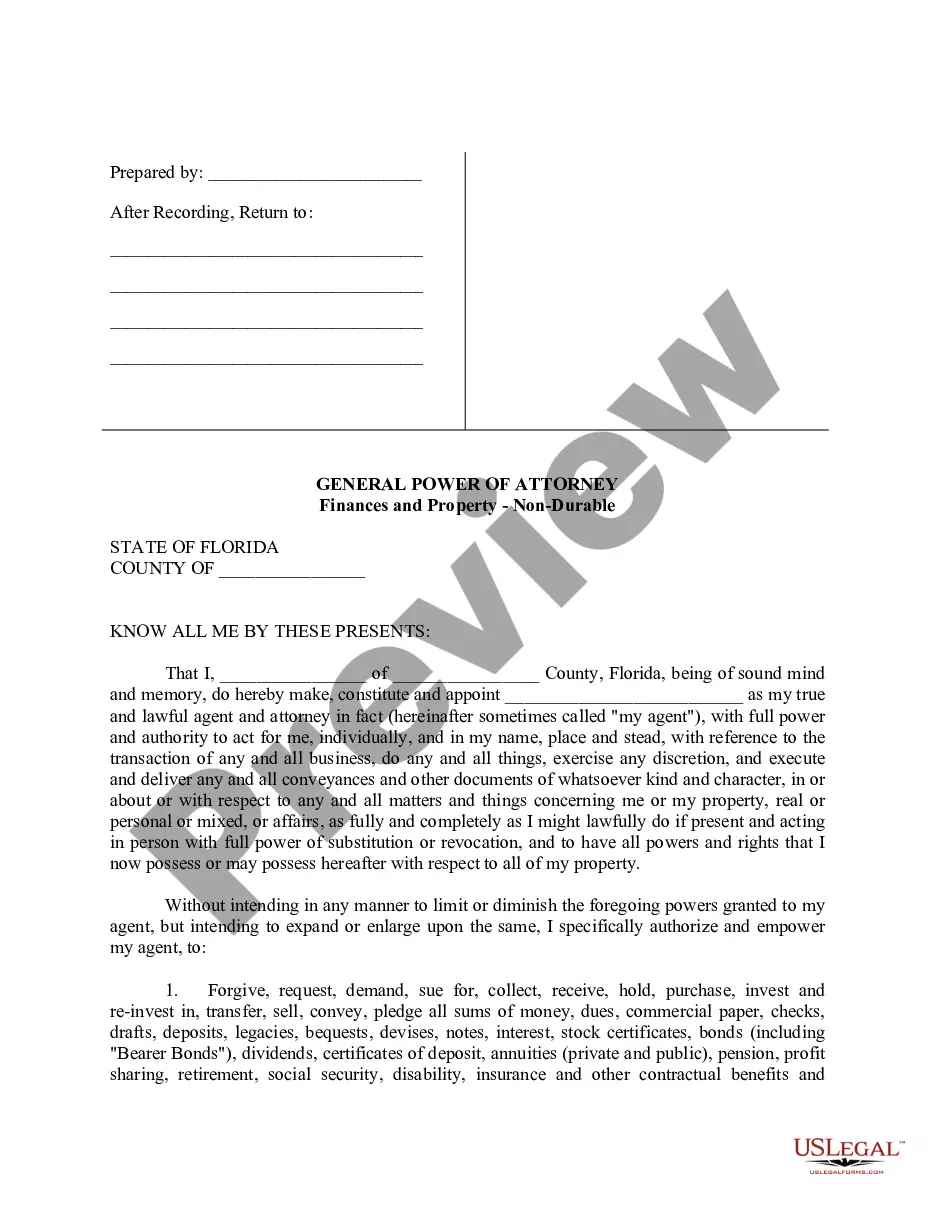


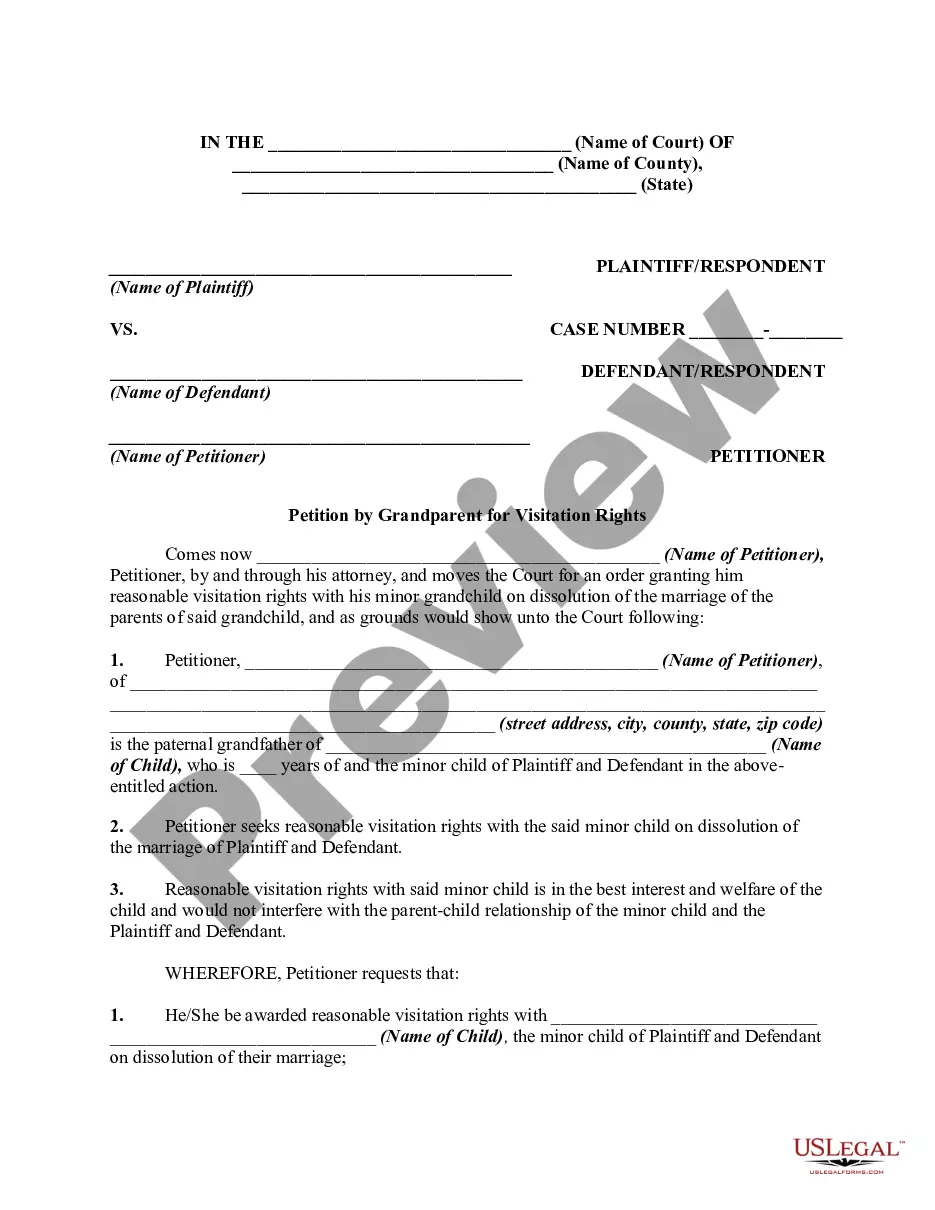
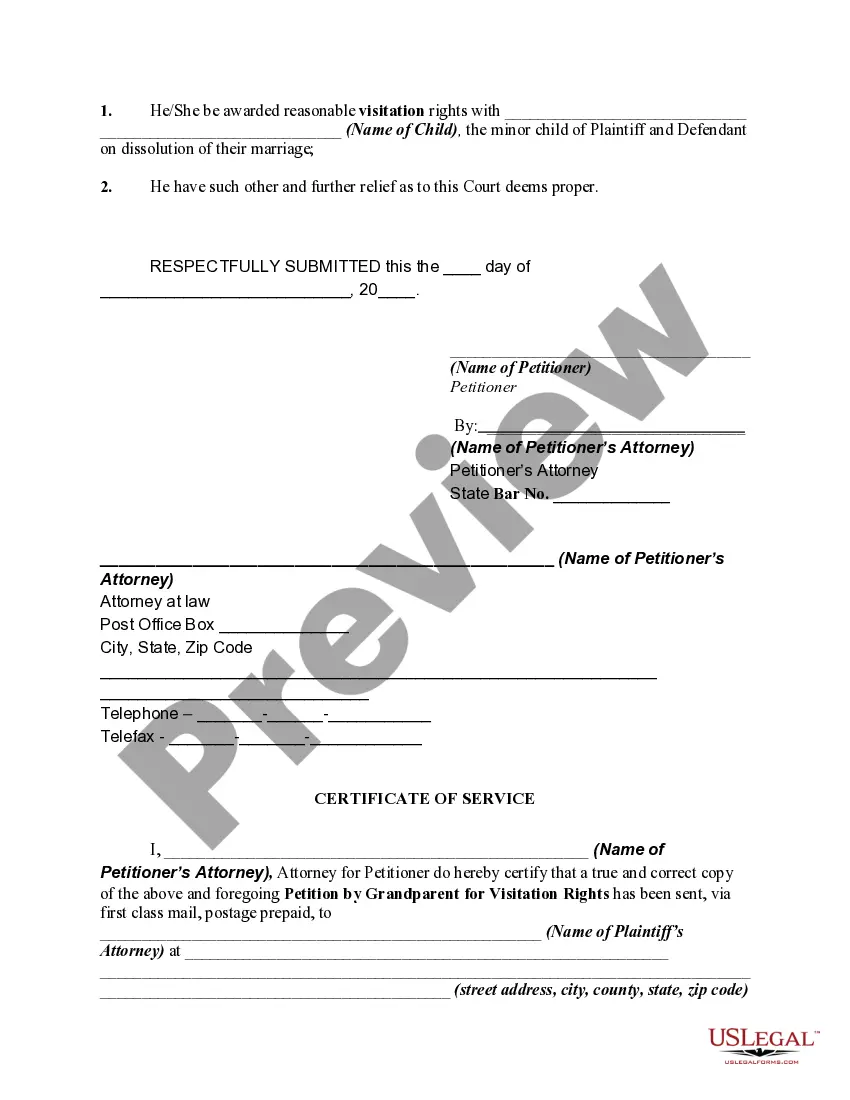
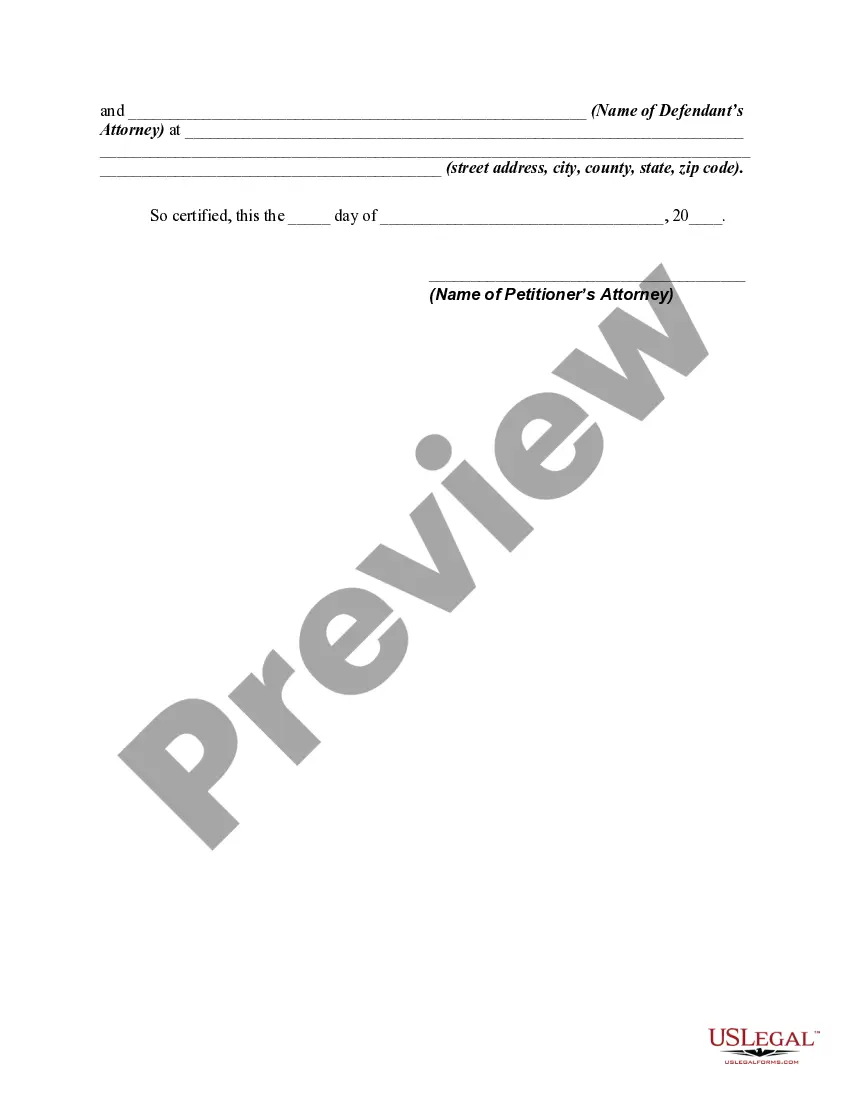
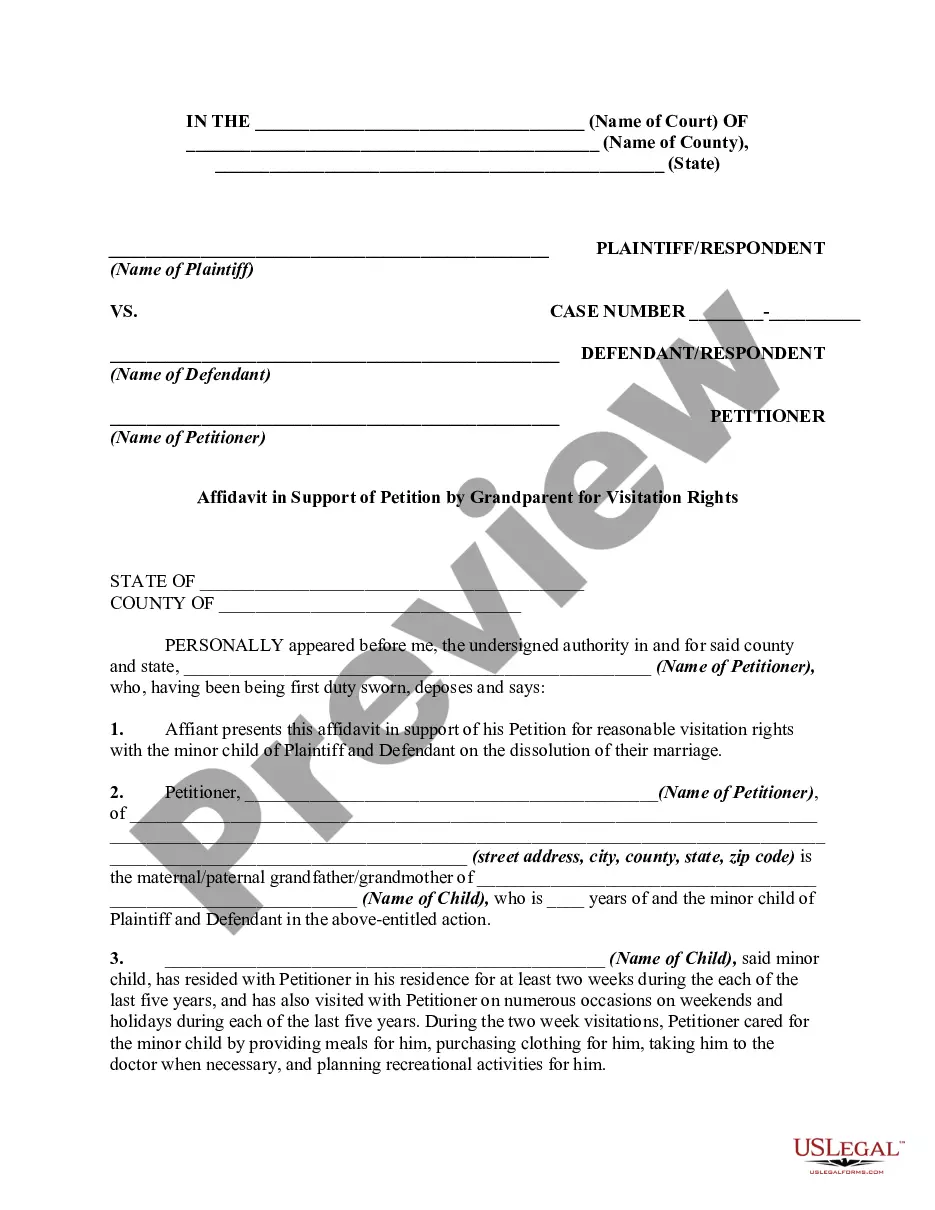
How to fill out Petition By Grandparent For Visitation Rights With Minor Grandchild On Dissolution Of The Marriage Of The Parents Of Minor Child?
- Log in to your US Legal Forms account if you're a returning user. Ensure your subscription is current to access the required templates.
- For first-time users, start by exploring the Preview mode and reading the form descriptions to select the appropriate one that aligns with your local jurisdiction.
- If you require a different template, utilize the Search tab to find alternatives that better suit your needs.
- Once you identify the correct template, proceed to purchase it by clicking the Buy Now button and choosing your preferred subscription plan.
- Input your payment information, either via credit card or PayPal, to complete your subscription purchase.
- Download the necessary form and store it on your device. You can always access it again in the My Forms section of your profile.
In conclusion, US Legal Forms is a valuable resource for individuals seeking to assert grandparent visitation rights with child. With their extensive library and expert support, you can feel confident in crafting accurately completed legal documents tailored to your unique situation.
Take the first step towards securing your rights by visiting US Legal Forms today!
Form popularity
FAQ
Winning against efforts to limit your grandparent rights often involves understanding the law and demonstrating the importance of your relationship with the child. Gather evidence showing your involvement in the child's life and how it benefits them. Tools and resources are available on platforms like US Legal Forms that can help you navigate the legal aspects of grandparent visitation rights with child.
Your son can restrict your access, but he cannot completely stop you from seeing your grandchild if you have legal rights. The laws regarding grandparent visitation rights with child differ by state, and if you believe you are being unfairly denied access, legal action may be a viable option. Discussing the situation with a legal professional can provide clarity on your rights.
Yes, you may have the option to pursue legal action against your son if he is blocking your access to your grandchildren. However, this can be a complex and emotionally charged situation. It's essential to evaluate your options carefully and seek professional guidance to better understand your grandparent visitation rights with child.
In many states, grandparents do have legal rights to visit their grandchildren, especially if they can prove that this relationship serves the child's best interest. Laws vary by state, so it's vital to understand your specific rights. Consulting with a knowledgeable attorney can clarify your grandparent visitation rights with child and guide you through the process.
Grandparent alienation occurs when a parent intentionally prevents their child from having a relationship with their grandparents. An example could be a parent discouraging their child from visiting the grandparents or speaking negatively about them. Understanding these dynamics is crucial as it relates to grandparent visitation rights with child and finding ways to maintain those relationships.
If your child won't allow you to see your grandchild, start by opening a line of communication. Express your desire for a relationship with your grandchild and discuss any concerns your child may have. Remember, seeking professional help or mediation can also be an effective approach to navigate these difficult situations related to grandparent visitation rights with child.
Yes, a parent in Minnesota can deny a grandparent visitation, but this denial may be challenged legally under certain conditions. If there is evidence that visitation is in the child’s best interests, the grandparents may petition the court for visitation rights with child. Courts are inclined to uphold relationships that positively impact the emotional health of children, making it important for grandparents to understand their options. Consulting with USLegalForms can guide you through this process.
Grandparents do not have the legal authority to refuse to return a child unless they have legal custody or a court order. In terms of grandparent visitation rights with child, returning the child is generally the responsibility of the grandparent to uphold the child's relationship with their parents. If a disagreement arises, it’s best to address the issue through legal means, ensuring the child’s welfare remains the top priority.
In Alabama, grandparents can request visitation rights with child under specific circumstances, particularly if the grandchild’s parents are divorced or if one parent has passed away. The court evaluates the child's best interests when determining such cases. It’s crucial to present a strong case demonstrating that the visitation would benefit the child’s emotional and psychological well-being. Understanding local laws helps grandparents make informed decisions.
In Minnesota, grandparents have specific rights regarding visitation under certain conditions. If a parent is deceased, the grandparent may petition for visitation rights with child to maintain a relationship. Additionally, Minnesota law allows grandparents to seek visitation if it serves the child's best interests, especially during divorce or separation situations. It’s useful to seek legal assistance to navigate this process effectively.