Condominium Unit Owner Rights And Responsibilities
Description
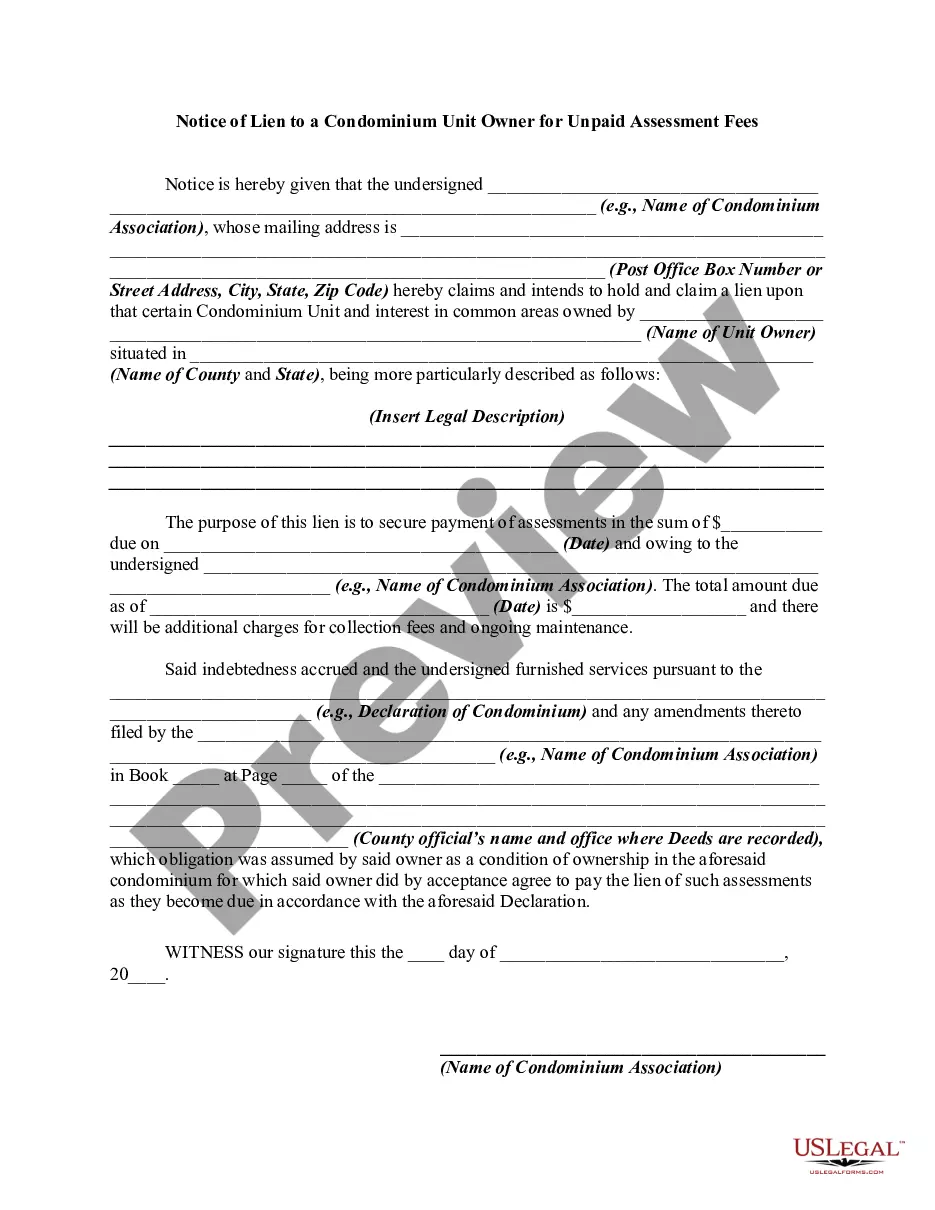
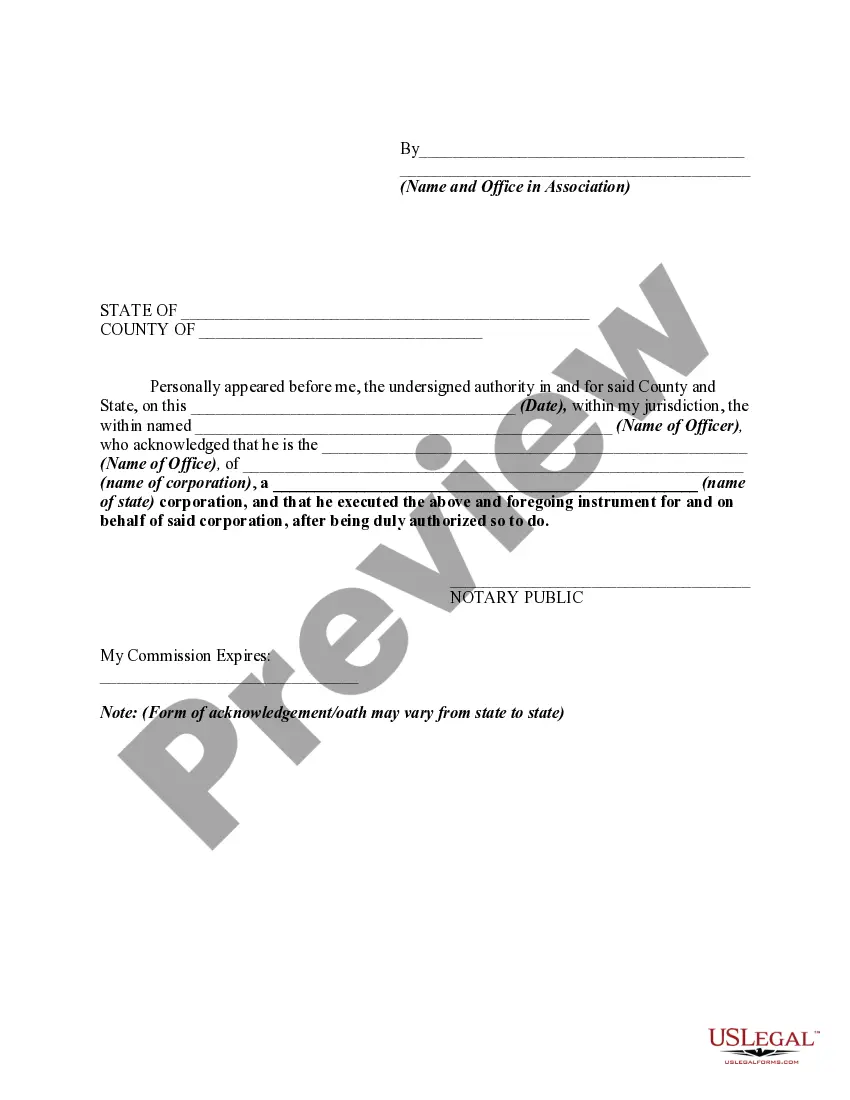
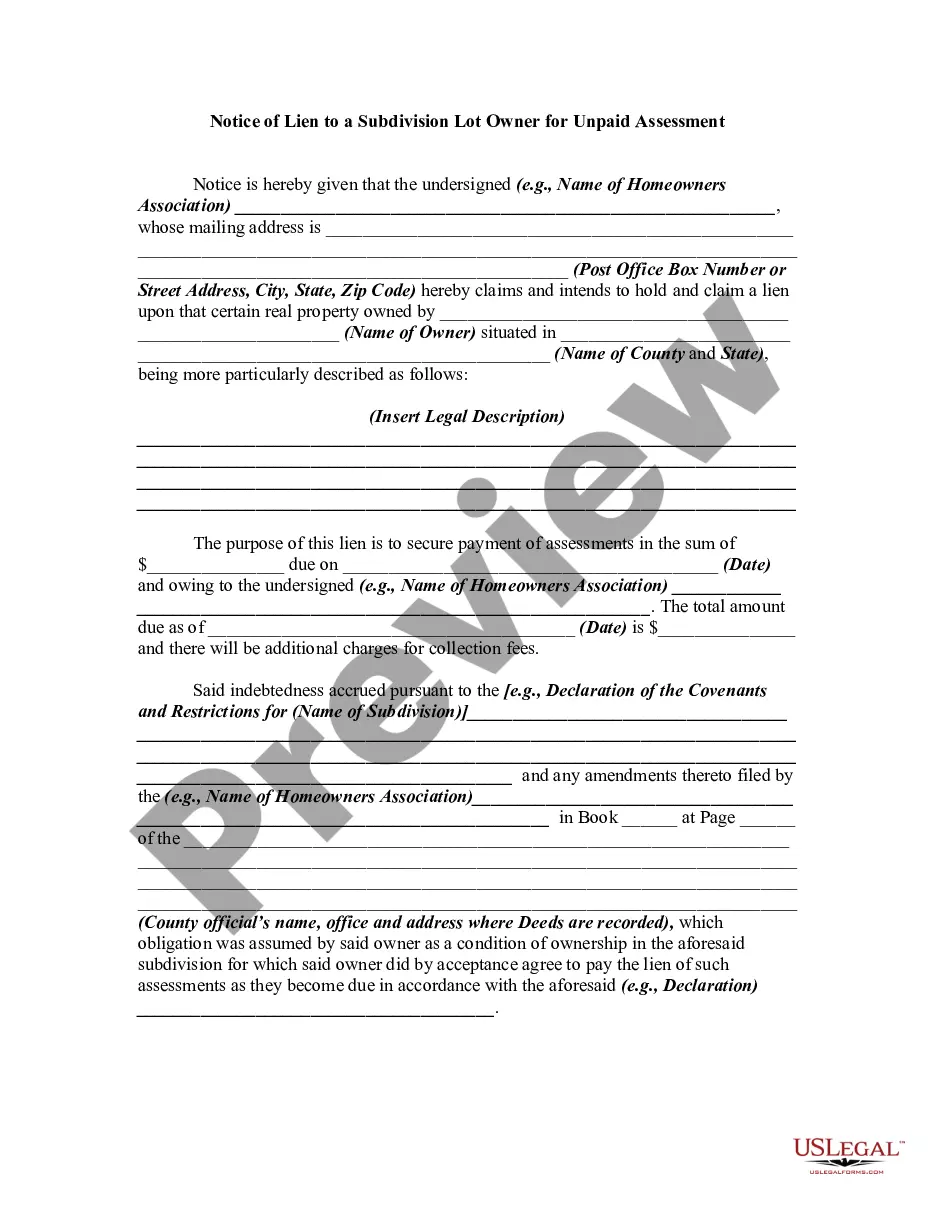
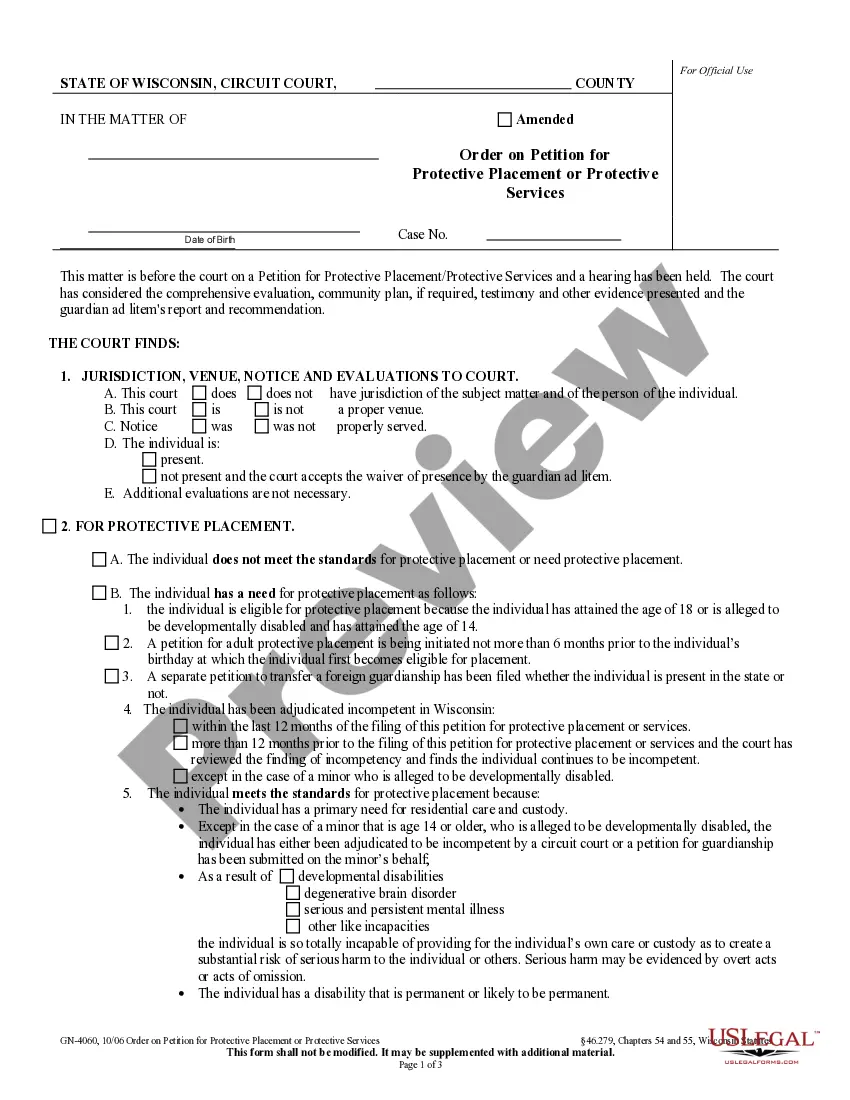
Get your form ready online
Our built-in tools help you complete, sign, share, and store your documents in one place.
Make edits, fill in missing information, and update formatting in US Legal Forms—just like you would in MS Word.
Download a copy, print it, send it by email, or mail it via USPS—whatever works best for your next step.
Sign and collect signatures with our SignNow integration. Send to multiple recipients, set reminders, and more. Go Premium to unlock E-Sign.
If this form requires notarization, complete it online through a secure video call—no need to meet a notary in person or wait for an appointment.
We protect your documents and personal data by following strict security and privacy standards.

Make edits, fill in missing information, and update formatting in US Legal Forms—just like you would in MS Word.

Download a copy, print it, send it by email, or mail it via USPS—whatever works best for your next step.

Sign and collect signatures with our SignNow integration. Send to multiple recipients, set reminders, and more. Go Premium to unlock E-Sign.

If this form requires notarization, complete it online through a secure video call—no need to meet a notary in person or wait for an appointment.

We protect your documents and personal data by following strict security and privacy standards.
Looking for another form?

How to fill out Notice Of Lien To A Condominium Unit Owner For Unpaid Assessment Fees?
Regardless of whether for commercial aims or personal matters, everyone must confront legal issues at some stage in their existence.
Completing legal documentation requires meticulous care, starting from selecting the suitable form template.
Once downloaded, you can fill out the form using editing software or print it out and complete it manually. With an extensive US Legal Forms catalog available, you no longer need to waste time searching for the right template online. Utilize the library's user-friendly navigation to find the appropriate template for any situation.
- For instance, if you choose an incorrect variation of a Condominium Unit Owner Rights And Responsibilities, it will be rejected once submitted.
- Thus, it is vital to have a reliable source of legal documents like US Legal Forms.
- If you wish to acquire a sample of Condominium Unit Owner Rights And Responsibilities, follow these straightforward steps.
- Utilize the search bar or catalog navigation to locate the template you require.
- Review the form's description to ensure it matches your situation, state, and county.
- Click on the form's preview to inspect it.
- If it is the incorrect document, return to the search feature to find the Condominium Unit Owner Rights And Responsibilities sample you need.
- Obtain the file if it satisfies your criteria.
- If you possess a US Legal Forms account, simply click Log in to access previously saved documents in My documents.
- Should you not have an account yet, you can acquire the form by clicking Buy now.
- Select the relevant pricing option.
- Complete the profile registration form.
- Choose your payment method: use a credit card or PayPal account.
- Select the document format you prefer and download the Condominium Unit Owner Rights And Responsibilities.
Form popularity
FAQ
Condominium owners' rights and limitations stem from a combination of state laws, the condominium declaration, and the rules established by the HOA. These documents outline what you can and cannot do with your property, ensuring a balance between individual ownership and community living. It is essential to review these guidelines to fully understand your condominium unit owner rights and responsibilities. For further clarity, you might consider resources like US Legal Forms to access relevant legal documents.
Yes, you can file a complaint against the Homeowners Association (HOA) if you believe they are not upholding their duties or violating your rights. It's important to document your concerns and follow the HOA's established procedures for complaints. If the issue remains unresolved, you may seek further assistance through legal channels. Knowing your condominium unit owner rights and responsibilities empowers you to address grievances confidently.
As a condominium unit owner, you have several essential rights. You have the right to enjoy your property without unnecessary interference, participate in association meetings, and vote on important decisions affecting the community. Additionally, you can access the property’s common areas and expect the association to maintain them. Understanding your condominium unit owner rights and responsibilities helps you navigate any issues effectively.
A condominium owner's policy, often referred to as HO-6 insurance, protects your personal property and covers liability for incidents occurring within your unit. This type of insurance typically does not cover damage to common areas, as that falls under the association's master policy. Knowing your condominium unit owner rights and responsibilities helps you understand the importance of having adequate coverage for your unique needs.
When you own a condo, you are responsible for maintaining your unit, paying association dues, and following community rules. This includes addressing any damages or repairs needed within your space and participating in community meetings. Understanding your condominium unit owner rights and responsibilities ensures you meet your obligations while enjoying the benefits of condo living.
Condo owners are typically responsible for the maintenance within their units, including plumbing, electrical systems, and appliances. You must also take care of any repairs or updates that fall under your ownership. Knowing your condominium unit owner rights and responsibilities allows you to effectively manage your maintenance duties and communicate any issues with the association.
Owning a condo comes with several responsibilities, including paying monthly association dues and adhering to community rules. You must also maintain your unit and ensure it complies with any local regulations. By understanding your condominium unit owner rights and responsibilities, you can foster a positive living environment and contribute to the community.
As a condominium unit owner, you own your individual unit, which includes the interior of your space, such as walls, floors, and ceilings. Additionally, you share ownership of common areas with other owners, like hallways, pools, and landscaping. Understanding your condominium unit owner rights and responsibilities helps clarify your ownership and governance within the community.
The new Florida law regarding condos introduces several key provisions aimed at protecting unit owners. These include stricter regulations on reserve funds and maintenance obligations. Familiarizing yourself with this law can empower you to assert your condominium unit owner rights and responsibilities confidently.
The changes to the Florida Condominium Act 2025 focus on improving the rights of condominium unit owners. These updates address issues like association governance, financial disclosure, and dispute resolution. Staying informed about these changes can help you better understand your condominium unit owner rights and responsibilities.