Notice Of Motion For Summary Judgment
Description
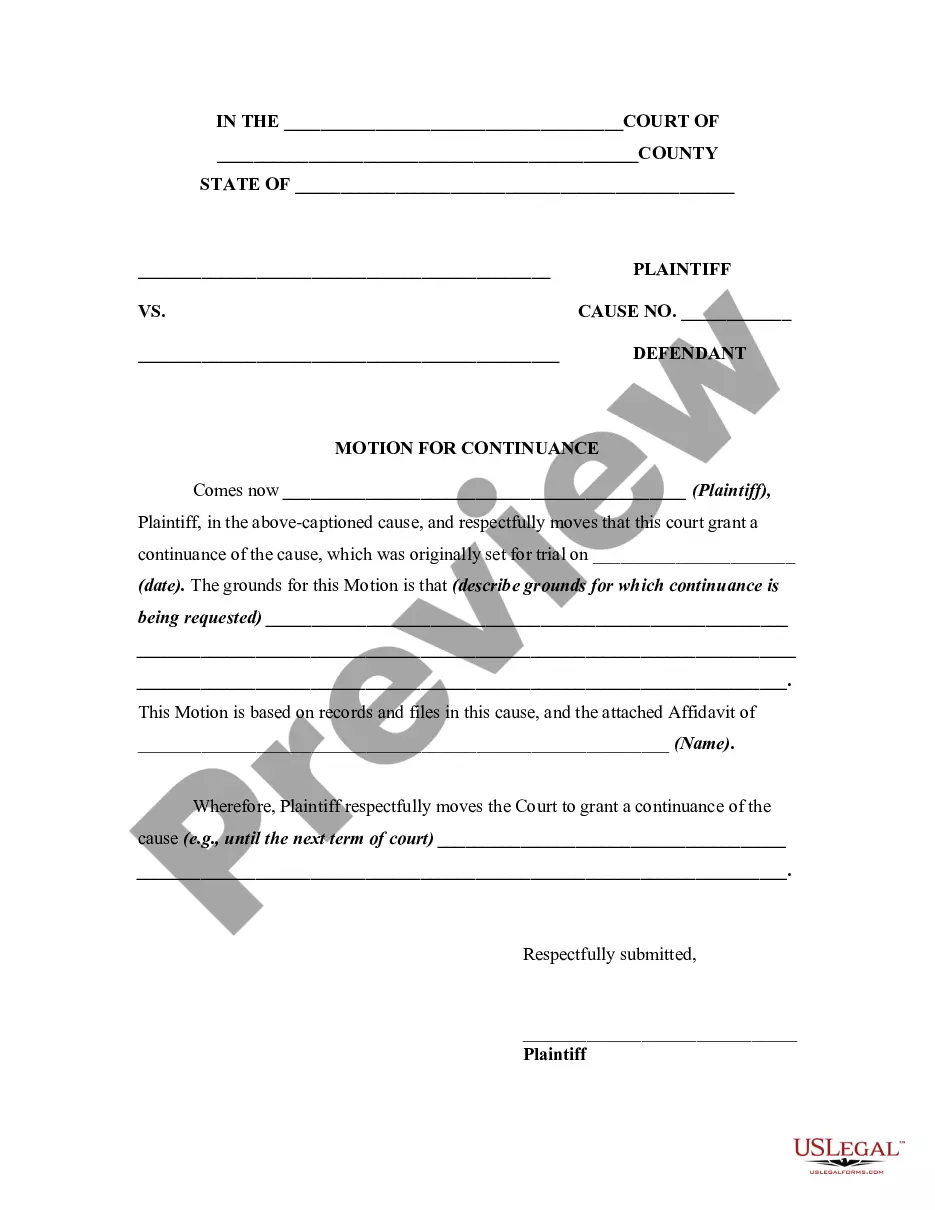
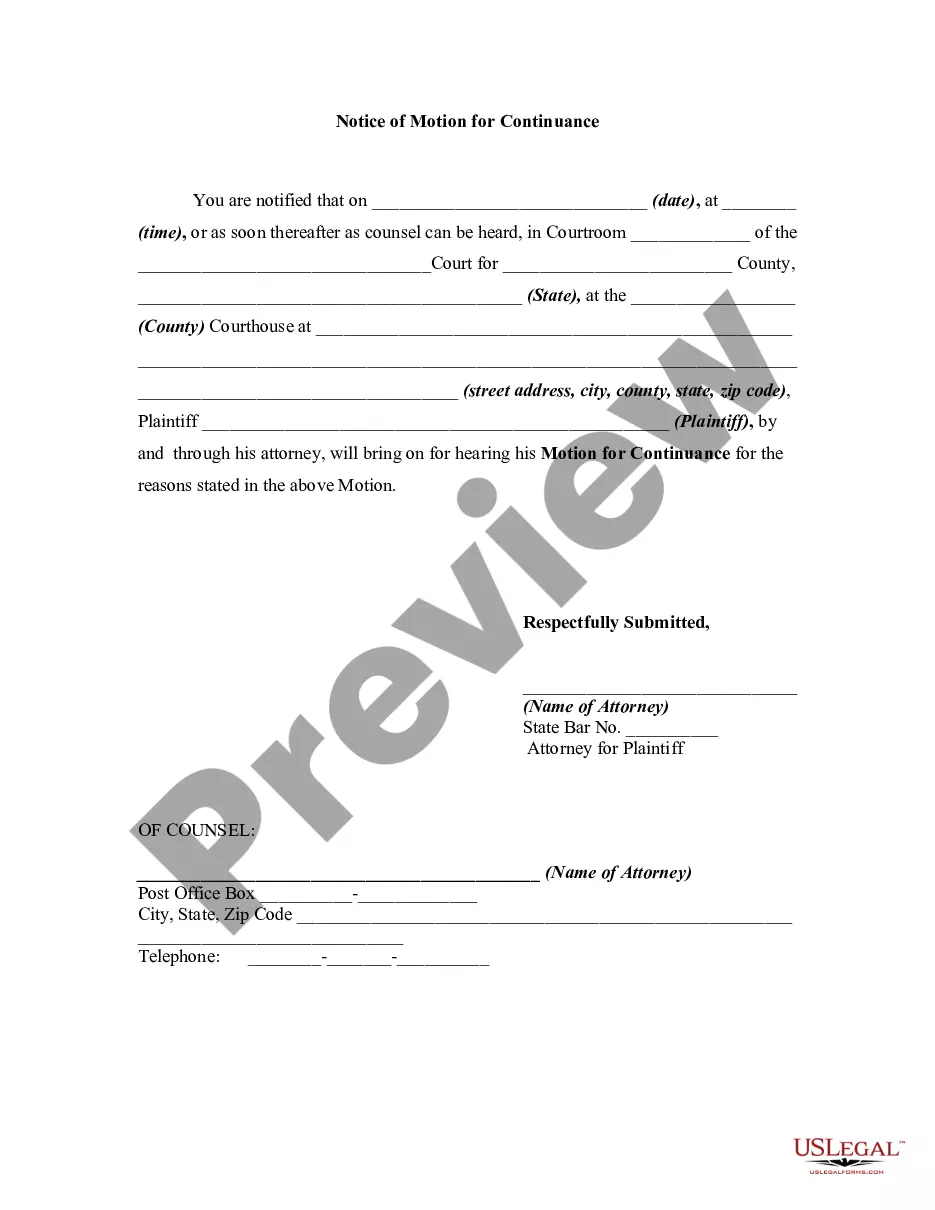
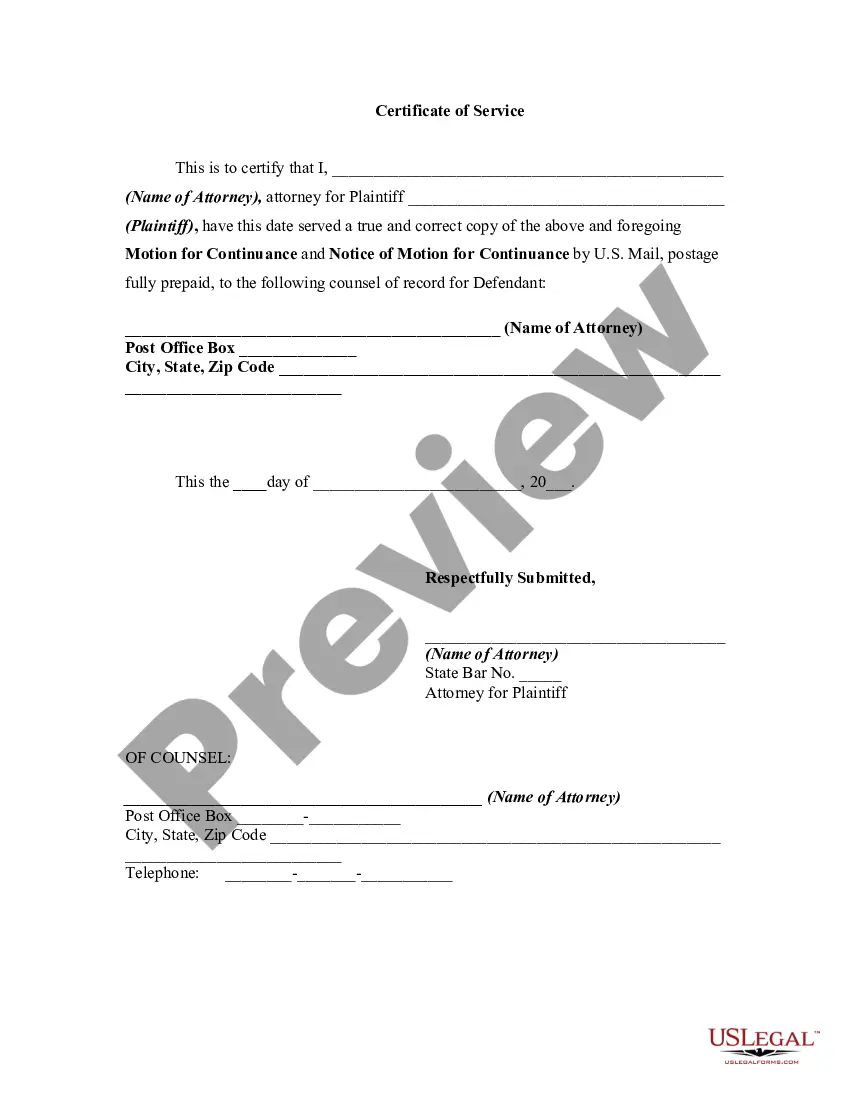

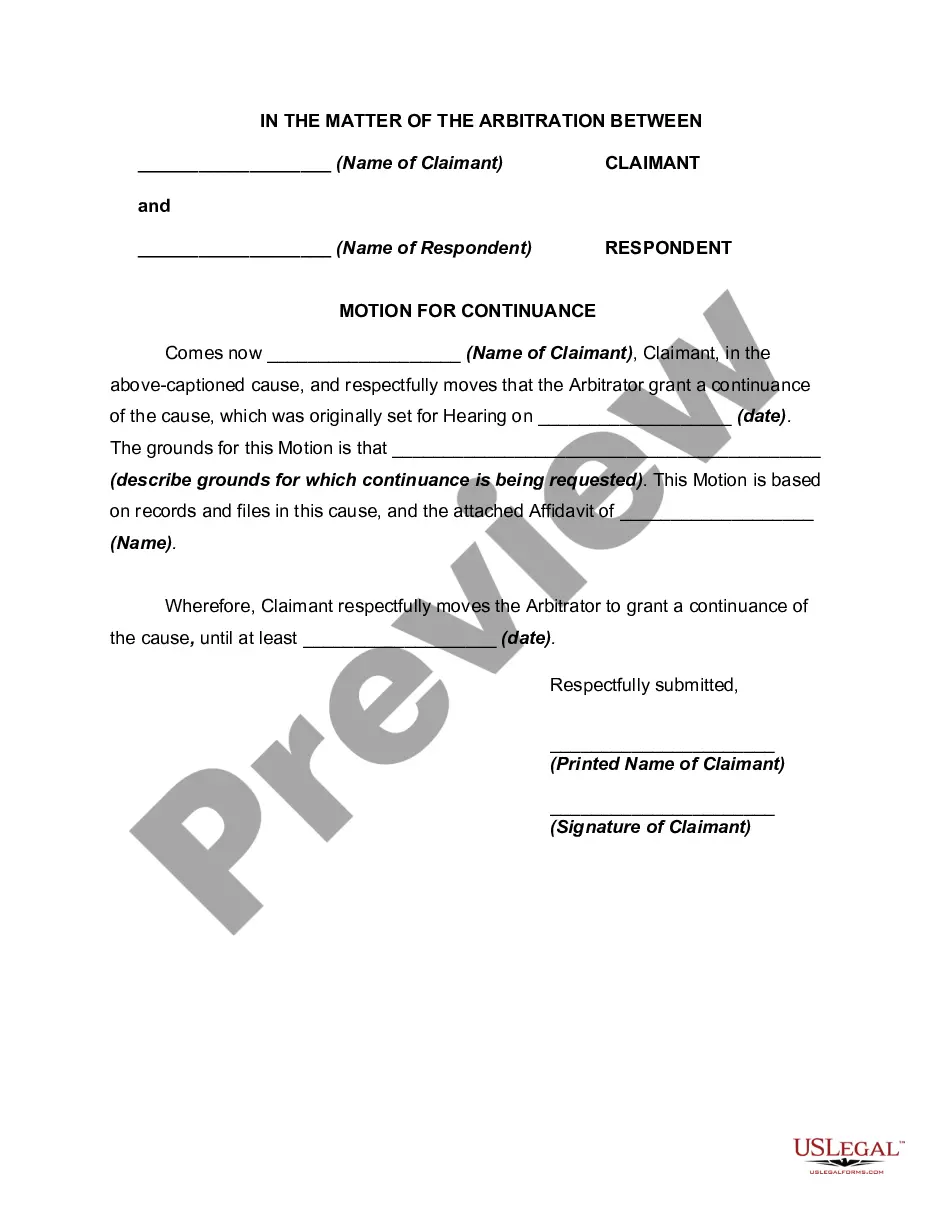
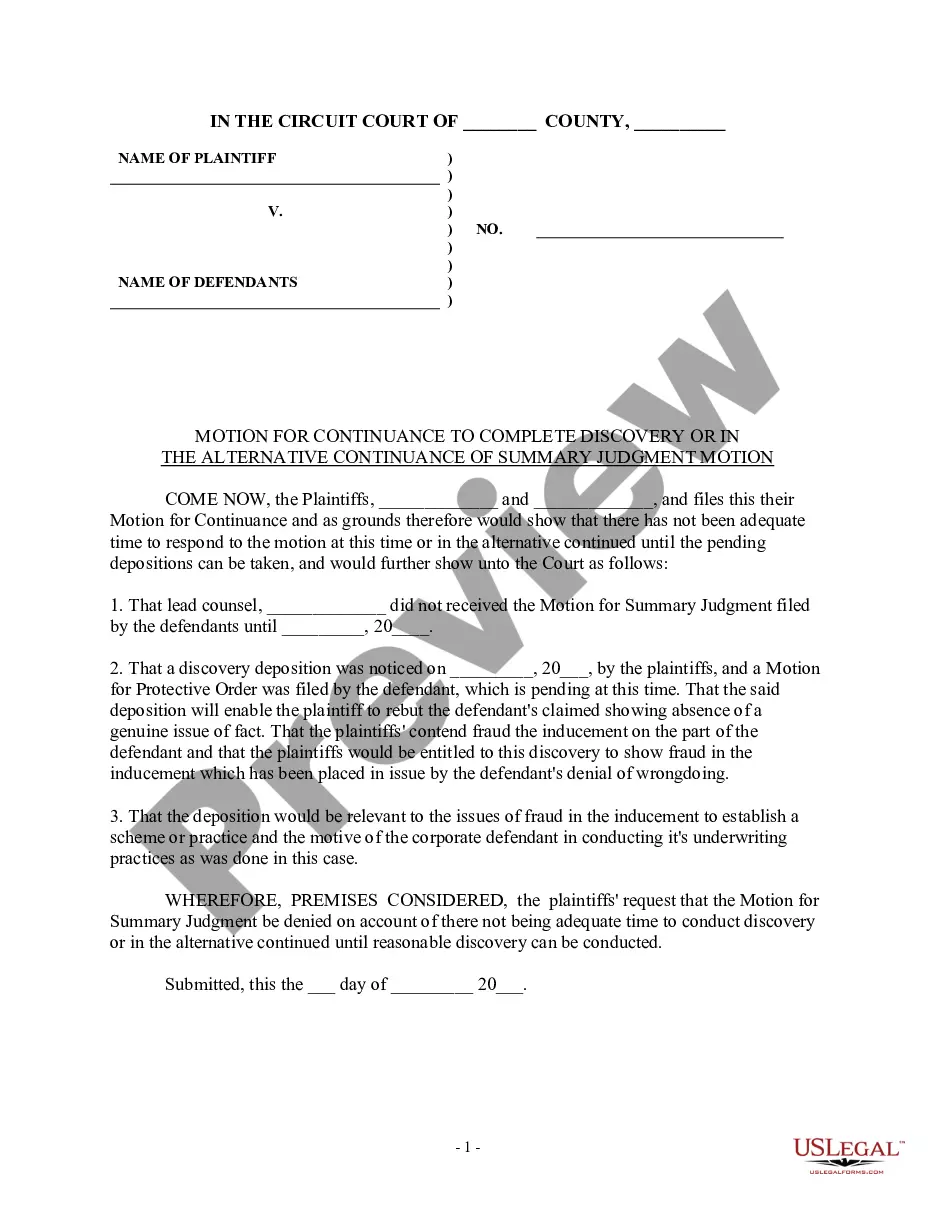
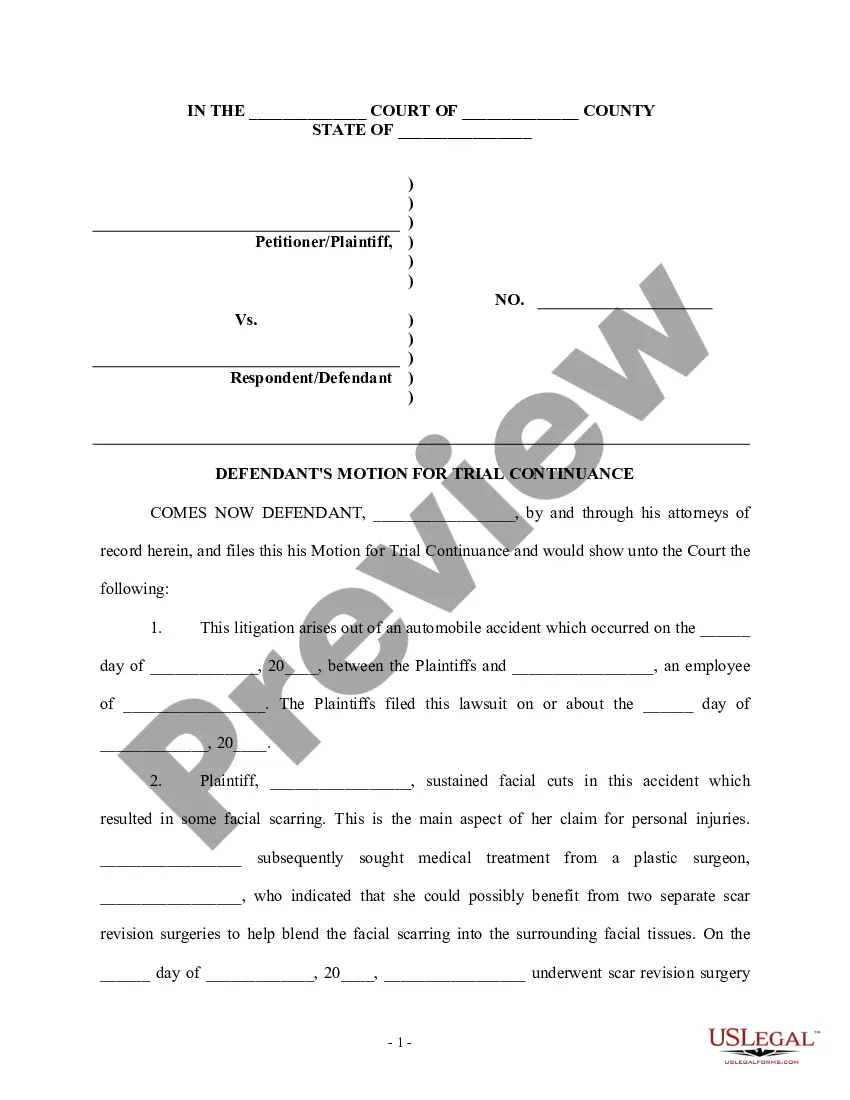
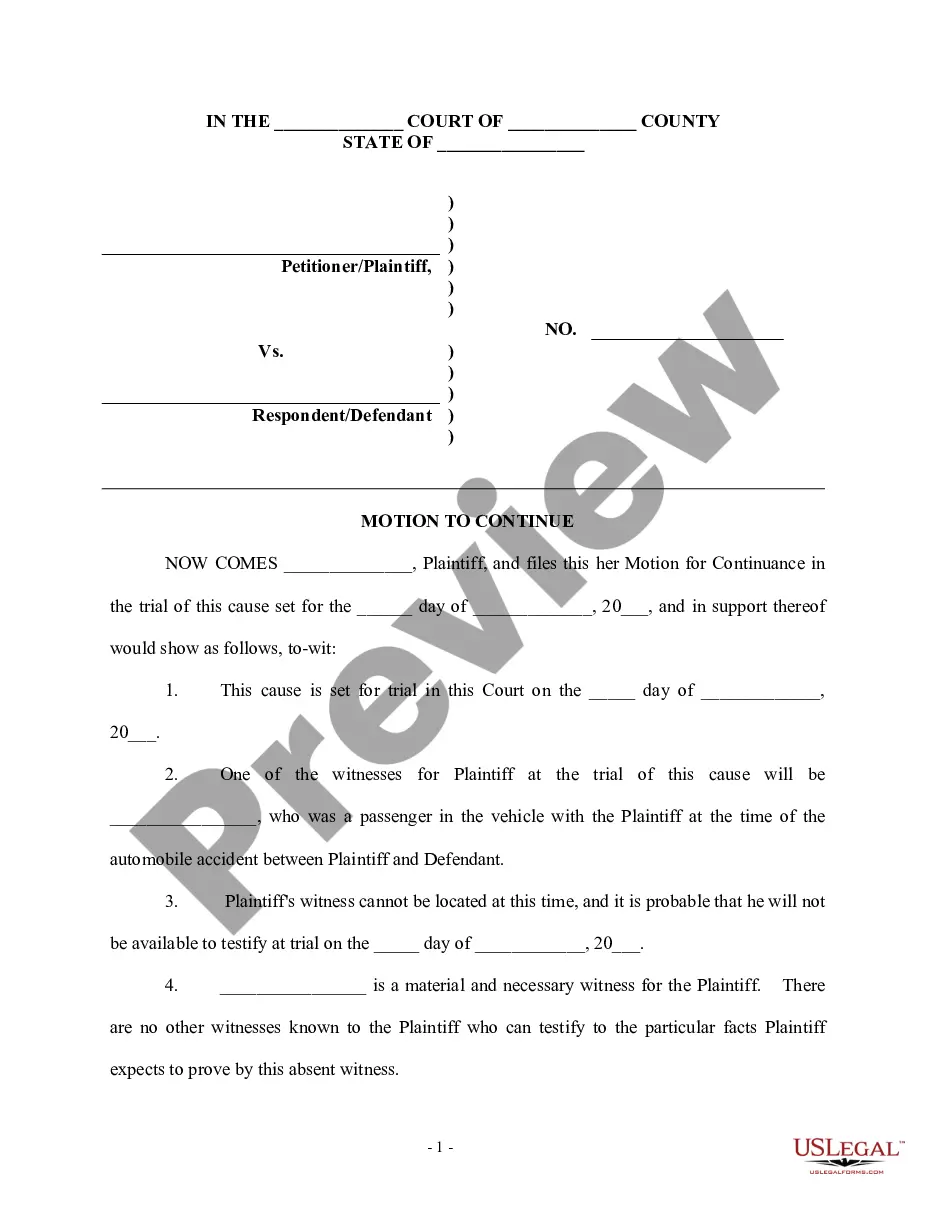
Get your form ready online
Our built-in tools help you complete, sign, share, and store your documents in one place.
Make edits, fill in missing information, and update formatting in US Legal Forms—just like you would in MS Word.
Download a copy, print it, send it by email, or mail it via USPS—whatever works best for your next step.
Sign and collect signatures with our SignNow integration. Send to multiple recipients, set reminders, and more. Go Premium to unlock E-Sign.
If this form requires notarization, complete it online through a secure video call—no need to meet a notary in person or wait for an appointment.
We protect your documents and personal data by following strict security and privacy standards.

Make edits, fill in missing information, and update formatting in US Legal Forms—just like you would in MS Word.

Download a copy, print it, send it by email, or mail it via USPS—whatever works best for your next step.

Sign and collect signatures with our SignNow integration. Send to multiple recipients, set reminders, and more. Go Premium to unlock E-Sign.

If this form requires notarization, complete it online through a secure video call—no need to meet a notary in person or wait for an appointment.

We protect your documents and personal data by following strict security and privacy standards.
Looking for another form?



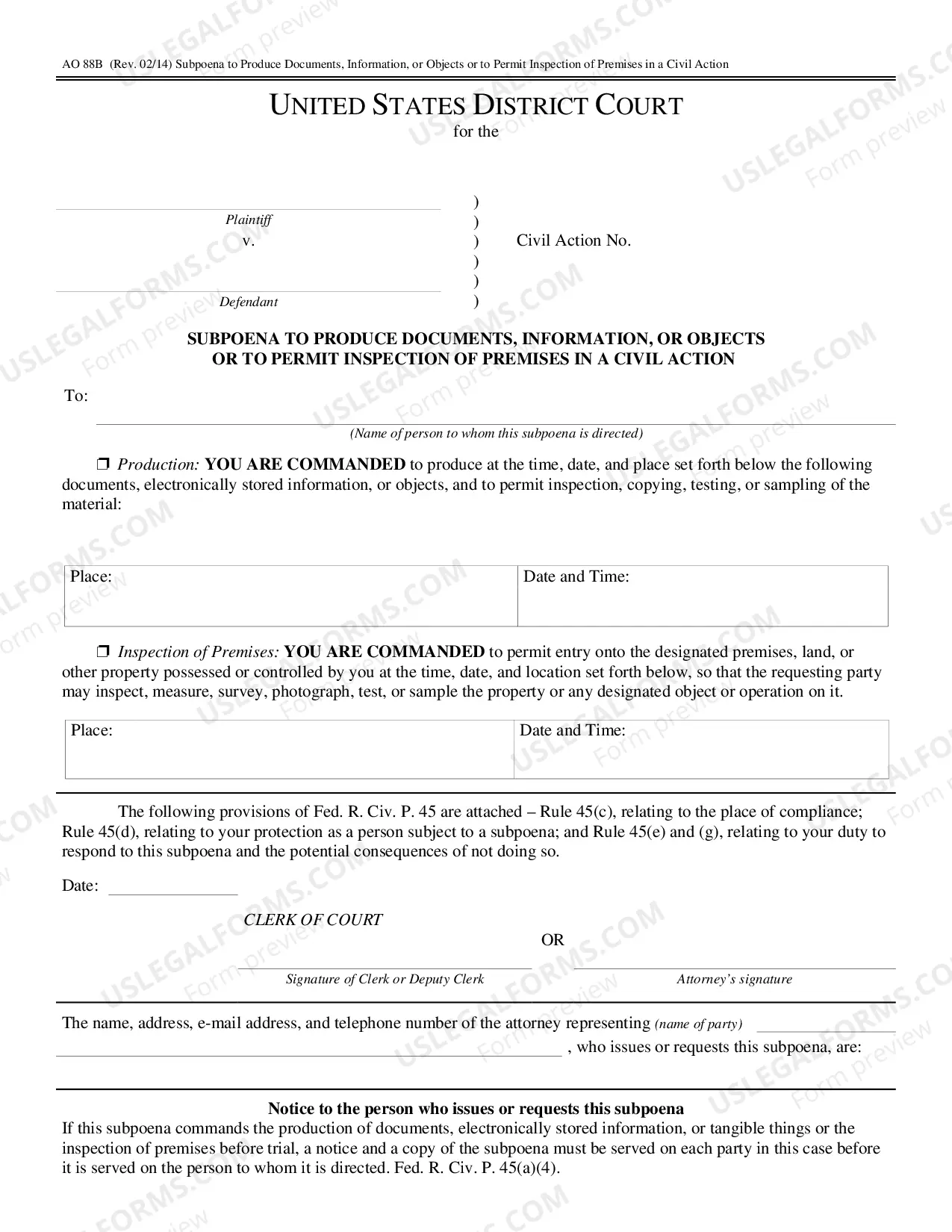




How to fill out Generic Motion For Continuance And Notice Of Motion?
Regardless of whether for professional reasons or personal issues, everyone encounters legal circumstances sooner or later in their existence.
Completing legal documents requires meticulous care, starting with selecting the appropriate form sample.
Select the document format you desire and download the Notice Of Motion For Summary Judgment. Once it is downloaded, you can complete the form with the help of editing software or print it and fill it out manually. With an extensive US Legal Forms catalog available, you do not need to waste time searching for the appropriate template online. Take advantage of the library’s straightforward navigation to find the right form for any circumstance.
- For instance, if you select an incorrect version of the Notice Of Motion For Summary Judgment, it will be rejected once you submit it.
- Therefore, it is crucial to find a trustworthy source of legal documents like US Legal Forms.
- If you wish to acquire a Notice Of Motion For Summary Judgment sample, follow these straightforward steps.
- Obtain the template you require by utilizing the search bar or catalog navigation.
- Review the information of the form to ensure it aligns with your case, state, and area.
- Click on the form’s preview to inspect it.
- If it is not the correct document, return to the search feature to find the Notice Of Motion For Summary Judgment sample you need.
- Download the template when it satisfies your requirements.
- If you already possess a US Legal Forms account, click Log in to access previously saved documents in My documents.
- In case you don’t have an account yet, you can obtain the form by clicking Buy now.
- Select the suitable pricing option.
- Fill out the profile registration form.
- Choose your payment method: you can utilize a credit card or PayPal account.
Form popularity
FAQ
To ask for a summary judgment, you must file a notice of motion for summary judgment with the court. This document should detail your arguments, evidence, and the specific legal reasons why you believe the court should rule in your favor. It's advisable to gather comprehensive supporting documents and follow the court's filing requirements diligently to strengthen your request.
You should ask for a summary judgment when you believe your case has enough evidence to favor an outcome without going to trial. Ideally, this request comes once all evidence is gathered, but before the trial begins. By filing a notice of motion for summary judgment, you can expedite the legal process.
To answer a summary judgment motion, carefully review the claims made and identify disputed facts. Draft a clear response that outlines your position and any evidence refuting the motion. Engage with resources from US Legal Forms to help you construct a robust answer to the notice of motion for summary judgment.
The odds of winning a summary judgment vary based on the specifics of each case, including the quality of evidence presented. Generally, courts grant summary judgments when there are no factual disputes. Preparing a strong notice of motion for summary judgment that meets legal criteria increases your likelihood of success.
To defeat a motion for summary judgment, you need to identify and highlight any material factual disputes. Present evidence that supports your position and counters the claims made in the notice of motion for summary judgment. Properly articulating these points in a comprehensive and organized manner is crucial to your defense.
Winning a summary judgment is challenging but not impossible. Success largely depends on the strength of your evidence and argumentation. A thorough understanding of the legal standards for a notice of motion for summary judgment helps prepare you effectively, enhancing your chances of success.
Replies should be succinctly stated. If the response to a fact is ?undisputed,? the reply should also state ?undisputed.? If you contend that despite a response of ?disputed,? the non-moving party has failed to raise a genuine dispute of material fact, you should succinctly state why.
Examples of summary judgement motions John says that Linda ran a red light and caused the crash. John happens to have a video of Linda running the red light and crashing into him. John's attorney files a motion for summary judgment claiming that: There are no material facts that can be reasonably disputed.
Where there is n genuine issue of material fact, the court will Page 2 Appendix 5 grant summary judgment in favor of one of the parties. For example, if all the evidence shows that the light was green, the court does not need to hold a trial to determine whether the light was red or green.
The chance of success in these cases is less than 10% [1]. Another study found that summary judgment is mostly granted in Title VII cases, for example, cases involving equal pay or employment discrimination [2]. When it comes to federal cases, summary judgments are filed in 17% of total cases.