Eviction Appeal Forms With The President
Description
Get your form ready online
Our built-in tools help you complete, sign, share, and store your documents in one place.
Make edits, fill in missing information, and update formatting in US Legal Forms—just like you would in MS Word.
Download a copy, print it, send it by email, or mail it via USPS—whatever works best for your next step.
Sign and collect signatures with our SignNow integration. Send to multiple recipients, set reminders, and more. Go Premium to unlock E-Sign.
If this form requires notarization, complete it online through a secure video call—no need to meet a notary in person or wait for an appointment.
We protect your documents and personal data by following strict security and privacy standards.
Make edits, fill in missing information, and update formatting in US Legal Forms—just like you would in MS Word.
Download a copy, print it, send it by email, or mail it via USPS—whatever works best for your next step.
Sign and collect signatures with our SignNow integration. Send to multiple recipients, set reminders, and more. Go Premium to unlock E-Sign.

If this form requires notarization, complete it online through a secure video call—no need to meet a notary in person or wait for an appointment.
We protect your documents and personal data by following strict security and privacy standards.
Looking for another form?


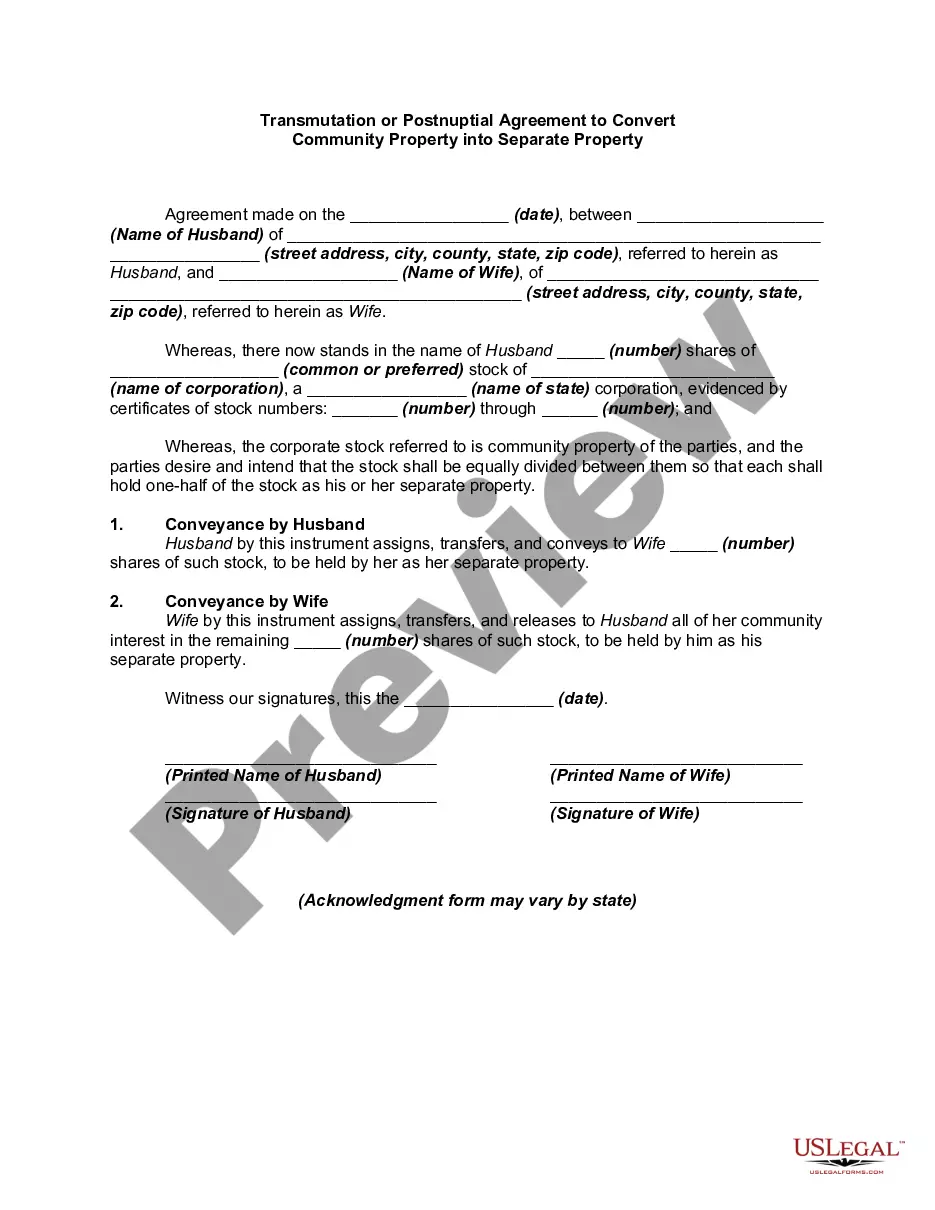
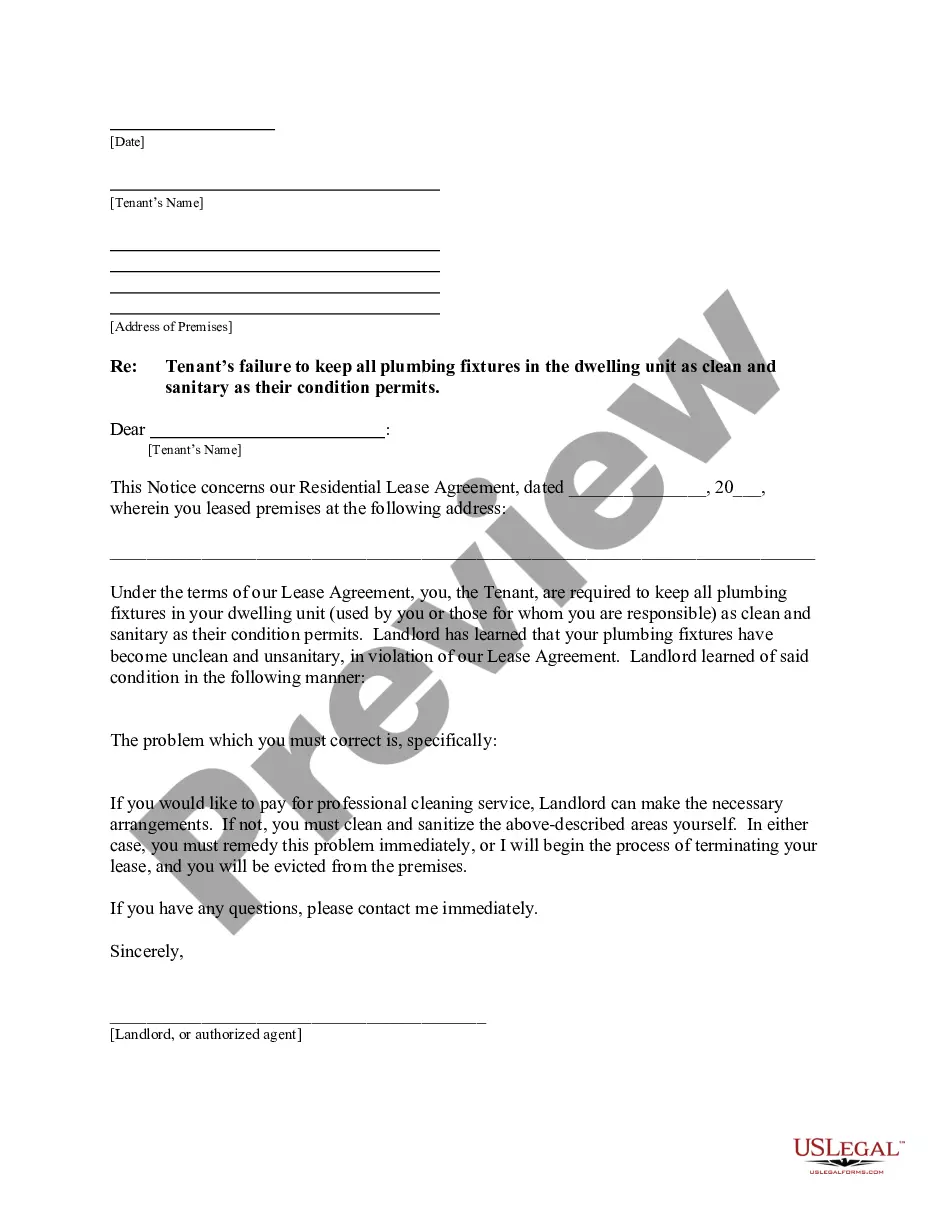
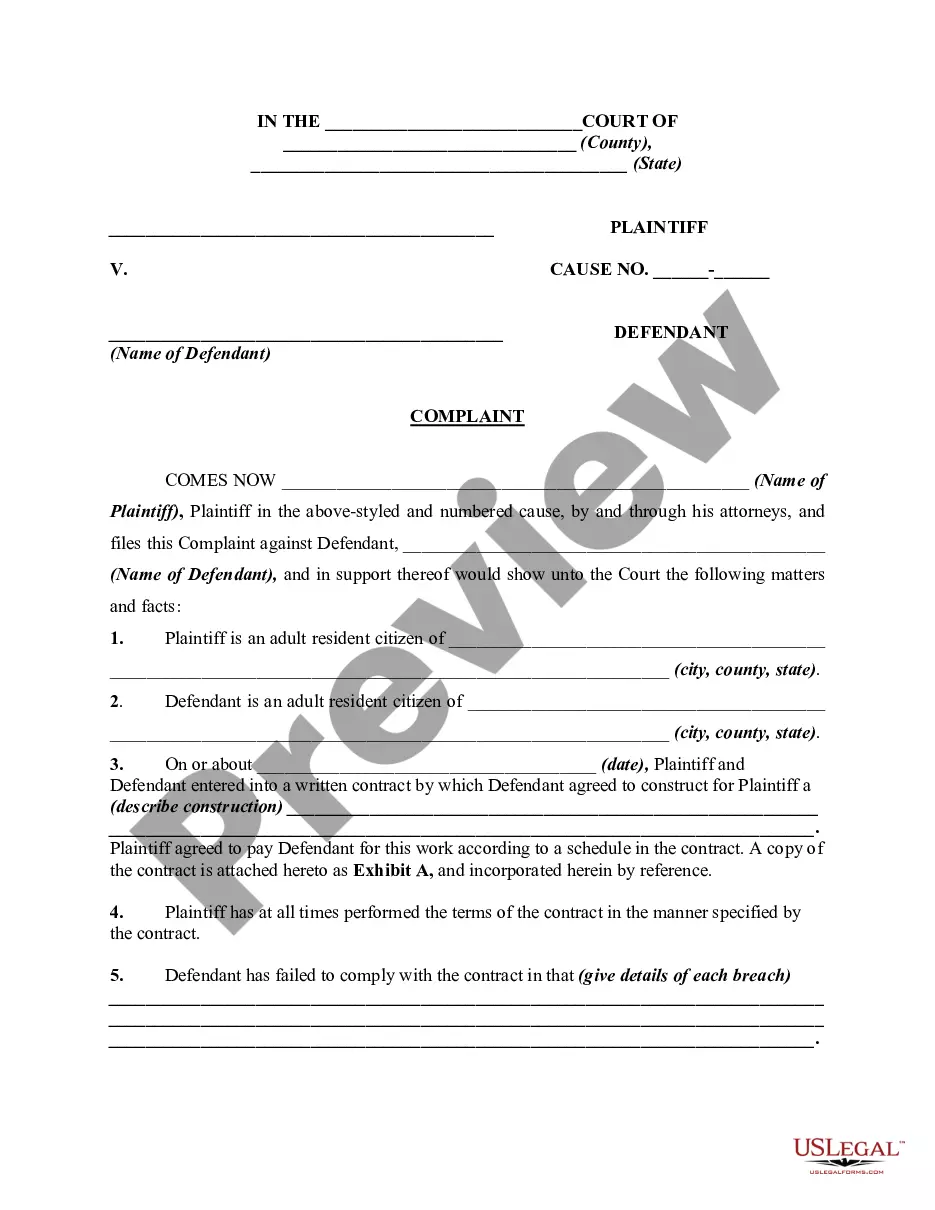
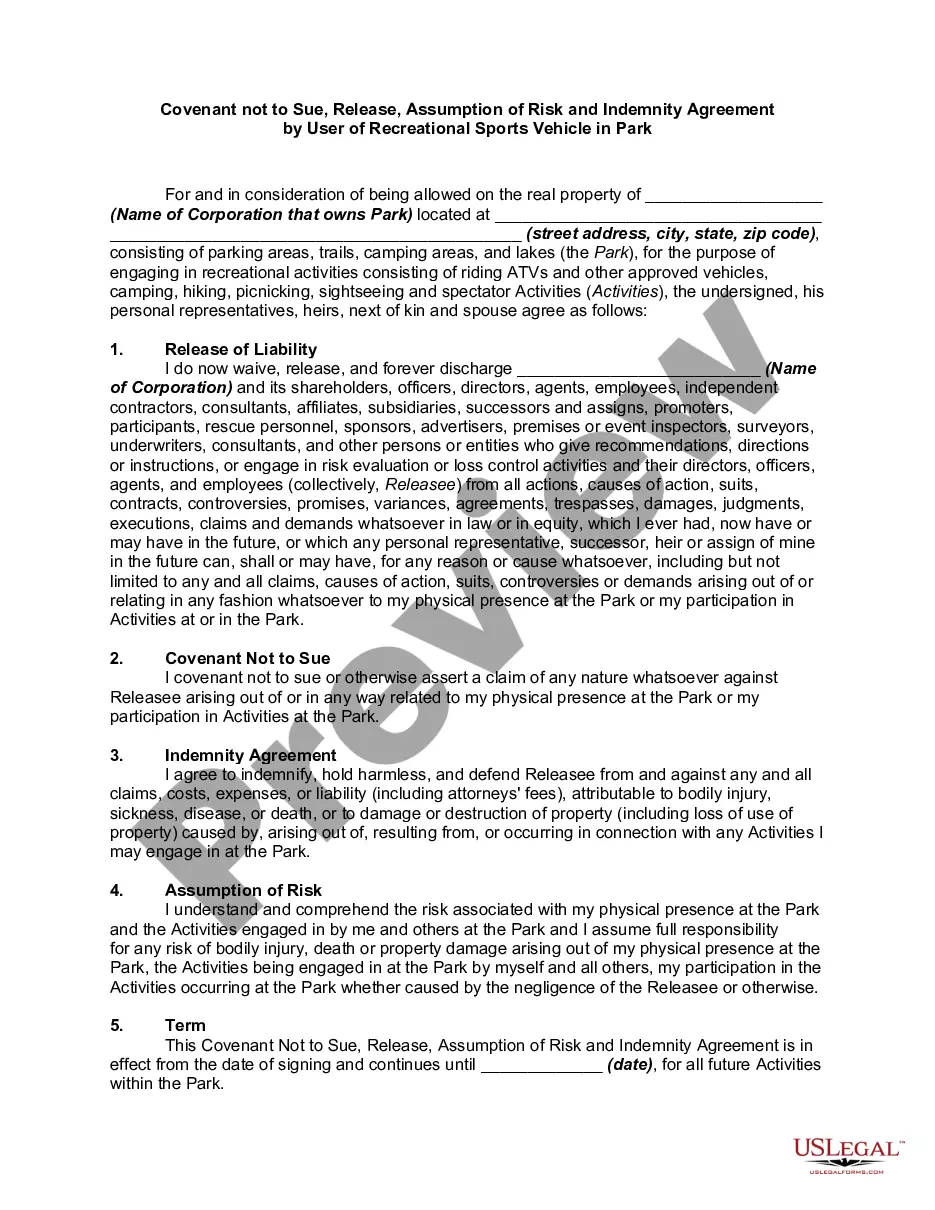
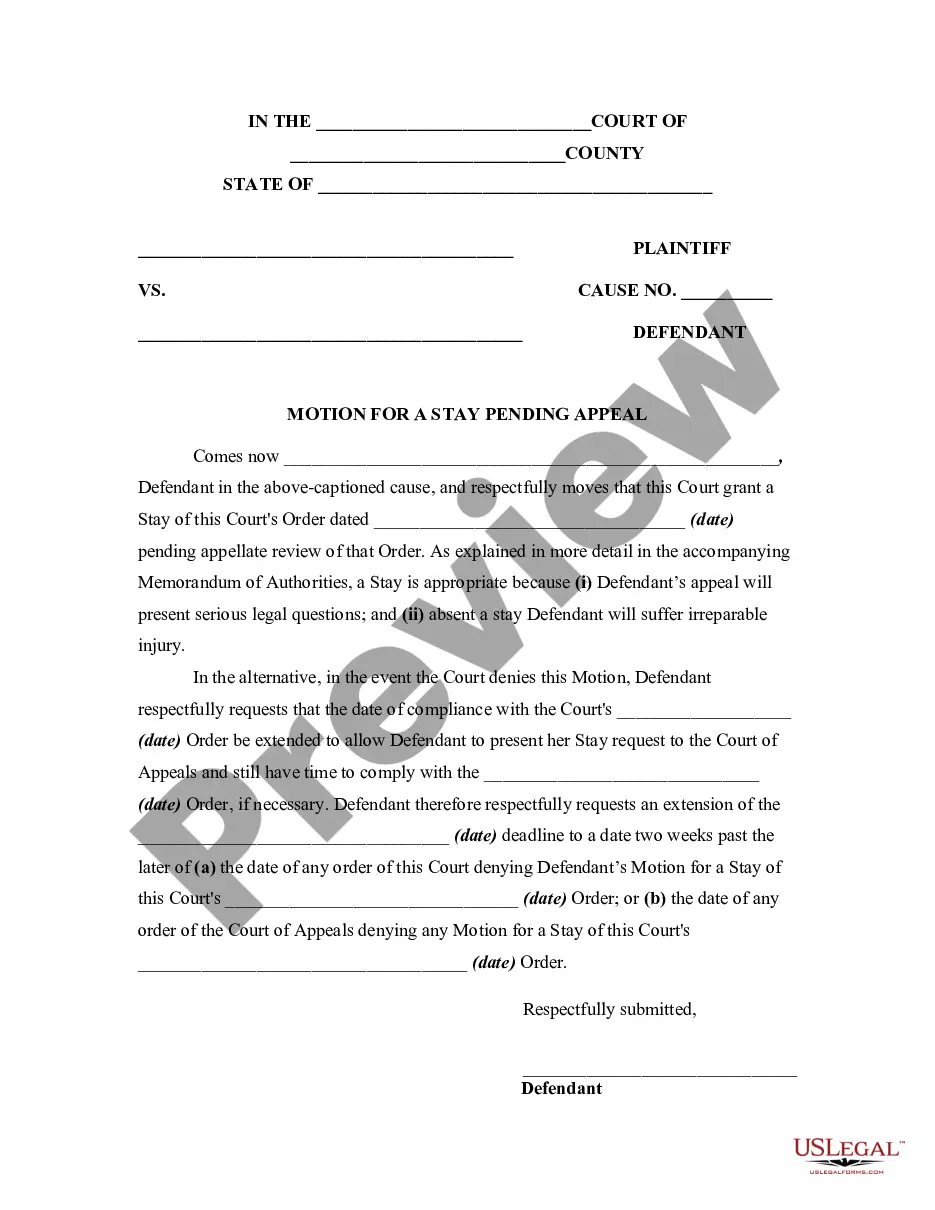
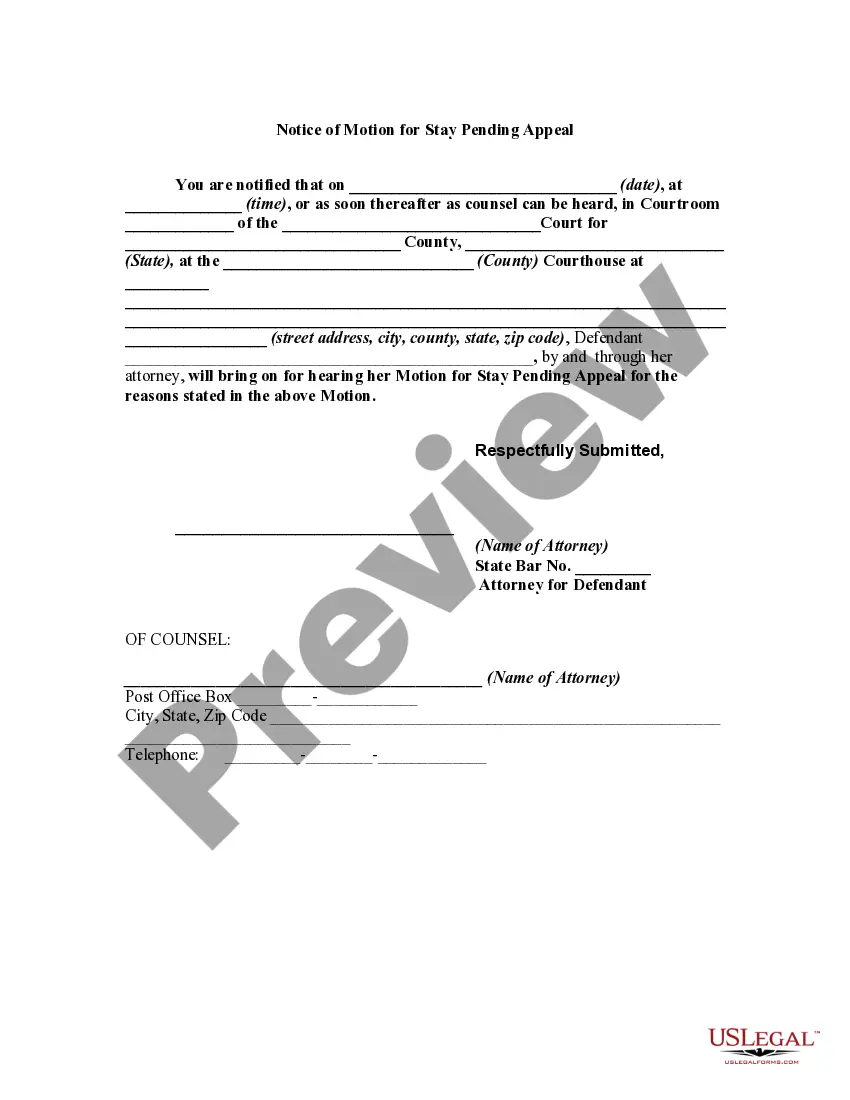
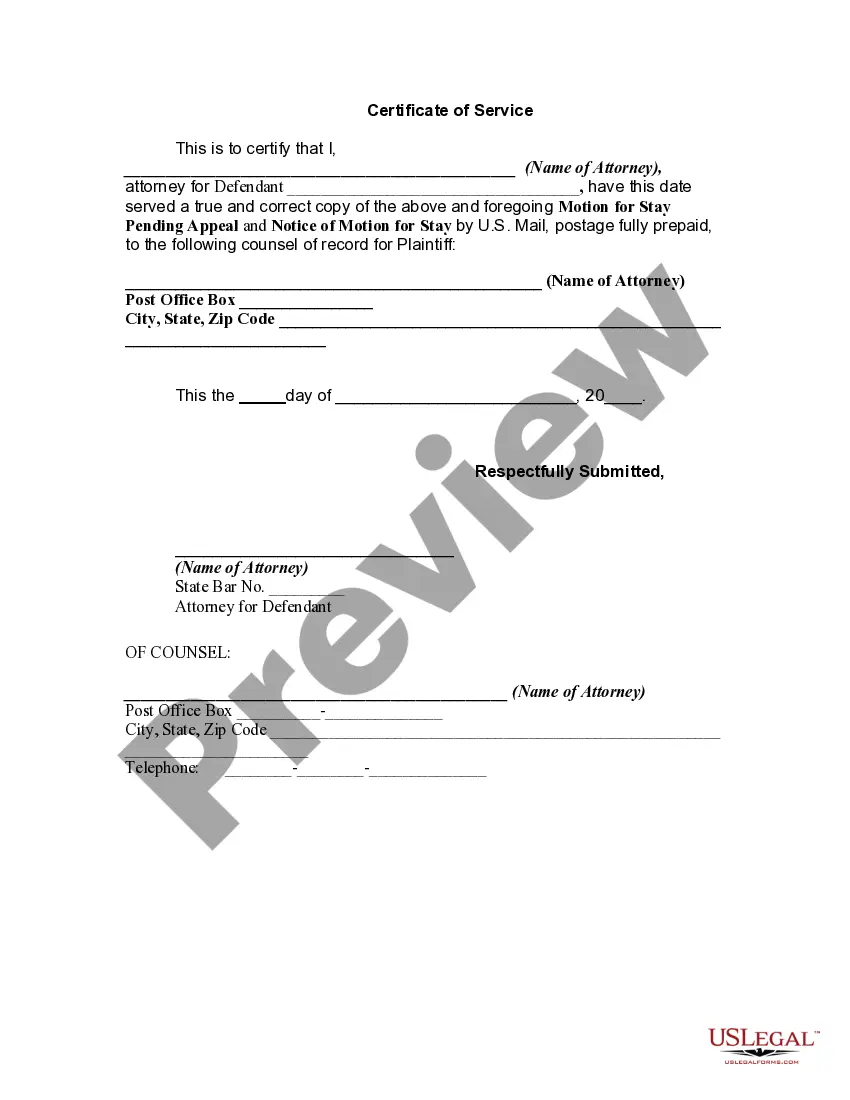
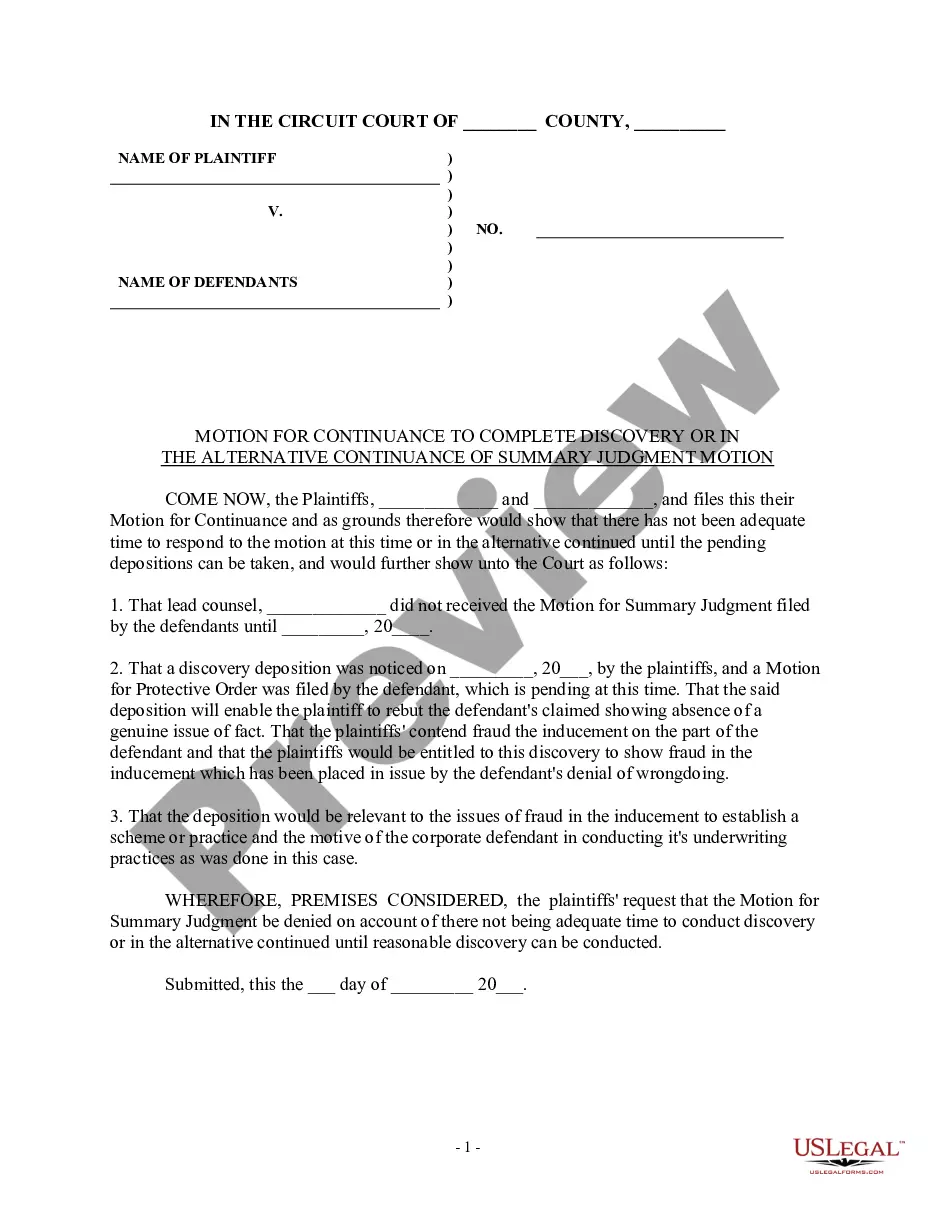
How to fill out Motion For Stay Pending Appeal And Notice Of Motion?
- Log in to your US Legal Forms account. If you're a returning user, ensure your subscription is active; if it's not, renew your plan.
- Explore the available templates. Use the Preview mode and review form descriptions carefully to ensure they match your needs and jurisdiction.
- If necessary, search for other templates. If the form doesn’t fit your requirements, use the Search tab to find a more suitable option.
- Purchase the desired document. Click on the Buy Now button, select a subscription plan, and create an account to gain access to the vast library.
- Complete your transaction. Enter payment details or opt for PayPal to finalize your subscription purchase.
- Download your form. Save the document to your device and access it through the My Forms section of your account at any time.
In conclusion, utilizing US Legal Forms for your eviction appeal documents ensures you have access to a comprehensive collection of legal forms tailored to your needs. With over 85,000 fillable forms at your disposal, you can navigate the legal landscape with confidence.
Start enhancing your legal document process today by visiting US Legal Forms and take the first step towards managing your eviction appeal.
Form popularity
FAQ
A judge may overturn an eviction, but it greatly depends on the circumstances of the case. If you present a strong argument with convincing evidence, such as misuse of eviction appeal forms with the president, you may have a better chance. Legal representation can help strengthen your case and find any legal grounds for the overturn. It's important to be well-prepared and informed when appearing in front of a judge.
To reverse an eviction notice, you should first review the notice for any errors or discrepancies. You can respond by filing eviction appeal forms with the president, which may offer a platform to contest the notice legally. Additionally, seek legal counsel for advice on your specific circumstances and to ensure you follow proper procedures. Quick action can improve your chances of reversing the notice.
Yes, it is possible to overcome an eviction with the right approach. You can utilize eviction appeal forms with the president to navigate your case effectively. Engaging legal help can also provide you with strategies to present your position, negotiate with your landlord, or contest the eviction in court. Each situation is unique, so consider your options carefully.
To dispute an eviction in California, you can file a notice of appeal within 30 days of the judgment. You will need to present your case, demonstrating valid reasons for contesting the eviction, such as evidence of procedural errors or defenses applicable to your situation. Utilizing eviction appeal forms with the president can streamline this process and provide the guidance needed to effectively dispute the eviction.
Yes, an eviction judgment can be reversed in California if you provide sufficient grounds during the appeal process. Common reasons include legal mistakes made by the judge or lack of evidence supporting the eviction. To increase your chances of success, consider using eviction appeal forms with the president to clearly outline your arguments and present your case effectively.
In California, you typically have 30 days from the date the judgment is entered to file a notice of appeal. This timeframe is crucial, so it's important to act quickly if you intend to challenge the eviction ruling. Utilizing eviction appeal forms with the president can help you ensure that all necessary paperwork is completed accurately and submitted on time.
In Minnesota, there are several defenses you can use against eviction, such as proving that the landlord did not follow proper legal procedures or that the property was uninhabitable. Additionally, you can show that the eviction is retaliatory, meaning it stemmed from your complaints about the living conditions. To effectively utilize these defenses, consider accessing eviction appeal forms with the president to navigate the legal process smoothly.
The duration of an eviction hardship extension in North Carolina can vary based on individual circumstances and local laws. Typically, it can provide tenants with a few additional weeks to address their financial situation. To maximize your chances of obtaining a favorable outcome, consider utilizing eviction appeal forms with the president to ensure your application is properly submitted and supported.
In North Carolina, the hardship extension for eviction provides tenants with an opportunity to delay eviction proceedings due to financial challenges. This extension is crucial for those needing extra time to gather funds or seek assistance options. By exploring eviction appeal forms with the president, you can better understand how to formally request this extension and protect your living situation.
A hardship extension is a formal request for additional time to remedy financial difficulties affecting your housing situation. In the context of evictions, this extension can help maintain your residence while you secure the necessary funds to cover overdue rent. Utilizing eviction appeal forms with the president may be a strategic approach to advocating for your rights during this challenging period.