Nunc Pro Tunc Order Example With California
Description
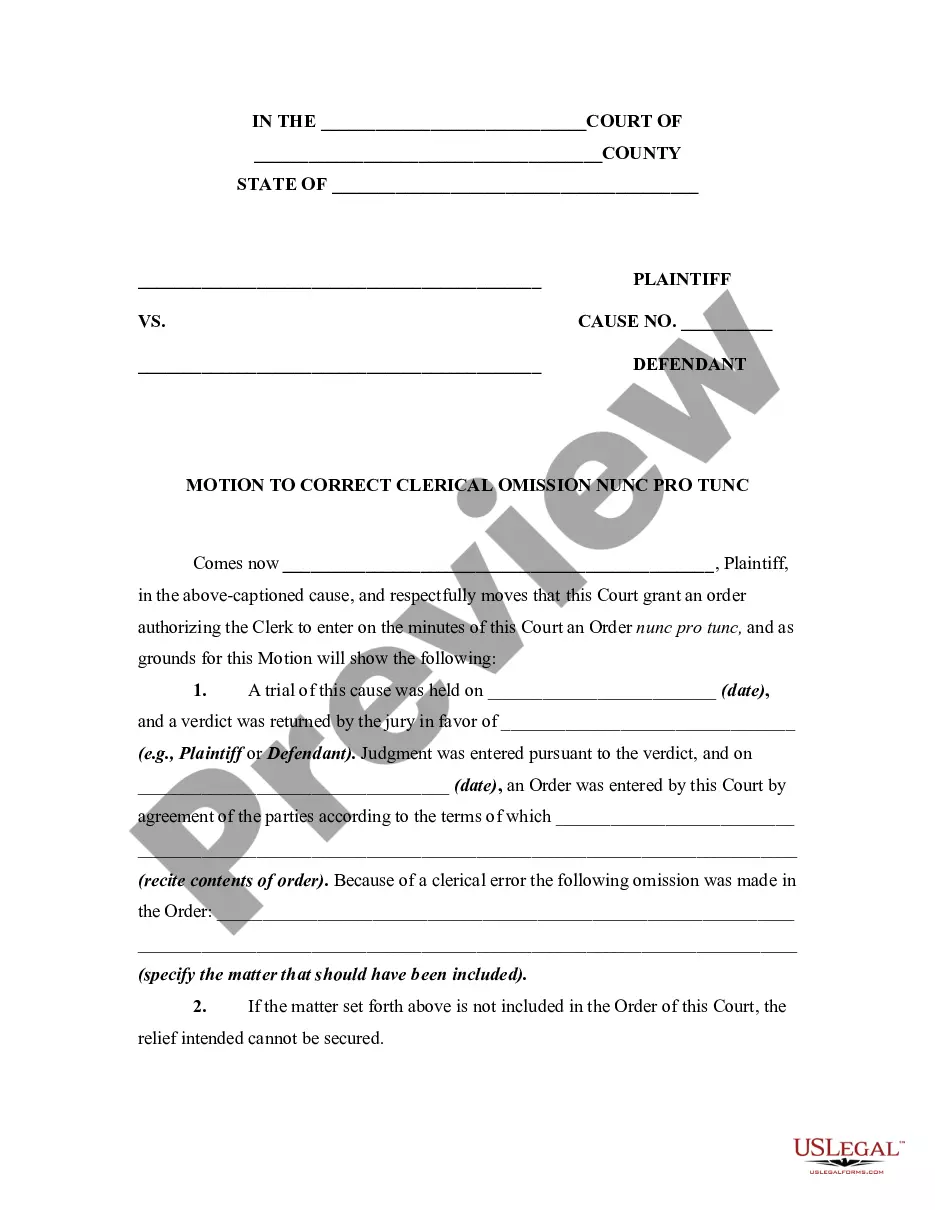
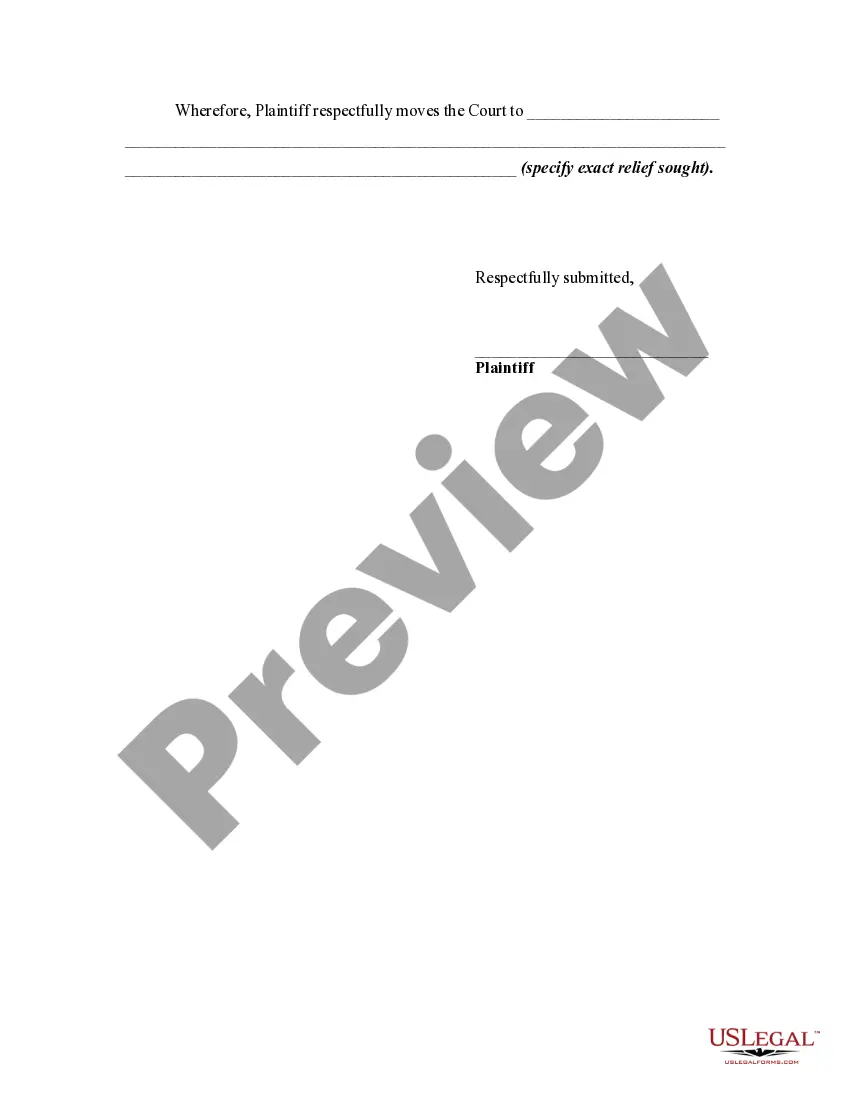
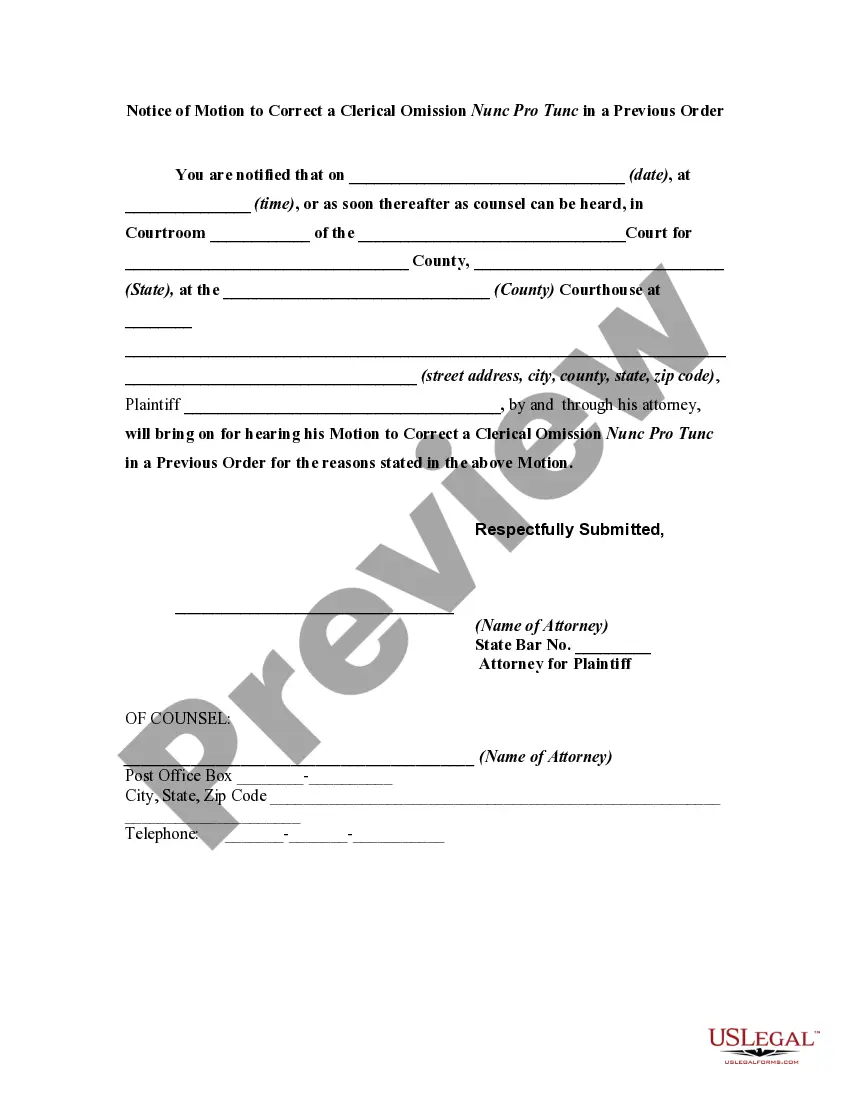
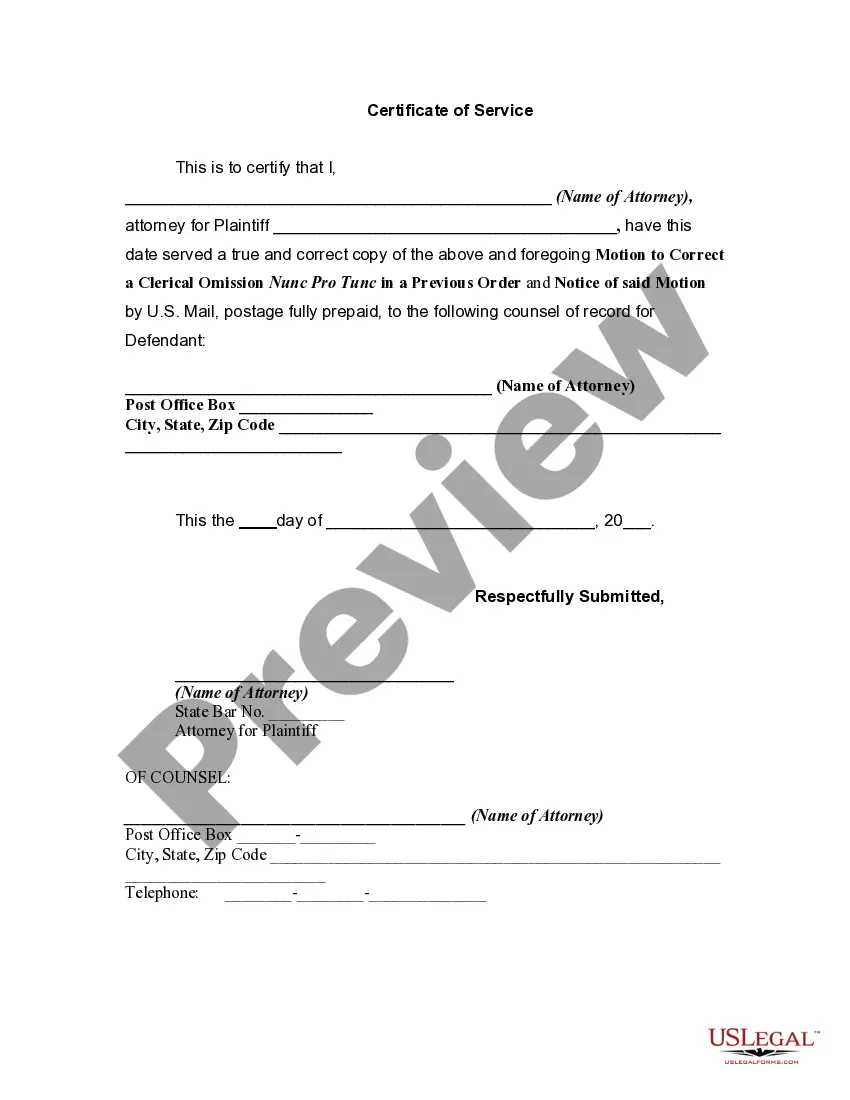

Get your form ready online
Our built-in tools help you complete, sign, share, and store your documents in one place.
Make edits, fill in missing information, and update formatting in US Legal Forms—just like you would in MS Word.
Download a copy, print it, send it by email, or mail it via USPS—whatever works best for your next step.
Sign and collect signatures with our SignNow integration. Send to multiple recipients, set reminders, and more. Go Premium to unlock E-Sign.
If this form requires notarization, complete it online through a secure video call—no need to meet a notary in person or wait for an appointment.
We protect your documents and personal data by following strict security and privacy standards.

Make edits, fill in missing information, and update formatting in US Legal Forms—just like you would in MS Word.

Download a copy, print it, send it by email, or mail it via USPS—whatever works best for your next step.

Sign and collect signatures with our SignNow integration. Send to multiple recipients, set reminders, and more. Go Premium to unlock E-Sign.

If this form requires notarization, complete it online through a secure video call—no need to meet a notary in person or wait for an appointment.

We protect your documents and personal data by following strict security and privacy standards.
Looking for another form?



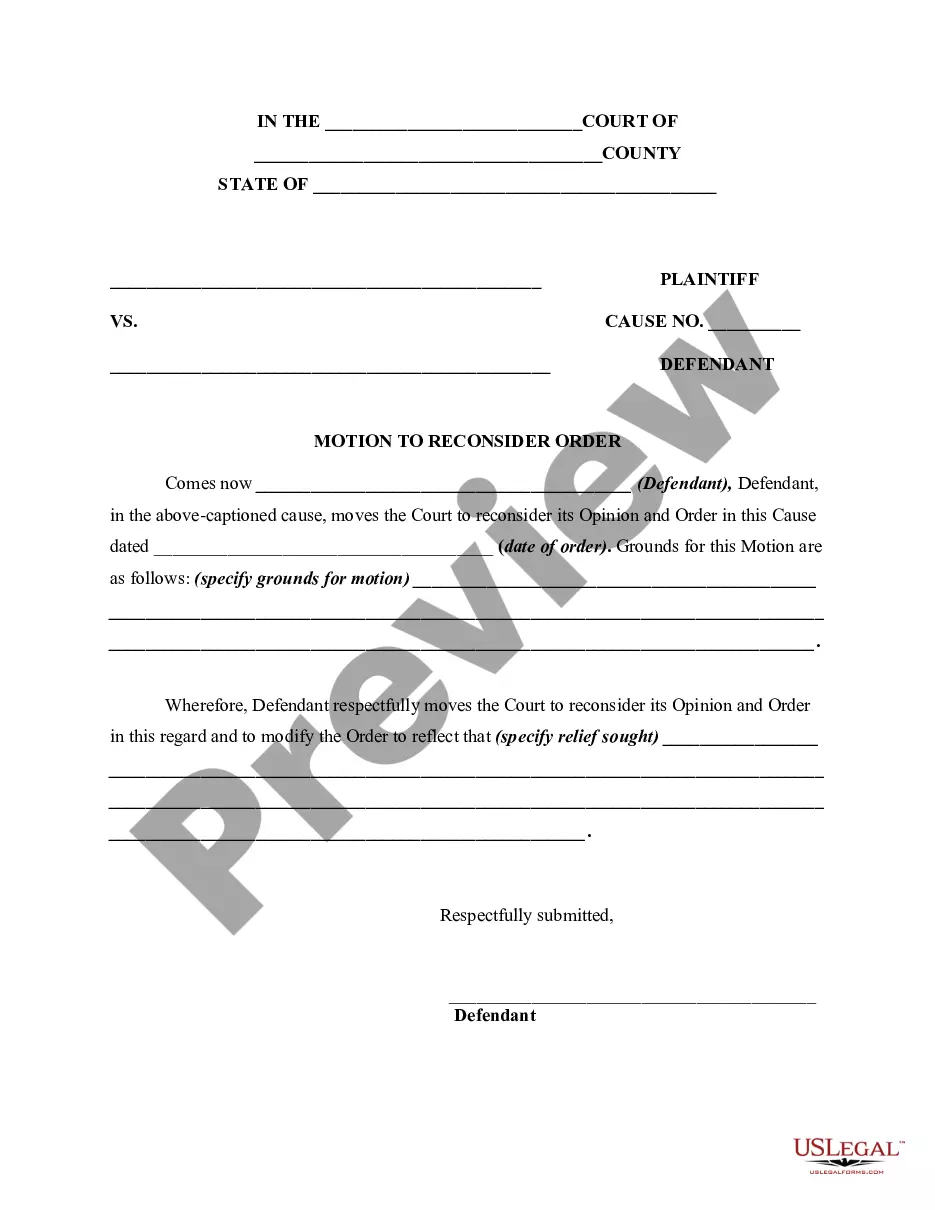
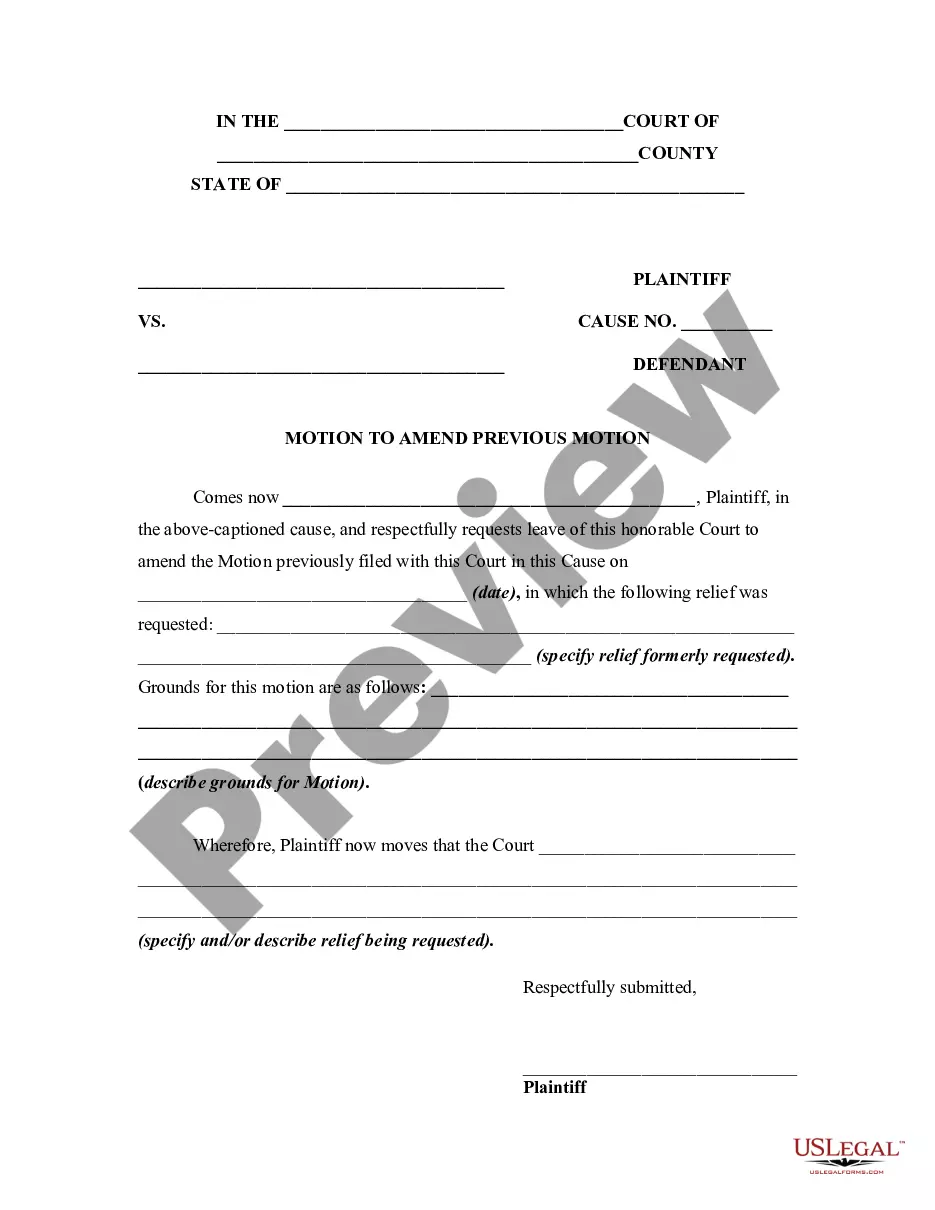
How to fill out Motion To Correct A Clerical Omission Nunc Pro Tunc In A Previous Order?
Accessing legal documents that comply with federal and state laws is essential, and the web provides countless alternatives to select from.
However, why spend time searching for the appropriately composed Nunc Pro Tunc Order Example With California online when the US Legal Forms digital library already has such documents compiled in one location.
US Legal Forms is the largest online legal repository with over 85,000 editable templates created by attorneys for any professional and personal needs.
- They are easy to navigate with all documents categorized by state and purpose.
- Our experts keep up with legislative updates, ensuring your paperwork is current and compliant when obtaining a Nunc Pro Tunc Order Example With California from our site.
- Acquiring a Nunc Pro Tunc Order Example With California is quick and straightforward for both existing and new users.
- If you already possess an account with an active subscription, Log In and save the document template you need in the appropriate format.
- If you are new to our platform, follow the steps below.
Form popularity
FAQ
You pronounce 'nunc pro tunc' as 'nunk proh tunk.' While it may sound complex, this term is rooted in legal practice. To enhance your understanding, exploring a nunc pro tunc order example with California can provide practical insights into how the phrase is used in real legal situations.
'Nunc pro tunc' is a Latin phrase meaning 'now for then.' In the context of legal documents, it refers to actions taken that have a retroactive effect. When you look at a nunc pro tunc order example with California, it becomes clear that such orders aim to ensure justice is served by rectifying past errors.
A question that often comes up in a custody case is, at what age can a child decide with which parent they want to live? As most family law attorneys will tell you, legally, the age when a child can decide is 18. At this age they are no longer a child and subject to a custody action.
Q: At what age can a child decide which parent to live with? A: When a child turns 18 they have the legal right to move wherever they desire. Before then, there is no specific age by law when they can start making that type of decision for themselves.
50/50. Your parenting plan can be split. You can share legal responsibilities (decision making) and split time with the kids. The schedule can be one week with you, the next week with the other parent.
In most states, a specific age (such as 14) is set when a child's preference of which parent he/she wants to live with is considered by the court. This is not the case in Florida, as there is no particular age set and the decision is left up to the judge's discretion.
In Vermont, when parents are not together, the parent who has physical custody of the child(ren) ? known as having ?parental rights and responsibilities? ? is allowed to move to another state or town without court approval.
§ 2650. Minors residing in the State and having reached the age of 14 years may choose their guardians, subject to the approval of the Probate Division of the Superior Court, and may appear before the court or before a Superior judge and make their choice.
Both the legally recognized parent and the other parent must sign it. The Voluntary Acknowledgment of Parentage form is available online, at hospitals and birthing centers, at Office of Child Support (OCS) offices, and at the courts. By signing the document, both parents swear that they are the child's parents.
Complete a Voluntary Acknowledgment of Parentage (VAP). Sign in front of a witness who is at least 18. File it with the Vermont Office of Vital Records.