Nunc Pro Tunc Order Example
Description

Get your form ready online
Our built-in tools help you complete, sign, share, and store your documents in one place.
Make edits, fill in missing information, and update formatting in US Legal Forms—just like you would in MS Word.
Download a copy, print it, send it by email, or mail it via USPS—whatever works best for your next step.
Sign and collect signatures with our SignNow integration. Send to multiple recipients, set reminders, and more. Go Premium to unlock E-Sign.
If this form requires notarization, complete it online through a secure video call—no need to meet a notary in person or wait for an appointment.
We protect your documents and personal data by following strict security and privacy standards.

Make edits, fill in missing information, and update formatting in US Legal Forms—just like you would in MS Word.

Download a copy, print it, send it by email, or mail it via USPS—whatever works best for your next step.

Sign and collect signatures with our SignNow integration. Send to multiple recipients, set reminders, and more. Go Premium to unlock E-Sign.

If this form requires notarization, complete it online through a secure video call—no need to meet a notary in person or wait for an appointment.

We protect your documents and personal data by following strict security and privacy standards.
Looking for another form?



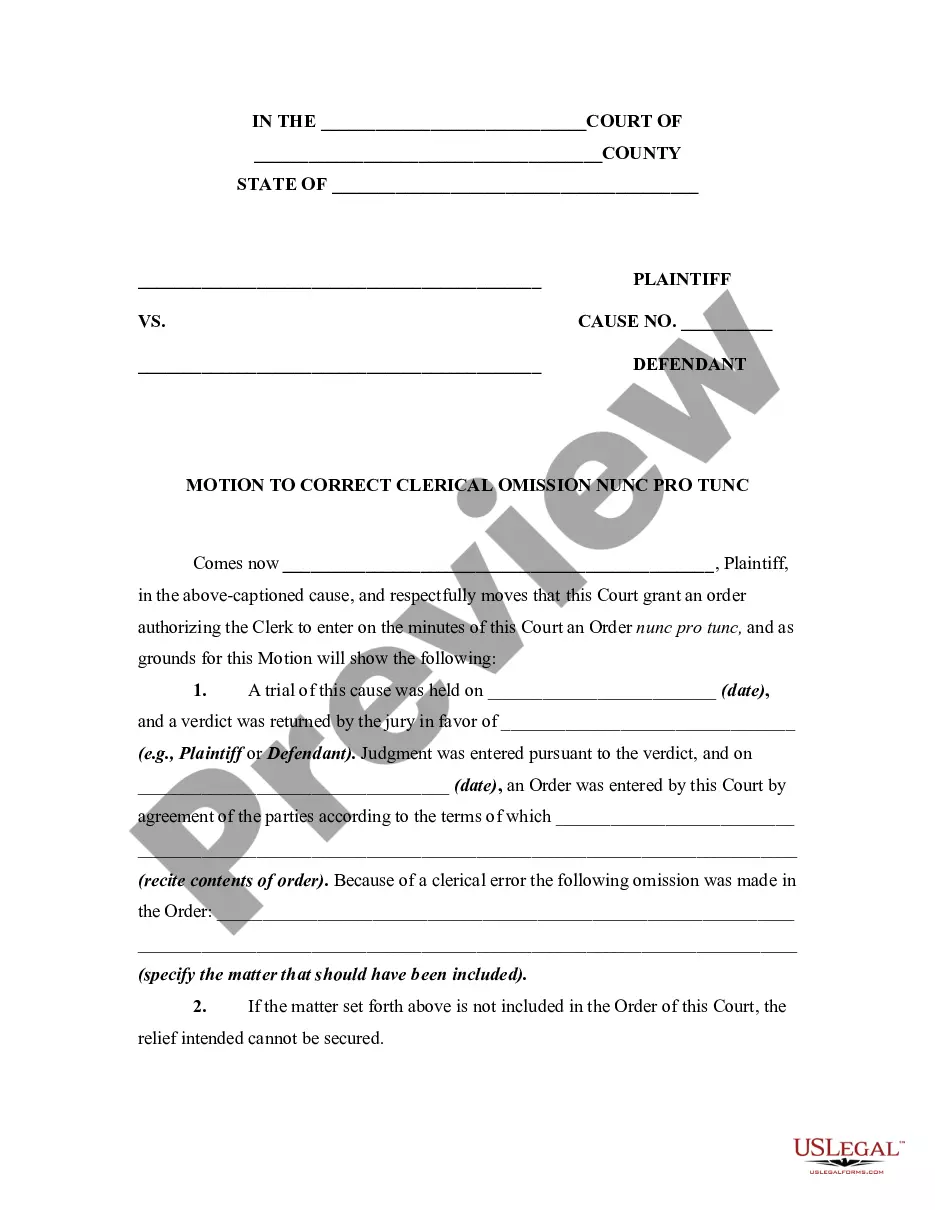
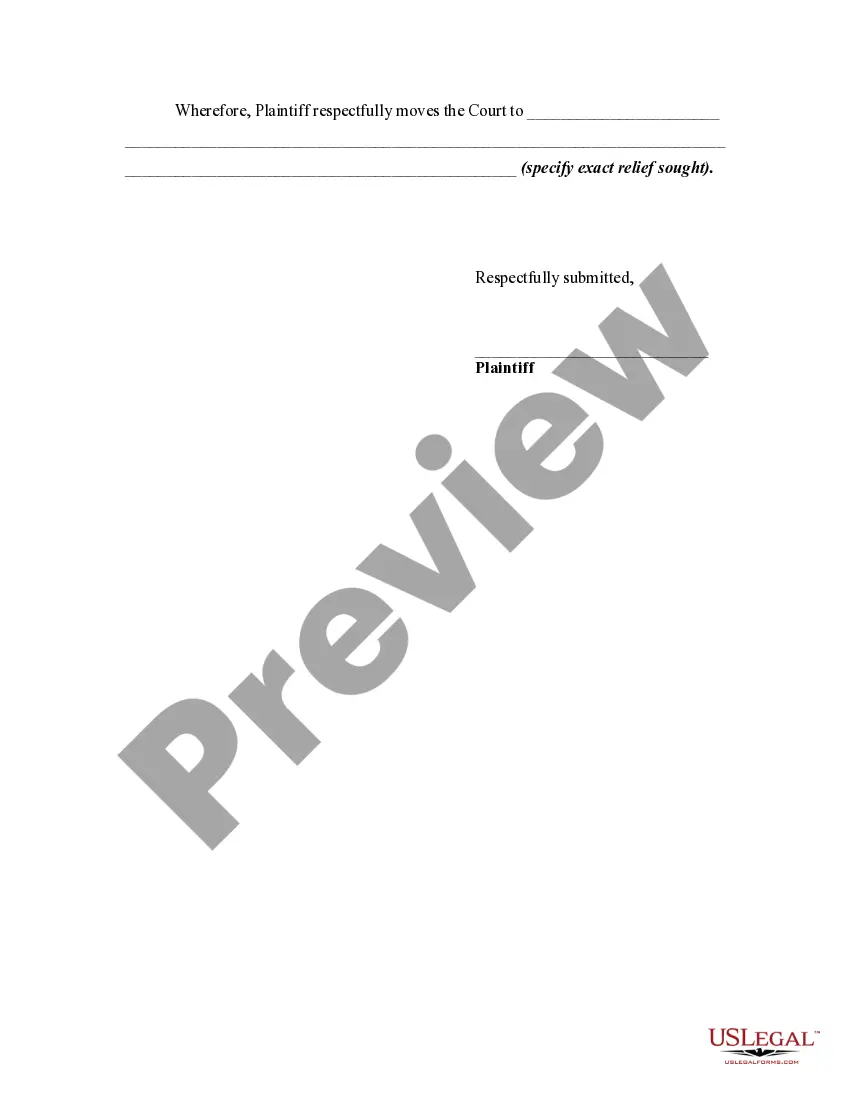
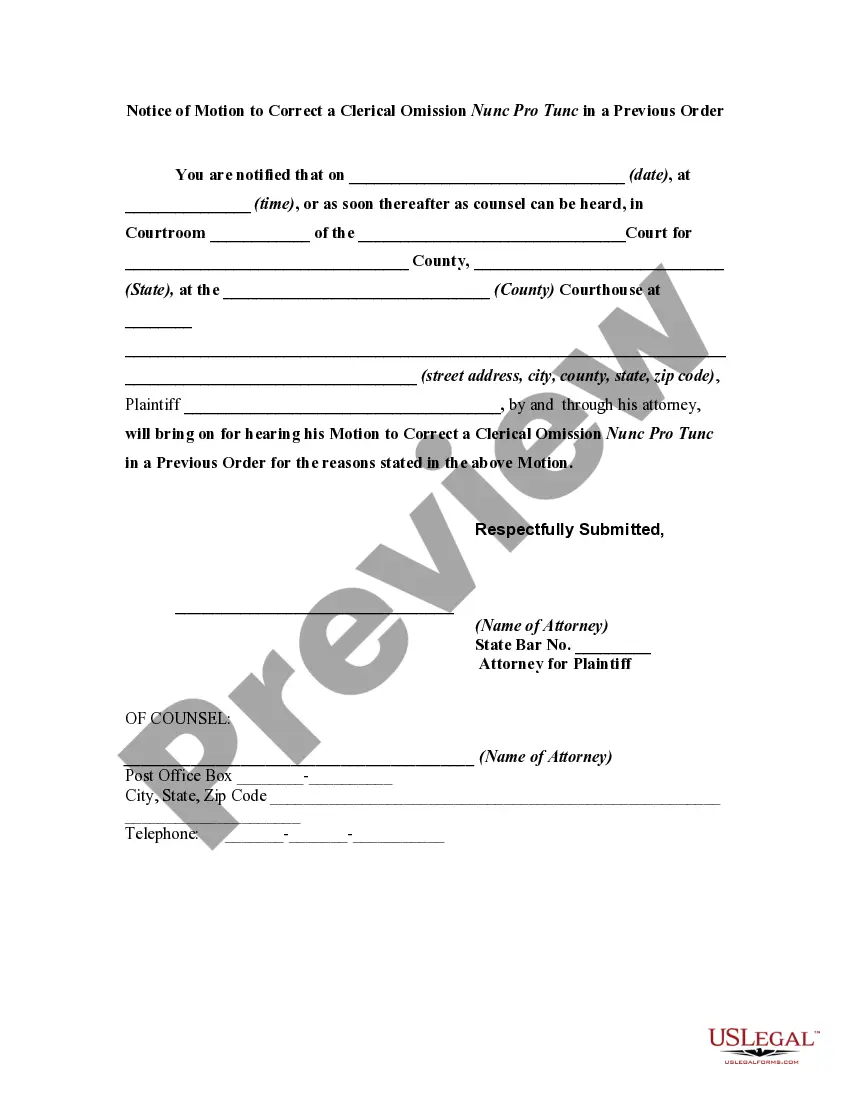
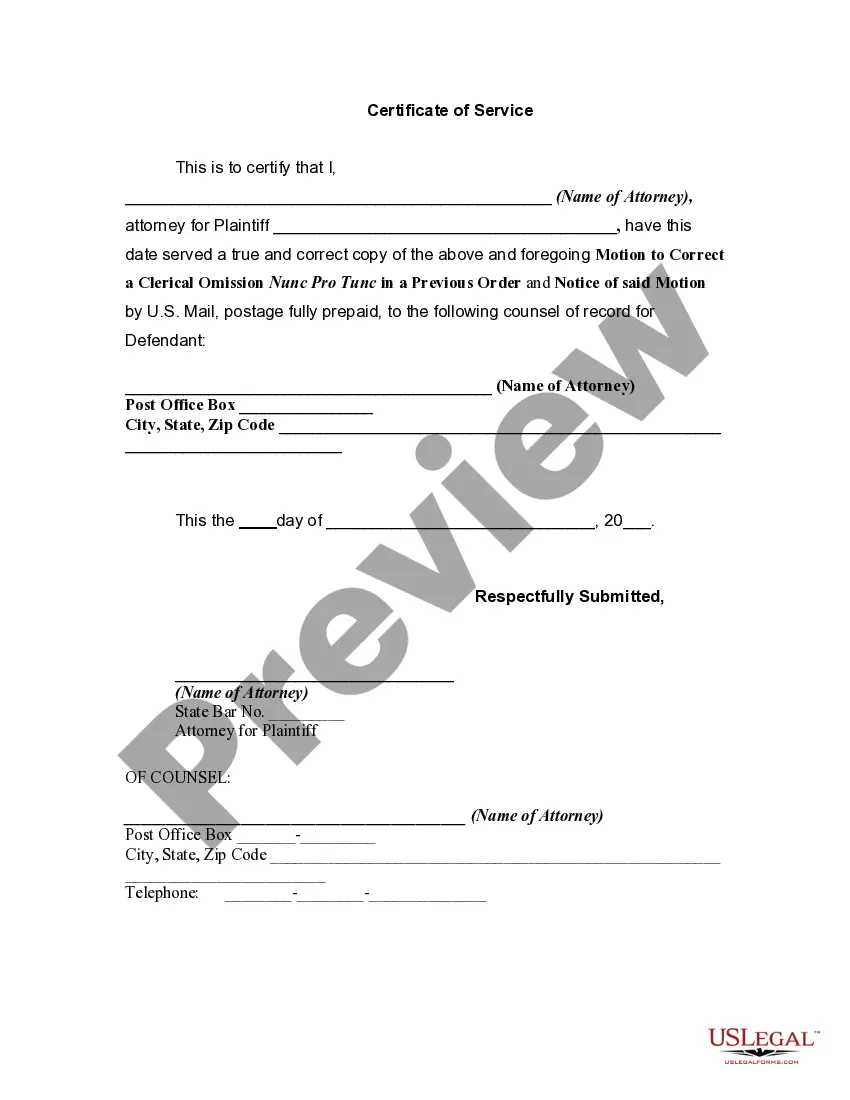
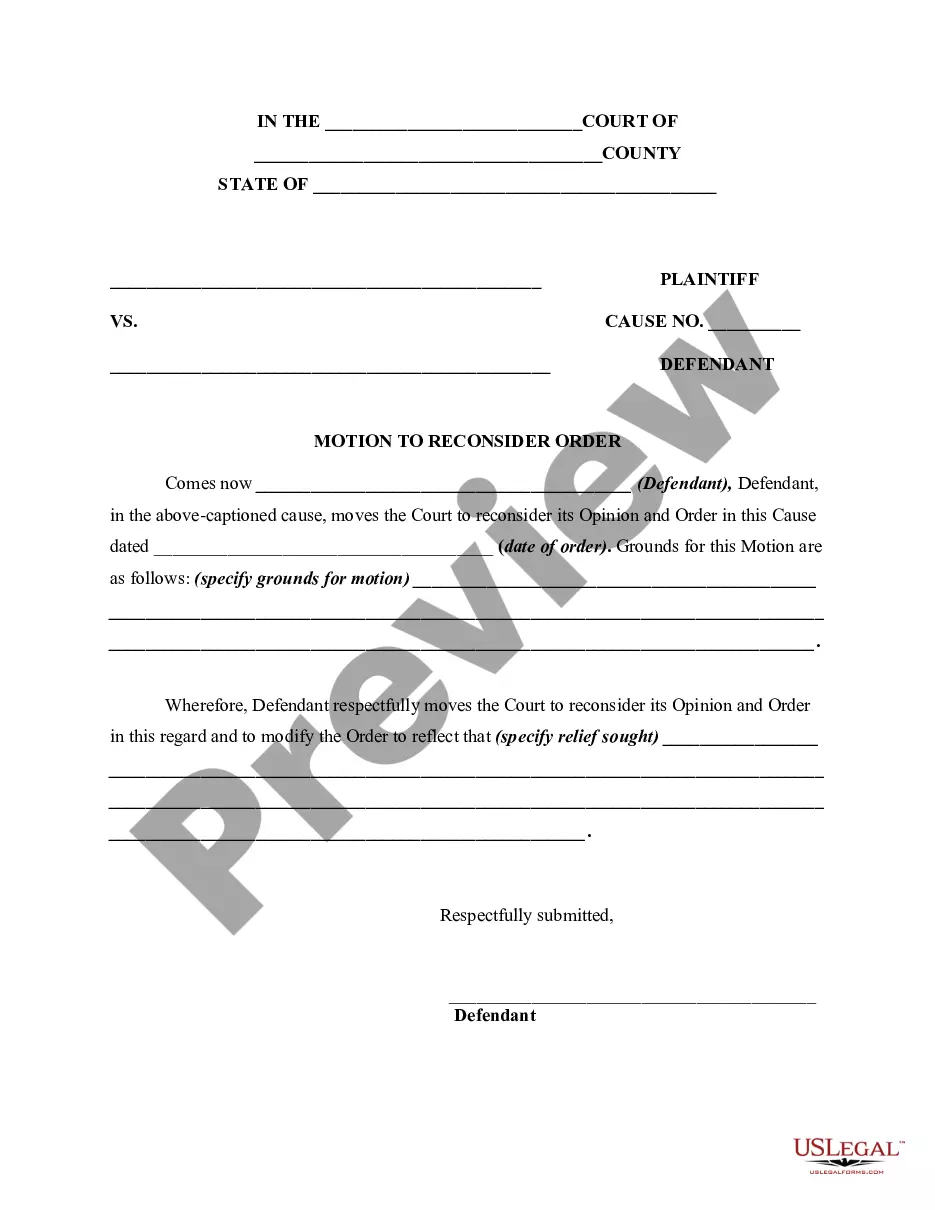
How to fill out Motion To Correct A Clerical Omission Nunc Pro Tunc In A Previous Order?
- If you’ve previously accessed US Legal Forms, visit the login page and enter your credentials. Ensure your subscription is active, or renew it as necessary.
- For first-time users, start by reviewing the preview mode and form descriptions to confirm you've selected a document that suits your legal requirements.
- If the form doesn't meet your needs, utilize the search functionality at the top of the page to explore alternative templates until you find the right one.
- Once you've identified your needed form, click on the 'Buy Now' button and select an appropriate subscription plan. Creating an account is essential for accessing our resources.
- Complete your purchase securely using your credit card or PayPal. Be sure to save your confirmation.
- Finally, download your selected document to your device. You can access it anytime via the 'My Forms' section in your profile.
In summary, US Legal Forms is your go-to solution for efficiently acquiring legal documents such as nunc pro tunc orders. With an expansive collection of over 85,000 forms and expert assistance available, you can ensure that your documents are accurate and legally sound.
Start your journey now by visiting US Legal Forms today!
Form popularity
FAQ
To effectively use nunc pro tunc in an order, you should begin by preparing documents that specify the corrections needed. You will typically file these documents with the court, detailing the original order and the reasons for your request for a nunc pro tunc order. Resources like US Legal Forms can provide essential templates and instructions to help you navigate this process and achieve the corrections you seek.
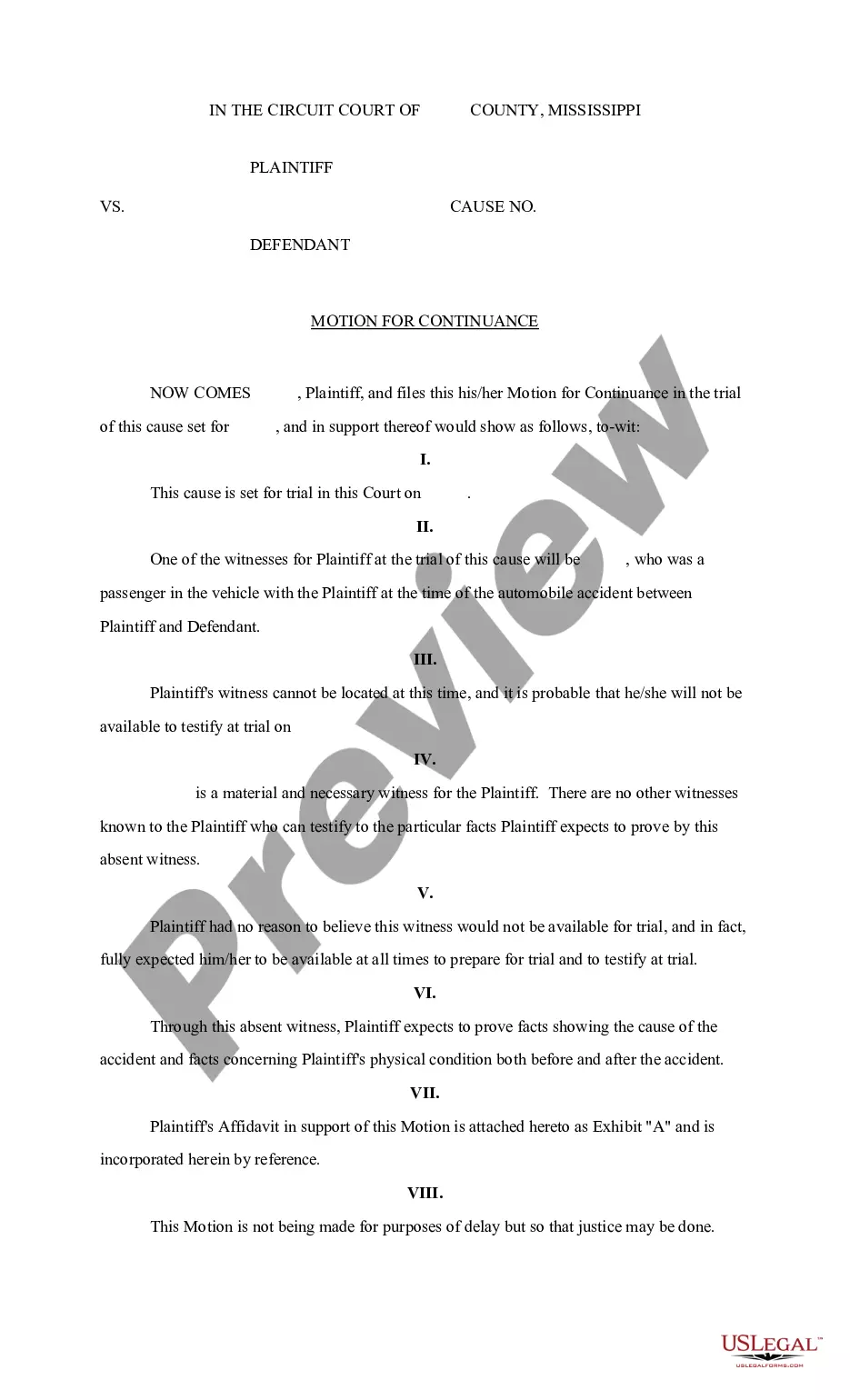
An example of a nunc pro tunc order might be when a court needs to correct its records to include a decision made during a hearing that was not officially documented. This type of order allows corrections to be applied retroactively, ensuring the record accurately reflects what occurred. You can find various nunc pro tunc order examples and templates on sites like US Legal Forms, making it easier for you to understand and apply this legal concept.
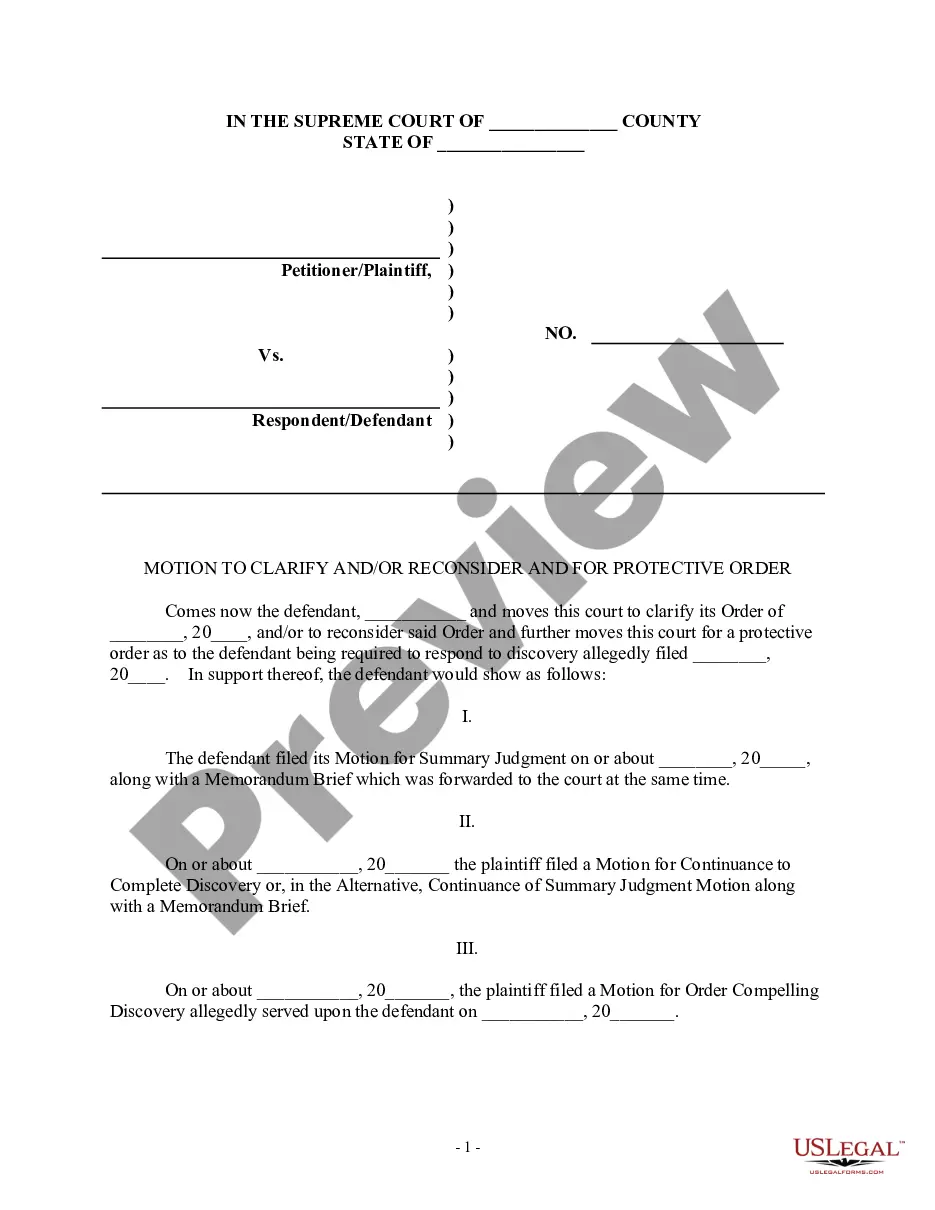
Using a nunc pro tunc order generally involves filing a motion with the court that clearly states the relief you seek. You must show that the order should reflect a past decision made by the court to address an omission or mistake. For example, when looking for a nunc pro tunc order example, you might find it helpful to reference legal forms or guidelines from platforms like US Legal Forms, which can provide templates for your specific needs.
To request a nunc pro tunc order, you typically need to prepare a formal motion outlining the reasons for the request. Include any evidence supporting your claim that the original order was flawed or incomplete. Submit this motion to the appropriate court along with any required fees, ensuring you follow local procedural rules. Utilizing a service like USLegal Forms can help streamline this process.
An example sentence for nunc pro tunc could be: 'The court issued a nunc pro tunc order to rectify the omission in the initial judgment.' This example illustrates how such orders are used to address errors or omissions in legal documents. By using clarity in your sentences, you can convey your understanding of legal processes more effectively. Mastering such terminology is beneficial in legal conversations.
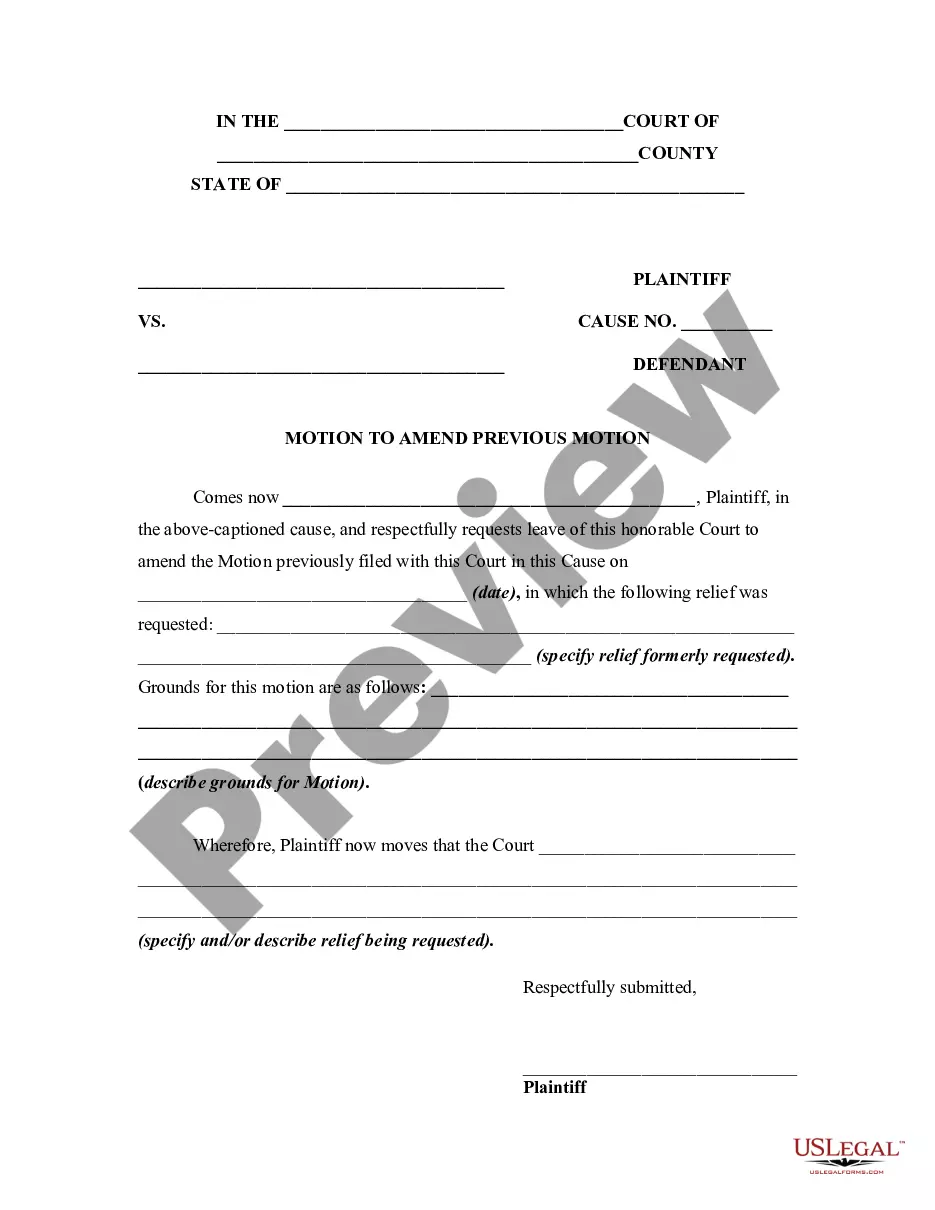
A motion to amend a nunc pro tunc is filed when there's a need to adjust an existing nunc pro tunc order. This might occur if new evidence emerges, prompting a review of the previous corrections. Through this motion, you can clarify ambiguities or further align the order with the parties' intentions. It's vital to articulate your reasons clearly to enhance your chances of approval.
An example of nunc pro tunc in an order can occur when a judge issues a ruling but omits an essential detail, such as a date of execution. The nunc pro tunc order would amend the original ruling to include that missing date, thereby clarifying the timeline. This kind of correction is important for maintaining accurate legal records. Using such orders can prevent future misunderstandings.
After filing a nunc pro tunc order, the court will review the motion and determine if it meets the proper criteria. If accepted, the court will issue the order formally, correcting the prior oversight. This corrected order retroactively affects the relevant date or action, ensuring that the legal record aligns with the original intent. It's crucial to follow up to understand the next steps in your legal proceedings.
An example of a nunc pro tunc motion would be if a court issued a decision but failed to include a necessary consent document. You may file a motion to correct this oversight to reflect the agreed-upon terms explicitly. By doing this, you ensure the order accurately represents the intent of all parties involved. This can be a vital part of ensuring legal clarity.
To file a nunc pro tunc order, you generally need to show that an error occurred in a prior court ruling. This might involve proving that the original order was not entered correctly due to circumstances beyond your control. Also, you need to demonstrate that the nunc pro tunc order serves the interests of justice. Understanding these requirements can help you effectively prepare your case.