Nunc Pro Tunc Motion Sample With Motion
Description
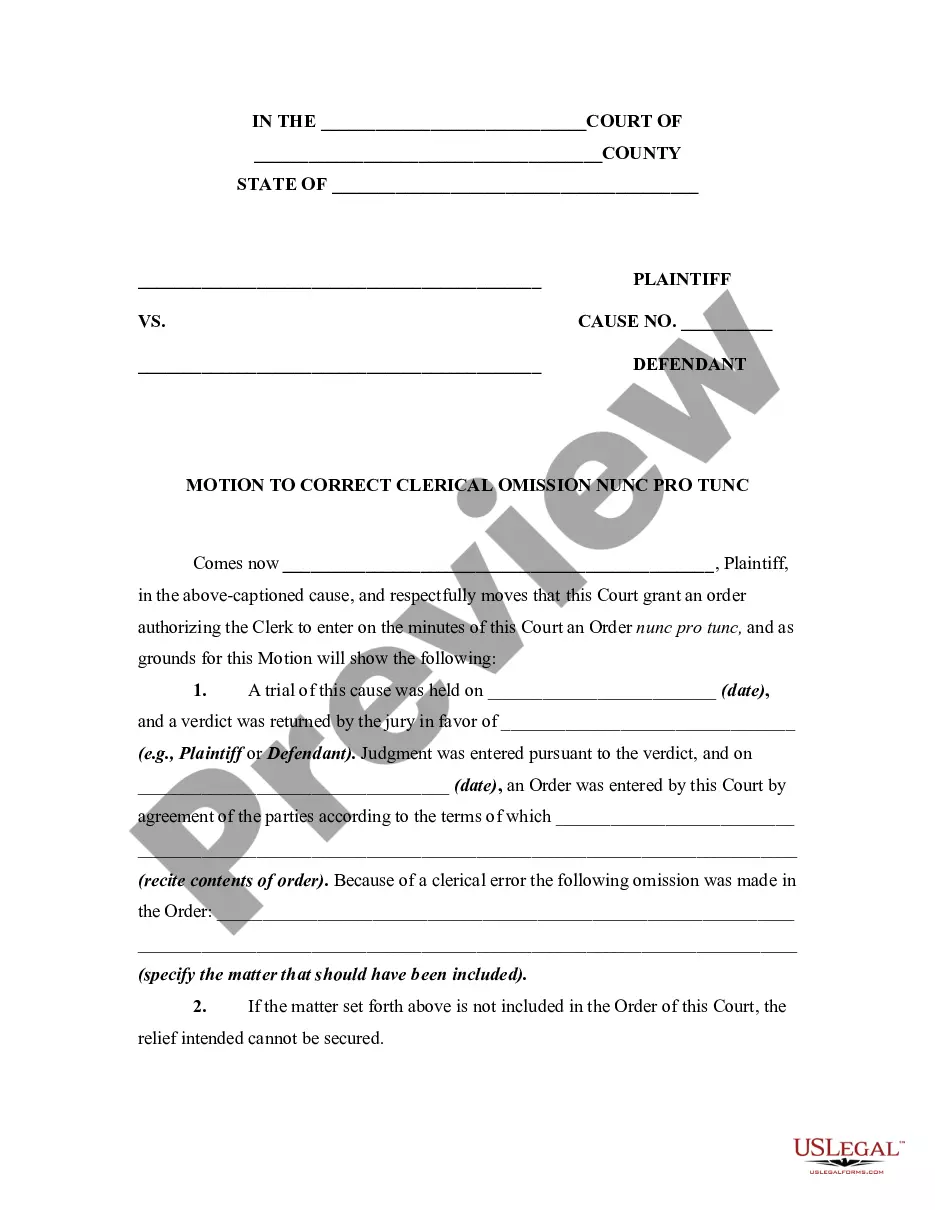
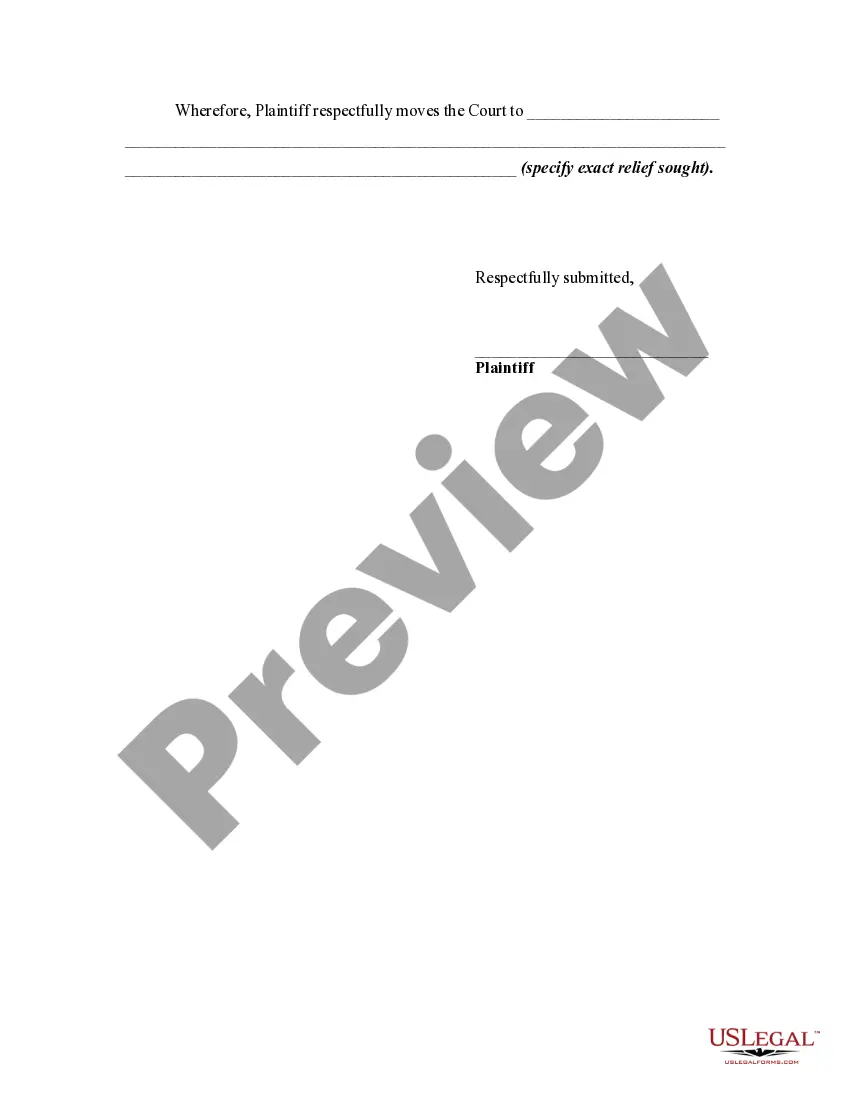
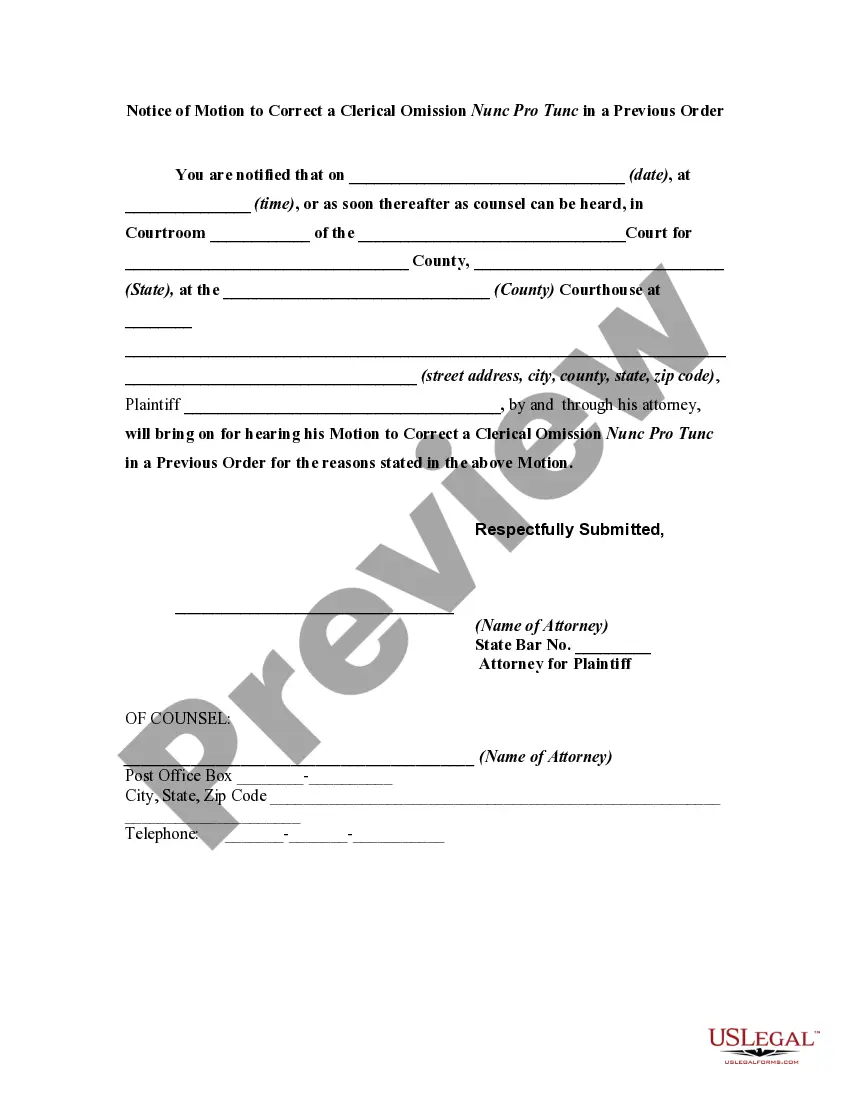
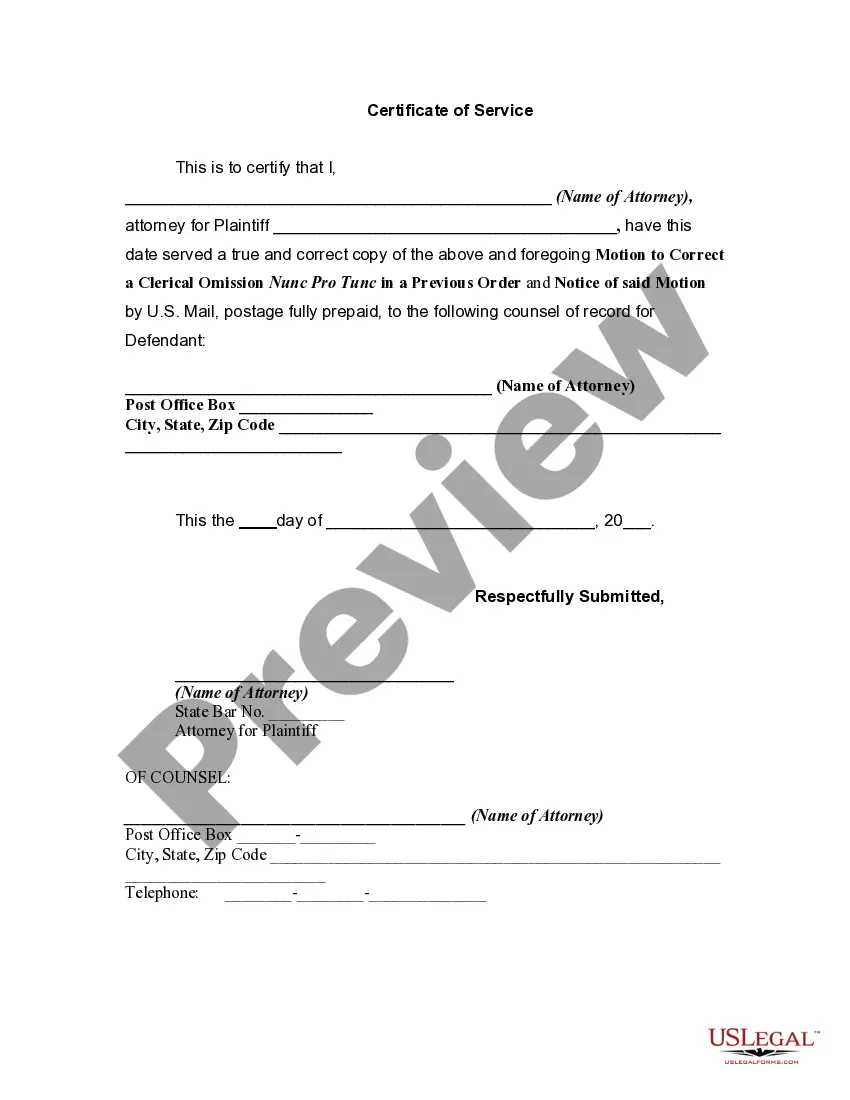

Get your form ready online
Our built-in tools help you complete, sign, share, and store your documents in one place.
Make edits, fill in missing information, and update formatting in US Legal Forms—just like you would in MS Word.
Download a copy, print it, send it by email, or mail it via USPS—whatever works best for your next step.
Sign and collect signatures with our SignNow integration. Send to multiple recipients, set reminders, and more. Go Premium to unlock E-Sign.
If this form requires notarization, complete it online through a secure video call—no need to meet a notary in person or wait for an appointment.
We protect your documents and personal data by following strict security and privacy standards.

Make edits, fill in missing information, and update formatting in US Legal Forms—just like you would in MS Word.

Download a copy, print it, send it by email, or mail it via USPS—whatever works best for your next step.

Sign and collect signatures with our SignNow integration. Send to multiple recipients, set reminders, and more. Go Premium to unlock E-Sign.

If this form requires notarization, complete it online through a secure video call—no need to meet a notary in person or wait for an appointment.

We protect your documents and personal data by following strict security and privacy standards.
Looking for another form?


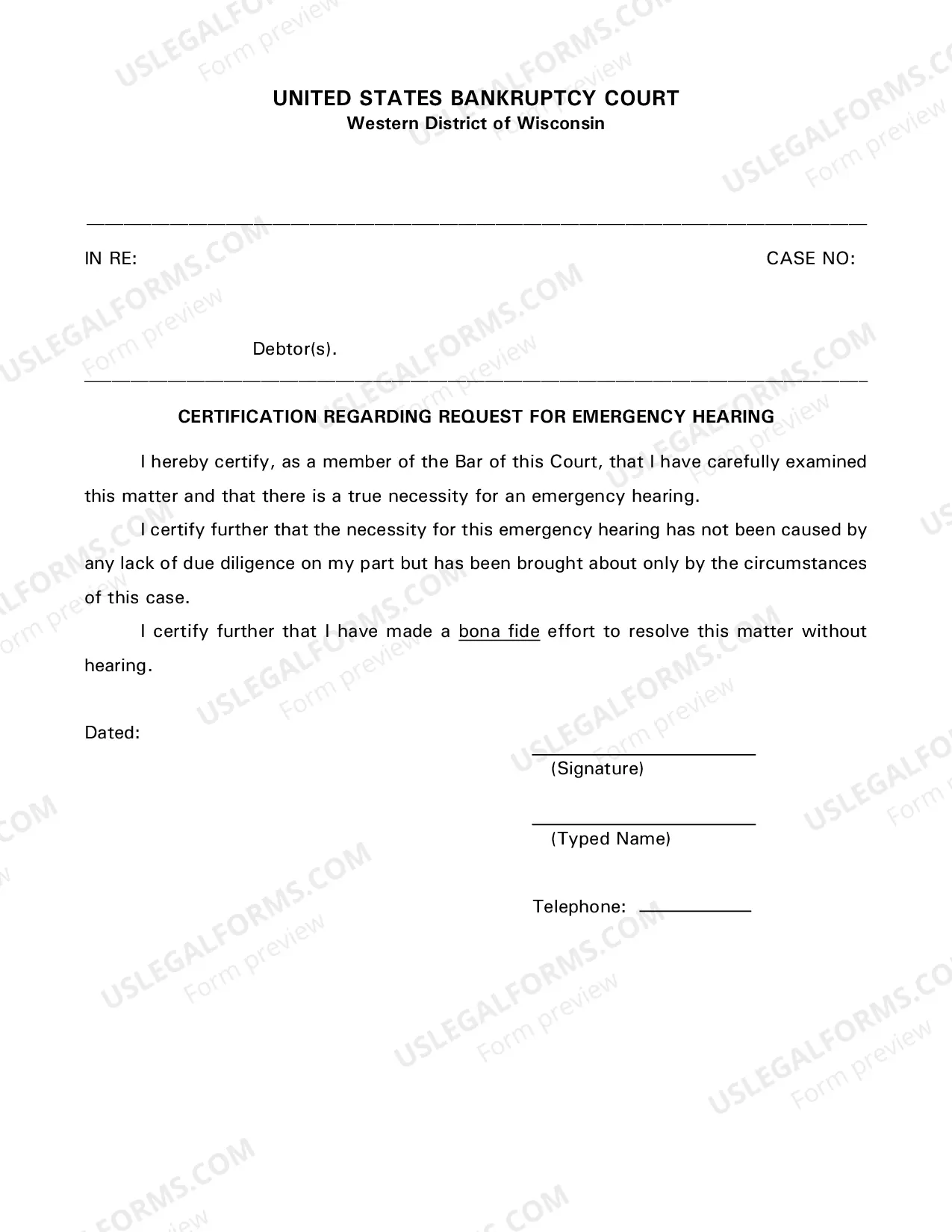
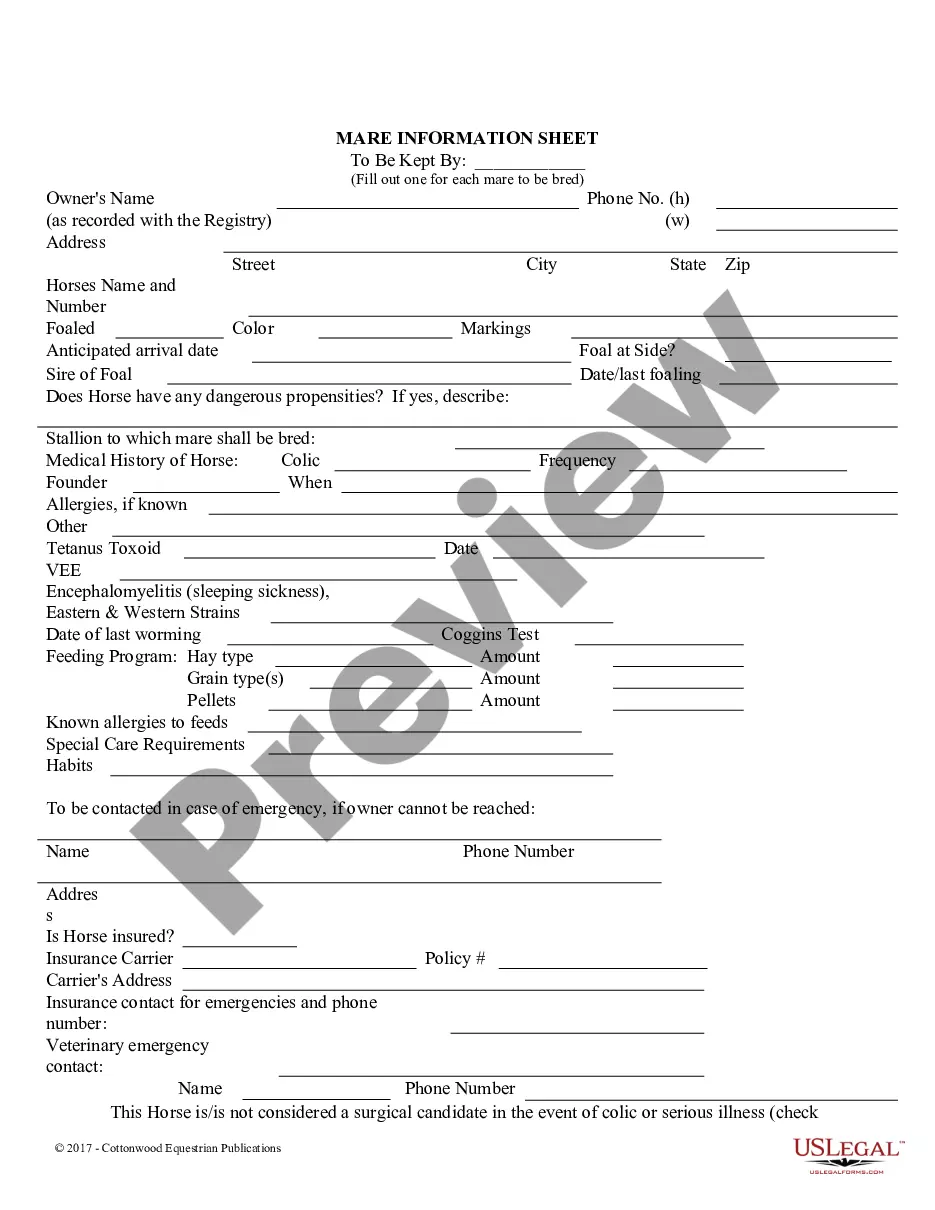
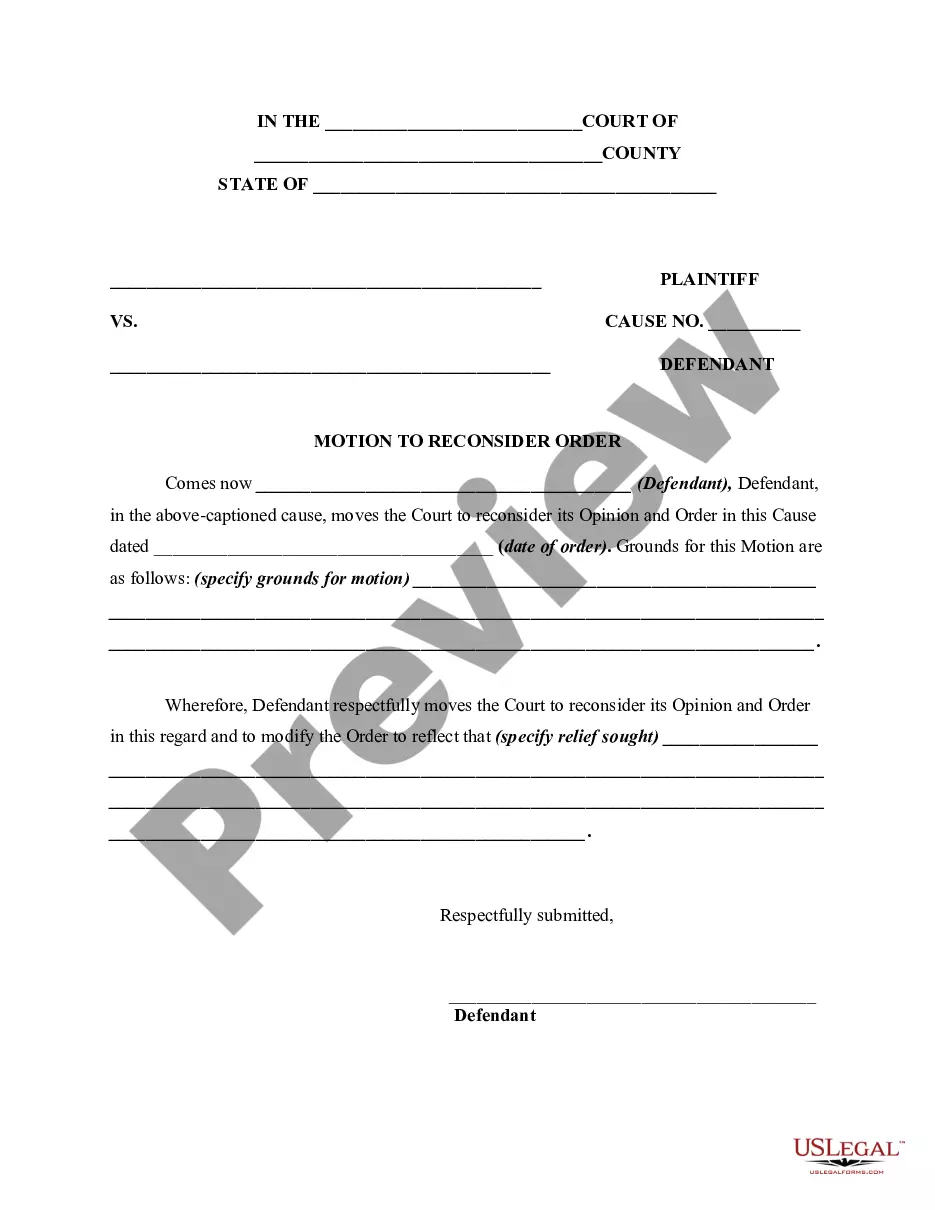
How to fill out Motion To Correct A Clerical Omission Nunc Pro Tunc In A Previous Order?
Acquiring legal templates that adhere to federal and state regulations is essential, and the web provides countless selections to choose from.
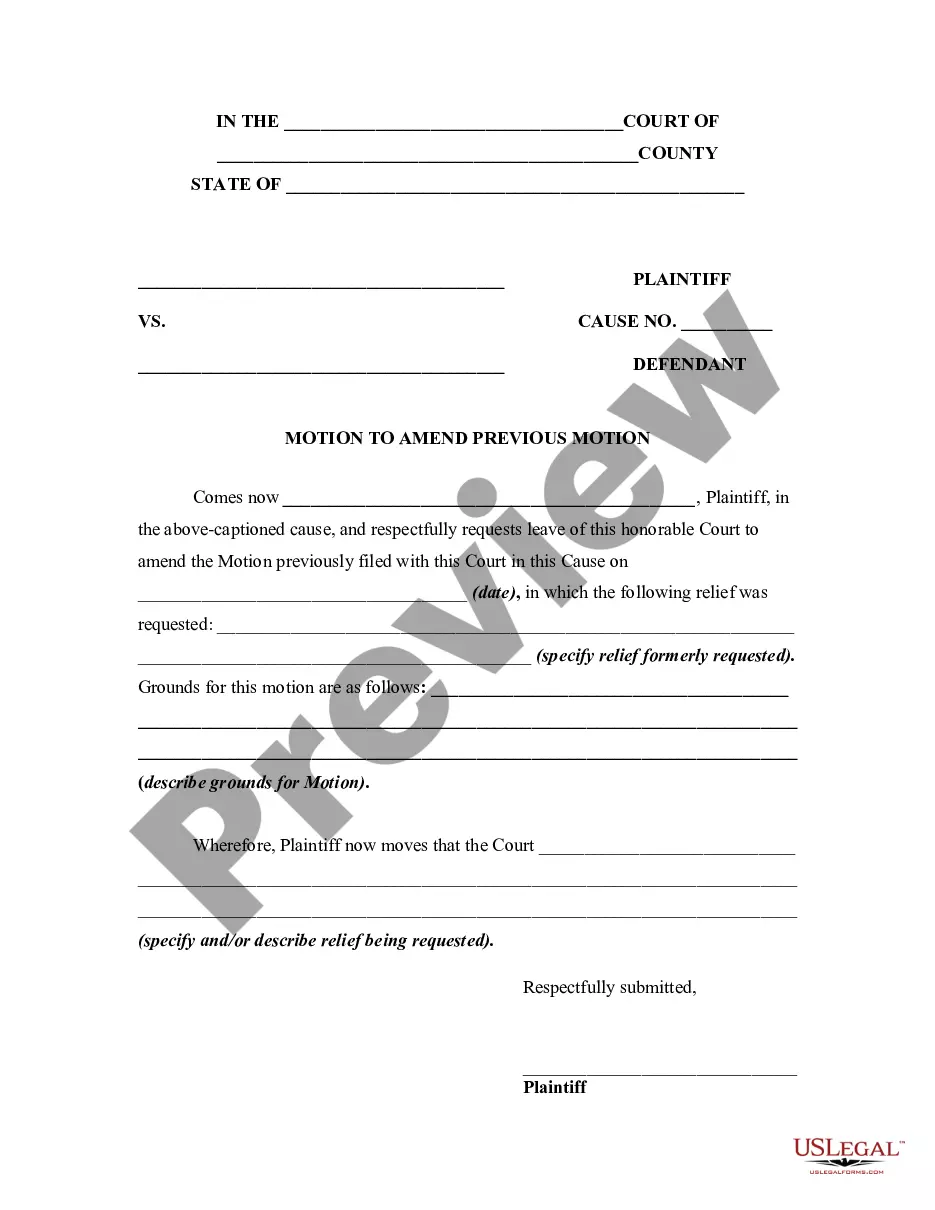
However, what is the benefit of spending time searching for the properly drafted Nunc Pro Tunc Motion Sample With Motion online if the US Legal Forms digital library already has those templates compiled in one location.
US Legal Forms is the largest online legal repository with more than 85,000 fillable templates created by attorneys for various business and life situations.
Review the template using the Preview feature or through the text outline to ensure it satisfies your needs. If necessary, search for another example using the search bar at the top of the page. Click Buy Now after locating the appropriate form and select a subscription option. Register for an account or Log In and process your payment through PayPal or credit card. Choose the preferred format for your Nunc Pro Tunc Motion Sample With Motion and download it. All documents accessible via US Legal Forms are reusable. To re-download and finalize previously acquired forms, go to the My documents tab in your profile. Enjoy the widest range and user-friendly legal documentation service!
- They are easy to navigate with all documents organized by state and intended use.
- Our experts keep track of legal changes, so you can always be confident that your form is current and compliant when obtaining a Nunc Pro Tunc Motion Sample With Motion from our site.
- Acquiring a Nunc Pro Tunc Motion Sample With Motion is quick and straightforward for both existing and new users.
- If you possess an account with a valid subscription, access your account and download the document sample you need in the correct format.
- If you're visiting our website for the first time, follow these steps.
Form popularity
FAQ
Examples: a court clerk fails to file an answer when he/she received it, and a nunc pro tunc date of filing is needed to meet the legal deadline (statute of limitations); a final divorce judgment is misdirected and, therefore, not signed and dated until the day after the re-marriage of one of the parties-the nunc pro ...
In the context of U.S. immigration, a nunc pro tunc request refers to a petition or application filed with U.S. Citizenship and Immigration Services (USCIS) to request that an immigration benefit or action be approved retroactively to an earlier date.
Nunc pro tunc is a Latin term meaning "now for then." Generally, this refers to an action taken by a court that applies retroactively to correct an earlier ruling.
Nunc pro tunc is a Latin term meaning "now for then." Generally, this refers to an action taken by a court that applies retroactively to correct an earlier ruling.
Latin for "now for then." A doctrine that permits a court to change records so that they show what actually happened. For example, if a party filed his motion on January 5, but the clerk's office had erroneously treated it as filed on January 6, the judge could correct the records to show the right date.