Nunc Pro Tunc Form Texas Withholding
Description
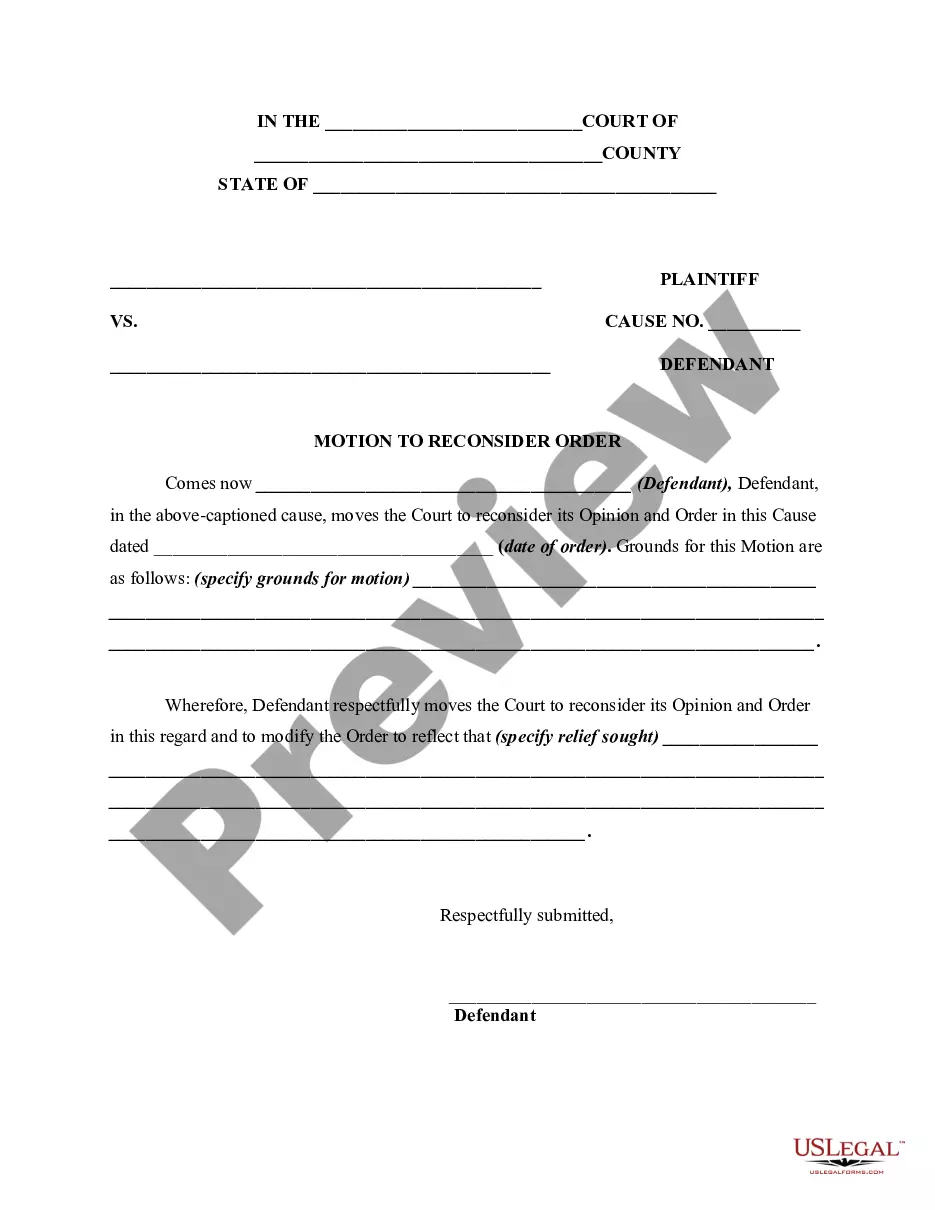
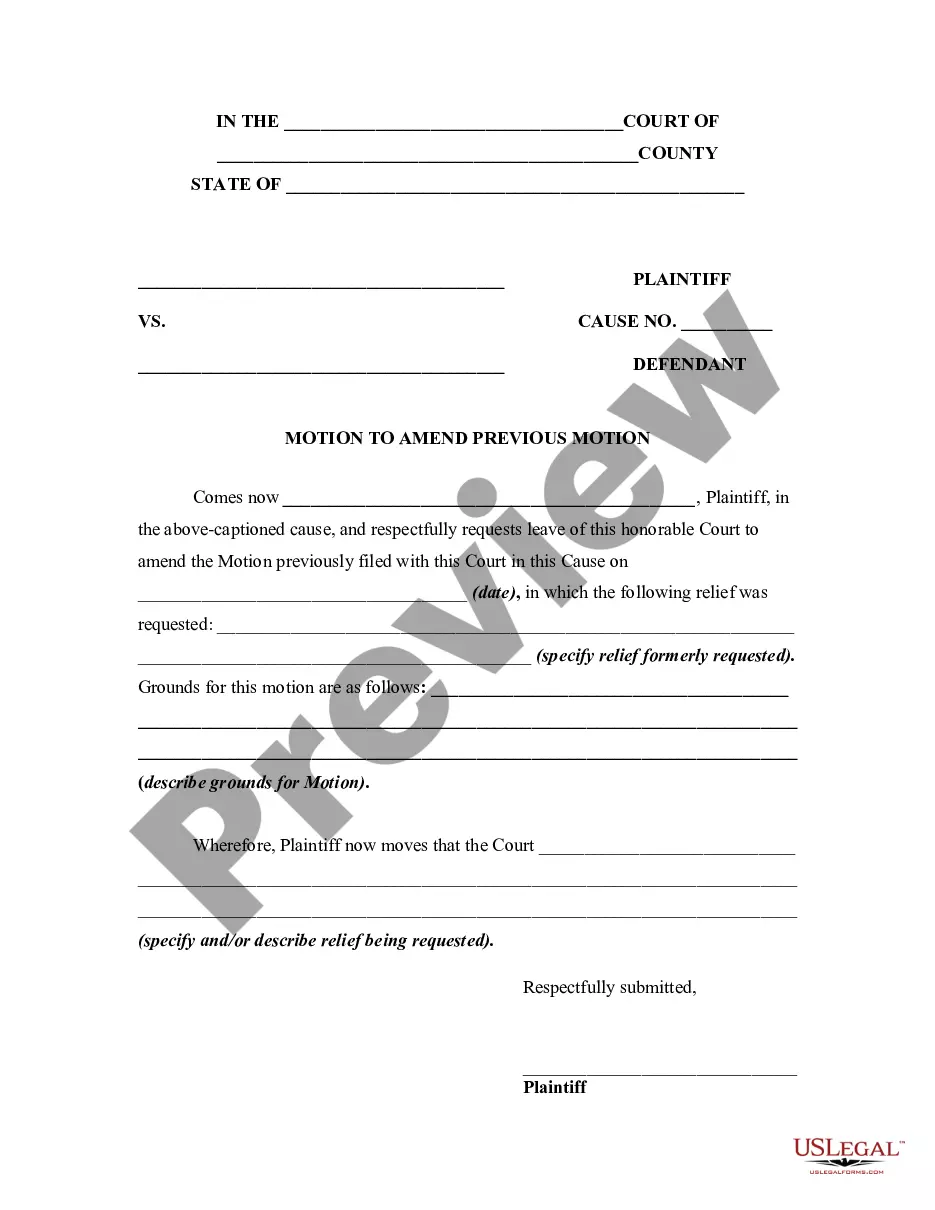
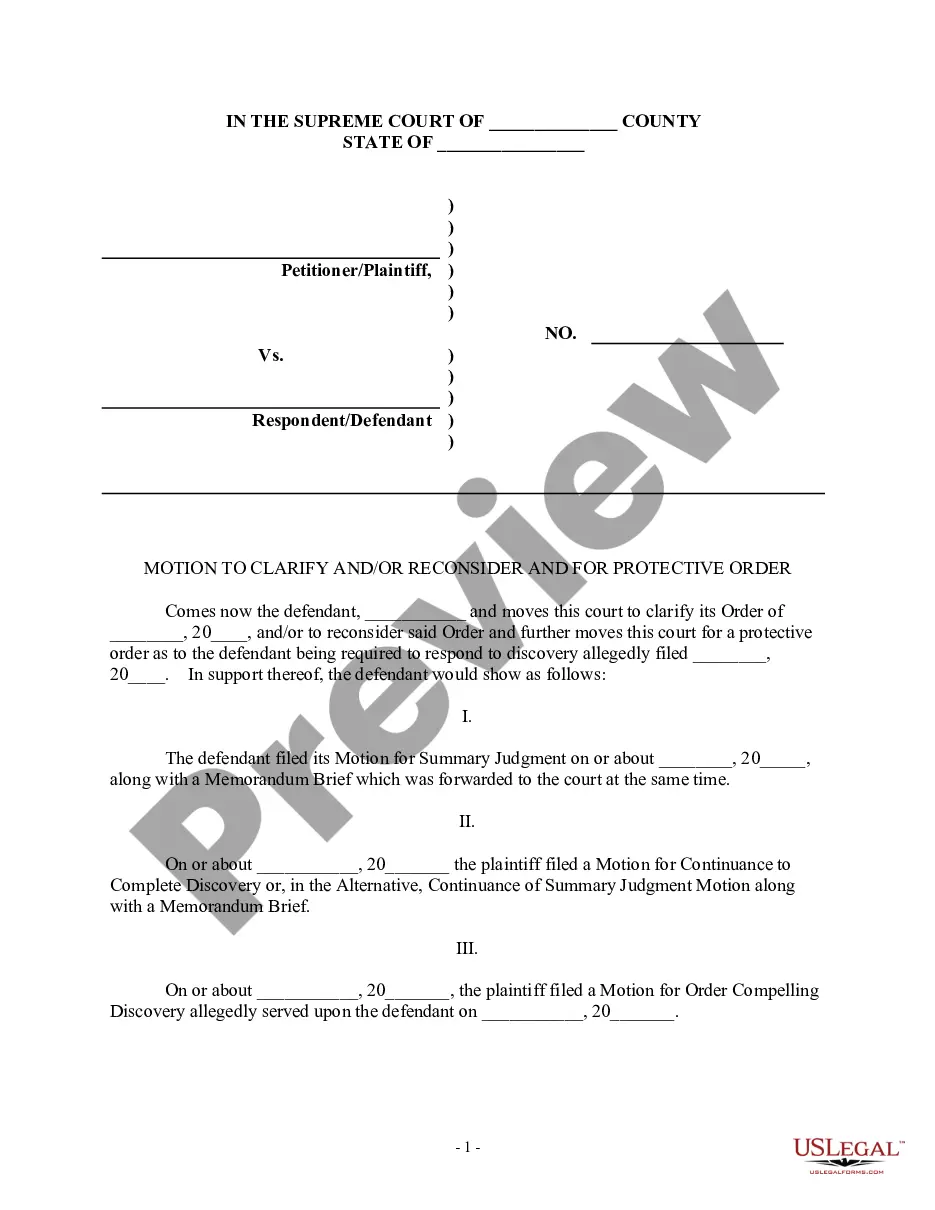

Get your form ready online
Our built-in tools help you complete, sign, share, and store your documents in one place.
Make edits, fill in missing information, and update formatting in US Legal Forms—just like you would in MS Word.
Download a copy, print it, send it by email, or mail it via USPS—whatever works best for your next step.
Sign and collect signatures with our SignNow integration. Send to multiple recipients, set reminders, and more. Go Premium to unlock E-Sign.
If this form requires notarization, complete it online through a secure video call—no need to meet a notary in person or wait for an appointment.
We protect your documents and personal data by following strict security and privacy standards.

Make edits, fill in missing information, and update formatting in US Legal Forms—just like you would in MS Word.

Download a copy, print it, send it by email, or mail it via USPS—whatever works best for your next step.

Sign and collect signatures with our SignNow integration. Send to multiple recipients, set reminders, and more. Go Premium to unlock E-Sign.

If this form requires notarization, complete it online through a secure video call—no need to meet a notary in person or wait for an appointment.

We protect your documents and personal data by following strict security and privacy standards.
Looking for another form?
How to fill out Motion To Correct A Clerical Omission Nunc Pro Tunc In A Previous Order?
Managing legal documents and processes can be a lengthy addition to your day.
Nunc Pro Tunc Form Texas Withholding and similar forms generally necessitate that you locate them and determine how to fill them out proficiently.
Consequently, if you are handling financial, legal, or personal issues, having a comprehensive and useful online repository of forms readily available will greatly assist.
US Legal Forms is the leading online service for legal templates, boasting over 85,000 state-specific forms and a variety of resources to help you complete your documents effortlessly.
Is this your first time using US Legal Forms? Sign up and create your account in a few minutes to gain access to the form library and Nunc Pro Tunc Form Texas Withholding. Then, follow the steps outlined below to complete your form: Ensure you have found the correct form using the Review feature and by reading the form description. Click Buy Now when ready and choose the monthly subscription plan that fits your requirements. Click Download, then fill out, eSign, and print the form. US Legal Forms has 25 years of experience assisting clients with their legal documents. Find the form you need today and streamline any process without hassle.
- Explore the collection of relevant documents accessible with a single click.
- US Legal Forms provides state- and county-specific forms available for download at any time.
- Protect your document management processes with superior support that enables you to assemble any form within minutes without additional or concealed fees.
- Just Log In to your account, search for Nunc Pro Tunc Form Texas Withholding, and download it instantly in the My documents section.
- You can also access previously saved forms.
Form popularity
FAQ
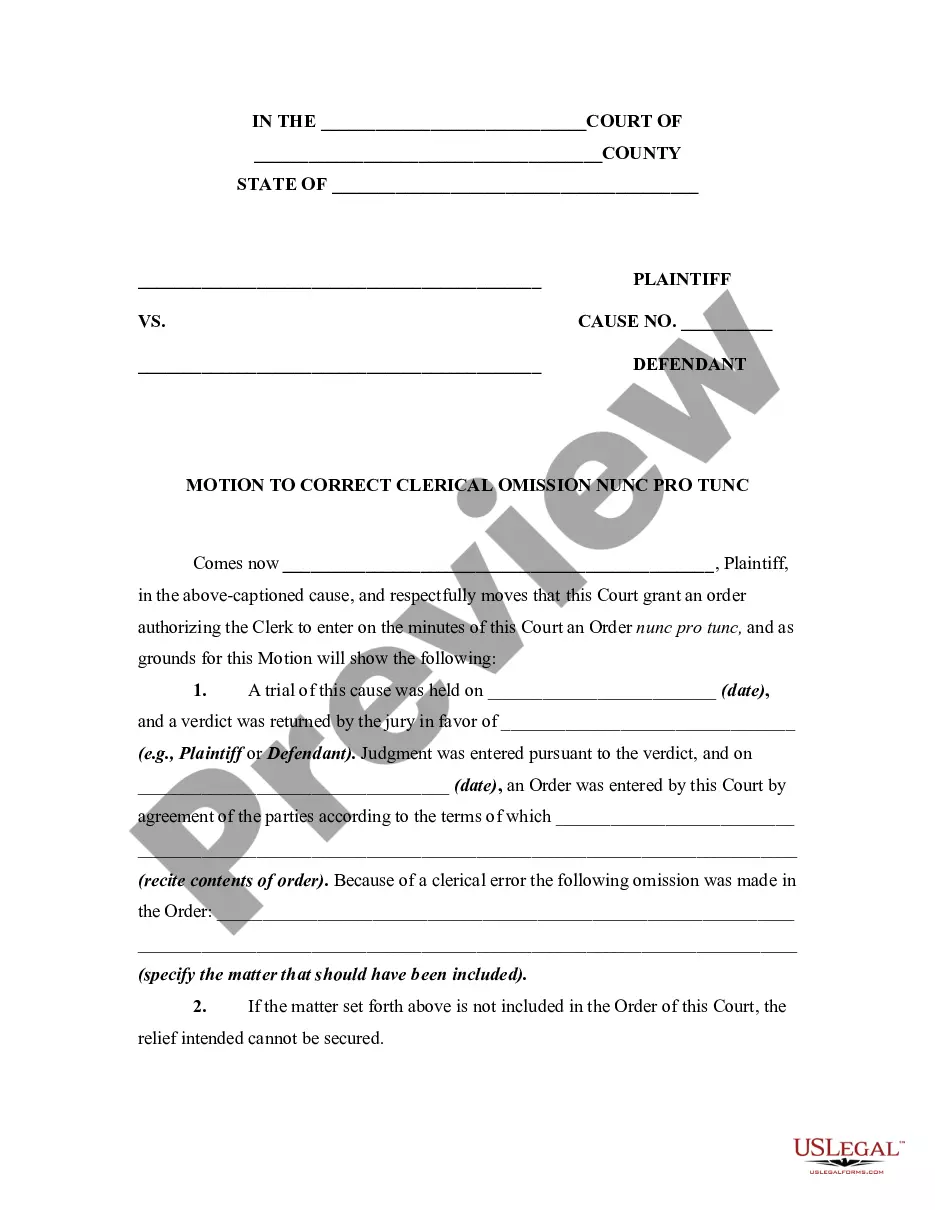
Latin for "now for then." A doctrine that permits a court to change records so that they show what actually happened. For example, if a party filed his motion on January 5, but the clerk's office had erroneously treated it as filed on January 6, the judge could correct the records to show the right date.
Nunc pro tunc is a Latin term meaning "now for then." Generally, this refers to an action taken by a court that applies retroactively to correct an earlier ruling.
A nunc pro tunc is simply the filing of a decree that fixes a previous typo. You can file a nunc pro tunc more than 30 days after a final order.
Nunc pro tunc is a Latin term meaning "now for then." Generally, this refers to an action taken by a court that applies retroactively to correct an earlier ruling.
In Texas, a nunc pro tunc judgment can be requested by either party to the case or by the court itself. The request must be made in writing and must specify the error that is being corrected. The request must also be filed within a reasonable time after the error is discovered.