Attorney Court Plaintiff Forum
Description
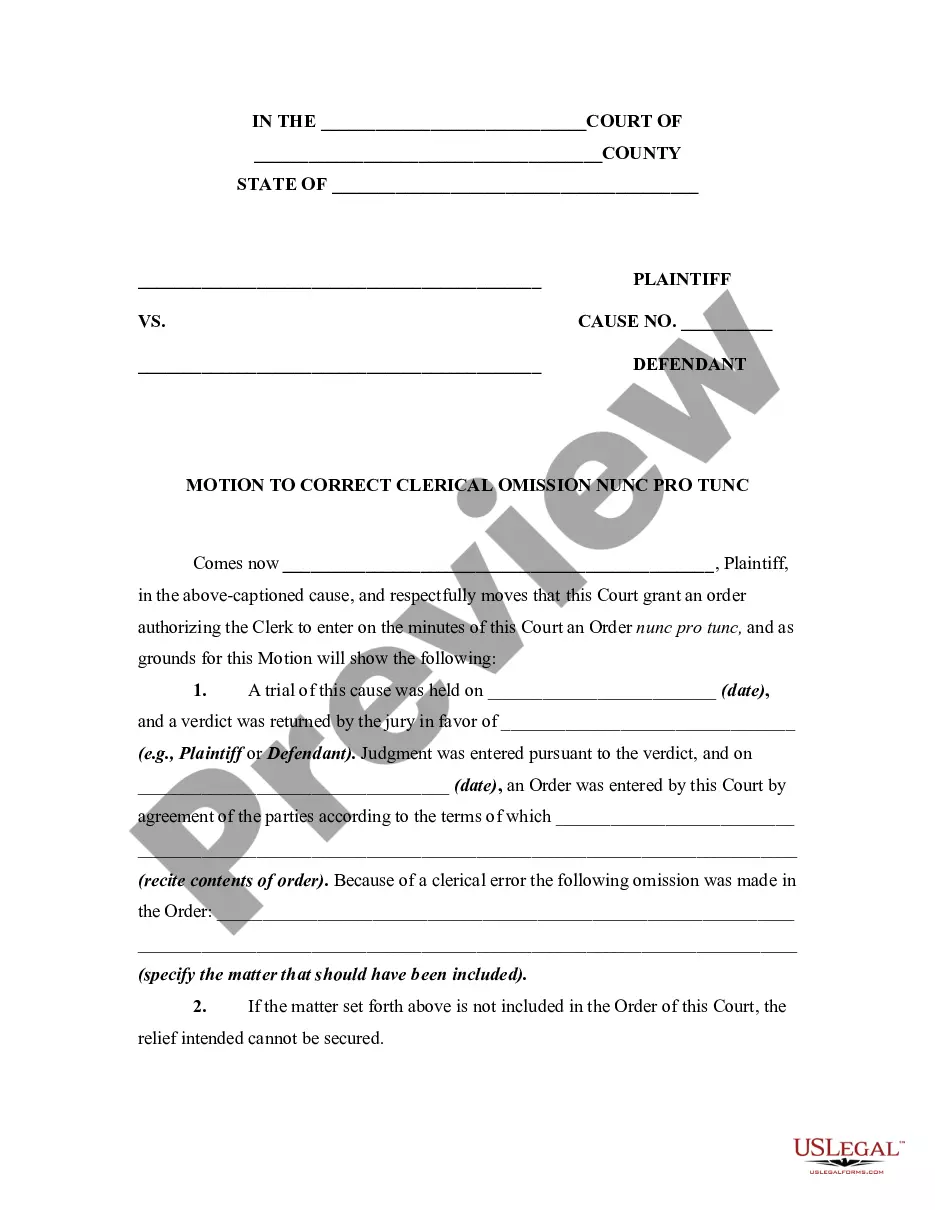
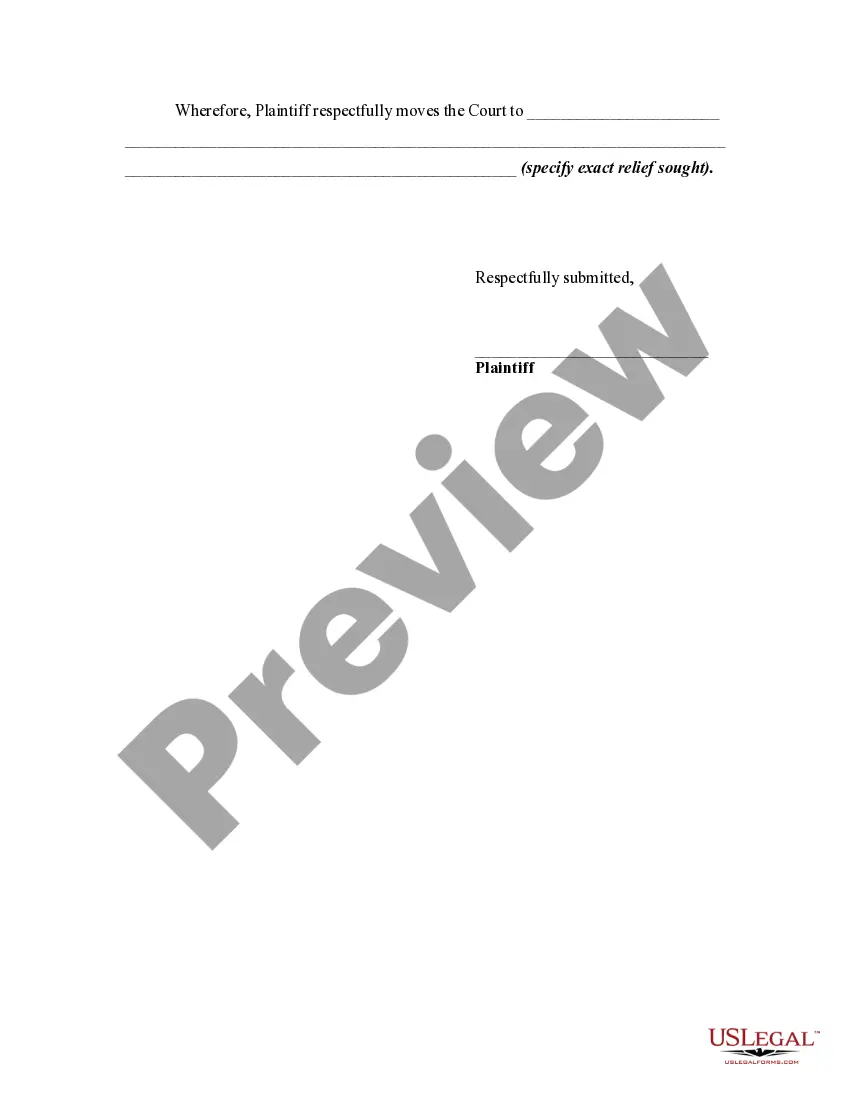
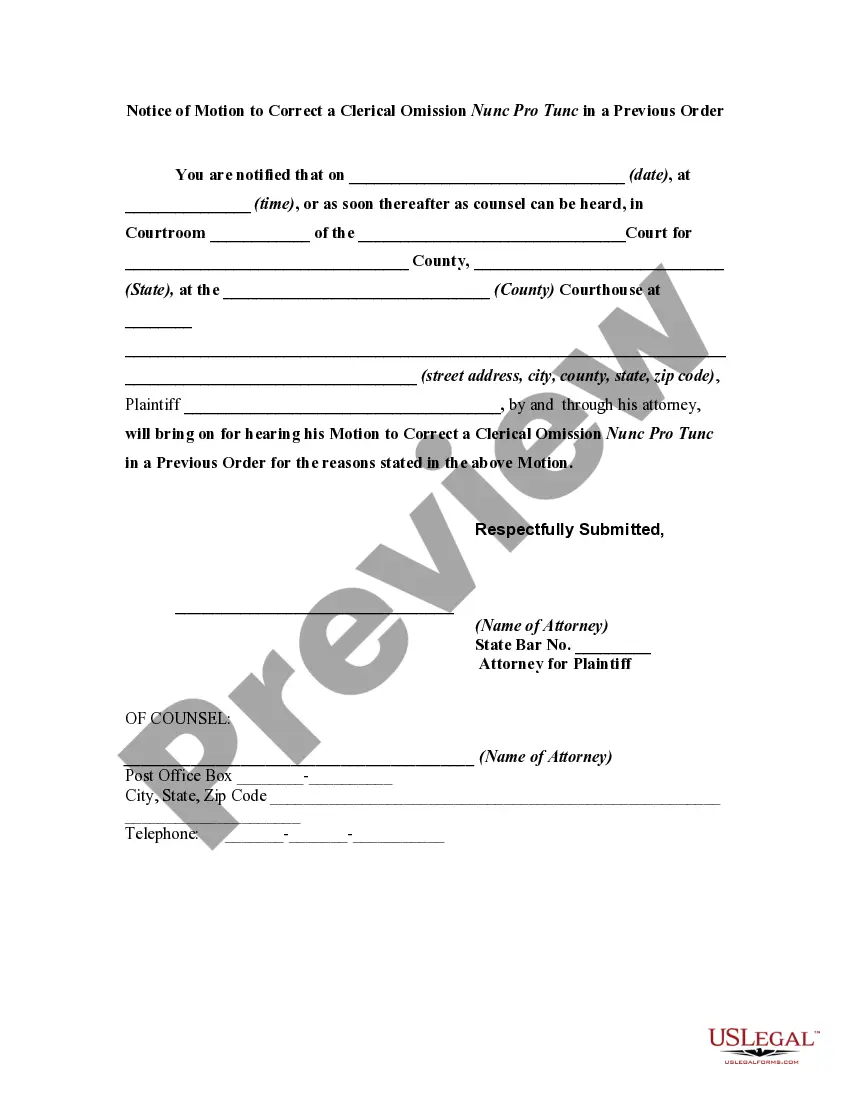
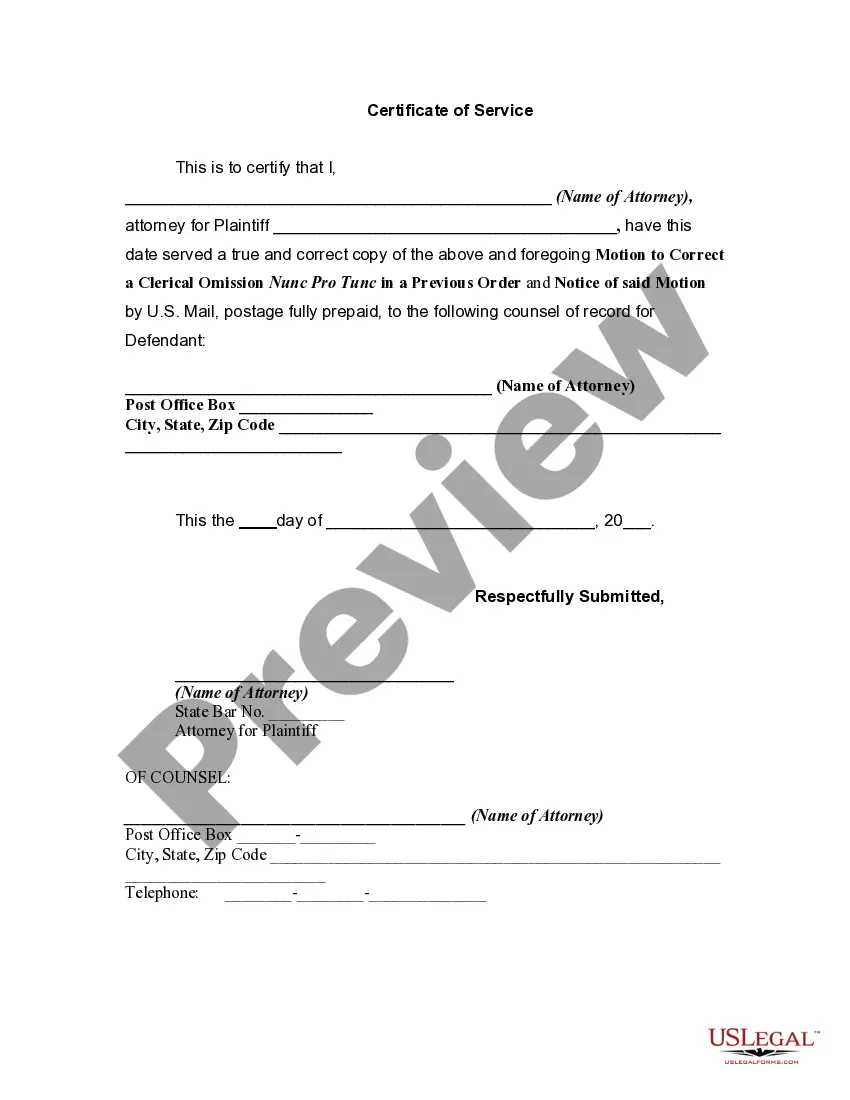

Get your form ready online
Our built-in tools help you complete, sign, share, and store your documents in one place.
Make edits, fill in missing information, and update formatting in US Legal Forms—just like you would in MS Word.
Download a copy, print it, send it by email, or mail it via USPS—whatever works best for your next step.
Sign and collect signatures with our SignNow integration. Send to multiple recipients, set reminders, and more. Go Premium to unlock E-Sign.
If this form requires notarization, complete it online through a secure video call—no need to meet a notary in person or wait for an appointment.
We protect your documents and personal data by following strict security and privacy standards.

Make edits, fill in missing information, and update formatting in US Legal Forms—just like you would in MS Word.

Download a copy, print it, send it by email, or mail it via USPS—whatever works best for your next step.

Sign and collect signatures with our SignNow integration. Send to multiple recipients, set reminders, and more. Go Premium to unlock E-Sign.

If this form requires notarization, complete it online through a secure video call—no need to meet a notary in person or wait for an appointment.

We protect your documents and personal data by following strict security and privacy standards.
Looking for another form?
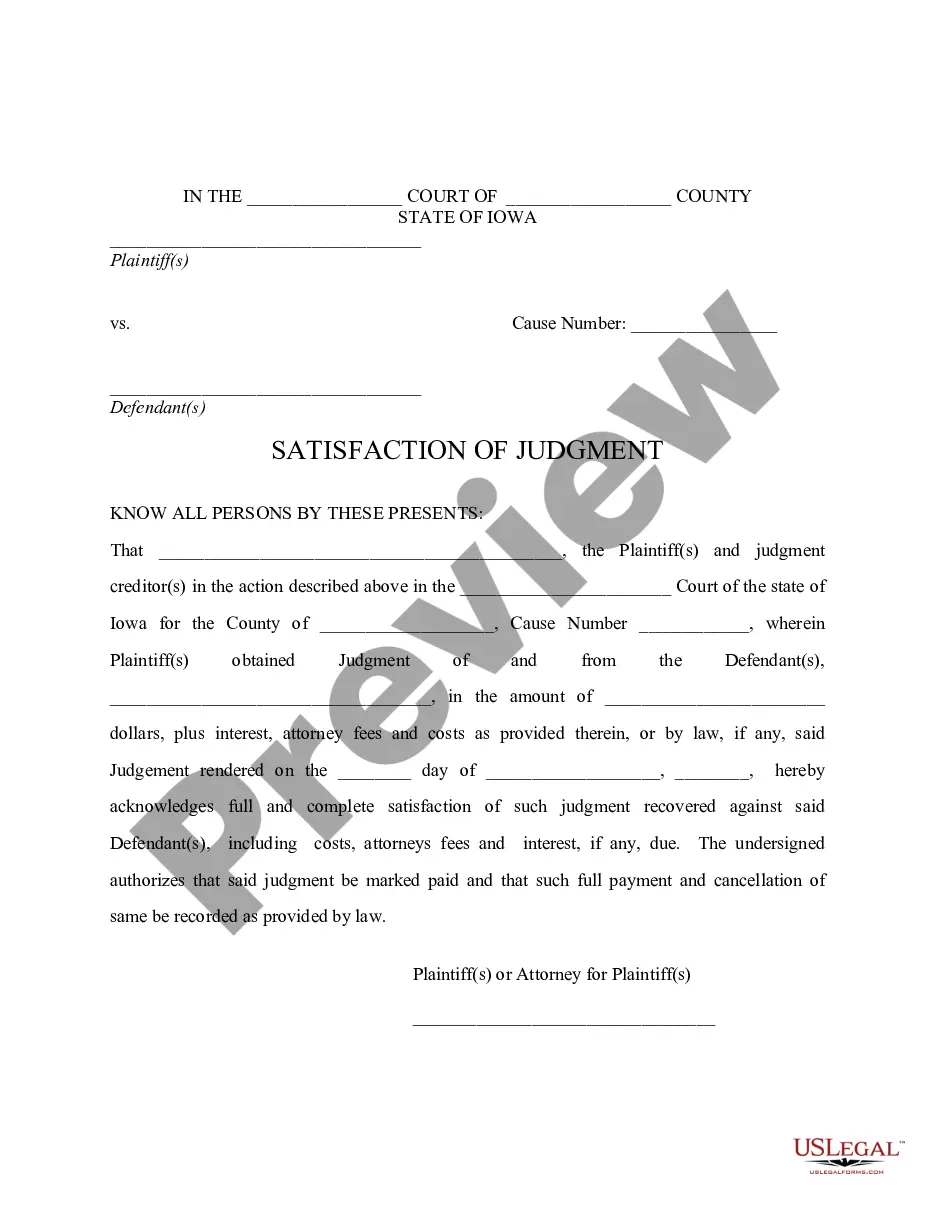
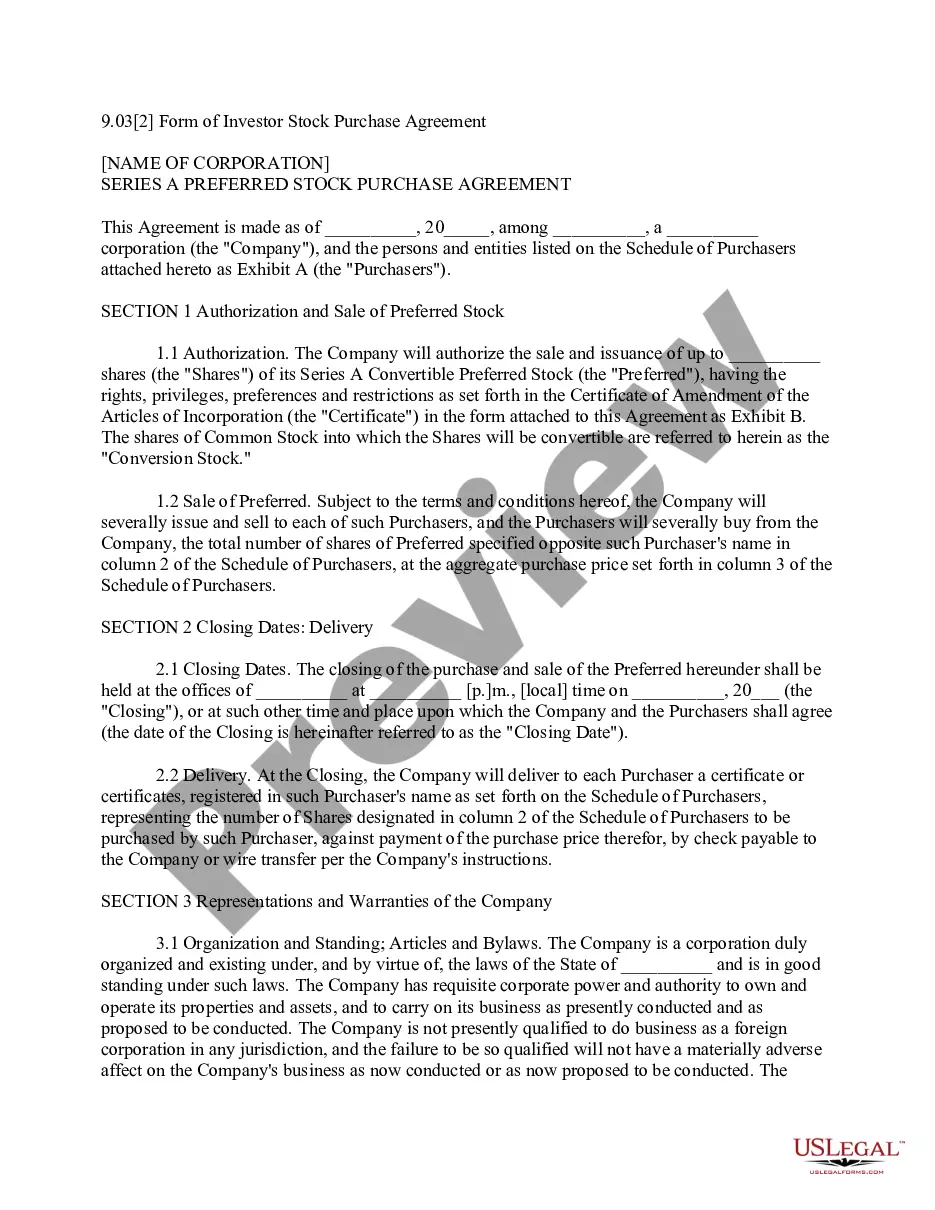

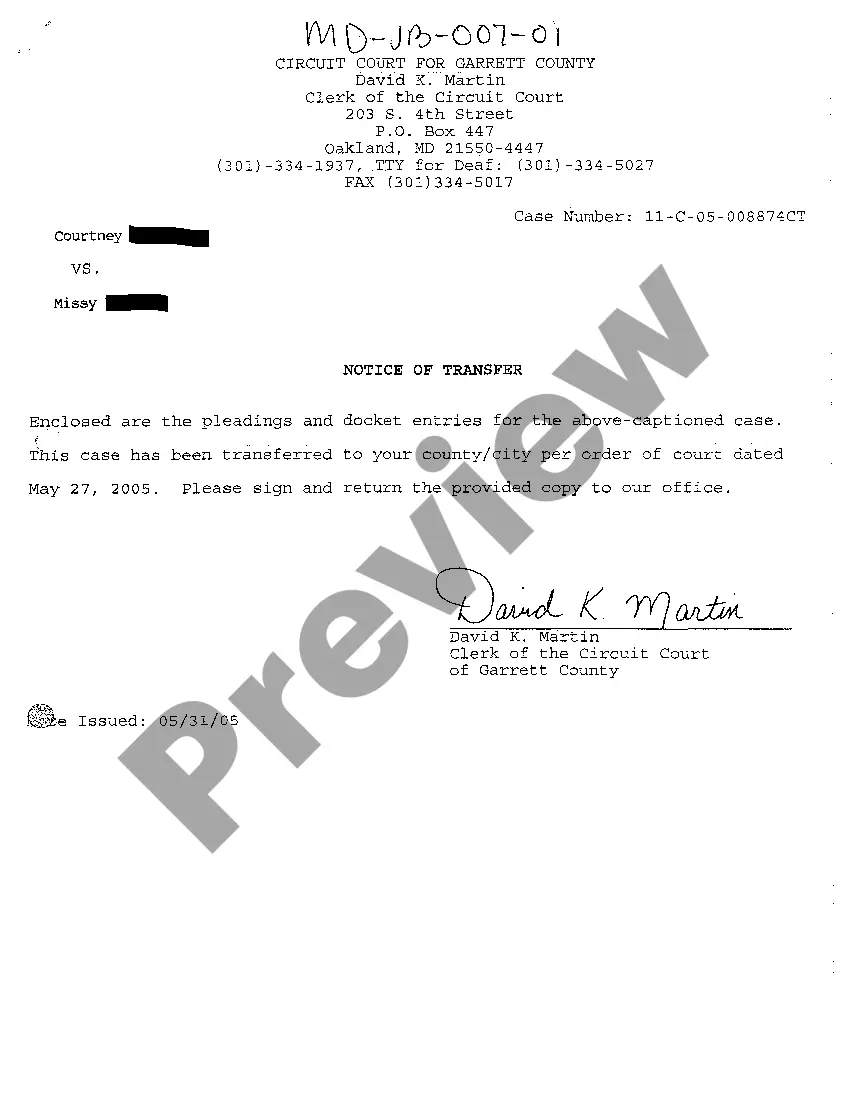
How to fill out Motion To Correct A Clerical Omission Nunc Pro Tunc In A Previous Order?
Employing legal templates that adhere to federal and state regulations is crucial, and the internet provides numerous choices to select from.
However, what is the benefit of spending time searching for the properly crafted Attorney Court Plaintiff Forum example online when the US Legal Forms digital library already compiles such templates in one location.
US Legal Forms is the premier online legal repository featuring over 85,000 customizable templates created by lawyers for any business and personal situation.
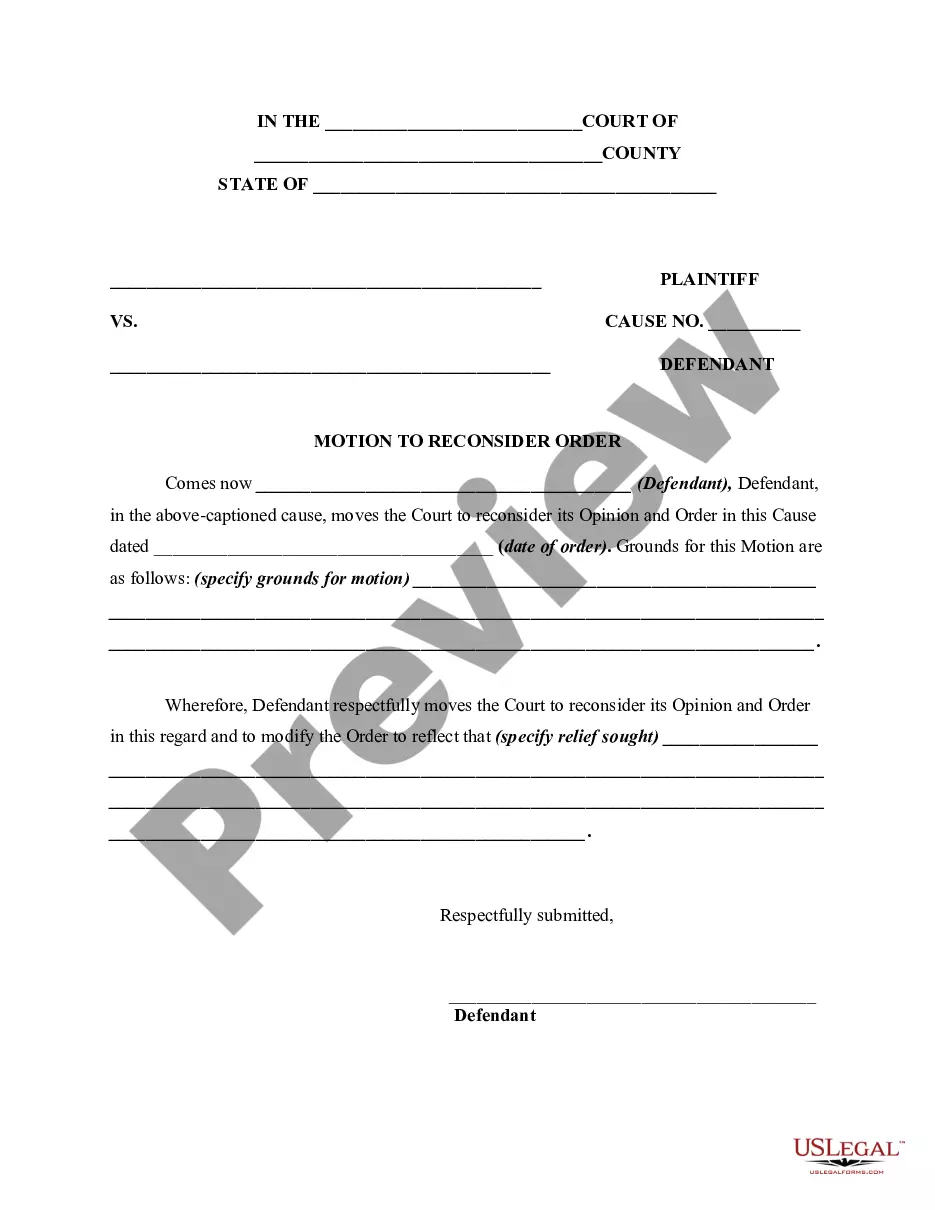
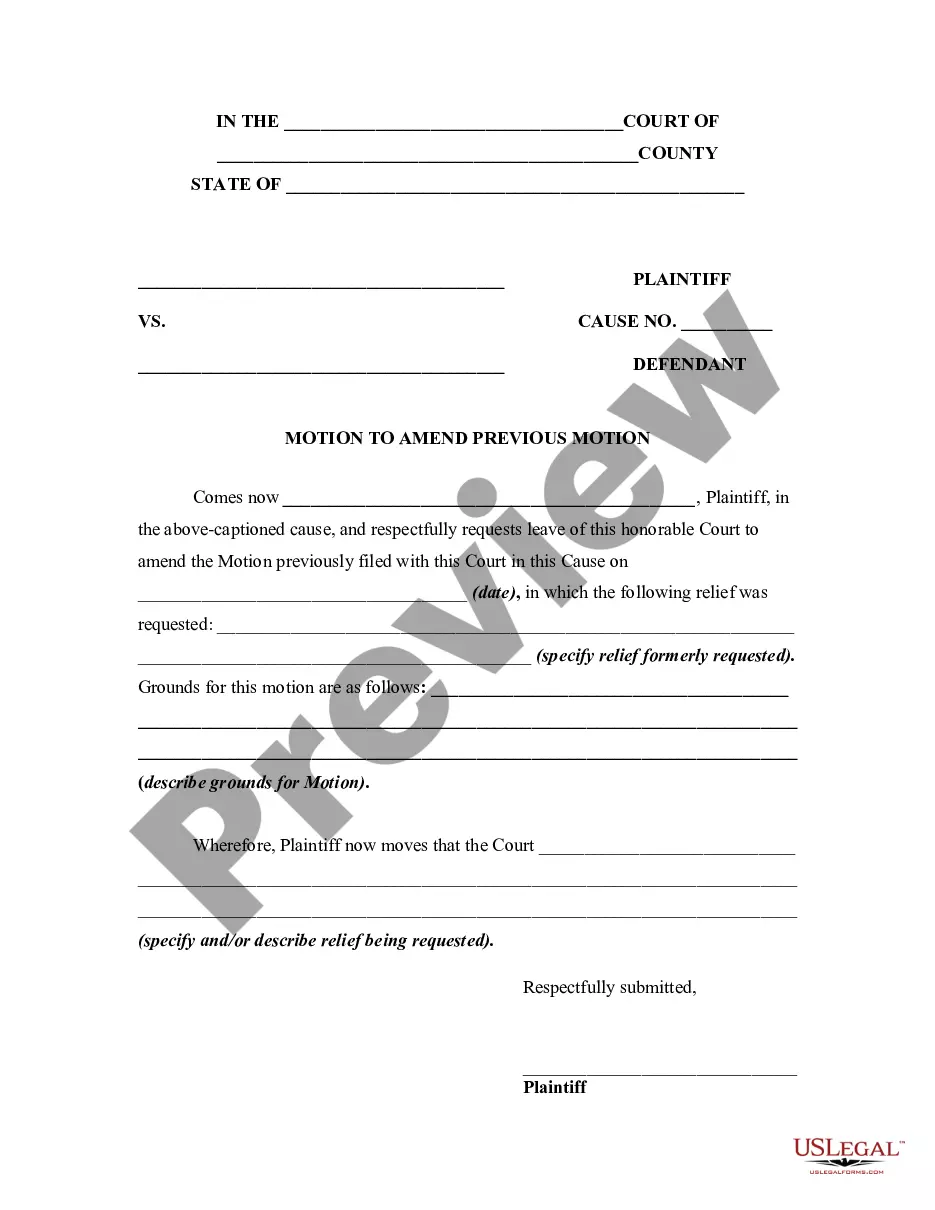
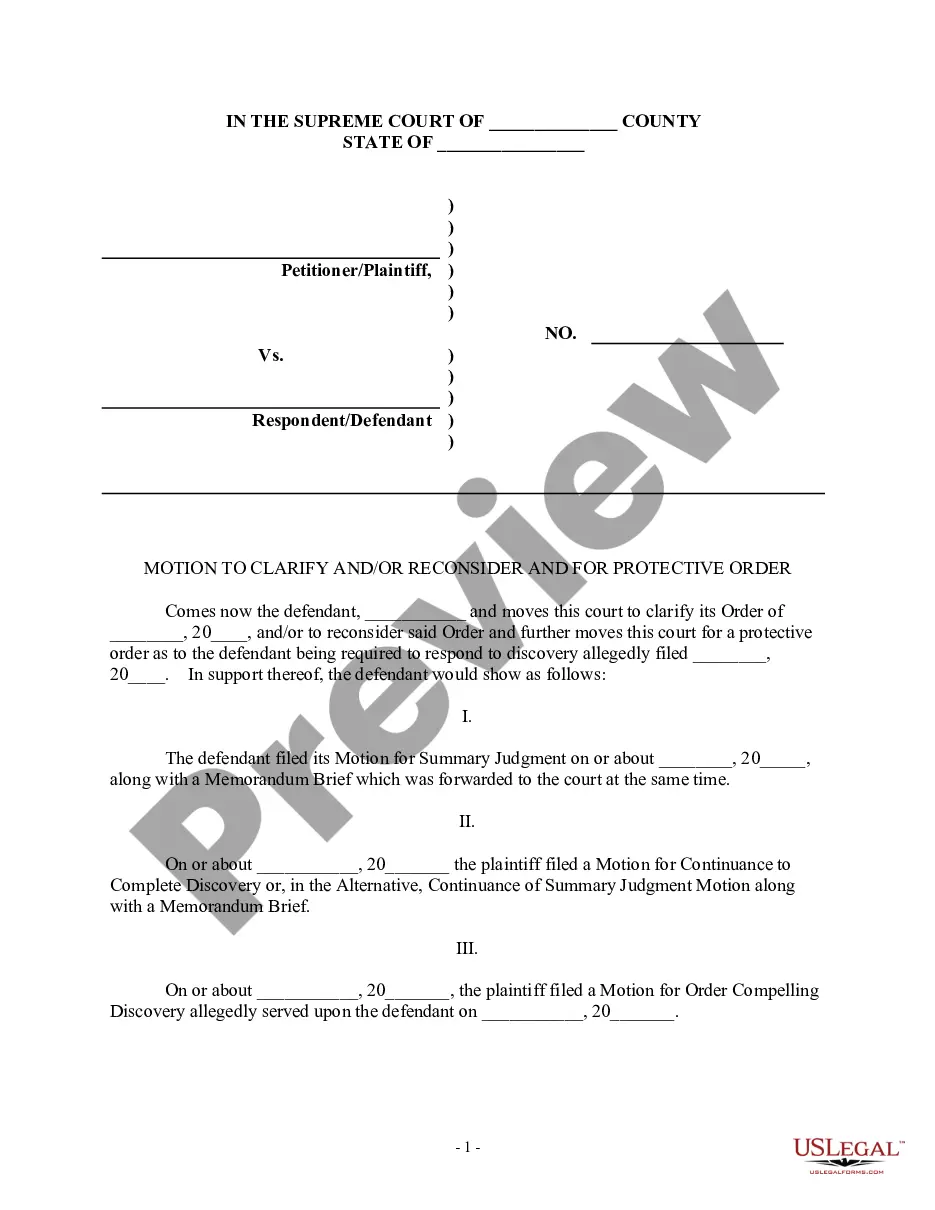
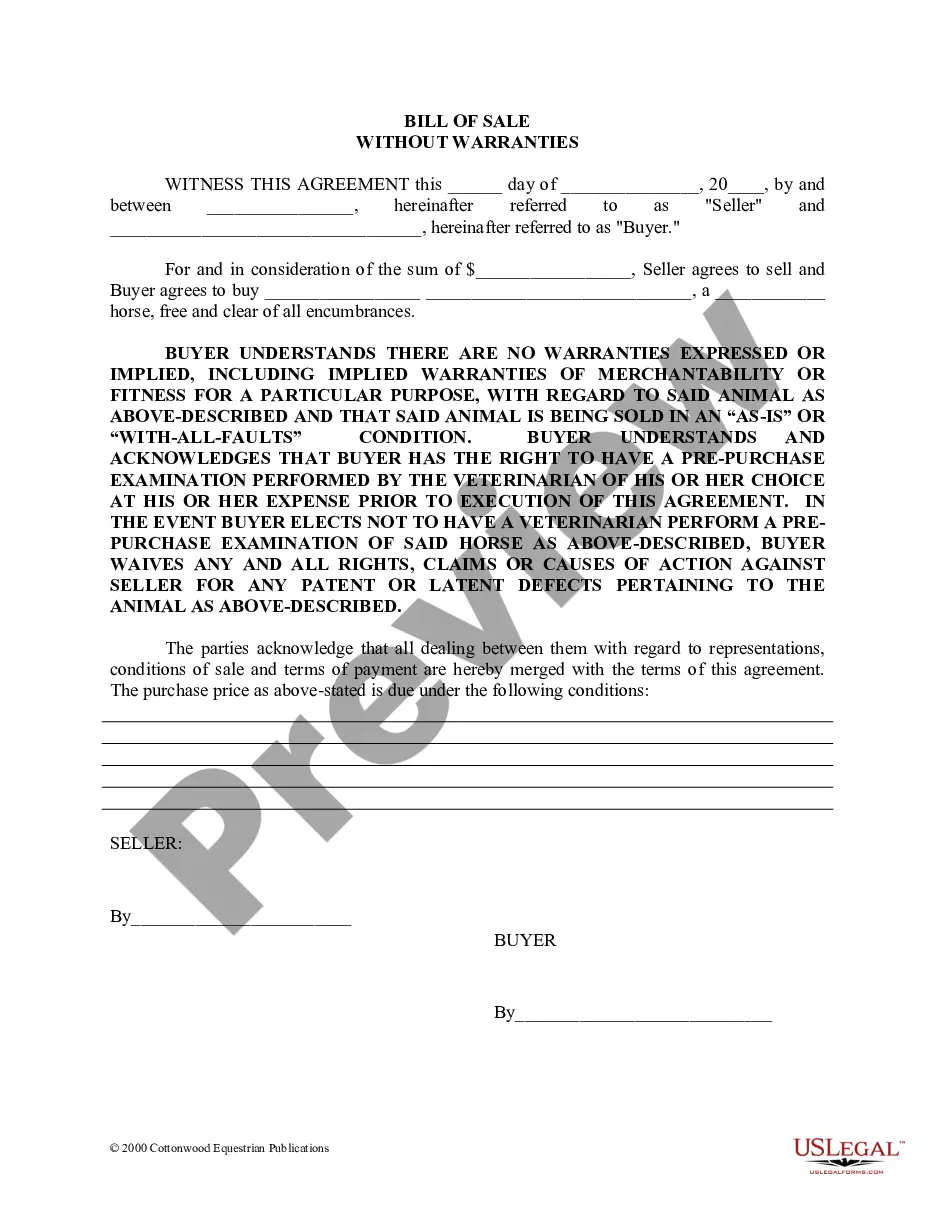
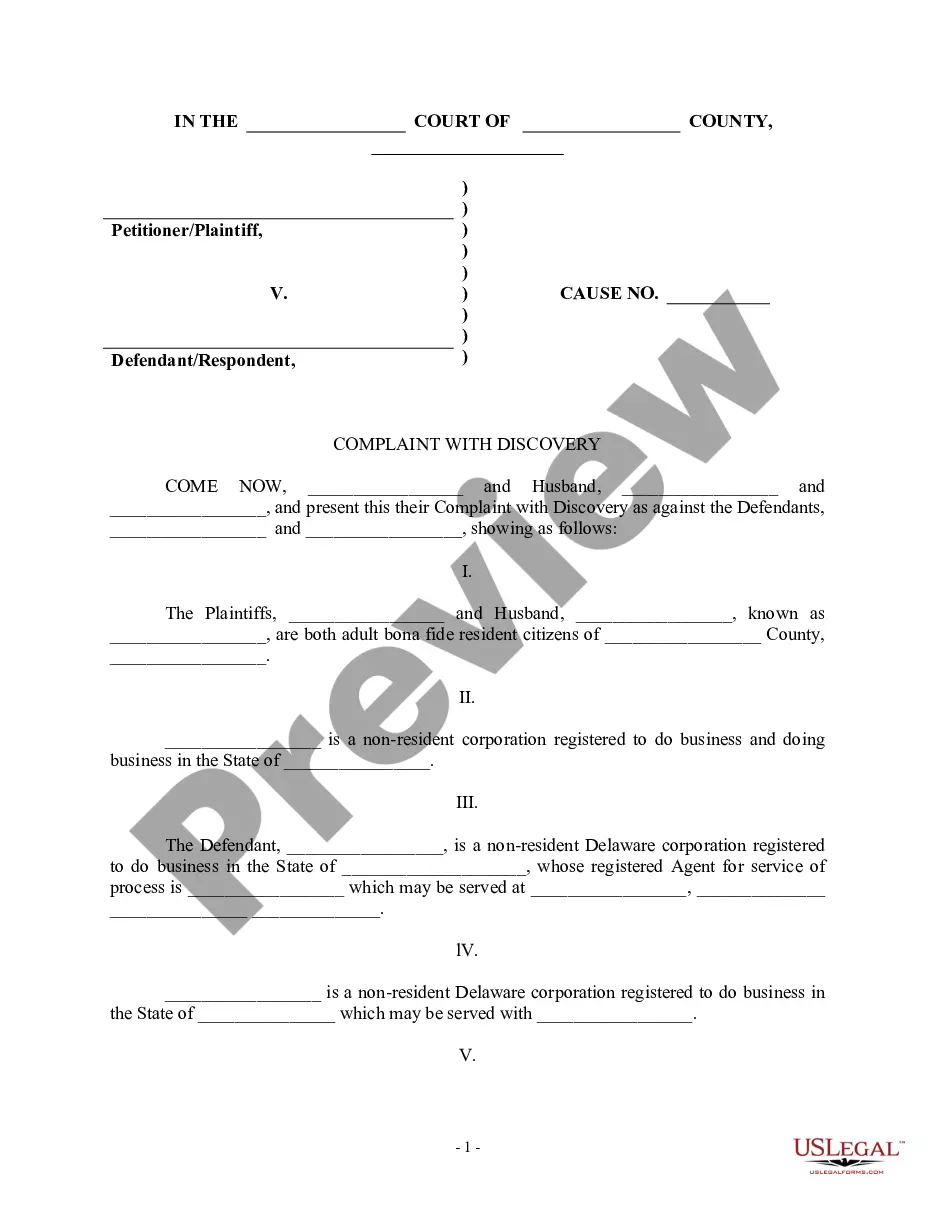
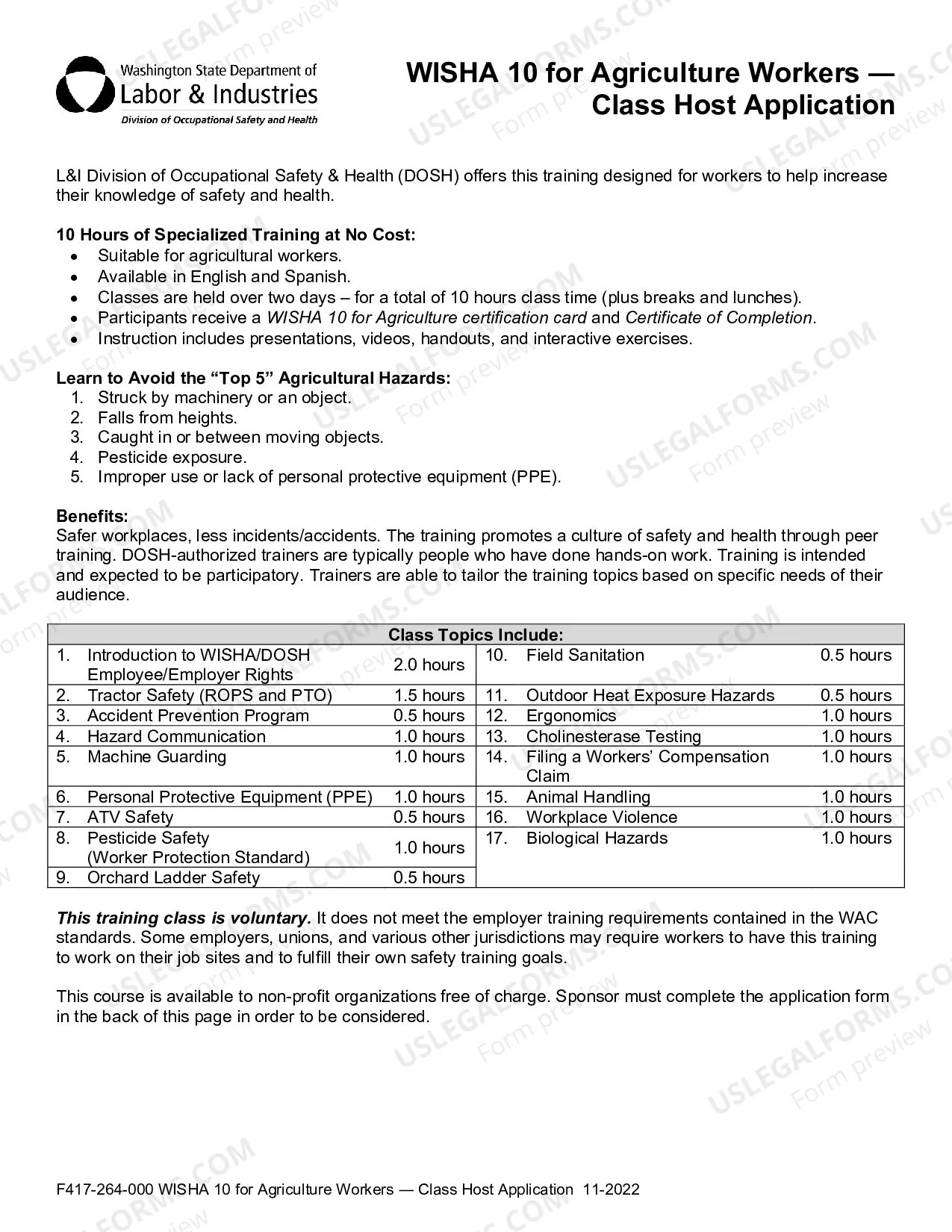
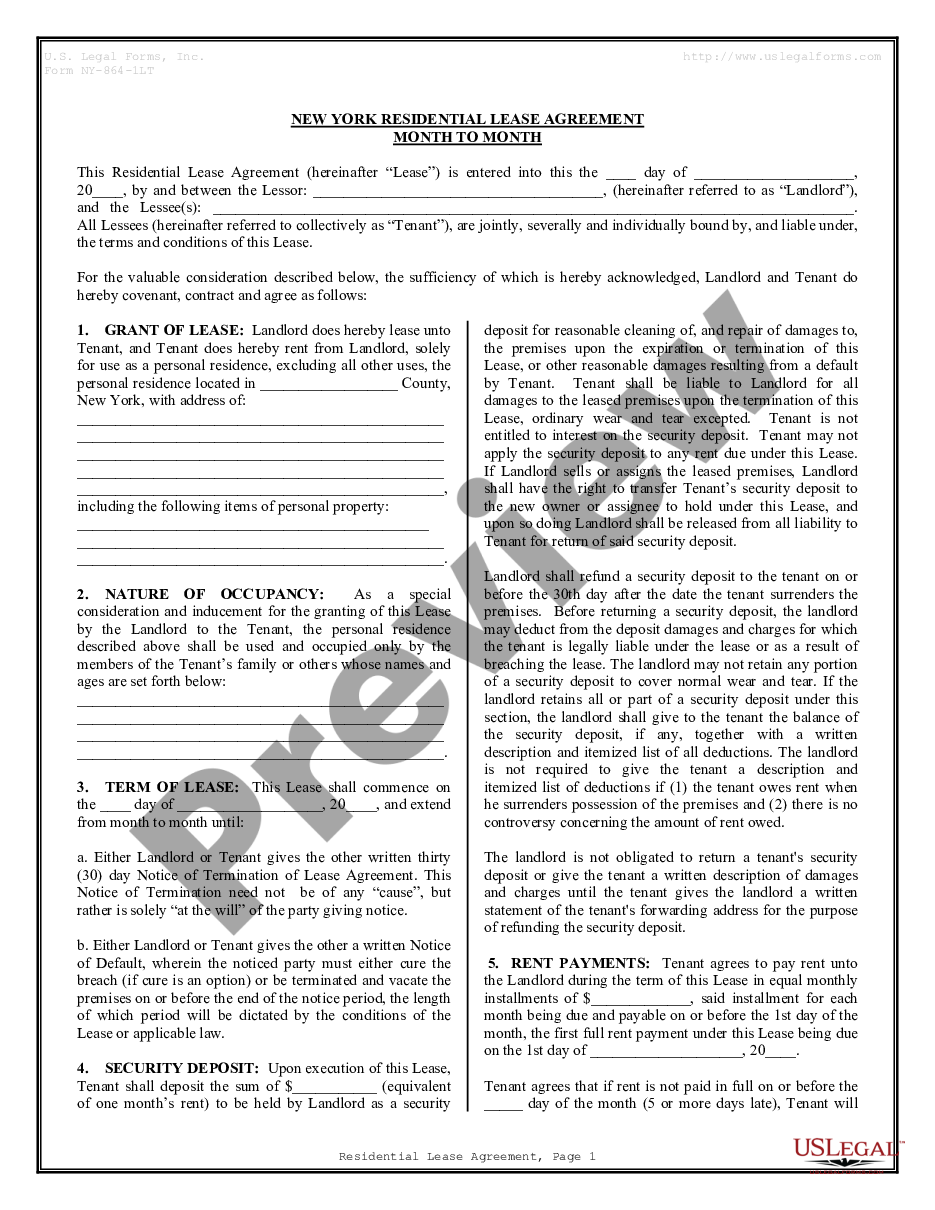
Review the template using the Preview feature or via the text description to verify it meets your needs.
- They are easy to navigate with all documents organized by state and intended use.
- Our experts stay updated with legal amendments, ensuring you can always trust that your form is current and compliant when obtaining an Attorney Court Plaintiff Forum from our site.
- Acquiring an Attorney Court Plaintiff Forum is quick and straightforward for both existing and new users.
- If you already possess an account with an active subscription, Log In and save the document template you require in the appropriate format.
- If you are visiting our site for the first time, follow the steps outlined below.
Form popularity
FAQ
Forum shopping refers to the practice of choosing the court or jurisdiction that has the most favorable rules or laws for the position being advocated. A party can forum shop when more than one court has jurisdiction over the dispute, choosing the court that gives it an advantage over the opposing party.
Two key legal factors determine where a lawsuit can proceed: jurisdiction and venue. Litigants and courts consider jurisdiction and venue when deciding whether a case should proceed in federal or state court and which specific court within either system should hear the matter.
(In the trial court, the first name listed is the plaintiff, the party bringing the suit. The name following the "v" is the defendant. If the case is appealed, as in this example, the name of the petitioner (appellant) is usually listed first, and the name of the respondent (appellee) is listed second.
John is seriously injured and he files a car accident lawsuit against Linda to recover additional damages that aren't covered by insurance. In this example, John is the plaintiff and Linda is the defendant. Because the plaintiff files the lawsuit, the plaintiff is responsible for drafting the complaint.
This doctrine may be invoked by either the defendant, or sua sponte by the court. Even if a plaintiff brings a case in an inconvenient forum, a court will not grant a forum non conveniens dismissal unless there is another forum that could hear the case and potentially recover damages.