Against Actuals
Description




Get your form ready online
Our built-in tools help you complete, sign, share, and store your documents in one place.
Make edits, fill in missing information, and update formatting in US Legal Forms—just like you would in MS Word.
Download a copy, print it, send it by email, or mail it via USPS—whatever works best for your next step.
Sign and collect signatures with our SignNow integration. Send to multiple recipients, set reminders, and more. Go Premium to unlock E-Sign.
If this form requires notarization, complete it online through a secure video call—no need to meet a notary in person or wait for an appointment.
We protect your documents and personal data by following strict security and privacy standards.

Make edits, fill in missing information, and update formatting in US Legal Forms—just like you would in MS Word.

Download a copy, print it, send it by email, or mail it via USPS—whatever works best for your next step.

Sign and collect signatures with our SignNow integration. Send to multiple recipients, set reminders, and more. Go Premium to unlock E-Sign.

If this form requires notarization, complete it online through a secure video call—no need to meet a notary in person or wait for an appointment.

We protect your documents and personal data by following strict security and privacy standards.
Looking for another form?






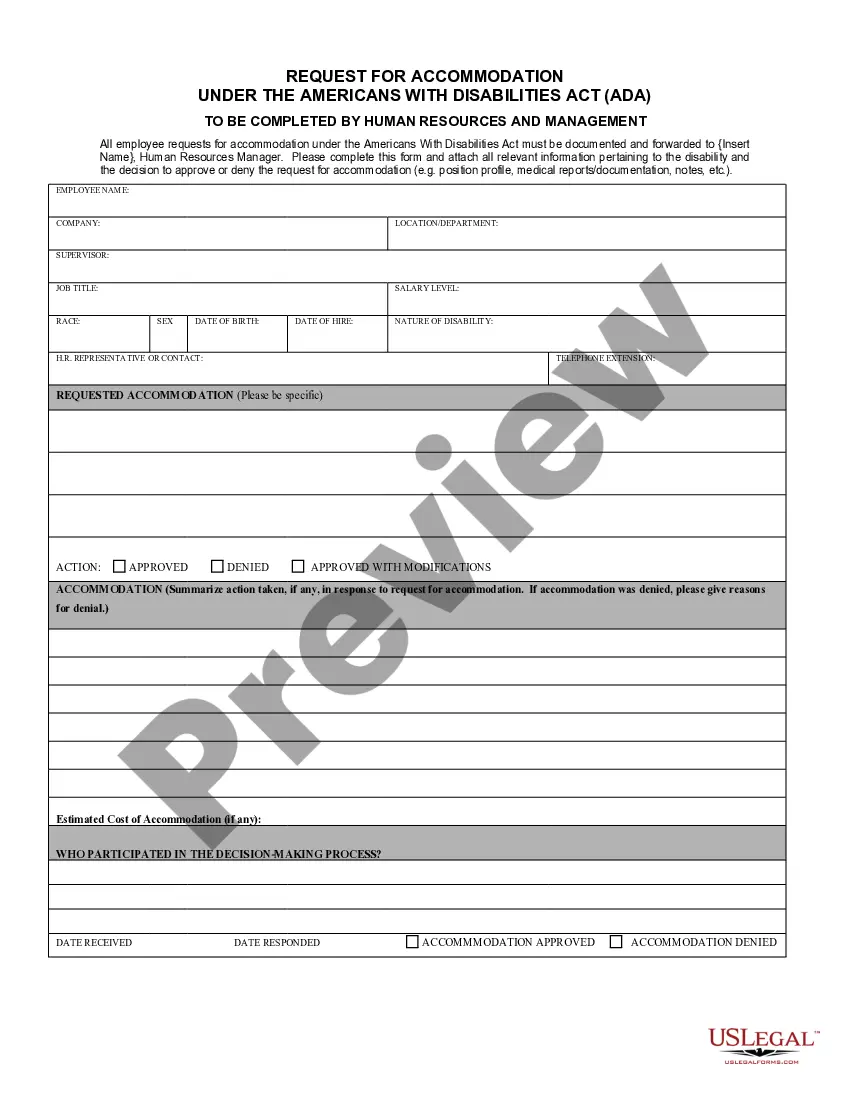

How to fill out Complaint Or Petition By Purchaser Against Possessor Of Real Property After A Foreclosure Sale Pursuant To A Deed Of Trust?
- If you're a returning user, log in to your account. Make sure your subscription is active before proceeding to download your desired form.
- For first-time users, start by reviewing the Preview mode and form details to ensure the selected document caters to your needs and adheres to local jurisdiction guidelines.
- If adjustments are necessary, utilize the Search feature to find another form that fits your criteria perfectly.
- Purchase the document by clicking the Buy Now button, then select a subscription plan that aligns with your requirements.
- Complete your order by entering your payment information or logging into your PayPal account to finalize the transaction.
- Download your form to your device and access it anytime via the My documents section.
With a vast collection of forms, US Legal Forms not only ensures you have more options, but also offers premium expert assistance for form completion, bringing peace of mind to your legal endeavors.
Start streamlining your legal processes today by exploring the countless benefits of US Legal Forms.
Form popularity
FAQ
The primary difference between budget and actuals lies in their nature: a budget represents an estimate or expectation of financial activity, while actuals reflect confirmed transactions. By understanding this distinction, you can better analyze performance and identify discrepancies. Tools from US Legal Forms can help streamline this process, ensuring accurate tracking and reporting.
To create a budget vs actual document, begin by setting clear financial goals and estimating future revenues and expenses. Regularly update this document with actual financial outcomes as they occur. This process enables businesses to monitor their progress and make necessary adjustments, ensuring they effectively manage finances against actuals.
Financial actuals consist of the real financial data collected over a set timeframe, including profits, costs, and losses. These figures provide a historical view of a company's financial health and inform future budgeting decisions. By comparing financial actuals against forecasts, organizations can enhance accountability and performance.
Calculating the budget vs actual percentage involves comparing the actual financial results to the budgeted figures. You can use the formula: (Actuals - Budget) / Budget x 100 to determine the variance. This metric helps businesses evaluate their performance and adjust their financial strategies to stay on track against actuals.
In simple terms, actuals in accounting represent the confirmed financial data that a business generates, such as revenue and expenses. These values enable stakeholders to understand what has occurred, as opposed to what was forecasted. This clarity is essential for effective financial management and aids in strategic decision-making.
Actuals in accounting refer to the recorded and realized financial outcomes of a business during a specific period. These figures reflect genuine transactions and activities, allowing organizations to assess their performance. By analyzing actuals against budgets, companies can pinpoint areas for improvement while ensuring transparency in their financial reporting.
Monitoring budget against actuals involves regularly reviewing financial reports and comparing them with your budget. Establish a consistent schedule for this review, whether it's monthly or quarterly, to track performance over time accurately. Utilizing platforms like uslegalforms can streamline this process, providing tools for easy tracking and reporting.
The best chart to illustrate budget against actuals is typically a bar chart or a line graph. These visual tools make it easy to compare the planned budget to actual results visually. Users can quickly discern performance trends and variances, facilitating informed discussions and decisions.
In accounting, actuals refer to the real financial results that have occurred over a specific period. This includes actual revenues and expenses that differ from what was initially budgeted. Understanding actuals is essential for assessing financial performance and making informed business decisions.
An example of budget against actuals could be a business budgeting $10,000 for marketing expenses but only spending $8,000. In this case, the actual spending is less than the budgeted amount, resulting in a favorable variance. Analyzing these differences can inform effective strategies for future budgeting.