Restraining Protective Order Format
Description


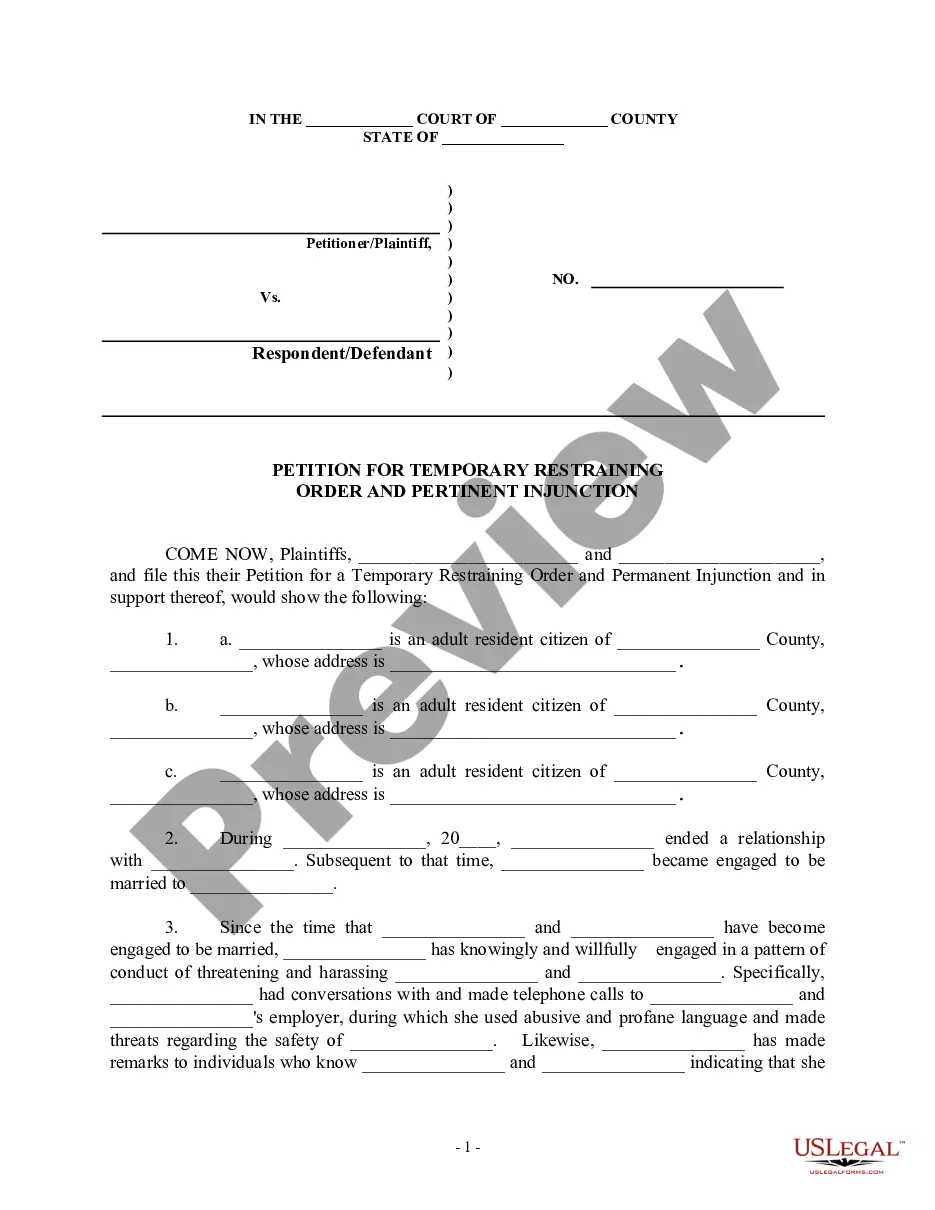

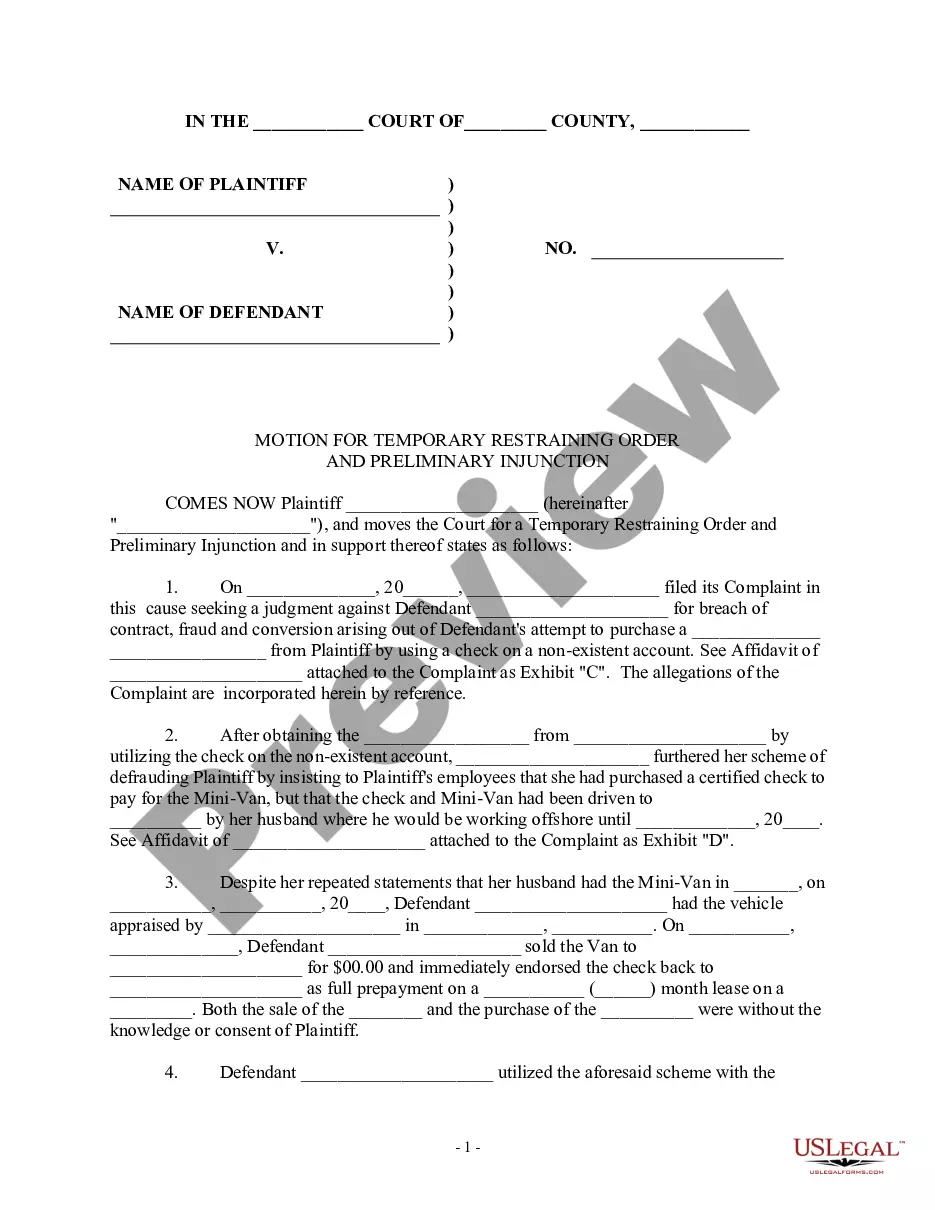
Get your form ready online
Our built-in tools help you complete, sign, share, and store your documents in one place.
Make edits, fill in missing information, and update formatting in US Legal Forms—just like you would in MS Word.
Download a copy, print it, send it by email, or mail it via USPS—whatever works best for your next step.
Sign and collect signatures with our SignNow integration. Send to multiple recipients, set reminders, and more. Go Premium to unlock E-Sign.
If this form requires notarization, complete it online through a secure video call—no need to meet a notary in person or wait for an appointment.
We protect your documents and personal data by following strict security and privacy standards.

Make edits, fill in missing information, and update formatting in US Legal Forms—just like you would in MS Word.

Download a copy, print it, send it by email, or mail it via USPS—whatever works best for your next step.

Sign and collect signatures with our SignNow integration. Send to multiple recipients, set reminders, and more. Go Premium to unlock E-Sign.

If this form requires notarization, complete it online through a secure video call—no need to meet a notary in person or wait for an appointment.

We protect your documents and personal data by following strict security and privacy standards.
Looking for another form?


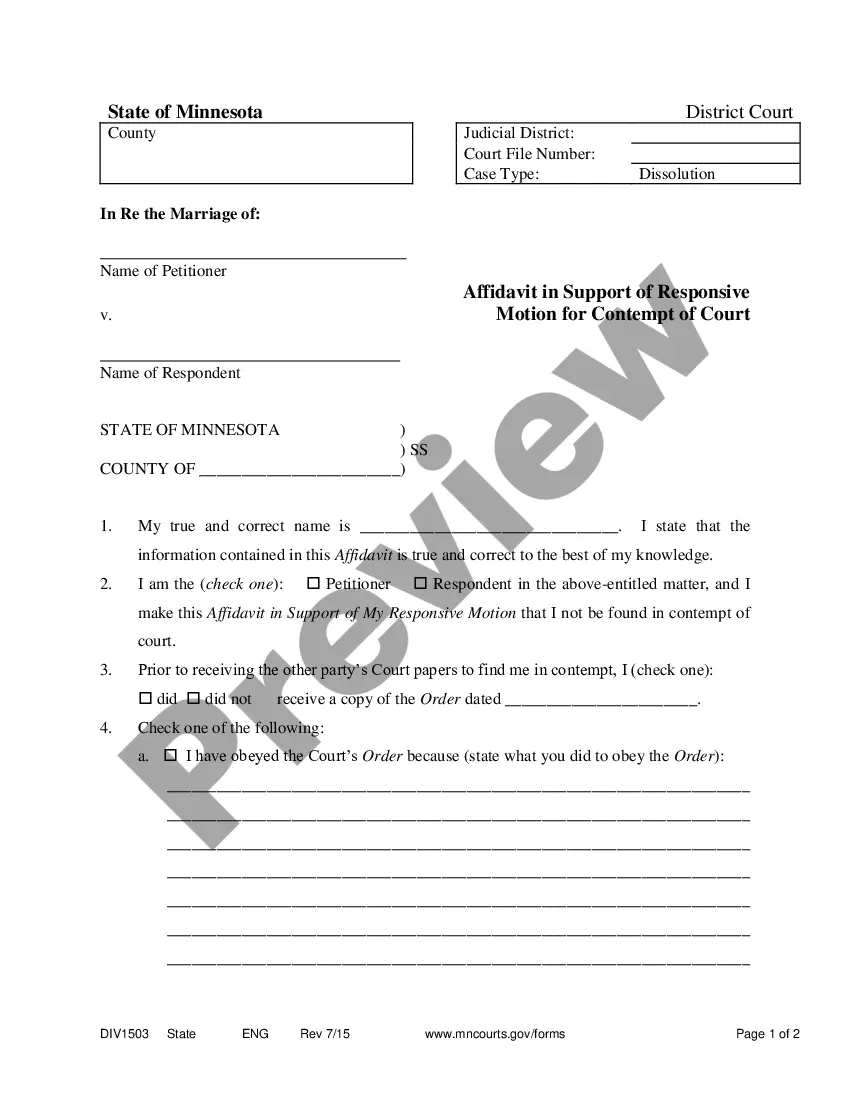
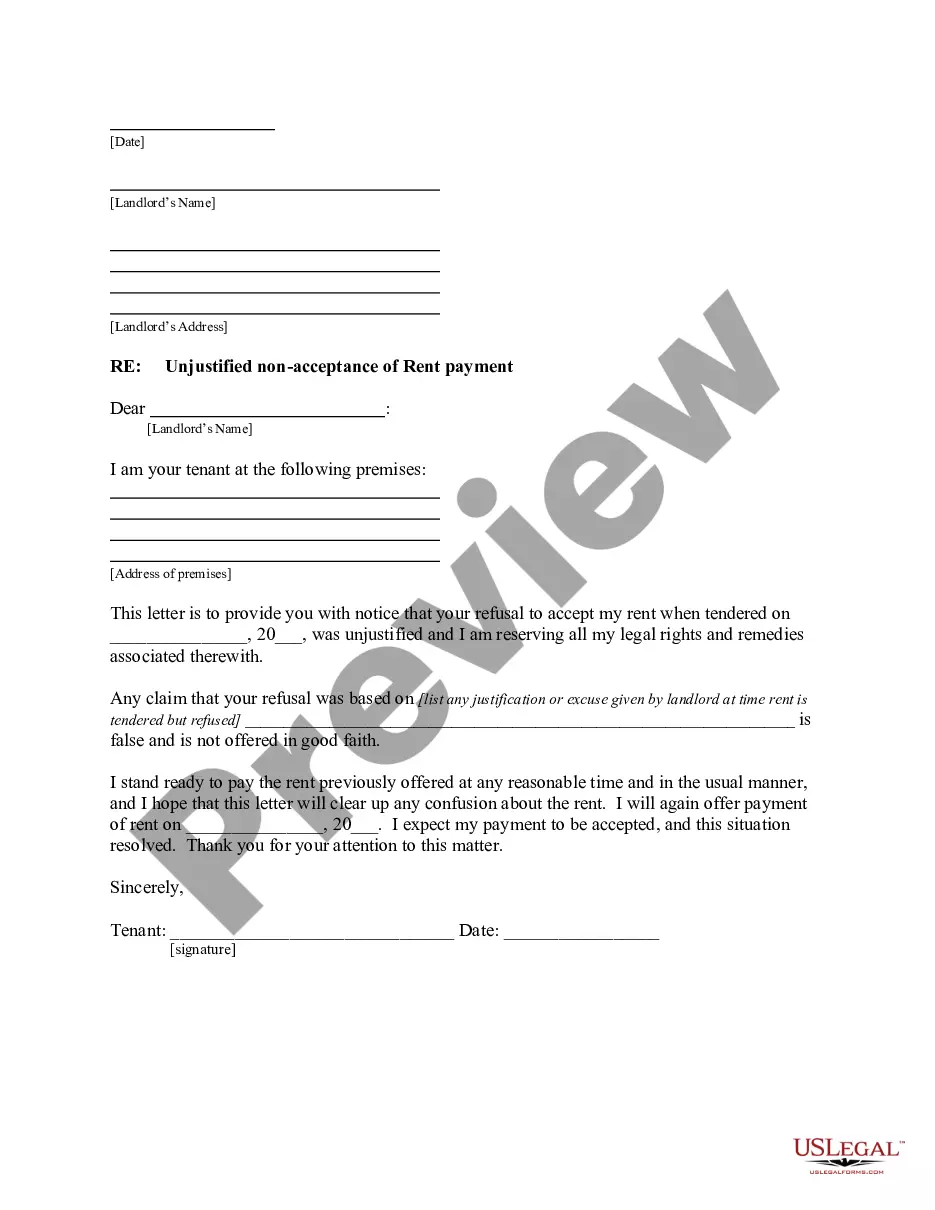

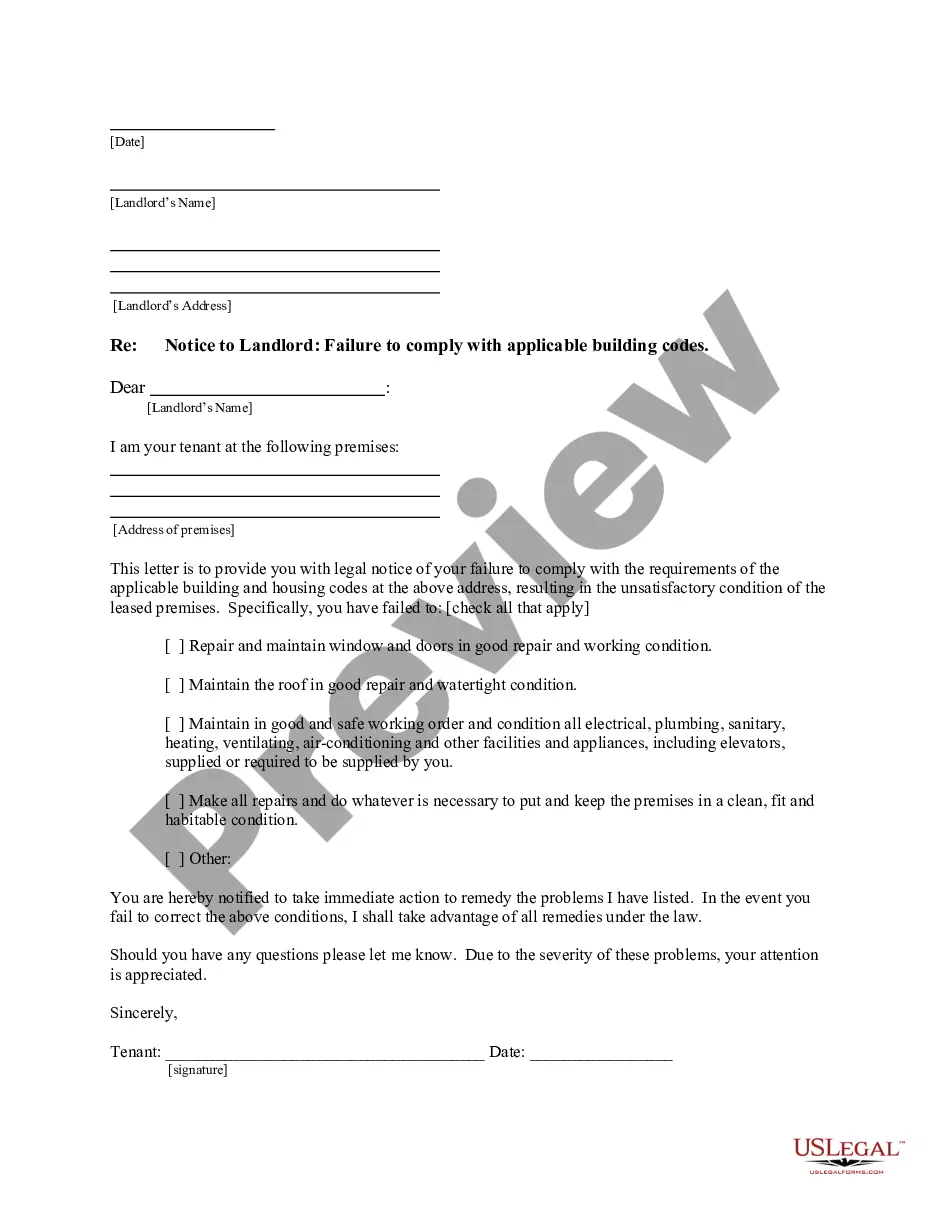
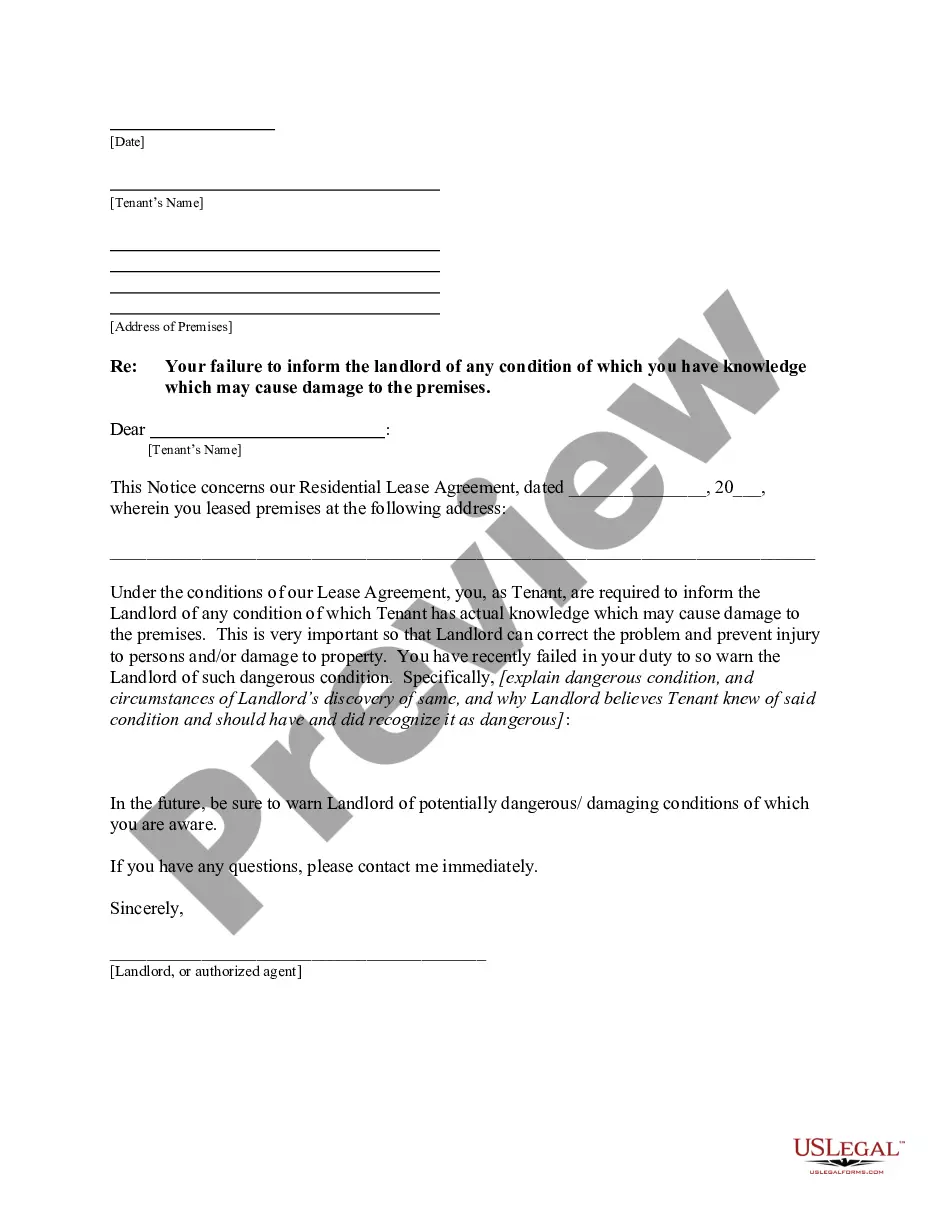

How to fill out Complaint For Temporary Restraining Order, Preliminary Injunction And Permanent Injunction?
Creating legal documents from the ground up can frequently be daunting.
Some situations may require extensive research and significant financial investment.
If you’re looking for a simpler and more affordable method of crafting a Restraining Protective Order Format or any other forms without unnecessary complications, US Legal Forms is always available to assist.
Our online library of over 85,000 current legal documents covers nearly every aspect of your financial, legal, and personal affairs. With just a few clicks, you can effortlessly access state- and county-specific templates meticulously designed for you by our legal professionals.
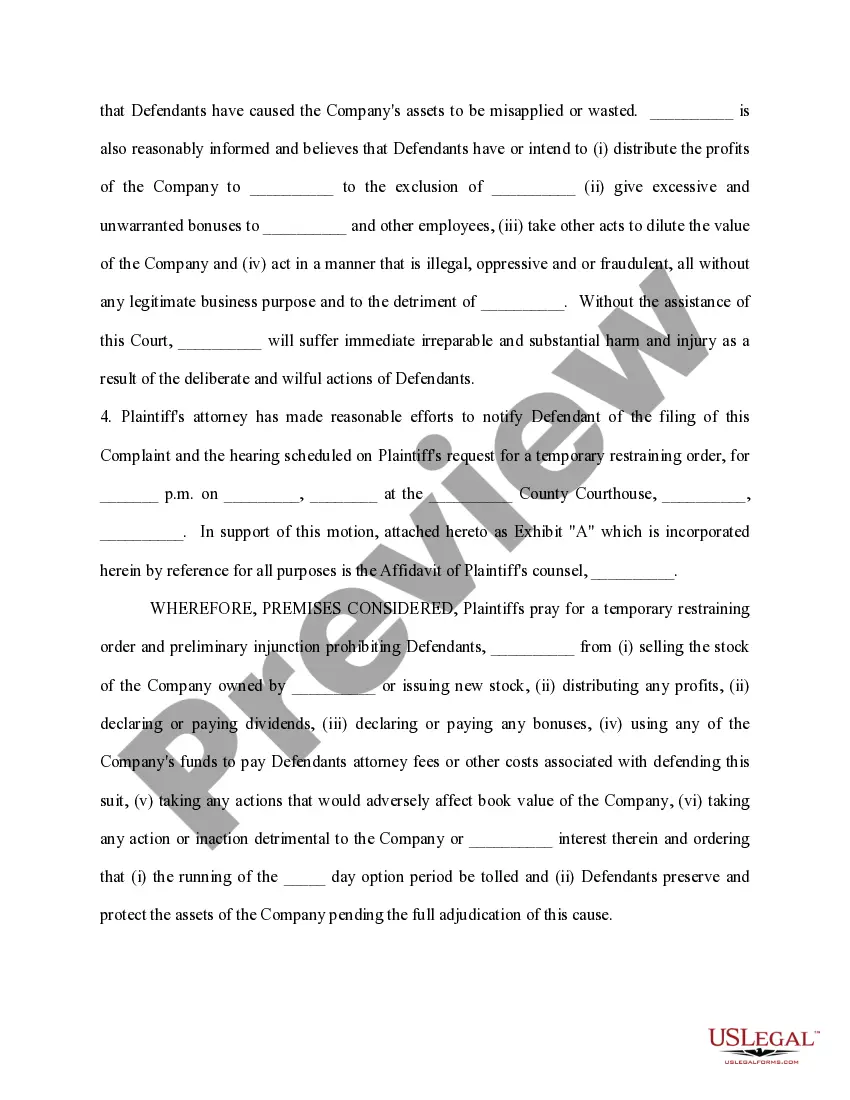
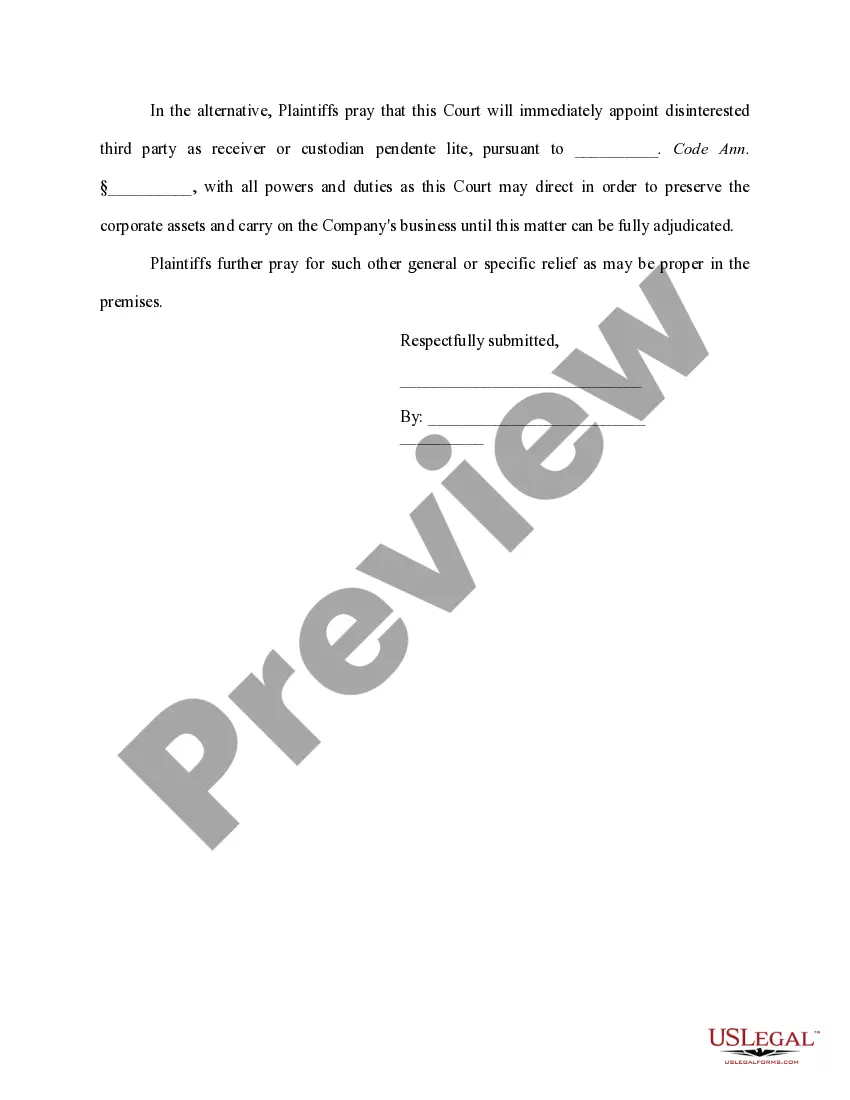
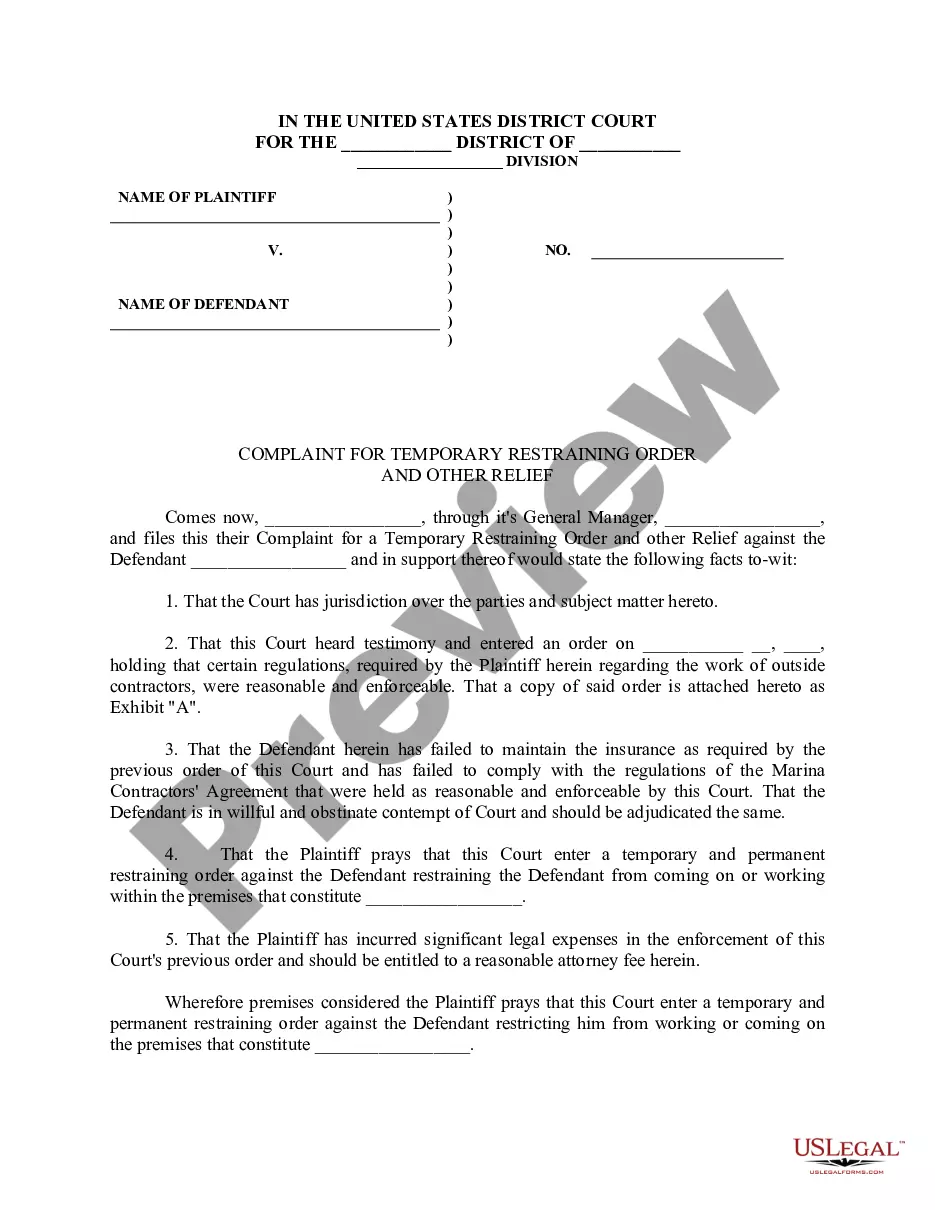
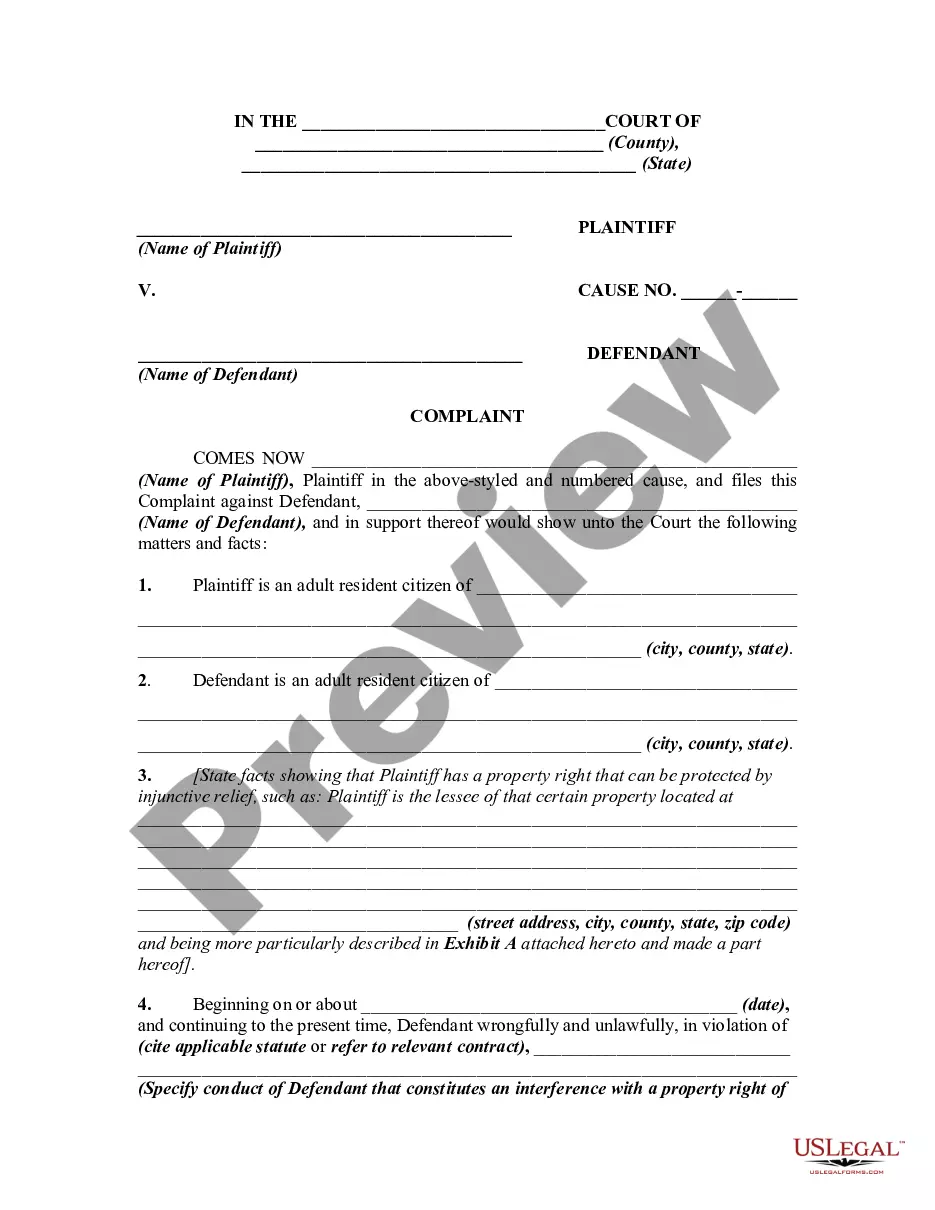
Review the document preview and descriptions to confirm that you’ve selected the correct form. Ensure that the form you select complies with the laws and regulations of your state and county. Select the appropriate subscription option to purchase the Restraining Protective Order Format. Download the document, then complete, validate, and print it. US Legal Forms has an impeccable reputation and over 25 years of experience. Join us today and make form execution a simple and efficient process!
- Utilize our site whenever you need trustworthy and dependable services to efficiently find and download the Restraining Protective Order Format.
- If you’re already familiar with our services and have set up an account, simply Log In, locate the form, and download it or re-download it at any time in the My documents section.
- Not registered yet? No worries. It takes minimal time to create your account and explore the library.
- However, before you rush to download the Restraining Protective Order Format, follow these suggestions.
Form popularity
FAQ
The standard for issuing a restraining order generally requires proof of imminent harm or threat. The petitioner must present evidence that demonstrates a reasonable fear for their safety. This evidence is crucial in ensuring that the restraining protective order format is adhered to effectively. If you need guidance in finding the right documentation, US Legal Forms provides comprehensive resources to assist you through each step.
A restraining order and a temporary protective order (TPO) serve similar purposes, but they differ in duration and process. A restraining order typically lasts longer and is issued after a court hearing, while a TPO provides immediate protection for a shorter period, often until a hearing can occur. Understanding these distinctions is crucial when preparing your restraining protective order format. For assistance, US Legal Forms offers templates that can help you navigate this process smoothly.
Qualifications for a restraining order in New Jersey arise from specific conduct that threatens your safety. Actions such as physical harm, threats of violence, or other forms of intimidation may qualify. If you believe you are in danger, it is crucial to document your experiences. The appropriate restraining protective order format can aid in clearly presenting your case to the court.
In New Jersey, various grounds can justify a restraining order. These include threats of violence, harassment, stalking, and other acts that cause fear for safety. Understanding these grounds can help you determine if your situation qualifies. Utilizing the proper restraining protective order format can clarify your circumstances and strengthen your request.
To obtain a restraining order, you need to prepare specific documents that reflect your situation. Explore the restraining protective order format, which will guide you through what information to include. You will typically need details about the person you are seeking protection from, instances of harm or harassment, and any evidence that supports your claim. Having all this ready improves your chances of a successful application.
In a written statement for a restraining protective order format, you should clearly outline your concerns and the events that led to your request. Include specific details such as dates, times, and descriptions of incidents to support your case. Additionally, highlight any patterns of behavior that indicate a need for protection. Using US Legal Forms can provide you with a structured format to ensure all necessary information is included effectively.
A restraining order and a protective order serve different purposes, although they are often confused. A restraining order typically addresses issues like harassment or stalking, while a protective order is commonly related to domestic violence cases. When seeking a restraining protective order format, it is crucial to understand the specific terms and requirements for your situation. Consulting a legal expert can help clarify the best approach for your needs.
Some common mistakes include failing to provide sufficient evidence or information in the restraining protective order format, which can weaken your case. Additionally, many people underestimate the importance of details, like timelines of incidents and precise descriptions of threats. Avoiding these errors can significantly improve your chances of a favorable outcome.
An example of a restraining order statement might start with, 'I am filing for a restraining order against Name due to repeated instances of harassment and threats.' Following that, include clear anecdotal evidence of incidents, supporting why you feel your safety is at risk. Utilizing the restraining protective order format can guide you in structuring this statement effectively.
To write a statement for a restraining order, start by clearly stating your intent and the specific reasons for the request. Use concise language to describe the events that led to your feelings of fear or intimidation, and ensure you include dates and details. Reference the restraining protective order format to ensure your statement meets all necessary legal criteria.