Restraining Permanent Order For Police
Description

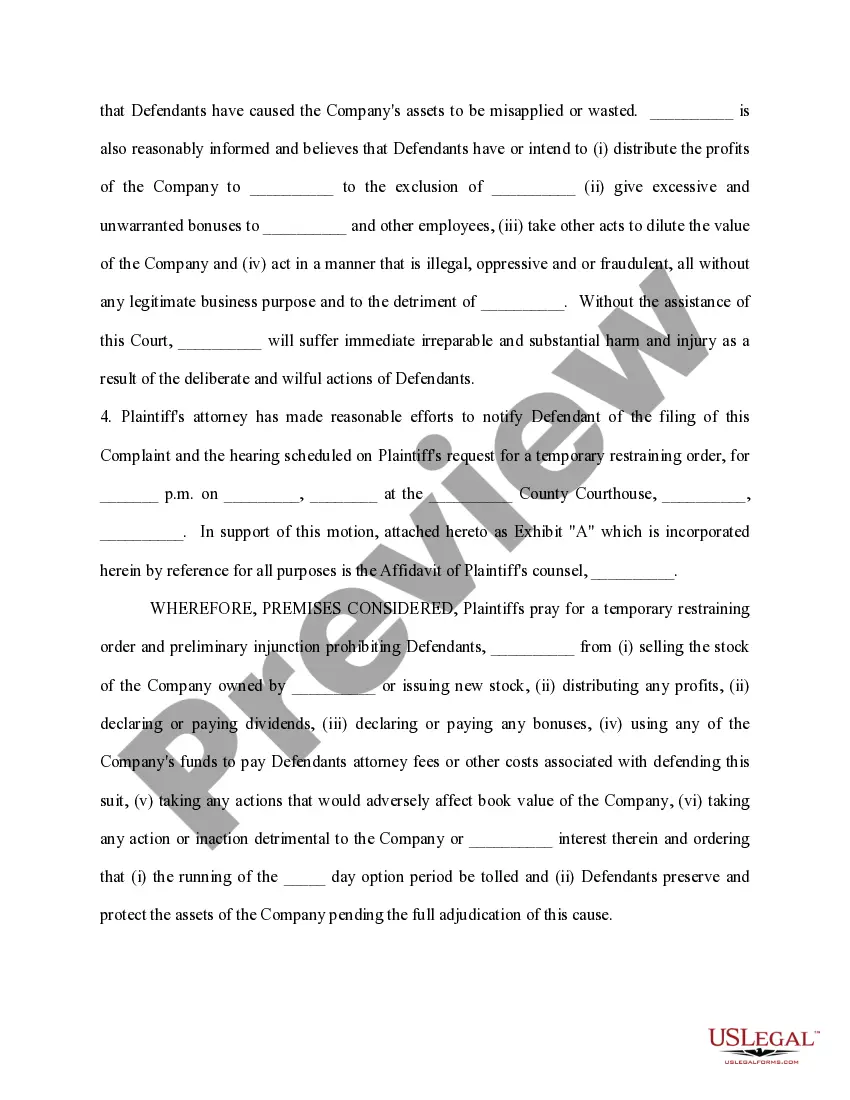
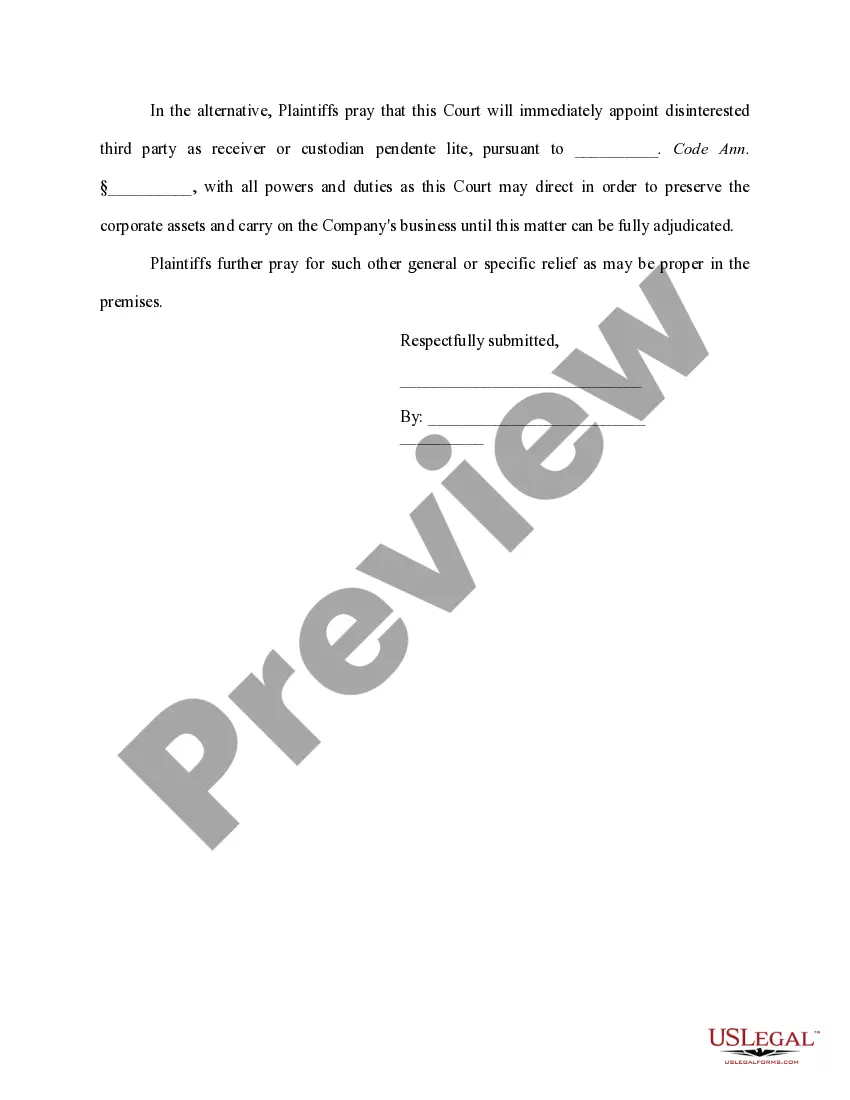

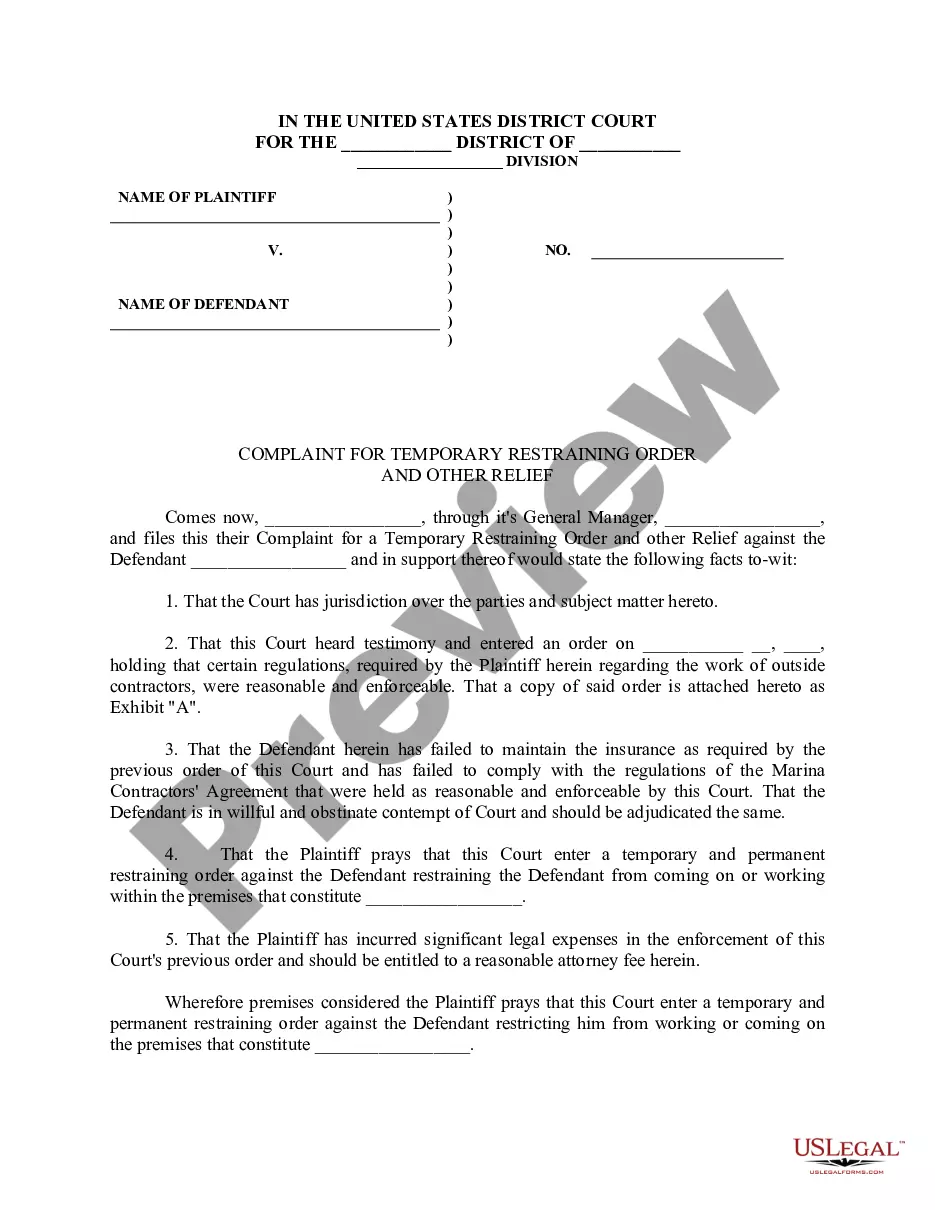
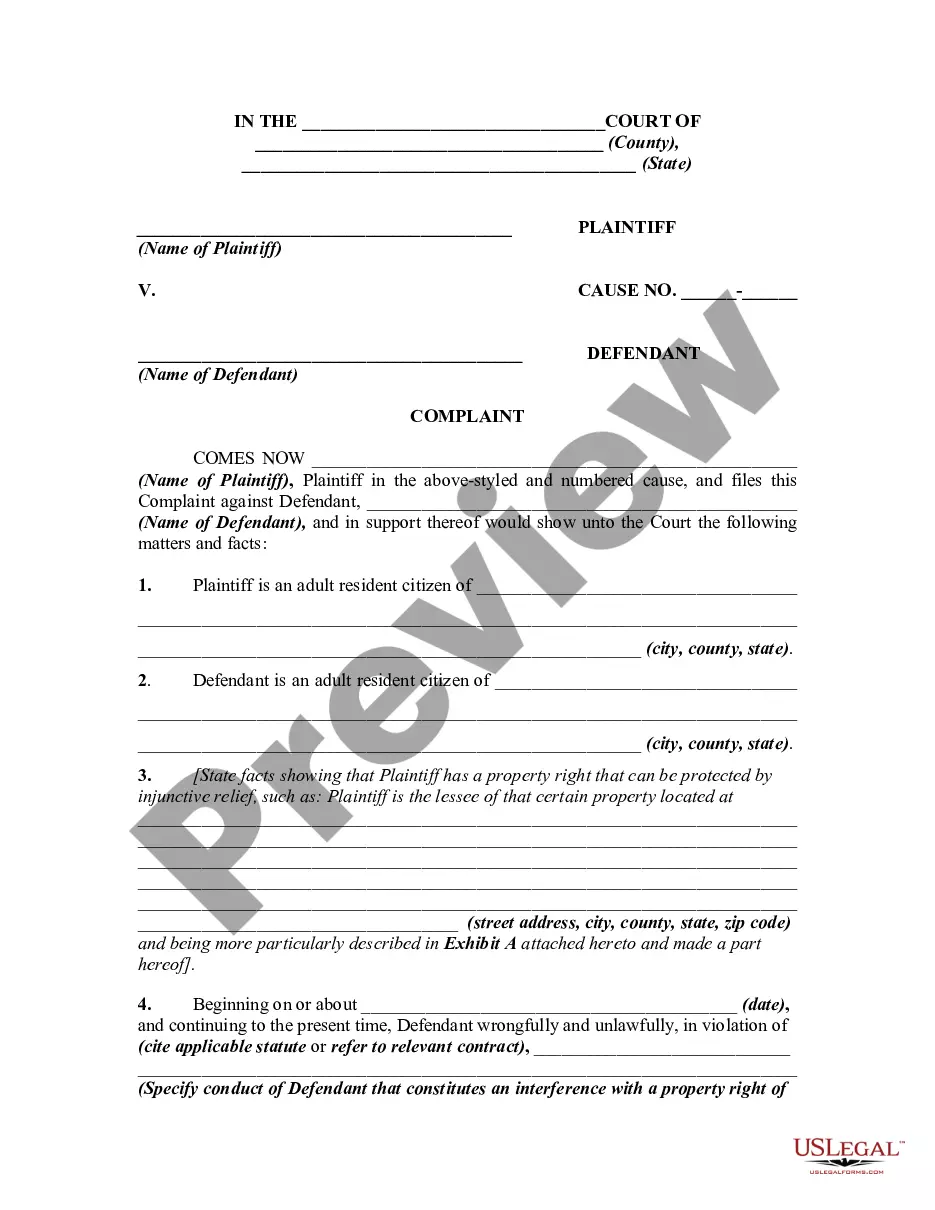
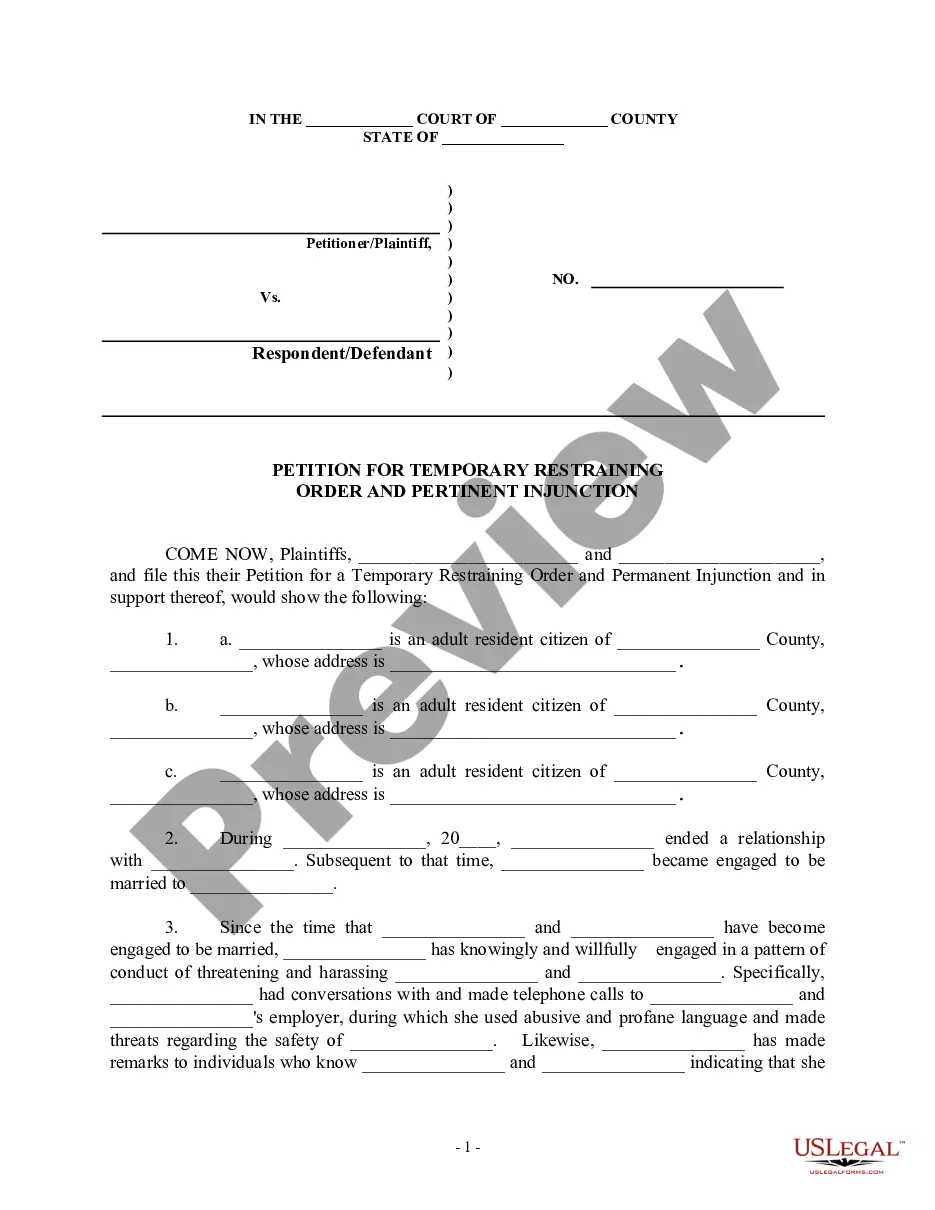

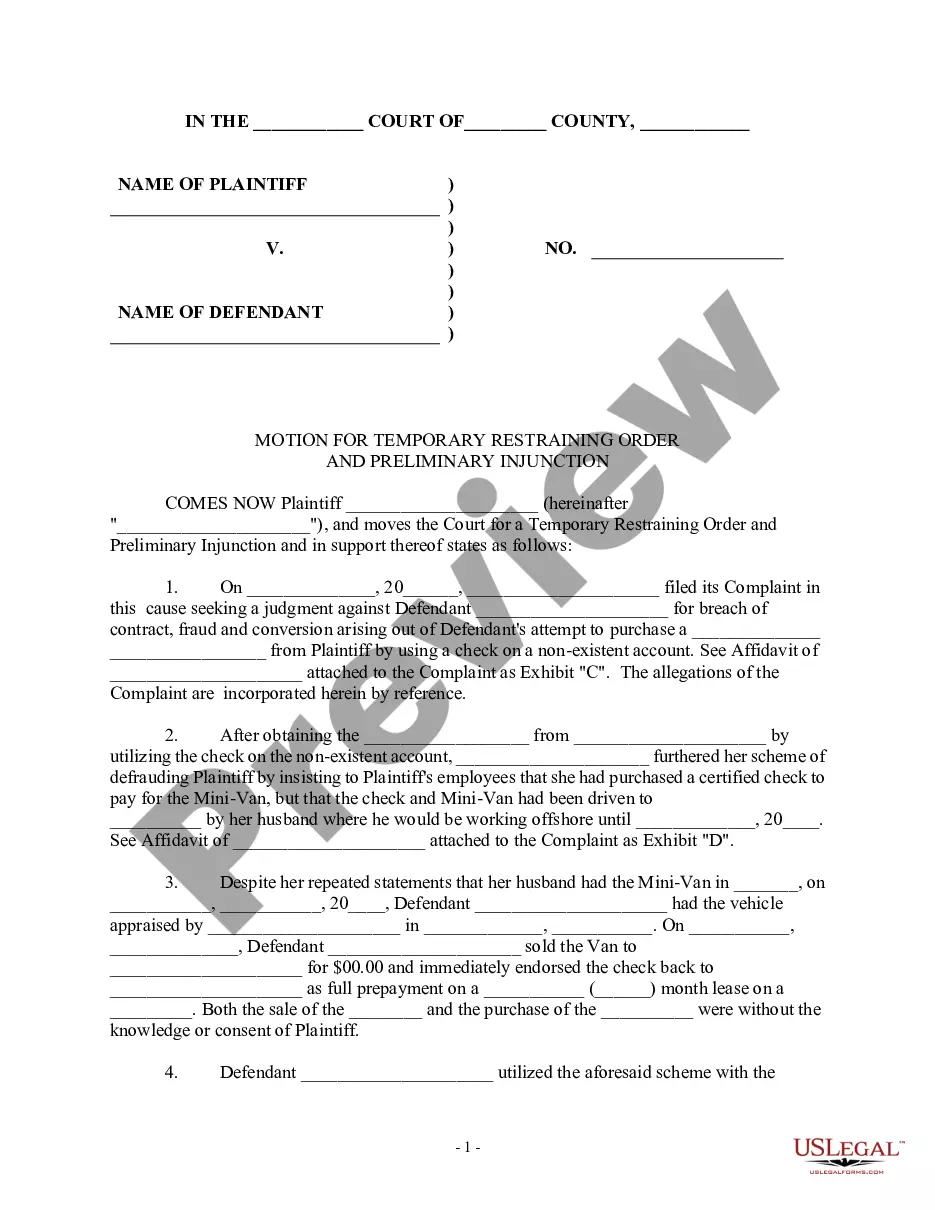
Get your form ready online
Our built-in tools help you complete, sign, share, and store your documents in one place.
Make edits, fill in missing information, and update formatting in US Legal Forms—just like you would in MS Word.
Download a copy, print it, send it by email, or mail it via USPS—whatever works best for your next step.
Sign and collect signatures with our SignNow integration. Send to multiple recipients, set reminders, and more. Go Premium to unlock E-Sign.
If this form requires notarization, complete it online through a secure video call—no need to meet a notary in person or wait for an appointment.
We protect your documents and personal data by following strict security and privacy standards.

Make edits, fill in missing information, and update formatting in US Legal Forms—just like you would in MS Word.

Download a copy, print it, send it by email, or mail it via USPS—whatever works best for your next step.

Sign and collect signatures with our SignNow integration. Send to multiple recipients, set reminders, and more. Go Premium to unlock E-Sign.

If this form requires notarization, complete it online through a secure video call—no need to meet a notary in person or wait for an appointment.

We protect your documents and personal data by following strict security and privacy standards.
Looking for another form?
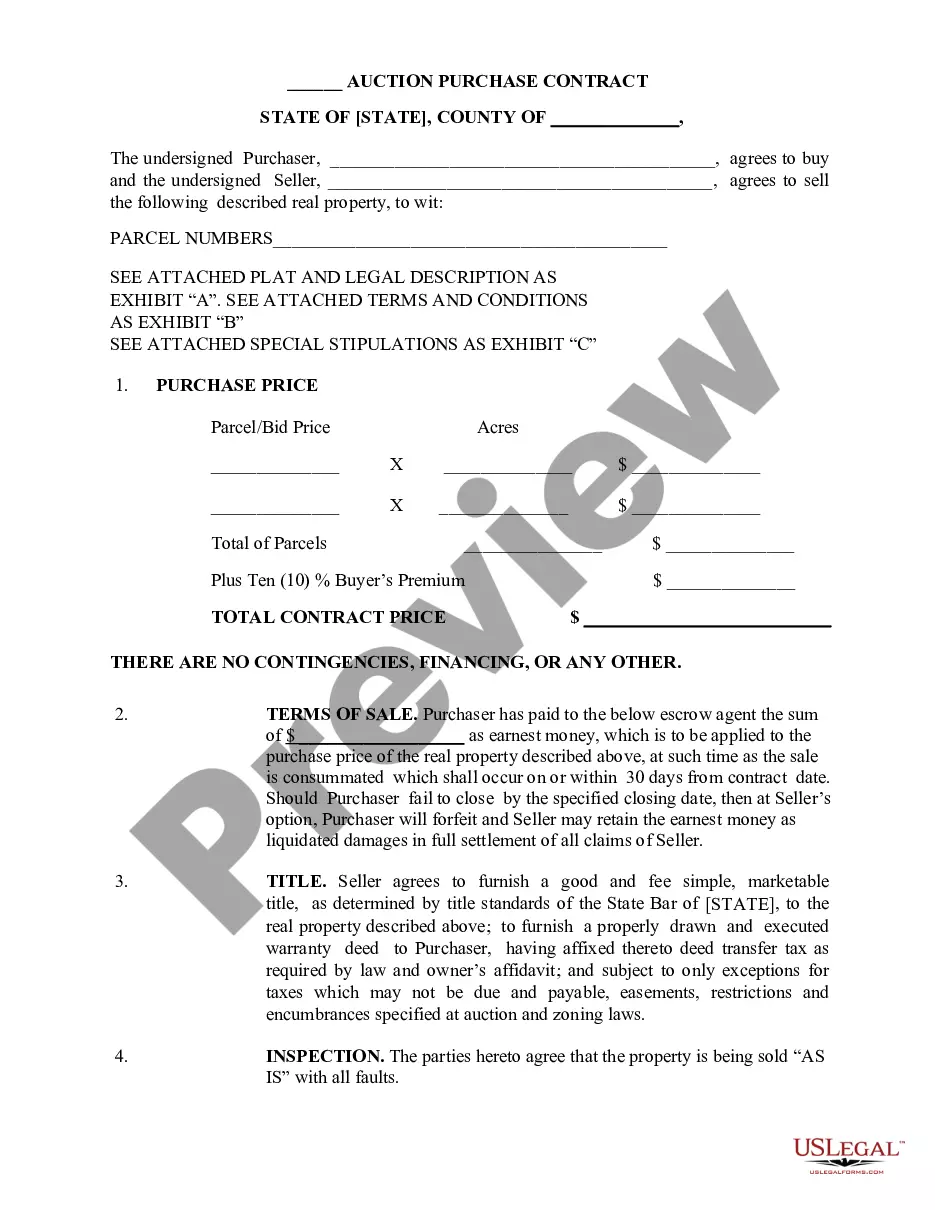


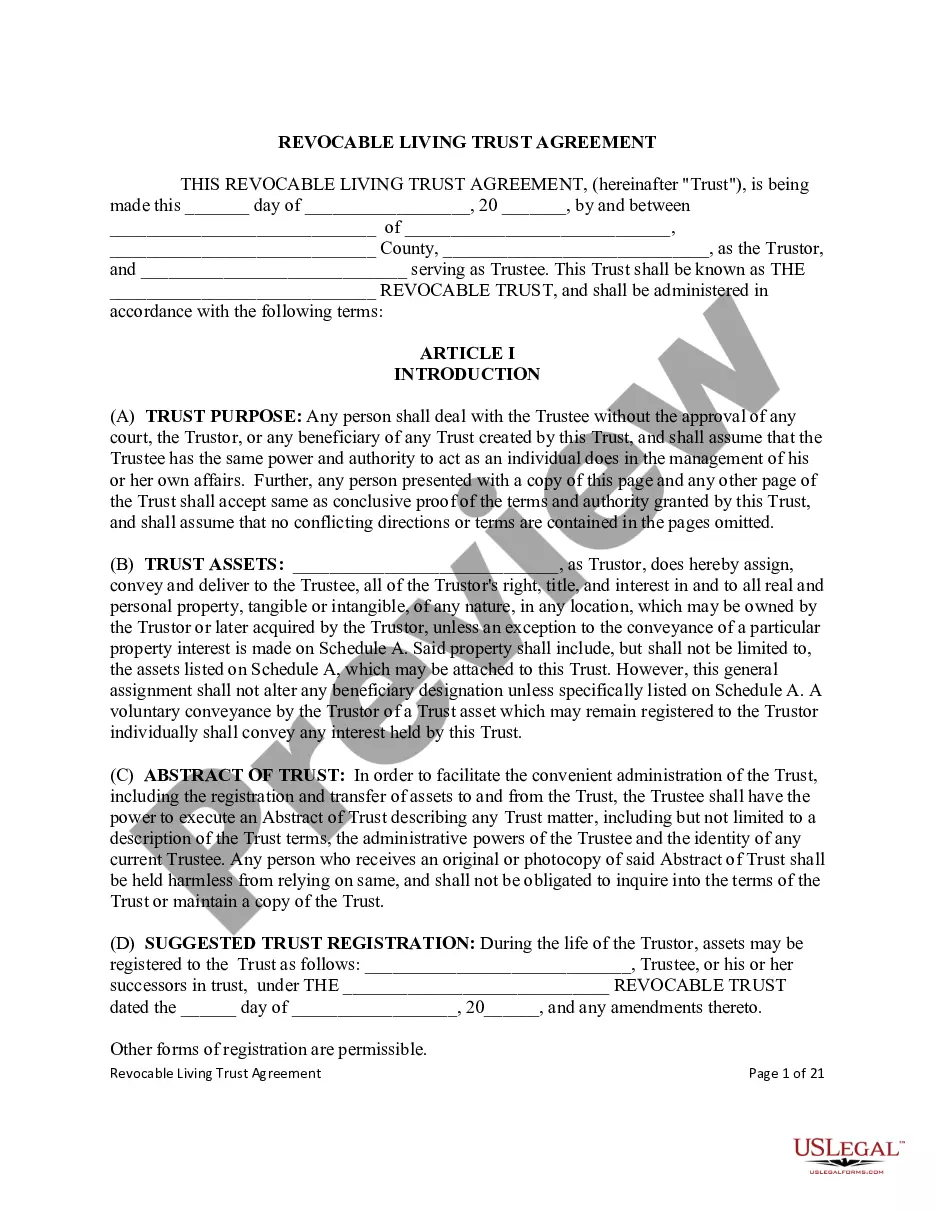
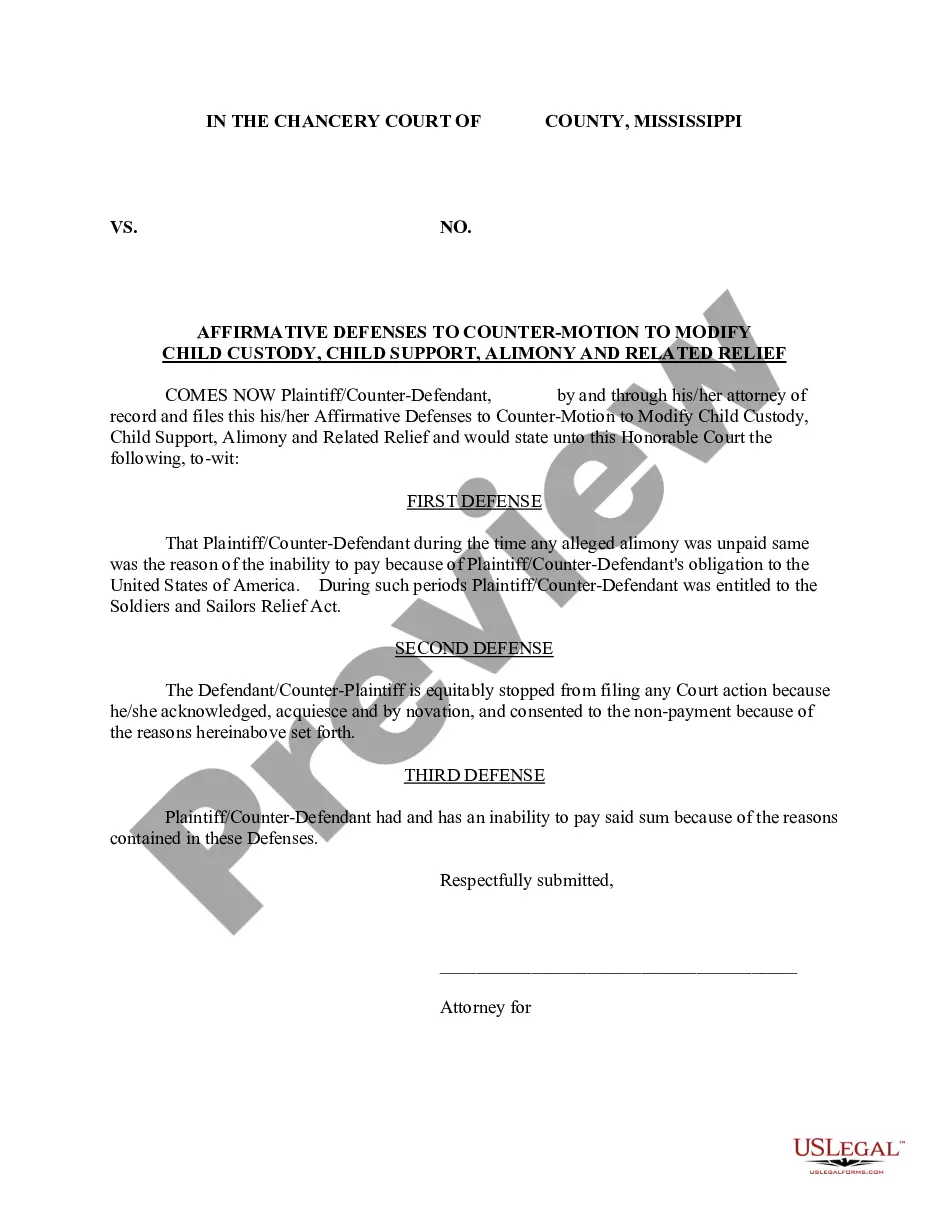




How to fill out Complaint For Temporary Restraining Order, Preliminary Injunction And Permanent Injunction?
Legal documentation administration can be perplexing, even for the most experienced experts.
When you are seeking a Restraining Permanent Order For Police and lack the time to search for the appropriate and updated version, the procedures can be overwhelming.
US Legal Forms meets all your requirements, from personal to business documentation, all in one location.
Utilize advanced features to complete and manage your Restraining Permanent Order For Police.
Here are the steps to follow after locating the form you need: Verify it is the correct document by previewing it and reviewing its details.
- Access a valuable repository of articles, guides, and resources pertinent to your situation and needs.
- Conserve time and effort searching for the documents you require, and make use of US Legal Forms’ advanced search and Review tool to find Restraining Permanent Order For Police and download it.
- If you have a subscription, Log In to your US Legal Forms account, search for the form, and download it.
- Check your My documents tab to view the documents you have previously saved and organize your folders as you wish.
- If it is your first encounter with US Legal Forms, create a complimentary account and gain unlimited access to all platform features.
- A comprehensive online form directory could be a significant improvement for anyone aiming to manage these circumstances effectively.
- US Legal Forms is a leading provider of online legal documentation, boasting over 85,000 state-specific legal forms available to you at any moment.
- With US Legal Forms, you can access legal and business documents specific to your state or county.
Form popularity
FAQ
Restraining orders may be made on conviction (section 360 SA 2020) or acquittal (section 5A PHA 1997) for any criminal offence.
The court can issue a restraining order if it thinks one is necessary, but usually it's up to prosecutors to ask the court for one. You should tell the police officer looking after your case or the prosecutor if you want a restraining order.
A court before which a person is acquitted of an offence may make a restraining order if the court considers that it is necessary to protect a person from harassment by the defendant (Protection from Harassment Act 1997, s.
In order to get a restraining order against someone, you must: report them to the police, and. then take them to court.
Any person convicted or acquitted of a criminal offence can be subject to a restraining order. This means that such orders can be imposed even if the defendant is found not guilty by the judge.