Restraining File With Child
Description

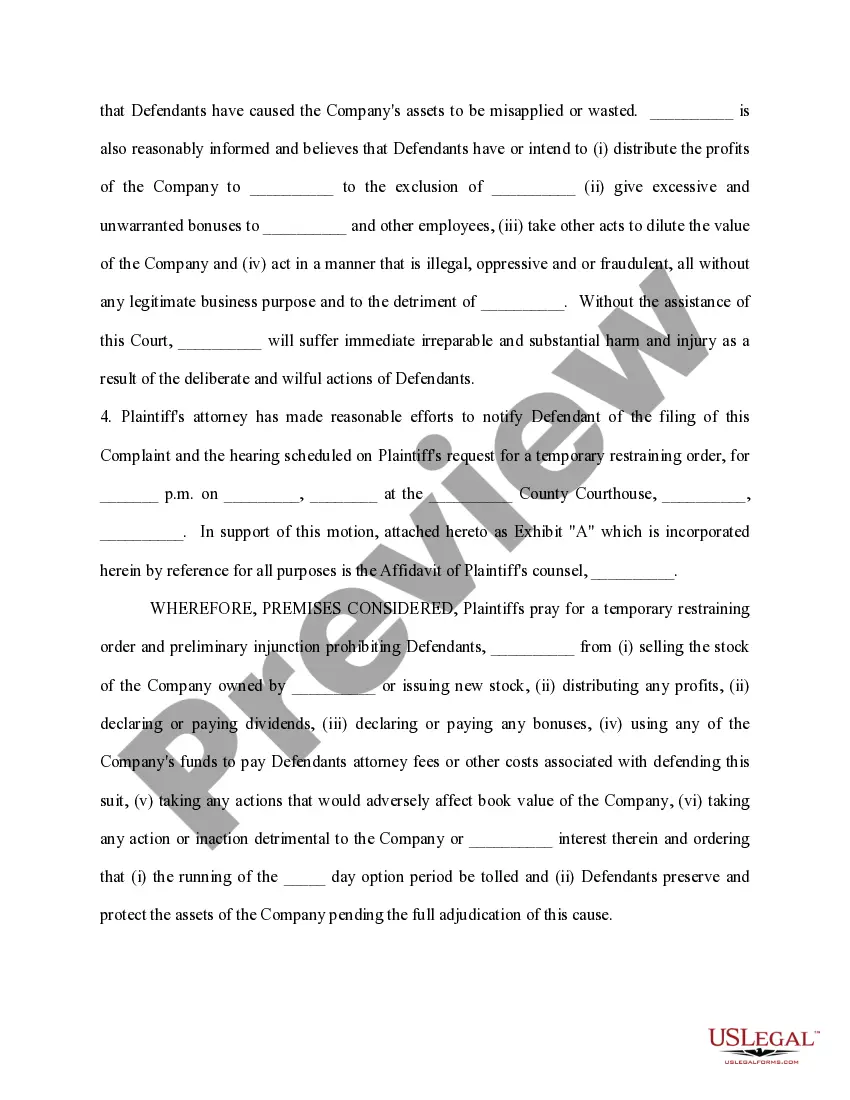
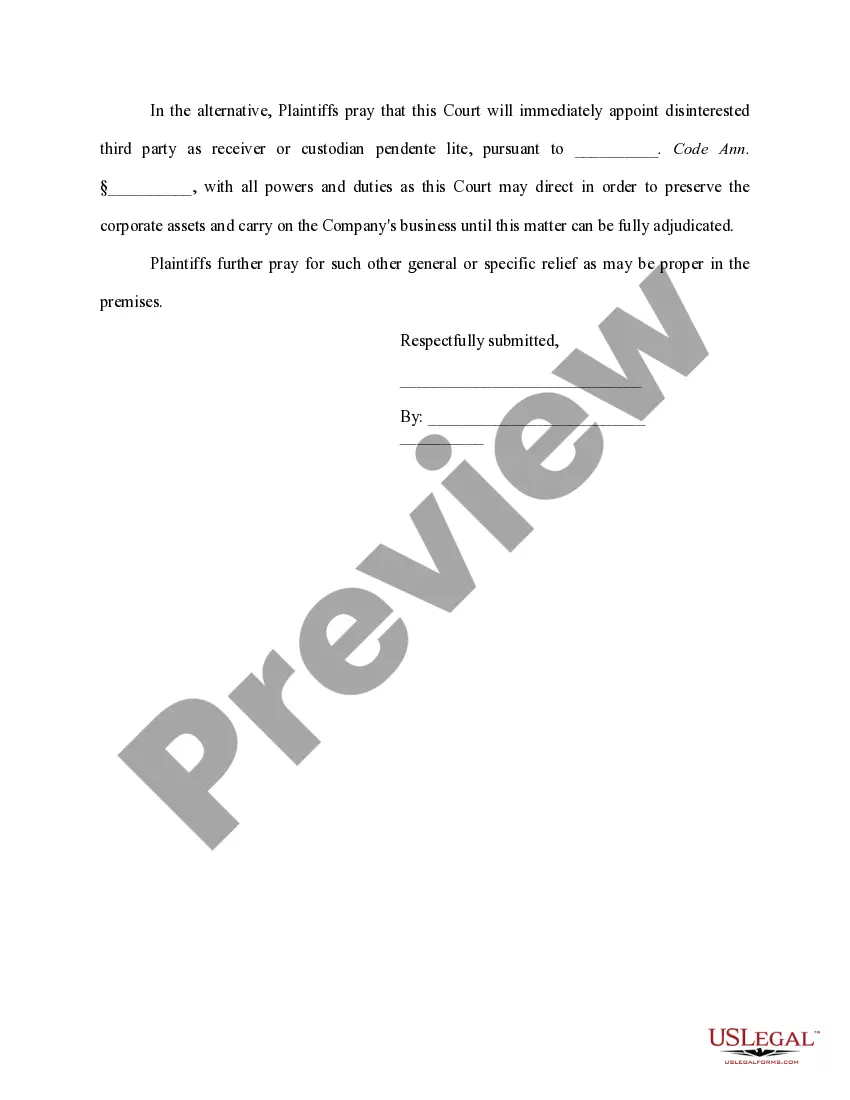

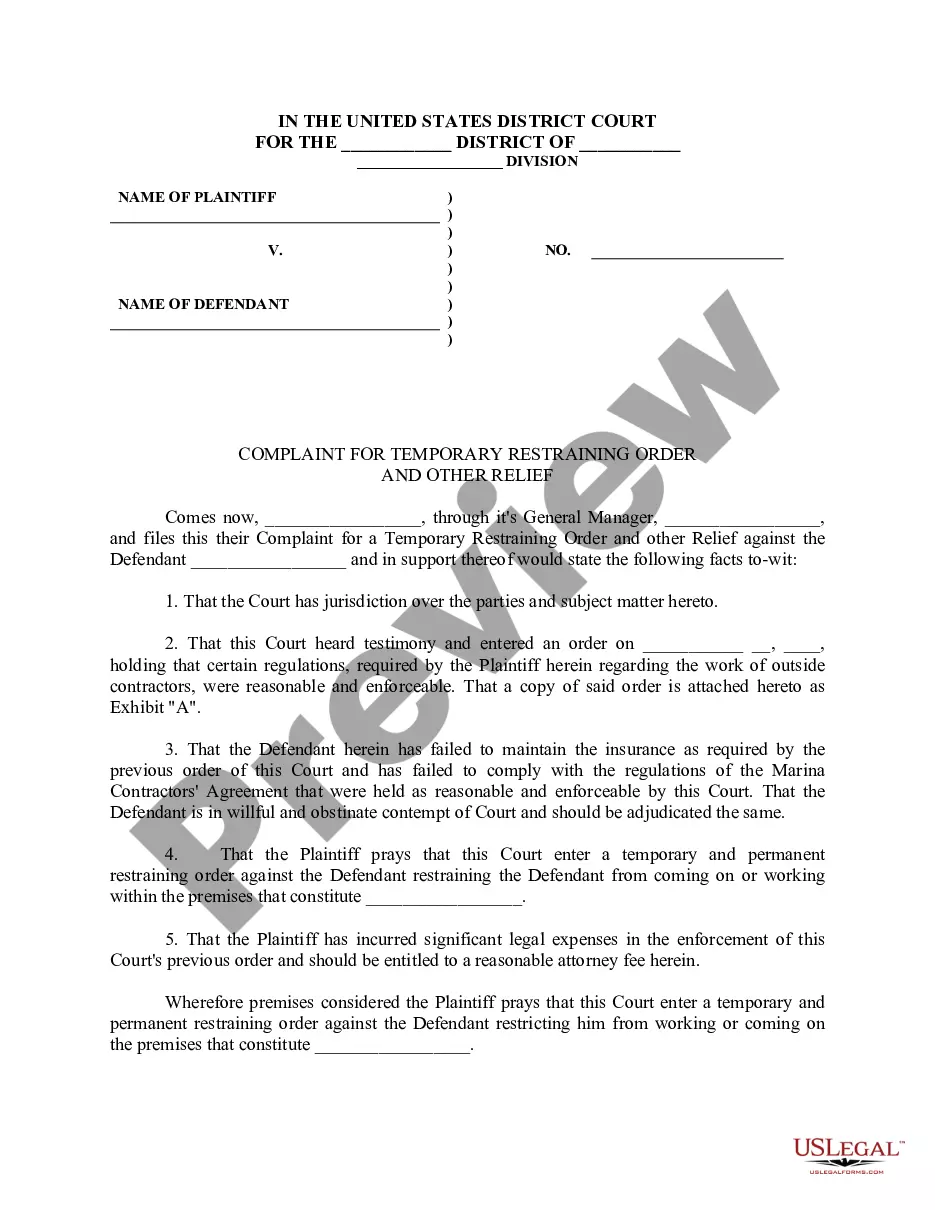
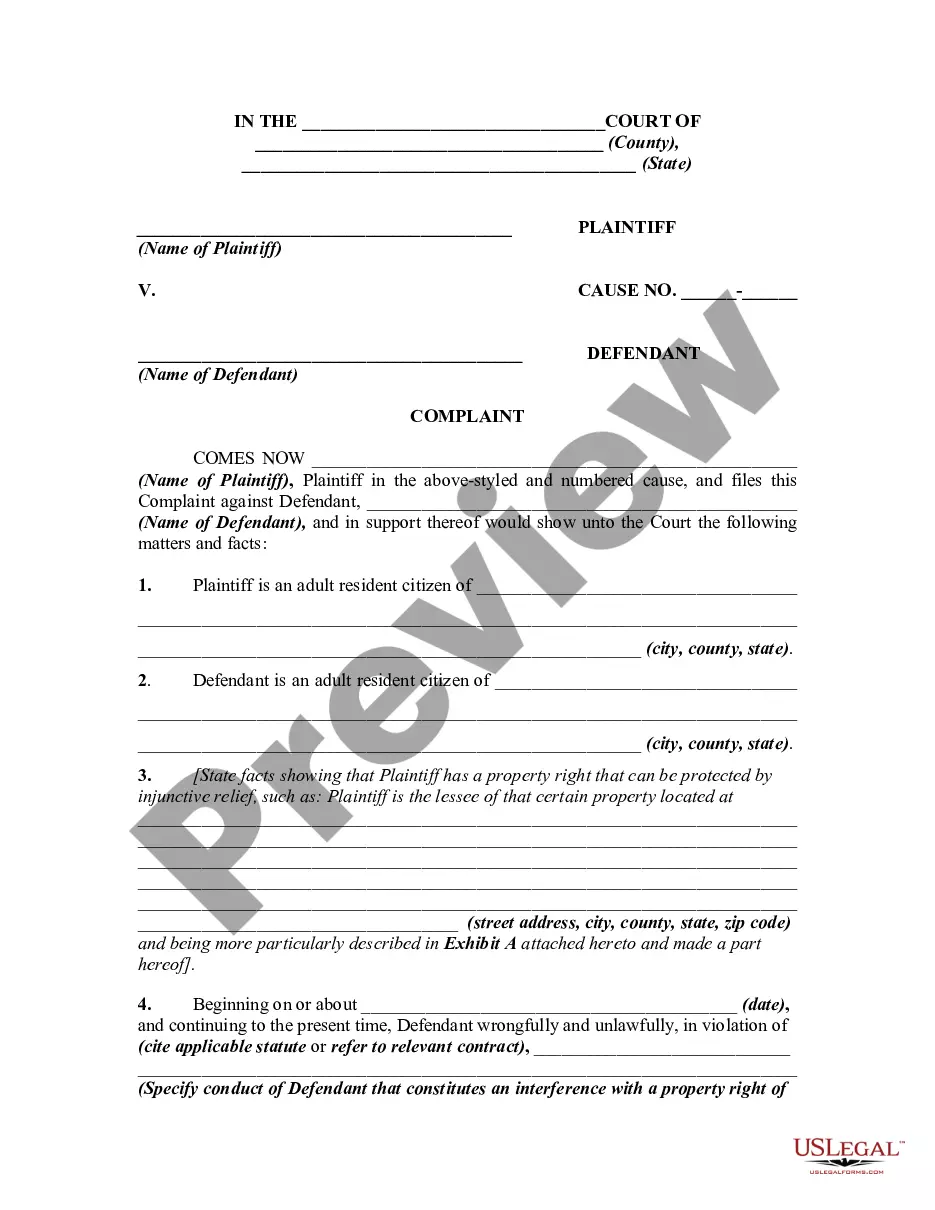
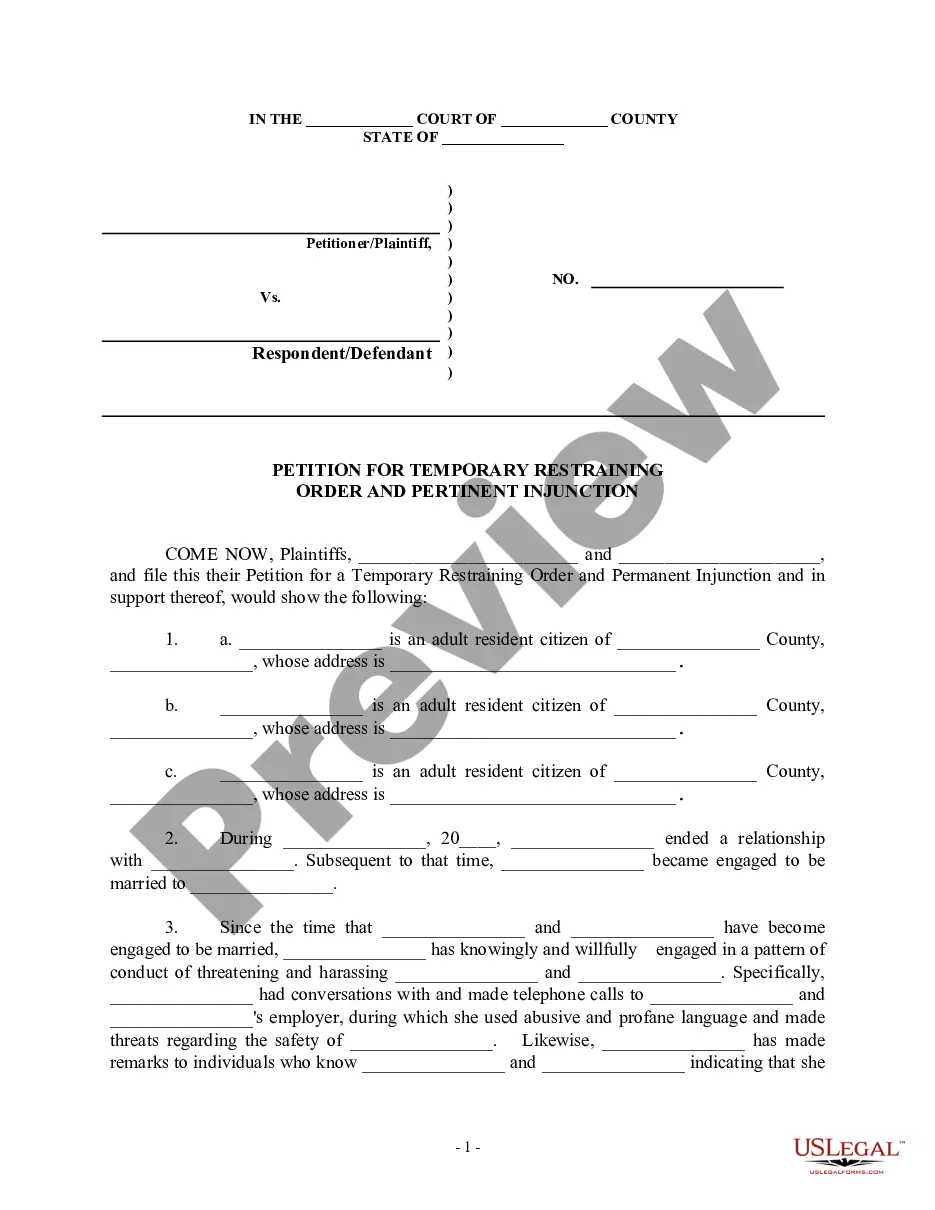

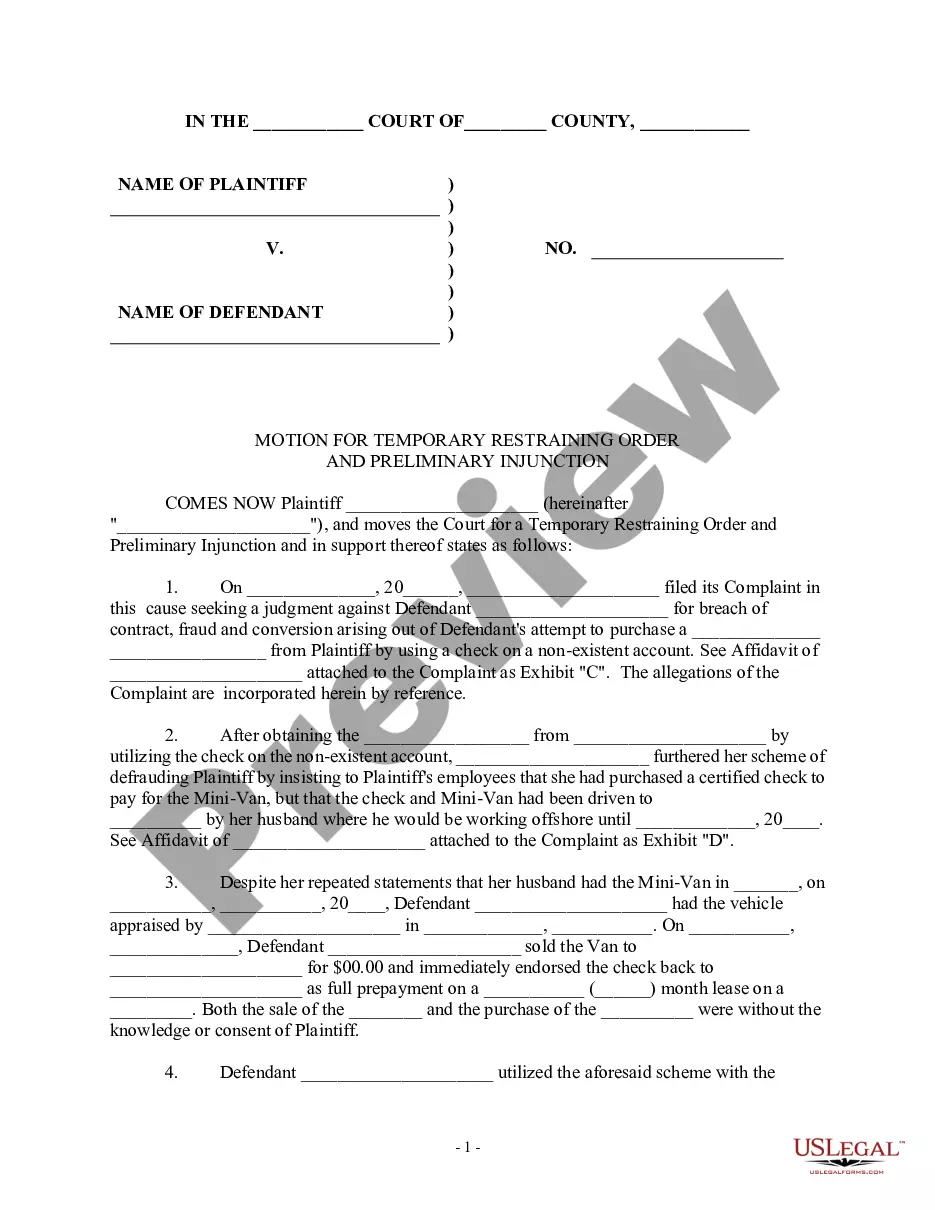
Get your form ready online
Our built-in tools help you complete, sign, share, and store your documents in one place.
Make edits, fill in missing information, and update formatting in US Legal Forms—just like you would in MS Word.
Download a copy, print it, send it by email, or mail it via USPS—whatever works best for your next step.
Sign and collect signatures with our SignNow integration. Send to multiple recipients, set reminders, and more. Go Premium to unlock E-Sign.
If this form requires notarization, complete it online through a secure video call—no need to meet a notary in person or wait for an appointment.
We protect your documents and personal data by following strict security and privacy standards.

Make edits, fill in missing information, and update formatting in US Legal Forms—just like you would in MS Word.

Download a copy, print it, send it by email, or mail it via USPS—whatever works best for your next step.

Sign and collect signatures with our SignNow integration. Send to multiple recipients, set reminders, and more. Go Premium to unlock E-Sign.

If this form requires notarization, complete it online through a secure video call—no need to meet a notary in person or wait for an appointment.

We protect your documents and personal data by following strict security and privacy standards.
Looking for another form?




How to fill out Complaint For Temporary Restraining Order, Preliminary Injunction And Permanent Injunction?
The Restraining Document Involving Child that you observe on this page is a versatile legal template crafted by experienced attorneys in accordance with federal and state regulations.
For over 25 years, US Legal Forms has supplied individuals, businesses, and lawyers with more than 85,000 validated, state-specific documents for any business and personal need. It’s the quickest, simplest, and most reliable method to acquire the paperwork you require, as the service ensures the utmost level of data security and anti-malware safeguards.
Subscribe to US Legal Forms to have verified legal templates for all of life’s circumstances readily available.
- Examine the document you require and review it.
- Look through the file you searched and preview it or check the form description to confirm it meets your requirements. If it doesn't, use the search feature to find the appropriate one. Click Buy Now when you have found the template you seek.
- Register and Log In.
- Select the pricing option that fits your needs and create an account. Use PayPal or a credit card for a swift payment. If you already possess an account, Log In and verify your subscription to continue.
- Obtain the editable template.
- Choose the format you prefer for your Restraining Document Involving Child (PDF, Word, RTF) and download the sample onto your device.
- Fill out and sign the document.
- Print the template to complete it manually. Alternatively, utilize an online multifunctional PDF editor to quickly and accurately fill out and sign your form with a valid signature.
- Redownload your documents as needed.
- Access the same document again whenever necessary. Open the My documents tab in your profile to redownload any previously saved forms.
Form popularity
FAQ
A restraining file with child addresses the safety of both you and your child. It outlines specific conditions that the other parent must follow regarding contact and visitation. Courts often factor in the child's best interests, ensuring any arrangements do not compromise their safety. Understanding these dynamics is vital, and resources like USLegalForms can provide clarity on how to navigate these complex situations effectively.
Filling out a restraining file with child requires careful attention to detail. Start by gathering all necessary information about yourself, the other party, and the specific incidents that prompted the request. Clearly outline your concerns and the type of protection you seek. Using platforms like USLegalForms can simplify this process, offering guided templates to ensure you include all essential elements.
Many individuals seeking a restraining file with child make critical errors. Often, they fail to provide sufficient evidence to justify the need for protection. Additionally, some overlook the importance of including all relevant details about the relationship with the other parent. Lastly, misunderstanding the legal requirements can lead to delays and complications in the process.
Co-parenting with a restraining order can be challenging, but it's essential to prioritize the child's well-being. Establish clear communication methods that comply with the terms of the restraining file with child. Use mediation services if necessary to facilitate discussions about parenting plans. Keeping a consistent routine for the child can also help maintain stability during this time.
The first step in filing a restraining order, especially when children are involved, is to gather your documentation. You will need to provide evidence of the situation that necessitates the restraining file with child. Next, visit your local courthouse to obtain the necessary forms. Completing these forms accurately is crucial, as they initiate the legal process.
The order may prohibit the offender from doing anything for the purpose of protecting the victim of the offence, or any other person mentioned in the order, from further conduct which amounts to harassment or will cause a fear of violence. The order may have effect for a specified period or until further order.
You can also request a protective order via the Juvenile and Domestic Relations District Court if either the petitioner (person requesting the protective order) or the respondent (person committing acts of violence or threatening behavior) is under the age of 18.
An anti-harassment order of protection is available to anyone who is seriously alarmed, annoyed or harassed by conduct that ?serves no legitimate or lawful purpose,? regardless of whether he or she has a relationship with the harasser.
The temporary order lasts for 14 days or until the full court hearing and it can be extended once for 14 days if the respondent could not be served or if the parties consent. A final domestic abuse restraining order, also called an injunction, will last for up to four years.
A parent may petition on their child's behalf for an anti-harassment protection order. A parent's ability to seek a protection order against another child, however, is more limited. In such cases, the other child must have been ?adjudicated of? or investigated for an offense against the protected child.