Examples Of Legal Brief
Description
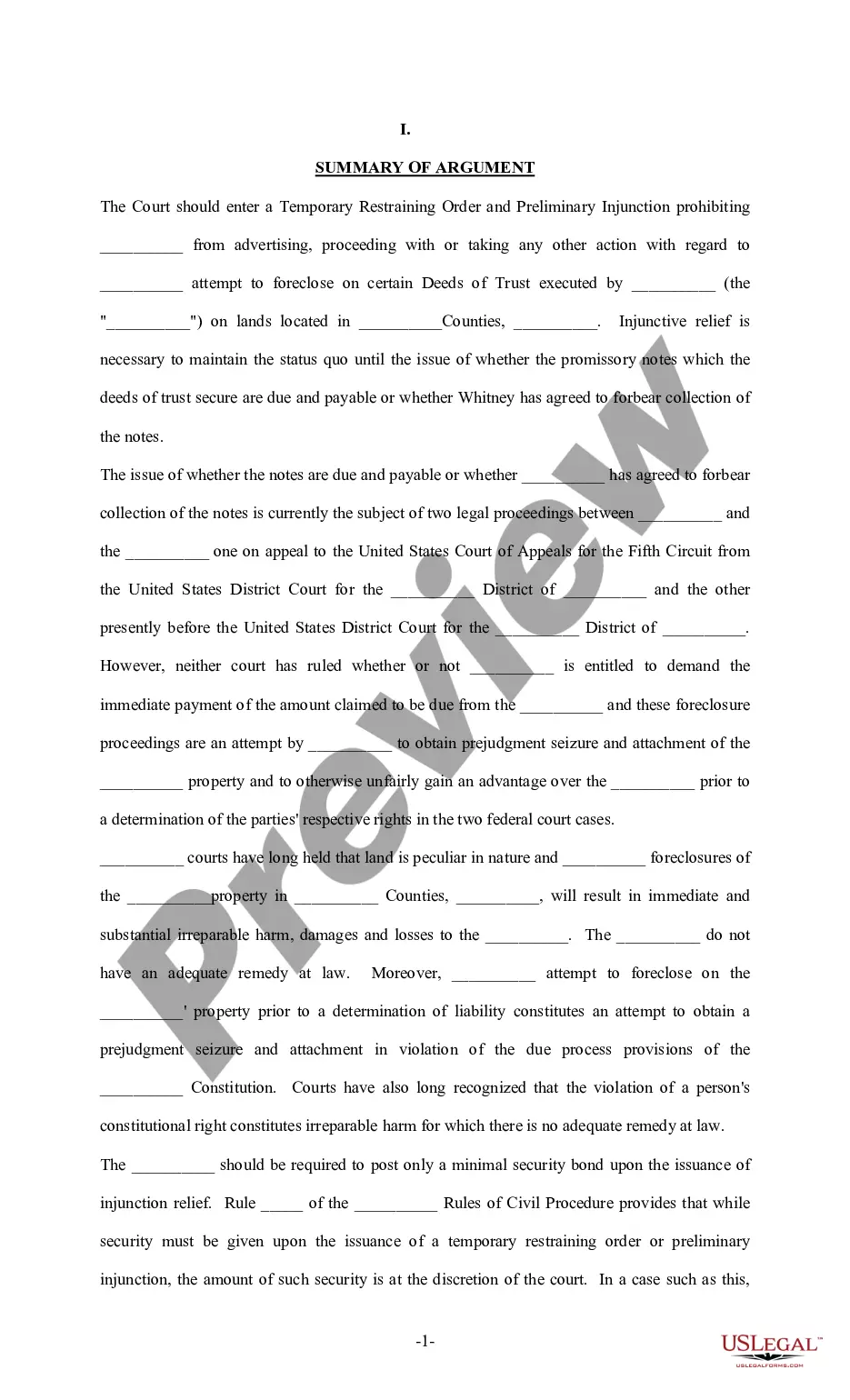
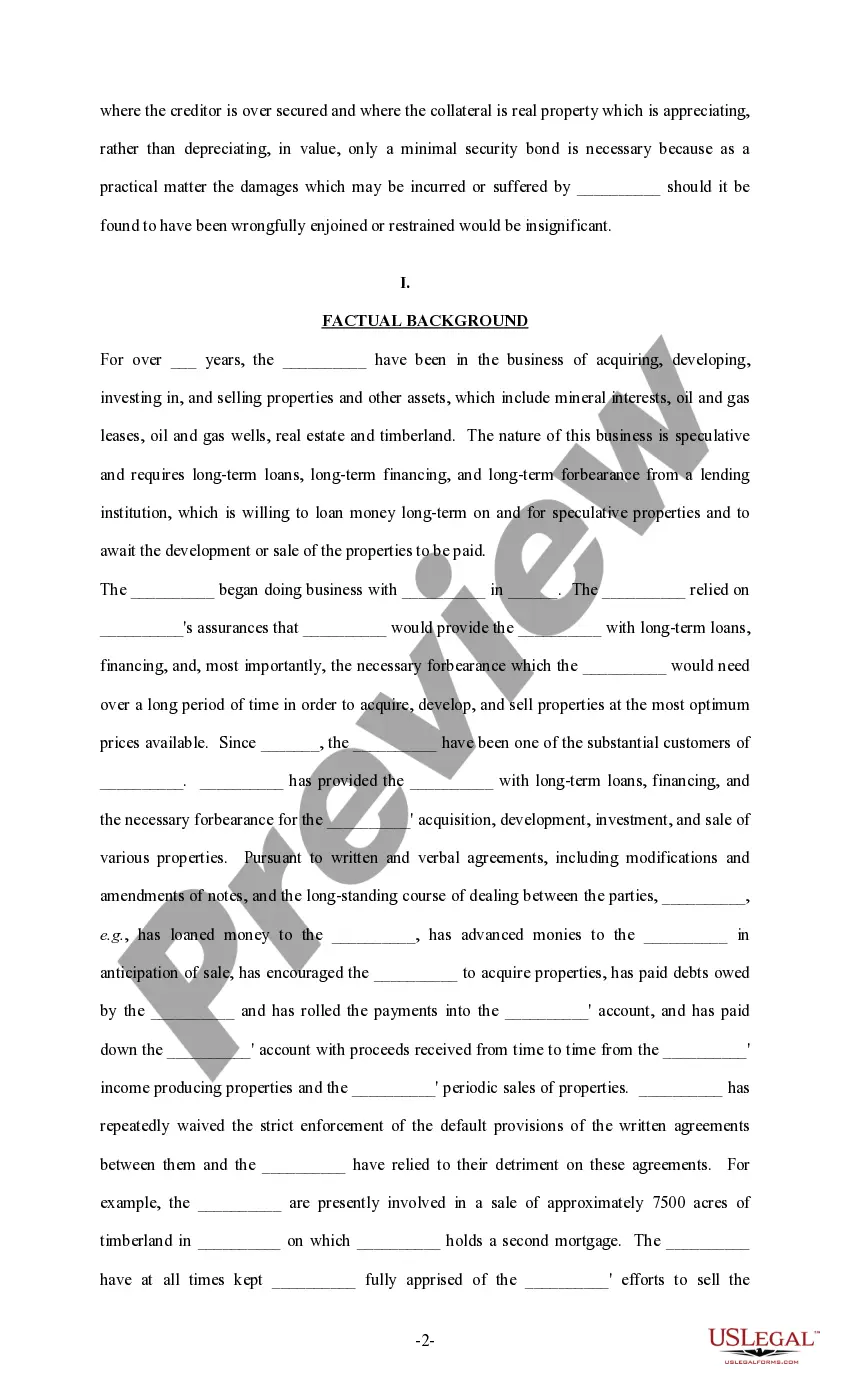
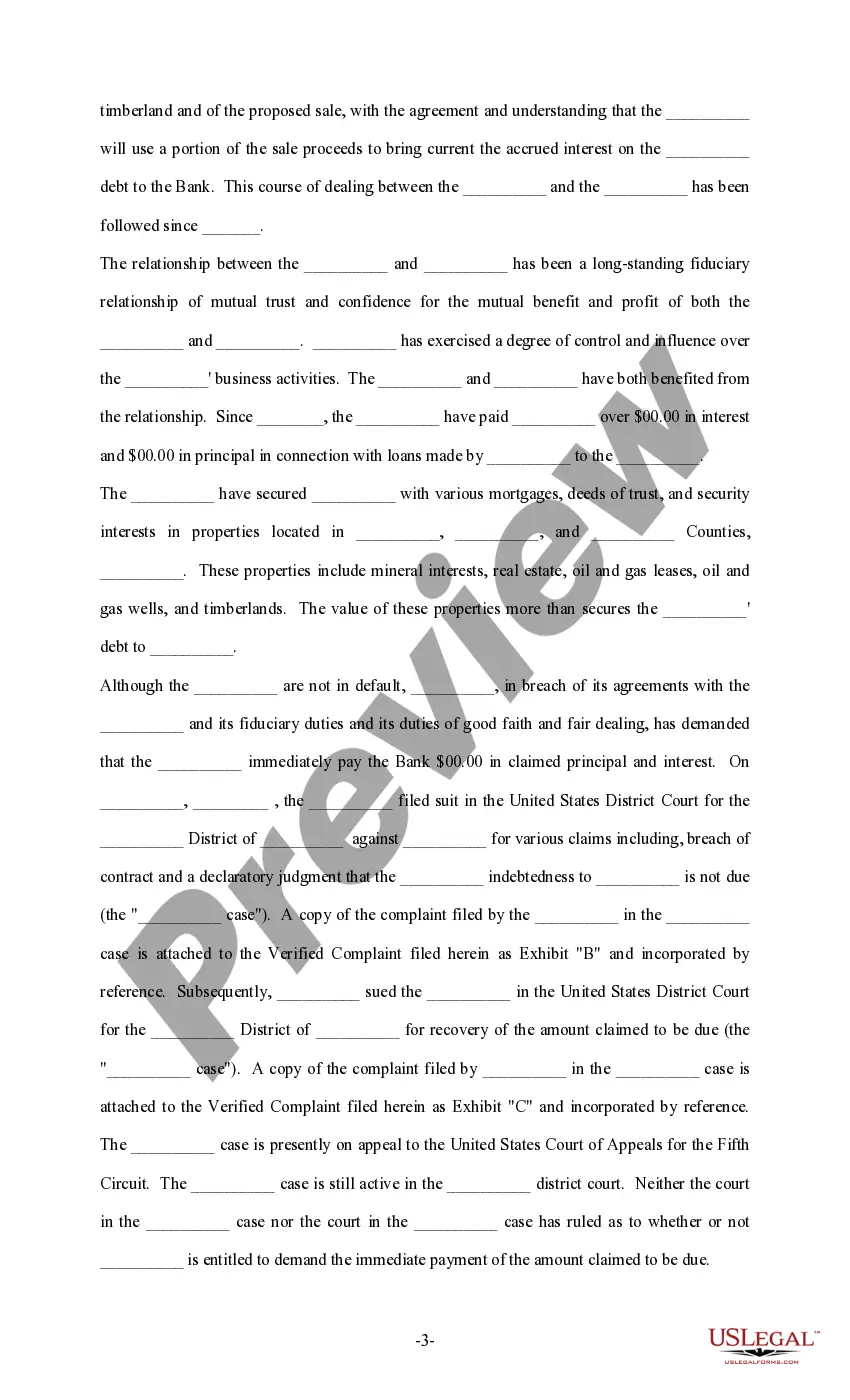
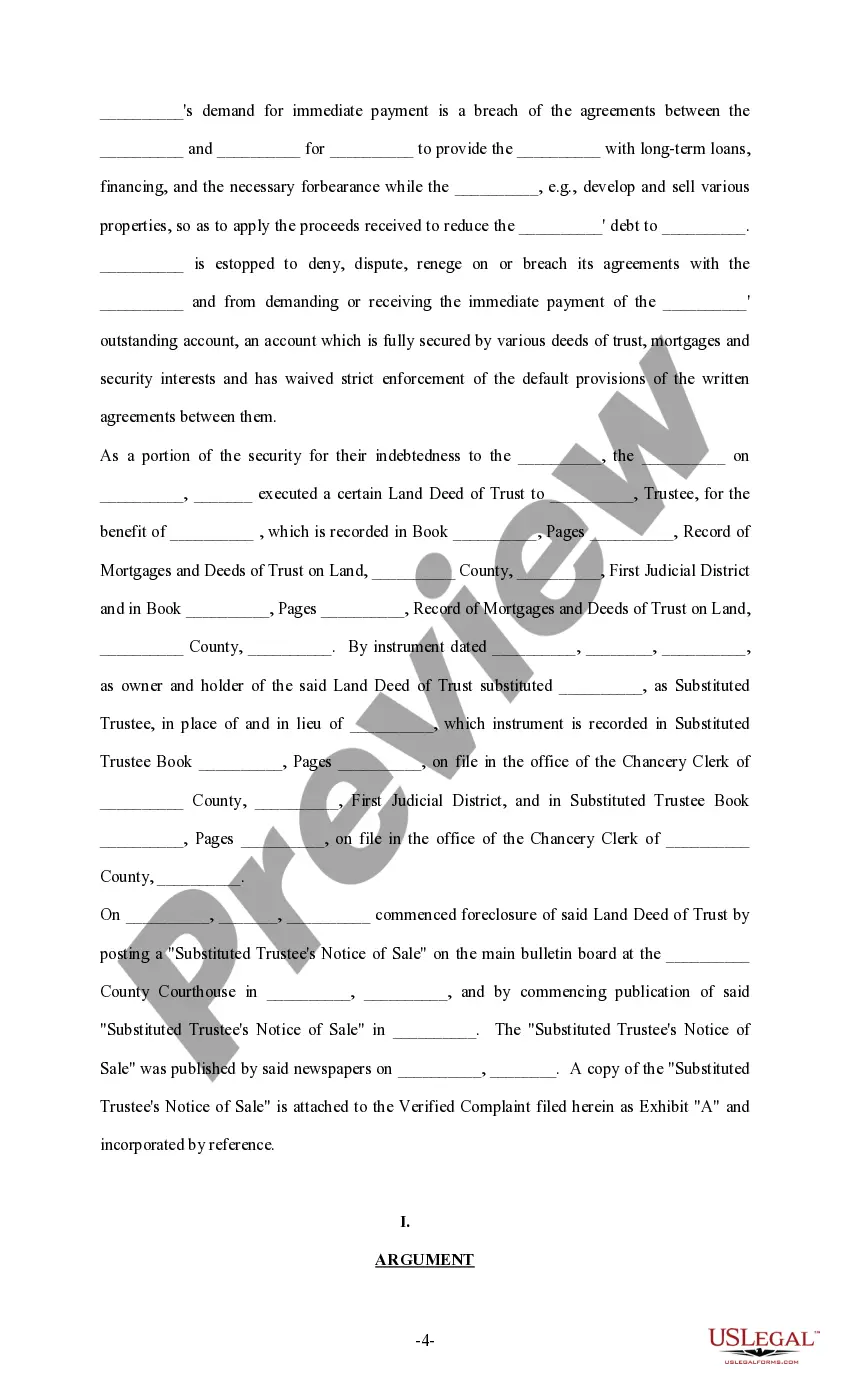
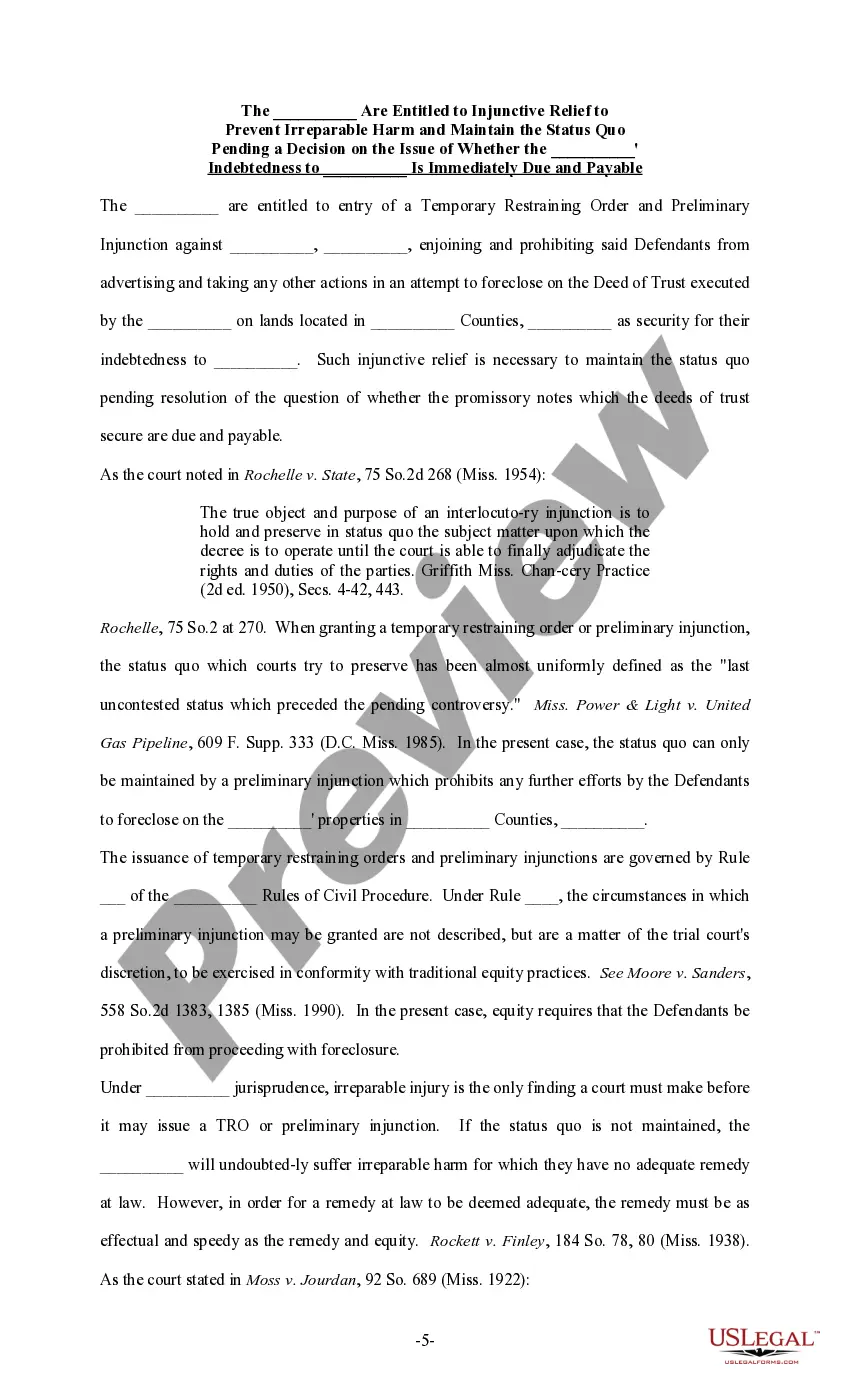
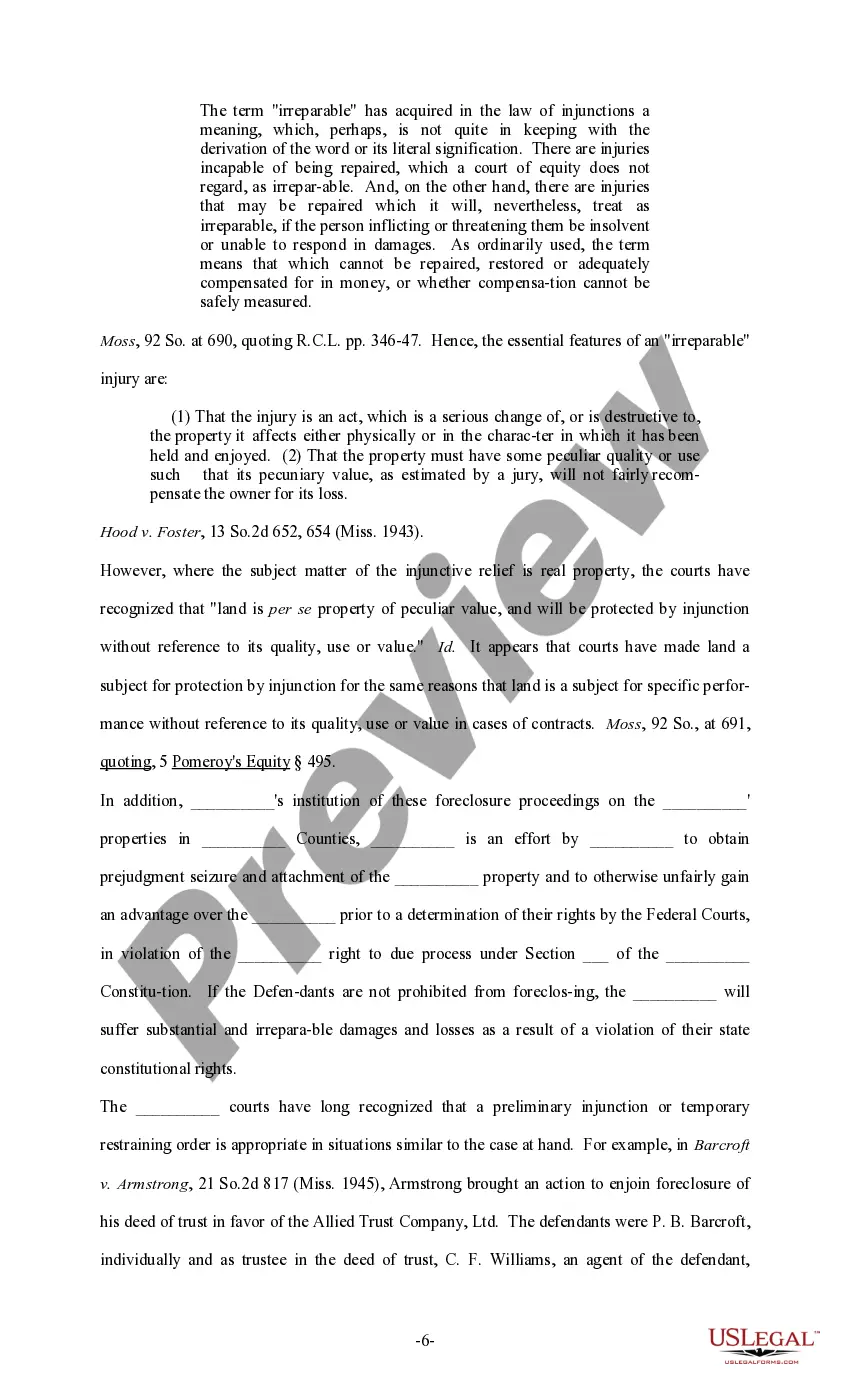
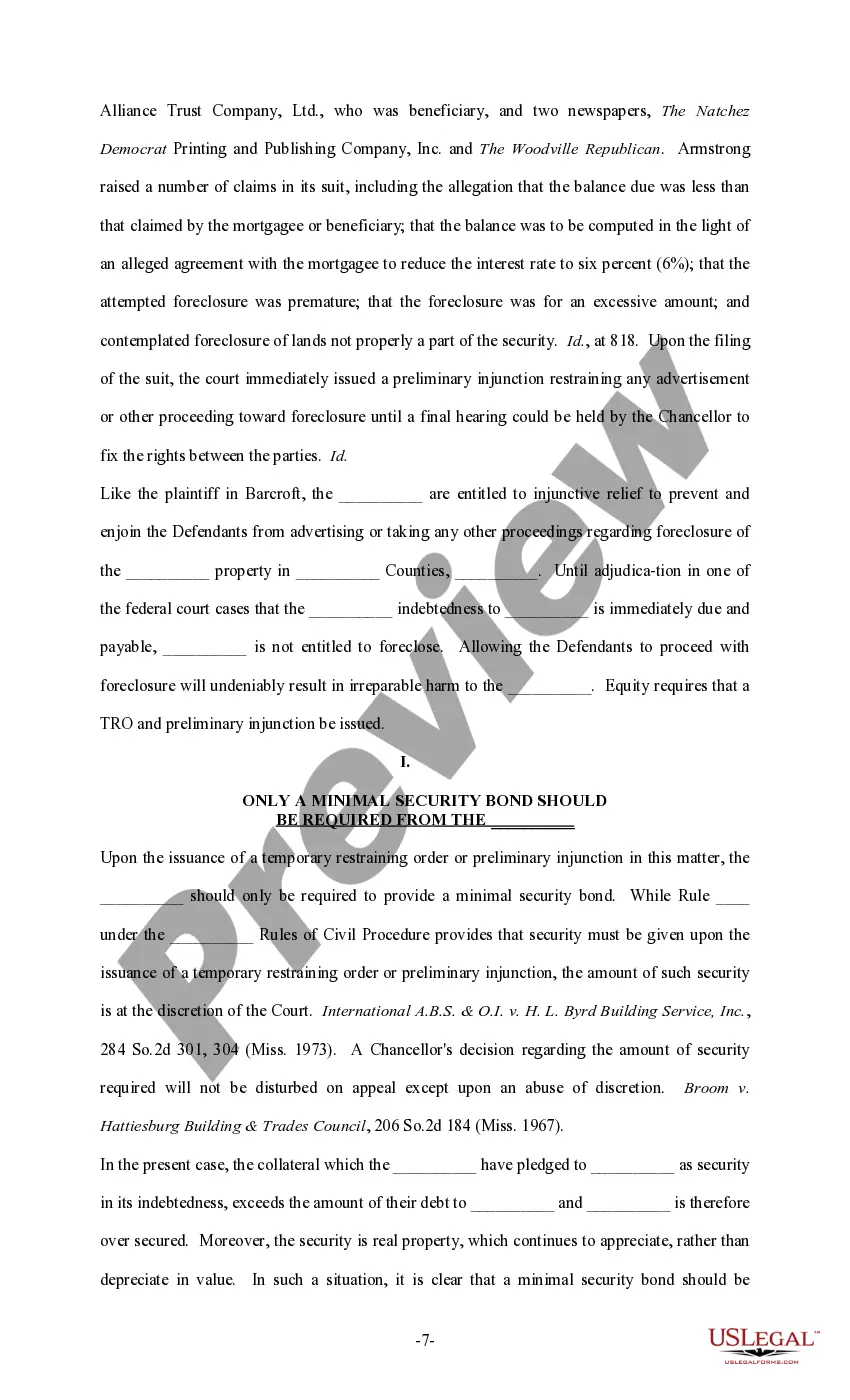
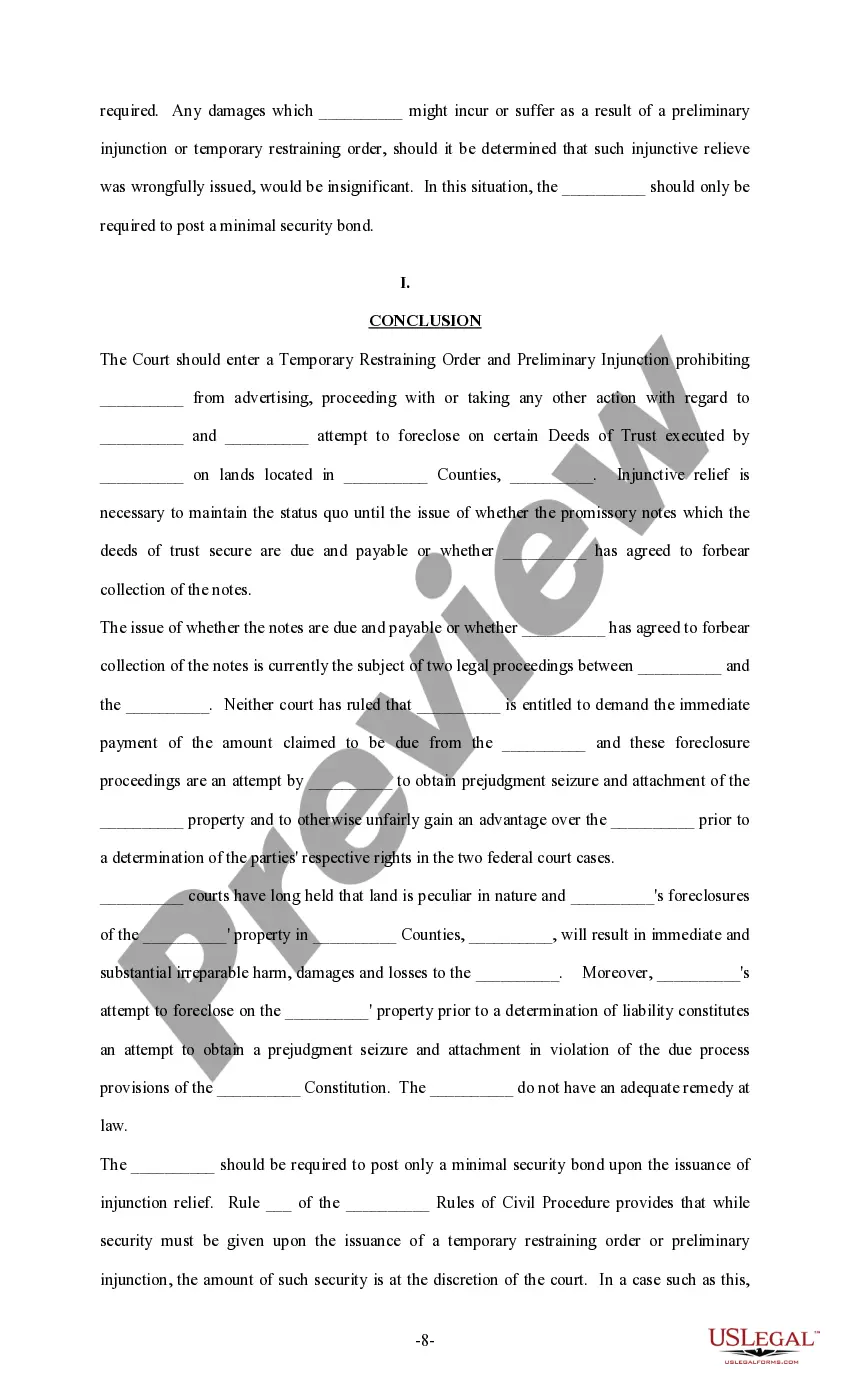
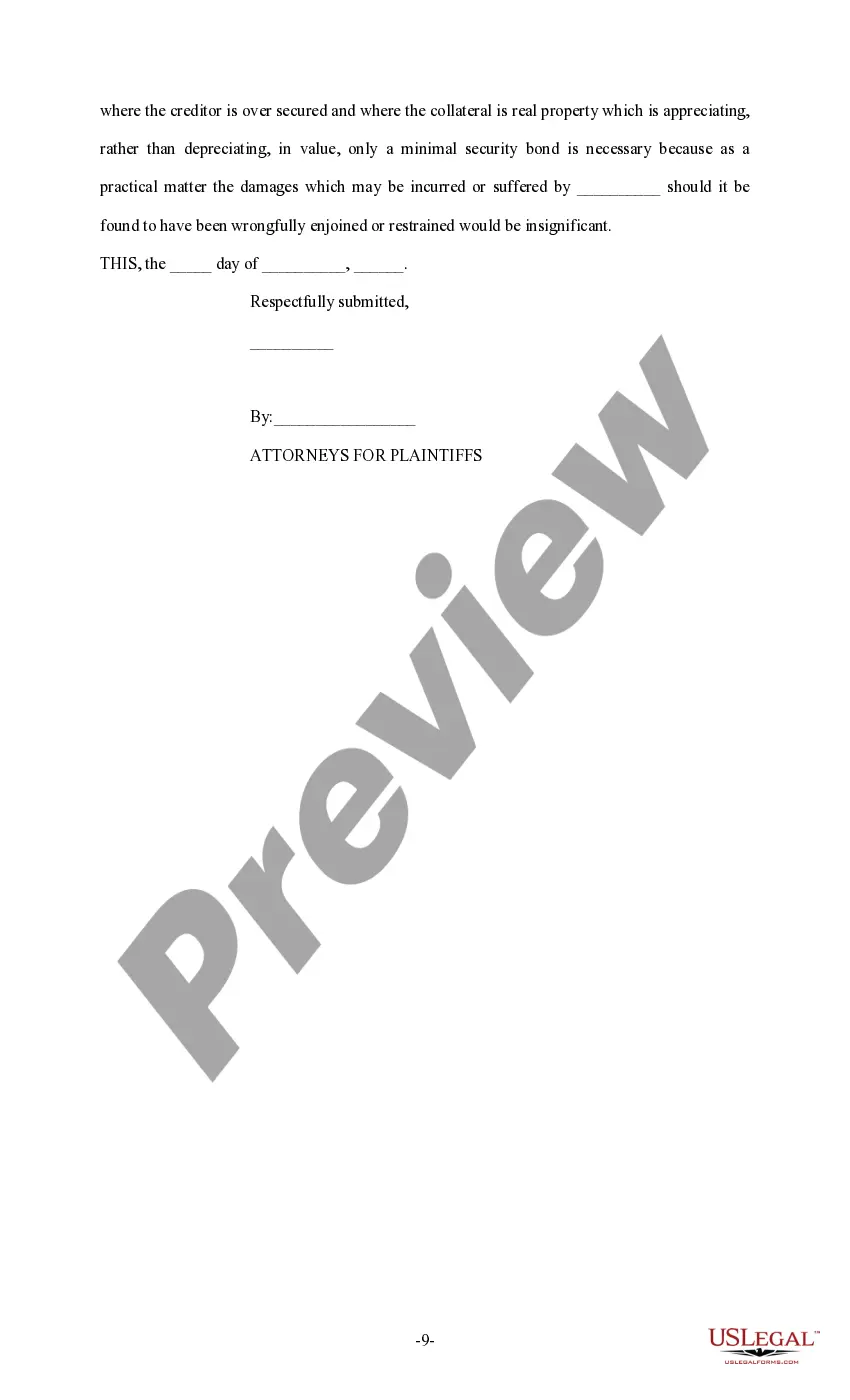
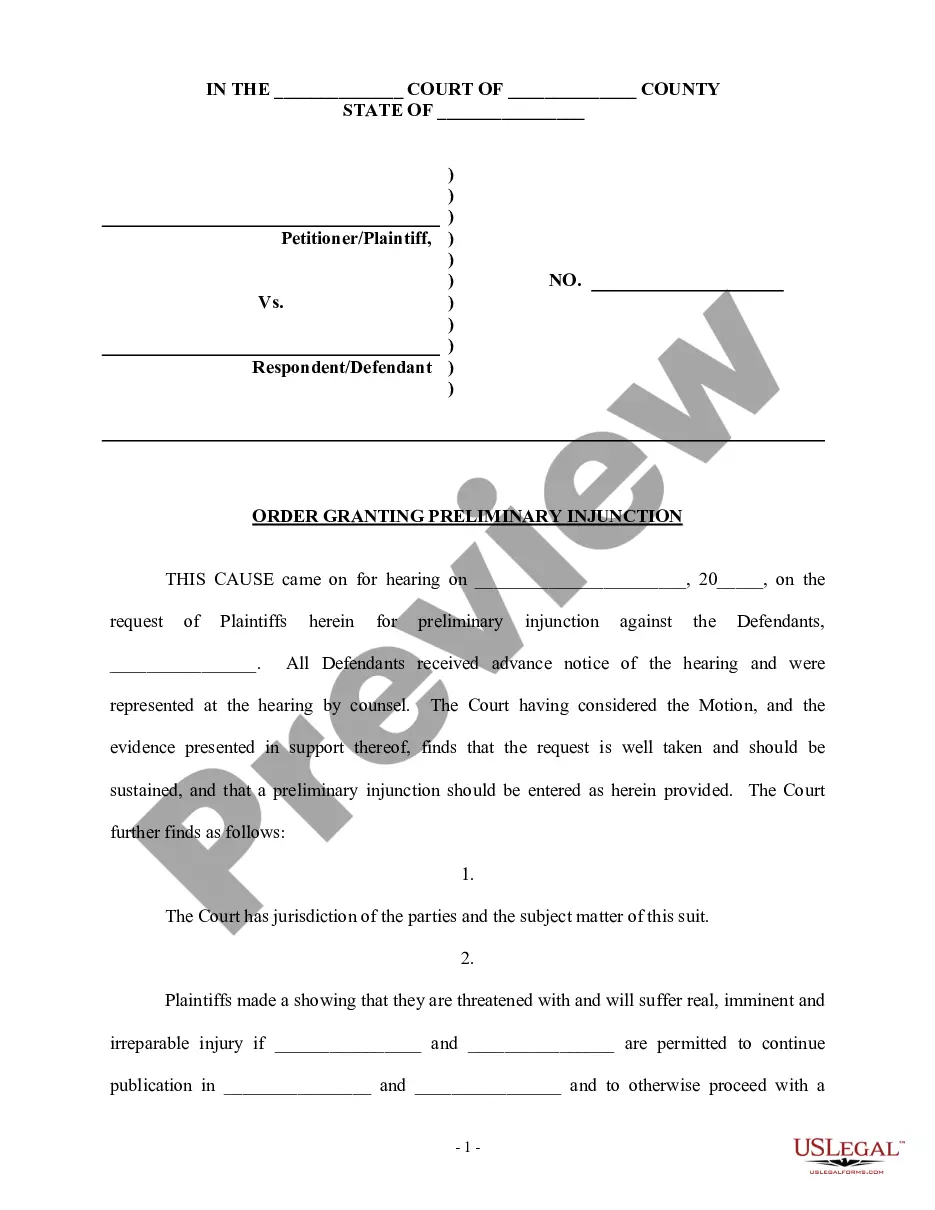
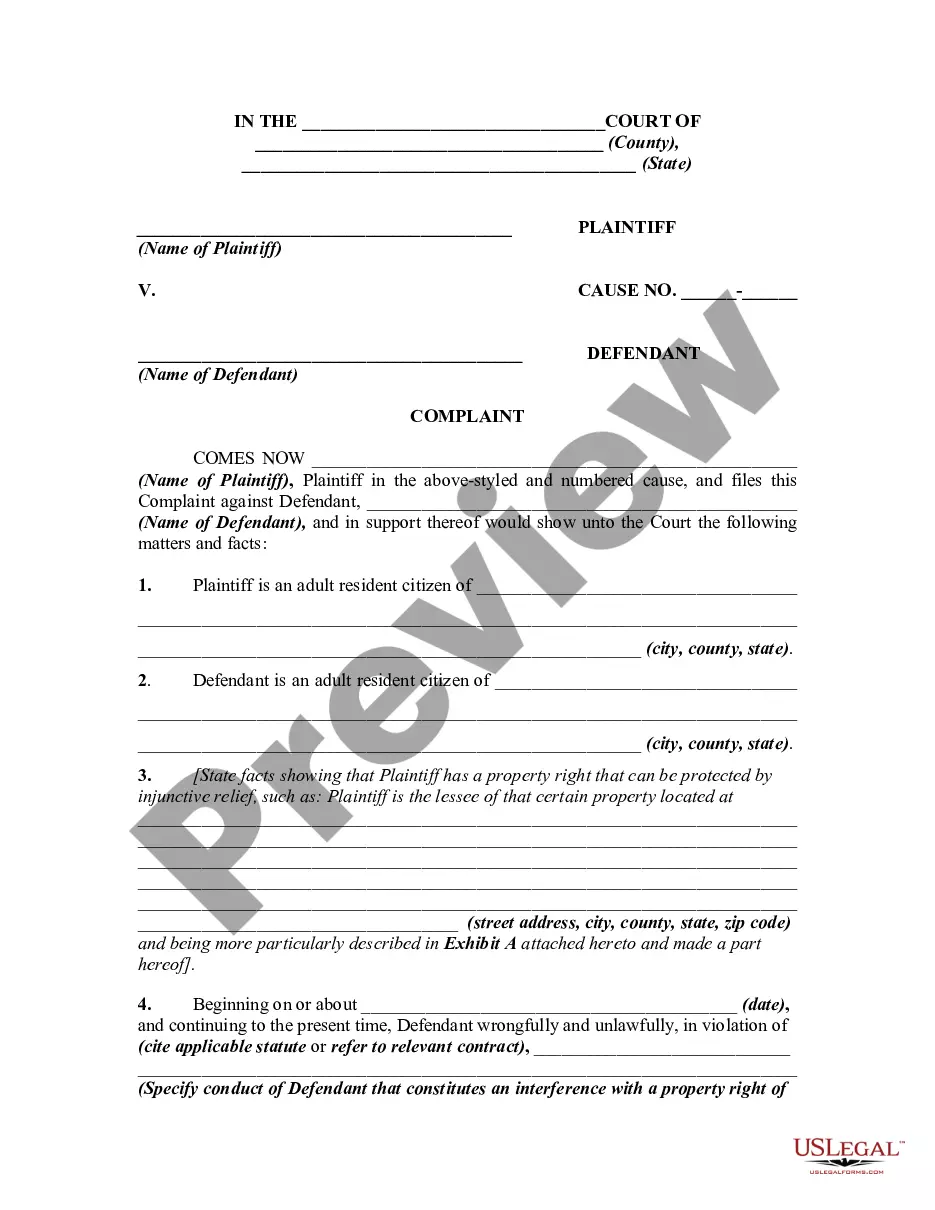
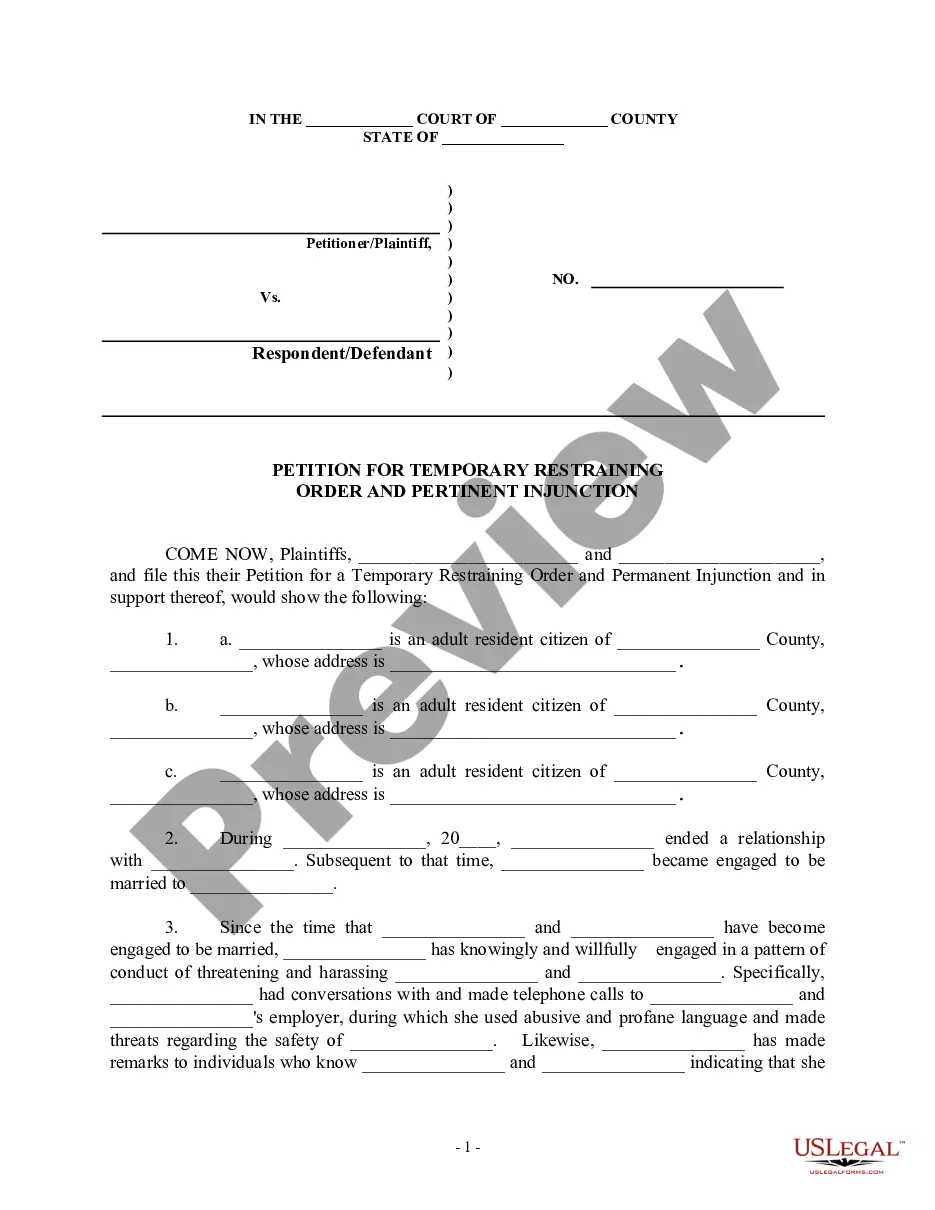

Get your form ready online
Our built-in tools help you complete, sign, share, and store your documents in one place.
Make edits, fill in missing information, and update formatting in US Legal Forms—just like you would in MS Word.
Download a copy, print it, send it by email, or mail it via USPS—whatever works best for your next step.
Sign and collect signatures with our SignNow integration. Send to multiple recipients, set reminders, and more. Go Premium to unlock E-Sign.
If this form requires notarization, complete it online through a secure video call—no need to meet a notary in person or wait for an appointment.
We protect your documents and personal data by following strict security and privacy standards.

Make edits, fill in missing information, and update formatting in US Legal Forms—just like you would in MS Word.

Download a copy, print it, send it by email, or mail it via USPS—whatever works best for your next step.

Sign and collect signatures with our SignNow integration. Send to multiple recipients, set reminders, and more. Go Premium to unlock E-Sign.

If this form requires notarization, complete it online through a secure video call—no need to meet a notary in person or wait for an appointment.

We protect your documents and personal data by following strict security and privacy standards.
Looking for another form?





How to fill out Sample Brief - Injunction?
Locating a reliable source for the most up-to-date and pertinent legal documents is a significant part of navigating bureaucracy.
Identifying the appropriate legal forms demands accuracy and careful consideration, which highlights the necessity of obtaining Examples Of Legal Brief samples exclusively from trustworthy providers, such as US Legal Forms. An incorrect template can squander your time and prolong your current situation. With US Legal Forms, your concerns are minimized. You can review and verify all relevant details about the document’s applicability and significance for your specific circumstances and within your state or county.
Once you have the form on your device, you can edit it using the editor or print it and complete it by hand. Eliminate the complications associated with your legal paperwork. Browse the extensive US Legal Forms archive to discover legal templates, assess their applicability to your circumstances, and download them immediately.
- Utilize the catalog navigation or search area to identify your template.
- Examine the form’s details to ensure it aligns with your state and county's requirements.
- Preview the form, if available, to confirm that it's the document you seek.
- Return to the search function and find the suitable document if the Examples Of Legal Brief does not meet your needs.
- Once you're certain about the form's relevance, download it.
- If you're an authorized customer, click Log in to verify your identity and access your selected templates in My documents.
- If you haven't created an account yet, click Buy now to acquire the template.
- Choose the payment plan that fits your requirements.
- Proceed to the registration to complete your acquisition.
- Finalize your transaction by selecting a payment method (credit card or PayPal).
- Choose the document format for downloading Examples Of Legal Brief.
Form popularity
FAQ
Yes, lawyers regularly write legal briefs as part of their practice. These documents are essential for presenting arguments in court and providing support for legal positions. By reviewing examples of legal brief, you can gain insights into the strategies lawyers use to effectively communicate their arguments and persuade the court.
The format of a legal brief typically includes a title page, a table of contents, and sections for the statement of facts, issues, arguments, and conclusion. Use clear, concise headings for each section to guide your reader. Reviewing examples of legal brief will show you various formatting styles, helping you choose the one that best suits your needs.
To write a legal memo brief, start by stating the issue clearly, then summarize the relevant facts. Next, analyze the law as it applies to the facts of the case, and conclude with recommendations or predictions based on that analysis. Looking at examples of legal brief can greatly aid in structuring your memo for clarity and impact.
You can find case briefs through numerous legal databases and websites dedicated to legal education. Additionally, platforms like US Legal Forms offer templates and examples of legal brief that can help you understand how to summarize cases effectively. Remember to consistently review these resources to find the information you need to create your own briefs.
To write a brief example, start by identifying the core issues of the case. Clearly outline the facts, legal arguments, and the conclusion. Use a straightforward structure that includes headings for each section to enhance readability. You can find various examples of legal brief online that can guide you in crafting effective briefs.
To write a legal brief, begin by identifying the primary legal issue. Clearly outline your arguments and support them with relevant statutes, cases, and scholarly analysis. Incorporate examples of legal briefs to see different approaches and styles. A well-organized brief not only presents your case effectively but also enhances your persuasive ability.
An example of a legal conclusion could be: 'Based on the aforementioned arguments and legal precedents, it is clear that the defendant acted within their rights.' This statement succinctly encapsulates the findings and portrays confidence in the outcome. Looking at various examples of legal briefs can illustrate how effective conclusions help summarize complex information. Creating clear and assertive conclusions is crucial in legal writing.
A legal brief conclusion should restate the main arguments and clarify the desired outcome. It's important to be concise yet compelling, emphasizing how the presented arguments support your position. Reviewing examples of legal briefs can help you understand how to effectively communicate your conclusions. In your conclusion, strive to make a strong impact that resonates with your audience.
To write a conclusion for a legal memo, start by summarizing the key points discussed in the document. Clearly state your recommendations or conclusions based on the analysis presented. Examples of legal briefs often show effective concluding statements that reinforce the memo's purpose. A well-crafted conclusion can persuade the reader to agree with your viewpoint.
The format of a legal case brief usually consists of several key sections: case name, citation, facts, issues, holding, and reasoning. This structured approach allows you to summarize essential details, making it easier to reference important legal points later. Examining examples of legal briefs can provide valuable insights into this format. By following this outline, you can ensure clarity and organization in your legal writing.