Court Injunction Preliminary For Federal
Description
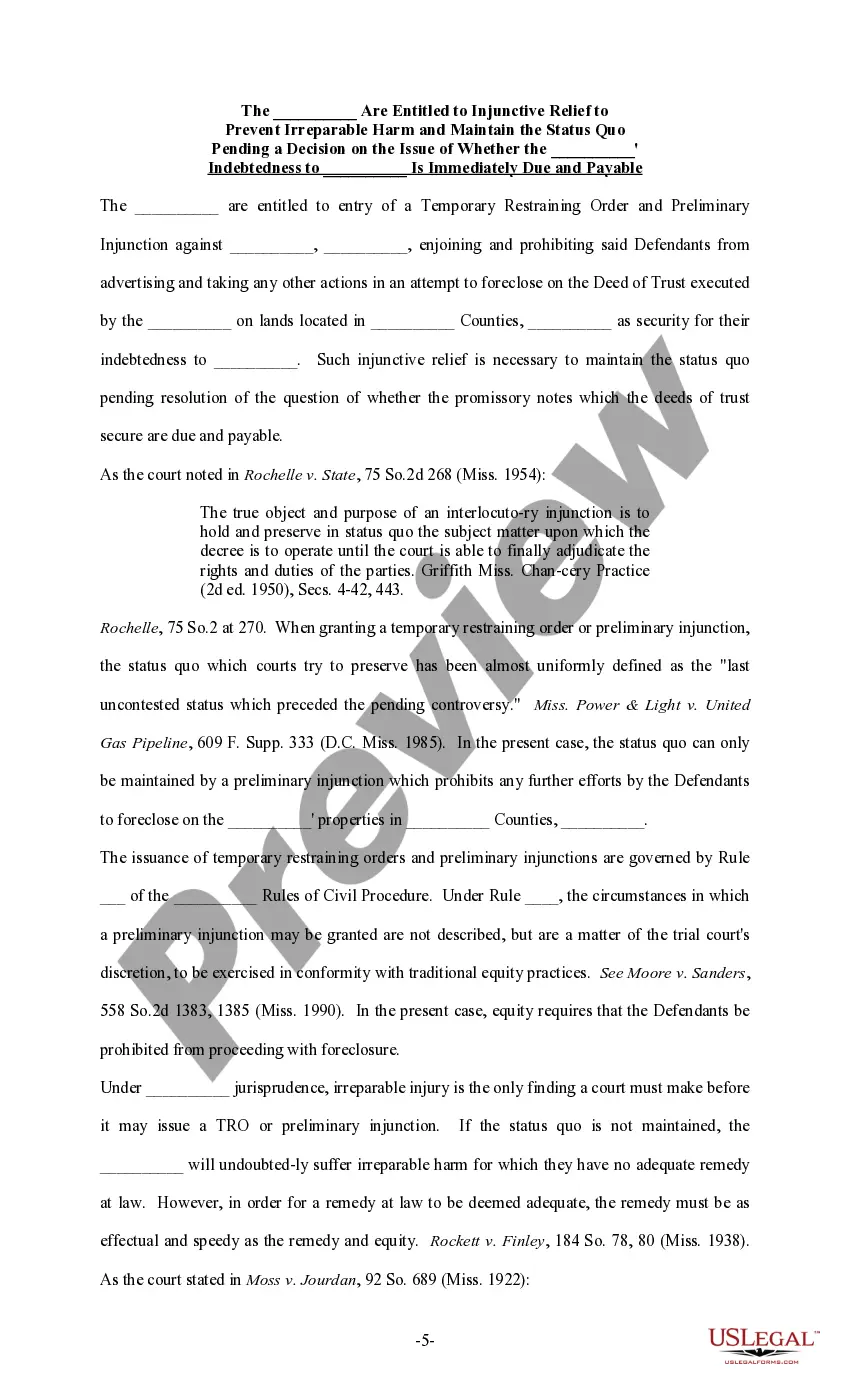
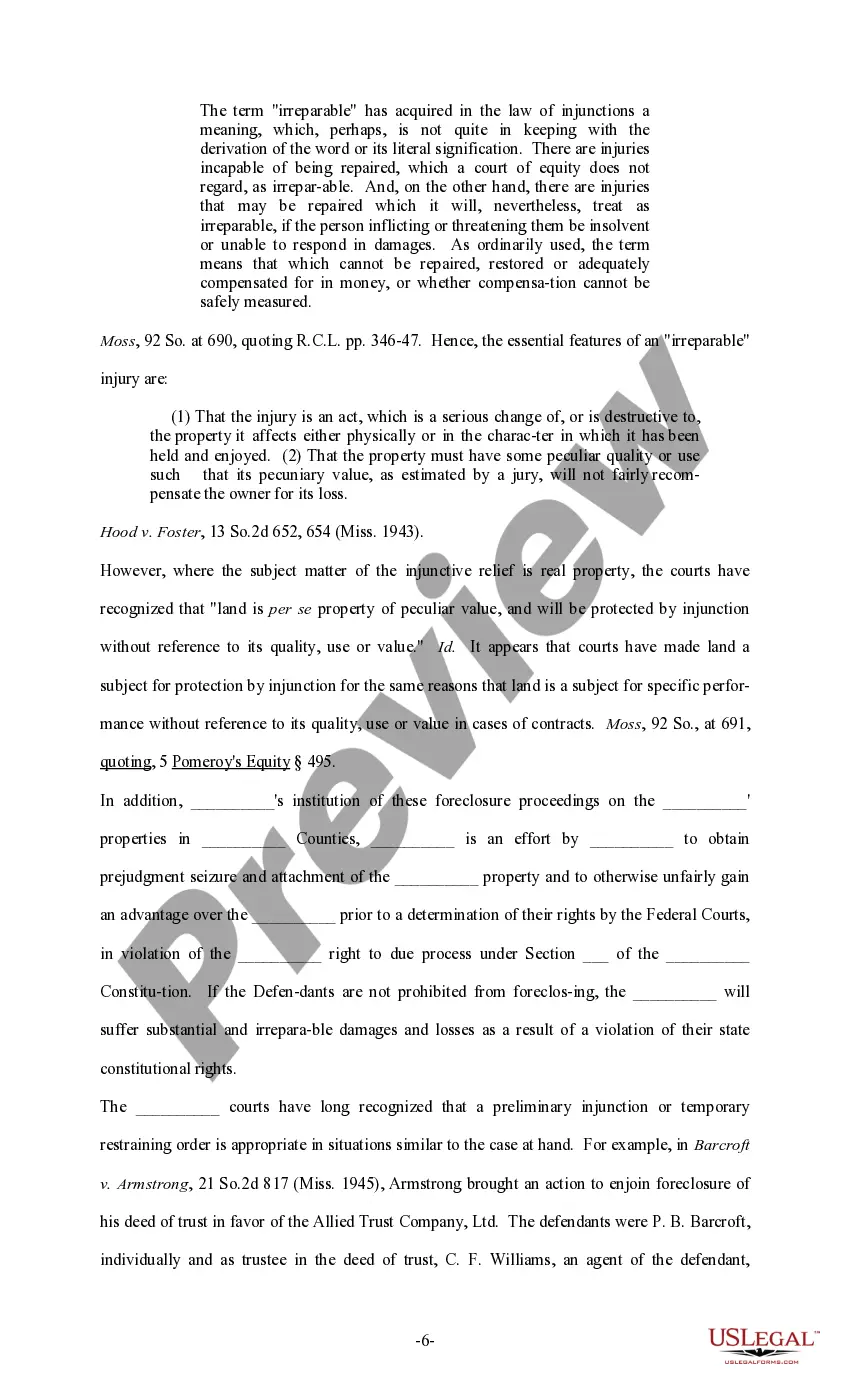
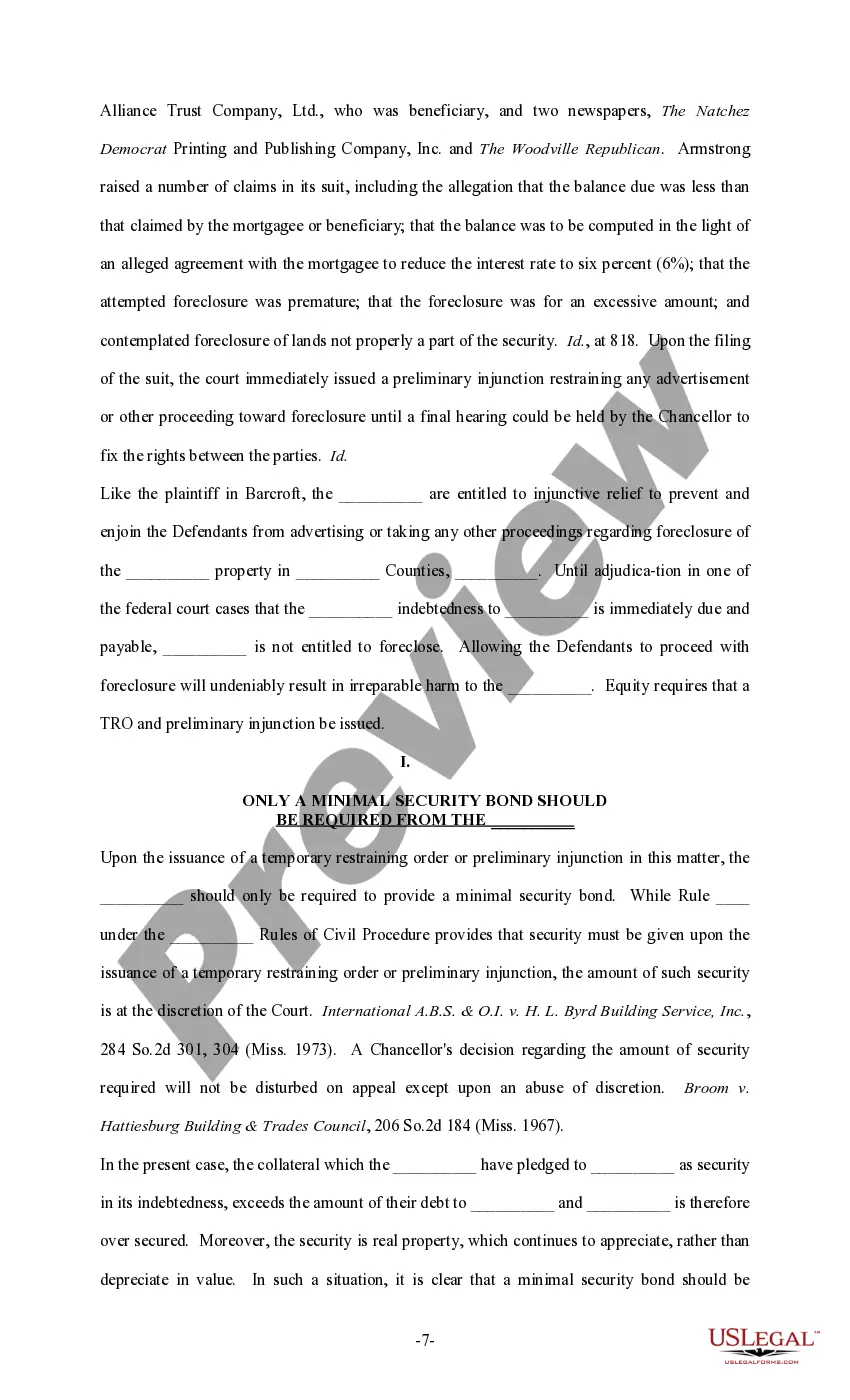
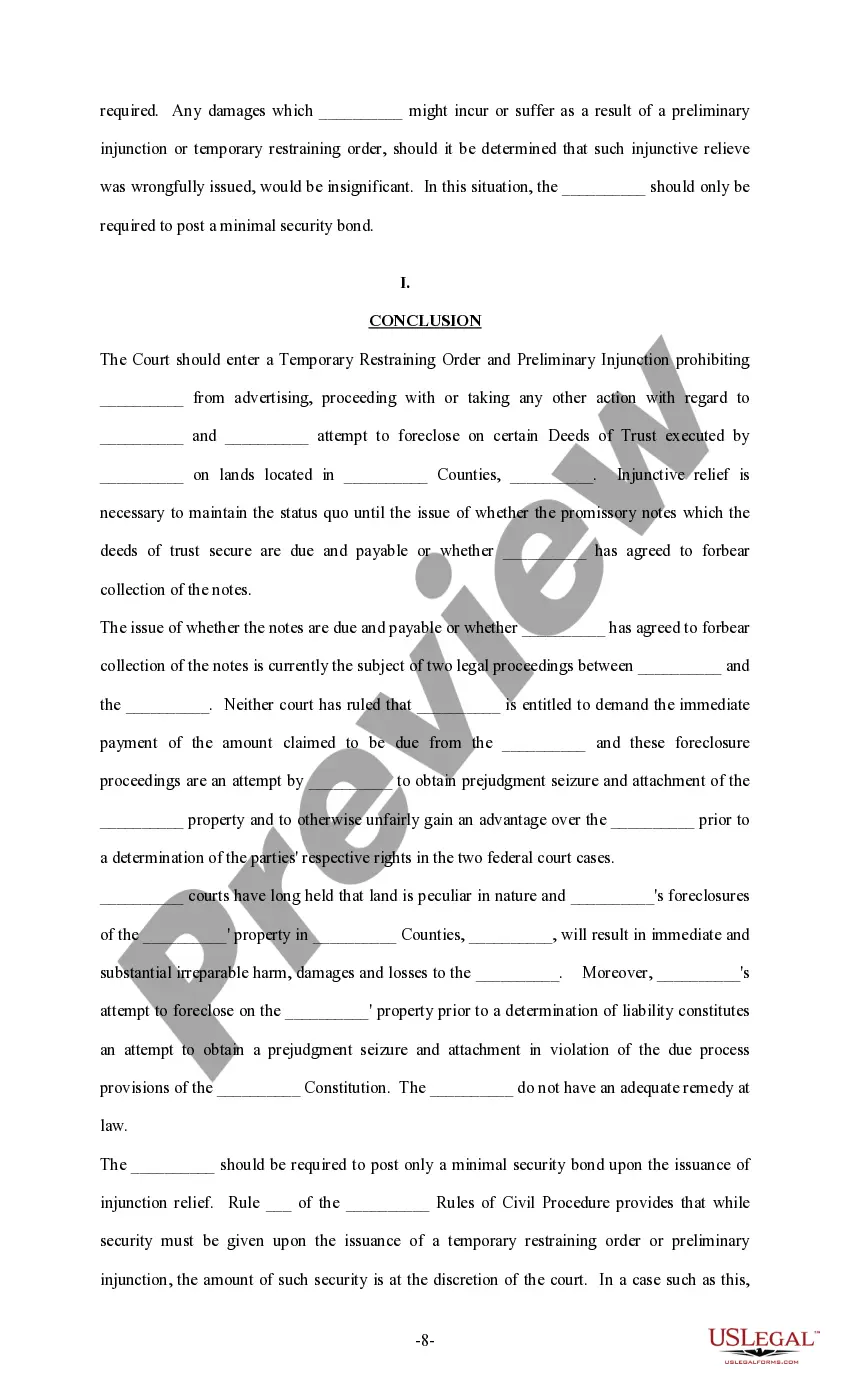
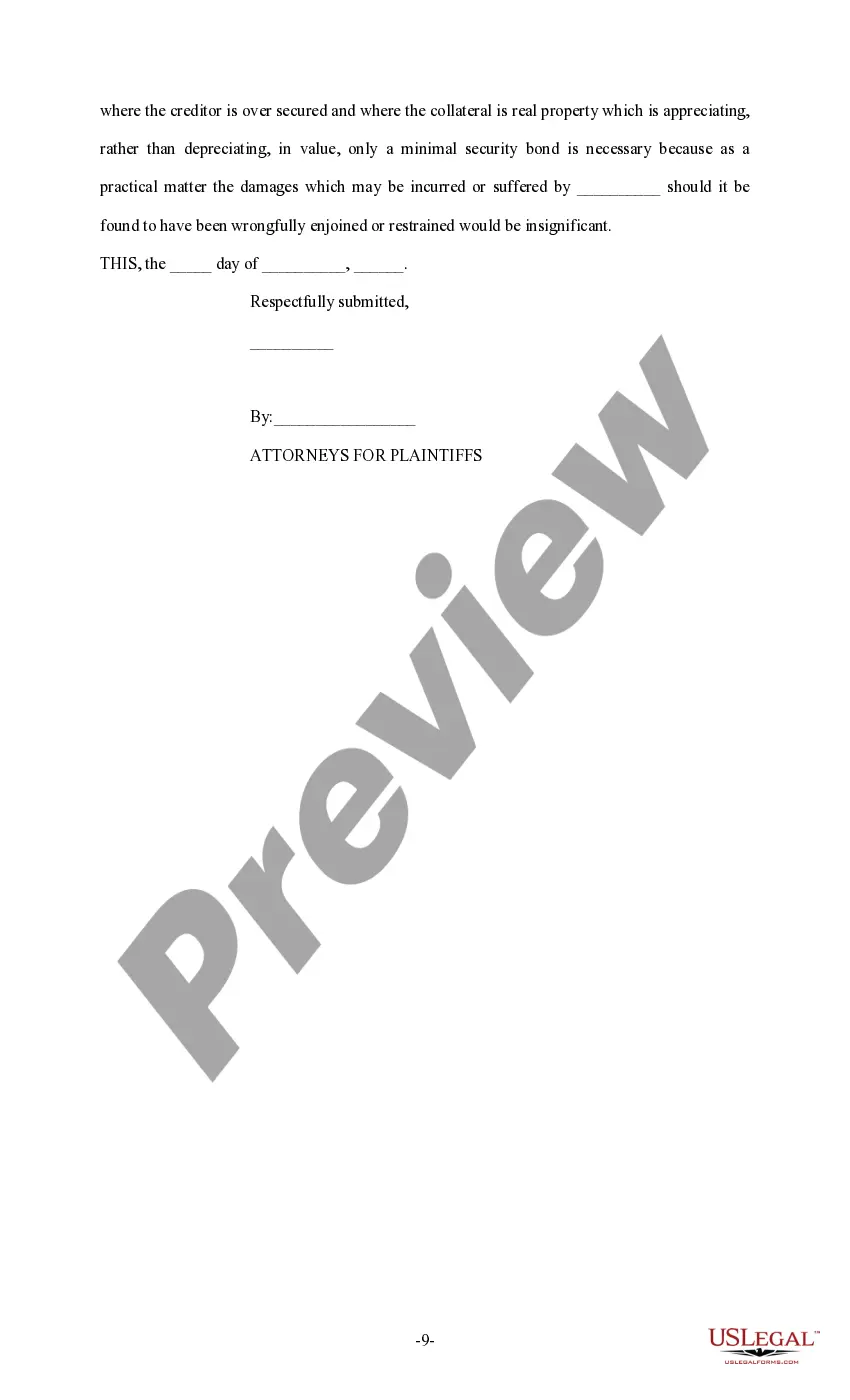
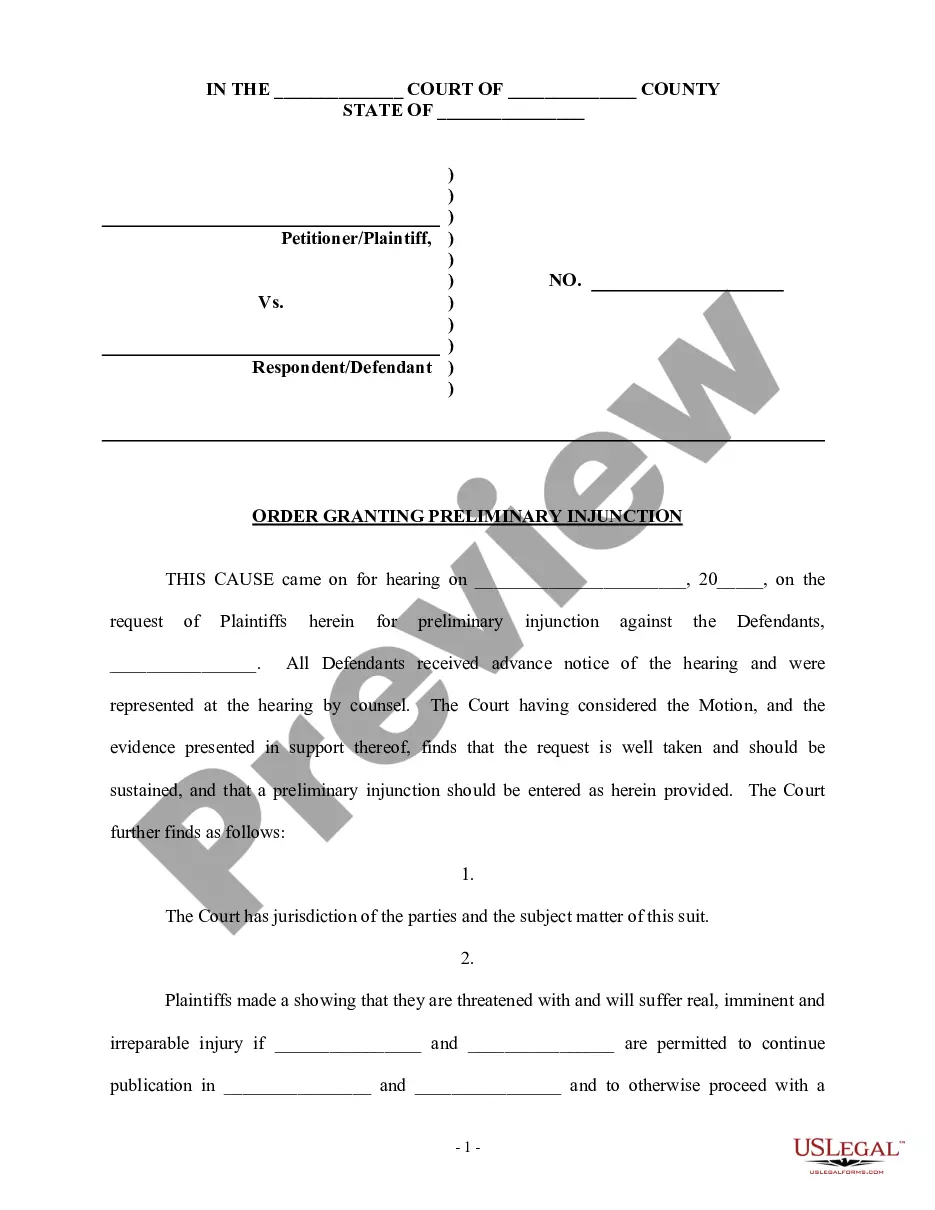
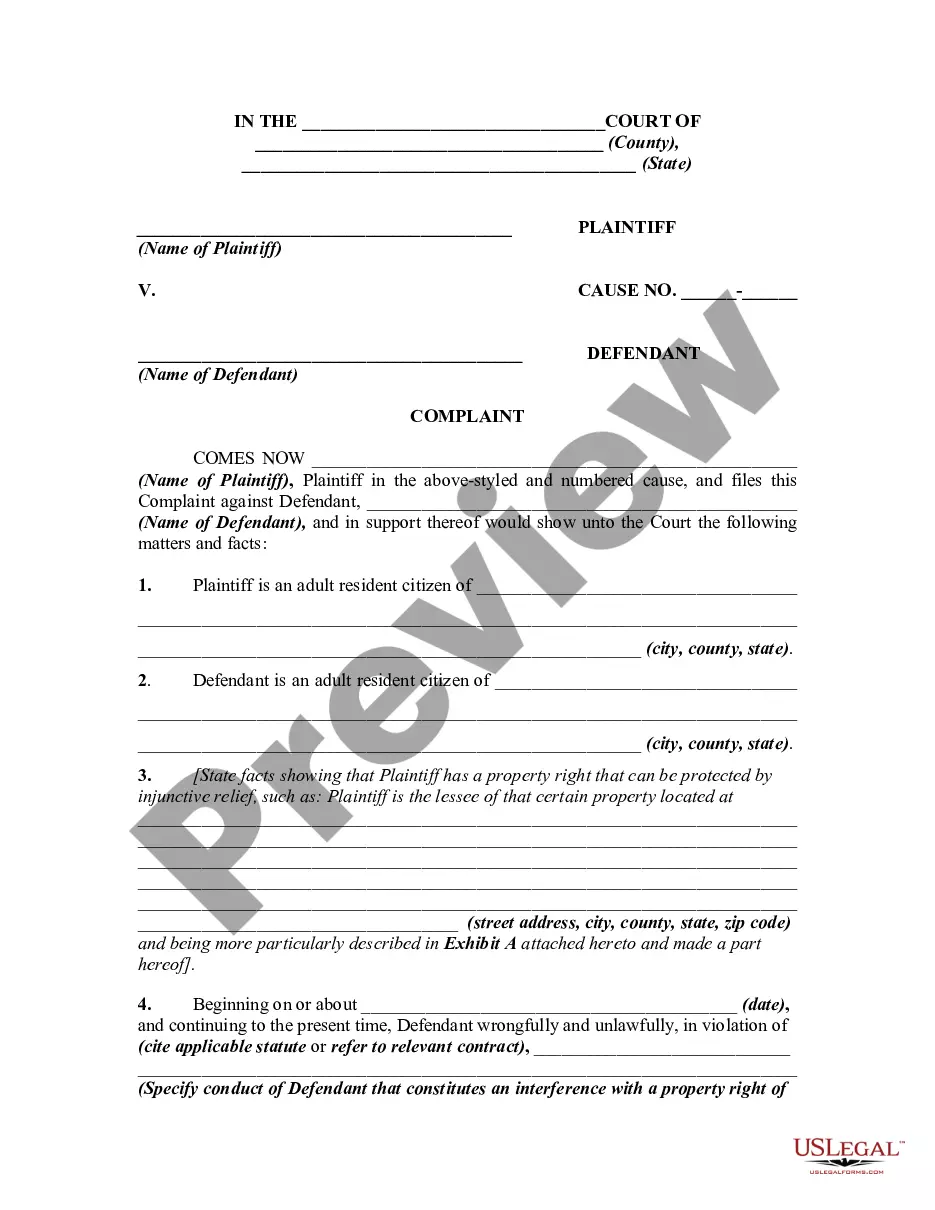
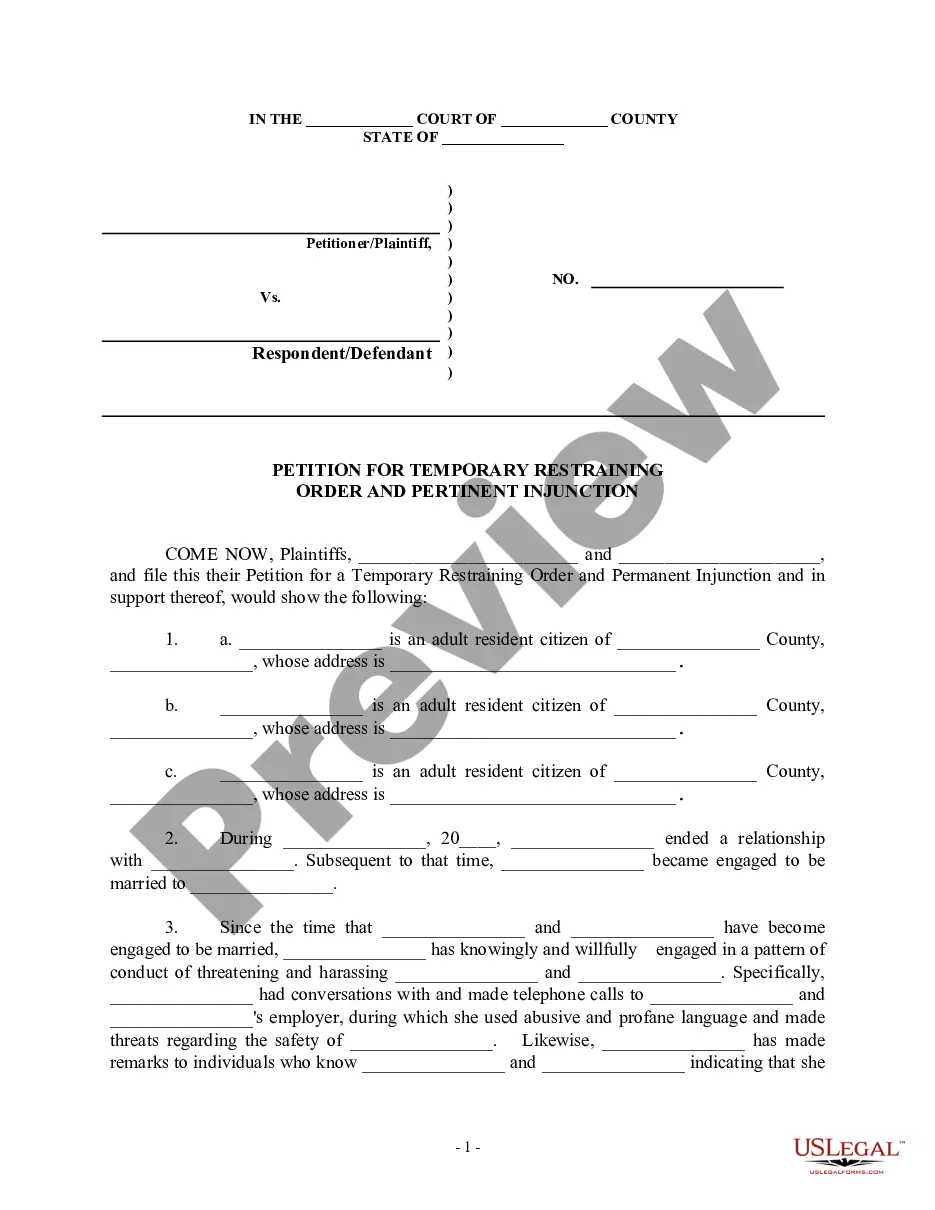

Get your form ready online
Our built-in tools help you complete, sign, share, and store your documents in one place.
Make edits, fill in missing information, and update formatting in US Legal Forms—just like you would in MS Word.
Download a copy, print it, send it by email, or mail it via USPS—whatever works best for your next step.
Sign and collect signatures with our SignNow integration. Send to multiple recipients, set reminders, and more. Go Premium to unlock E-Sign.
If this form requires notarization, complete it online through a secure video call—no need to meet a notary in person or wait for an appointment.
We protect your documents and personal data by following strict security and privacy standards.

Make edits, fill in missing information, and update formatting in US Legal Forms—just like you would in MS Word.

Download a copy, print it, send it by email, or mail it via USPS—whatever works best for your next step.

Sign and collect signatures with our SignNow integration. Send to multiple recipients, set reminders, and more. Go Premium to unlock E-Sign.

If this form requires notarization, complete it online through a secure video call—no need to meet a notary in person or wait for an appointment.

We protect your documents and personal data by following strict security and privacy standards.
Looking for another form?




How to fill out Sample Brief - Injunction?
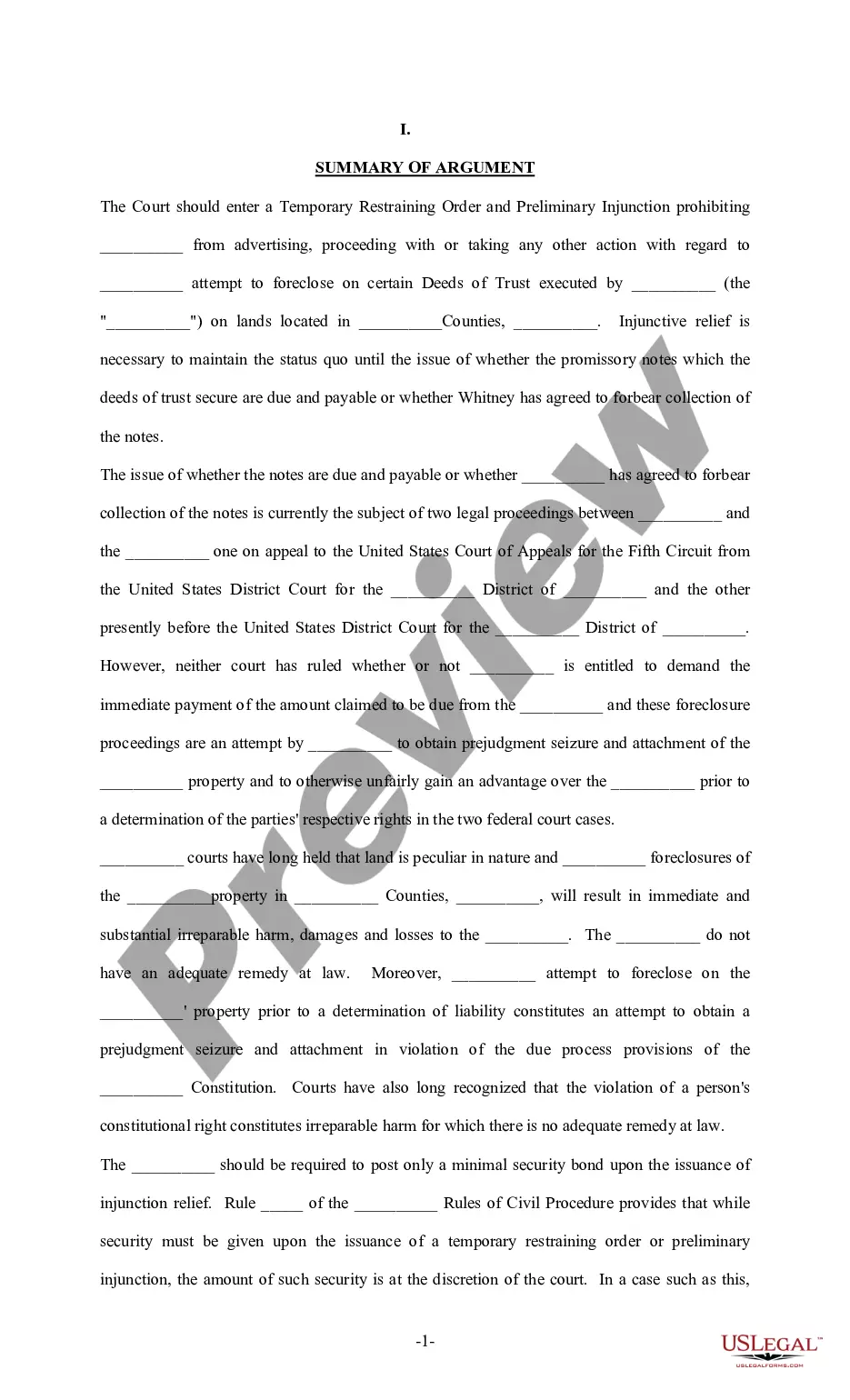
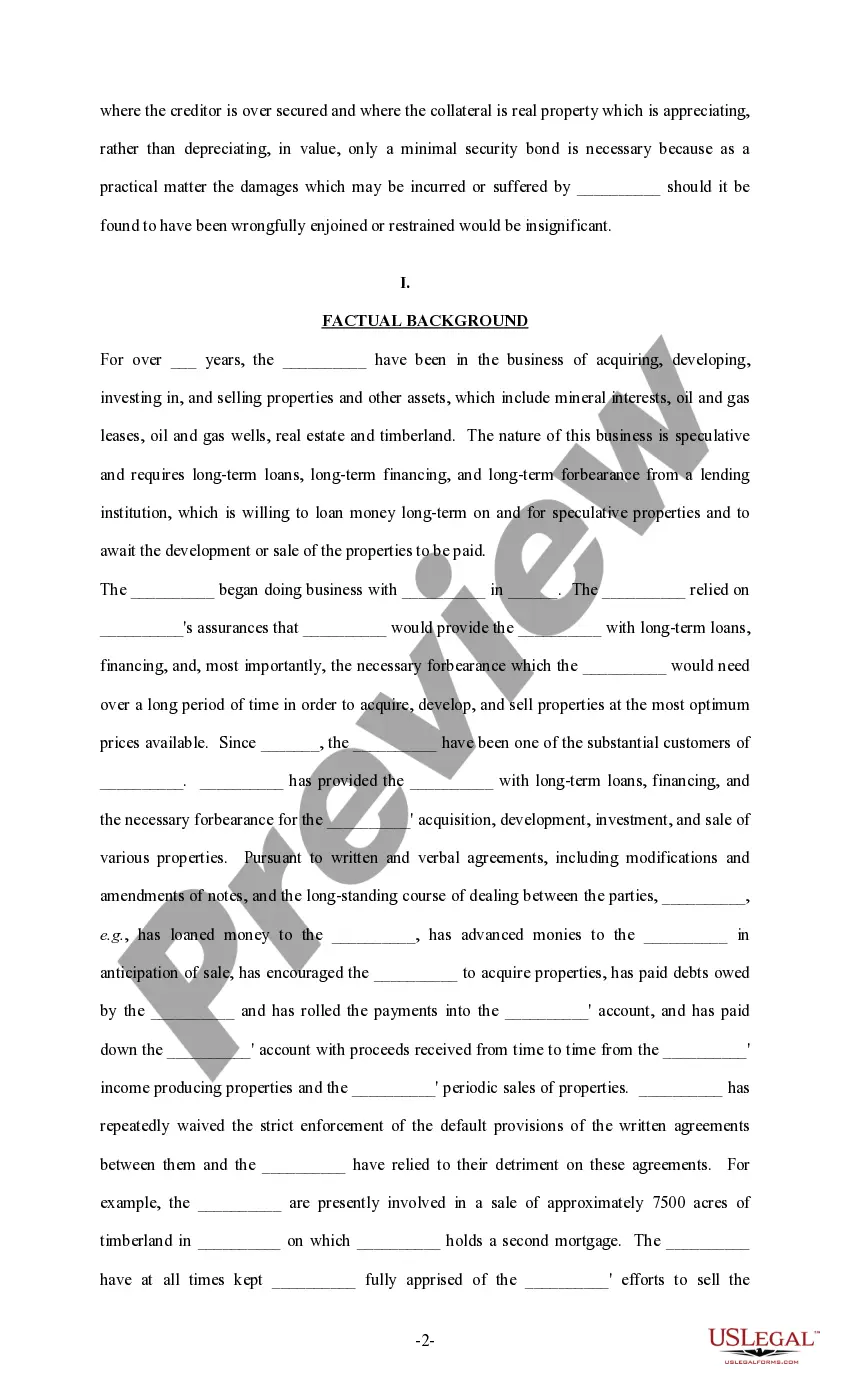
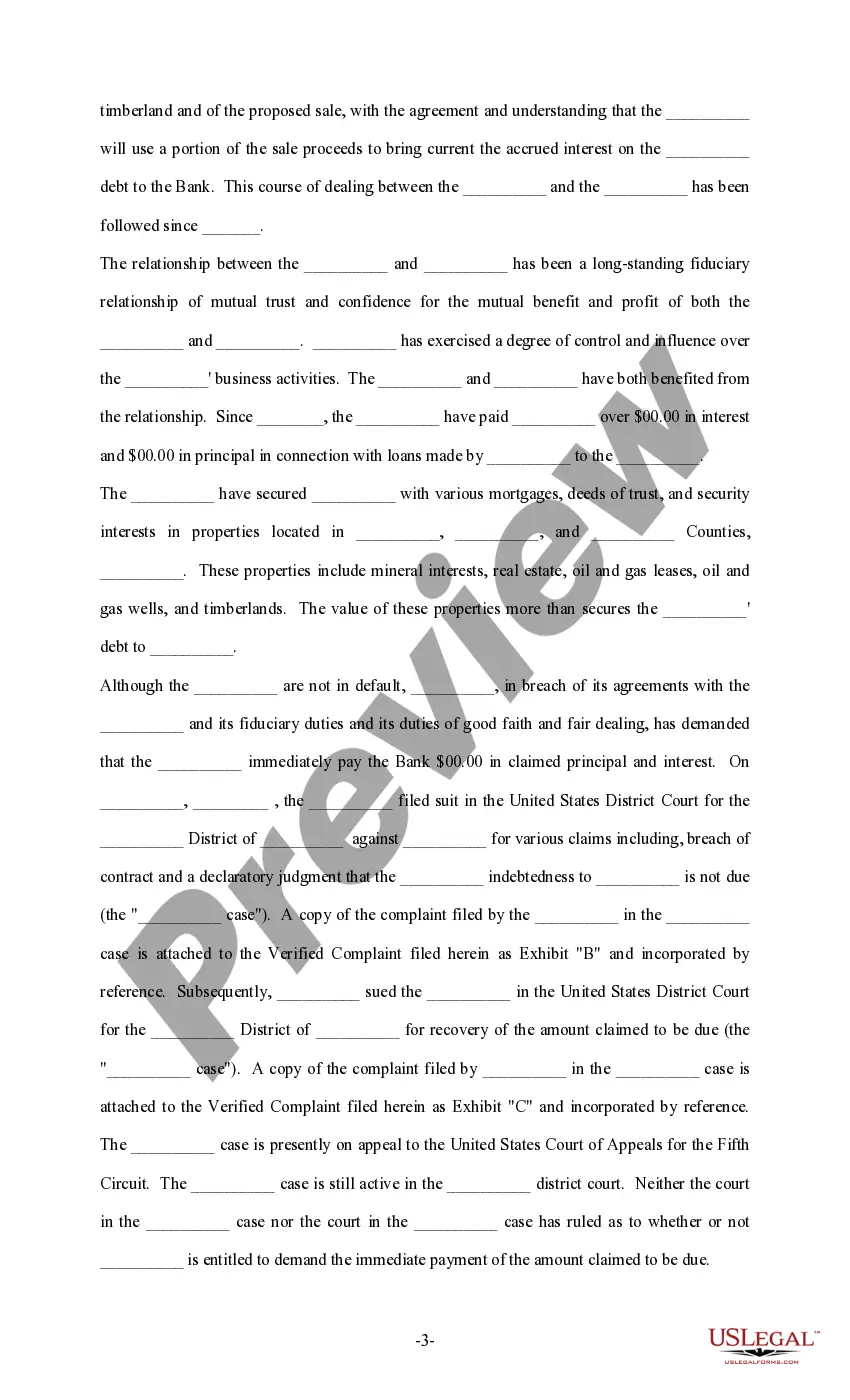
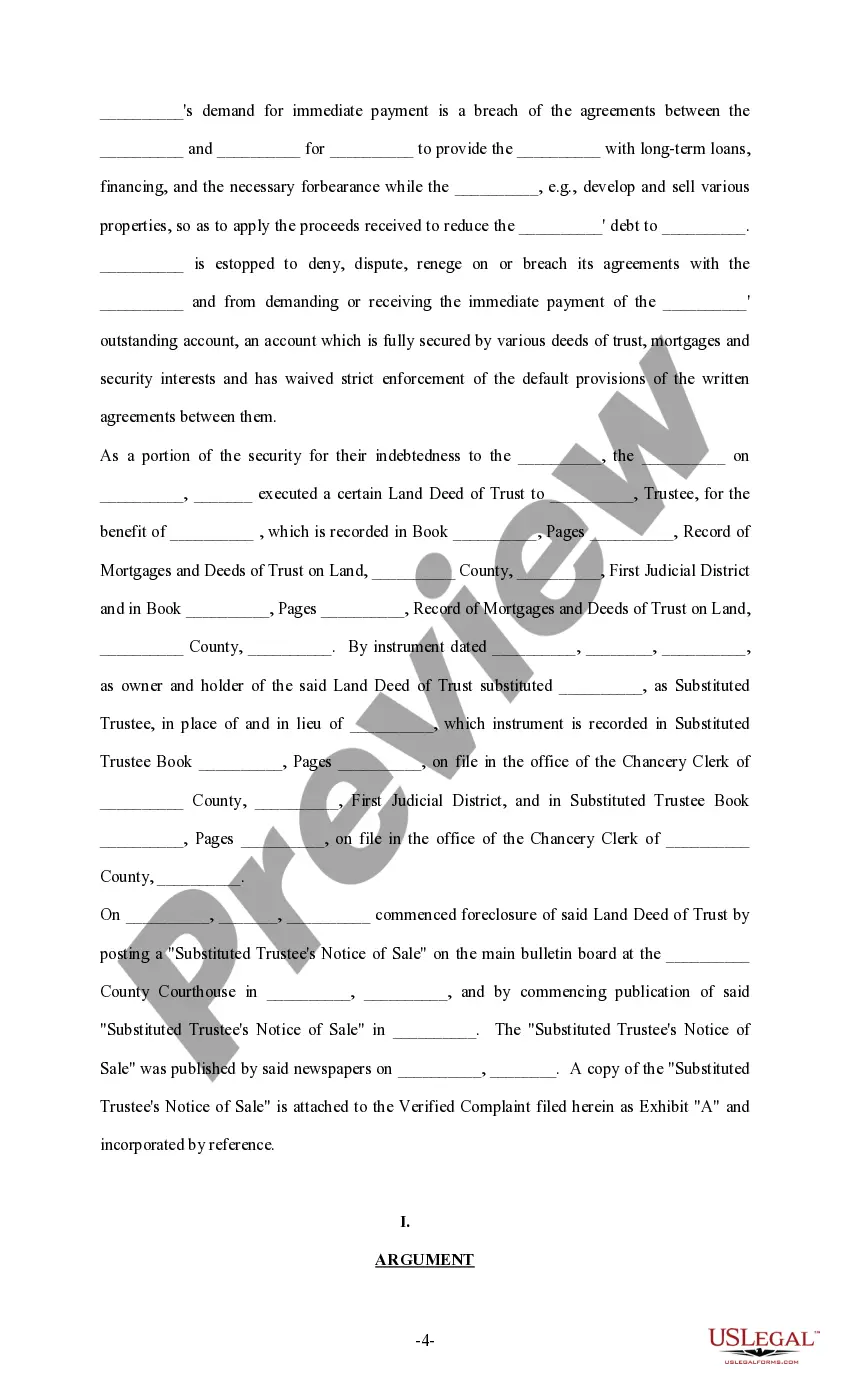
The Court Order Preliminary For Federal displayed on this page is a versatile official template created by experienced attorneys in compliance with federal and local regulations.
For over 25 years, US Legal Forms has supplied individuals, companies, and lawyers with more than 85,000 verified, state-specific documents for any business and personal event. It’s the fastest, most straightforward, and most trustworthy method to acquire the paperwork you require, as the service ensures the highest level of data security and anti-malware safeguards.
Register for US Legal Forms to have verified legal templates for all life's scenarios at your fingertips.
- Browse for the document you require and examine it.
- Select the pricing option that fits your needs and register for an account.
- Obtain the editable template.
- Fill out and sign the documents.
- Access your files once again.
Form popularity
FAQ
The federal rule of civil procedure for preliminary injunction is found in Rule 65, which outlines the procedures for obtaining such an injunction in federal court. This rule specifies the methods by which a plaintiff can request relief and outlines the court's authority to grant a temporary order. Understanding Rule 65 is essential for navigating federal cases involving a court injunction preliminary for federal matters, ensuring that all legal criteria are appropriately addressed.
The conditions for a preliminary injunction focus on assessing urgency and risk. The requesting party must articulate specific facts that suggest immediate harm will occur if the injunction is not granted. Furthermore, a court injunction preliminary for federal proceedings involves balancing the potential harms to both parties and ensuring that justice is served—which often requires detailed arguments supported by evidence.
To obtain a federal injunction, the requesting party must meet several key requirements: they must show that they have a strong likelihood of winning the case, establish that they will face irreparable harm, prove that the balance of harms favors them, and demonstrate that issuing the injunction is in the public interest. Each of these components is essential for the court to grant a court injunction preliminary for federal litigation. Failing to satisfy any of these conditions can result in the denial of the request.
In federal court, the standard of proof for a preliminary injunction requires the plaintiff to demonstrate a likelihood of success on the merits of their case. This means the party requesting the injunction must show that there is a substantial probability they will win when the case is fully resolved. A court injunction preliminary for federal necessitates the plaintiff to establish that they will suffer irreparable harm without the injunction.
The federal rule for preliminary injunction defines the process by which a party can request a court to issue a temporary order to prevent harm before a full hearing can take place. This rule is crucial in federal cases where prompt action is necessary to safeguard rights and interests. A court injunction preliminary for federal matters can help maintain the status quo and prevent irreparable damage while the case is pending.
A court may deny a court injunction preliminary for federal cases for various reasons, such as insufficient proof of irreparable harm or failure to demonstrate a likelihood of success on the merits. Additionally, if the balance of harms does not favor you or the injunction contradicts public interest, the court may decide against you. Strong legal representation can help navigate these hurdles.
The four key factors for securing a court injunction preliminary for federal cases are: likelihood of success on the merits, irreparable harm without the injunction, balance of equities favoring you, and alignment of the injunction with public interest. Each factor plays a vital role in influencing the court’s decision.
In a court injunction preliminary for federal situations, the burden of proof lies with you, the applicant. You must demonstrate sufficient proof regarding the likelihood of success and outline potential damages. A well-prepared case that substantively addresses these aspects can significantly enhance your position.
To obtain a court injunction preliminary for federal cases, you must meet several requirements. Present a clear legal claim, show evidence of imminent harm, and illustrate how the injunction serves the public good. Fulfilling these criteria is critical for persuading the court.
Grounds for the issuance of a court injunction preliminary for federal cases include demonstrating a likelihood of success on the underlying legal issue, potential for irreparable harm, and showing that the injunction would not harm the public interest. Each case is unique, but these criteria serve as foundational elements.