Attorney Brief Example With Parameters
Description

Get your form ready online
Our built-in tools help you complete, sign, share, and store your documents in one place.
Make edits, fill in missing information, and update formatting in US Legal Forms—just like you would in MS Word.
Download a copy, print it, send it by email, or mail it via USPS—whatever works best for your next step.
Sign and collect signatures with our SignNow integration. Send to multiple recipients, set reminders, and more. Go Premium to unlock E-Sign.
If this form requires notarization, complete it online through a secure video call—no need to meet a notary in person or wait for an appointment.
We protect your documents and personal data by following strict security and privacy standards.

Make edits, fill in missing information, and update formatting in US Legal Forms—just like you would in MS Word.

Download a copy, print it, send it by email, or mail it via USPS—whatever works best for your next step.

Sign and collect signatures with our SignNow integration. Send to multiple recipients, set reminders, and more. Go Premium to unlock E-Sign.

If this form requires notarization, complete it online through a secure video call—no need to meet a notary in person or wait for an appointment.

We protect your documents and personal data by following strict security and privacy standards.
Looking for another form?
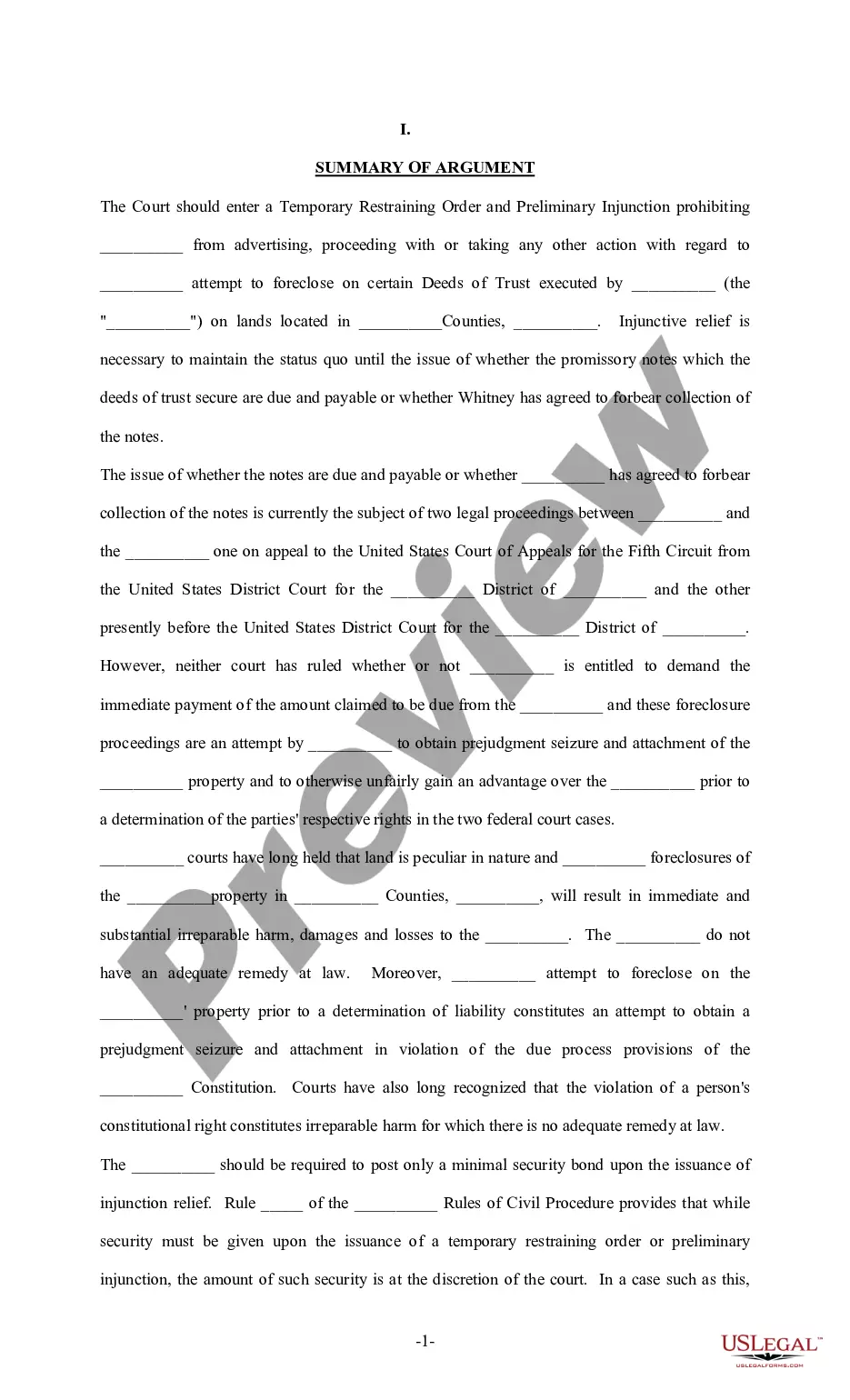
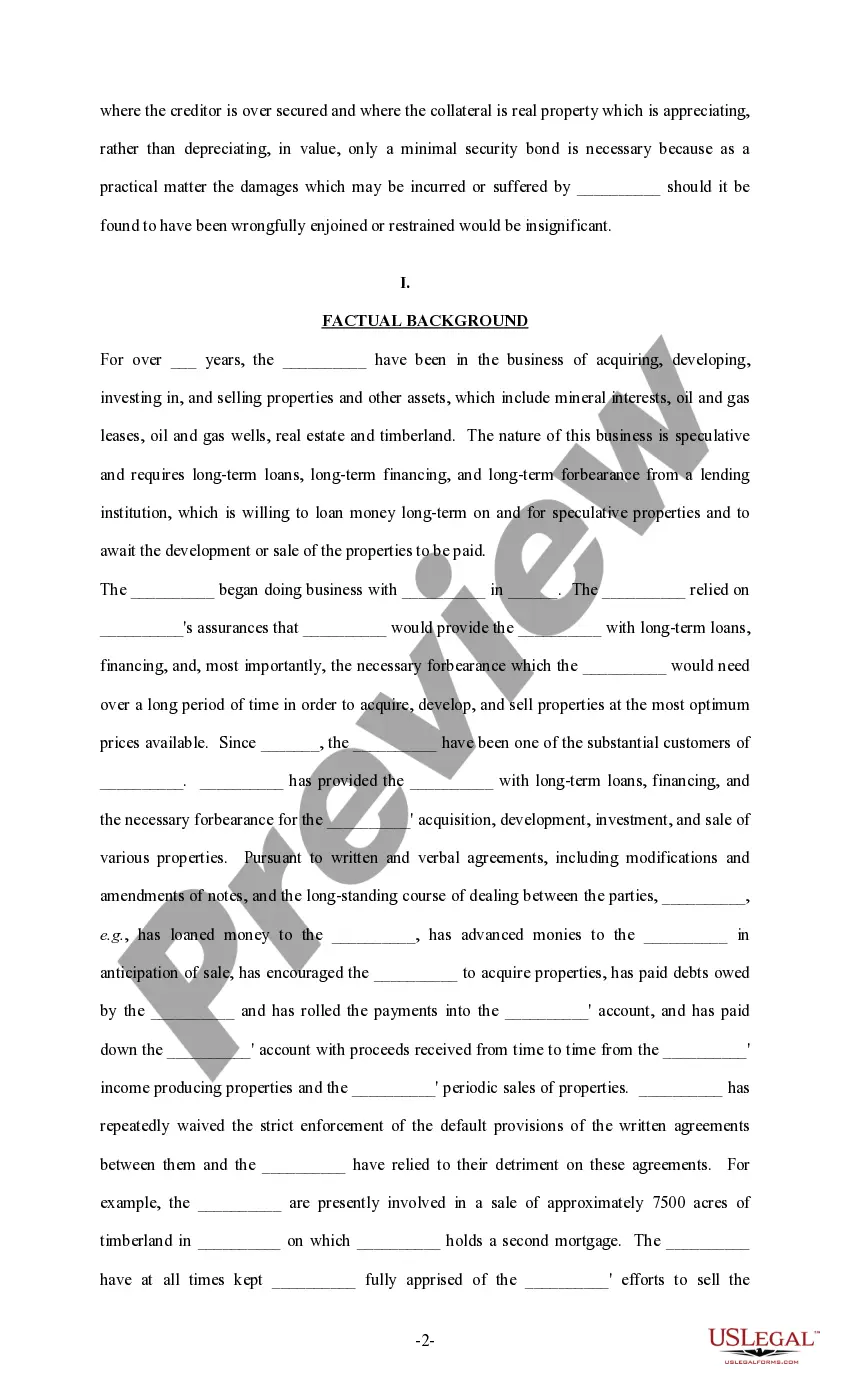
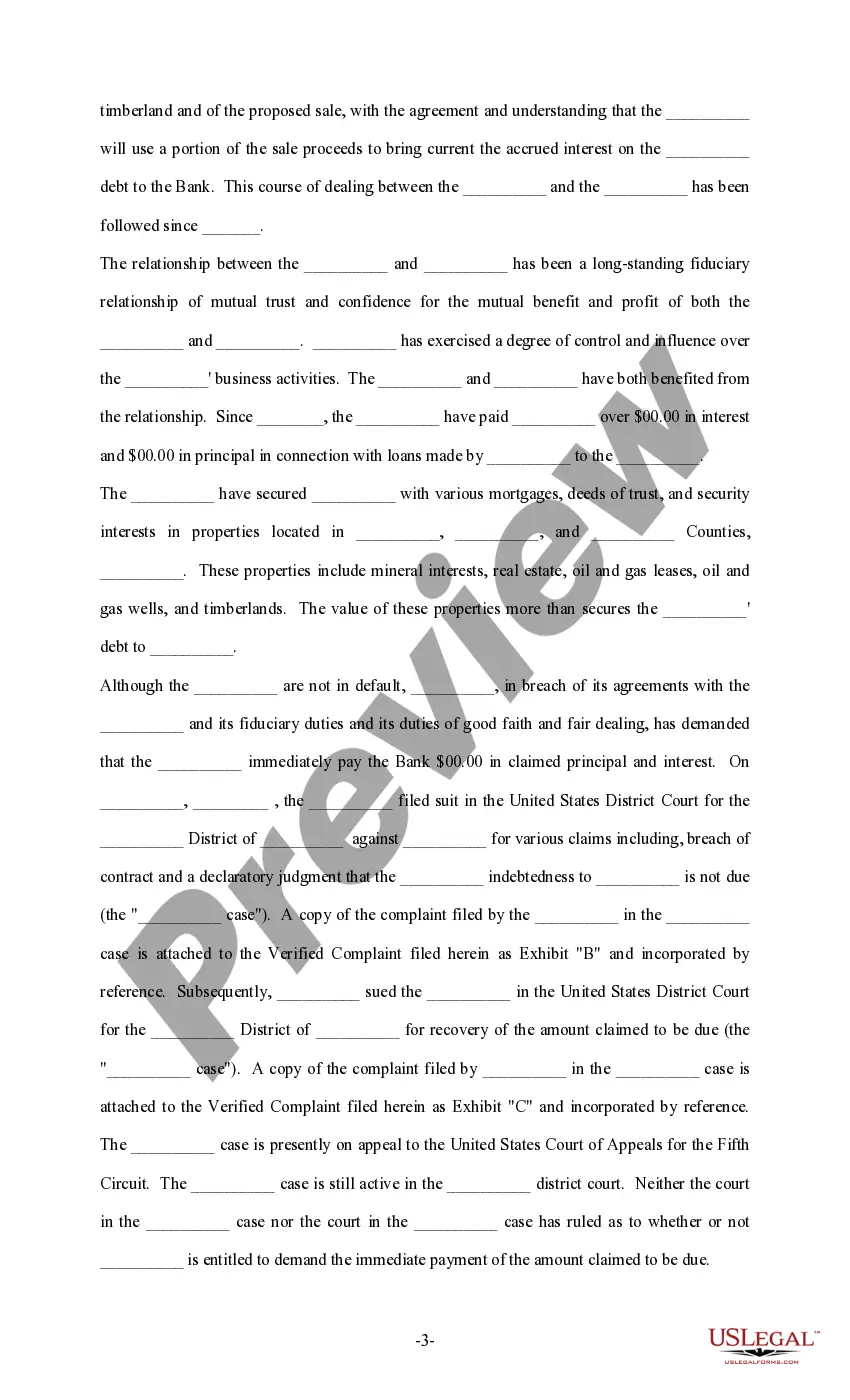
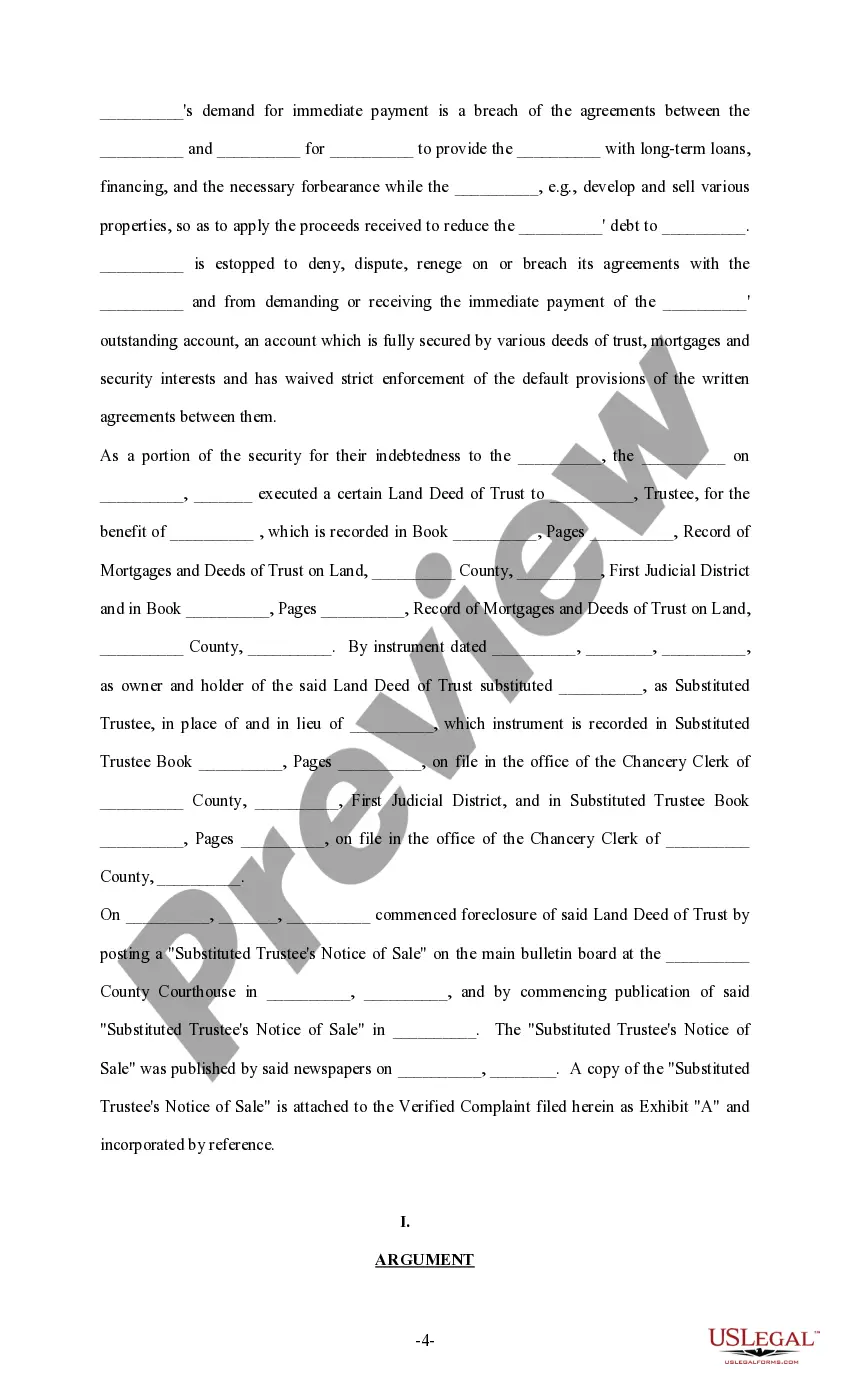
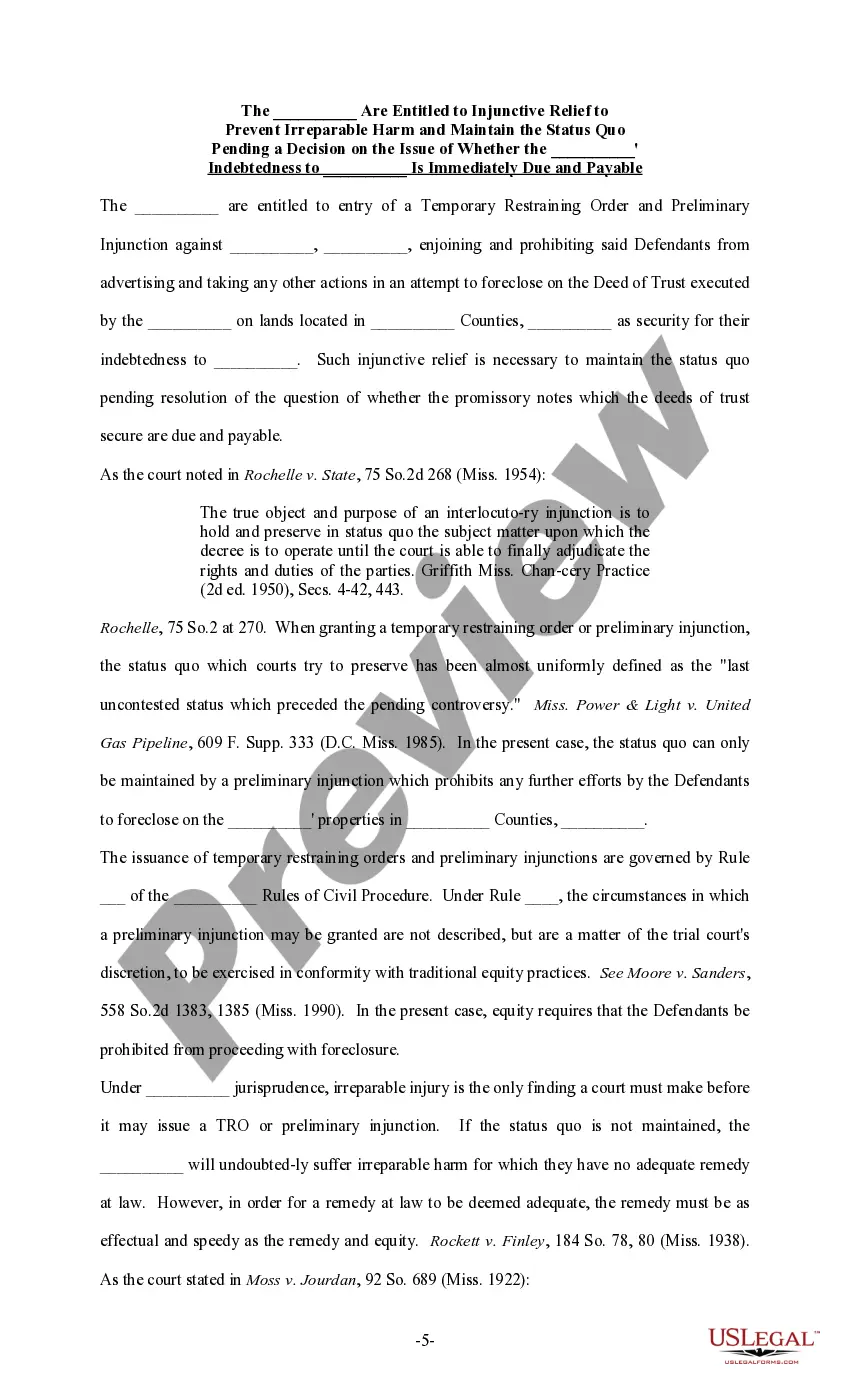
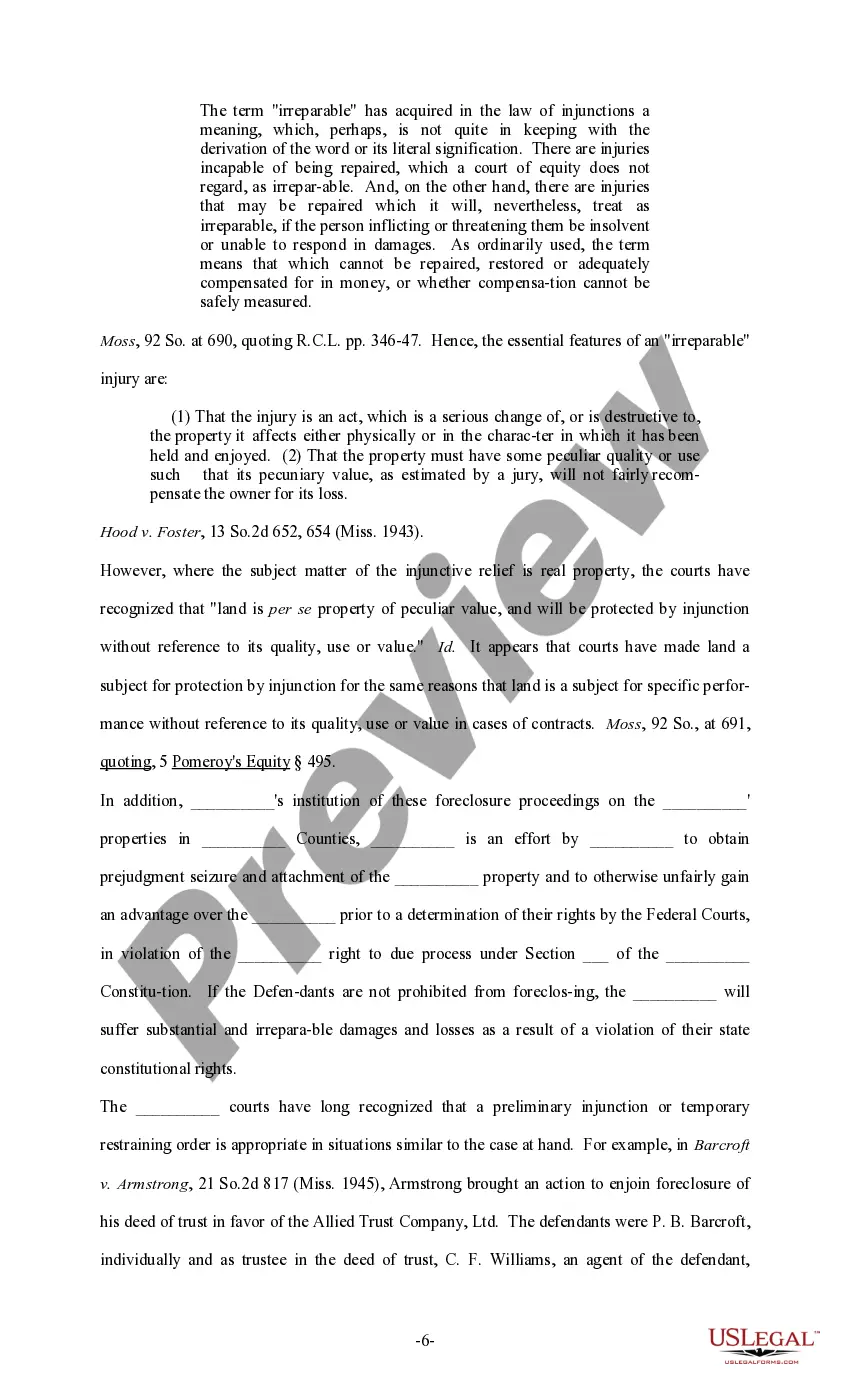
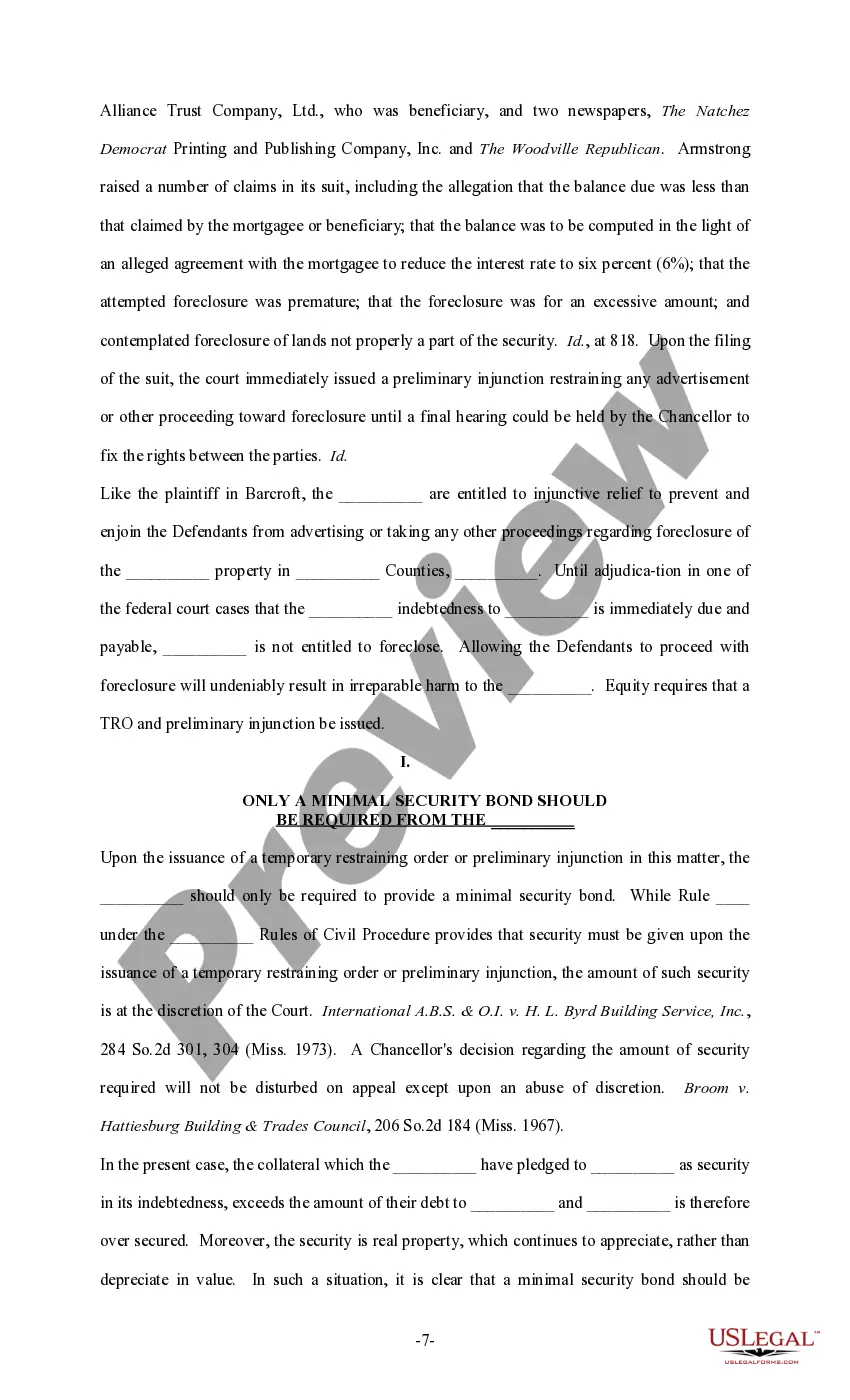
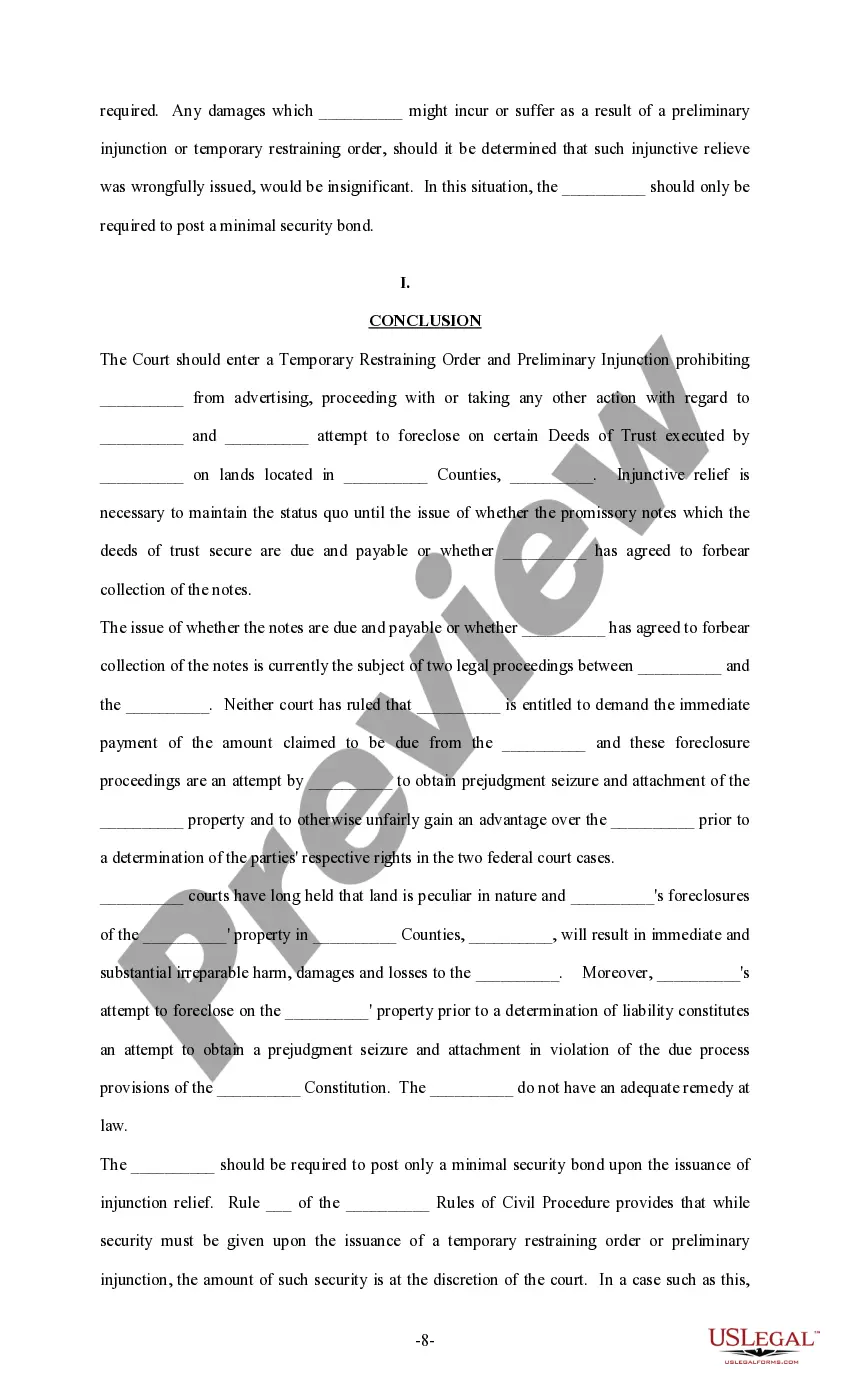
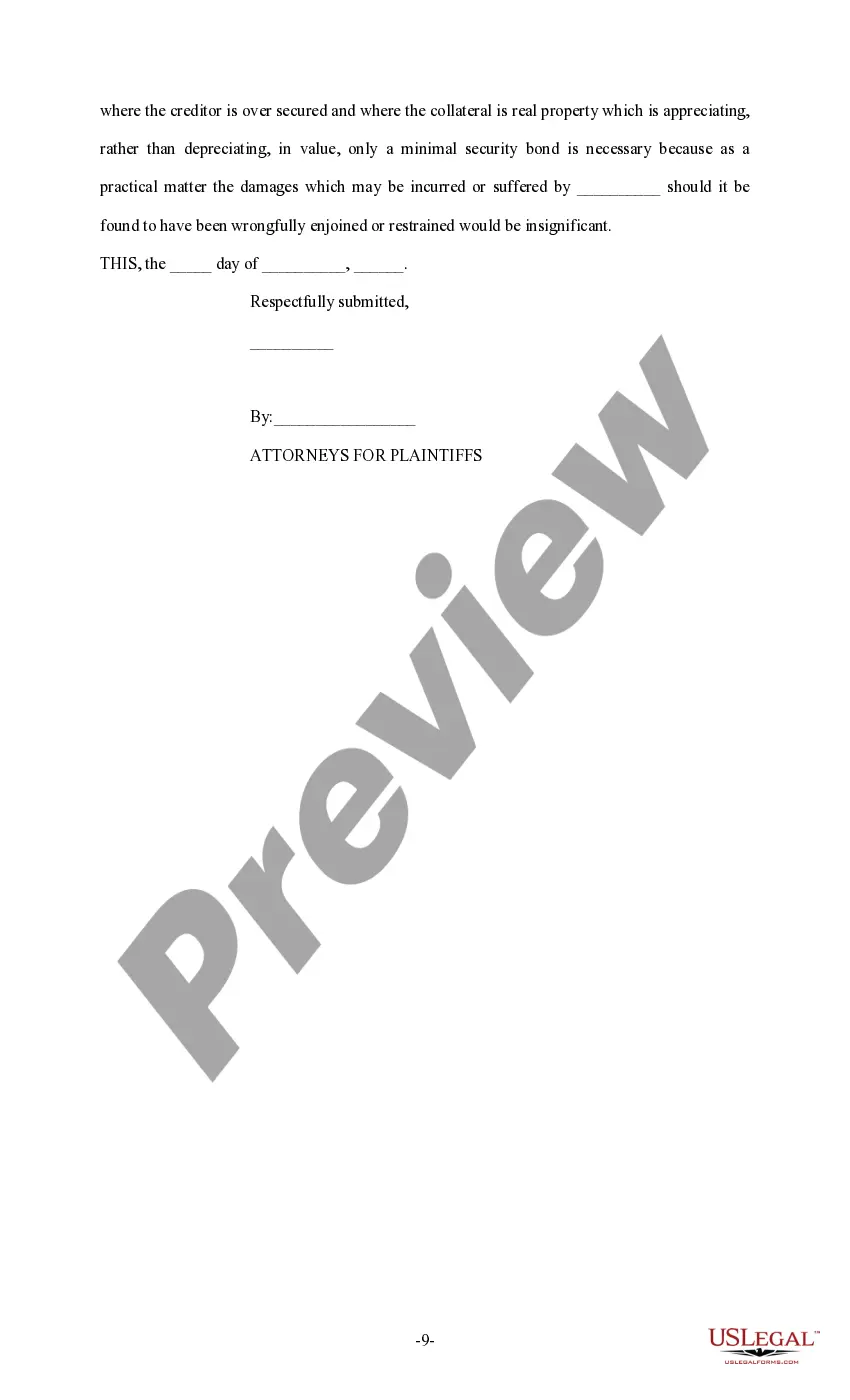
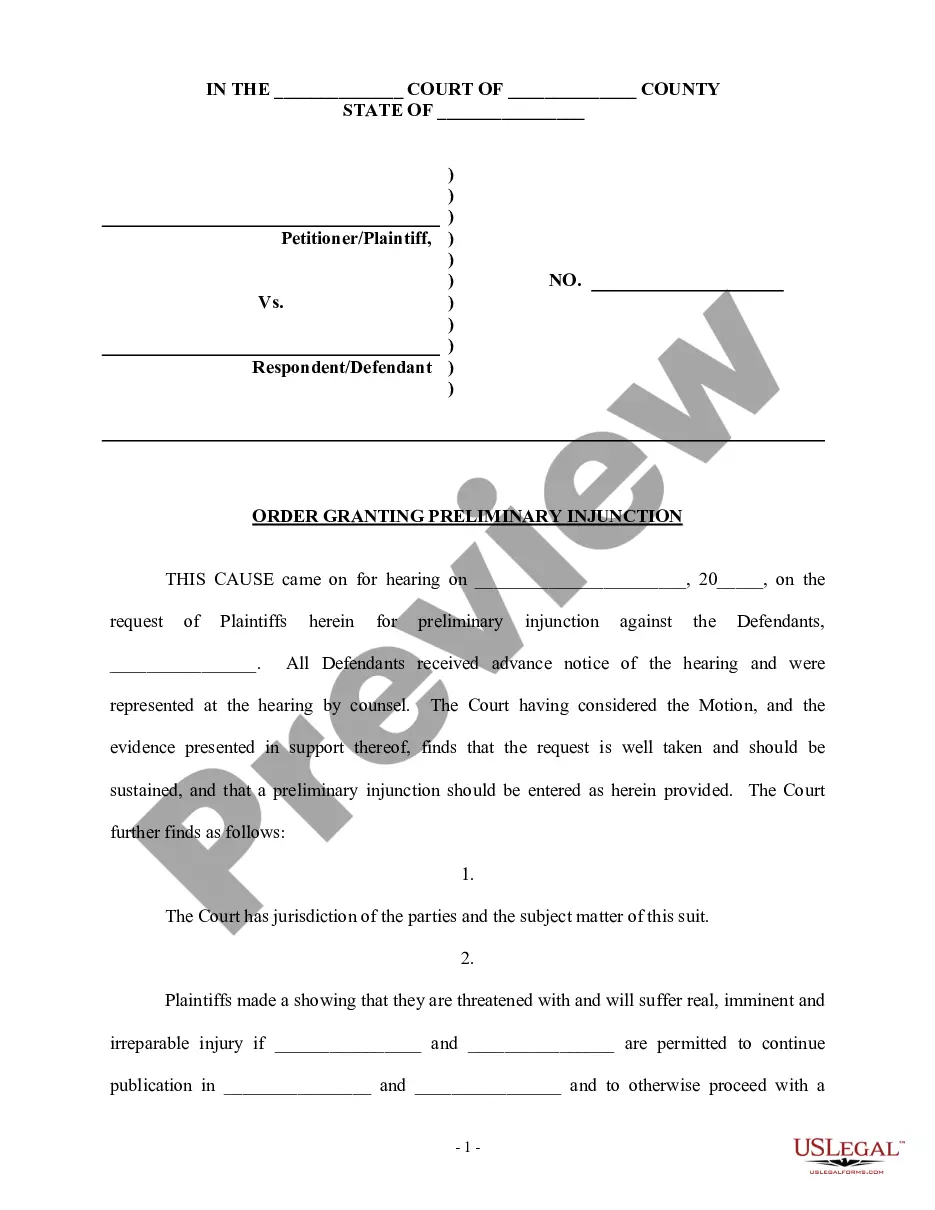
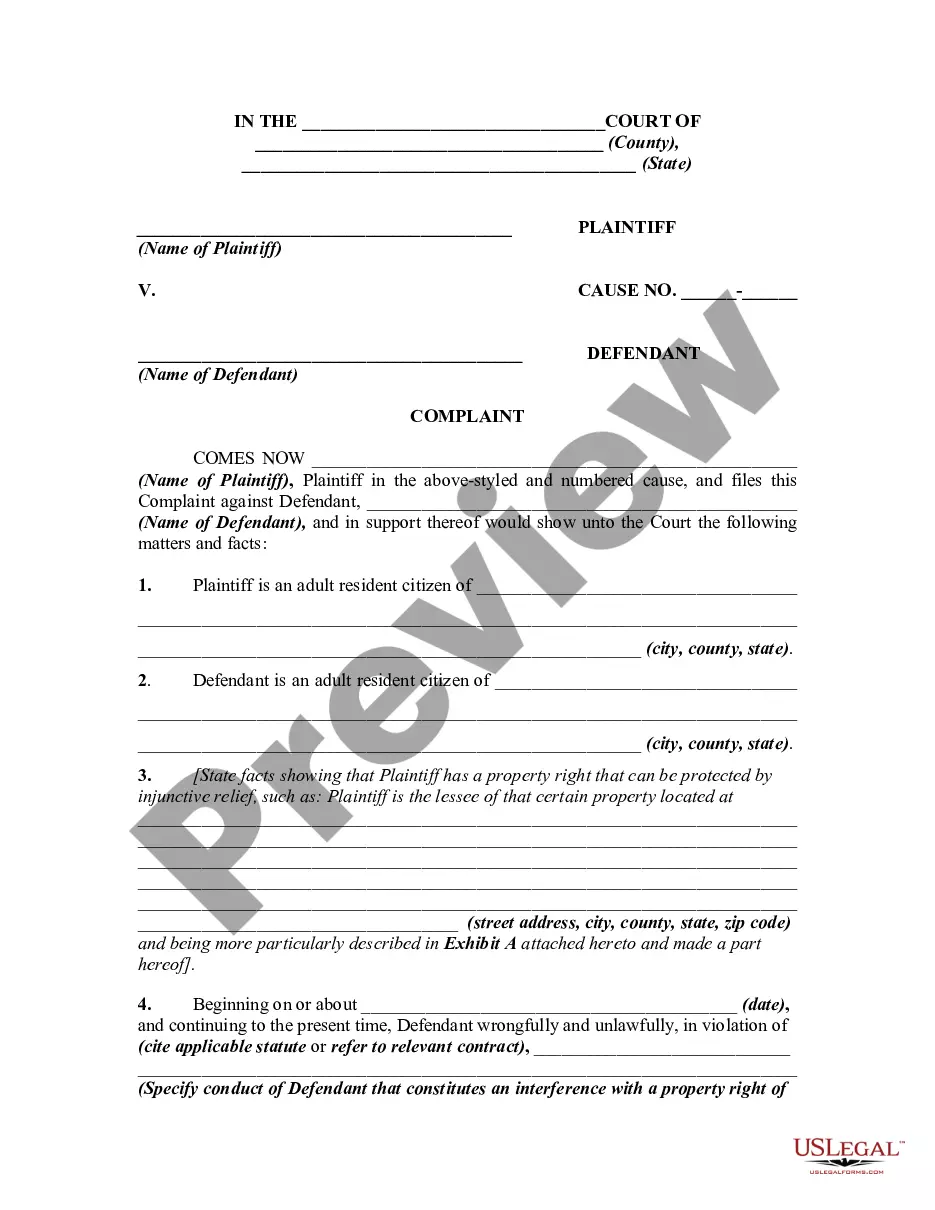
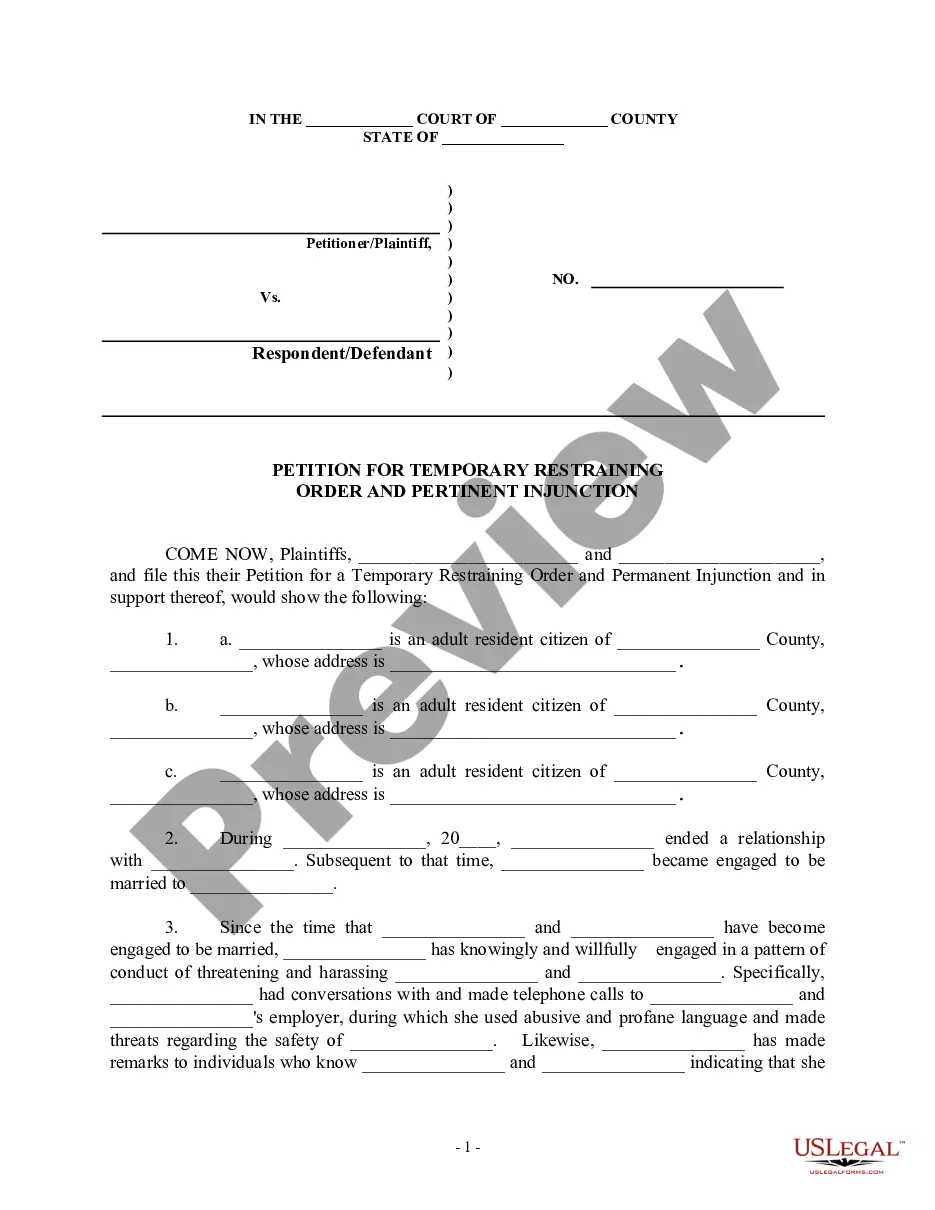
How to fill out Sample Brief - Injunction?
Managing legal documents can be daunting, even for the most experienced professionals.
When you're on the lookout for a Attorney Brief Example With Parameters and lack the time to find the accurate and current version, the process can be stressful.
With US Legal Forms, you can.
Access legally binding documents tailored to specific states or counties and fulfill any requirements from personal to organizational paperwork, all consolidated in one spot.
If it’s your initial time using US Legal Forms, create a complimentary account for unlimited access to all the advantages of the library. After locating the desired form, follow these steps.
- Employ cutting-edge tools to complete and oversee your Attorney Brief Example With Parameters.
- Access a wealth of articles, guidelines, manuals, and resources pertinent to your situation and requirements.
- Conserve time and energy in retrieving the necessary documents, and leverage US Legal Forms’ sophisticated search and Review feature to find and acquire the Attorney Brief Example With Parameters.
- If you're a subscriber, Log In to your US Legal Forms account, search the form, and obtain it.
- Check your My documents tab to review previously downloaded documents and manage your folders as needed.
- Utilize a comprehensive online form repository to effectively handle these circumstances.
- US Legal Forms leads the industry in digital legal documents, offering over 85,000 state-specific legal forms accessible at your convenience.
- Experience a streamlined approach to your legal documentation needs.
Form popularity
FAQ
How to write a brief Explain the goals and motivations. You should start your brief by writing about the project background and brand. ... Highlight specific objectives and challenges. ... Describe your target audience. ... Examine competitors. ... Ask for feedback.
Mention the proper case title and the citation in your case summary. Name of the court, name of the judges and the parties to the case. Brief Facts. Issues involved. Important Arguments. Judgment. Present status of the judgment. Include other opinions.
A brief should begin with the case name, the court that decided it, the year it was decided, and the page on which it appears in the casebook. 3. Identify the case facts. Next, state the facts of the case.
Preparing the Case Read and Examine the Case Thoroughly. Take notes, highlight relevant facts, underline key problems. Focus Your Analysis. Identify two to five key problems. ... Uncover Possible Solutions/Changes Needed. Review course readings, discussions, outside research, your experience. Select the Best Solution.
Almost every sentence in your Statement of Facts should be followed by a citation to the specific page of the factual record that supports your statement. This also serves as a check to ensure that your representation of the facts is persuasive but not inaccurate. Do not prematurely end the Statement of Facts.