Injunction Order Template With Injunction
Description
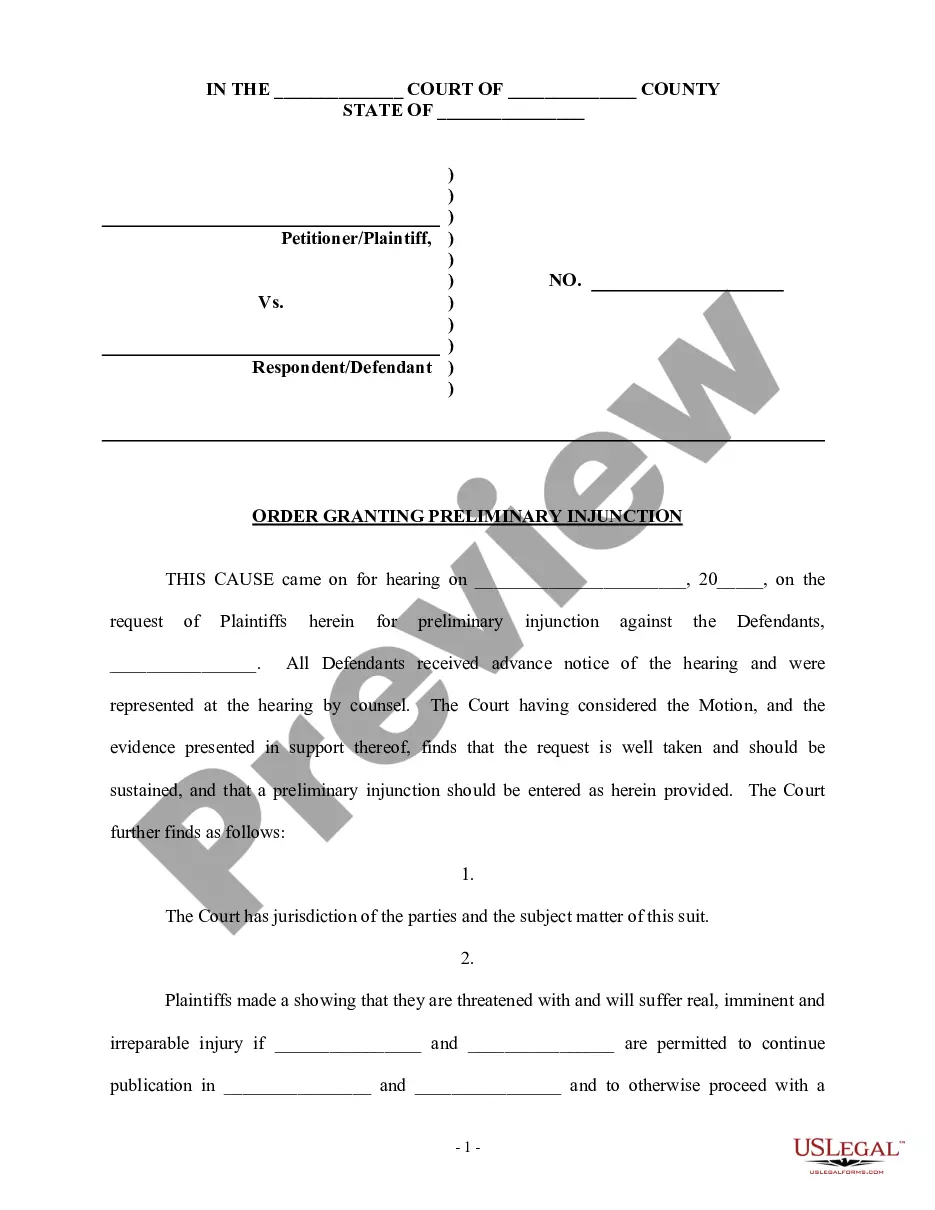
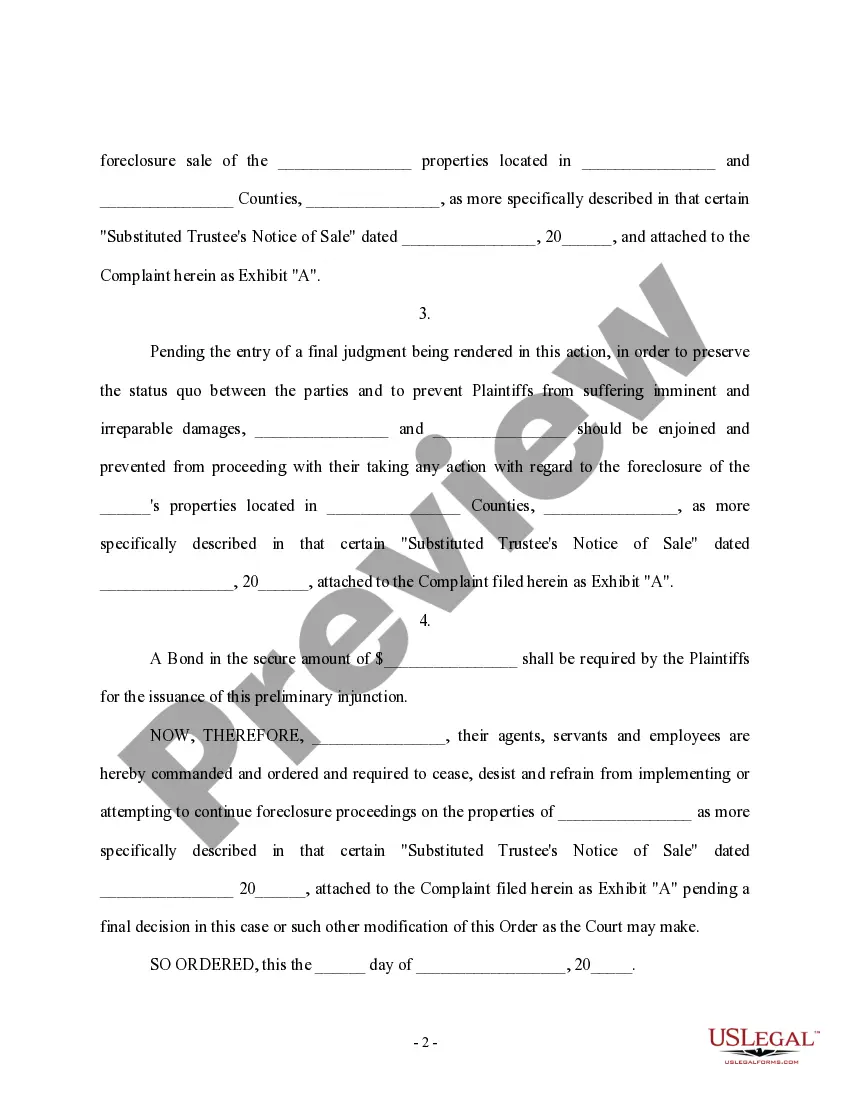

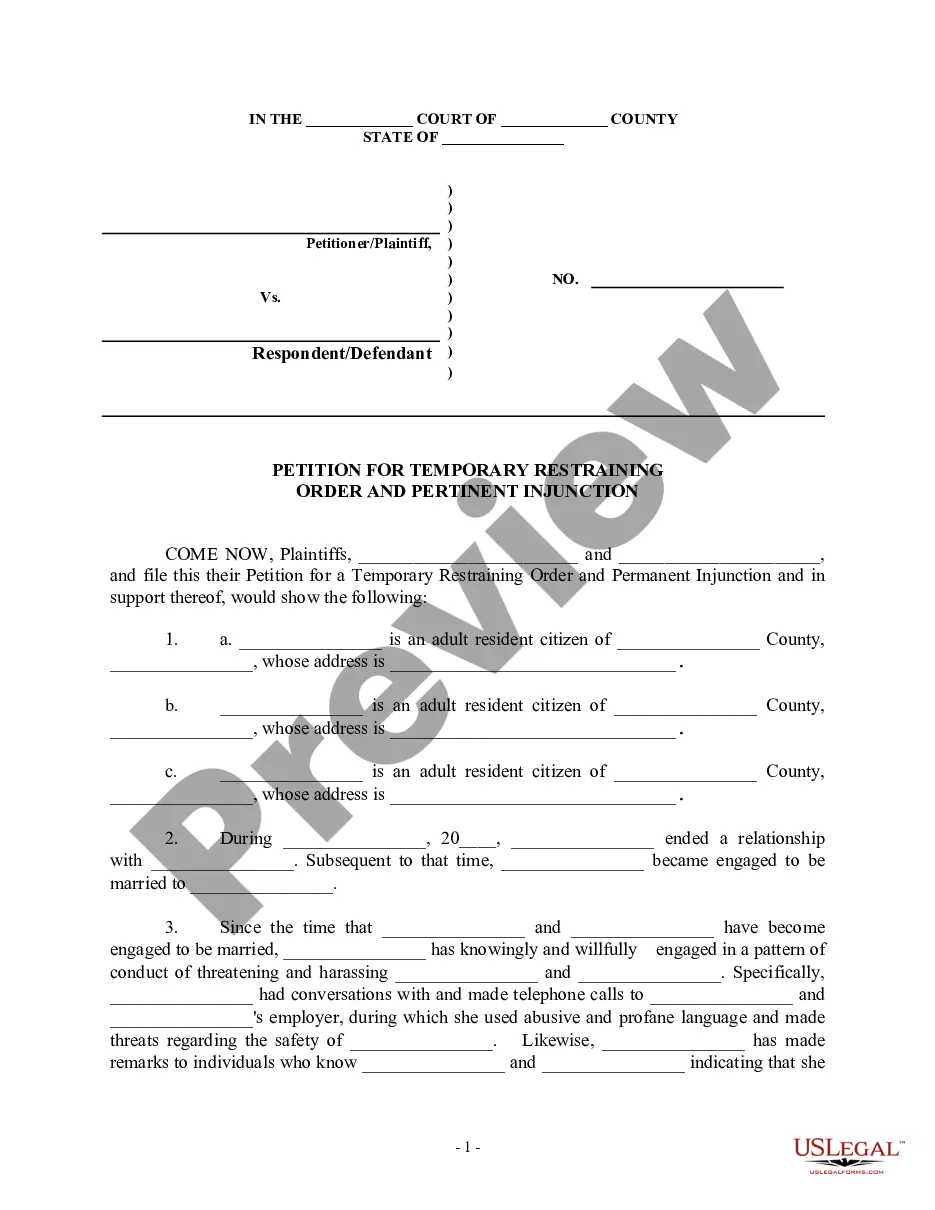







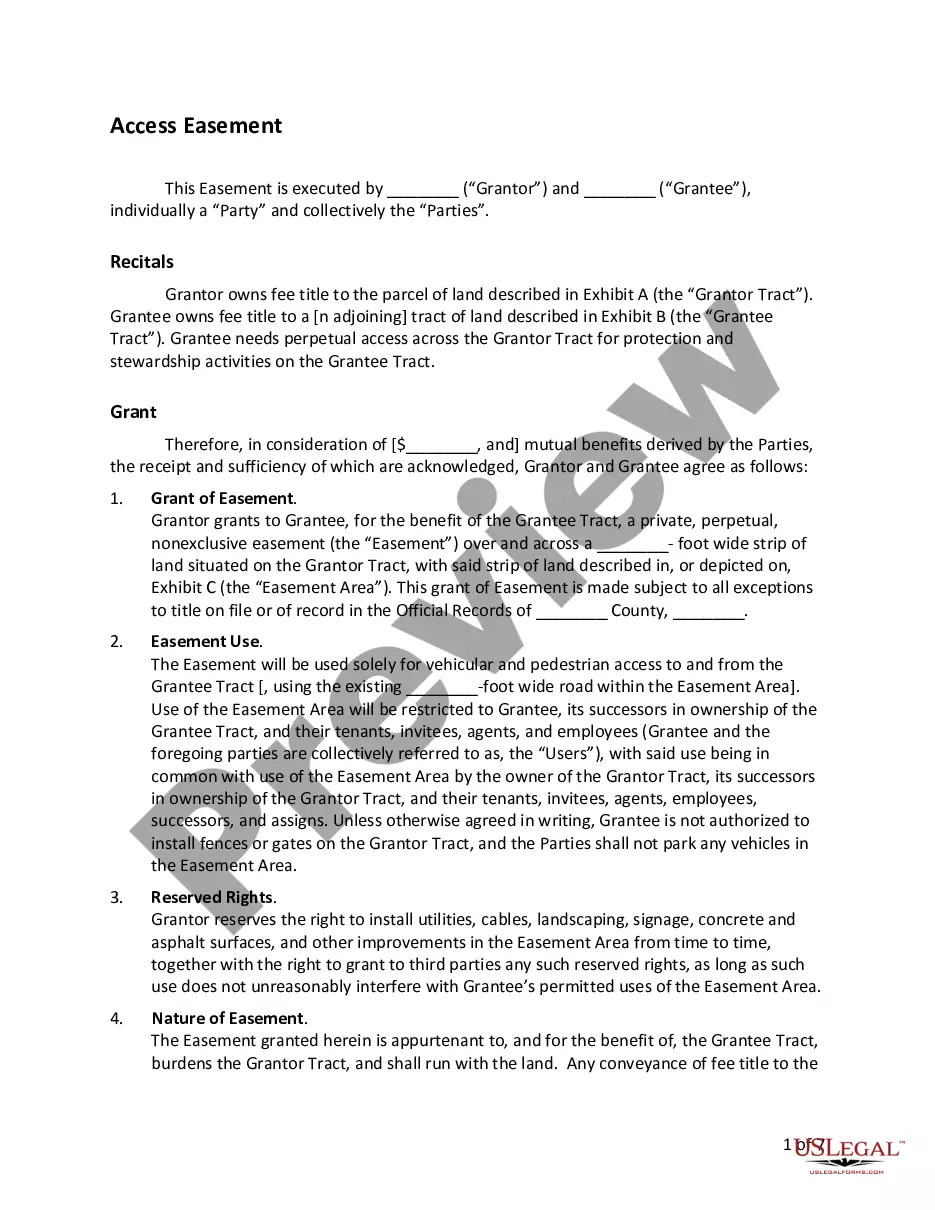
How to fill out Order Granting Preliminary Injunction?
It’s clear that you cannot become a legal expert instantly, nor can you understand how to swiftly create an Injunction Order Template With Injunction without a specialized background.
Assembling legal documents is a labor-intensive task that demands specific training and expertise. So why not entrust the development of the Injunction Order Template With Injunction to the professionals.
With US Legal Forms, one of the most extensive legal document collections, you can discover everything from court forms to templates for internal business communication. We recognize the significance of compliance and adherence to federal and state regulations. That’s why, on our platform, all templates are region-specific and current.
Select Buy now. Once the payment is completed, you can obtain the Injunction Order Template With Injunction, complete it, print it, and send or mail it to the appropriate individuals or entities.
You can regain access to your documents from the My documents tab at any time. If you are an existing customer, you can simply Log In, and locate and download the template from the same tab.
- Begin with our platform to obtain the document you need in just minutes.
- Locate the form you require using the search bar at the top of the page.
- Preview it (if this option is available) and review the supporting description to ascertain whether Injunction Order Template With Injunction is what you are looking for.
- Restart your search if you need a different form.
- Sign up for a free account and select a subscription plan to purchase the template.
Form popularity
FAQ
State as briefly as possible the facts showing that each plaintiff is entitled to the injunction or other relief sought. State how each defendant was involved and what each defendant did that caused the plaintiff harm or violated the plaintiff's rights, including the dates and places of that involvement or conduct.
An injunction is a court order requiring a person to do or cease doing a specific action. There are three types of injunctions: Permanent injunctions, Temporary restraining orders and preliminary injunctions. Temporary restraining orders (TRO) and preliminary injunctions are equitable in nature.
A mandatory injunction is issued when a court directs a person to perform certain acts, as opposed to prohibitory injunction, which seeks to preserve the status quo. The defendant named in a mandatory injunction must undo the wrong or injury that one has caused.
An injunction is a court order delivered in a civil trial or suit. This court order stops the defendant from pursuing a certain activity. This can include constructing a new building, pursuing a business venture, or making transactions that are harmful to the plaintiff.
In order to be granted an injunction, the plaintiff must demonstrate that he is likely to suffer irreparable harm without it, that the injunction's benefit to him outweighs its burden on the defendant, that the injunction is in the public interest, and (in the case of a preliminary injunction) that he is likely to ...